








Introduction:The Moka pot is a beginner-friendly, cost-effective gateway tool for many new coffee enthusiasts stepping into the world of espresso. This article delves into the workings of the Moka pot, provides a step-by-step guide to its proper use, and answers common questions—such as how to choose the right coffee beans, adjust grind size and heat, and even make Americano and latte with a Moka pot. Whether you're aiming to refine your brewing skills or seeking a high-value everyday bean, you’ll find practical guidance here.
The Origins and Controversy of the Moka Pot
Originating in Italy, the Moka pot is a beloved espresso-making tool for many households and coffee lovers, especially popular across Europe. However, opinions on it are divided: some argue it can’t compare to professional espresso machines, while others see it as a high cost-performance alternative. For beginners on a budget who want to brew at home, mastering the correct usage and key details will allow the Moka pot to produce rich, satisfying coffee.
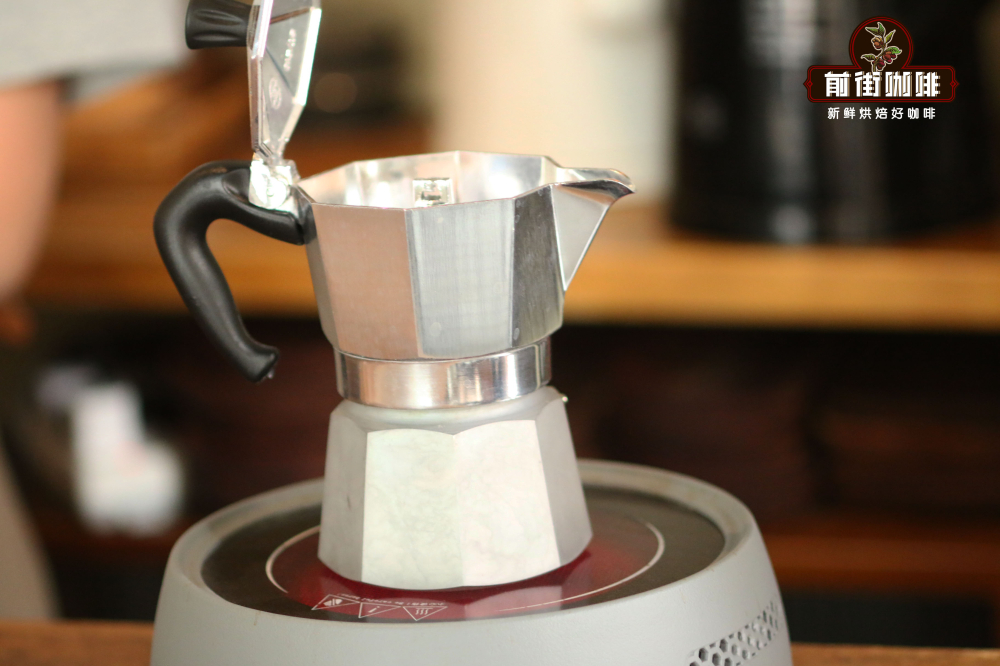
Basic Structure and Brewing Principle of the Moka Pot
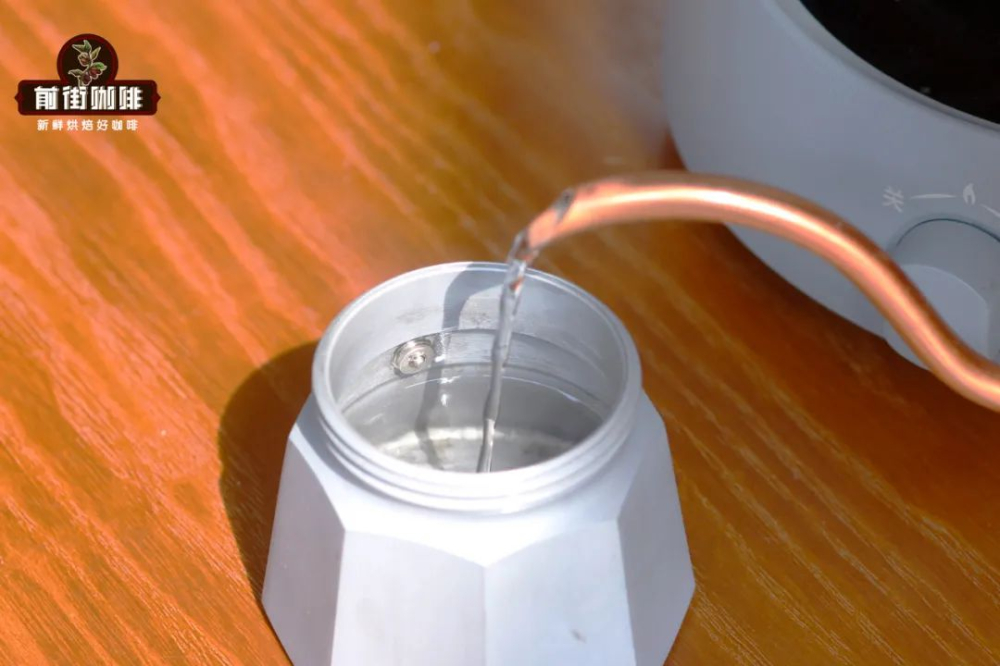
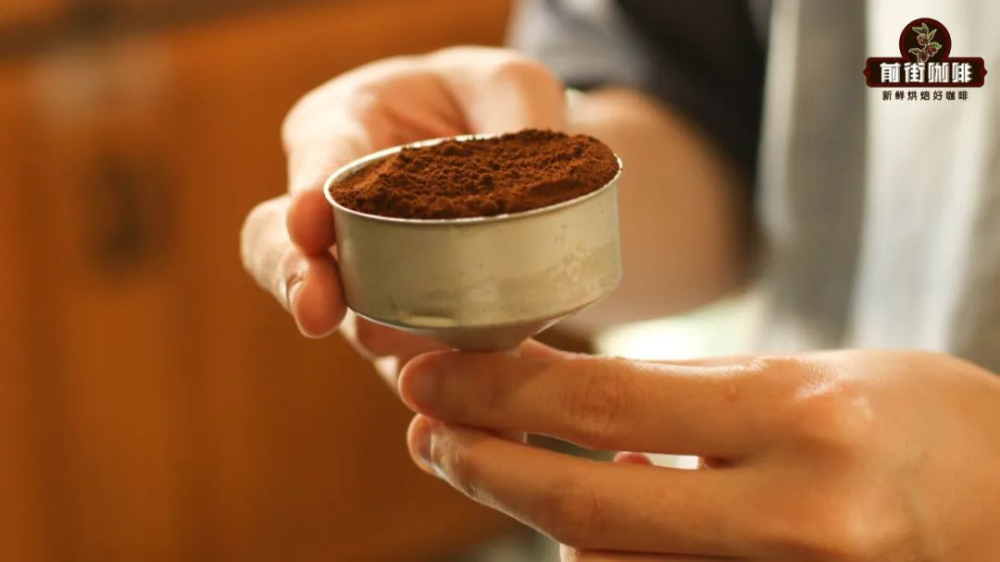
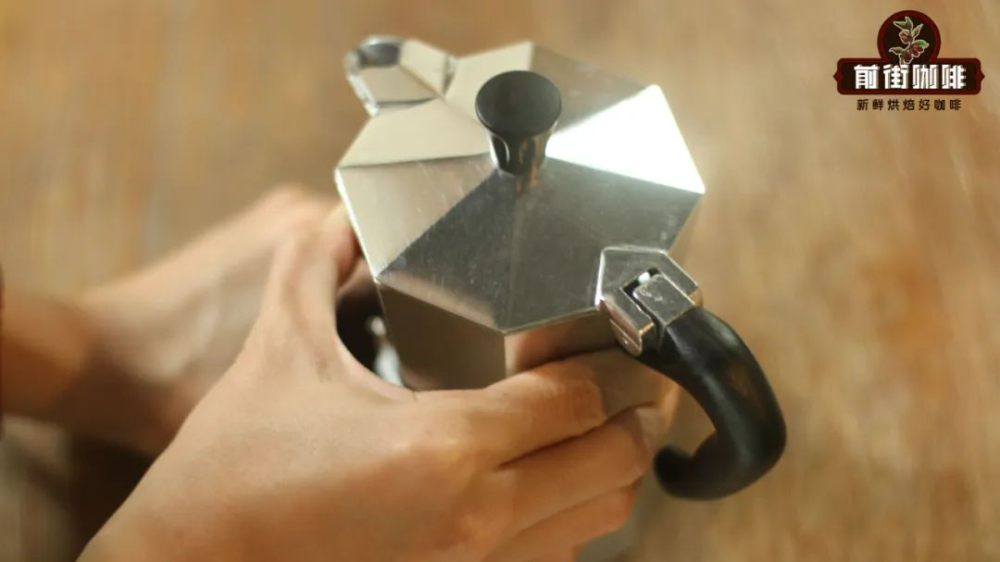
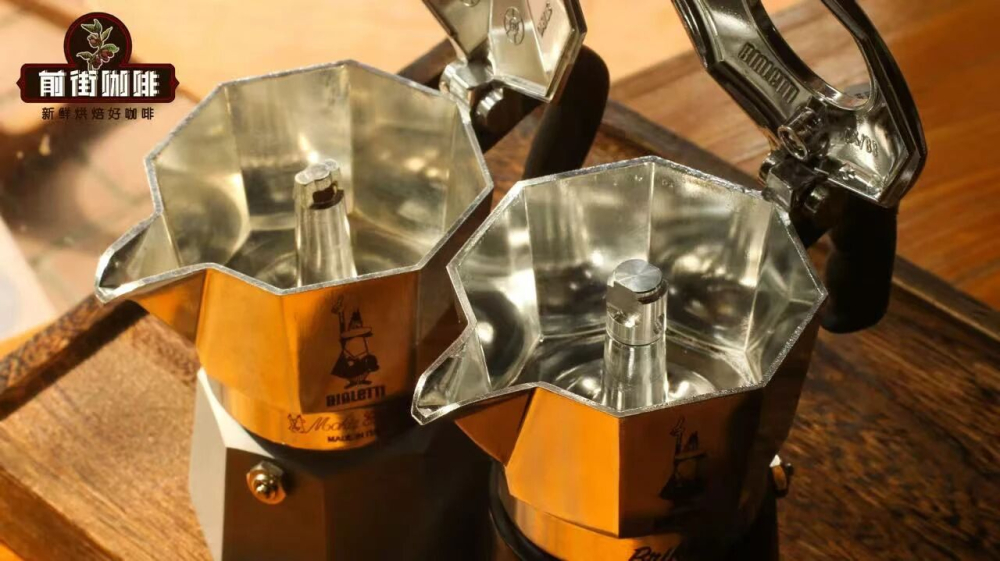
The Moka pot mainly consists of three parts: the lower chamber holds water, the funnel holds finely ground coffee, and the upper chamber collects the brewed coffee. Its working principle relies on the steam pressure generated by heating the lower chamber. As the pressure builds and pushes through the coffee grounds, it forces the hot water upward, completing the espresso extraction. Operation is quite intuitive: first pour cold water into the lower chamber (avoid using hot water), assemble the funnel and fill it with an appropriate amount of finely ground coffee—filling slightly higher in the center and leveling the edges—and then tighten the upper chamber to complete the setup.
When Does Brewing Begin? How to Control the Heat?
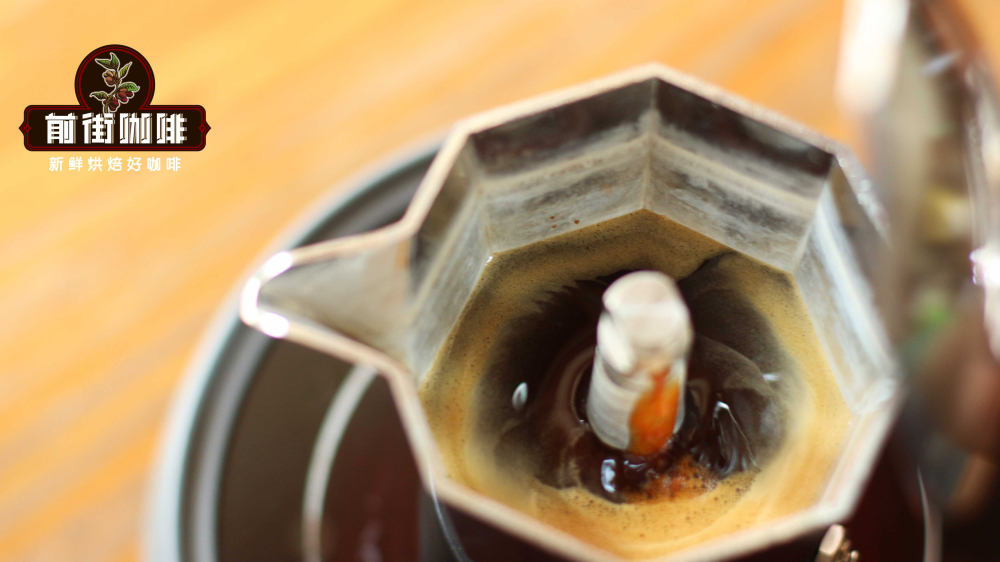
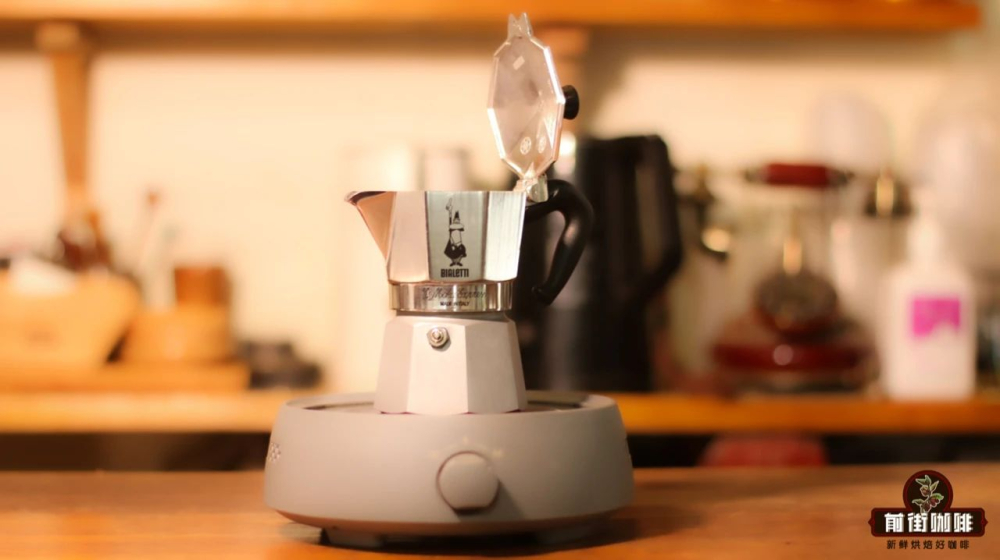
After assembly, place the Moka pot on an electric stove or gas burner to heat. When you hear a distinct “wuu wuu” sound, it indicates that sufficient pressure has built up and coffee is about to flow out—this is the time to turn off the heat and wait for the coffee to fully extract into the upper chamber. This process is not only simple but also helps avoid over-extraction or burnt, bitter flavors.
Recommended Coffee Beans Suitable for the Moka Pot
Since the Moka pot uses pressurized extraction, medium to dark or dark roasted beans are recommended to achieve a rich body and bold flavors—these beans typically offer a heavier mouthfeel and noticeable crema. If you prioritize freshness and consistent flavor, pay attention to roast dates and opt for recently roasted beans when possible. There are plenty of well-reviewed options on the market, such as blends with nutty and chocolate notes, or single-origin beans (SOE) with clear, distinctive profiles—all of which can showcase the concentrated charm of the Moka pot.

How to Adjust Grind Size and Pressure to Optimize Extraction?
The extraction pressure of the Moka pot is closely related to the fineness of the coffee grind. The finer the grind, the smaller the gaps between coffee particles, creating greater resistance for water flow, which helps build pressure and extract a richer coffee. In addition, using hot water as the brewing medium is key to ensuring stable accumulation of steam pressure. To further enhance extraction, consider using a Moka pot with a pressure valve design—such as a double-valve model—which encourages coffee to be released under higher pressure, thereby increasing crema thickness and flavor concentration.
When Should You Turn Off the Heat? Tips to Determine Brewing Completion
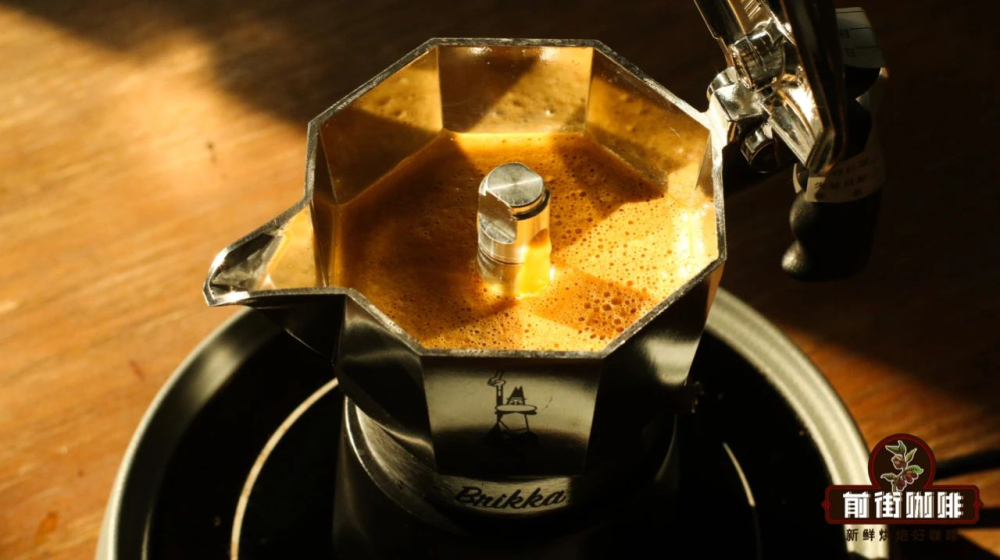
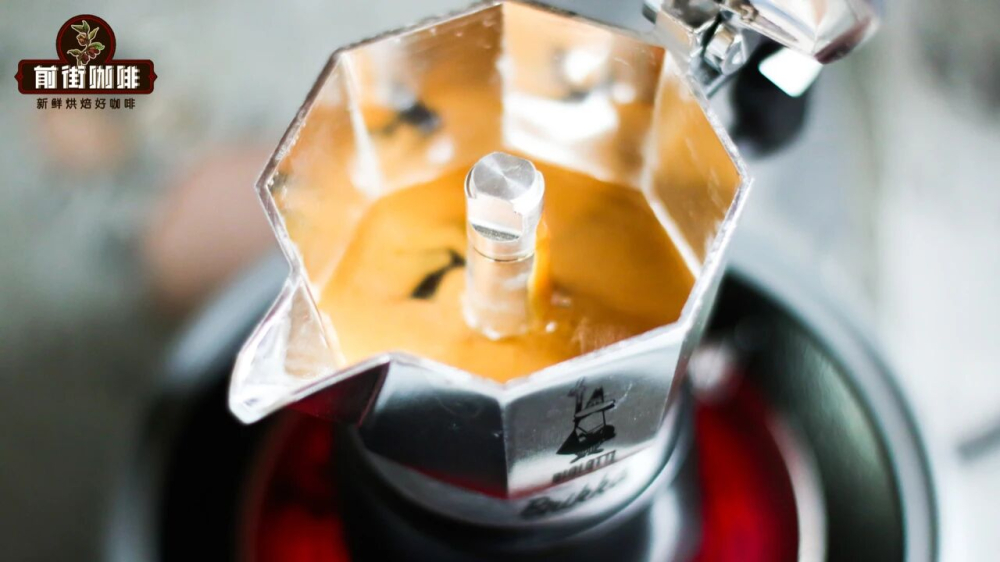
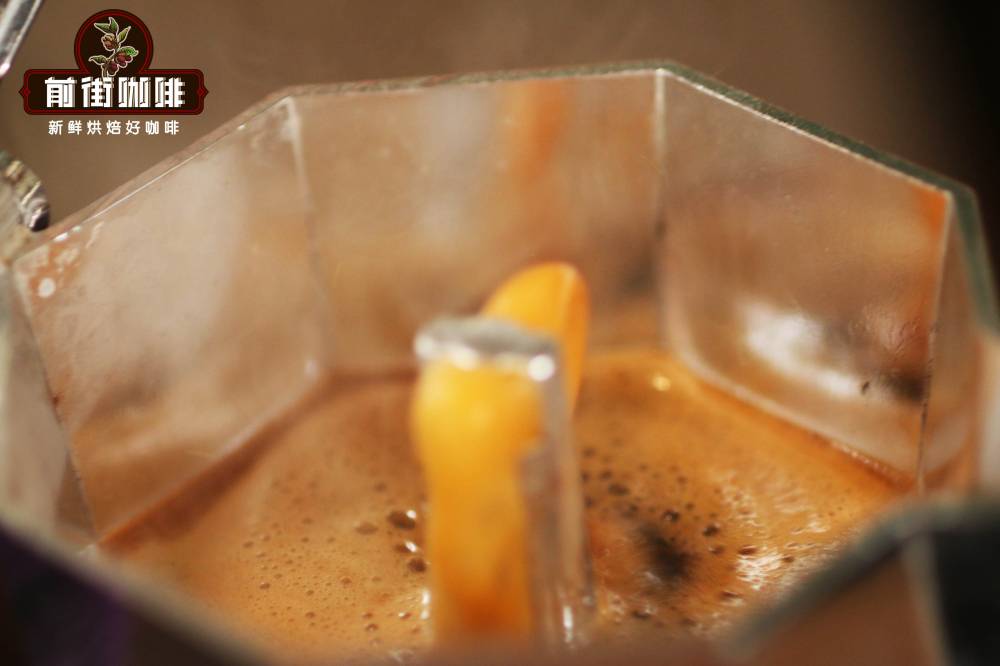
During the brewing process, carefully observe the flow of coffee. If it gushes out like a fountain, it usually means the grind is too coarse, offering insufficient resistance and resulting in low pressure; conversely, if you hear a low “wuu wuu” sound but the coffee isn’t rising, the grind may be too fine or the heat too high—in this case, immediately move the Moka pot away from the heat source to prevent over-extraction or burning.
Making Americano and Latte with a Moka Pot
For variety, the Moka pot is also versatile. To make an Americano, simply prepare about 300ml of warm water in advance, pour the extracted espresso into it, and stir well. For a latte, heat fresh milk to 60–65°C, then add the Moka pot’s espresso—you’ll enjoy a smooth, flavorful latte that rivals any takeout drink.



The above content is compiled by CoffeeHunters, a coffee news website.


