







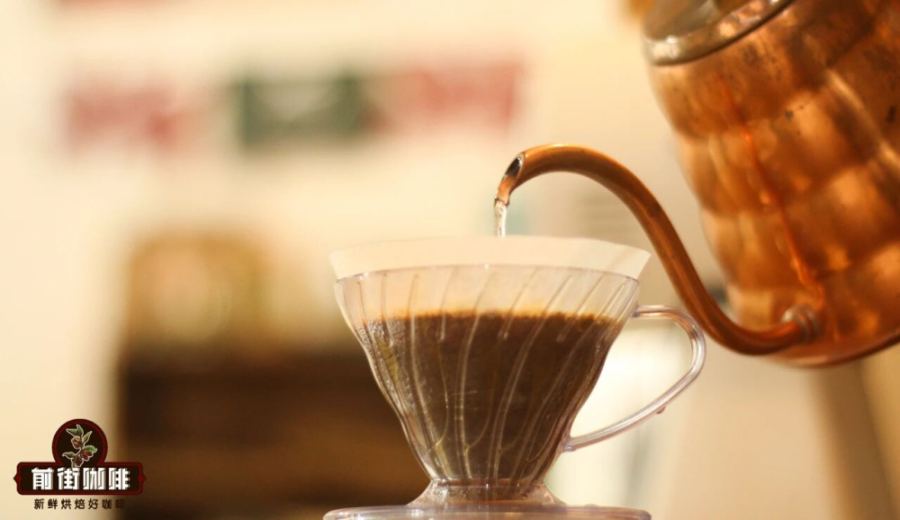
Introduction:Pour-over coffee showcases the purest flavor layers of coffee through simple equipment and manual craftsmanship. This article details the key selection points for essential tools from grinders to filter cones, analyzes how core parameters such as water temperature and flow rate affect the flavor of pour-over coffee, and provides a beginner-friendly operation process. By comparing the differences between various filter cone shapes and brewing methods, it guides you to master this artisanal coffee experience.
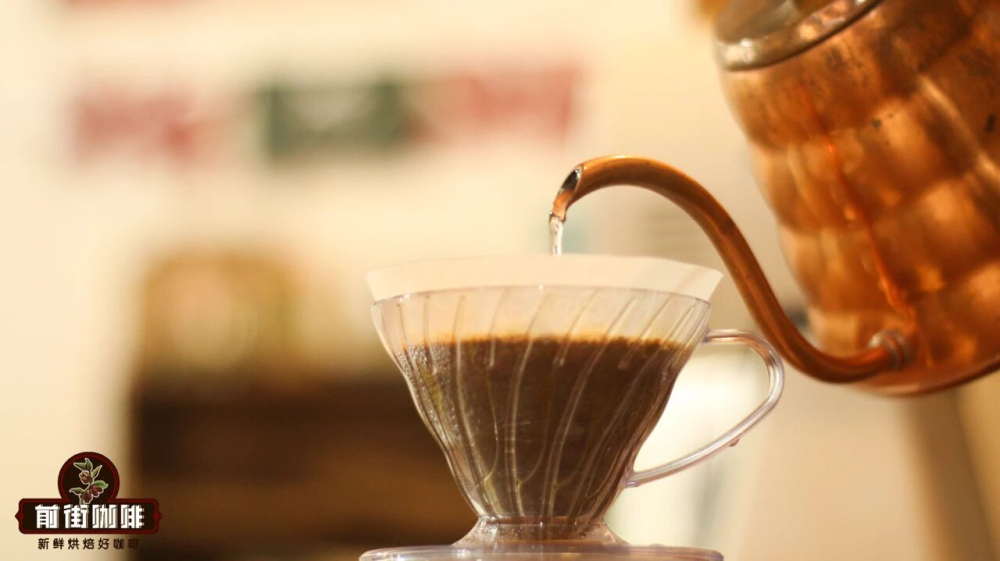
In the modern era of widespread fully automatic coffee machines, pour-over coffee has regained attention for its back-to-basics qualities. This hand-brewing method originating from Japan requires only hot water, filter paper, and precise technique to reveal the unique character of coffee beans within two minutes. Since the entire process relies on the brewer’s control of water flow, temperature, and time, even with identical equipment, each brew can yield distinctly different flavor profiles.
[Core Equipment Breakdown]
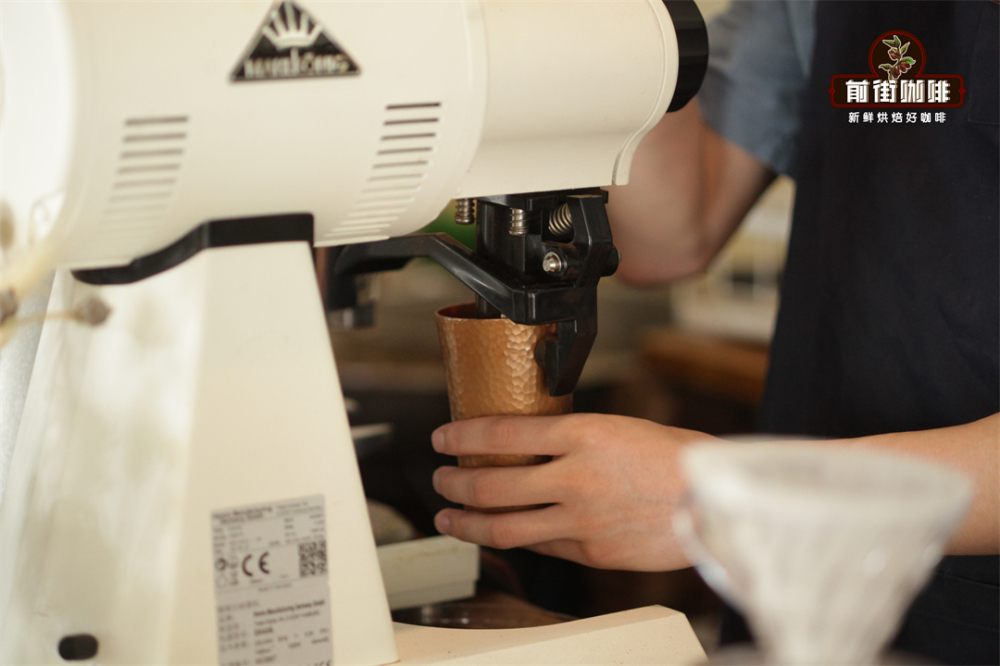
Freshly ground coffee powder forms the foundation of flavor. It is recommended to choose uniformly ground powder with a granularity similar to that of No. 2 sugar (approximately 0.8–1.0 mm). A professional grinder ensures consistent particle size distribution, avoiding under-extraction caused by overly coarse grounds or over-extraction caused by excessively fine ones.Select the filter paper to match the filter cone model. Unbleached natural-color filter paper may carry a slight paper-like taste; pre-wetting it with hot water can reduce off-flavors (Note: Some brands’ specially treated filter papers do not require pre-wetting).
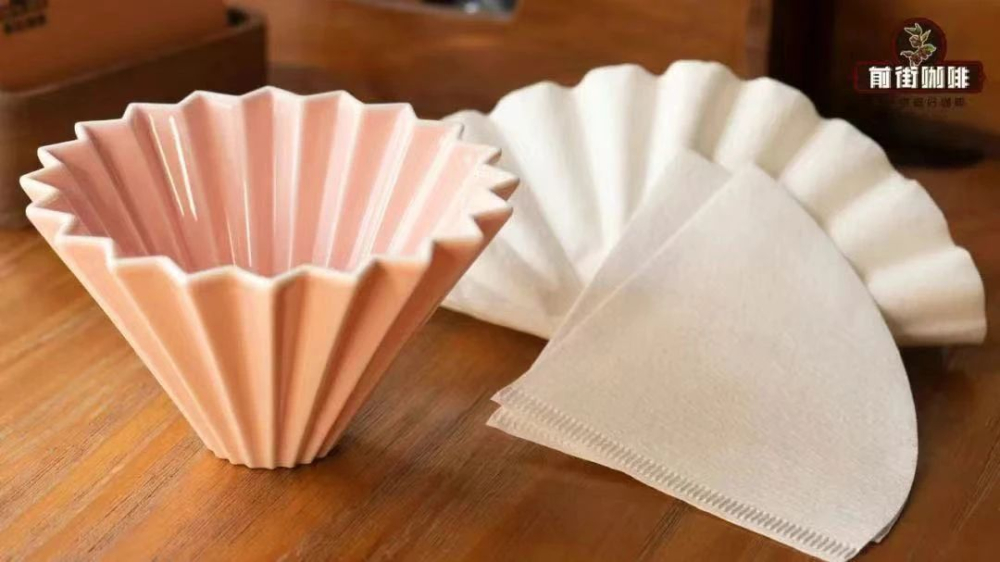
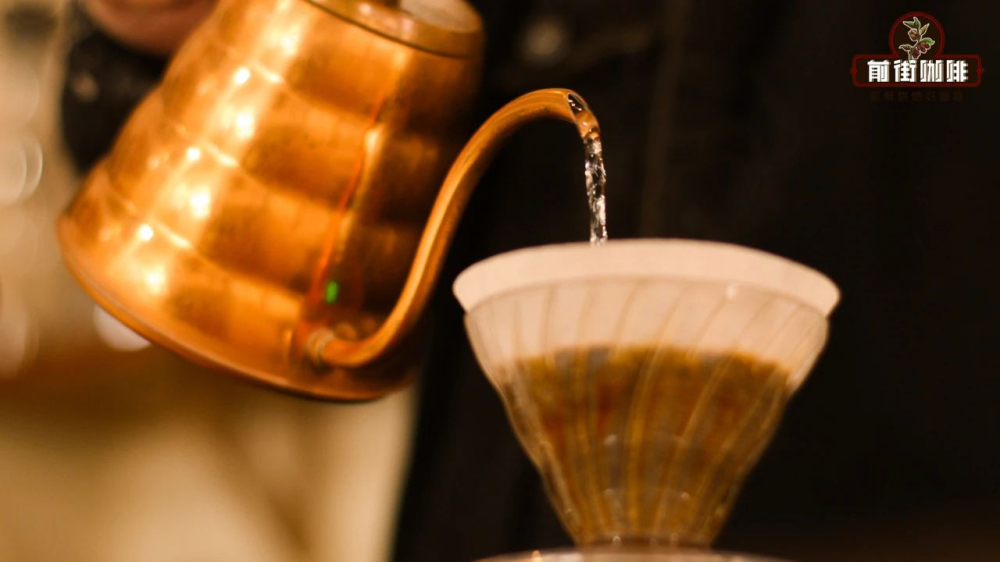
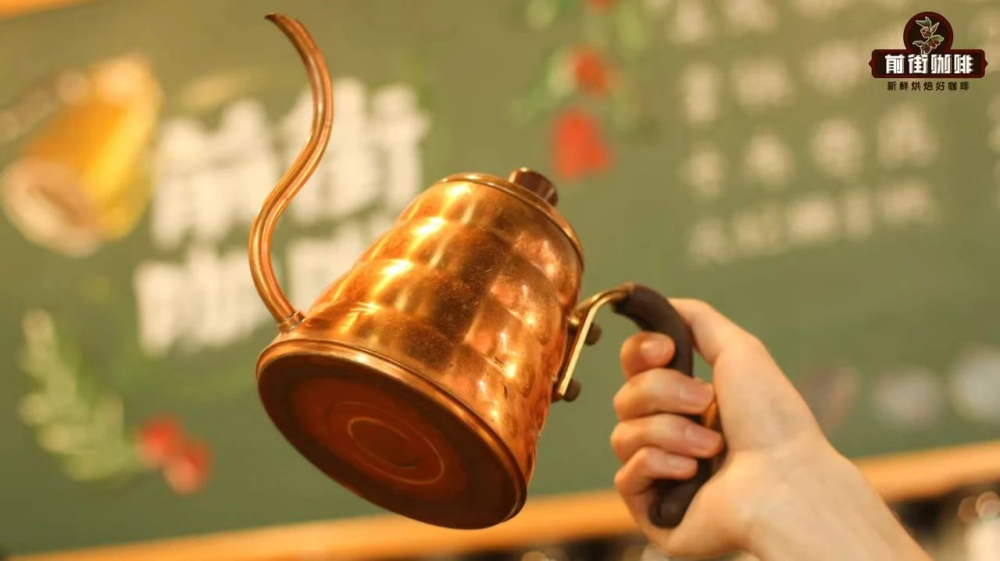
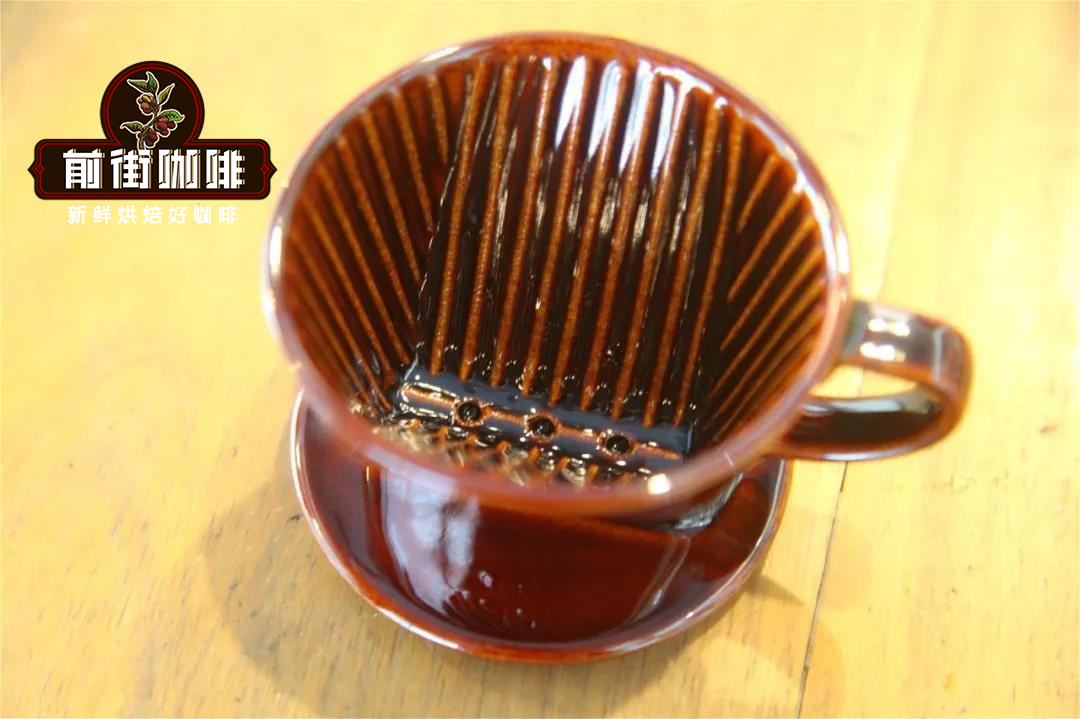
The design of the pour-over kettle’s spout directly affects water pouring control,with a slender spout (diameter 8–10 mm) being more suitable for beginners to stabilize the water flow. Conical filter cones (e.g., Hario V60), due to their large-bore design, allow for a faster flow rate, making them ideal for highlighting fruity acidity and floral notes; fan-shaped filter cones (e.g., Kalita Wave) feature dense filter holes that deliver a richer body; wave-shaped filter cones achieve uniform extraction through their unique structure.
[Flavor Formation Mechanism]
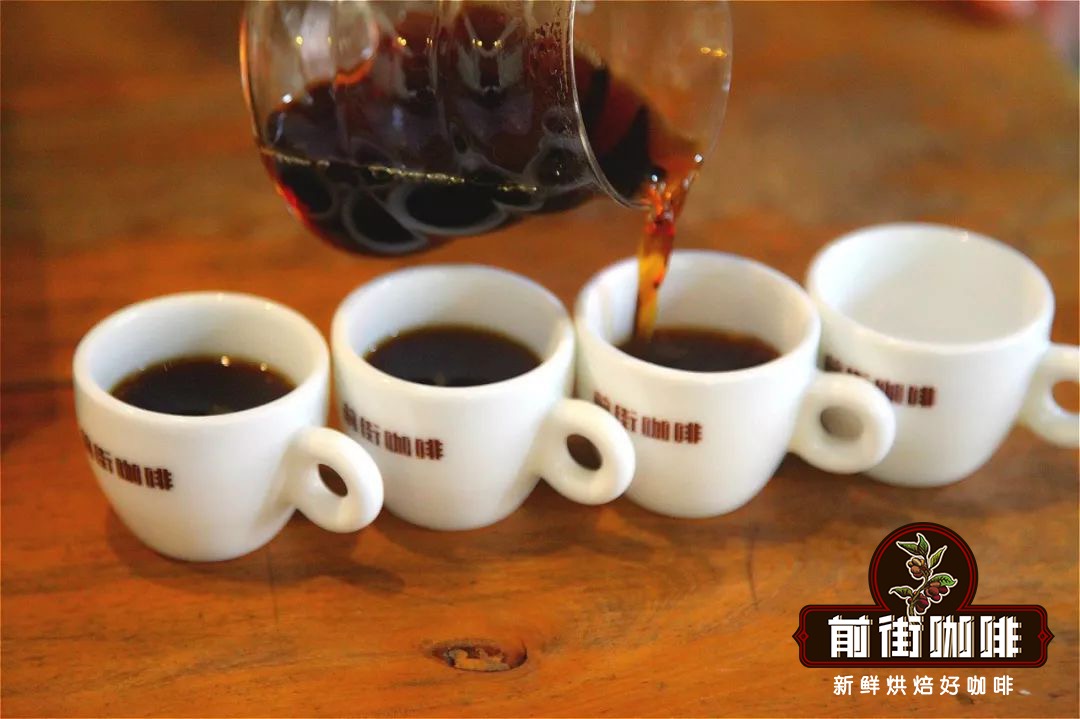
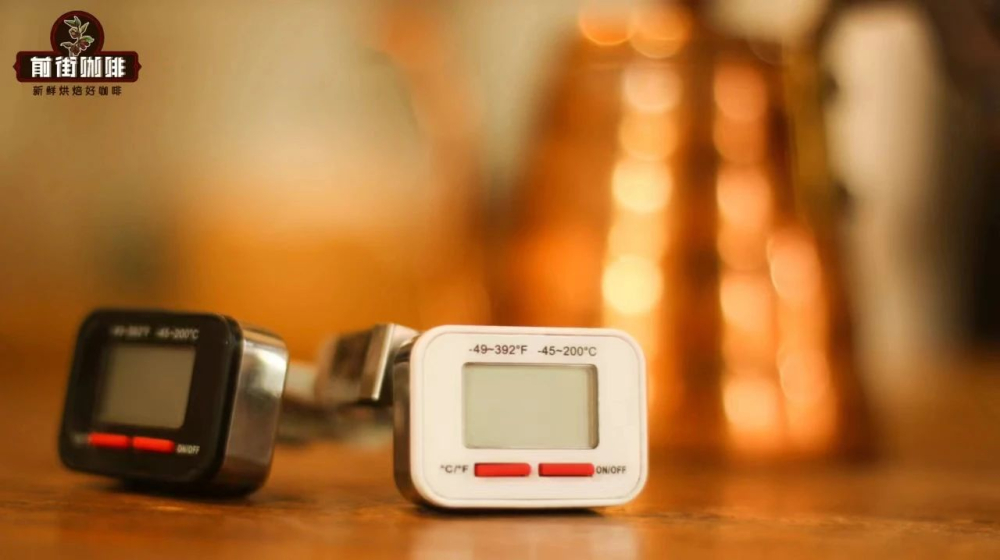
The efficient extraction of pour-over coffee stems from continuously flowing hot water, which can fully extract aromatic compounds within 2–3 minutes. However, rapid extraction also means that parameter errors are magnified—excessively high water temperature can produce burnt bitterness, while too low a temperature leads to flat flavors. Experimental data shows thatthe optimal extraction temperature range is 90–94°C. Combined with a stable pouring rate of 150–200 ml per minute, this balances sweetness and acidity.
The flow rate characteristics of different filter cones significantly alter flavor direction:
• Conical filter cones (fast flow rate) → Bright acidity and high-aroma fragrance
• Fan-shaped filter cones (medium flow
• Wave Dripper (steady flow rate) → Balanced nutty and chocolatey base
It is recommended to use an electronic scale to accurately measure the coffee-to-water ratio (commonly 1:15-1:17), and a timer to monitor extraction time.
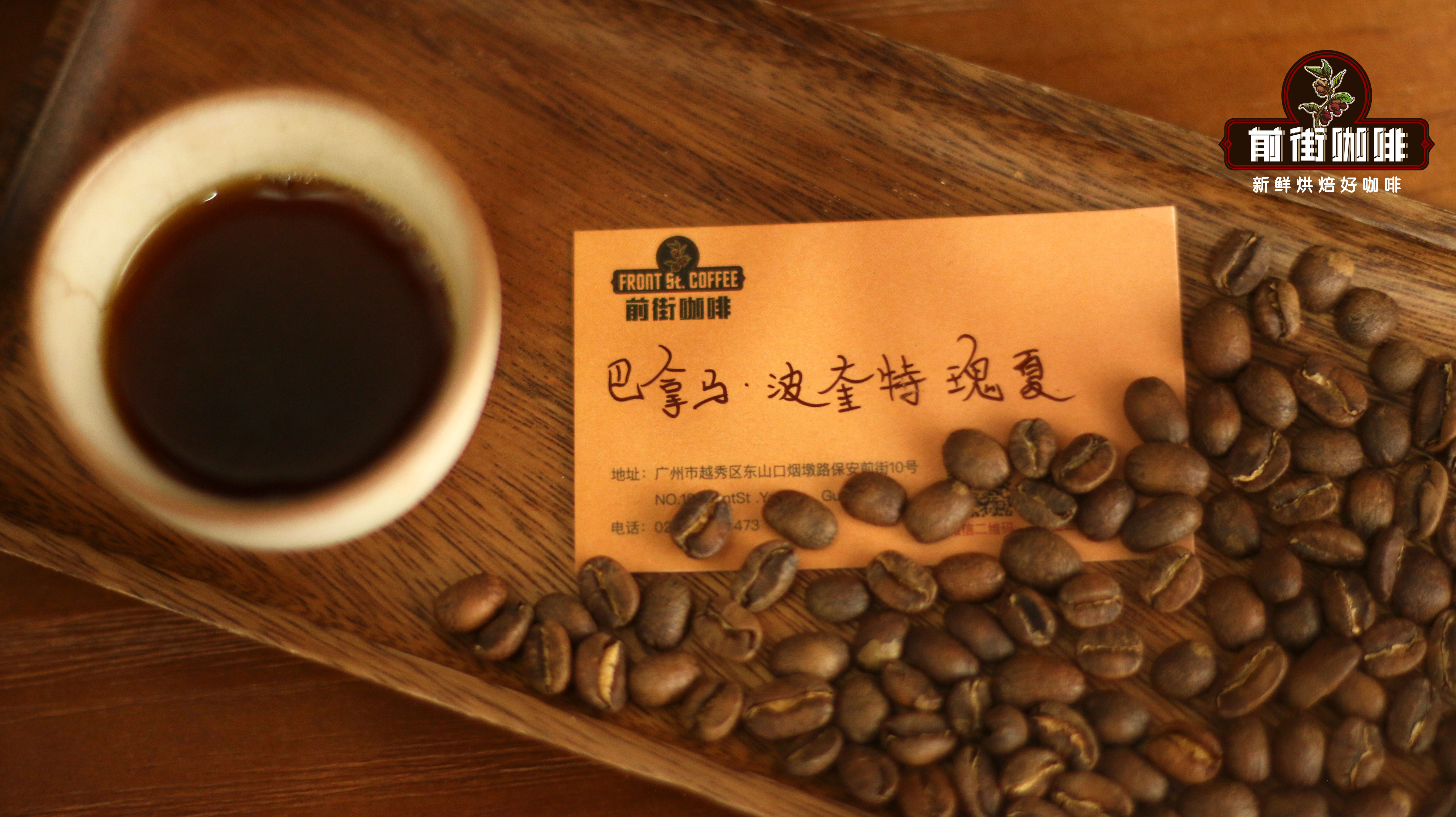
【Simplified Pour Over Method】
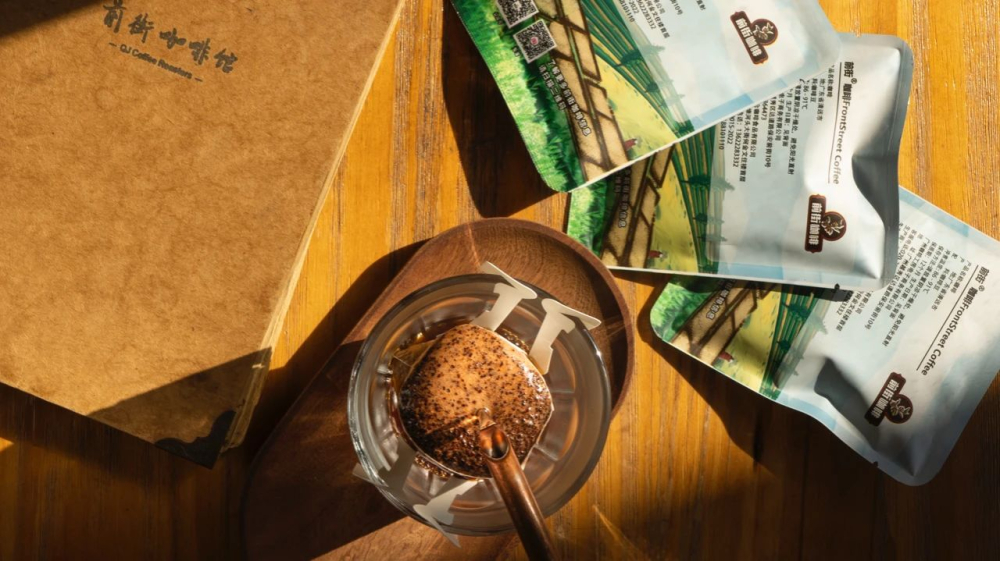
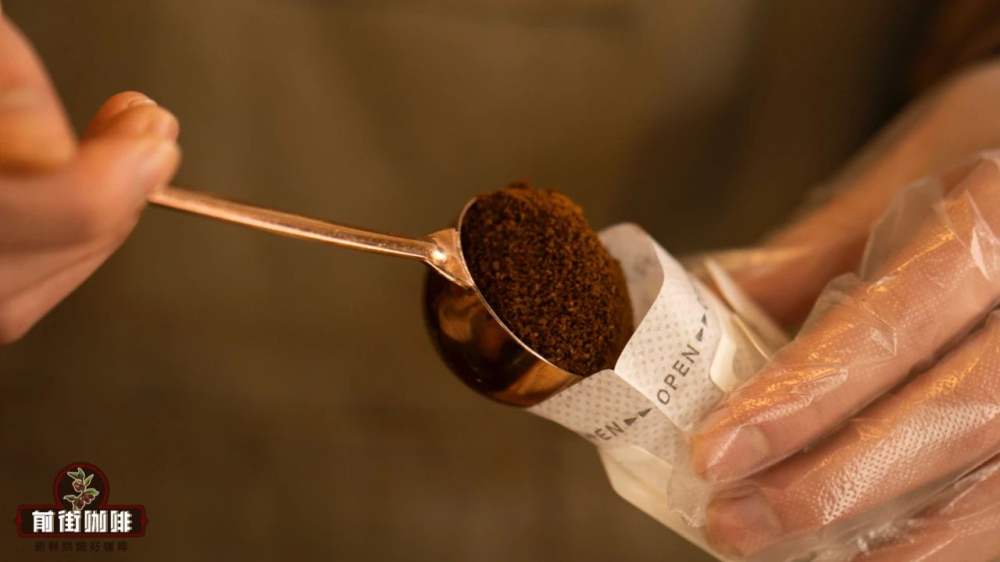
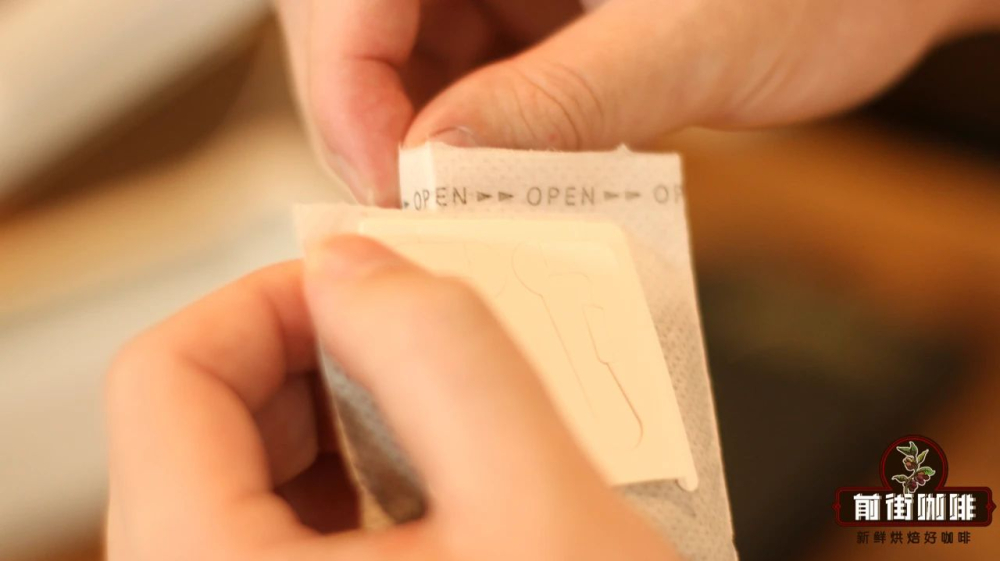
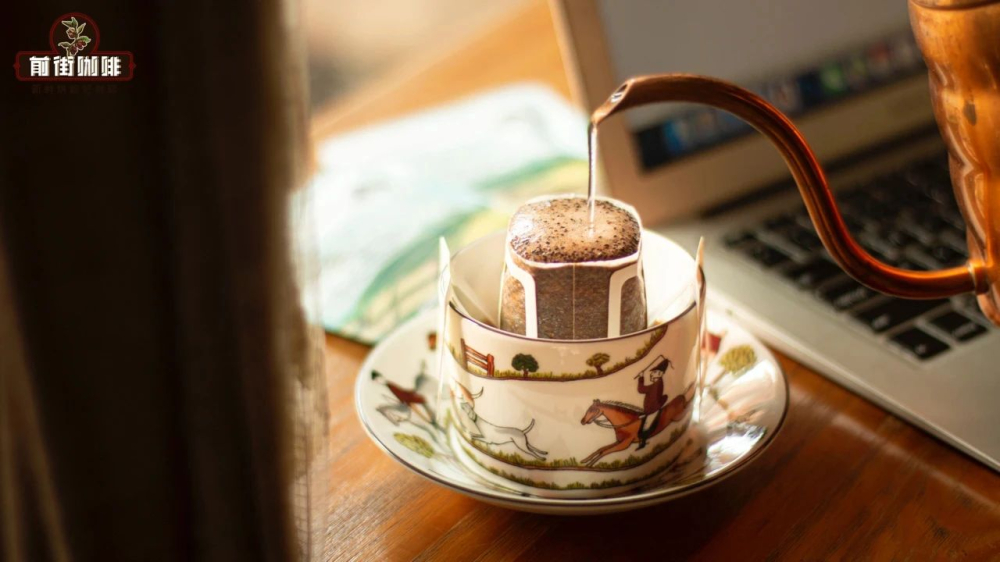
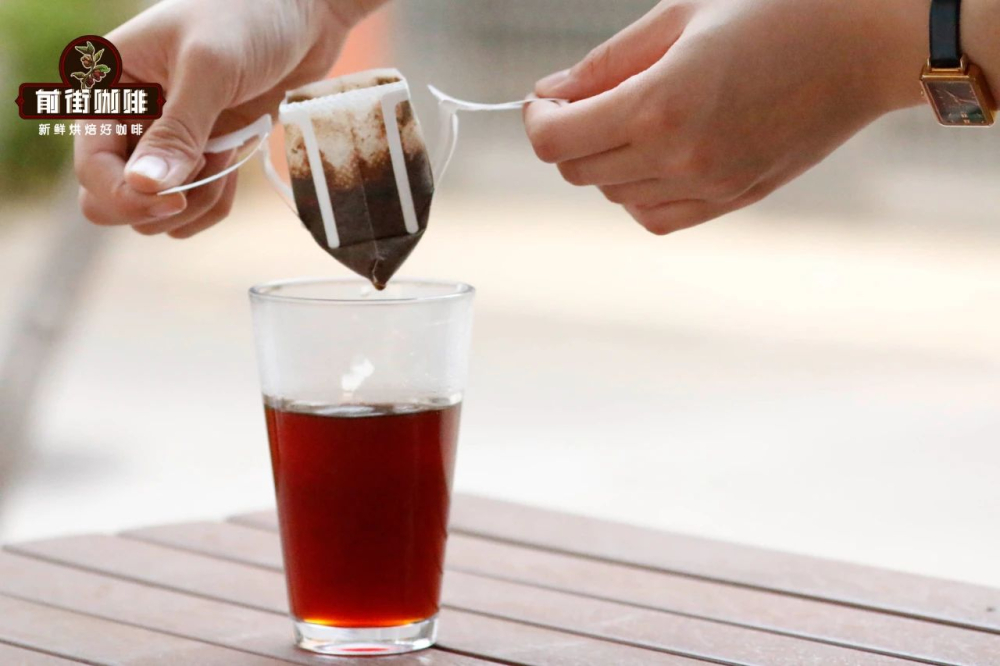
As a portable alternative, drip bags preserve the core advantages of pour over. Taking 10g of standard coffee grounds as an example,when pouring 90°C hot water, start with a 30ml bloom (for 10 seconds)to activate the coffee grounds. Subsequent pouring should be done in a slow, circular motion from the center outward, with total water volume controlled at 150-200ml (approximately a 1:15 ratio). Please note that the filter bag should be discarded after a single use; reusing it may lead to over-extraction and bitterness.
Advanced tips: Preheat the dripper and server with hot water above 60°C before brewing to minimize temperature loss affecting flavor. Water hardness should be below 150ppm to avoid minerals impacting extraction efficiency. Common mistakes include over-grinding (leading to channeling) or pouring water directly onto the edge of the filter paper (disrupting the coffee bed structure).
The above content is compiled by CoffeeHunters, a coffee news website.


