







Introduction:Choosing the right grind size is key to brewing a great cup of coffee. This article takes an in-depth look at the workings of manual grinders—from basic structure breakdowns to fine-tuning grind coarseness—and walks you through the optimal grind settings for five common brewing methods (pour over, French press, siphon, etc.). It also provides practical sieve-testing methods and professional ratio recommendations, helping both beginners and advanced users find the grind setup that suits them best.
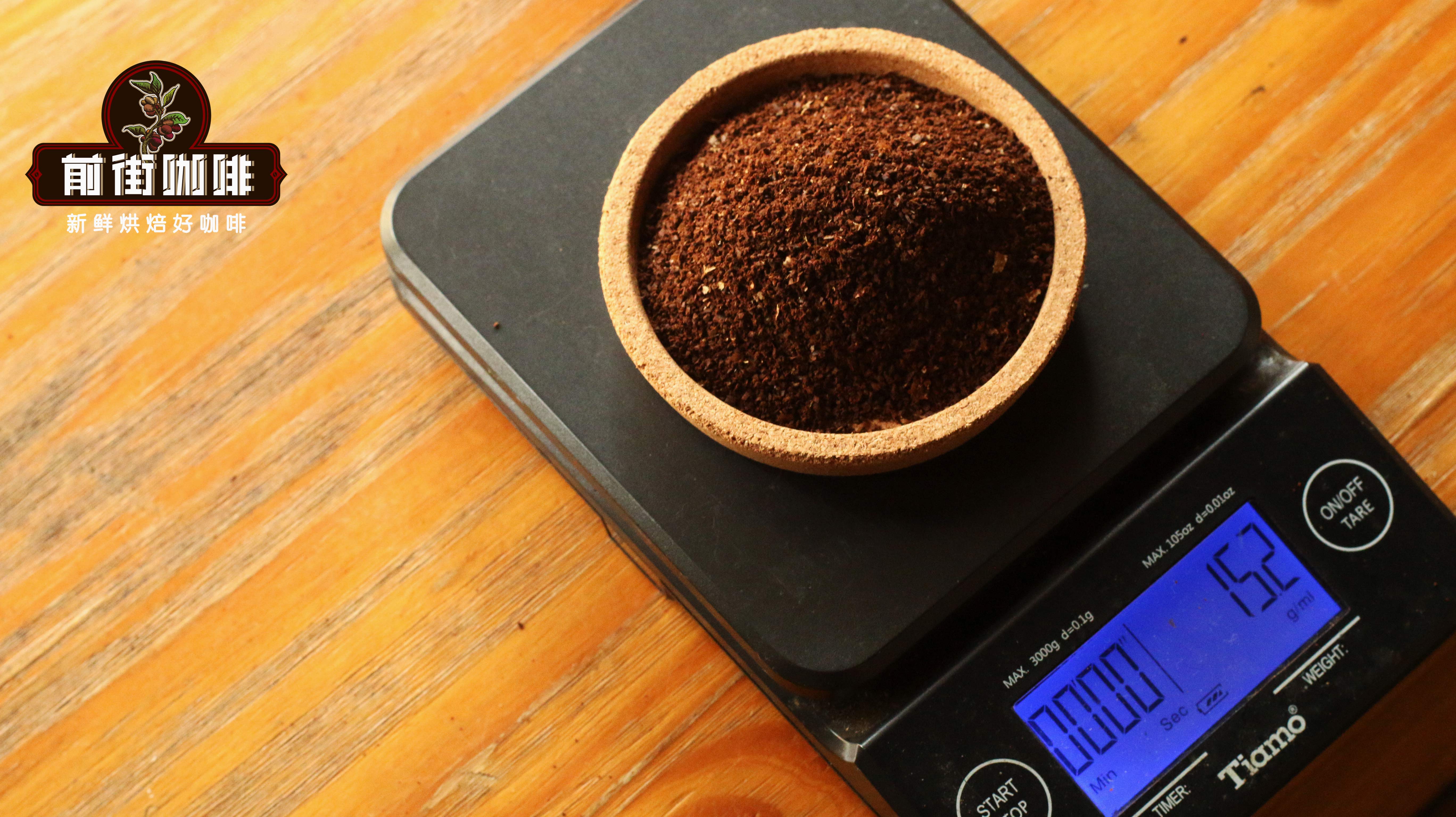
The journey of coffee flavor begins with the grinding process. Different brewing devices require significantly different coffee ground sizes. Manual grinders, with their precise control and cost-effectiveness, have become the go-to choice for many coffee enthusiasts. Understanding grinder construction and adjustment logic is the first step toward improving your pour over technique.
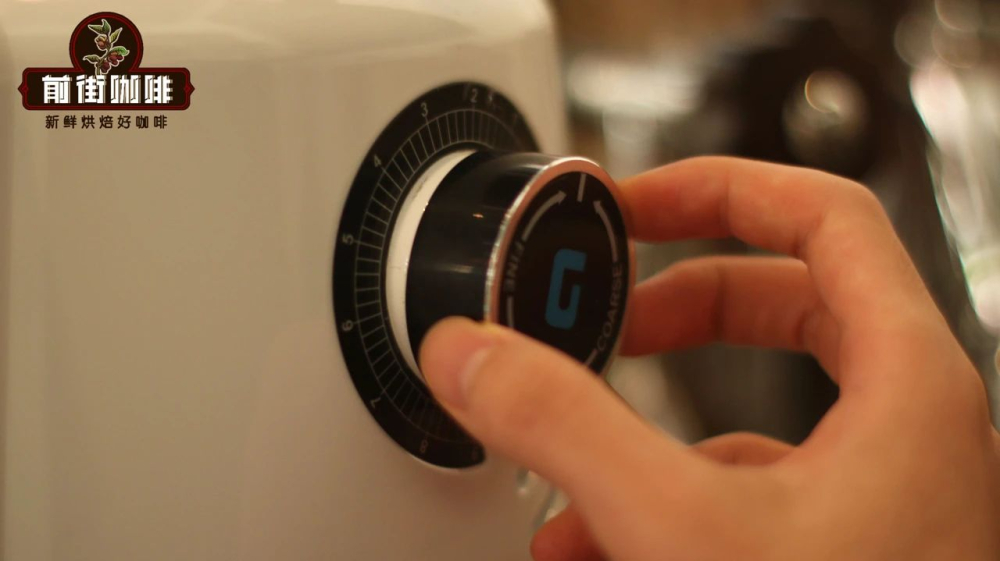
A typical manual grinder consists of five core components: the adjustment screw, locking ring, fixing screw, handle, and main body. Some models require disassembling multiple parts to adjust the grind size, while newer versions feature a one-touch knob design. The adjustment direction follows simple physics—turning clockwise reduces the burr gap to produce finer grounds, while turning counterclockwise widens the gap for coarser particles. Advanced users can also judge the grind status by the sound changes during shaking; finer grinds usually produce a sharper, crisper noise.
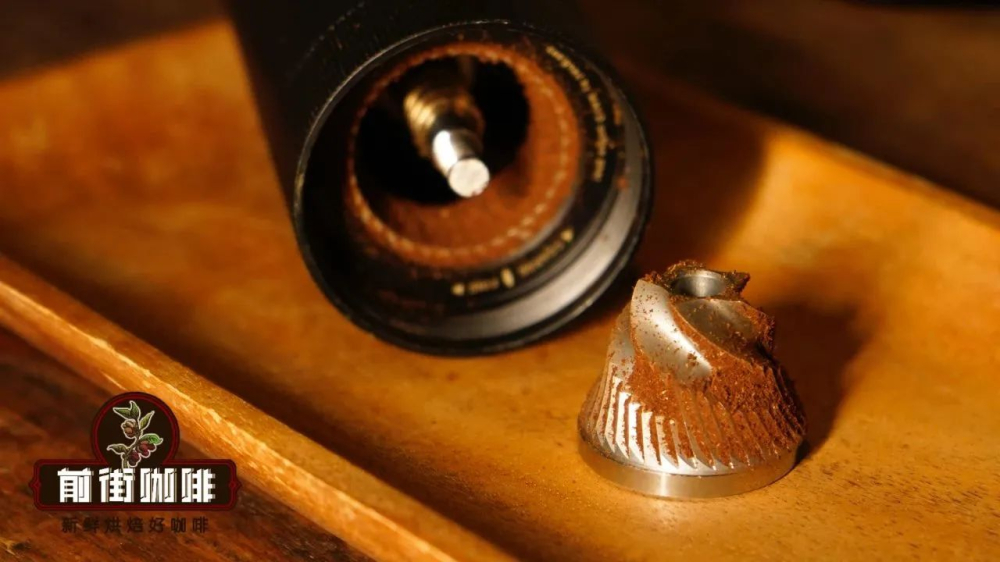
Practical adjustment steps: First, loosen the top metal nut and remove the handle, then take off the metal latch securing the adjustment screw. Use your left hand to hold the central shaft to prevent it from rotating, and turn the coarseness adjustment nut with your right hand—turning downward increases grind precision, and turning upward makes the particles coarser. After each adjustment, it’s recommended to reattach the handle, add a small amount of coffee beans, and test the grind output. Observe the grounds’ texture and flow rate to find the ideal settings. Make sure to re-tighten all components once adjustments are complete.
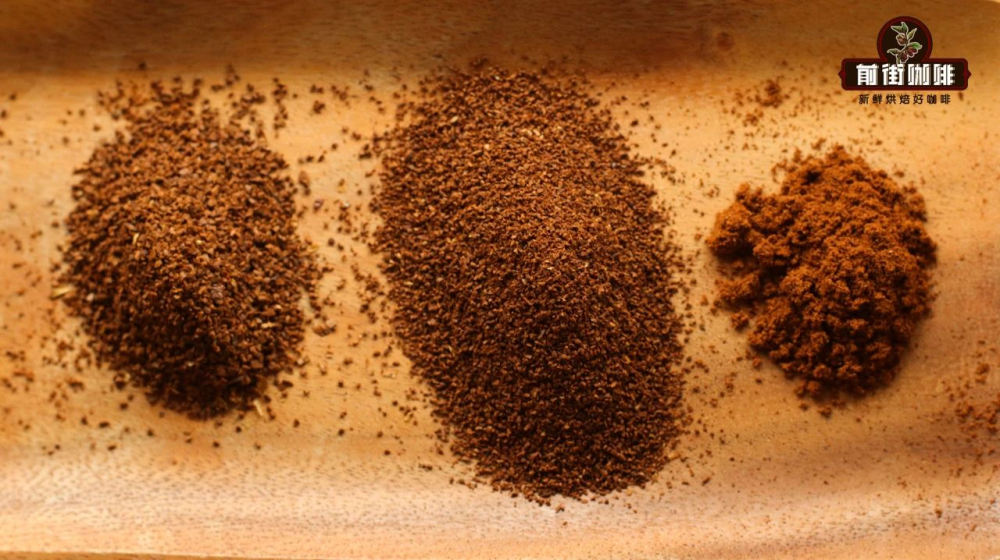
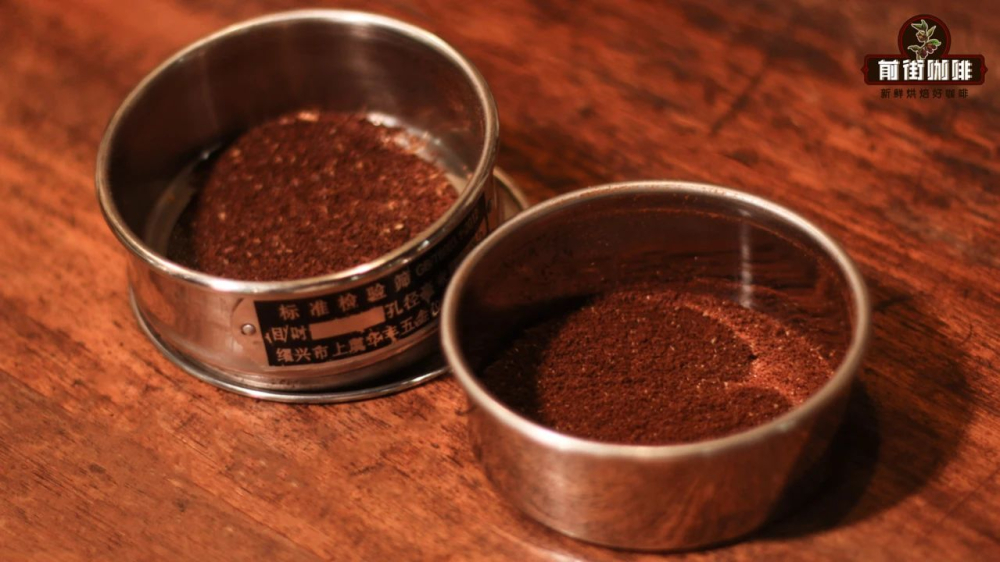
Recommended grind ranges for different brewing methods: Cold drip and siphon brewing call for the coarsest grind (80% extraction), pour over coffee is best with a medium-fine grind (around 75–80%), Moka pots and drip brewers fall within the 75–80% range, and French presses require the coarsest grounds (65–70%). Professional cafés often use a 0.80 mm standard sieve for testing—grind 10 grams of coffee beans and sift them, aiming for about 8 grams of pour over grounds (80% extraction). If the result is less than 8 grams, adjust the burrs to a finer setting; if more, adjust coarser.
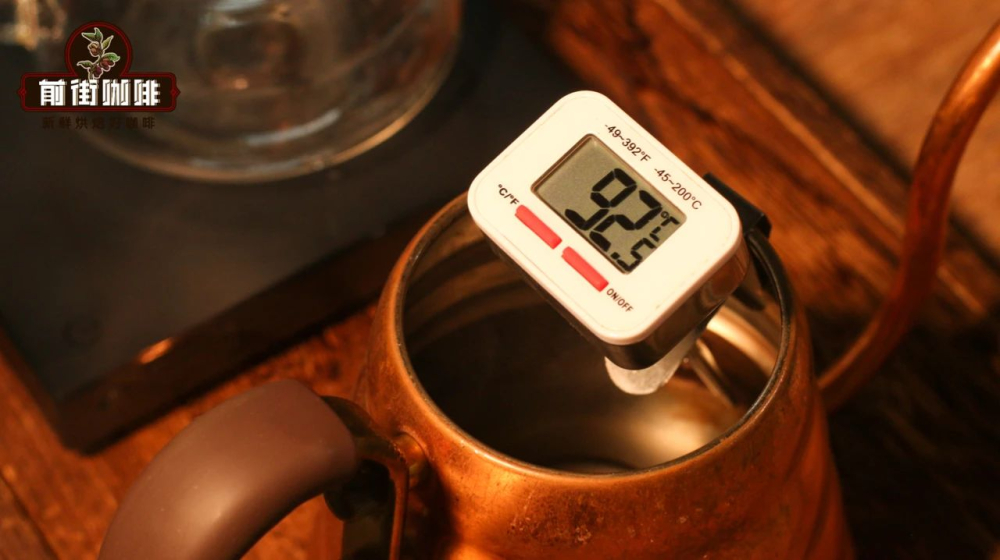
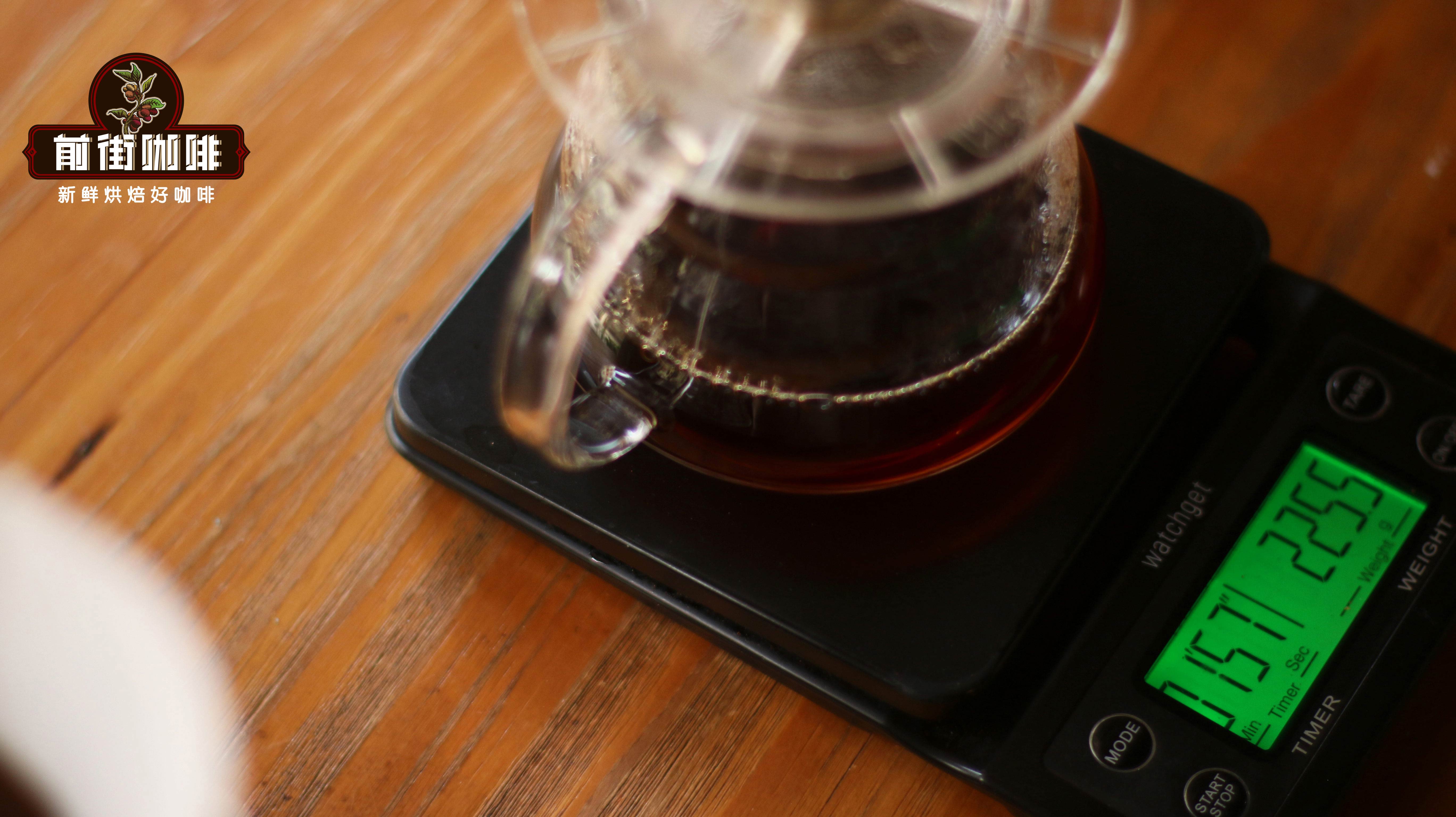
In addition to grind size, three other variables determine the final flavor: The recommended coffee-to-water ratio is 1:14 to 1:18, with 1:15 being the most common (e.g., 15 grams of coffee to 225 ml of water). Water temperature control is crucial—light roasts perform best at 90°C to bring out bright acidity, while dark roasts should be brewed at 88°C to avoid over-extraction and bitterness. Extraction time should be around two minutes; too long can introduce off-flavors, while too short may result in weak flavor.
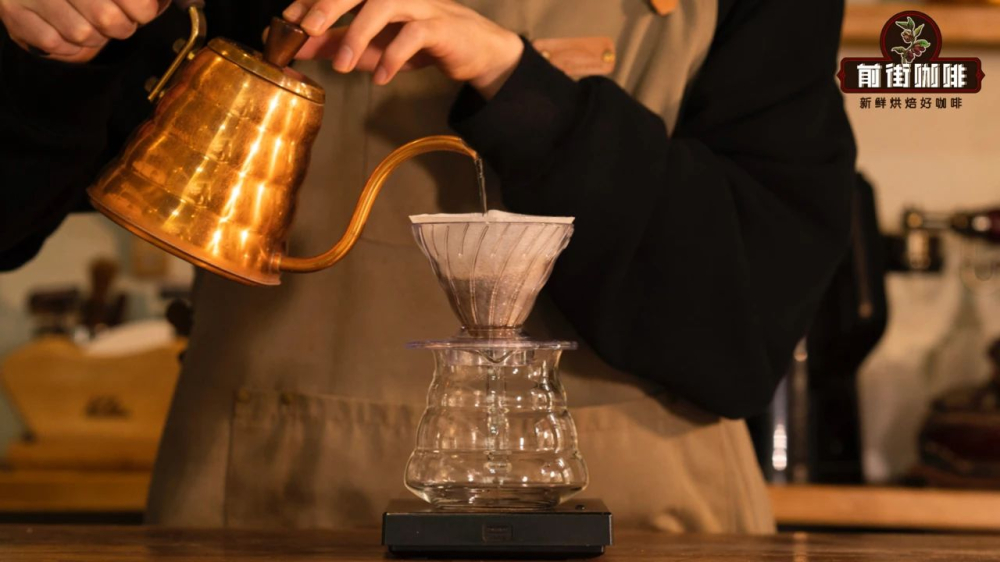
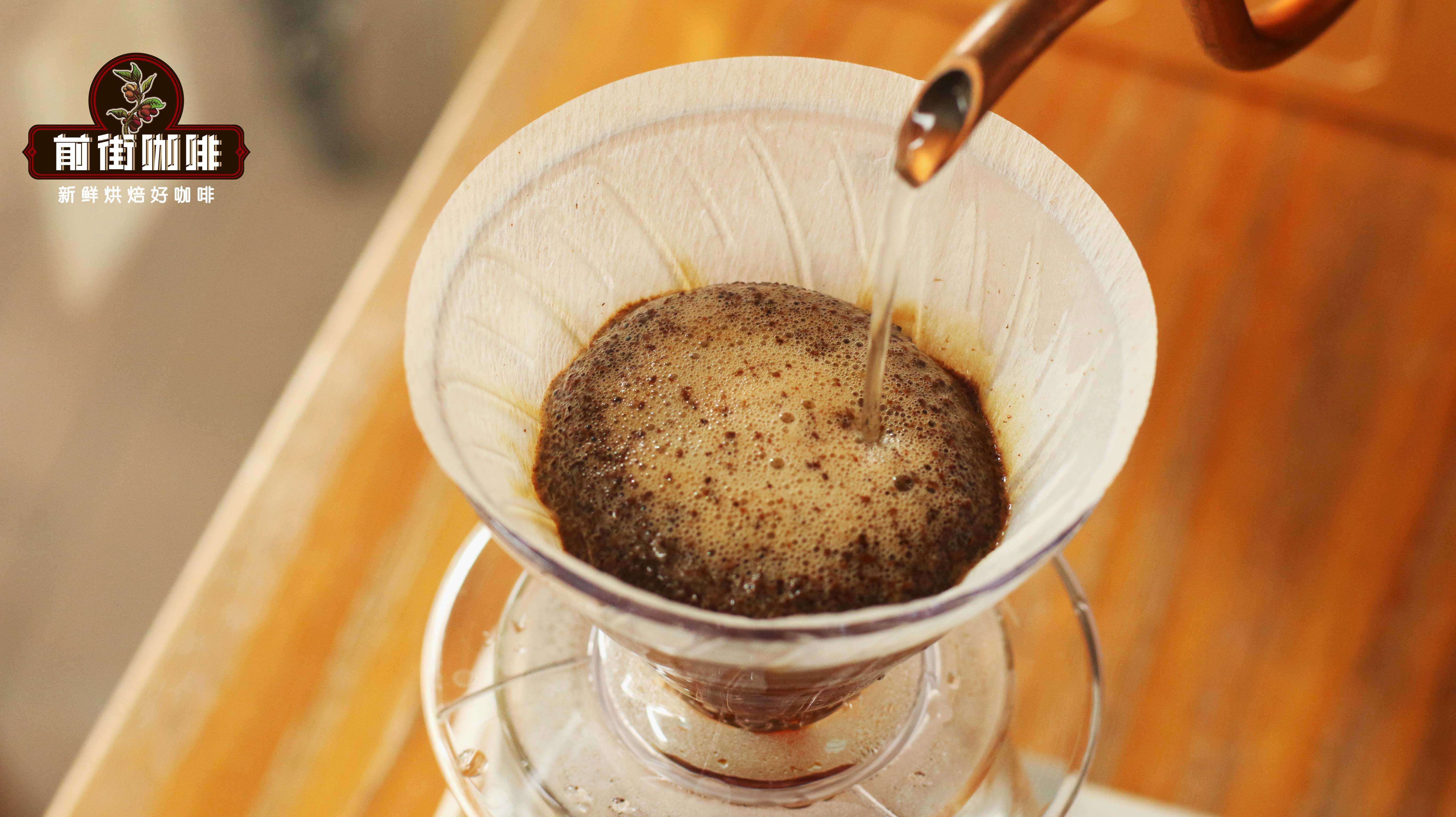
Real-world example: Using Panamanian Diamond Mountain washed beans as an example, when using a Hario V60 filter, set the water temperature to 90°C, use 15 grams of coffee, and maintain a 1:15 ratio. Perform a three-stage pour: First, pour 30 grams of hot water and let it bloom for 30 seconds to form a “hamburger-shaped” bed of grounds; second, at 54 seconds, pour up to 125 grams and wait for the liquid level to drop by two-thirds; third, at 1 minute 40 seconds, add more water up to a total of 225 grams, with the entire brew taking about 2 minutes 10 seconds. The finished coffee should be gently swirled to even out the extraction before tasting, revealing a layered profile of berry acidity, citrus notes, and a chocolatey finish.
Common pitfalls to watch out for: Overly fine grinding can cause channeling, where water bypasses the coffee grounds and reduces extraction efficiency; using too fine a grind in a French press leads to excessive sediment. It’s recommended to recalibrate the settings every time you change coffee bean varieties, and to record the current grind settings, water temperature, and timing combinations to gradually build your personal brewing database.
Through systematic adjustments and sensory logging, even home users can precisely control the flavor of each cup of coffee. Start with basic burr adjustments, gradually understand how various factors interact, and ultimately find the perfect balance that suits your taste.

The above content is compiled by CoffeeHunters, a coffee news website.


