







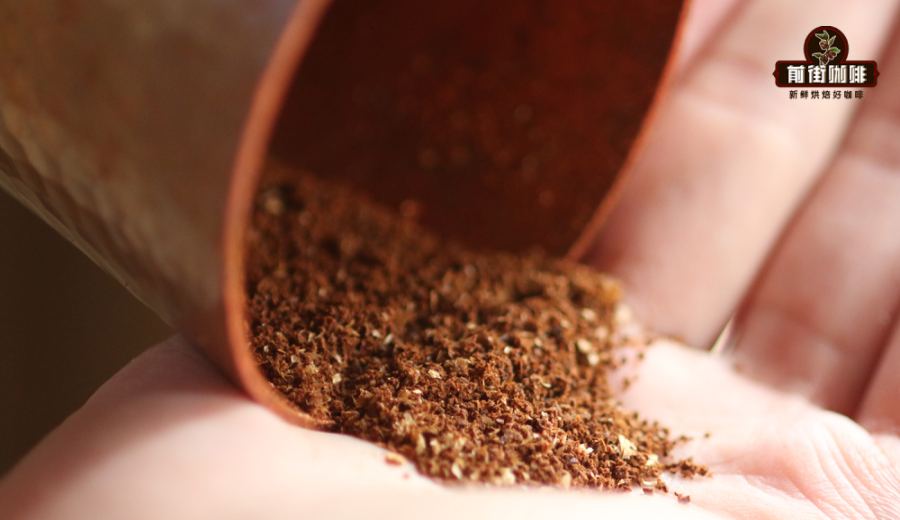
Introduction:Freshly grinding coffee beans is the crucial first step in extracting high-quality coffee. This article delves into the core differences between hand grinders and electric grinders, offering purchasing advice for everyone from entry-level enthusiasts to professional baristas across various budgets. It provides a detailed breakdown of the performance characteristics of products at different price points, helping you choose the most suitable coffee grinding equipment based on your brewing needs, usage scenario, and budget—unlocking the original flavors of coffee.
From the moment coffee beans are ground into powder, oxidation reactions with air begin silently, aroma compounds gradually volatilize, and the flavor profile changes. To present the most authentic layers of coffee flavor,grinding right before brewingis widely recognized as the best practice. And the grinder, which plays this critical role, may seem unassuming but is one of the core tools that impact the final extraction quality.
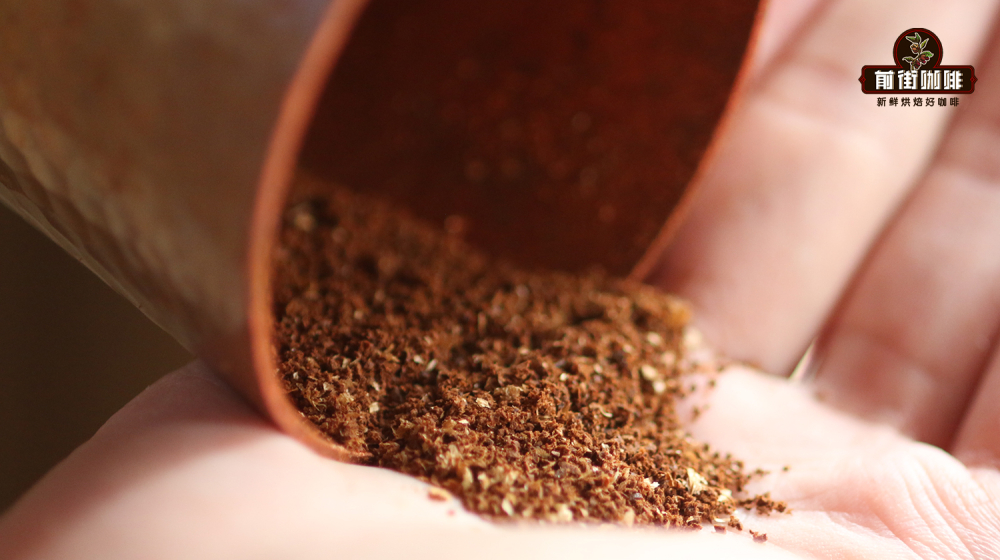
Open a mainstream e-commerce platform and search for “coffee grinder,” and the price range is staggering—from just over two hundred yuan to over seventy thousand yuan, with the highest price being more thanthree thousand timesthe lowest. Such an enormous price gap far exceeds the usual range of everyday consumer goods. So how do you choose a grinder that meets your needs in this complex and varied market? Below, based on practical experience, we’ll share objective purchasing insights.
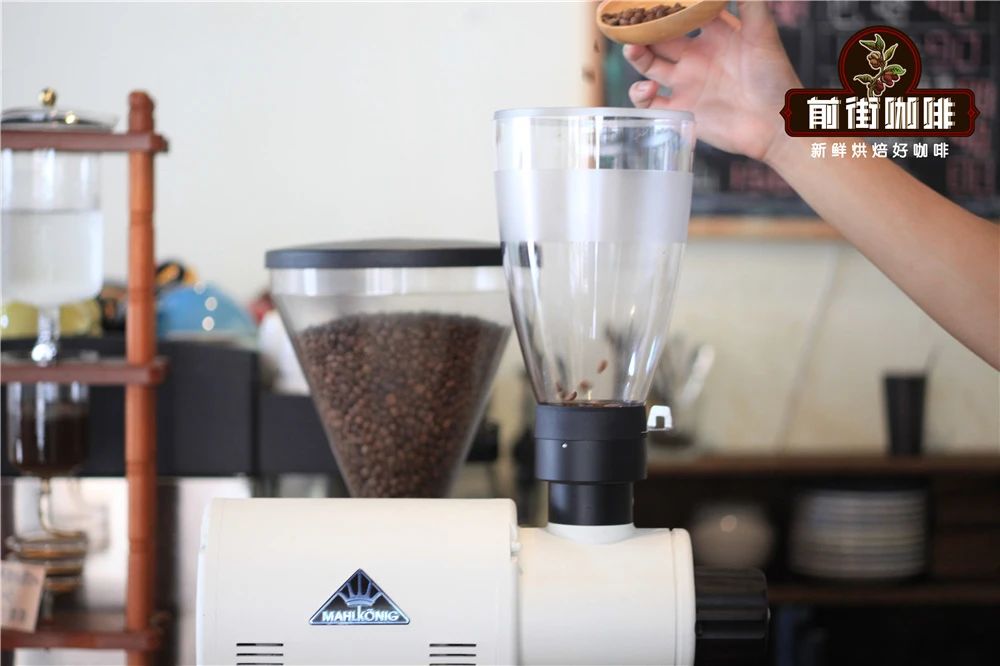
As professionals with years of experience in the coffee field, we prefer to share practical insights through real-life experiences rather than conducting complex instrument-based evaluations. Over the years, we’ve used dozens of mainstream models, covering both manual and electric categories. Below, we’ll analyze the performance differences between hand grinders and electric grinders according to different user scenarios.
Hand Grinder or Electric Grinder? Contextual Selection Advice
From the perspective of core performance metrics, electric grinders indeed surpass manual models in grind consistency, long-term durability, and functional upper limits. However, the advantage of manual grinders lies in their portability (no electricity required), adaptability to various scenarios, andgenerally better performance at the same price point(for example, a thousand-yuan manual grinder has a clear advantage over an electric product of the same price).
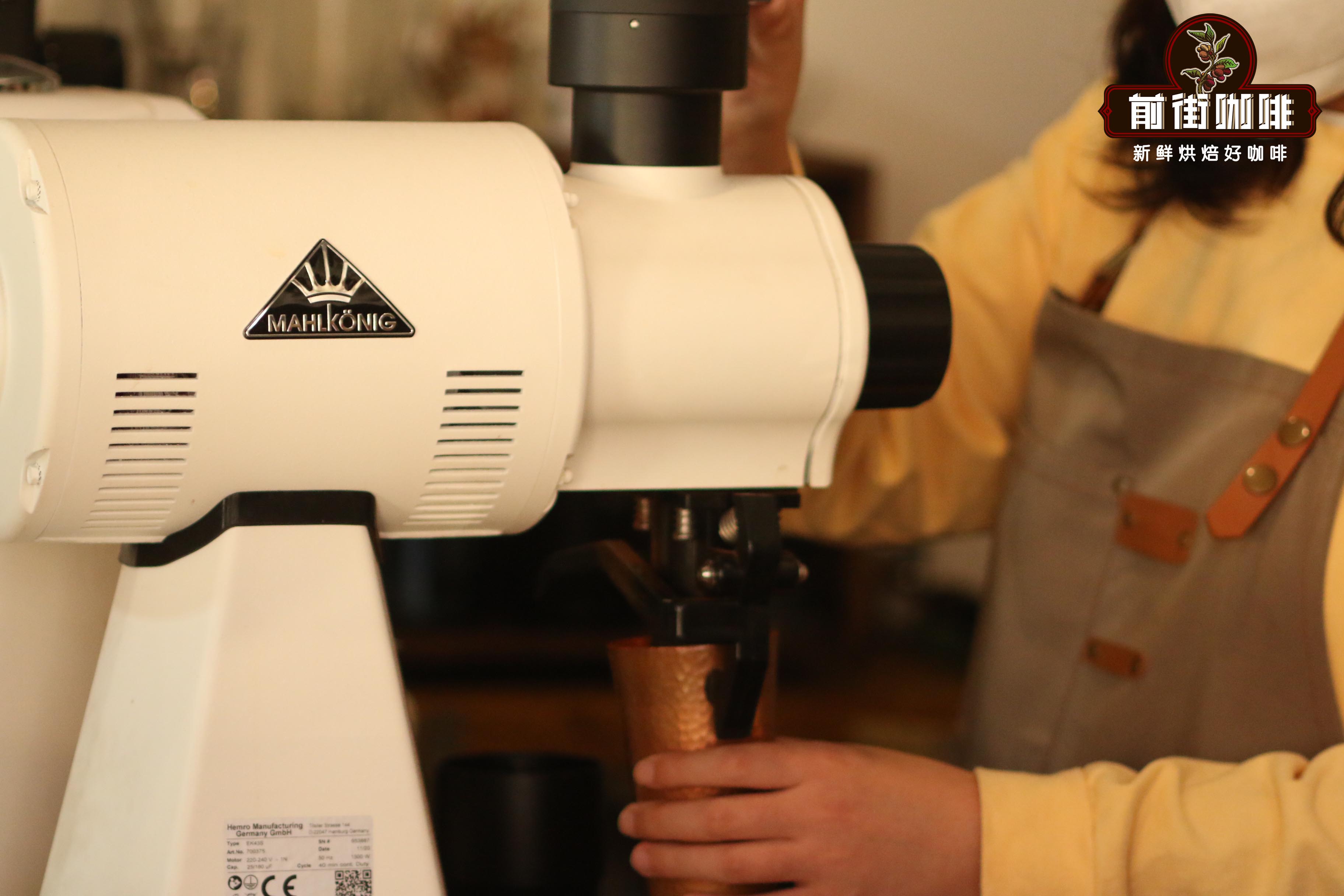
Based on years of observation, we’ve compiled some adaptive suggestions for several typical user groups for reference: students (dormitory use), those with limited budgets (under a thousand yuan), beginner coffee drinkers, fitness/outdoor enthusiasts—prioritize manual grinders and consider upgrading later based on needs; home users seeking an “all-in-one” solution (fixed location use), those with ample budgets and a focus on efficiency—can directly opt for high-quality electric models; for equipment collectors or hardcore coffee enthusiasts, it’s worth having both.
Hand Grinder Purchasing Guide by Tier
Currently, domestic manual grinders offer significant cost-performance advantages—many overseas models originally priced at a thousand yuan can be replaced by options under five hundred yuan domestically. When selecting, it’s recommended to focus onmodels priced above 200 yuanthat use ceramic burrs and are not of vintage design.
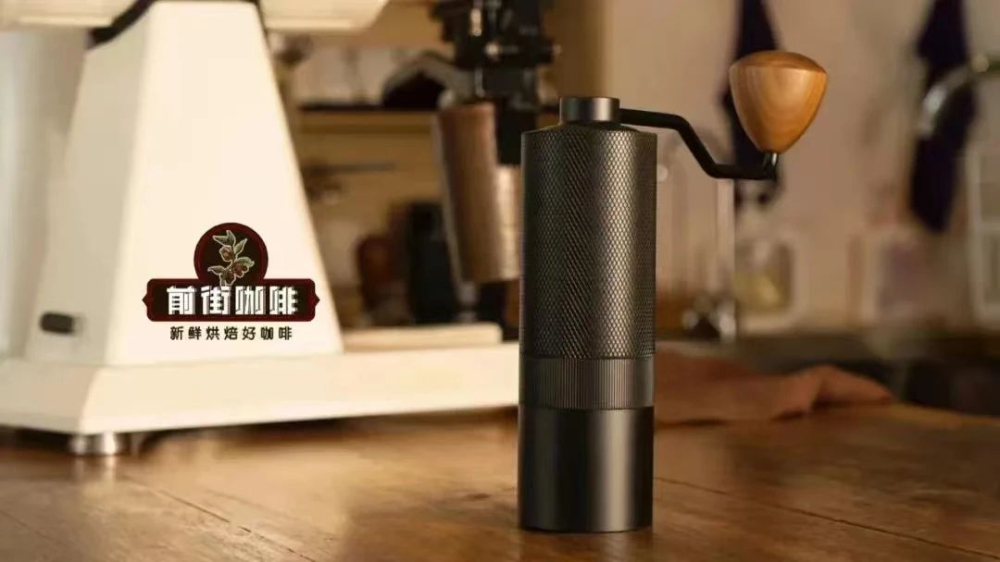
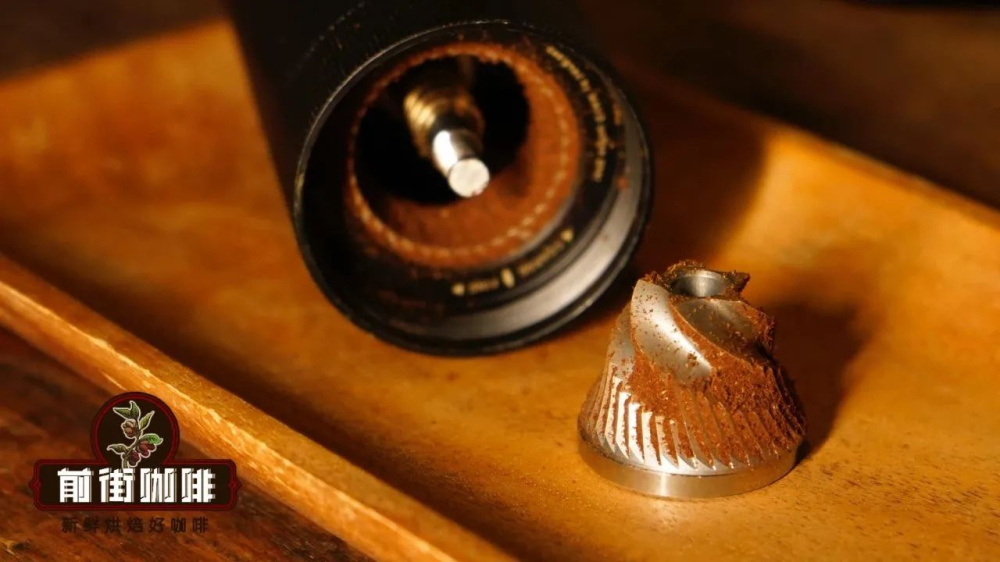
These can be divided into five practical price tiers: 200–499 yuan for basic entry-level models, suitable for beginners focusing on grind uniformity and office users. Ensuring a dual-bearing structure meets basic needs; 500–799 yuan for mid-tier upgraded models, where most products use optimized burr materials and improved bearing systems—opt for larger-diameter designs to enhance grind smoothness, and with proper maintenance, they can last over two years; 800–999 yuan for high-tier experiential models, with fewer available options on the market, primarily improving in appearance design and handling feel, while actual grinding performance shows little difference from the previous tier; 1000 yuan and above for professional-grade models. Although it’s not recommended to subdivide too many price levels (as models over 2000 yuan generally warrant considering electric options instead), products in this range do show significant improvements in material craftsmanship and user experience.
Electric Grinder Purchasing Essentials
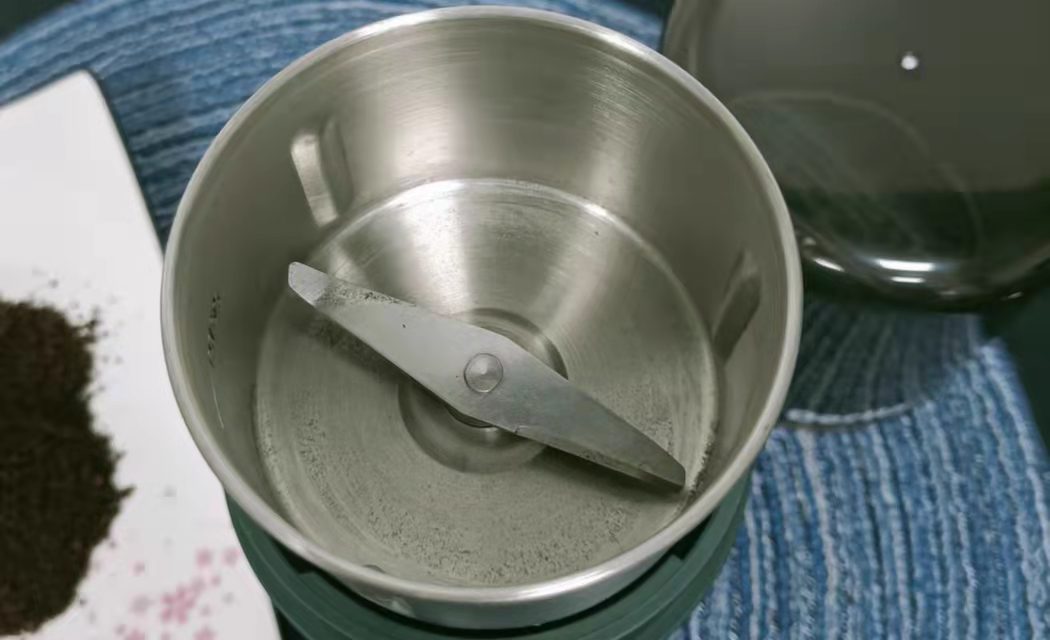
A special reminder: avoid so-called “time-controlled grind adjustment” simple models (commonly known as “bean choppers”). These blender-like structures use dual blades for random cutting and cannot ensure uniform particle size. When purchasing, first clarify your needs—the extremely fine grind required for espresso and the medium-coarse grind for pour over coffee have completely different requirements for burr structure and grind range, and most models cannot handle both.
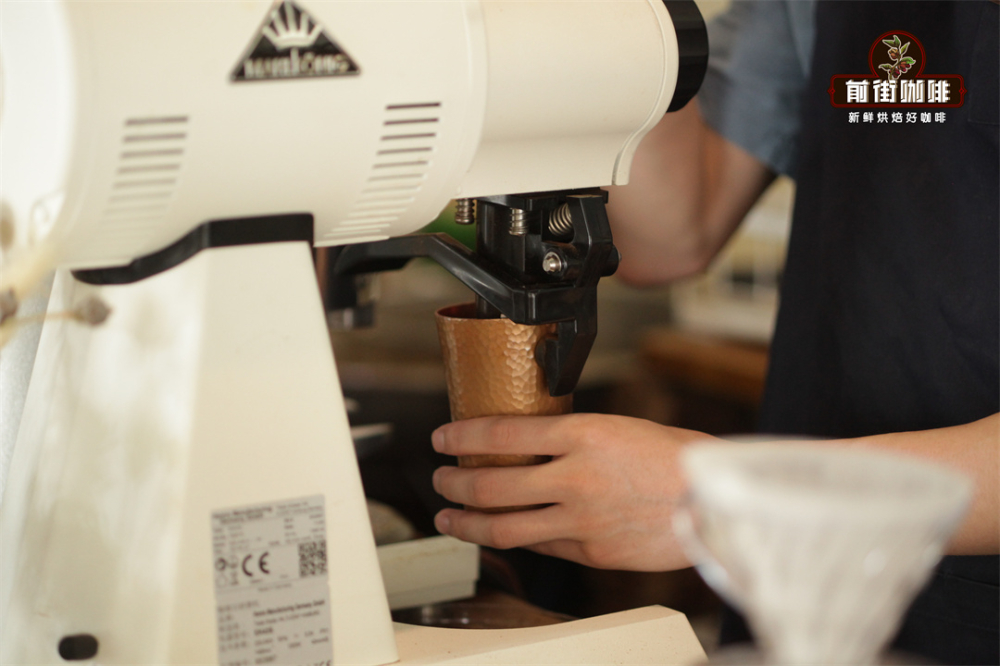
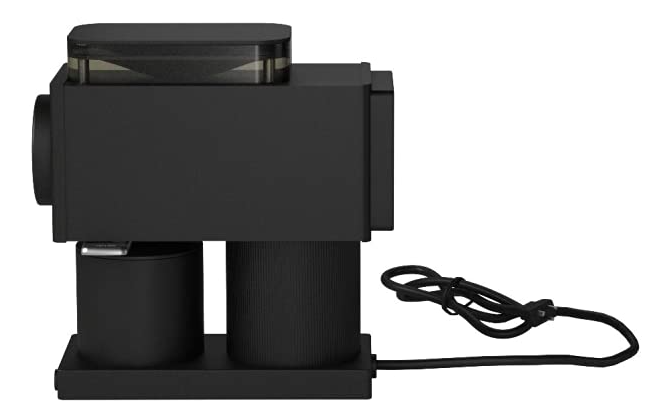
High-budget users (over twenty thousand yuan) can prioritize the Mazzer zm filter or Mahlkonig EK 43. Aside from their larger size and higher price, they have almost no significant drawbacks. For the mainstream budget group (within four thousand yuan), the Royal Kinto (known for its patented ghost-tooth burr, ideal for pour over) and Fellow ODE (small black design, nicknamed “little black box,” with standout aesthetics) are noteworthy models, though note that small electric grinders generally take longer to grind.
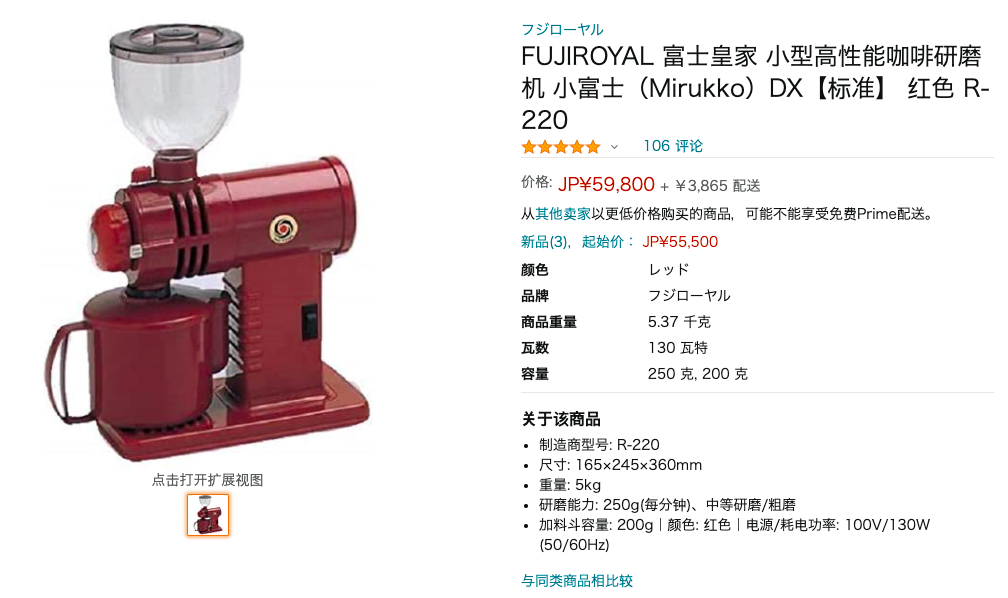
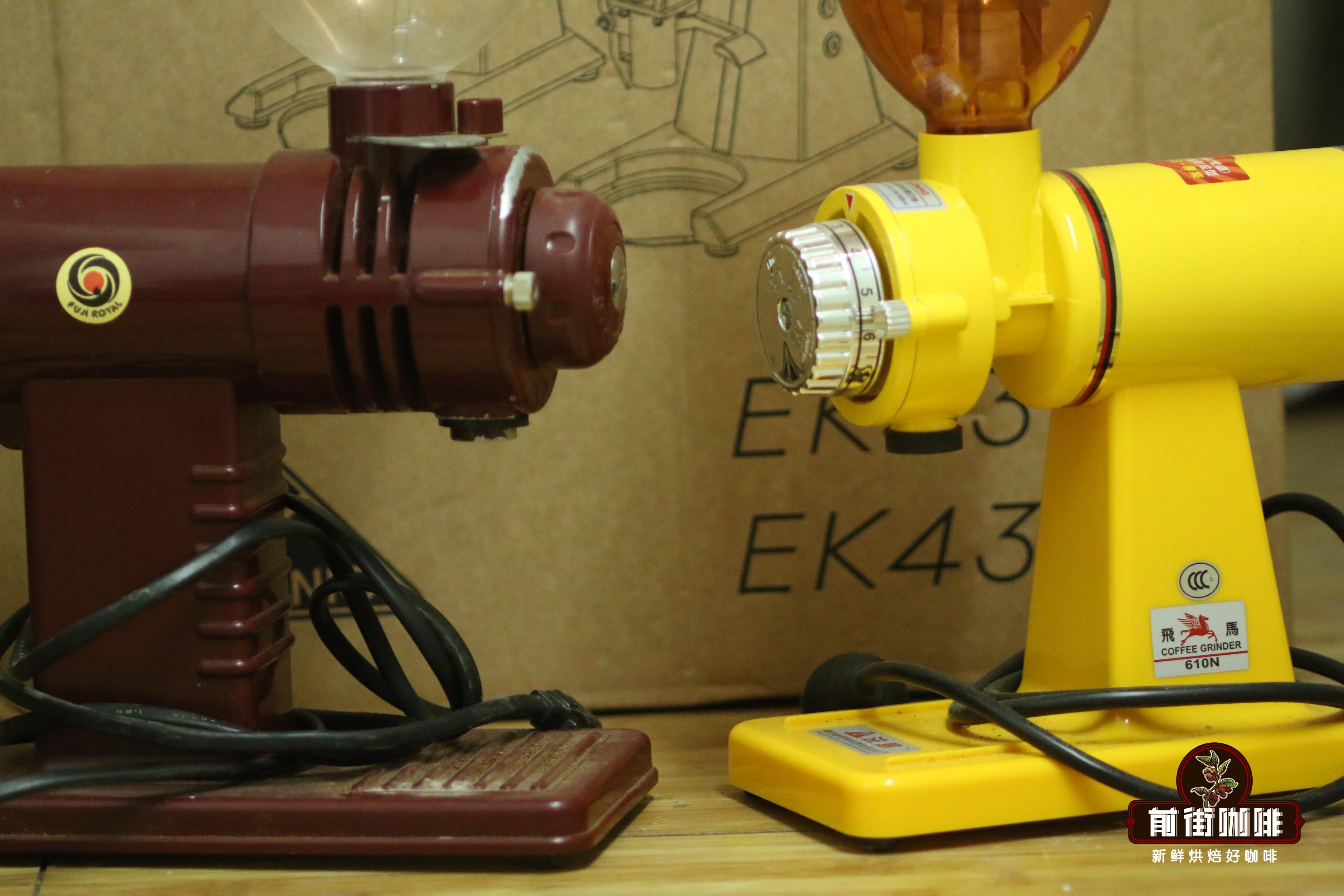
Regarding common low-cost imitations in the market (such as 300–600 yuan models on e-commerce platforms falsely advertising as “little Fujis,” using slogans like “little cannon” or “knockoff version,” while the genuine overseas price is about three thousand three hundred yuan), we haven’t conducted actual tests. But comparative testing found that the eight-hundred-yuan Fellow Pico 610N significantly outperforms same-price imitations in grind consistency (especially fine particle control), and professional baristas’ comparative experiences also confirm this intuitive difference. For other low-cost, high-value electric models, as we haven’t used them personally, this article does not provide specific evaluations.
The above content is compiled by CoffeeHunters, a coffee news website.


