







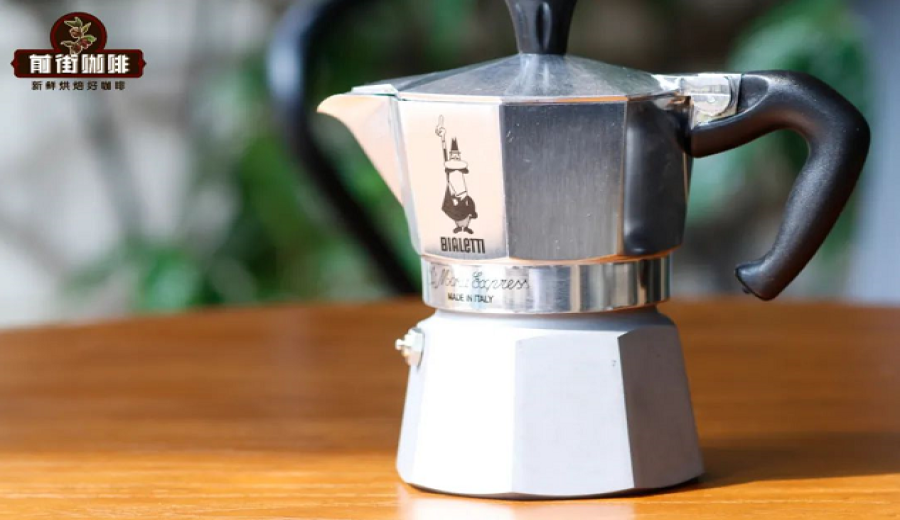
Introduction:Many coffee enthusiasts find that when using a moka pot, the resulting coffee often has insufficient crema, which affects the overall flavor and mouthfeel. This article delves into the structure and brewing principles of the moka pot, explores the key factors influencing crema formation, and recommends several medium to dark roast specialty coffee beans suitable for use with the moka pot, helping readers master the skills to brew rich, crema-covered coffee at home.
Basic Structure and Operating Principle of the Moka Pot
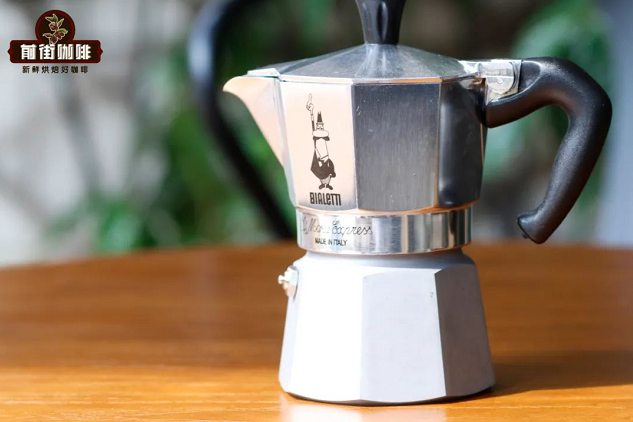
The moka pot is a classic coffee appliance commonly found in Italian households, typically consisting of three main parts: the upper chamber, the filter basket, and the lower chamber. The lower chamber holds water, the filter basket contains the ground coffee, and the upper chamber collects the brewed coffee. Its operating principle involves heating the lower chamber, which causes the water to generate steam pressure. Once the pressure builds up to a certain level, it pushes the hot water through the middle filter basket. The resistance from the coffee grounds extracts the coffee liquid, which then flows into the upper chamber. This process resembles the siphon principle—simple to operate yet capable of producing a strong, espresso-like coffee.
When to Turn Off the Heat? Mastering the Optimal Brewing Timing
When the upper chamber of the moka pot begins to release coffee, and about half of the liquid has flowed out, if you notice the coffee is about to start boiling, it is recommended to turn off the heat immediately. At this point, the remaining coffee will be “pushed” into the upper chamber by the residual pressure and remaining heat inside the pot, completing the extraction. Turning off the heat at the right time helps avoid over-extraction and maintains a balanced coffee flavor.
Why Does Coffee from a Moka Pot Have Less Crema?
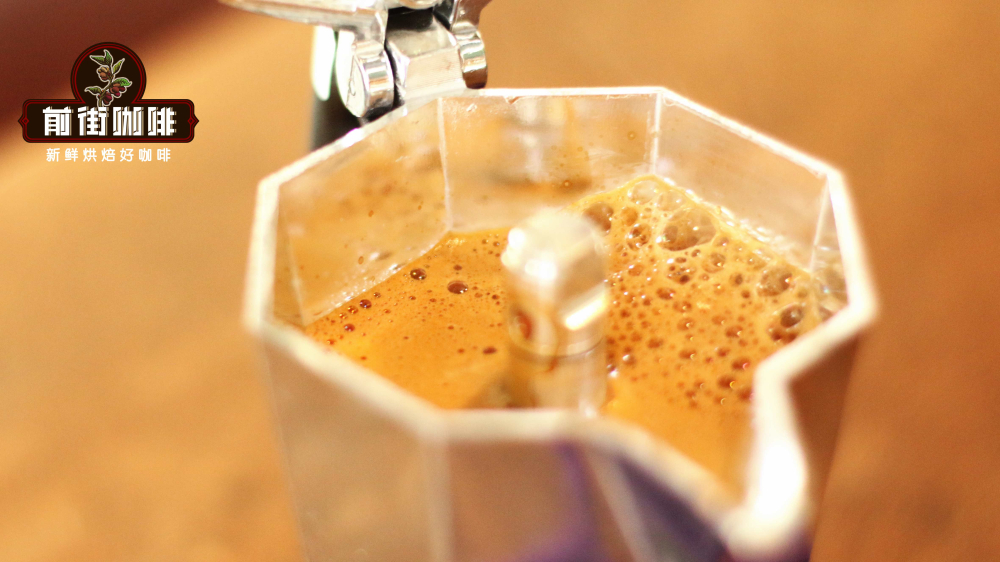
Many users report that the crema (coffee foam) produced by a moka pot is not very noticeable. This is actually closely related to the characteristics of the coffee beans used, the roast level, and the brewing technique. Coffee crema mainly comes from the carbon dioxide gas within the coffee beans, which is produced during the roasting process. The darker the roast, the more carbon dioxide is stored inside the beans, and the easier it is for this gas to be released upon contact with hot water, forming a fine, golden layer of foam during extraction—what we call crema.
Choosing Freshly Roasted Coffee Beans Is Key
The first condition for a cup of coffee with outstanding flavor and rich crema is to use freshly roasted coffee beans. It is recommended to choose beans roasted within five days to ensure sufficient carbon dioxide content and to maintain optimal flavor performance. Coffee beans that are not fresh enough have already lost much of their internal gas, and even with the correct brewing method, it is difficult to produce a thick crema layer.
Recommended Medium to Dark Roast Coffee Beans for the Moka Pot
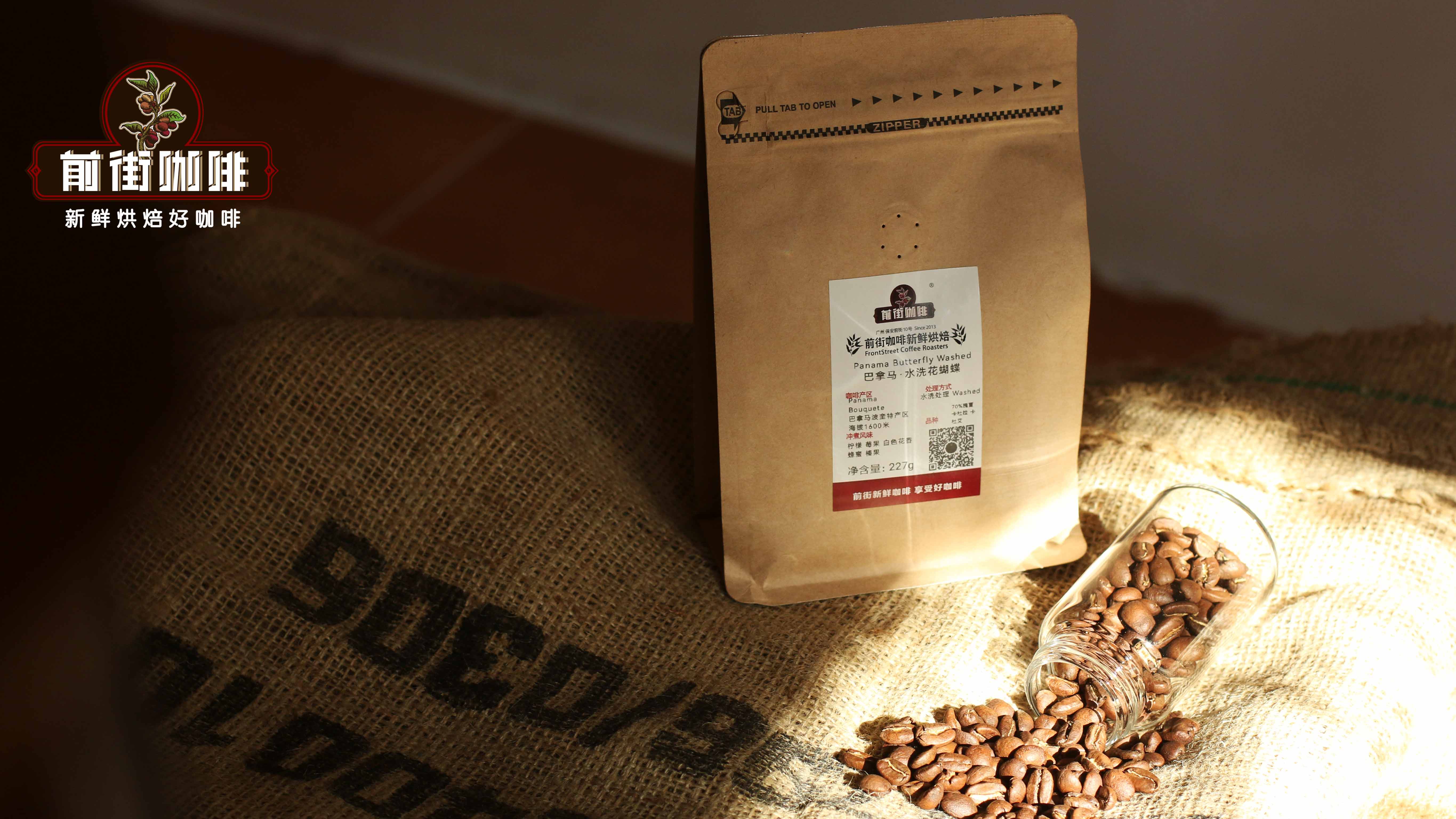
Based on practical testing and user feedback, medium to dark roast coffee beans, which contain a higher proportion of carbon dioxide and can present rich layers of flavor, are particularly suitable for moka pot extraction. The following coffee beans all demonstrate good crema performance and aromatic characteristics:
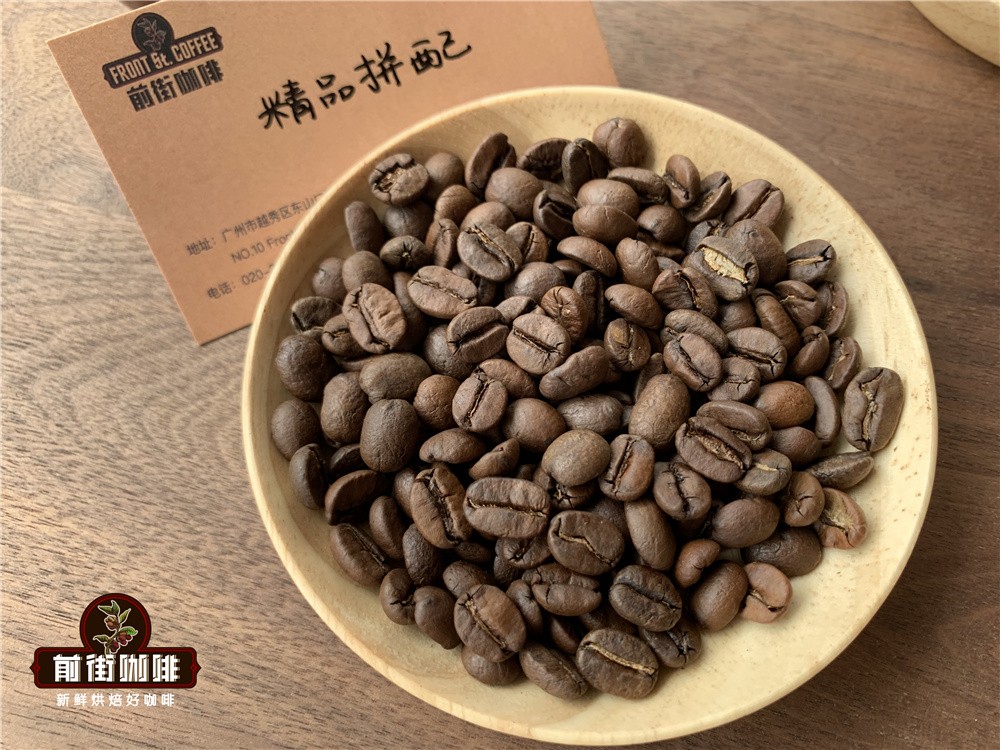
1. Brazilian Pulped Natural & Colombian Washed Blend: Combines aromas of nuts, roasted peanuts, cocoa, butter, and caramel, with a rich and layered flavor.
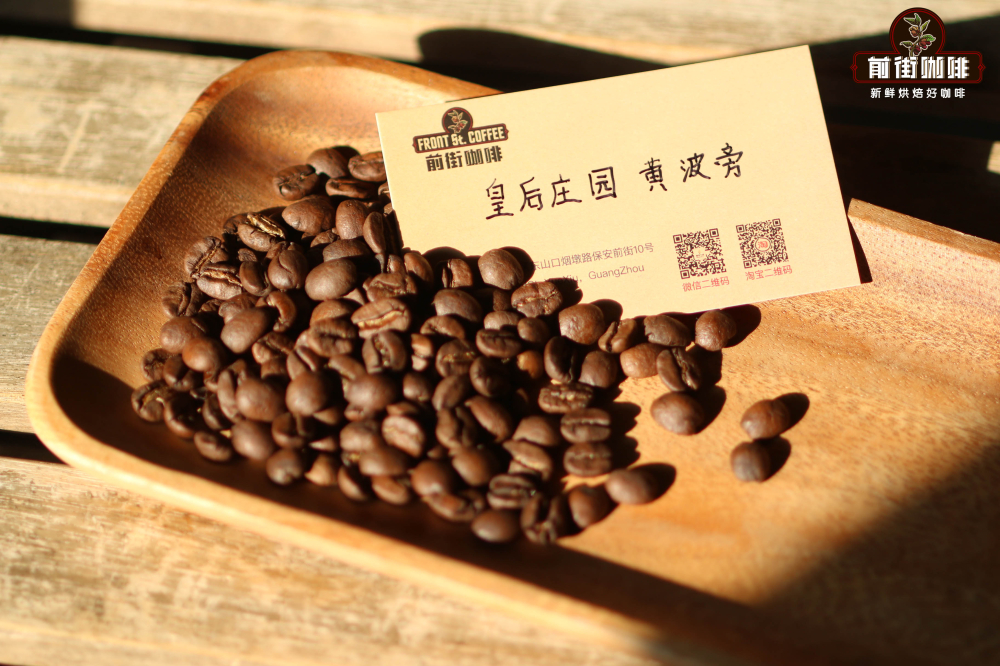
2. Brazilian Queen Estate Yellow Bourbon: Medium roasted, with a distinct cane sugar sweetness, suitable for drinking straight or with milk, offering a smooth and balanced flavor.
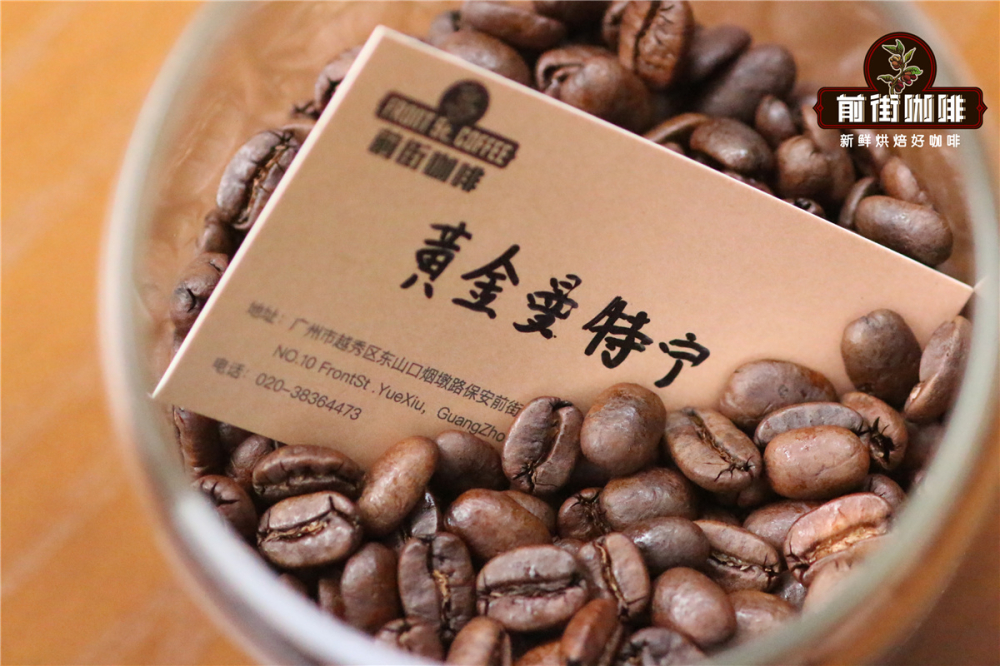
3. Indonesian PWN Golden Mandheling: From a premium Indonesian growing region, it has a rich and full-bodied character, with a clean taste, ideal for coffee lovers who enjoy strong, bitter-sweet profiles.
4. Classic Italian Blend: Combines the spicy, woody notes of Indonesian Mandheling, the nutty balance of Brazilian Red Bourbon, and the rich crema from Robusta beans. Suitable for making milk-based coffees like lattes, with good latte art performance and a full-bodied flavor.
5. Basic Italian Blend: A blend of Yunnan washed small beans and Brazilian pulsed natural beans, offering a mild flavor with fruity acidity, caramel, and nutty notes. Great value for money, perfect for daily drinking or for beginners to practice with.


Quick Tip: Grind Size and Tamping Also Matter
In addition to bean selection, the grind size for the moka pot should be slightly finer than that for pour over, similar to the texture of fine sugar, but not too fine to avoid over-extraction or channeling. When tamping the coffee grounds, apply even and moderate pressure; overly compacting may affect the flow rate, thereby impacting crema formation and overall extraction efficiency.
The above content is compiled by CoffeeHunters, a coffee news website.


