







Introduction:Want to understand how the siphon affects coffee flavor? This article dives deep into the key differences between siphon and pour over, from extraction principles to actual flavor profiles, and provides professional siphon brewing parameters for Jamaican Blue Mountain beans. It not only debunks the myth of why "siphon coffee tastes richer and more aromatic," but also helps you master the operational details and ritualistic charm of this classic brewing device.
Although the siphon is rarely seen on modern café menus due to its complex operation and longer brewing time, its unique visual effect and rich flavor remain hot topics among coffee enthusiasts.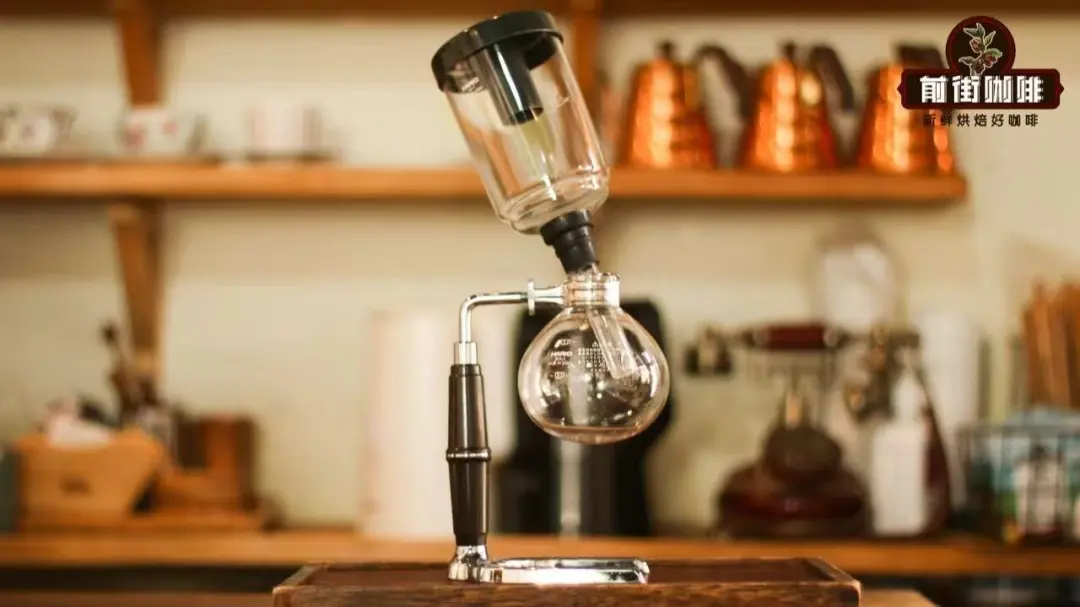
Many coffee aficionados believe that coffee brewed with a siphon has a "fuller body and more pronounced aroma." This impression mainly stems from its unique heating and pressure extraction mechanism. What factors contribute to this difference? Let’s start with the basic structure and brewing process of the siphon.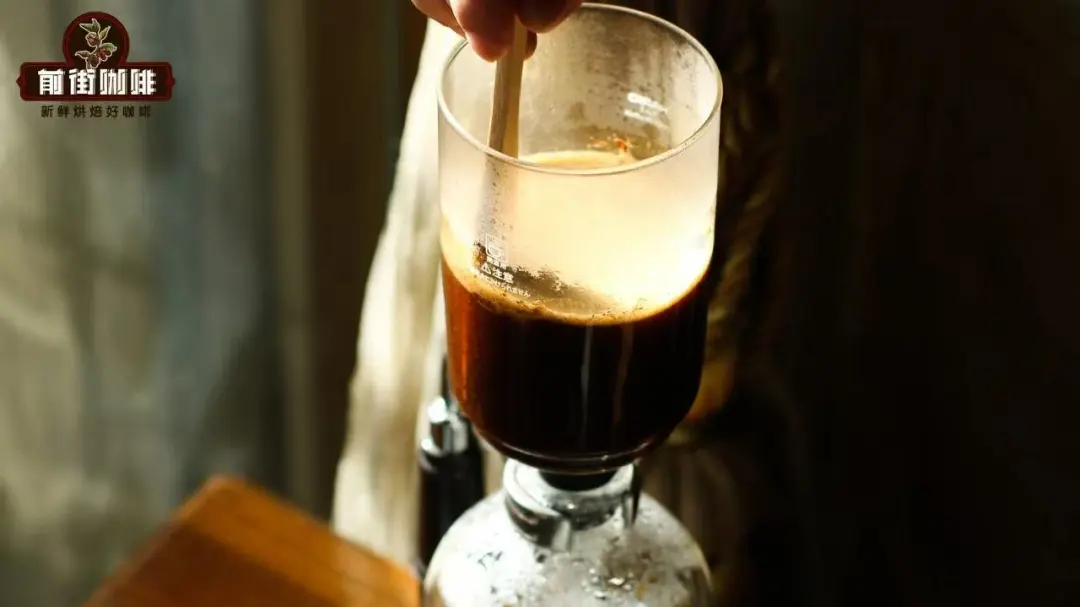
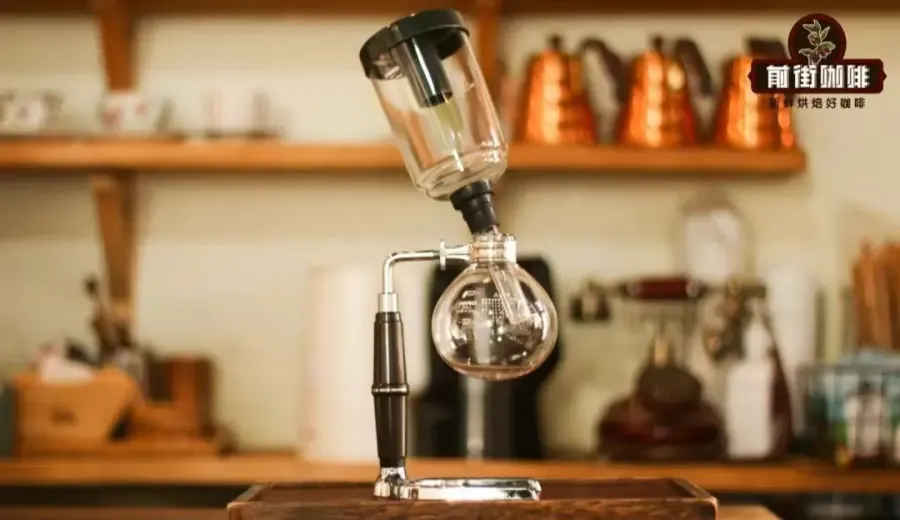
The siphon primarily consists of three main components: the spherical lower chamber holds water and is heated, the streamlined upper chamber is the extraction space where coffee grounds and hot water mix, connected by a slender glass tube in the middle. The spherical design of the lower chamber ensures even heating, while the narrowed tube at the bottom of the upper chamber plays a crucial role—both guiding steam to push the water upward and facilitating the backflow of the extracted coffee liquid.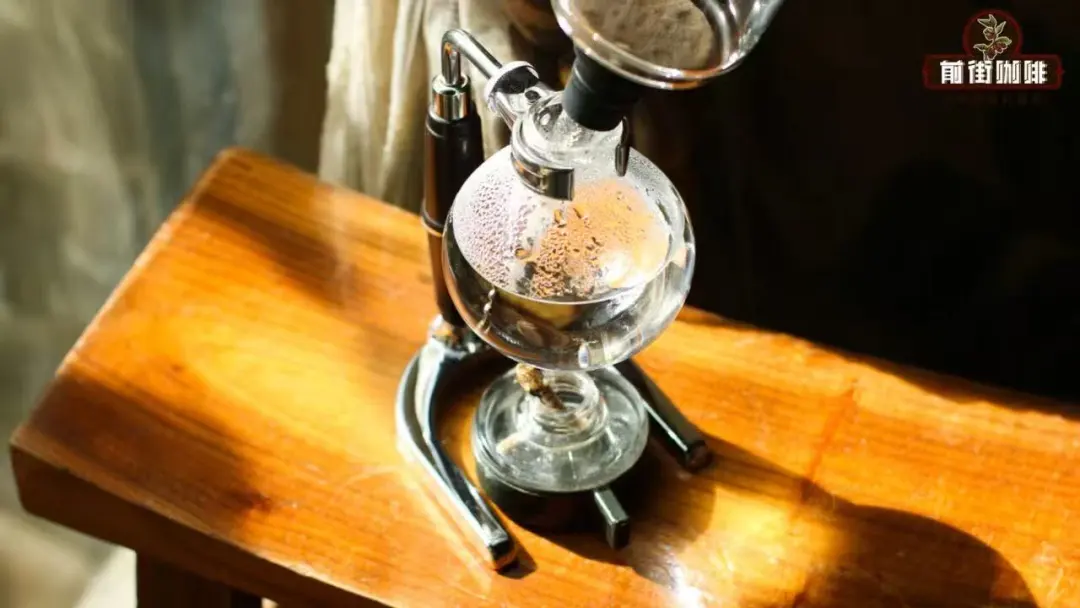
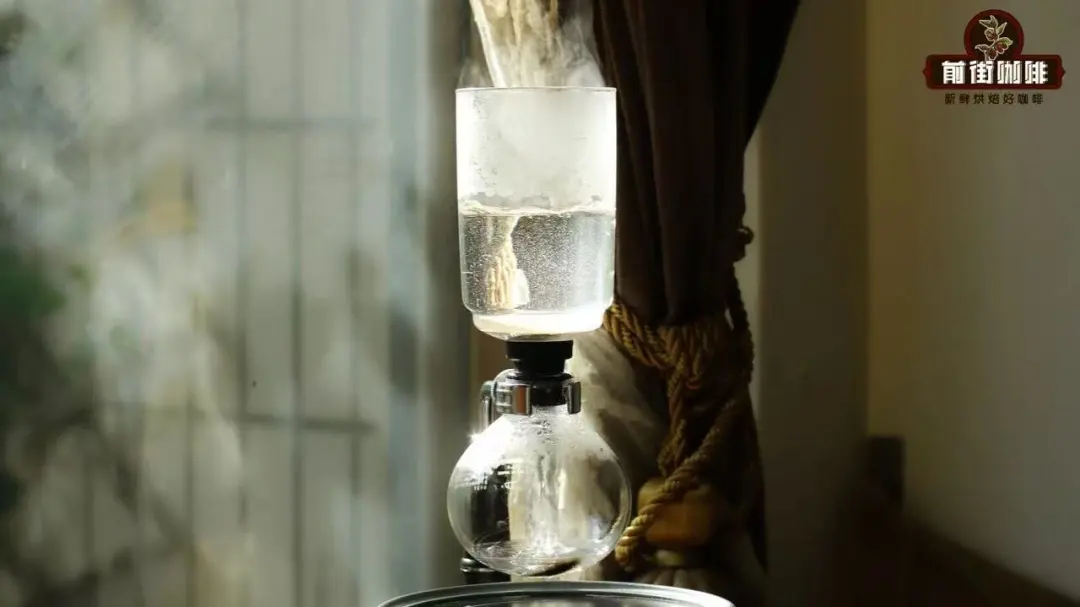
The entire extraction process begins with heating the lower chamber; steam pressure pushes the hot water up to the upper chamber to mix with the coffee grounds. Once the steeping phase is complete, the heat is turned off to let the lower chamber cool, using negative pressure to draw the coffee liquid back down. This "immersion-style extraction" characteristic allows all coffee grounds to uniformly contact hot water at the same temperature, resulting in a flavor profile usually more balanced than drip-style brewing.

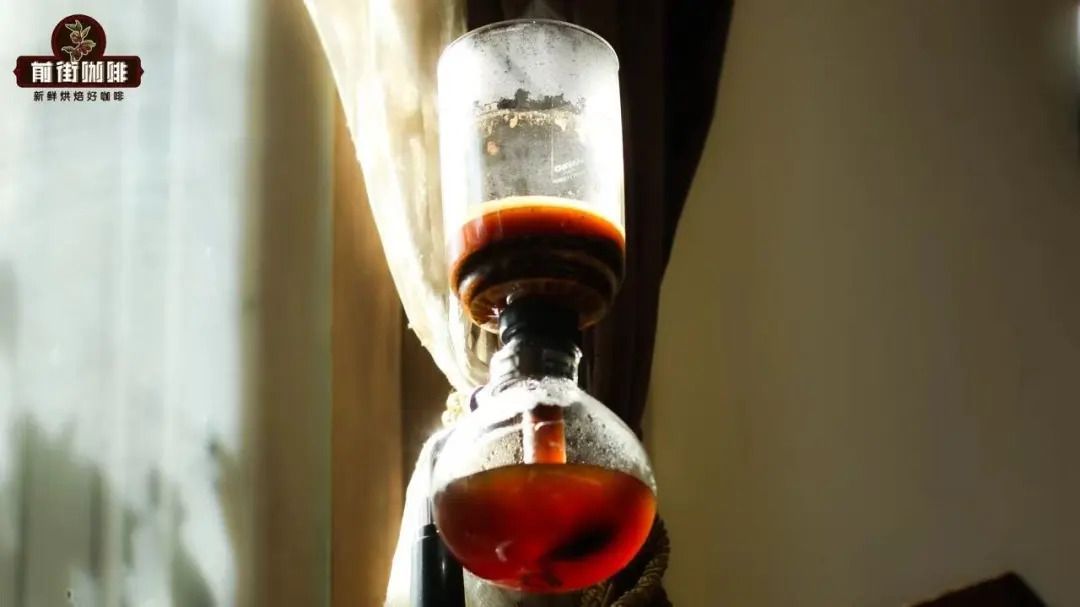
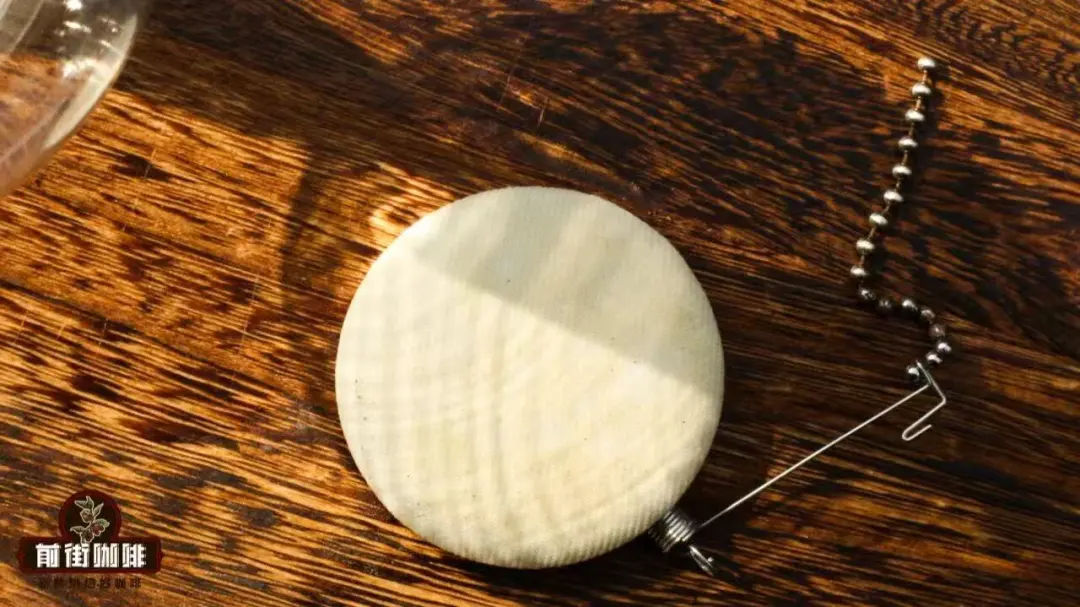
It’s worth noting the siphon’s unique filtration system: the filter inside the upper chamber is typically paired with either a flannel filter or paper filter, butthe filter material cannot completely block extremely fine coffee particles and natural oils.These tiny particles, often filtered out by paper filters during pour over, instead contribute to a richer aroma and fuller body in siphon coffee—this is one of the core differences compared to pour over.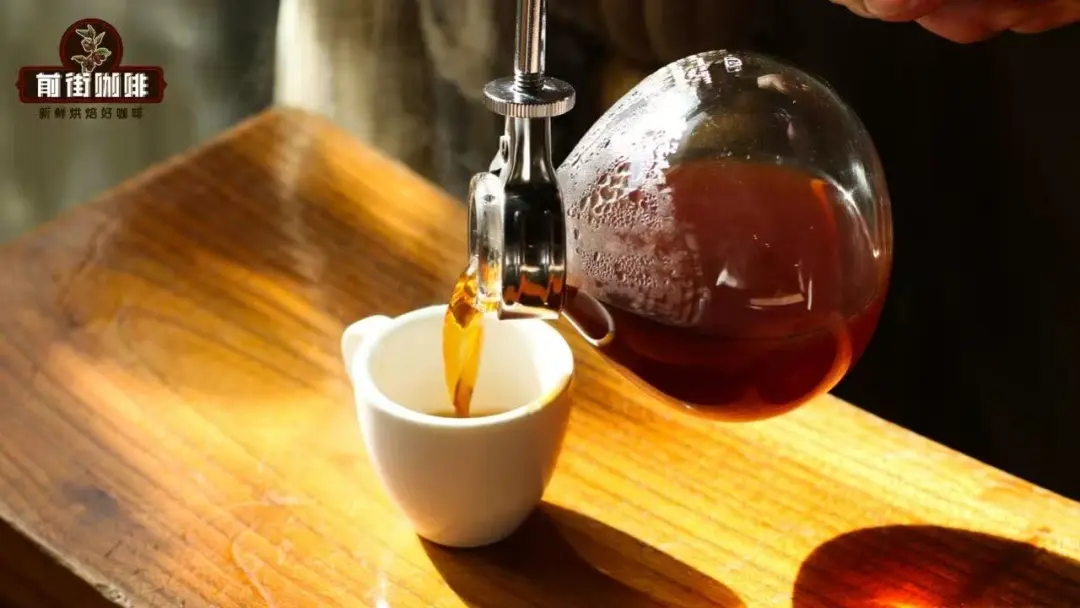
Actual flavor comparisons show: using the same Jamaican Blue Mountain No.1 beans, the pour over version presents a clean and smooth profile with notes of chocolate, hazelnut, and caramel, and a delicate, lingering finish; whereas the siphon version, while retaining the foundational flavors,features more expressive aroma, a fuller mouthfeel, and a noticeably prolonged aftertaste, though with slightly lower clarity. Both methods have their advocates, with differences mainly arising from filter precision and extraction pressure.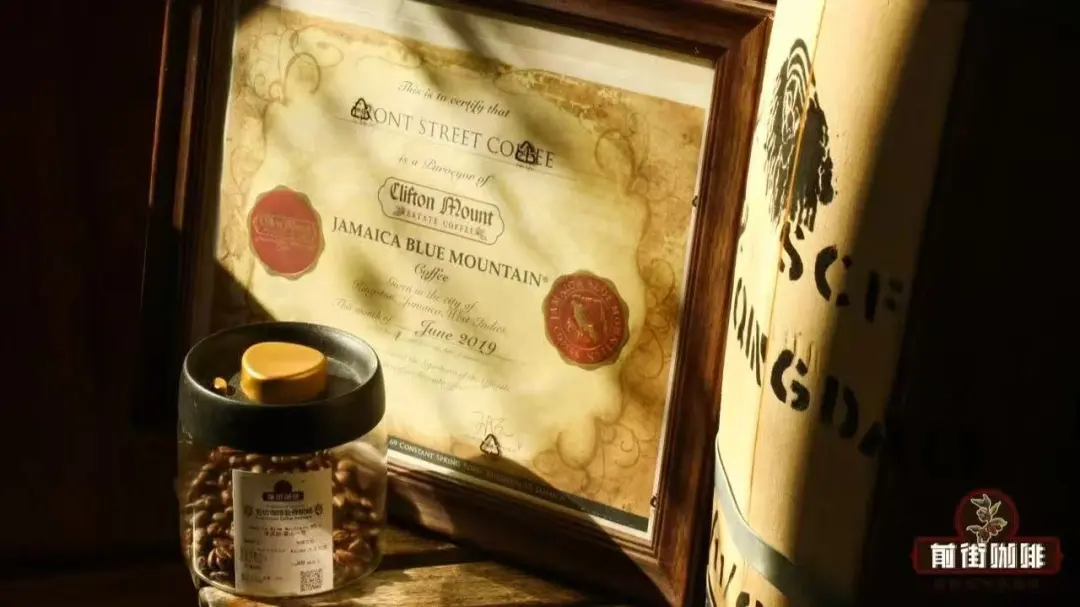
To recreate a professional-grade siphon extraction for Blue Mountain, it is recommended to use the following parameters: add 250ml of water to the lower chamber, use 18–20 grams of medium-fine ground coffee (similar in coarseness to sugar granules), and control the water temperature at 90–92°C. Steeping time is about 60–90 seconds, and after turning off the heat, wait 30 seconds for the coffee liquid to fully return. Make sure the tube remains clean to avoid clogging, and it is advised to preheat the entire brewing system upon first use.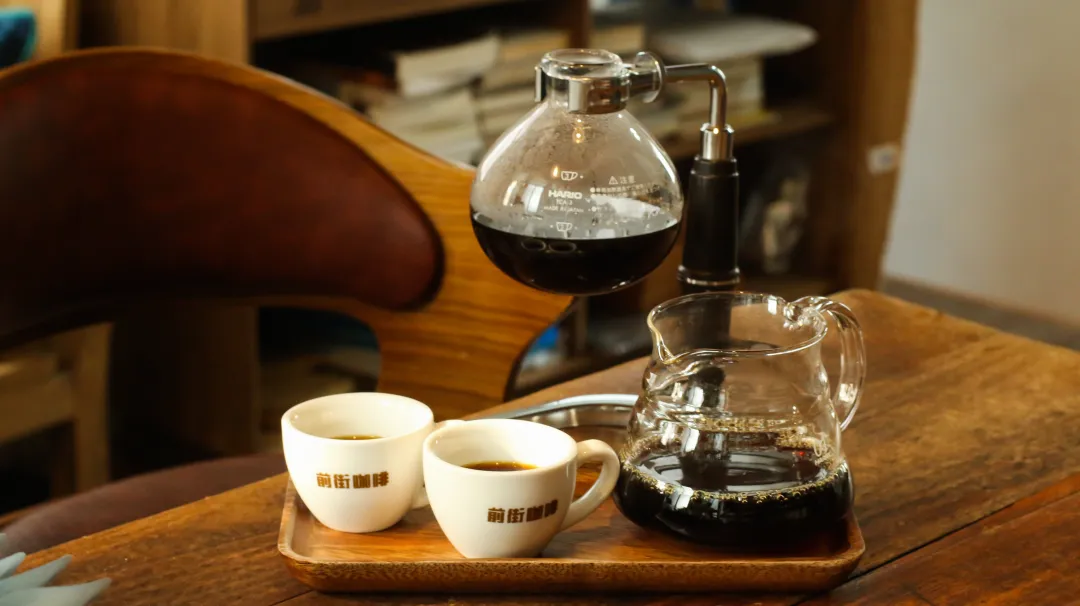
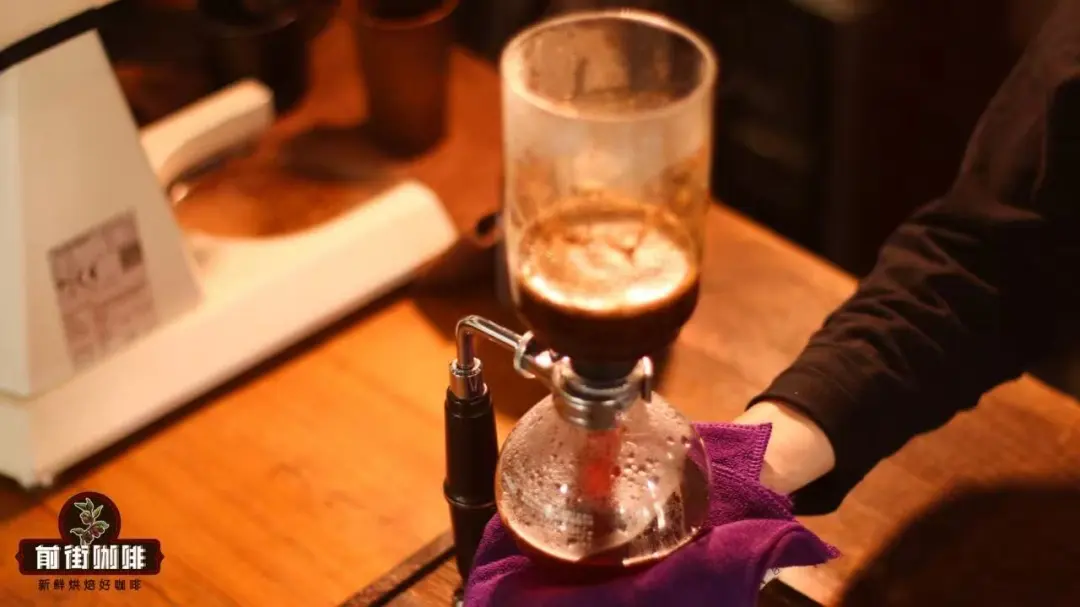
The charm of the siphon lies not only in the final flavor but also in its intricate steps and dramatic extraction process, which add a rare sense of ritual to coffee making. Despite becoming more niche in today’s efficiency-driven market, it remains an irreplaceable classic brewing tool for coffee lovers seeking visual experience and unique flavor.
The above content is compiled by CoffeeHunters, a coffee news website.


