







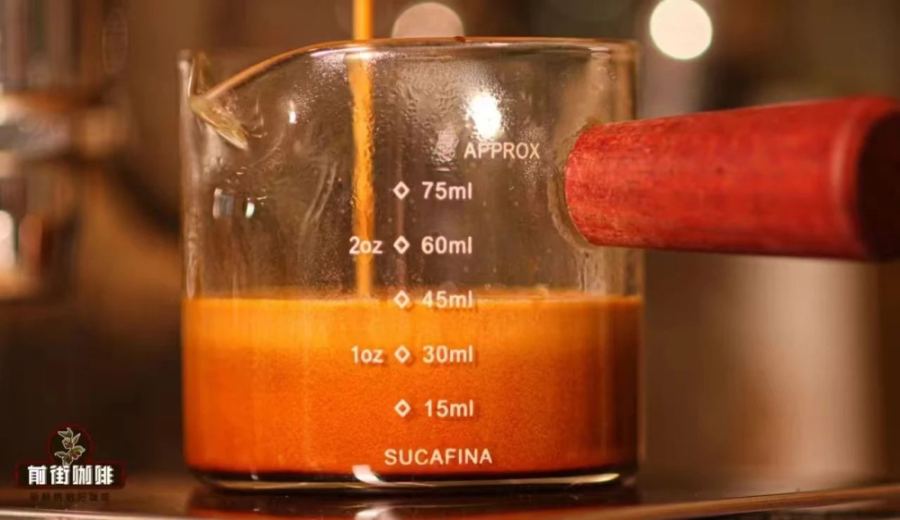
Introduction:Espresso is hailed as the soul of coffee, with its rich and bold flavor that people either love or find overwhelming. This article delves into how to appreciate a high-quality espresso, from observing the crema, identifying aromas, to sipping techniques, helping you master the traditional way of enjoying it. It also recommends several specialty coffee beans suitable for espresso extraction, including blends from Central and South American regions as well as the use of Robusta, allowing you to understand how different beans influence flavor and explore the diverse ways to enjoy espresso.
Espresso is not only the base for many coffee beverages but is also hailed as the "soul of coffee." This small cup of coffee, extracted quickly under high pressure, is intense and layered. First-timers may find it strong, but once they adapt, they can appreciate its unique charm. It is also an important benchmark for evaluating coffee bean quality and barista skill.

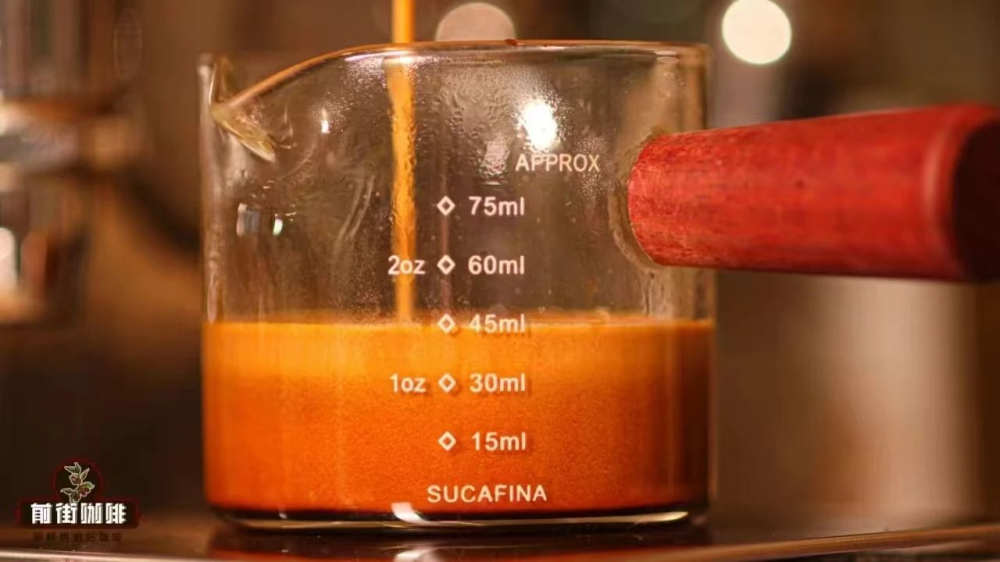
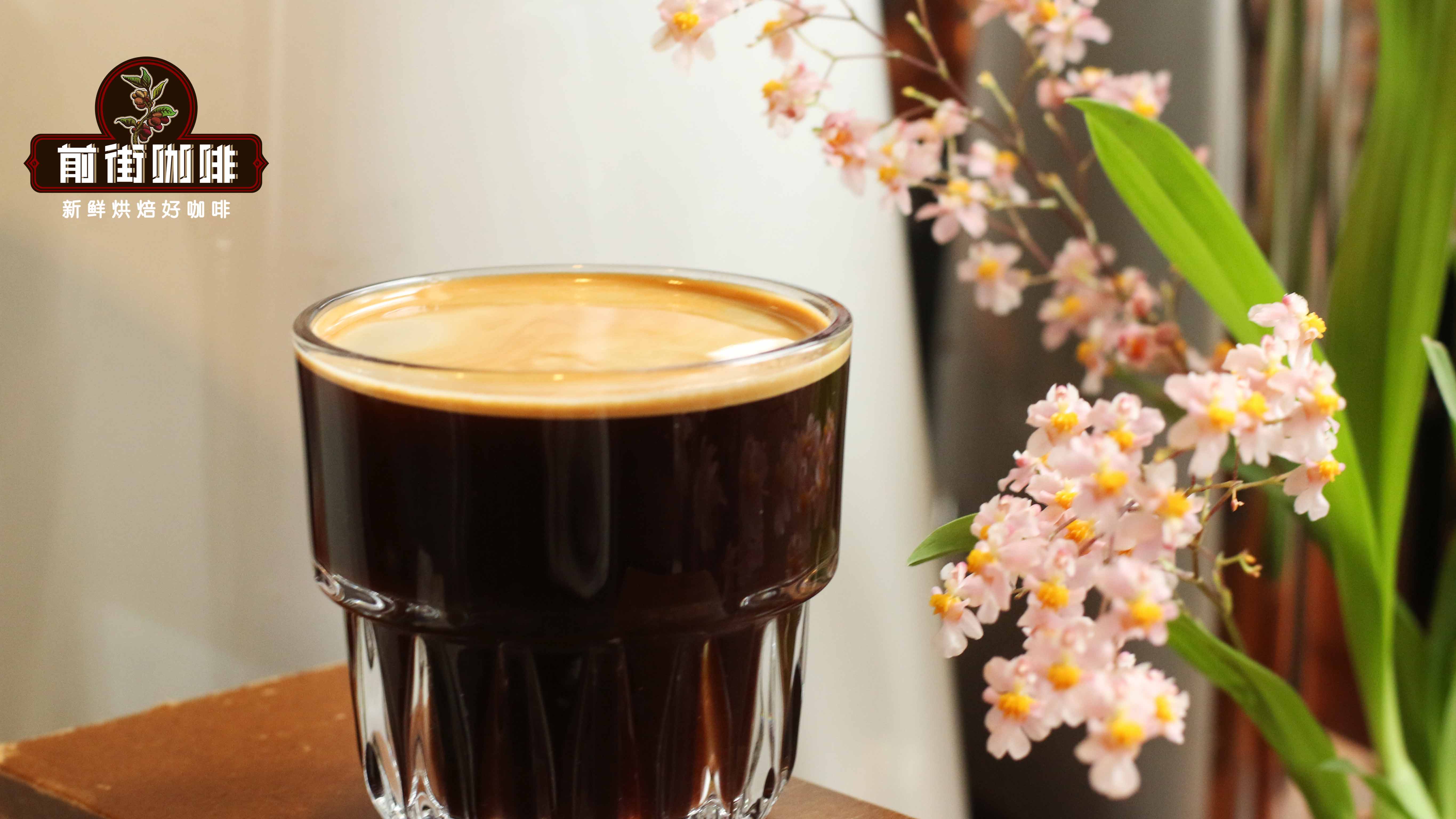
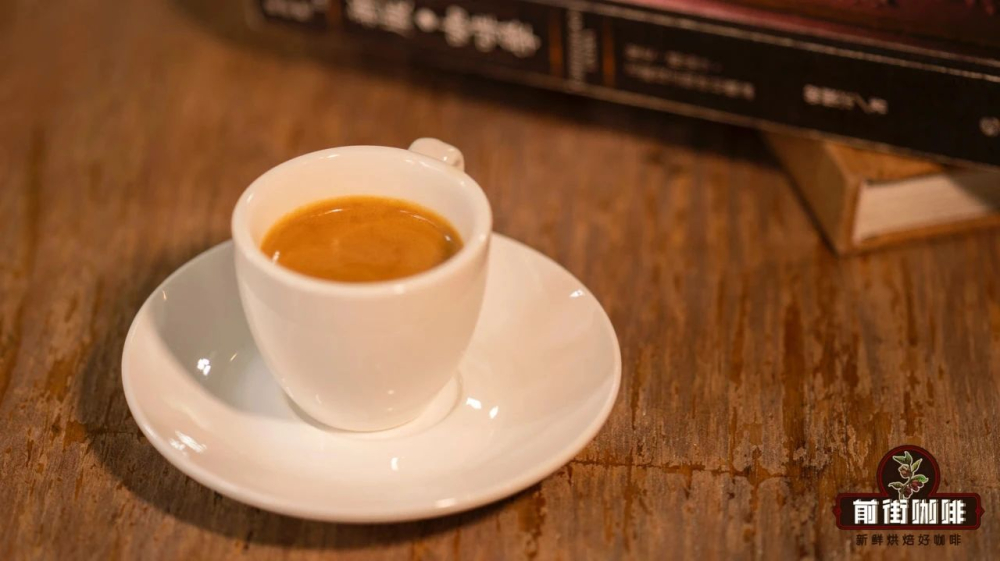
Freshly extracted espresso is covered with a layer of golden, fine crema. The formation of this crema is closely related to the 9-bar high pressure during extraction. As high-pressure, high-temperature water flows through tightly packed coffee grounds, it not only extracts soluble flavor compounds but also emulsifies the coffee’s natural oils, creating this attractive appearance. Additionally, the carbon dioxide released by freshly roasted beans, under high pressure, integrates into the coffee, helping to stabilize and refine the crema.
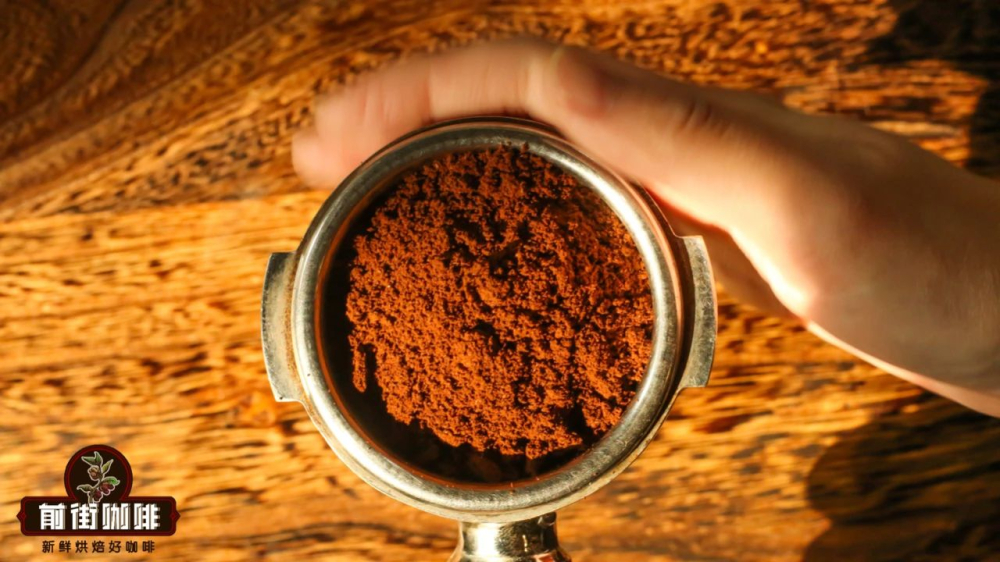
Appreciating espresso can be approached in three steps: First is "smelling." Take a gentle sniff of the cup’s aroma—common notes include nuts and caramel, and if the roast is lighter, you might even catch subtle fruity acidity. Next is "observing." Pay attention to the color and thickness of the crema. Ideal crema should be golden to amber in color, with a uniform layer and good persistence, which usually indicates a good extraction. Finally is "sipping." It’s recommended to first cleanse your palate with a sip of cold water, then take a shot of espresso in one go to experience its silky texture and the rich flavors of caramel and nuts.
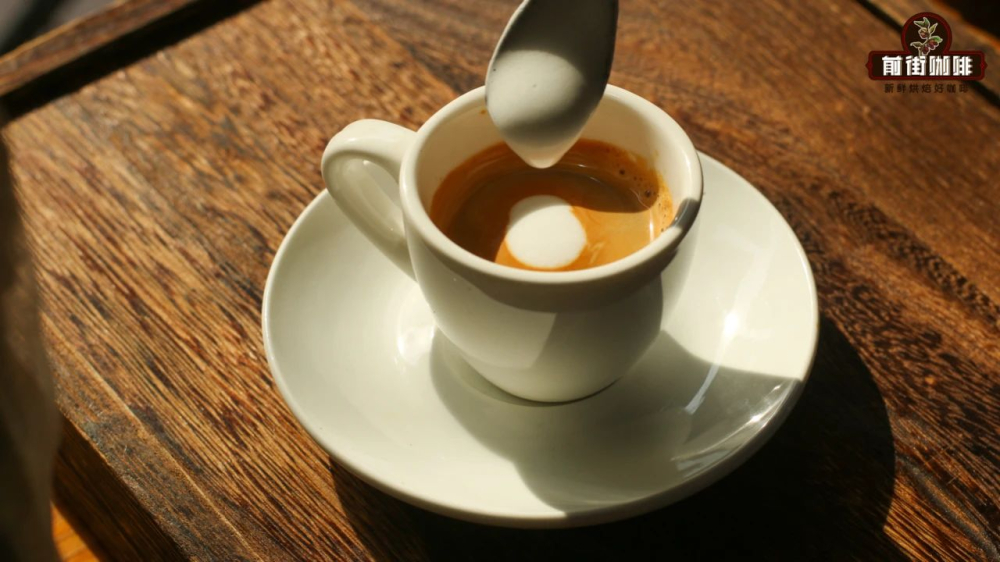
For those new to espresso, its intense flavor might feel a bit overwhelming. You might try adding a small amount of hot milk to soften its boldness and bring out sweet notes of caramel and chocolate—this also serves as the foundation for making a macchiato or flat white. If you find espresso too strong, you can also add some hot water to make an Americano, or further steam milk to create classic coffee drinks like lattes or cappuccinos, though doing so will lose the original essence of pure espresso.

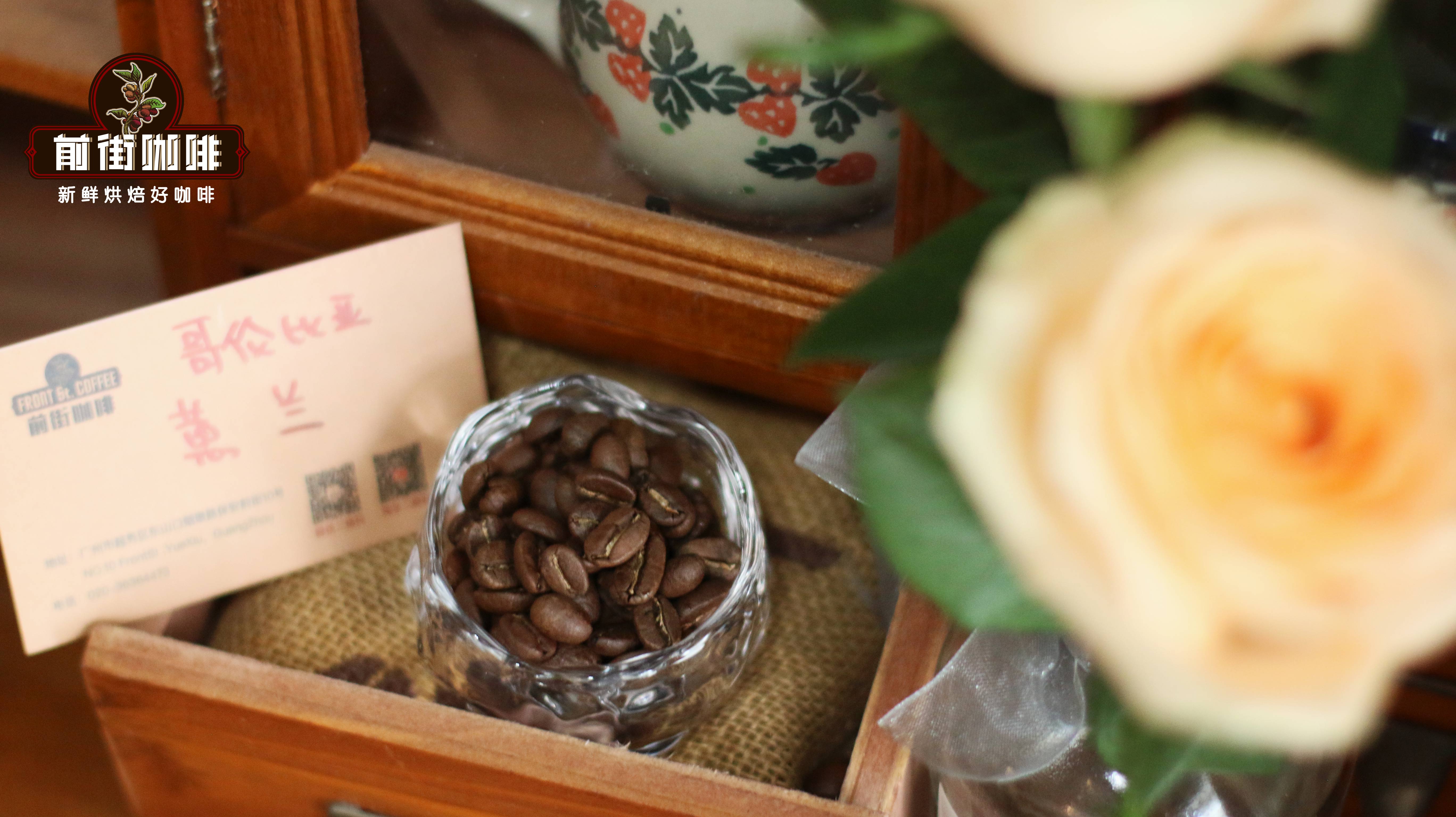
So, what kinds of coffee beans are suitable for producing flavorful espresso? Generally, blends from Central and South American regions are a classic choice due to their balanced acidity and sweetness, along with rich nutty and chocolatey notes. For example, coffee beans from Huila in Colombia, grown at altitudes of 1500–1800 meters, often use Bourbon and Caturra varieties and are processed using the washed method. These beans are dense, have a full shape, and exhibit distinct notes of nuts, caramel, and moderate acidity—making them an excellent base for blends, providing structure and depth to the overall cup.
Additionally, coffee beans from Brazil’s Cerrado region are also commonly used in espresso blends. This area, at elevations of around 1000–1300 meters, mainly grows the Bourbon variety and typically employs a semi-washed (pulped natural) process. The beans are softer, with moderate moisture content. Due to their lower density, care must be taken with roasting to avoid excessive bitterness. A medium roast can bring out a rich, slightly bitter taste with the smooth mouthfeel of milk chocolate, adding roundness and body to the overall blend.
For those seeking even more intense and bold flavors, some commercial blends incorporate Robusta beans. Robusta is naturally resistant to pests and diseases, with high yields. Though it lacks prominent acidity and often has woody notes, its caffeine content is as high as 2.2%—far exceeding Arabica’s 1.2%—and it contains more chlorogenic acids, resulting in a bolder, more bitter flavor. However, when skillfully blended into espresso, it can significantly enhance the crema’s richness and bring classic notes of caramel sweetness, black chocolate, and nuts, achieving a balanced acidity and sweetness with a long-lasting aftertaste. It’s a popular choice among many Italian-style cafes for making lattes and cappuccinos.

The above content is compiled by CoffeeHunters, a coffee news website.


