








Introduction:The roast level of coffee beans determines the direction of its flavor — from bright acidity to rich, toasty notes. Each roast level has its own unique charm. This article will delve into how light, medium, and dark roasts affect the taste of coffee, and offer practical roast selection advice for different brewing methods such as pour over and espresso. We’ll also explore the differences between light-medium and medium roasts of the popular Hua Kui coffee, helping you find the roast profile that best suits your taste.
Many beginners in coffee roasting often face a key question: how do you decide the roast level of a coffee bean? Should you go for light, medium, or dark roast? This decision not only affects the flavor profile of the coffee but is also directly related to the choice of brewing method — such as pour over or espresso. What factors actually influence a roaster’s decision? Let’s take a deeper look.
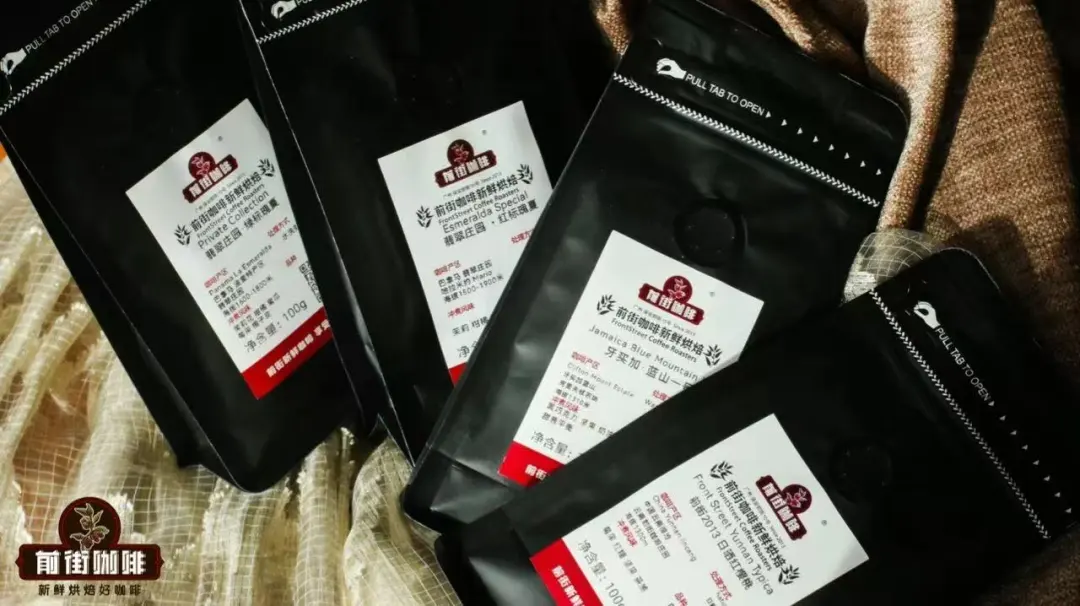
In reality, coffee roasting isn’t as complicated as it may seem. It’s much like cooking a dish — the final flavor depends on the intention of the chef. Similarly, the roast level of coffee beans mainly depends on the style of coffee the roaster wants to present or the flavor characteristics they wish to highlight. Based on these two considerations, along with the actual traits of the beans, the goal is to find the optimal roasting path. That’s the core idea behind determining roast degree.

To better grasp this concept, we first need to understand how roast levels specifically affect coffee flavor. Simply put, the roasting process is about using heat to release the aroma and flavor from green beans, similar to roasting peanuts or nuts. During this process, green beans undergo chemical changes in a high-temperature environment for over ten minutes. These changes influence the beans’ color, density, moisture content, acidity, sweetness, bitterness, and overall mouthfeel.
Generally, the darker the roast, the darker the bean color, and the lower the density and moisture content. Bitterness becomes more pronounced while acidity relatively diminishes. In contrast, lightly roasted beans have less expansion, retaining more organic acids, resulting in a brighter and more refreshing taste. However, it’s important to note that there is no universal absolute standard for roast levels. Common classifications such as French Roast, Vienna Roast, or Japanese Roast are mostly based on Agtron color values, but actual colors can vary depending on processing methods and roasting techniques.
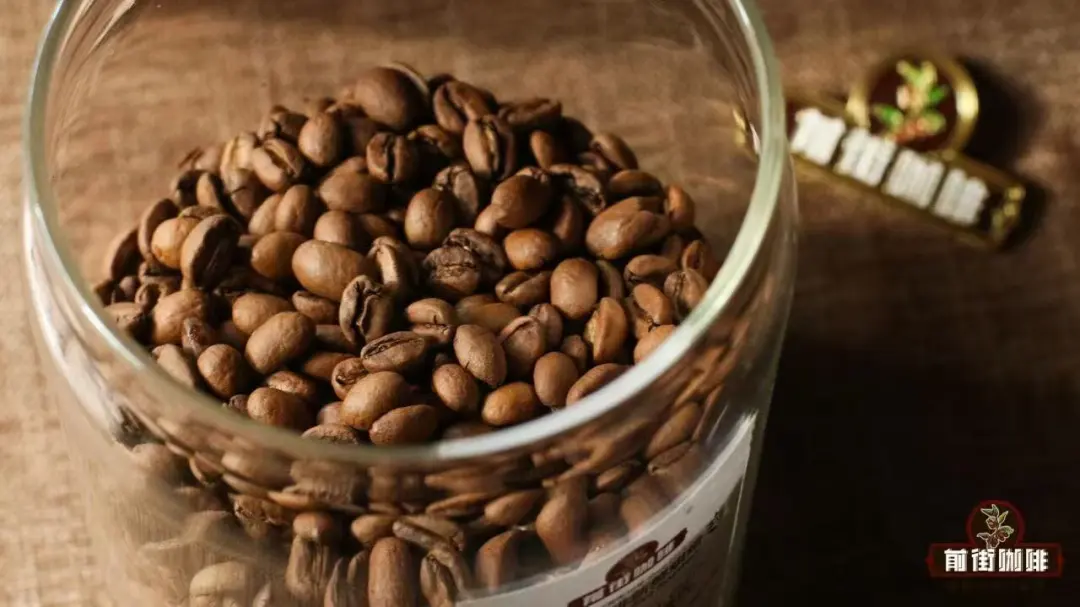
For example, a coffee shop once had an anaerobic natural processed coffee bean. Due to the sugar adhering to the bean surface during processing, it tended to darken more easily during roasting. Even though its actual flavor still retained abundant fruity and floral acidity, its color value might reach 59, making it look like a dark roast bean. Therefore, when judging roast level, one shouldn’t rely solely on color but should also consider flavor performance and the roasting process. Generally speaking, a light roast refers to beans dropped between the start and just after the first crack, where acidity dominates and bitterness is relatively low, resulting in a lighter body. A medium roast is dropped between the end of the first crack and before the second crack, balancing acidity and sweetness with a more noticeable sweetness. A dark roast is dropped after the second crack, highlighting caramel, chocolate, and nutty aromas, with acidity almost disappearing and a fuller, richer mouthfeel.
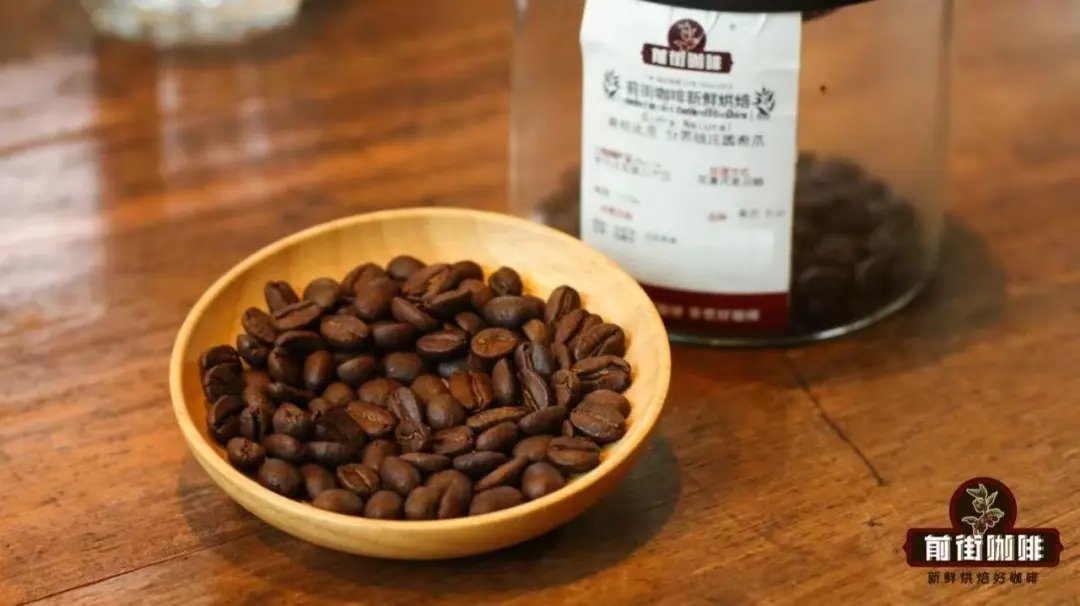
After understanding the characteristics of different roast levels, the next step is to decide the appropriate roast degree based on brewing purpose. For espresso, especially milk-based coffee drinks, medium to dark roasts are usually chosen. This is because beans with higher acidity can create unbalanced flavors when combined with milk, whereas medium to dark roasts bring out a richer, toastier sweetness that pairs better with the milk's sweetness. For instance, some Hua Kui coffees offer a medium roast option specifically tailored for espresso use.
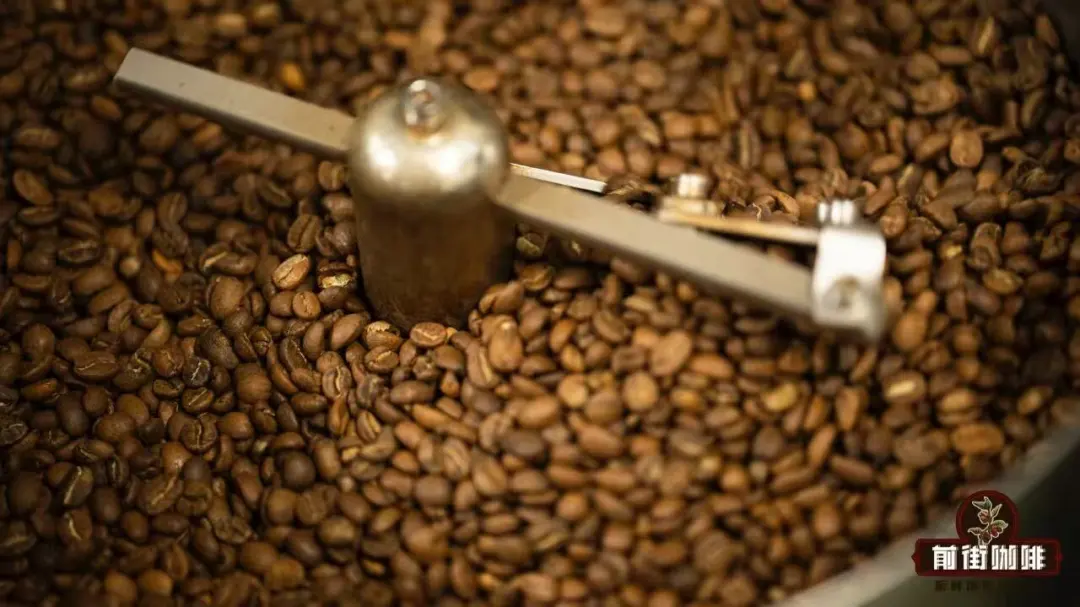
For pour over or cold brew coffee, the focus is more on showcasing the bean’s inherent regional characteristics and variety flavors. Take Indonesian Yellow Gold Mandheling as an example — many people expect the herbal, woody, and spicy notes brought out by a dark roast, which can only be fully expressed under such conditions. Therefore, such beans are typically roasted on a dark roast curve. On the other hand, for beans like Panamanian Geisha, famous for their floral and fruity notes, over-roasting should be avoided to prevent the fruit acids and floral aromas from being masked by roasted flavors. A medium-light roast is usually chosen to preserve their fresh citrus and jasmine profiles.
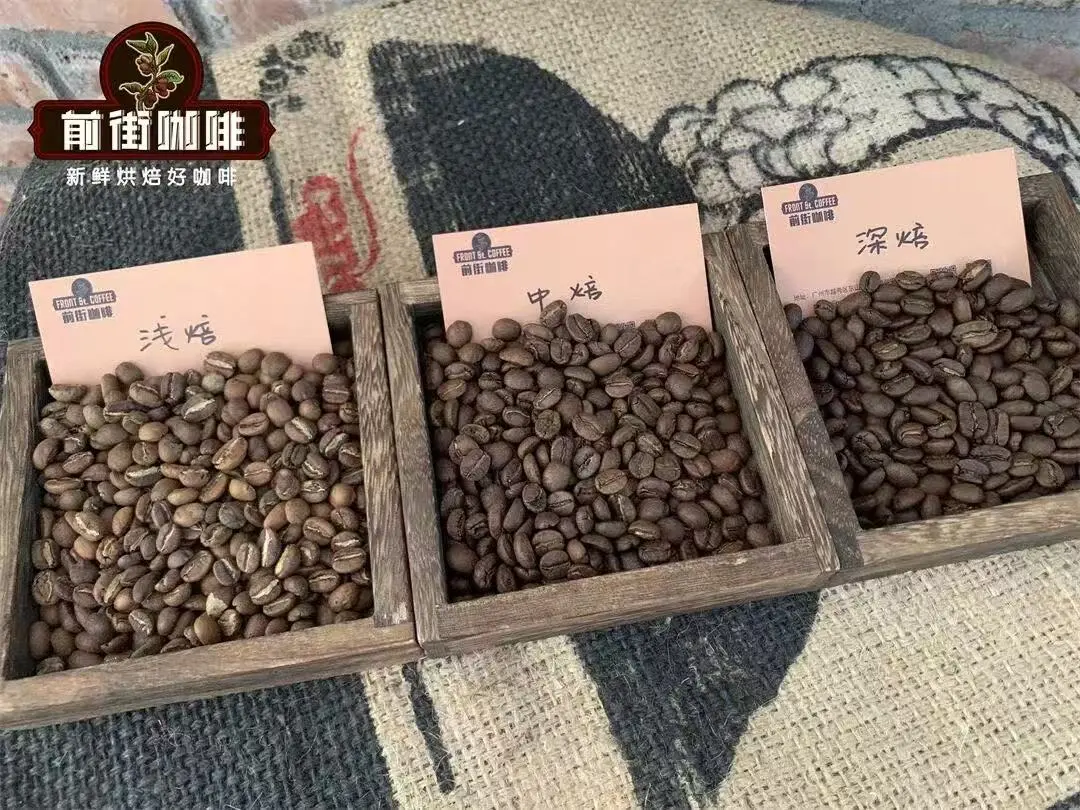
In addition, when deciding on roast level, factors such as bean size, appearance, processing method, and moisture content must also be taken into account. For example, certain high-moisture beans may require slight adjustments to the roasting rhythm to avoid underdevelopment or over-roasting. These details all impact the final coffee performance, so roasting is not simply a matter of “heating” but a technically precise process that requires careful control.
In summary, the choice of coffee bean roast level depends on what kind of coffee experience you’re aiming for. Do you want to enjoy bright fruit acids and floral notes, or do you prefer rich caramel and chocolate flavors? Once your goal is clear, make corresponding adjustments based on brewing methods and bean characteristics, and you’ll find the roast level that’s right for you. Whether you’re a pour over enthusiast or an espresso lover, understanding the principles of roasting allows you to enjoy a richer coffee experience.

The above content is compiled by CoffeeHunters, a coffee news website.


