







Introduction:Espresso is the essence of Italian coffee culture—rich, bold, and the foundation for many classic coffee beverages. This article delves into the unique flavor characteristics of Espresso, introduces the correct way to enjoy it, including how to perceive its aroma, taste, and aftertaste, and also reveals the caffeine content data for single and double shots. Additionally, we recommend several classic coffee beans ideal for making Espresso, helping you master the essence of this coffee from beginner to advanced level.
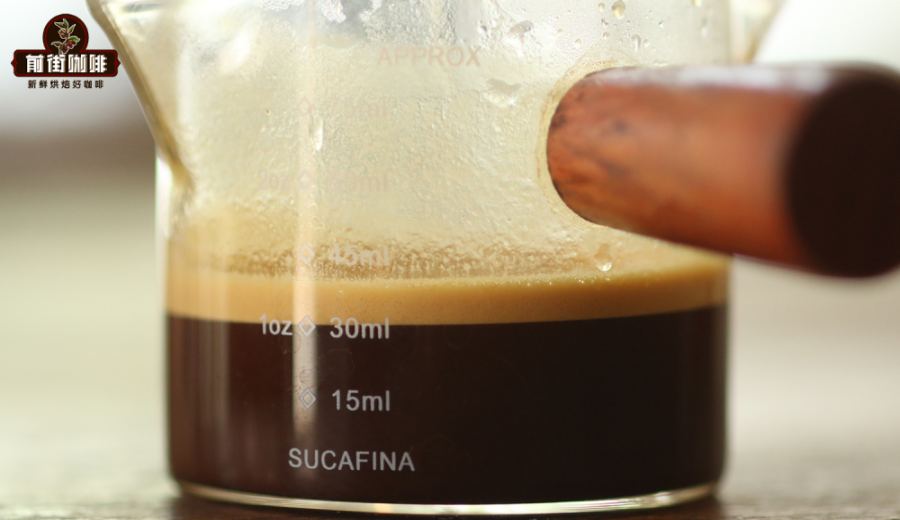
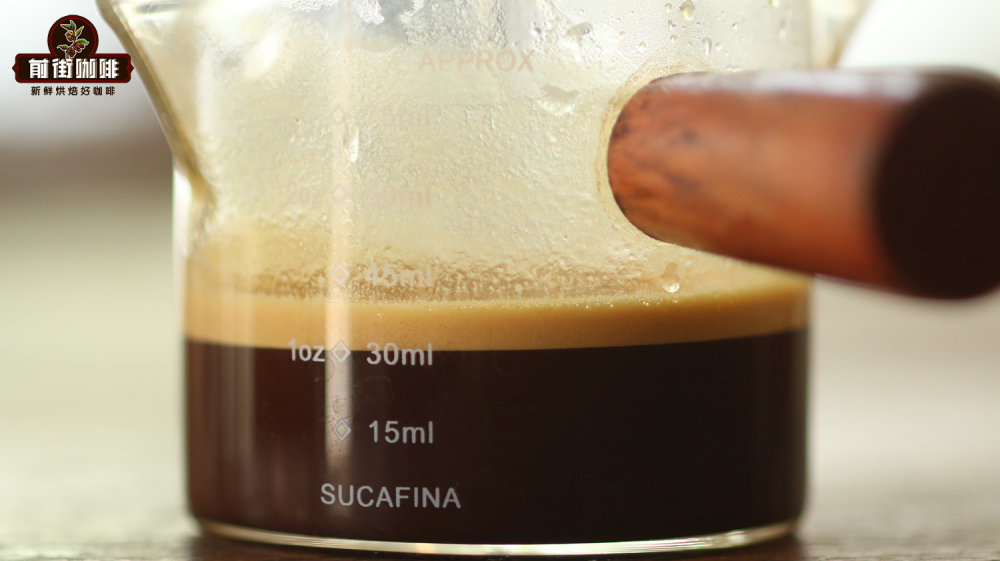
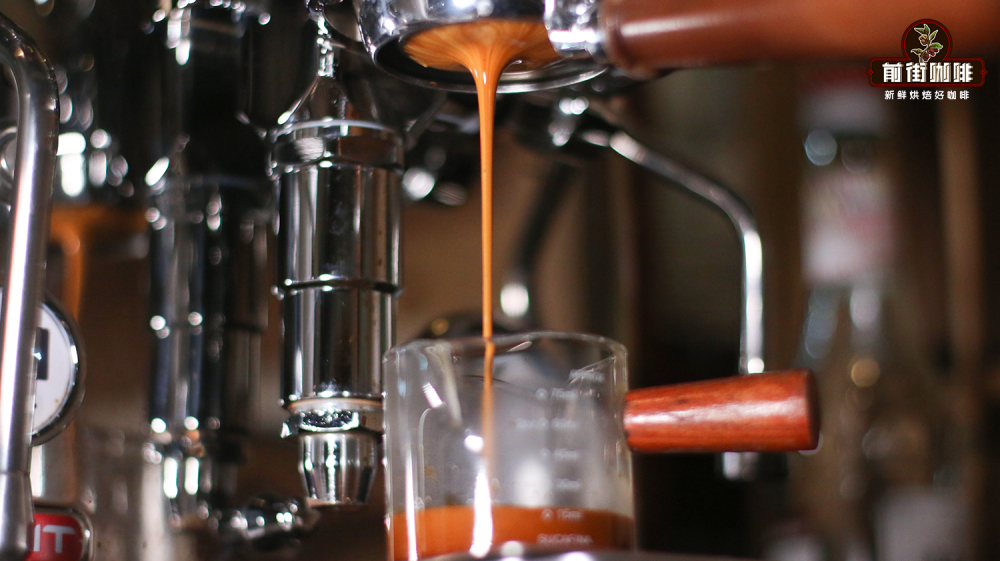
Espresso, also known as "gongfu coffee," originated in Italy and is renowned for its intense flavor and high concentration. A standard Espresso is typically measured in "shots"—one shot is about 30 milliliters, or one fluid ounce. For a bolder experience, you can opt for a double shot, which is two ounces. This type of coffee is produced by quickly extracting finely ground coffee beans under high pressure (about 9 bar) and at a temperature of approximately 90–96°C, resulting in a concentrated essence.
According to professional concentration measurements, the coffee liquid concentration of an Espresso usually ranges between 9% and 11%. In comparison, pour over coffee generally has a concentration of only around 1.3%, making Espresso significantly more concentrated and intense. Its strong bitterness often deters first-time drinkers. However, in Italy, Espresso is the go-to choice for many people to get their daily caffeine fix—not only is it affordable, but it's also become a part of social life.
So, how much caffeine does a standard Espresso contain? Using a common recipe as an example, about 20 grams of espresso-blend coffee beans are used to extract around 40 grams of coffee liquid, with caffeine content roughly amounting to 100 milligrams. If you opt for a double shot, the caffeine content will naturally be higher. Understanding these figures can help you adjust your intake based on your personal caffeine tolerance.
The charm of Espresso lies not only in its intensity but also in its delicate aroma and layered profile. Unlike pour over coffee, it’s hard to discern flavor changes across different temperatures in Espresso because the entire cup is usually consumed in a short time. Therefore, Espresso places greater emphasis on a holistic "in-one-sip" experience—highlighting the purity of aroma, the balance of taste, and the persistence of aftertaste.
The so-called cleanliness refers to the absence of off-flavors, astringency, or unpleasant aftertastes in the coffee—it's an important criterion for evaluating the quality of a cup. Balance, on the other hand, means that elements like acidity, sweetness, bitterness, and saltiness harmonize with each other without any single flavor overpowering the rest. When these elements achieve harmony, they create a smooth and enjoyable drinking experience.

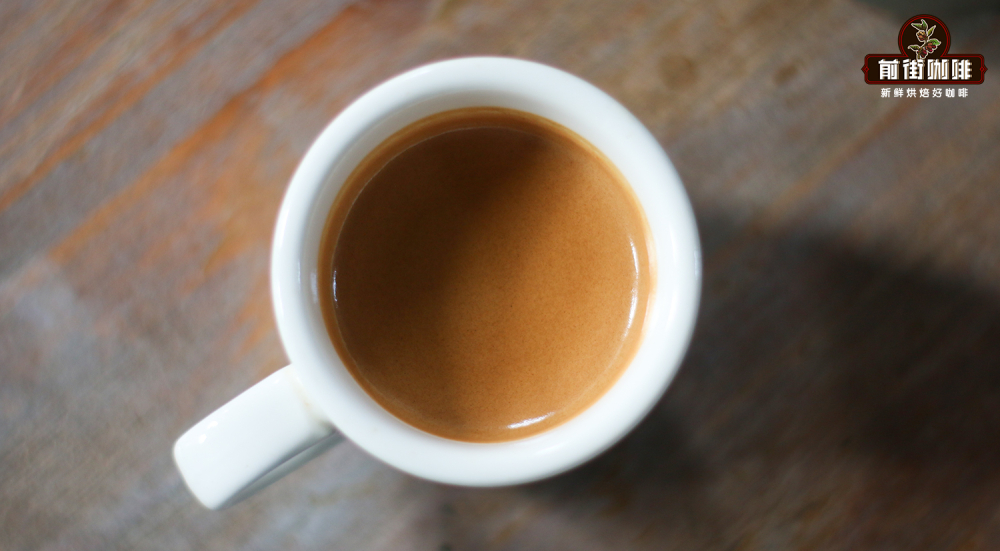
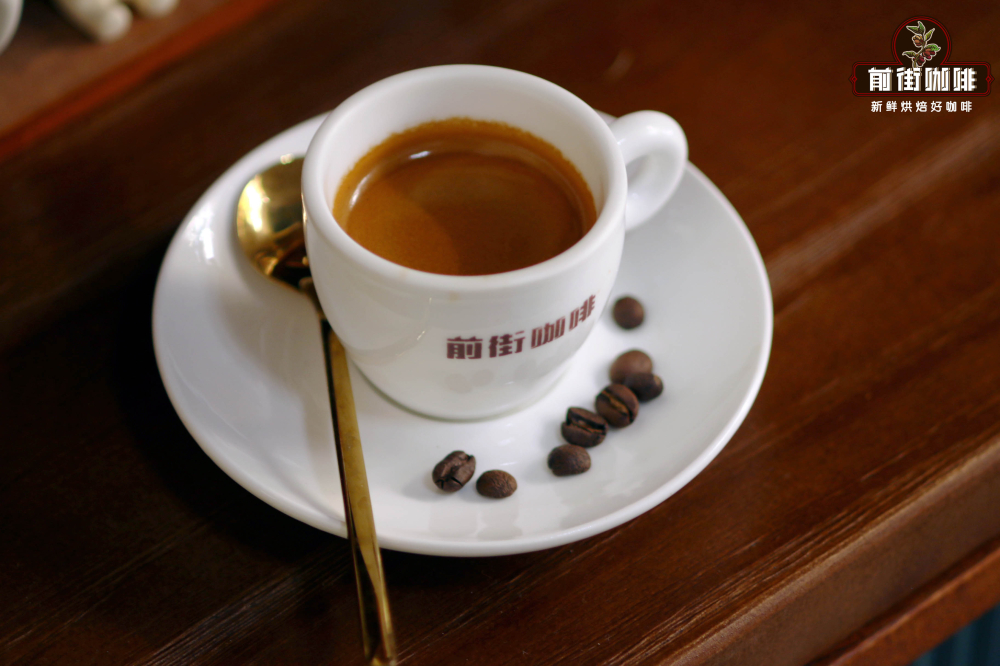
The golden crema on top of an Espresso is a product of the high-pressure extraction process. When extremely fine coffee grounds release carbon dioxide under high pressure, the gases mix with oils to form a stable foam layer. This crema not only affects appearance but also directly influences aroma release and the creaminess of the mouthfeel. As you sip, the volatile aromatic compounds carried by the crema greatly enhance the overall flavor experience.
The aftertaste is the aroma and flavor that lingers in the mouth after the coffee is swallowed. This combination of smell and taste evokes layers of flavors such as fruits, nuts, and even chocolate. In fact, human taste buds can only recognize basic tastes like sour, sweet, bitter, salty, and umami, while most of the flavor perception actually comes from olfactory feedback via the nasal cavity.
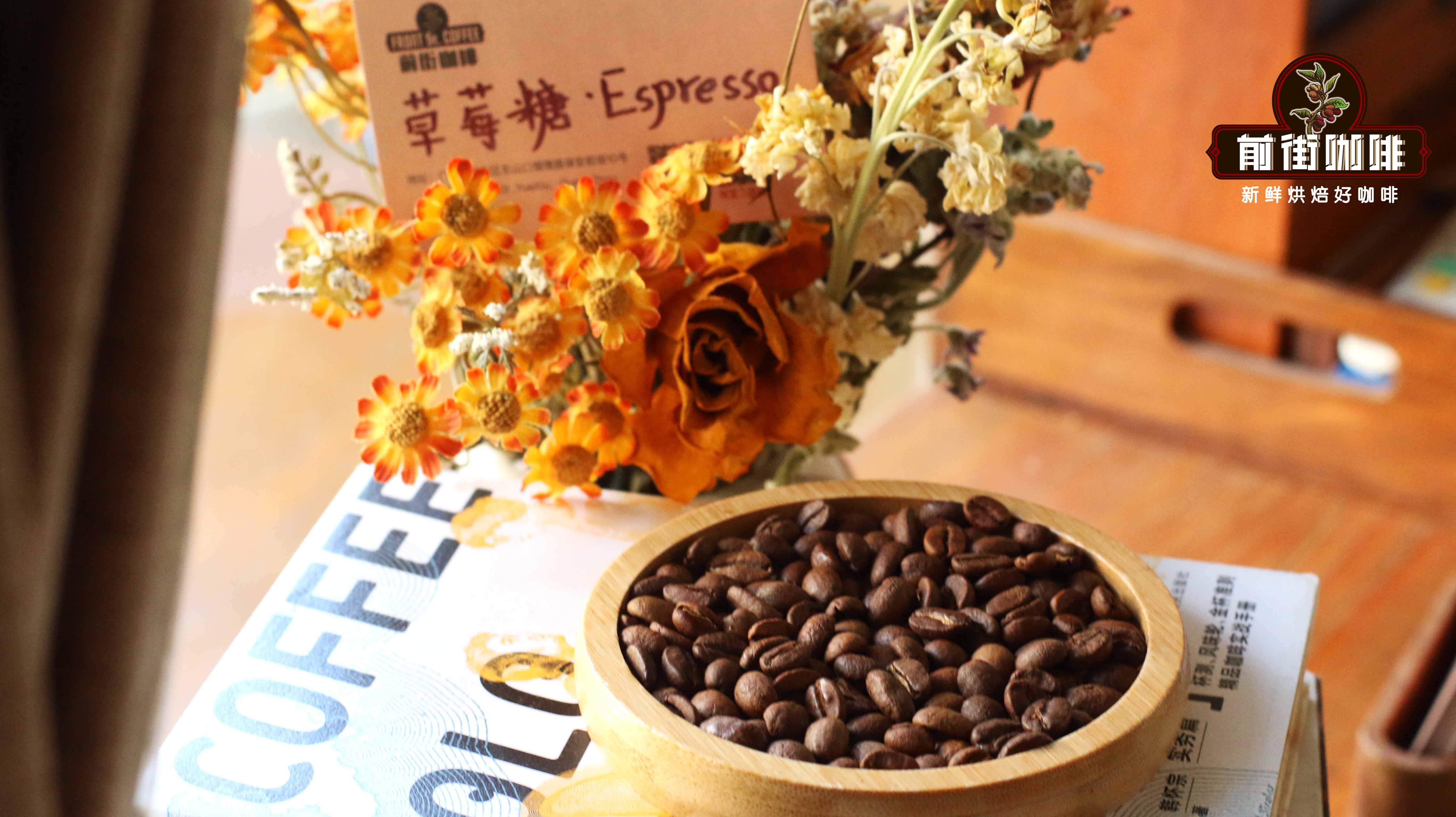
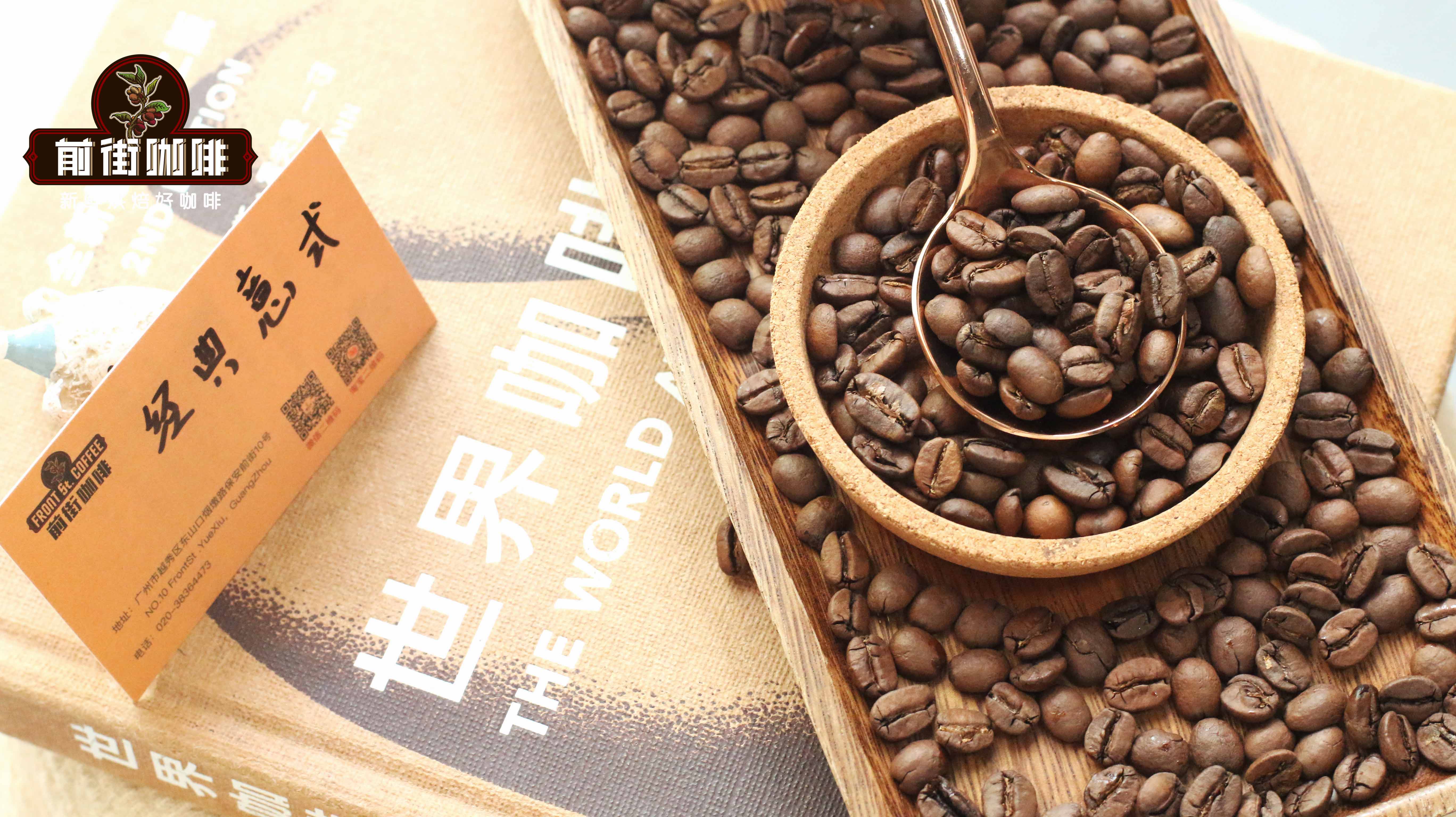
If you want to personally experience a high-quality espresso, it is recommended to start with coffee beans suitable for making espresso. For example, beans processed using the honey method and featuring distinct berry notes, when properly blended, can exhibit a soft acidity and sweetness along with a rich body under high-pressure extraction, while retaining delicate crema and a smooth texture. Additionally, there are also dark-roasted blends that emphasize a bold smoky flavor and abundant crema, ideal for making Americano or milk-based drinks like lattes and cappuccinos.
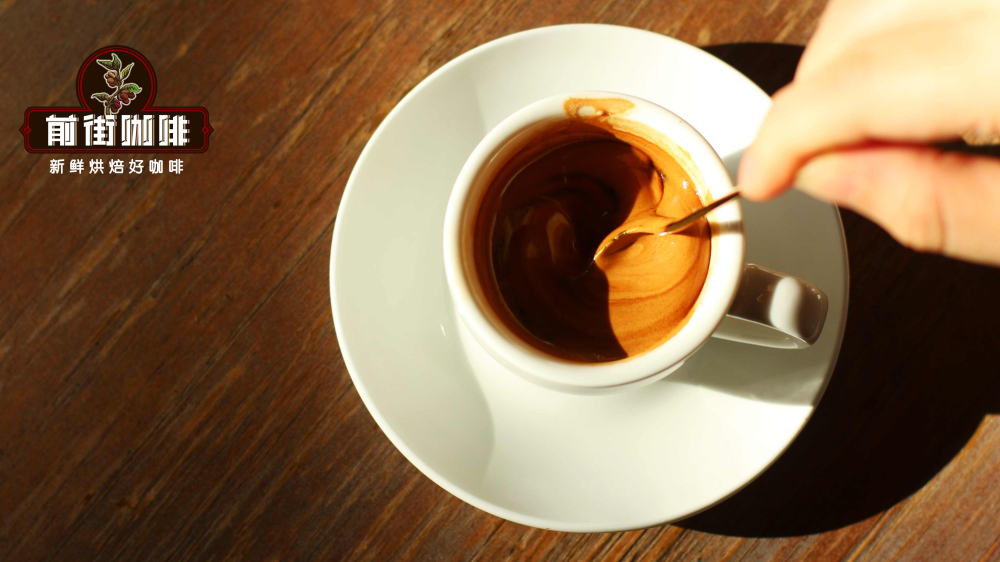
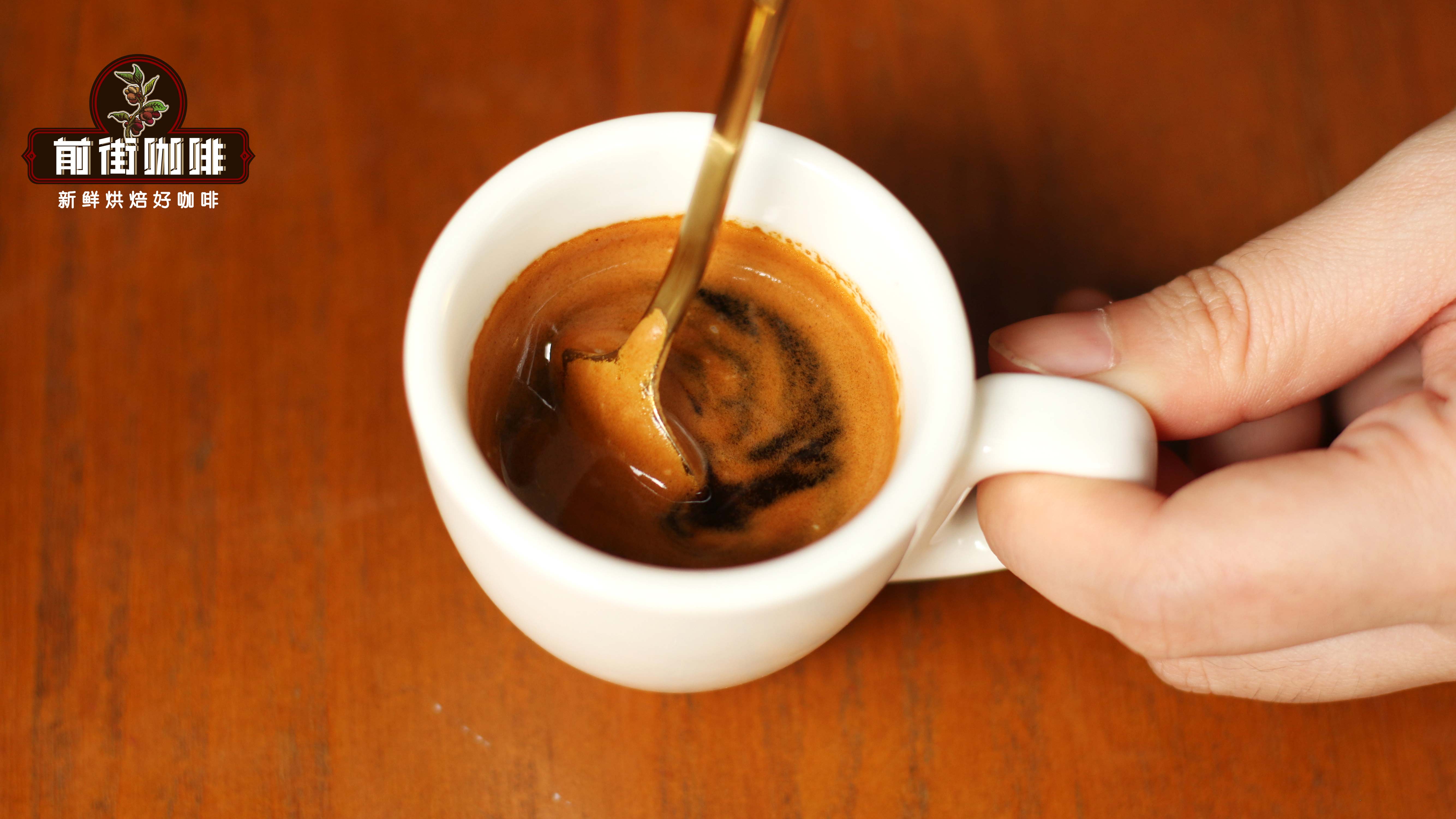
There are certain techniques for tasting espresso that can help you fully appreciate its essence. First, it is recommended to rinse your mouth with water or ice water before tasting to clear away any lingering flavors and prepare your taste buds for optimal sensitivity. Next, observe your espresso—usually a small spoon is provided with the shot, which can be used to gently stir and mix the thicker bottom layer with the clearer top layer. However, if you wish to experience the layered flavors, you may also choose not to stir and drink it directly.
It is suggested to sip the espresso in three to four mouthfuls. Use the tip of your tongue to feel its smoothness and slight bitterness, the sides of your tongue to perceive the layers of acidity, and the roof of your mouth to capture the overall texture. After swallowing, close your mouth and gently exhale through your nose to release the aroma and appreciate the continuation of the aftertaste. Finally, you may take a sip of water to reset your taste buds and more clearly discern the coffee’s lingering sweetness and finish.
In summary, espresso is not just a shot of concentrated coffee—it is a microcosm of Italian coffee culture and the soul base of many specialty coffee drinks. Mastering its flavor characteristics, the correct way to enjoy it, and understanding its caffeine content can provide you with a richer and more professional coffee experience as you savor this intense essence. Whether you are a beginner or a coffee enthusiast, gaining a deeper understanding of espresso will make your coffee journey more complete.

The above content is compiled by CoffeeHunters, a coffee news website.


