







Introduction:SOE coffee has become a popular trend in recent years. What is the allure of single origin espresso that makes so many coffee shops favor it? This article delves into the key differences between SOE and traditional blended beans—from flavor characteristics and roast suitability to practical usage scenarios—to help readers master bean selection tips. Whether you want to elevate your home espresso game or simply explore the intricacies of specialty coffee, you’ll gain practical insights here.
SOE (Single Origin Espresso), or single origin espresso, is essentially replacing common espresso blends with single-origin beans from a specific region, while still using high-pressure espresso machines for extraction. This approach highlights the unique terroir of the region while maintaining the bold base required for espresso.
Most commercial espresso-based drinks (including lattes, cappuccinos, etc.) use espresso as their base, so the flavor profile of the base directly determines the final cup’s performance. Traditional shops prefer blends because mixing beans from different regions ensures consistent flavor stability and also takes cost into consideration. However, as consumers’ demand for “flavor identifiability” has increased in recent years, SOEs made with single-origin beans have gradually gained attention.

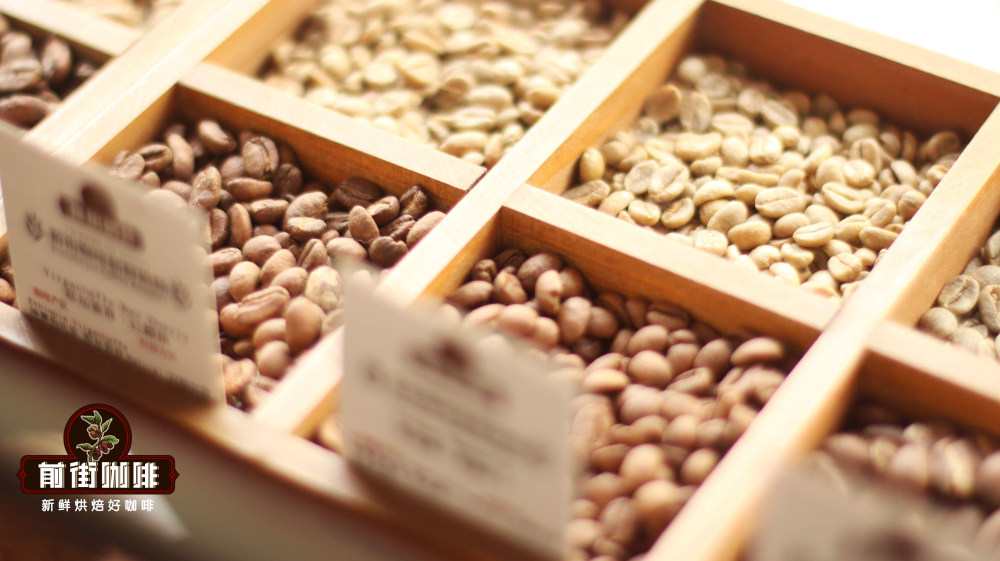
The core difference between the two types lies in: blends emphasizeflavor balance and supply stability, typically combining beans from two or more regions, adjusting proportions to compensate for seasonal variations of a single origin. For example, Brazilian beans provide a rich body, while Central and South American beans add layers of acidity. This combination effectively counters the impact of climate fluctuations on a single origin. In contrast, single-origin beans focus on showcasingregional characteristics—such as Ethiopian beans often exhibiting citrus notes, and Indonesian beans bringing earthy and spicy aromas.
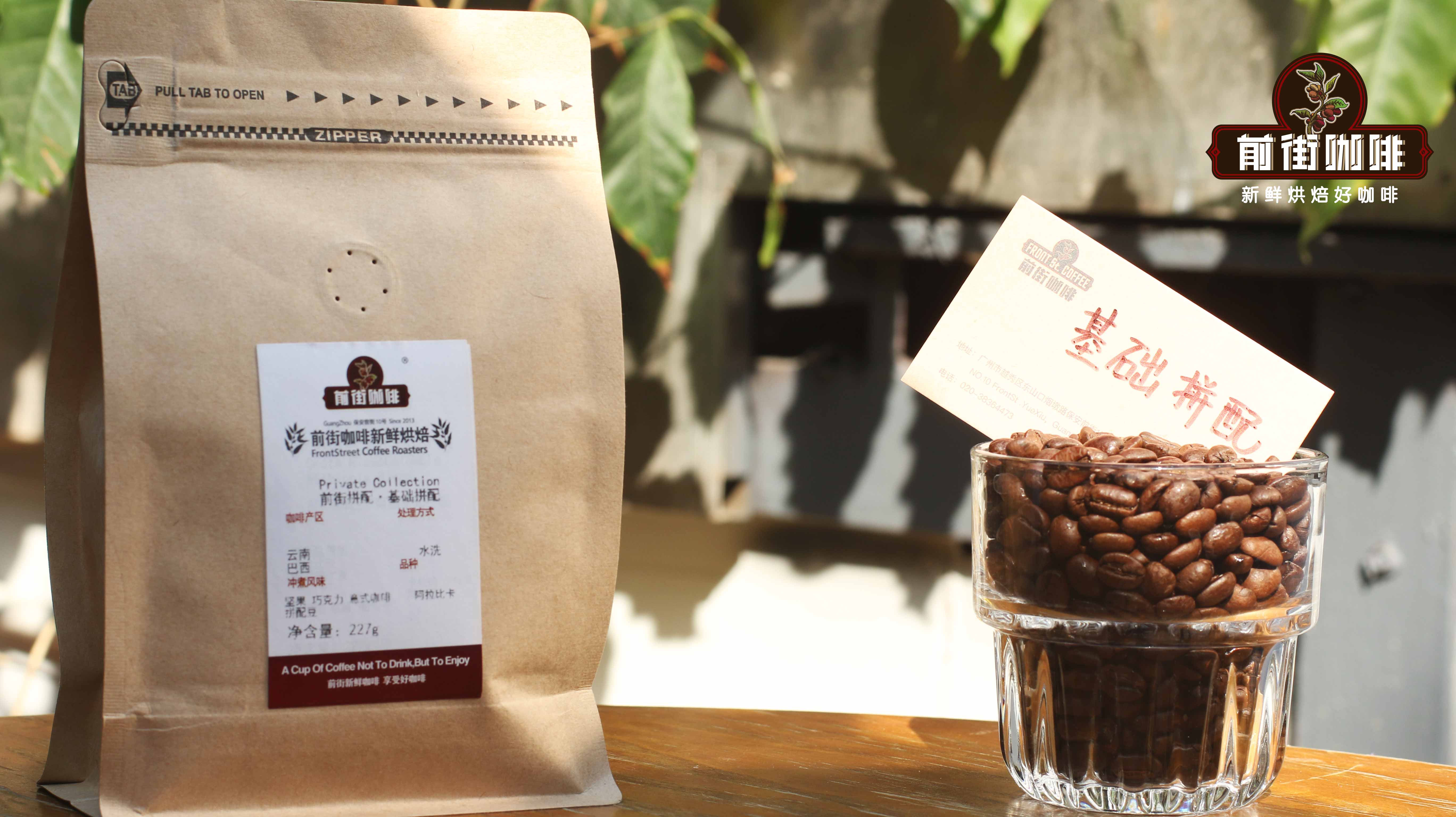
For espresso blends, it is recommended to choosemedium to dark roastedfresh batches. These beans, under high temperature and pressure extraction, can release abundant caramelized compounds, forming a rich crema and a solid body. In practice, note that the optimal flavor window is 5–14 days after roasting, and beans should be stored properly in one-way valve packaging. Common mistakes include over-grinding, which leads to channeling, or insufficient extraction time resulting in sharp, thin flavors.
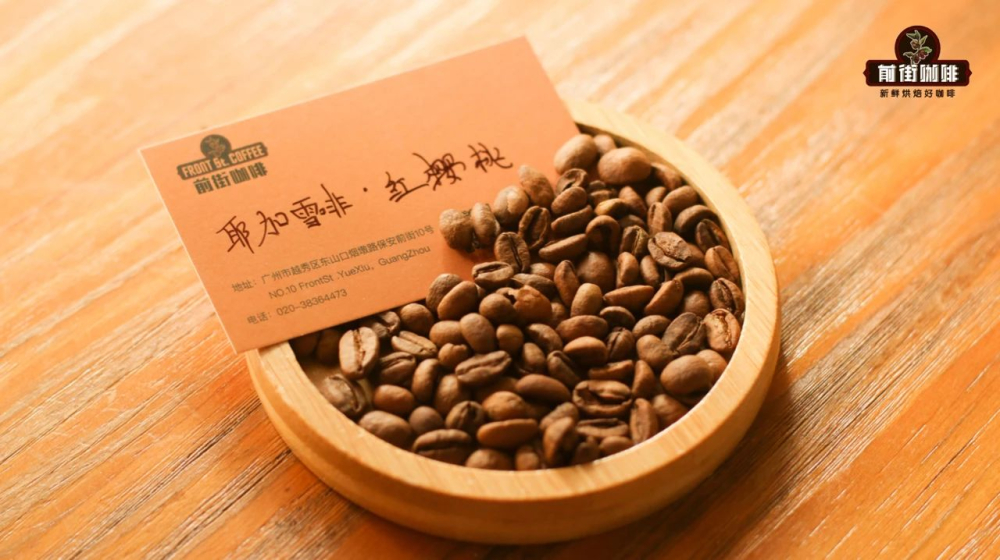
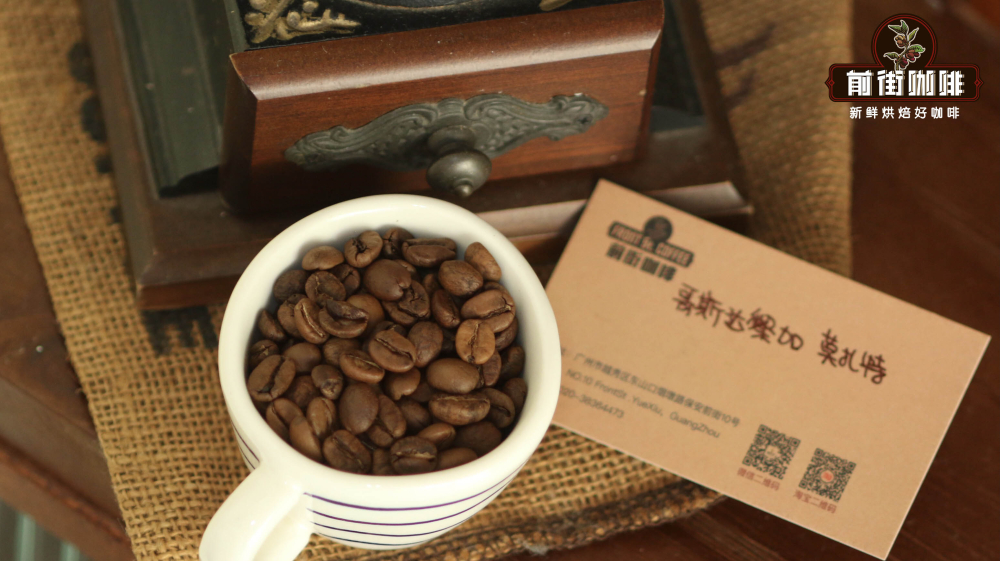
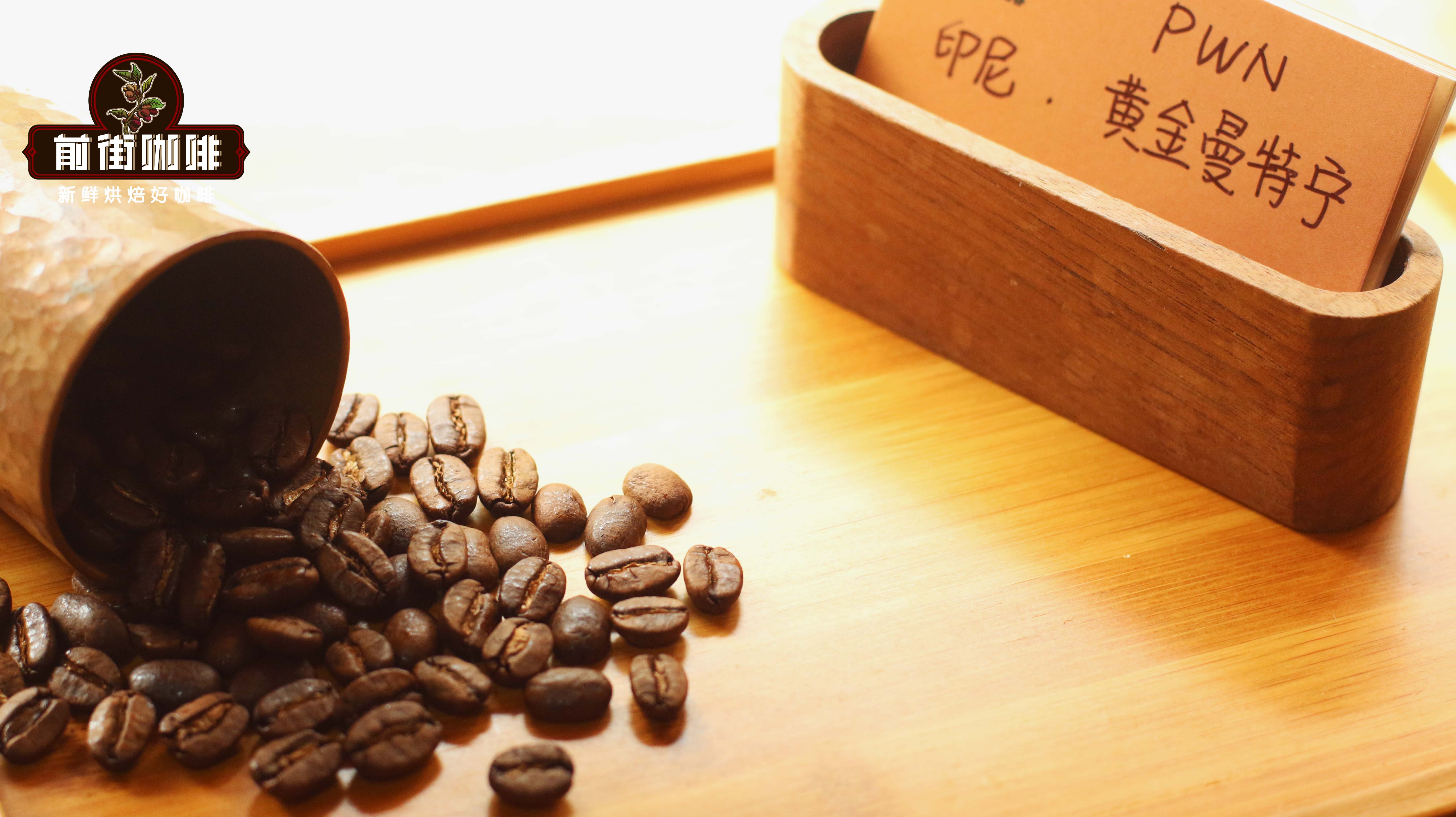
If you’d like to try the SOE style, here are three single-origin beans worth exploring:Ethiopia Yirgacheffe Red Cherry NaturalAfter being processed via natural drying, although it shows pronounced floral notes and bright acidity when brewed via pour over, it transforms into orange and berry tones when extracted as an SOE, with a clean, sweet finish—making it ideal for crafting clean and refreshing Americano bases.Costa Rica Mozart Raisin Honey Processed Bean, the honey process gives it a rich texture and rosehip aroma. As an SOE, it presents a velvety sweetness reminiscent of osmanthus honey, and pairs wonderfully with milk to produce a layered, sweet profile.Indonesia Golden Mandhelingundergoes a strict hand-picking process to reduce defect rates. After medium to dark roasting, it releases a complex flavor profile of sandalwood, spices, and dark chocolate, particularly suited for drinkers who enjoy a bold, lingering finish.
Practical application tips:SOE is more sensitive to extraction parameters, so it is recommended to use a slightly finer grind than with blends, and pre-infusion time can be extended by 5–10 seconds to ensure even extraction. If overly sharp acidity is detected, you may moderately increase the brewing water temperature to 93–94°C; conversely, if the flavors seem muted, check whether the coffee-to-water ratio is below 1:2. Remember, the charm of single-origin beans lies in faithfully expressing the character of their origin—make appropriate adjustments rather than forcing a “standardized” flavor.
The above content is compiled by CoffeeHunters, a coffee news website.


