








Introduction:Blended beans and single-origin beans are two major pillars in the coffee world, each with distinct purposes and flavor profiles. This article delves into why espresso often uses blended recipes, and introduces high-quality blends and single-origin beans ideal for beginners. It will help you make confident choices tailored to your preferences without hesitation.
In the coffee world, blended beans (Blend) and single-origin beans (Single Origin) are the two most common types of beans, influencing not only brewing methods but also the final flavor expression. Blends are typically made by combining two or more coffees from different origins in specific proportions. Their design aims not only to balance flavors but also to enhance extraction stability and overall performance.
Blended beans are commonly used in espresso machines, roasted to medium-dark to dark levels, bringing out rich crema and a full-bodied mouthfeel. For example, if a bean has a smooth texture but lacks aroma, it can be paired with another bean that has strong aromatic qualities, allowing the two to complement each other and create a more balanced flavor experience. This blending technique not only compensates for the shortcomings of a single origin but also optimizes extraction for specific equipment.

Originally, blends were created mainly to control costs, but with the rise of specialty coffee culture, consumers began to focus on flavor layers. Roasters started selecting higher-quality beans and using blending techniques to showcase richer taste profiles. Today’s blends not only emphasize consistency but also pursue harmony and depth in flavor.
In the case of espresso, its most defining traits are intensity and richness—its core flavors remain clear even when milk or water is added. Since espresso machines extract quickly under high pressure, using medium-dark roasted blends allows for rapid release of rich crema and roasted aromas. This makes the overall extraction more efficient and helps achieve the desired flavor more easily.
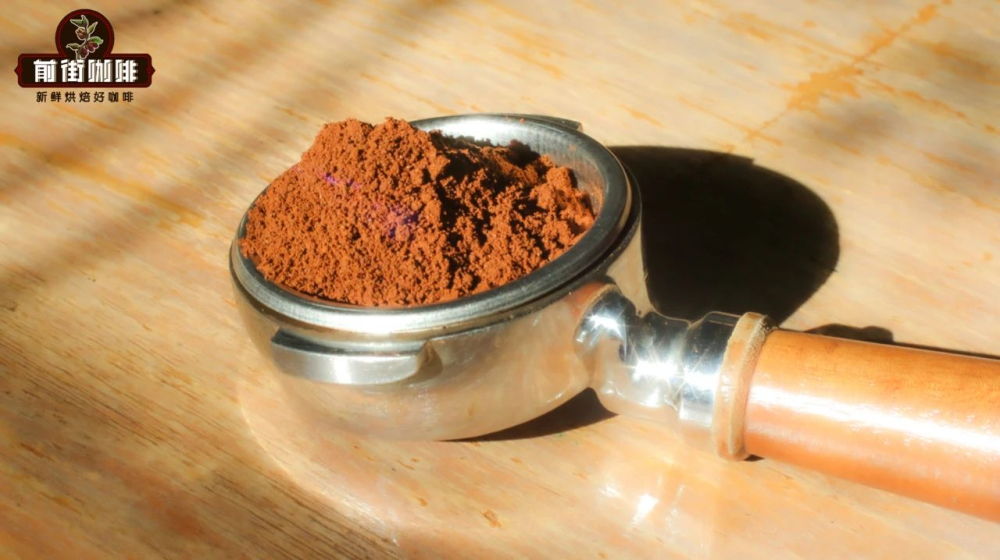
The success of a blend often depends on the freshness of the roast and the logic behind the bean combination.Freshly roasted blends retain the highest levels of volatile aromatic compounds, which is key for users who want to brew espresso or froth milk at home, enhancing flavor expression. Additionally, an appropriate roast level can strengthen the body and sweetness of the coffee, making every sip smoother and more rounded.
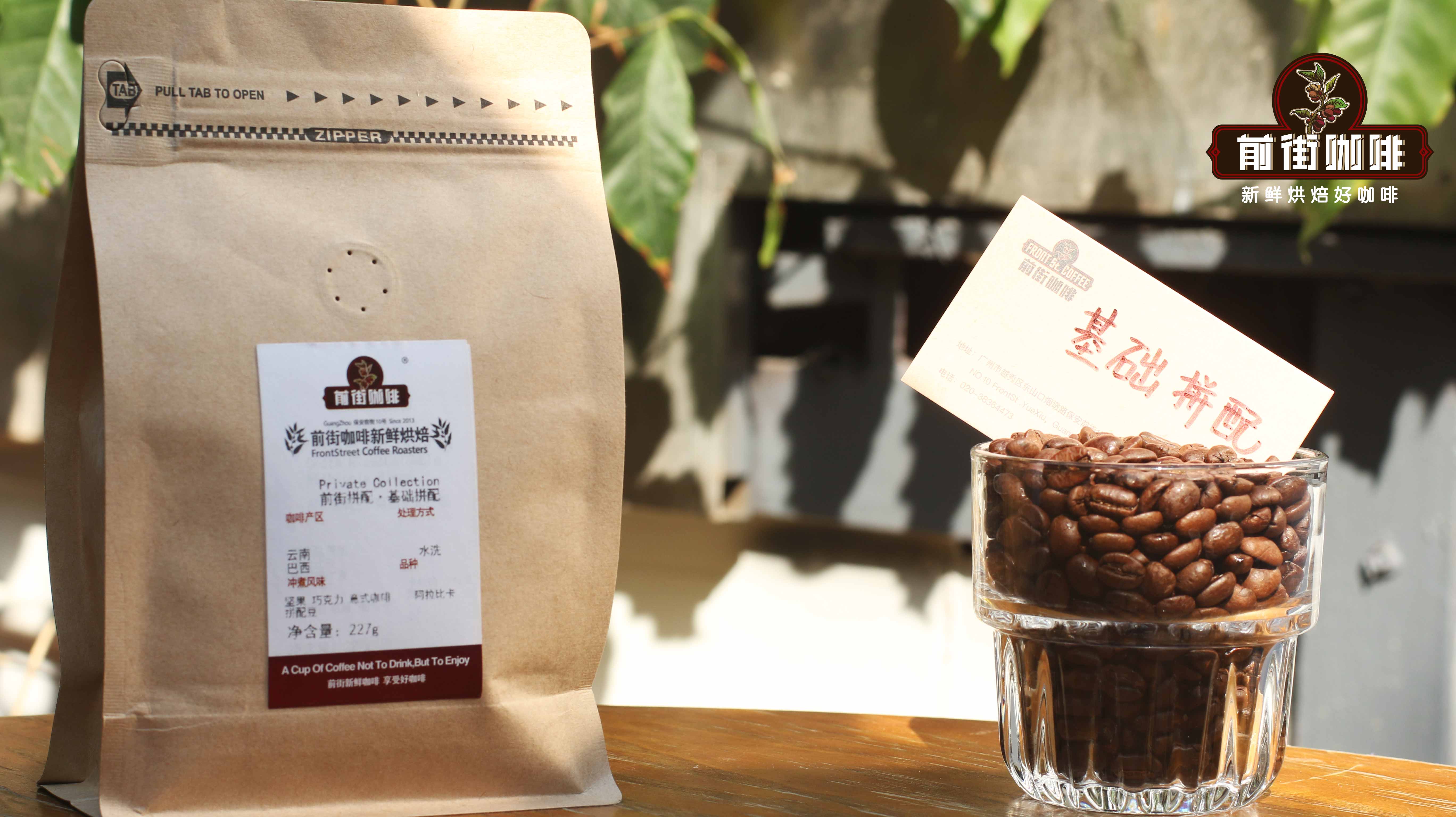
In contrast to blends, single-origin coffee emphasizes the original flavors of a specific origin, usually brewed with low-pressure, slow extraction methods like pour over, showcasing the subtle differences in regional characteristics and processing methods. For instance, Ethiopia’s Yirgacheffe is known for its bright lemon acidity and citrus notes, appealing to those who enjoy refreshing fruity acids. Meanwhile, Sidamo’s natural-processed beans often carry fermented aromas of berries and tropical fruits, with rich and layered flavors.
Beyond Ethiopia, Kenya’s coffee is also famous for its intense berry notes and high acidity, often accompanied by flavors like dark plum and plum, along with a syrupy sweetness. Costa Rica’s honey-processed beans exhibit sweet notes of honey and dried berries, ideal for those who prefer sweet and aromatic profiles. China’s Yunnan province’s Catimor variety is known for its nutty, dark chocolate, and caramel notes, offering a balanced and approachable flavor.
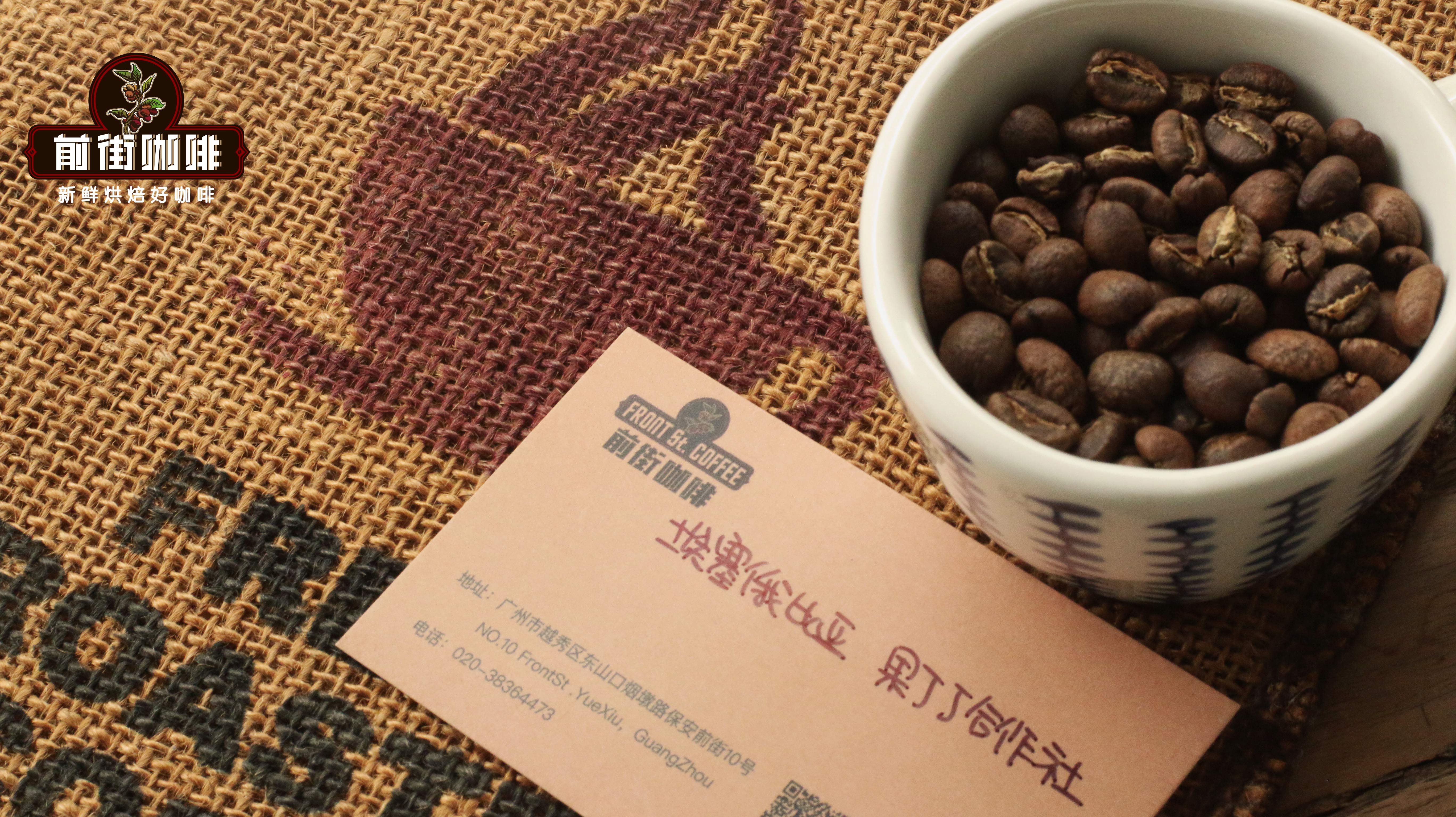
Although single-origin beans are mostly used for pour over, choosing a medium-dark roast can also suit espresso, highlighting the unique characteristics of the origin. However, when using single-origin beans for espresso, special attention should be paid to bean freshness and grind size to avoid under- or over-extraction, which could affect the final taste. It’s recommended to select single-origin beans with low defect rates, clear flavor profiles, and strong representativeness of their origin to truly appreciate the charm of single-origin coffee.
Whether you’re a beginner just starting out or a coffee enthusiast looking to improve your home brewing quality, understanding the characteristics of blends and single-origins can help you choose the coffee beans that best suit your needs. Whether you’re pursuing a rich and creamy milk coffee base or enjoying the unique flavors of a single origin, there are suitable options to meet your preferences.


The above content is compiled by CoffeeHunters, a coffee news website.


