








Introduction:To brew a cup of espresso with rich and full flavors, every step—from bean selection and aging to extraction—is crucial. This article will delve into how to choose fresh, high-quality coffee beans, introduce the characteristics of different blend profiles, and explore techniques for pairing with milk. Whether you're making espresso at home or trying to understand café offerings, this guide will help you better grasp the essence of espresso.
Choosing the right coffee beans is the first step to making great espresso
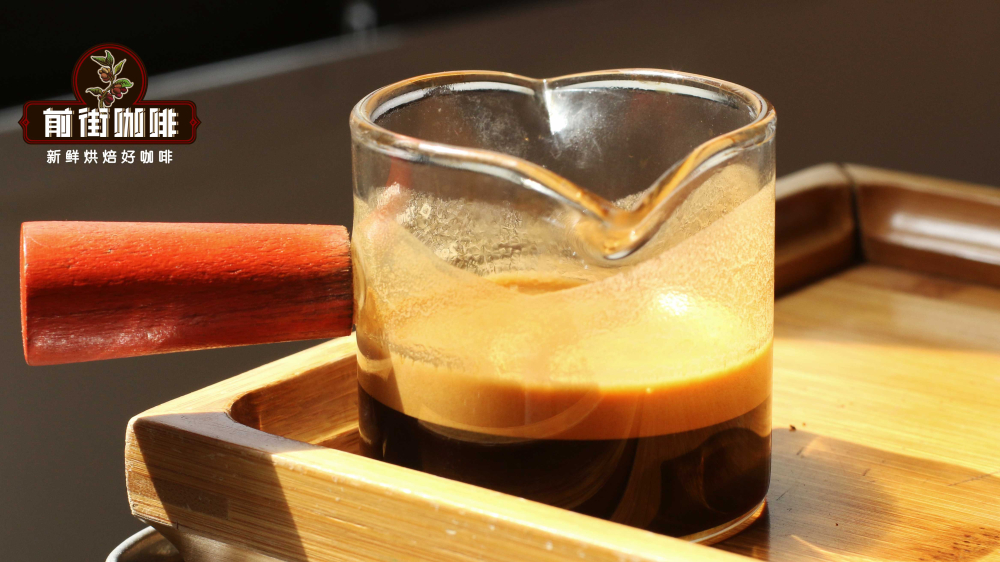
Many coffee enthusiasts may not realize that crafting a memorable espresso requires precise control over bean selection, post-roast aging, and extraction parameters. Among these, the freshness of the coffee beans is especially critical. During the roasting process, coffee beans release a significant amount of carbon dioxide, which takes about two weeks to over a month to gradually dissipate. At the same time, the coffee’s flavors gradually stabilize, and the crema also becomes more ideal. It is recommended to use beans roasted within 7 to 30 days, when the flavors are most vibrant, the crema is the most velvety, and the aroma is the richest.

If the coffee beans are roasted for more than 50 days, the internal gases are mostly released, and the flavor compounds also degrade. Not only will the crema be thin and dissipate quickly, but the overall aroma will also be greatly diminished. Therefore, ensuring the freshness of the coffee beans is the foundation for making a good shot of espresso.
Common espresso blend types and their flavor characteristics
Among the many blending options, common espresso beans typically combine beans from multiple regions to balance acidity, enhance body, and improve crema. Common combinations include beans from South American countries like Brazil and Colombia, Southeast Asian origins like Indonesia, and some blends that incorporate Robusta to boost body and crema.
A classic approach is to combine the nutty profile of Brazilian beans with the spicy and herbal notes of Indonesian beans, along with a certain proportion of Robusta to enhance crema and mouthfeel. Espresso blends made this way often exhibit layers of dark chocolate, caramel, roasted nuts, and malt, performing well whether brewed as straight espresso, Americano, or milk-based drinks like lattes and cappuccinos.
Practical examples of common blend flavor profiles
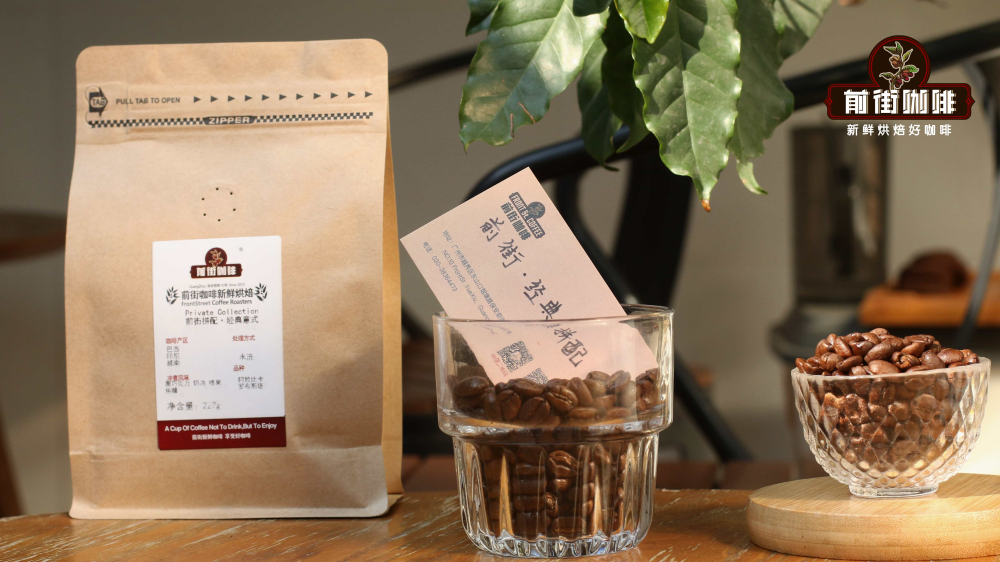
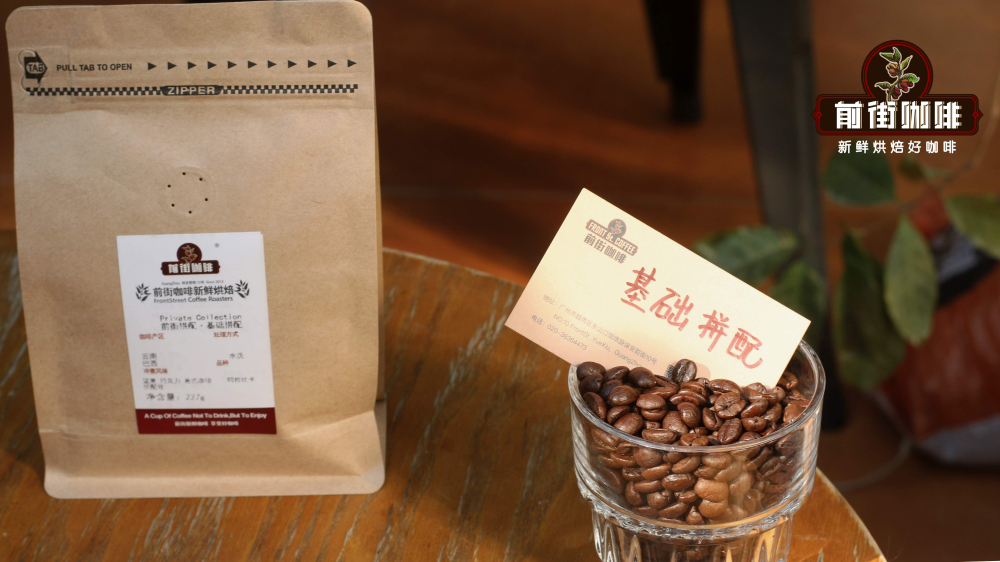
For example, some blends use beans from Brazil’s Cerrado region to deliver pronounced nutty and caramel sweetness, paired with Indonesia’s Sumatra Mandheling to contribute herbal and woody tones, plus a small amount of Robusta to enhance body and crema stability. Such combinations often express flavors like dark chocolate, roasted hazelnuts, and cocoa biscuits, making them suitable for a variety of classic espresso-based drinks.
Other blends are specifically designed for home or café reproduction by adjusting the ratio of Brazilian and Colombian beans to emphasize cocoa, nut, and crema characteristics. These blends produce espresso that is not only thick in texture but also showcases beautiful latte art and balanced sweetness when milk is added.
The impact of milk selection on espresso
Beyond the coffee beans themselves, the choice and pairing of milk are also extremely important. A great latte or cappuccino relies not only on the coffee extraction but also on the interplay of the milk’s texture, fat content, and temperature.
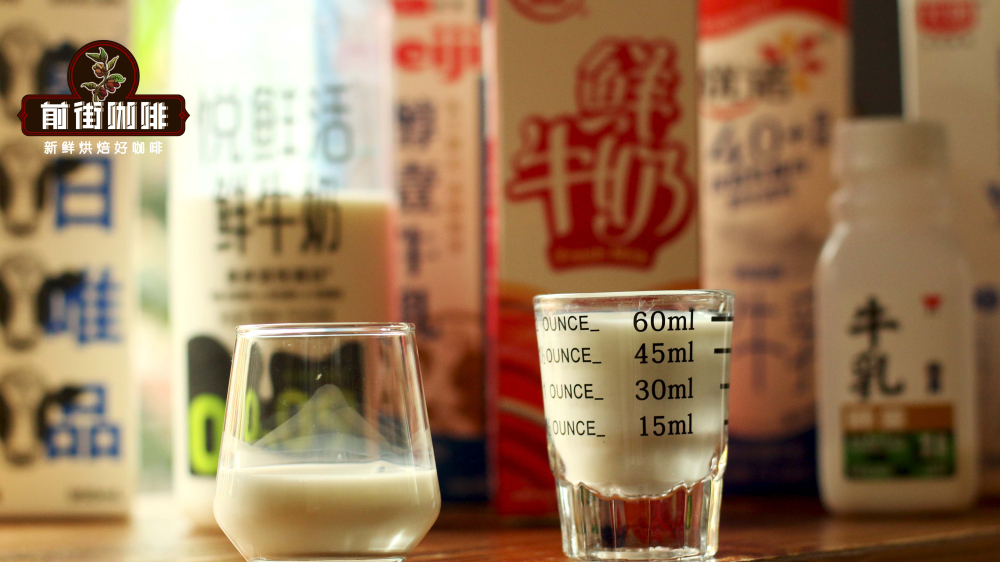
Generally, whole fresh milk is the most commonly used option, with a fat content of about 3.2% to 4%. When steamed, it produces fine and velvety microfoam, which blends smoothly with the espresso’s crema to create a silky mouthfeel. It is recommended to choose fresh, minimally processed whole milk, avoiding low-fat or skim milk, which often struggle to produce ideal foam and can make the drink feel thin and lack complexity.
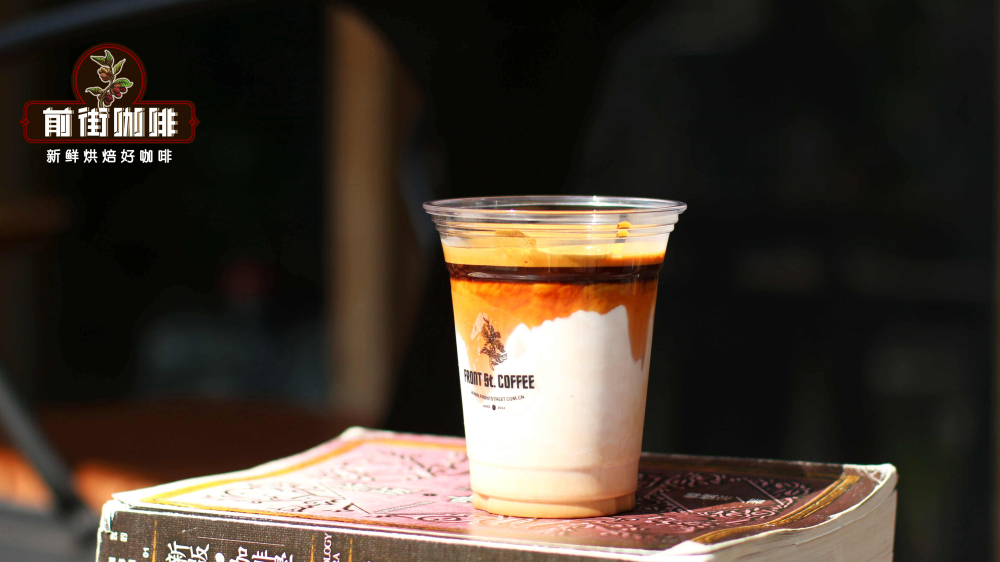
A common recipe is around 30 to 35 grams of espresso, paired with approximately 200 to 250 milliliters of fresh milk. For iced lattes, ice cubes can be added to adjust temperature and texture. A typical formula is 35 grams of espresso, 250 milliliters of milk, and 75 grams of ice—maintaining coffee flavor without excessive dilution.
Summary: Mastering the key elements of espresso
To brew a truly satisfying shot of espresso, no detail should be overlooked—from the freshness of the beans and the blend profile to the milk pairing and proportions. Choosing freshly roasted (within 7 to 30 days), well-balanced blend beans and pairing them with high-quality whole milk will deliver the richness, aroma, and smooth texture that espresso is known for. Whether you’re making espresso at home or gaining a deeper understanding of café offerings, this knowledge will help you appreciate every cup of espresso more professionally.


The above content is compiled by CoffeeHunters, a coffee news website.


