







Introduction:Indonesian PWN Golden Mandheling is a sought-after pour over bean for many coffee enthusiasts, but its unique richness and clean taste are often hard to perfectly replicate at home. This article delves into the key pour over parameters for this classic Sumatran coffee bean—including grind size, water temperature, brew ratio, filter choice, and pouring technique—and provides real-world extraction data and flavor notes to help you more accurately recreate a professional-grade Golden Mandheling experience.
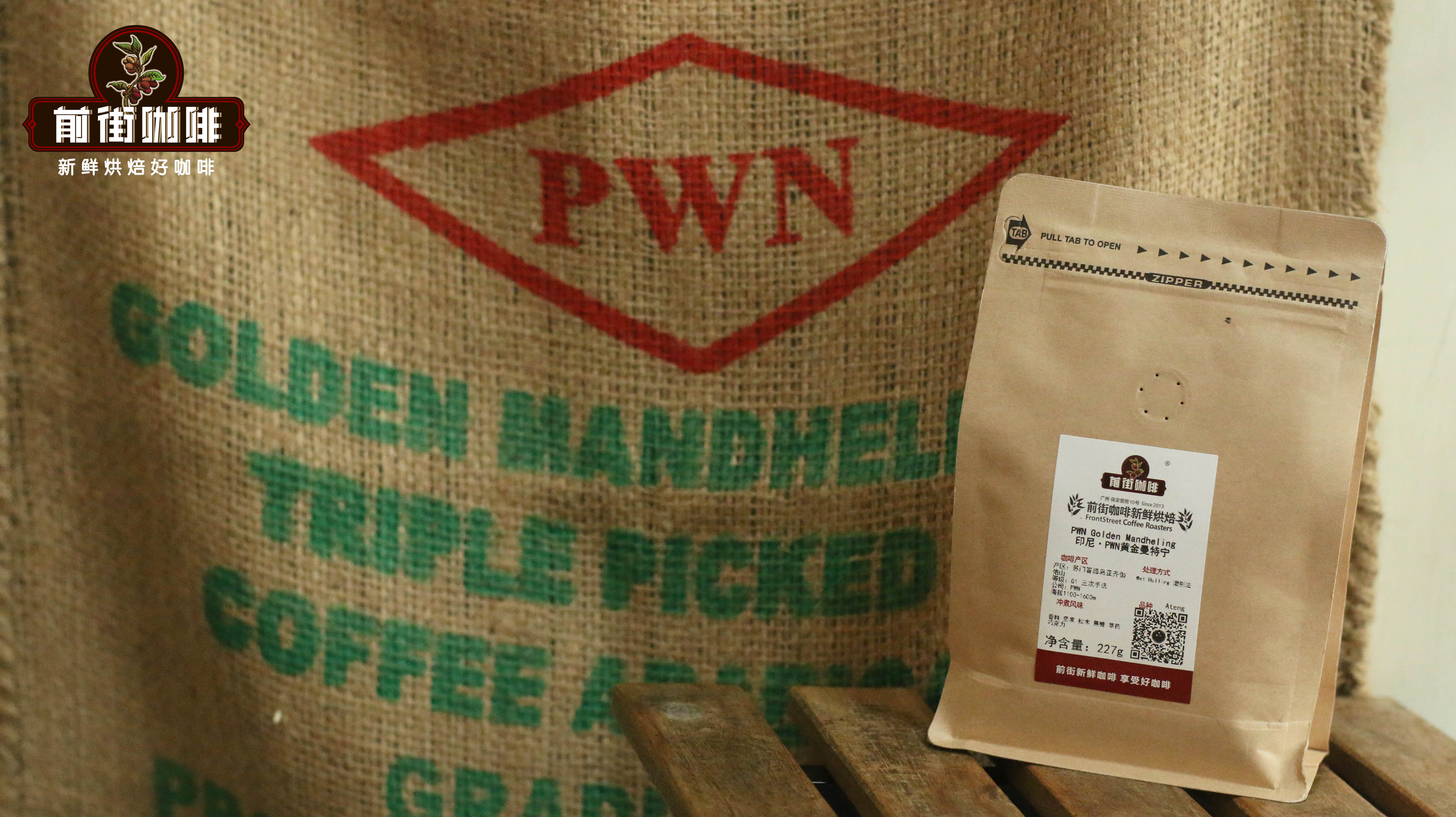
Indonesian PWN Golden Mandheling coffee beans are considered a classic by both novice and seasoned coffee drinkers. Sourced from the high-altitude Gayo Mountains in Aceh, Sumatra, and processed using the wet-hulled method, they boast intense notes of nuts, caramel, and herbs, along with a distinctive woody character. However, even when using the same beans, many find it difficult to reproduce the rich yet clean flavors they enjoy at cafés when brewing at home. So what’s going wrong? The answer often lies in the precise control of various pour over parameters.
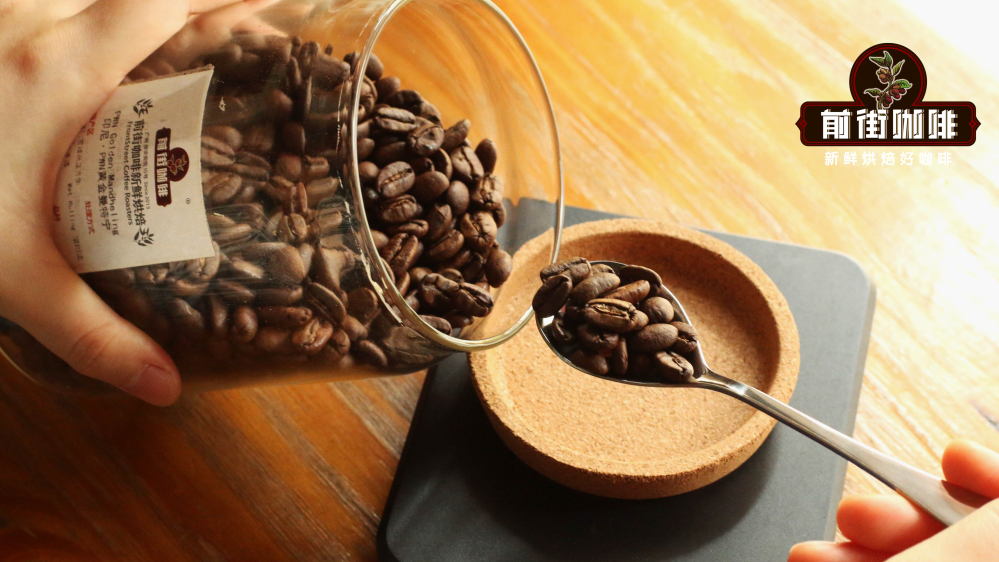
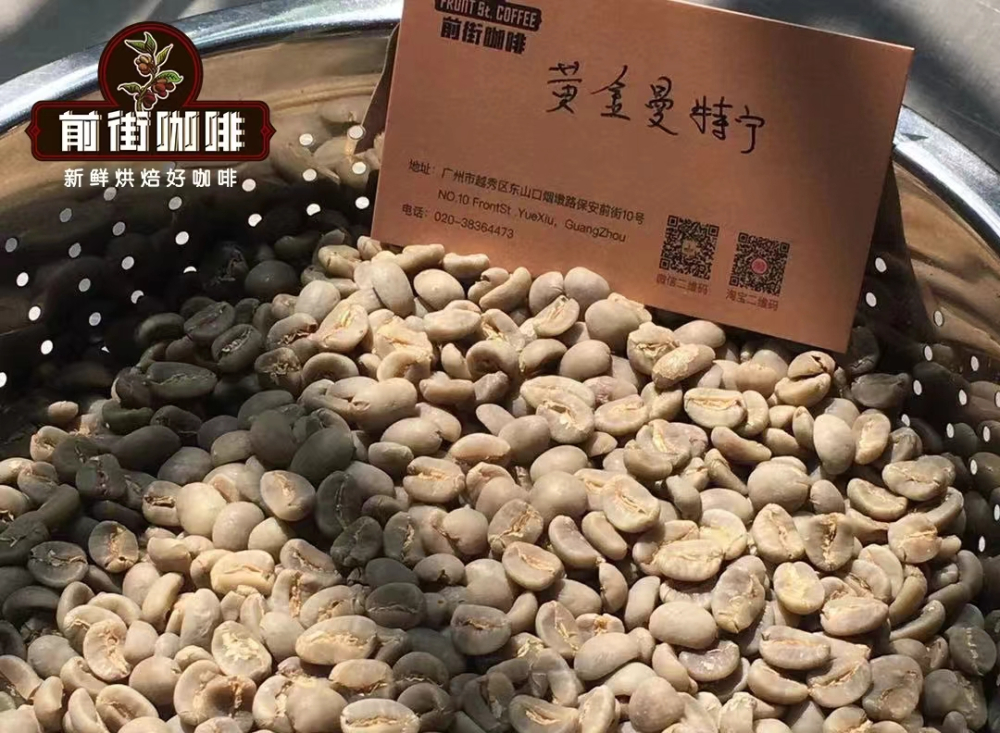
This PWN Golden Mandheling is classified as G1, the highest grade, with beans sized 18 mesh or above and an extremely low defect rate—fewer than 3 defects per 300 grams. The beans are uniform in shape and deep green in color, roasted to a medium-dark level. The characteristics of the wet-hulled process give the beans a rich and bold flavor profile, but due to the process's tendency to produce “elephant ear” beans, PWN employs multiple manual and mechanical screenings to ensure consistent quality and uniform appearance, which is also one reason behind its “Golden” moniker.
To successfully pour over this coffee, you first need to master several core elements: bean freshness, grind size, water temperature, brew ratio, filter choice, pouring technique, and total extraction time. Among these,freshly roasted coffee beansare fundamental—beans used within 7 to 30 days of roasting are recommended for optimal flavor performance.
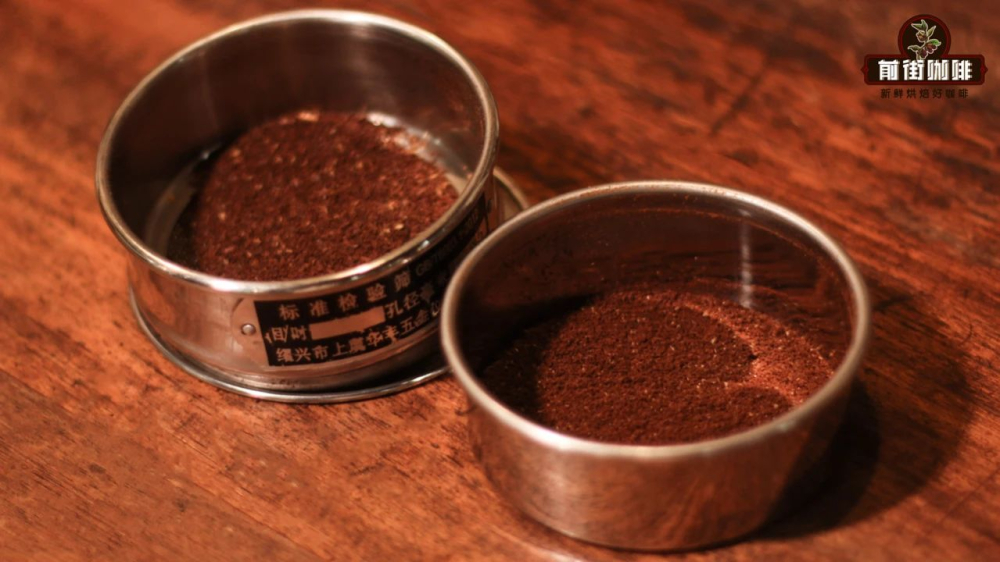
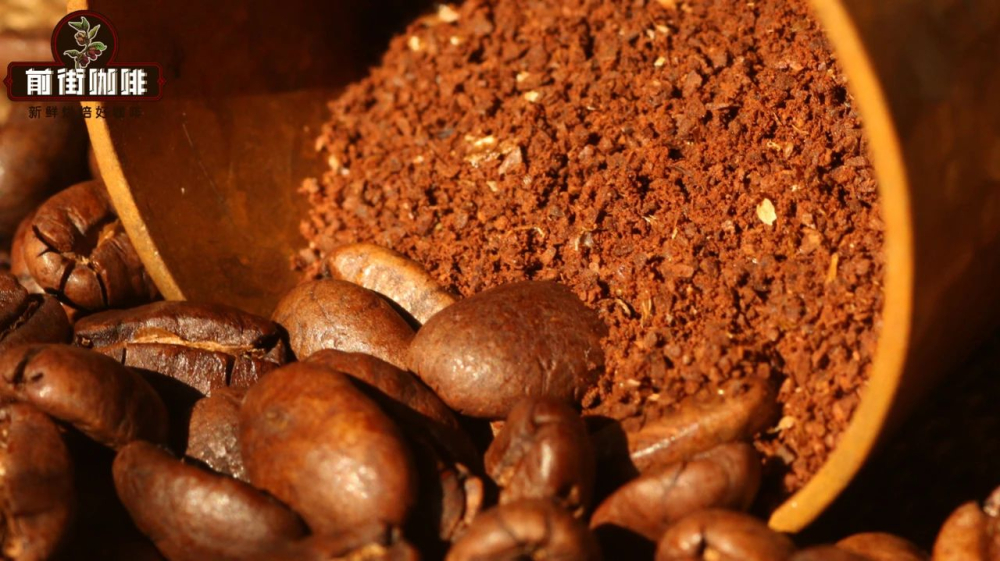
Regardinggrind size,Golden Mandheling being medium-dark roasted, it’s advised to aim for a 70% to 75% extraction rate when tested with a standard #20 sieve (with 0.85mm holes). This grind size achieves an ideal extraction balance between water and coffee grounds—neither over-extracting to bring out unwanted bitterness nor under-extracting due to excessively coarse grounds. If you don’t have a sieve at home, you can refer to the grind settings commonly used for medium-dark roasts, or consult your grinder brand’s recommendations.
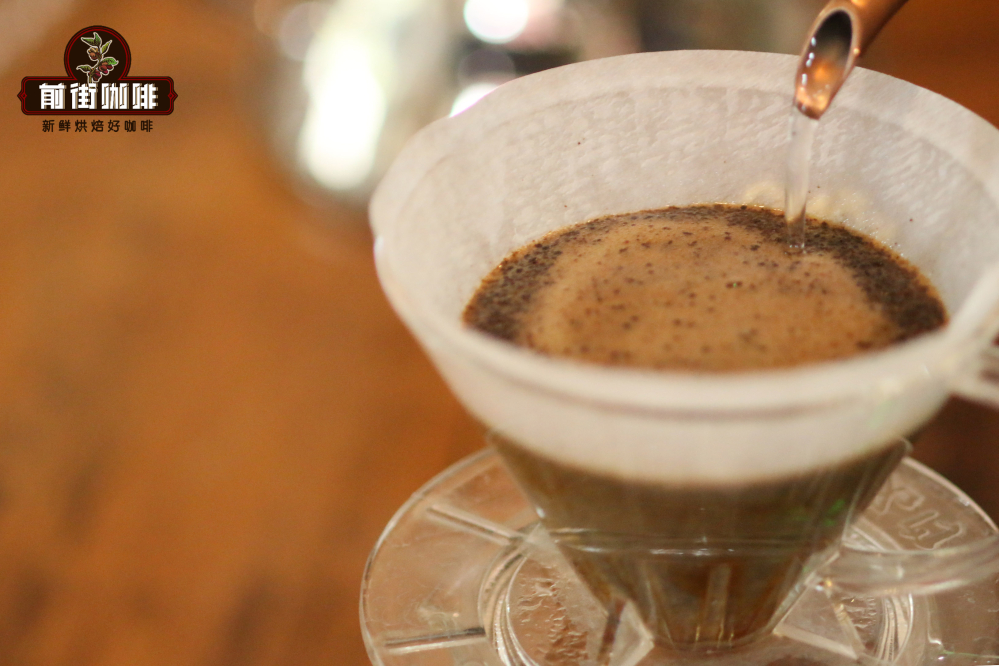
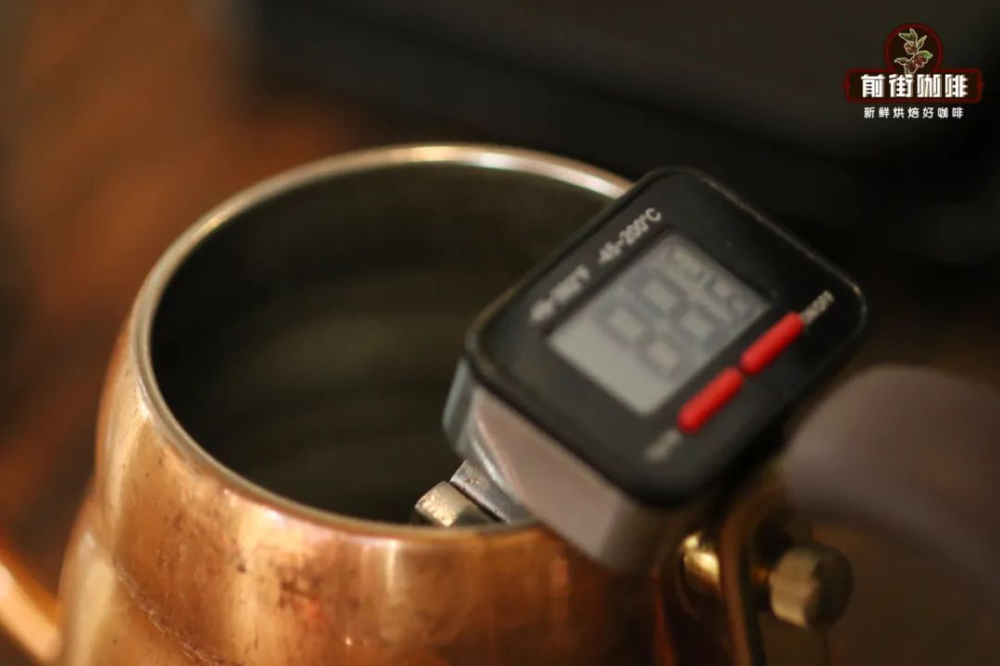
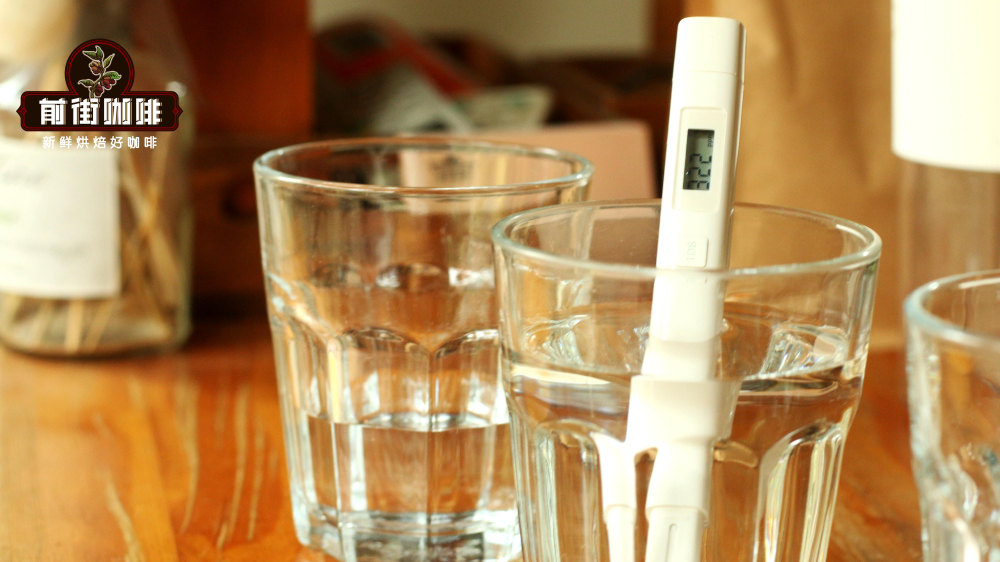
Forwater temperature,
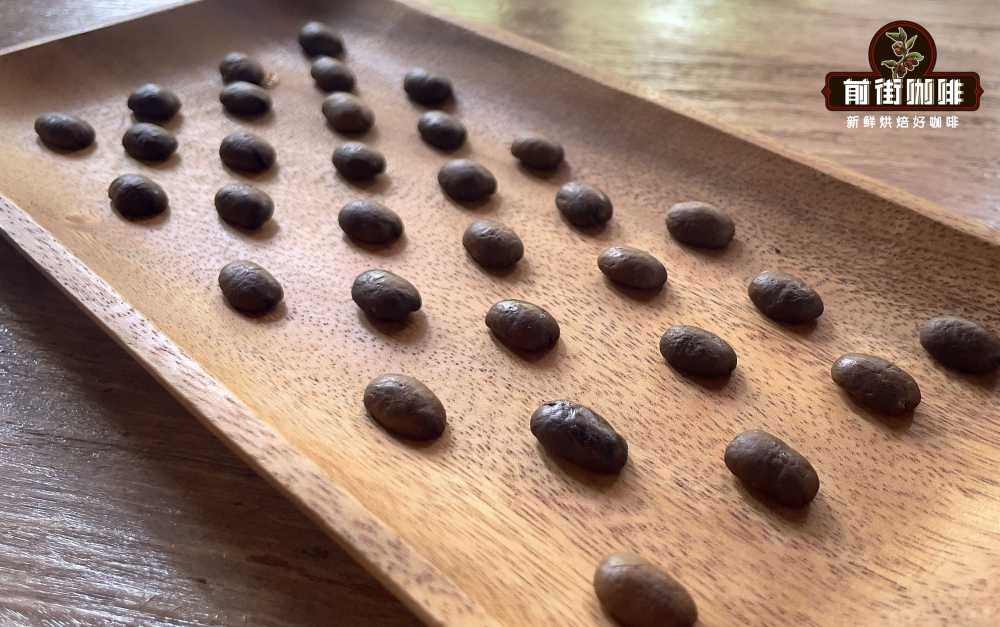
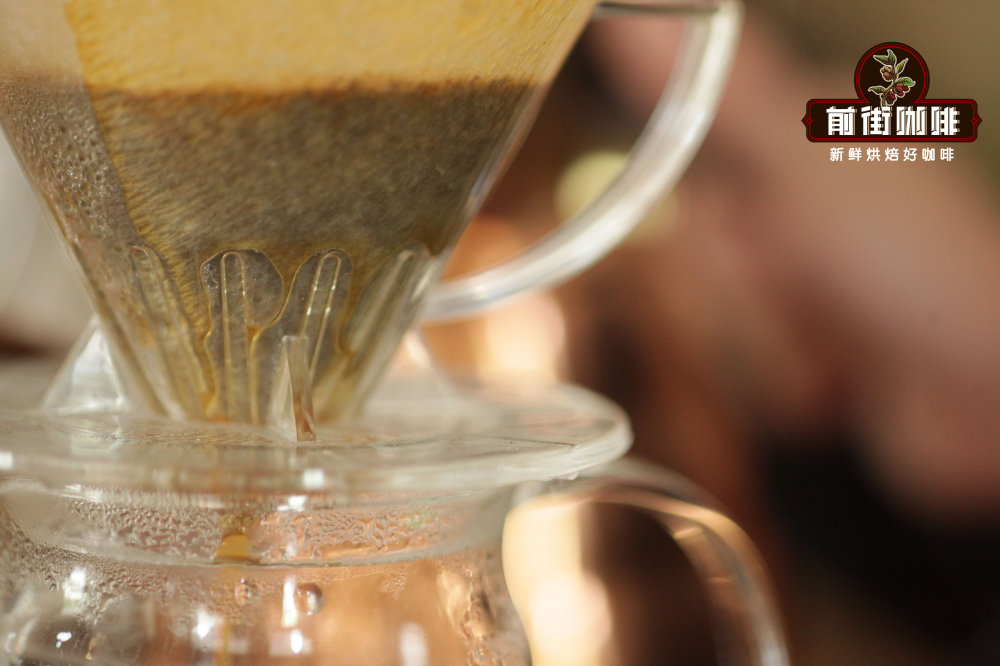
medium-dark roasted beans are best brewed between 86°C and 88°C. Too high can release excessive off-flavors, while too low may lead to under-extraction and a flat-tasting cup. Practical testing shows that around 87°C brings out the bean’s dominant notes of nuts and caramel while highlighting a delicate chocolate finish.In terms offilter choice,
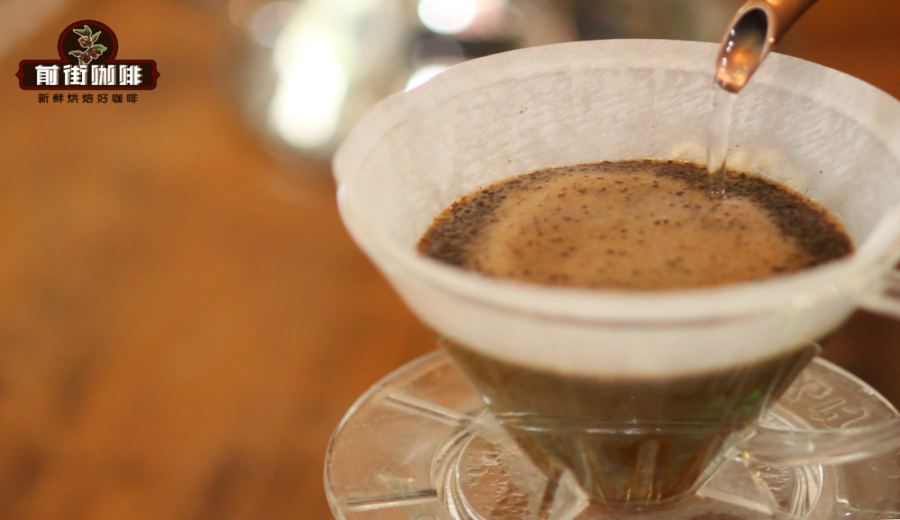
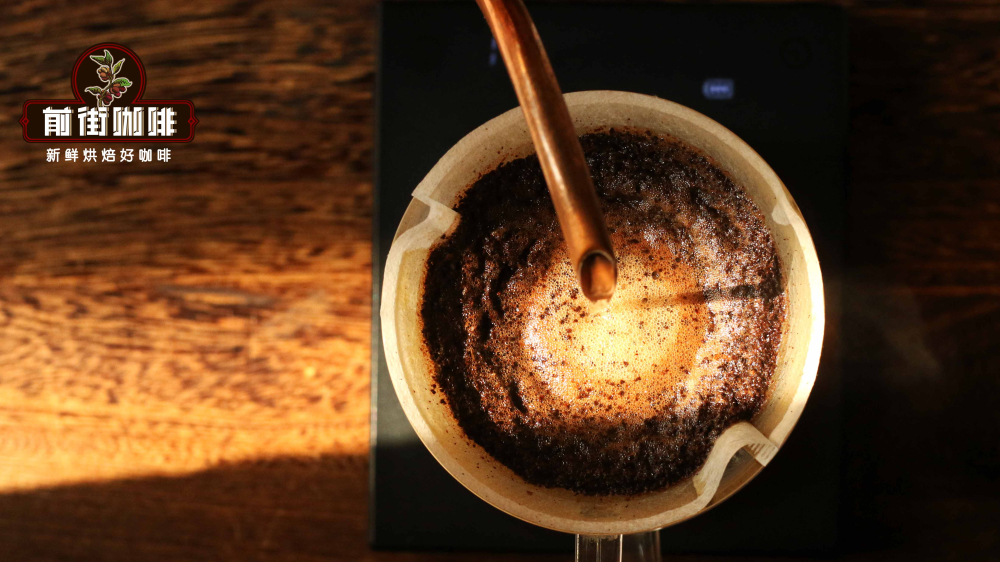
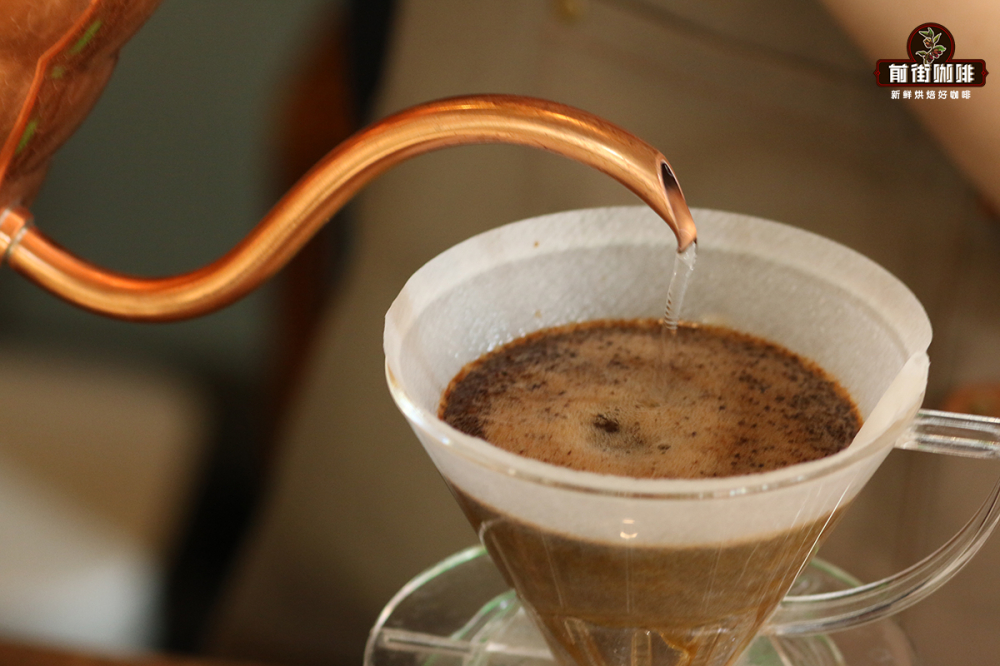
the KONO filter is highly suitable for bold, medium-dark roasts like Golden Mandheling. Its internal ribs are concentrated at the bottom, and the filter paper adheres closely to the cup wall, extending the contact time between water and coffee grounds. This enhances body and smoothness. If using a V60, the brew time may be slightly shorter and the flavor profile brighter, though adjustments can still be made based on personal preference.As for the
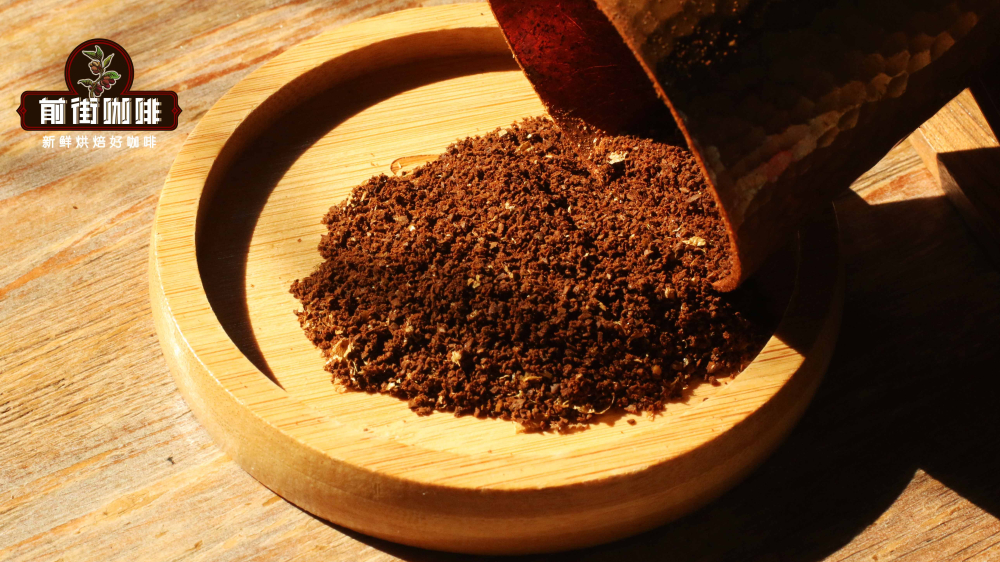
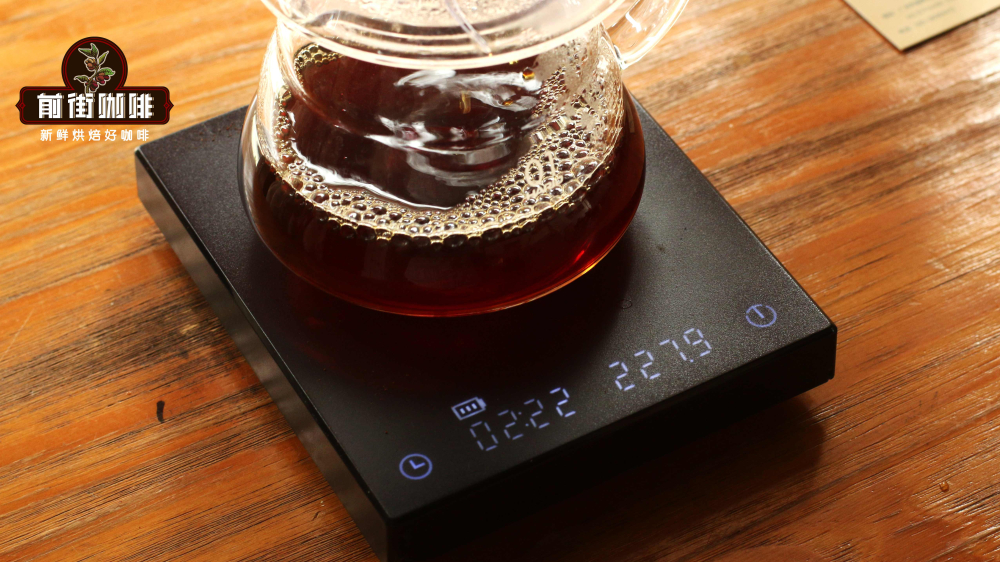
brew ratio,a 1:15 ratio is recommended—that is, 15 grams of coffee to 225 milliliters of water. This ratio falls within the golden range of the Golden Cup extraction theory, balancing concentration and extraction efficiency while delivering a well-rounded and layered flavor. For a richer cup, you can adjust slightly to 1:14; for a lighter profile, try 1:16.The
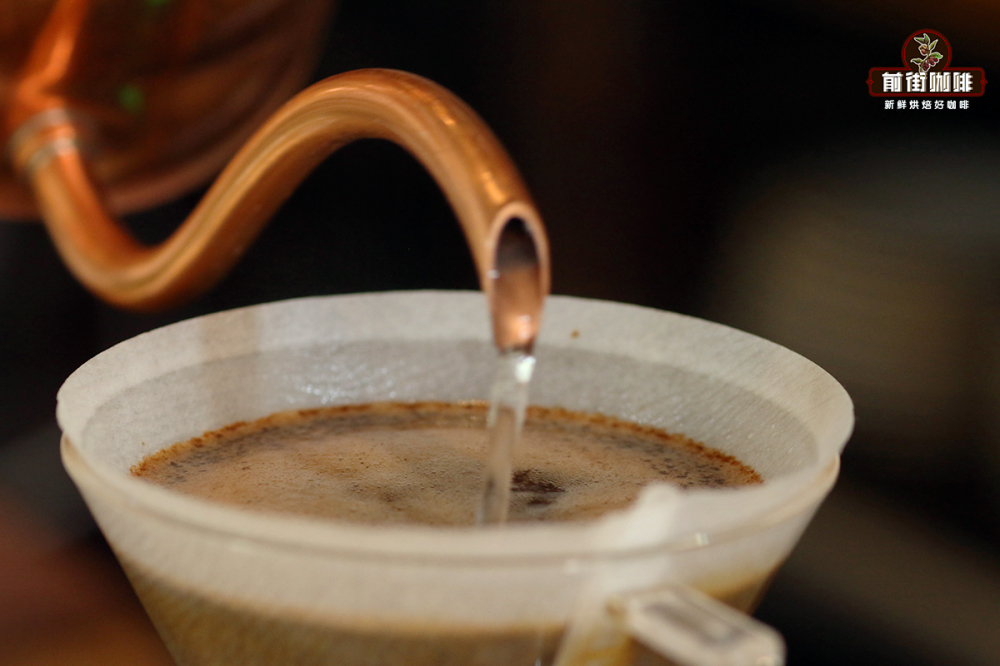
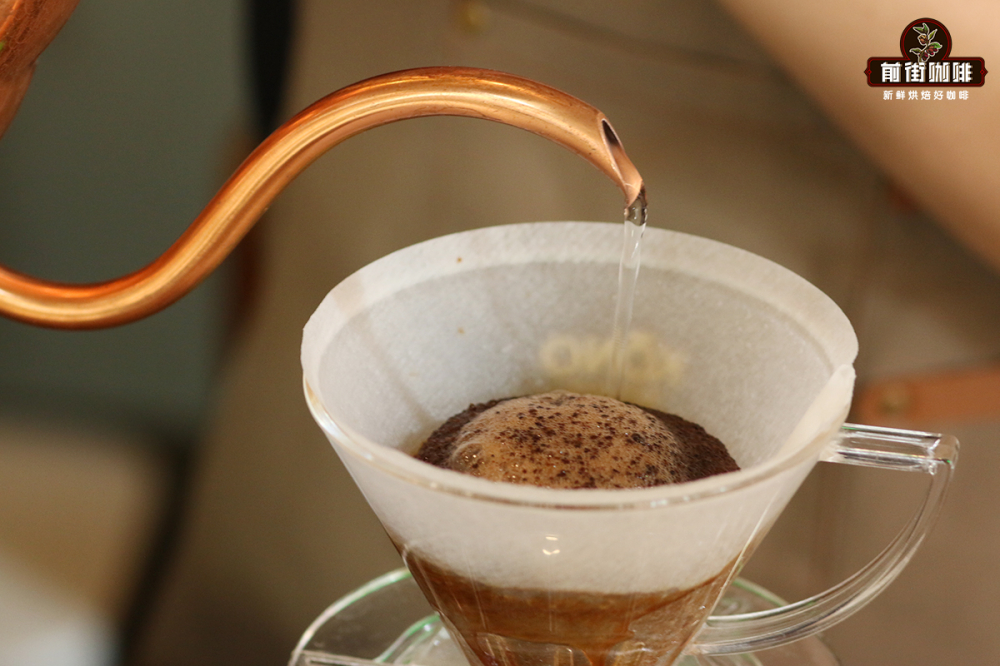
pouring technique
The above content is compiled by CoffeeHunters, a coffee news website.


