







Introduction:Don’t have an espresso machine at home but still want to enjoy a rich cup of coffee? The moka pot is a highly cost-effective alternative that can produce an espresso-like base. This article explains in detail how to brew a flavor-packed black coffee using a moka pot, and recommends six single-origin beans with medium to dark roasts suited for different taste preferences—from nutty profiles to fruity acidity—along with freshness assessment tips and practical brewing advice to help beginners get started quickly.
Moka Pot as an Espresso Alternative
Although the moka pot’s structure limits it from fully replicating the delicate crema produced by espresso machines under 9 bars of high pressure, it can still effectively extract the key components of espresso through steam pressure of around 8–10 bars.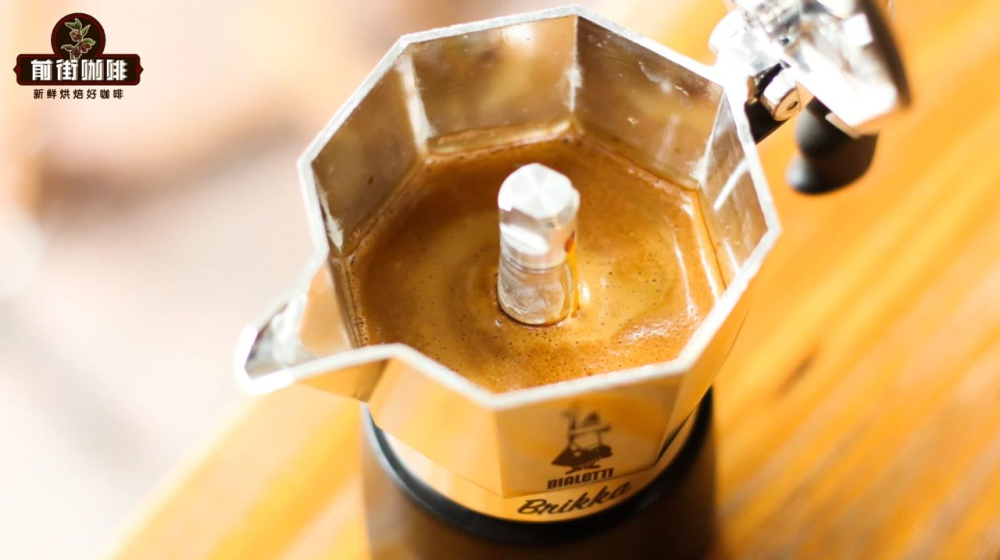 This pressurized extraction method is especially well-suited for medium to dark roast beans, enhancing their full-bodied texture and caramelized flavors. When paired with hot water or milk, it can easily be transformed into a flavorful Americano or latte.
Why Medium to Dark Roasts Work Better?
The high-pressure environment of the moka pot amplifies the inherent characteristics of the beans. The sharp acidity and thin crema of light roasts can easily become unbalanced under these conditions.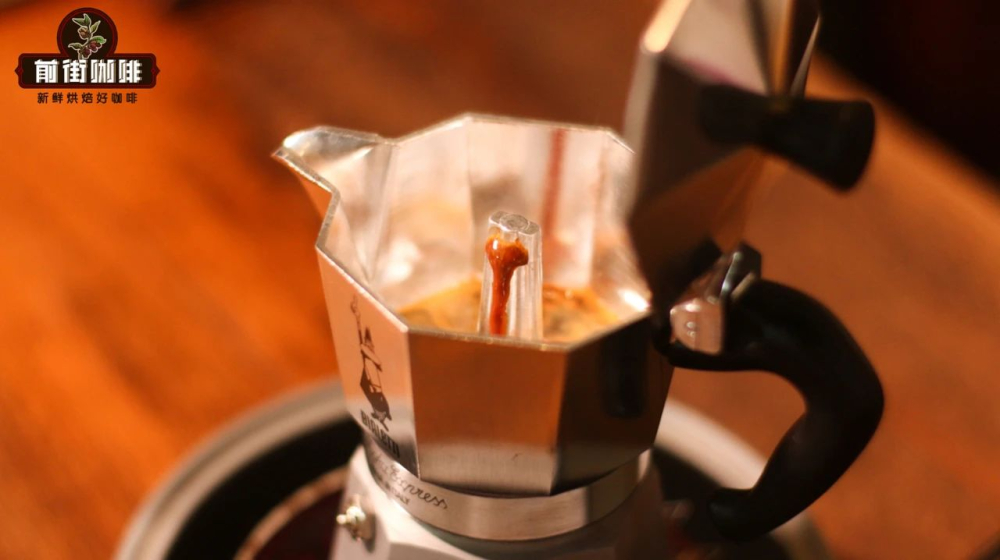 It is recommended to choose medium-dark roasted beans within the City+ to Full City range. Their fully developed caramel and nutty profiles can better withstand pressurized extraction, resulting in a balanced and intense cup of coffee.
Classic Flavor Profiles to Try
For readers who prefer earthy flavor notes, you can chooseBrazilian Queen Estate, which features distinct roasted almond and dark chocolate notes, along withthe balanced acidity-to-sweetness ratio shown here, making it a solid choice for moka pot beginners. If you enjoy a more bread-like, toasty base flavor,PNG Paradise Birdoffers a sugarcane-like sweetness and medium body that provides a comfortable drinking experience. Both beans showcase the characteristic sugary sweetness and smooth aftertaste typical of medium roasts.
Deep-Roast Options for Enhanced Smokiness
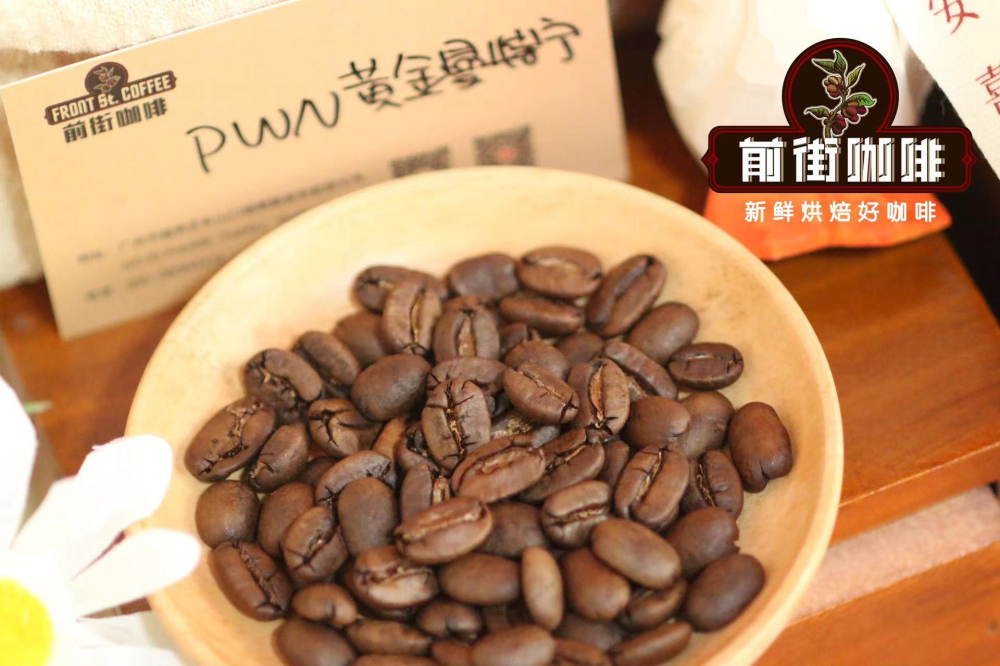
For users seeking a bold and intense flavor, it’s recommended to tryPWN Golden Mandheling, a type of dark roast bean.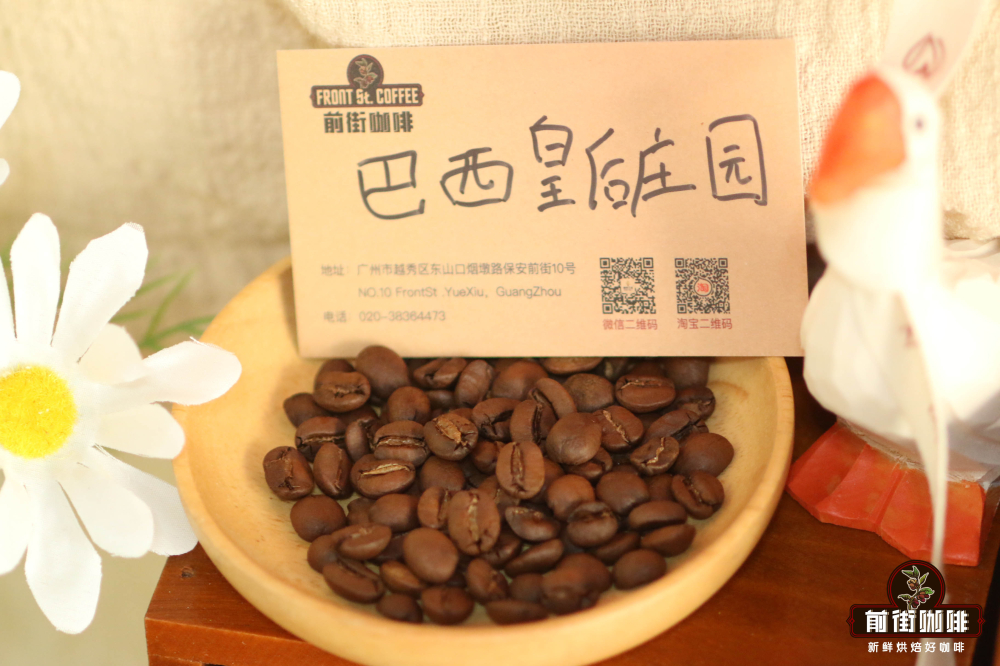 Its unique herbal and spicy layers transform under the high-pressure extraction of the moka pot into a rich smoky aroma and a solid body. It pairs well with milk to make a latte with a strong flavor profile. It’s suggested to grind the beans to a fineness close to that of fine sugar, and control the extraction time within 25–30 seconds.
Creative Flavor Experiments
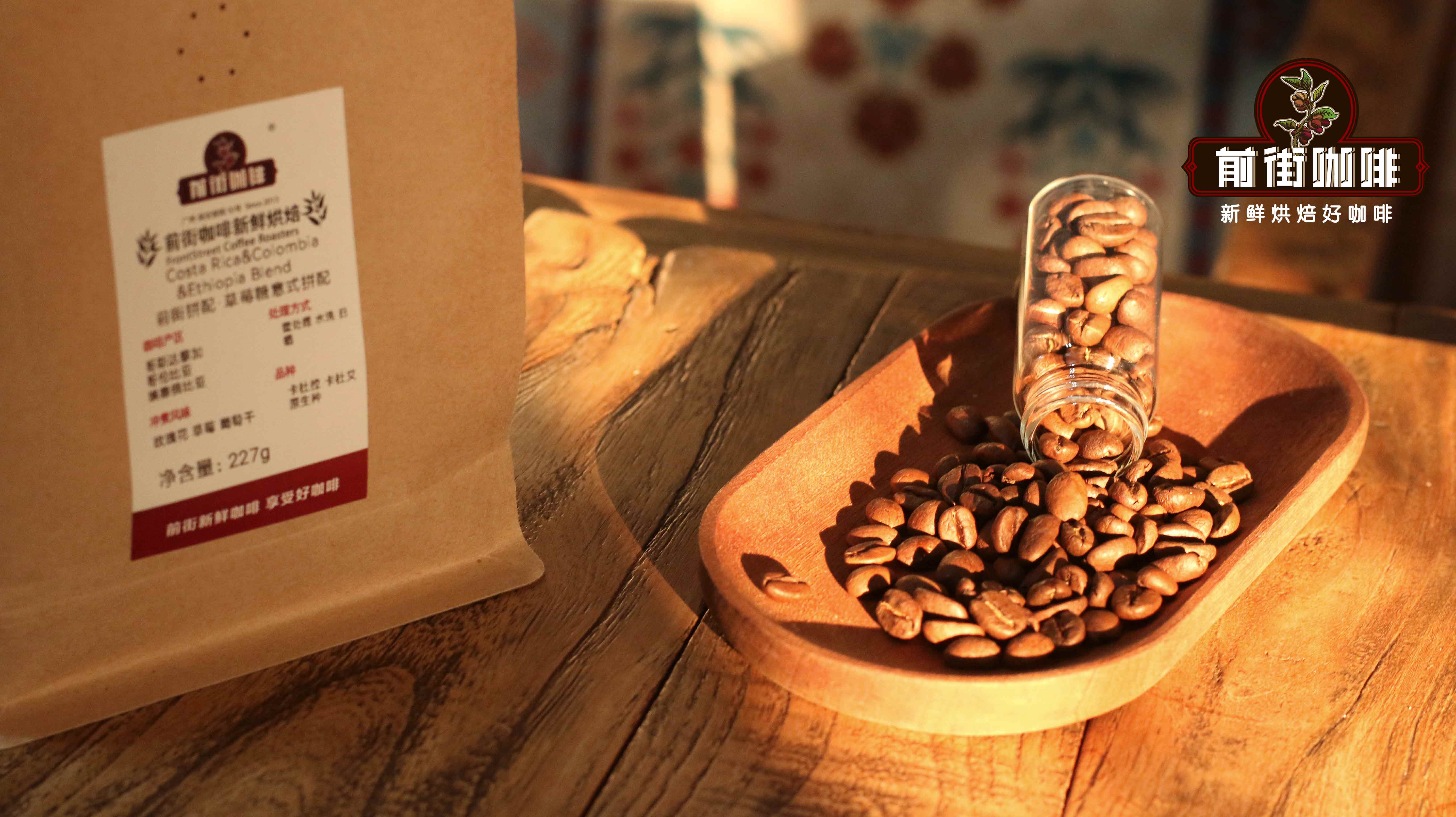
For coffee enthusiasts who aren’t satisfied with single flavor profiles, fruit-forward blends are worth trying.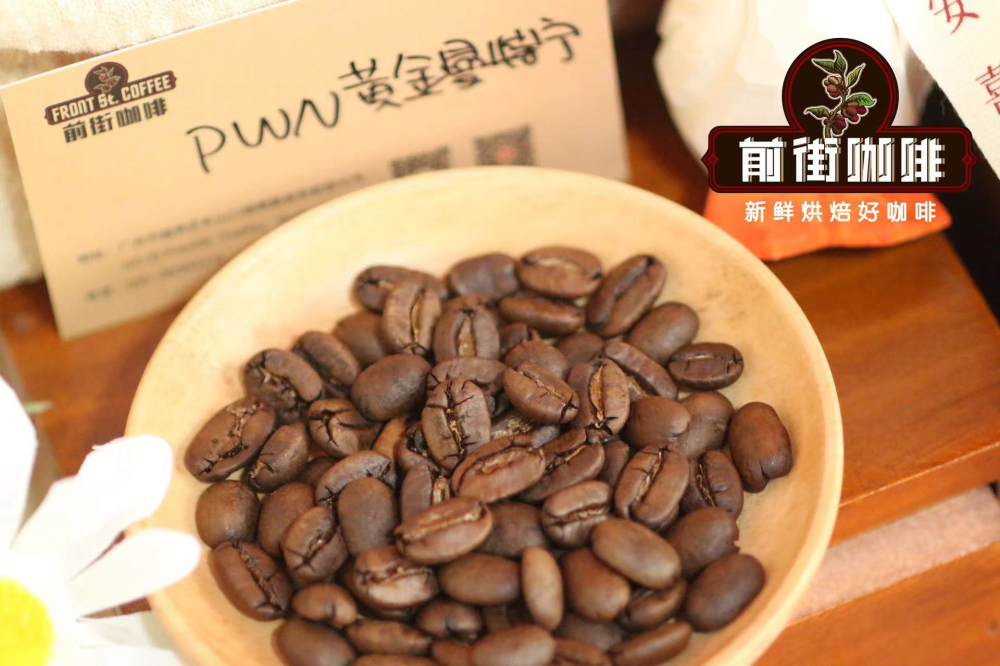 For example, theStrawberry Candy Blend, which combines the characteristics of Costa Rican honey-processed beans with Ethiopian sun-dried beans, achieves a balanced profile through Colombian beans. When brewed with a moka pot, it produces a specialty coffee with berry-like acidity and a toffee finish, perfect for users who enjoy experimenting with creative flavors.
Key Indicators of Freshness
 Freshness is the decisive factor in the flavor performance of any specialty coffee bean. Quality roasters will indicate a clear roast date rather than an expiration date. It’s advisable to select beans roasted within 5–14 days prior, as this is when carbon dioxide release and flavor development reach their optimal balance.
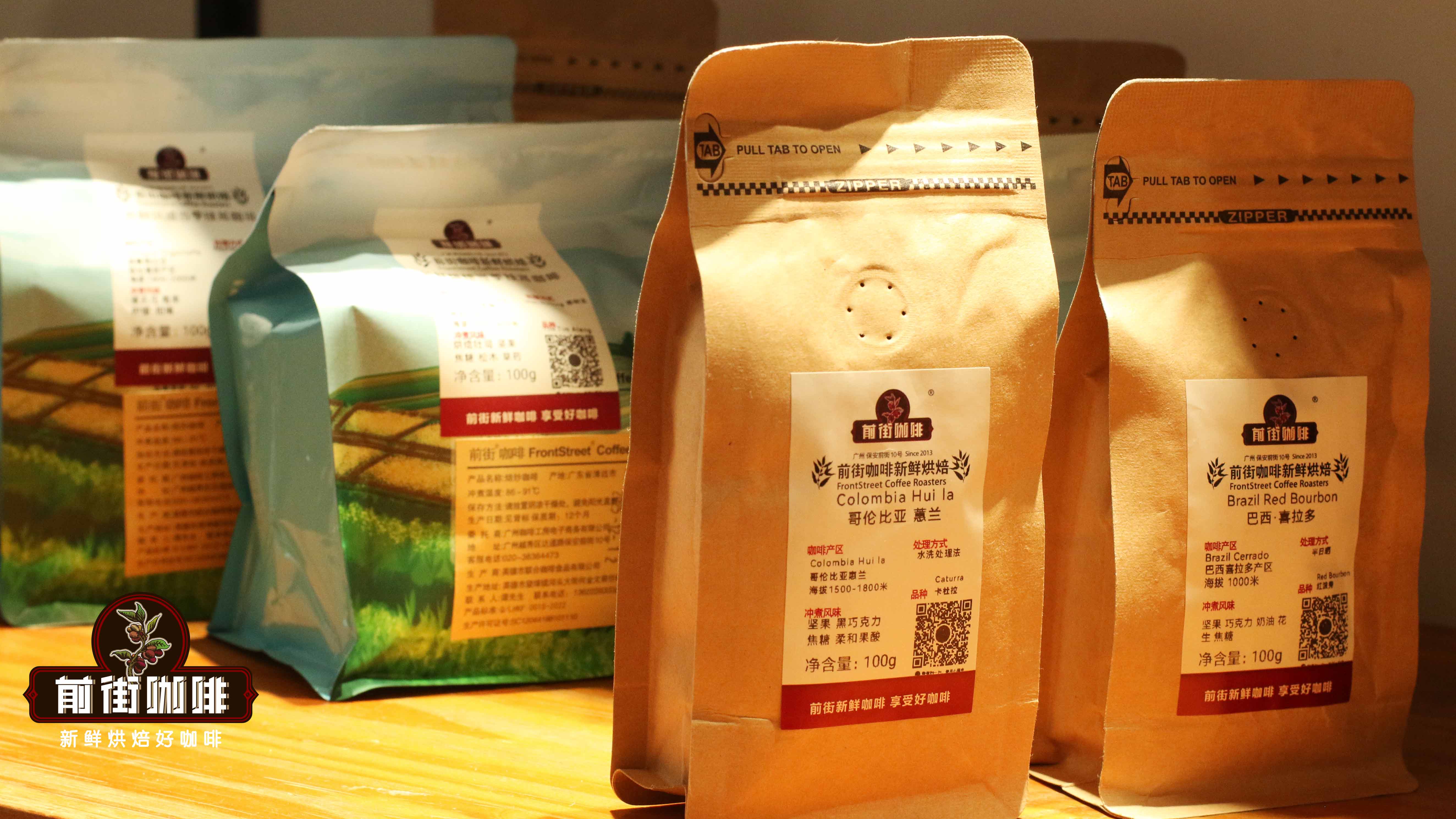 Practical Test: When opening the bag, deeply smell the coffee grounds—it should yield pronounced floral, fruity, or caramel aromas. If only a dull scent or rancid odor is present, it indicates oxidation has affected extraction quality. It’s recommended to prioritize products with well-functioning one-way degassing valves inside the packaging.
The above content is compiled by CoffeeHunters, a coffee news website.


