








Introduction:Whether an Americano is acidic or bitter is actually closely related to the degree of roasting and the brewing method. This article delves into the causes of acidity in black Americano coffee, offering comprehensive adjustment suggestions from bean selection, water temperature control, grind size, to coffee-to-water ratio and extraction time. It also analyzes the unique flavor characteristics of SOE coffee to help you brew an ideally balanced and smooth Americano.
Ordering an iced Americano at a café—especially during hot summer days—is almost a routine pleasure for many. Whether it’s to refresh your mind or to enjoy a moment of slow living, the Americano has become an indispensable "daily brew" for many. However, brewing an Americano with balanced taste and pleasant flavors is actually not as simple as it seems.
Where does the acidity in Americano coffee come from?
When many people taste an Americano with noticeable acidity, their first reaction is: “Is this normal?” In fact, coffee itself is rich in various acids, including citric acid, malic acid, and chlorogenic acid. These acids gradually transform during the roasting process, and the darker the roast, the less noticeable the acidity. Therefore, if your Americano tastes rather acidic, it may be due to using beans with a lighter roast or perhaps an issue in the extraction process.

The order of appearance in the three elements of extraction: acidity, sweetness, and bitterness
During the coffee extraction process, acidic compounds are the first to be released, followed by sweetness, and lastly bitterness. If a cup of coffee tastes overly acidic, it’s likely because the extraction time was too short, failing to fully extract the sweet and bitter components, resulting in an unbalanced overall flavor. Conversely, if the coffee is too bitter, it may be due to over-extraction, where too much bitter material has been released.
Five ways to adjust an overly acidic Americano
If you find your homemade Americano too acidic, try adjusting it from the following aspects:
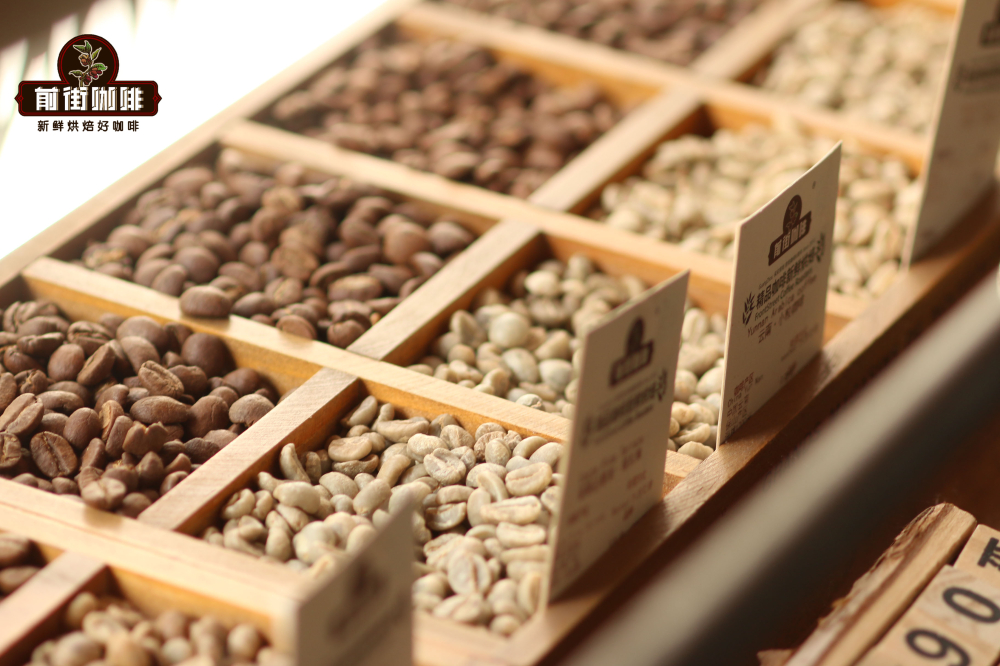
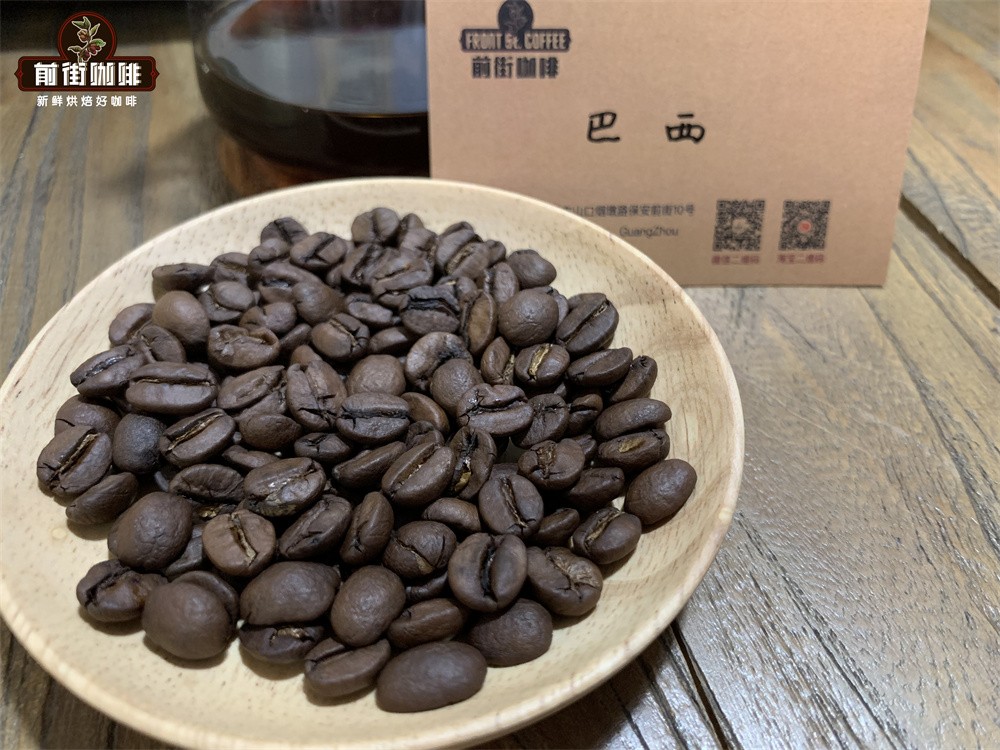
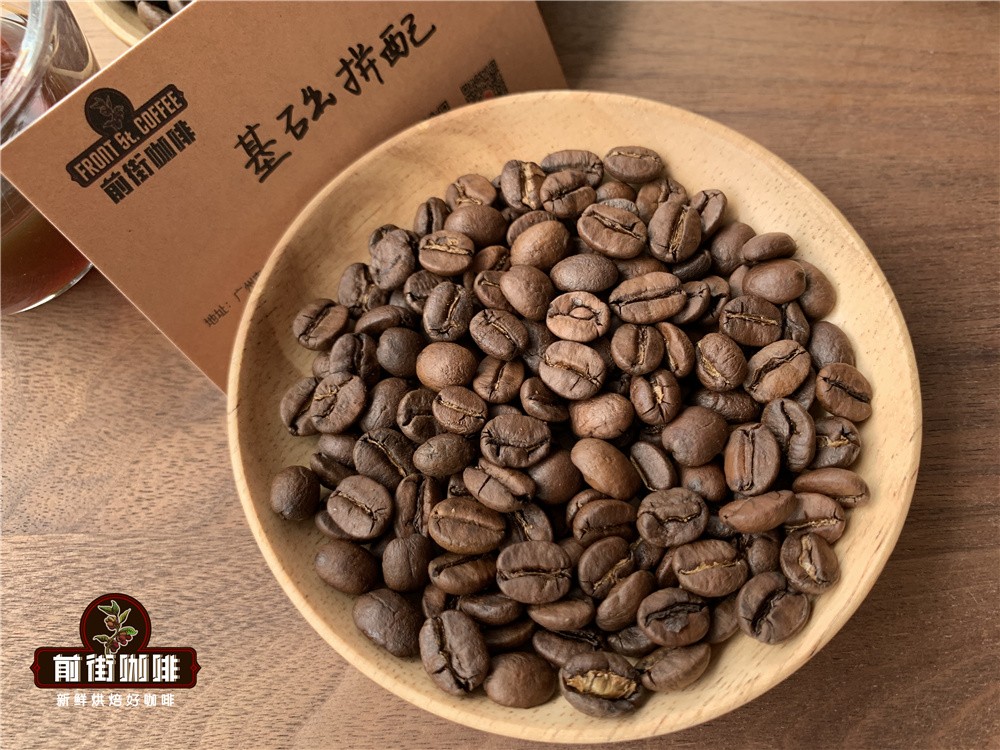
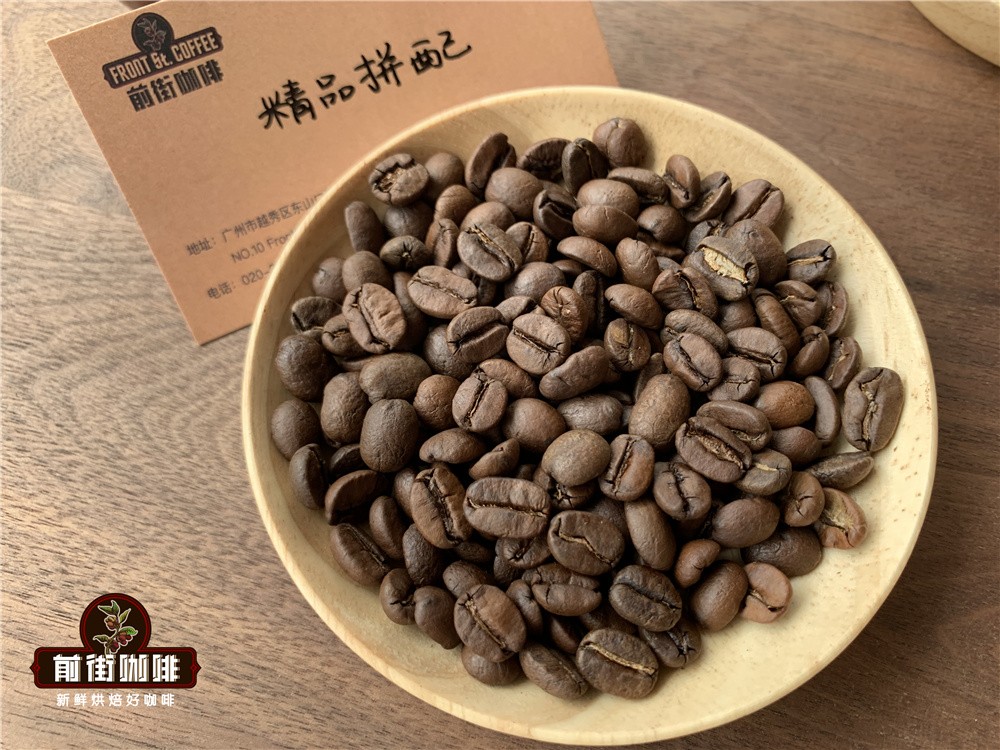
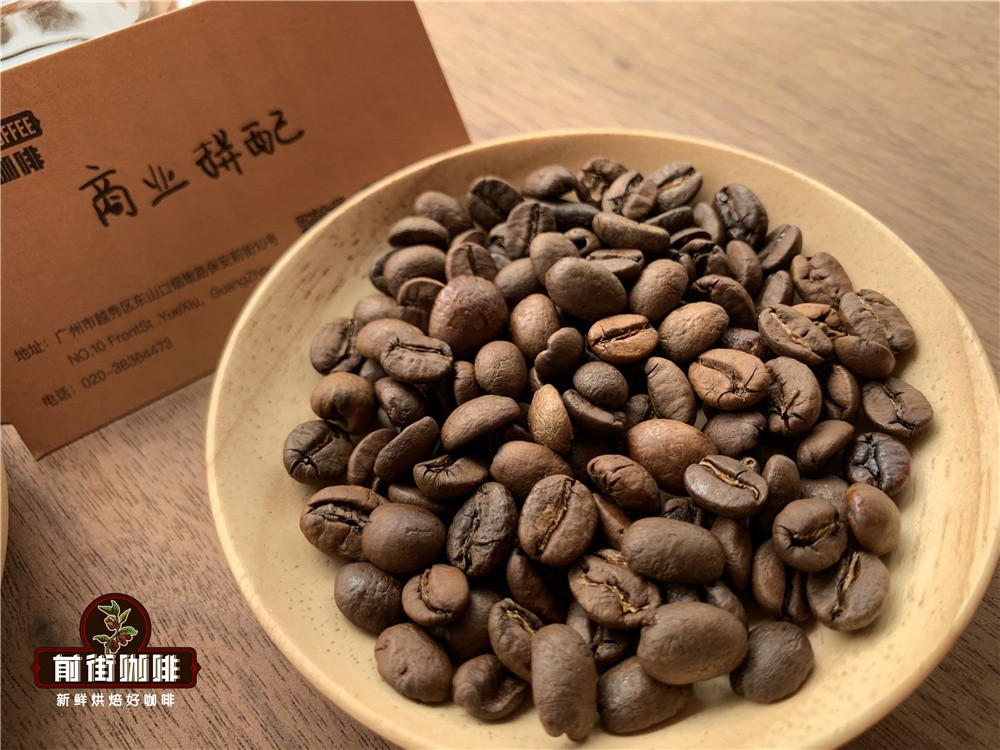
1. Choose dark-roasted coffee beans: Such as Brazilian or Colombian beans, which typically have lower acidity and rich nutty, chocolatey notes.
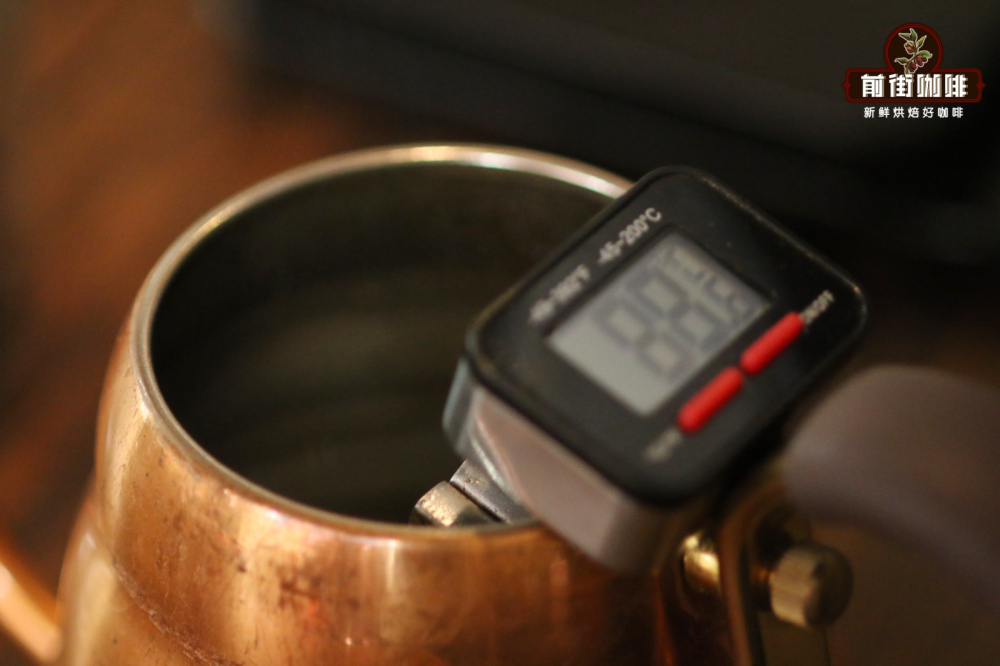
2. Lower the water temperature: Appropriately reducing the water temperature helps slow down the release of acidity. The recommended range is around 88°C to 92°C.
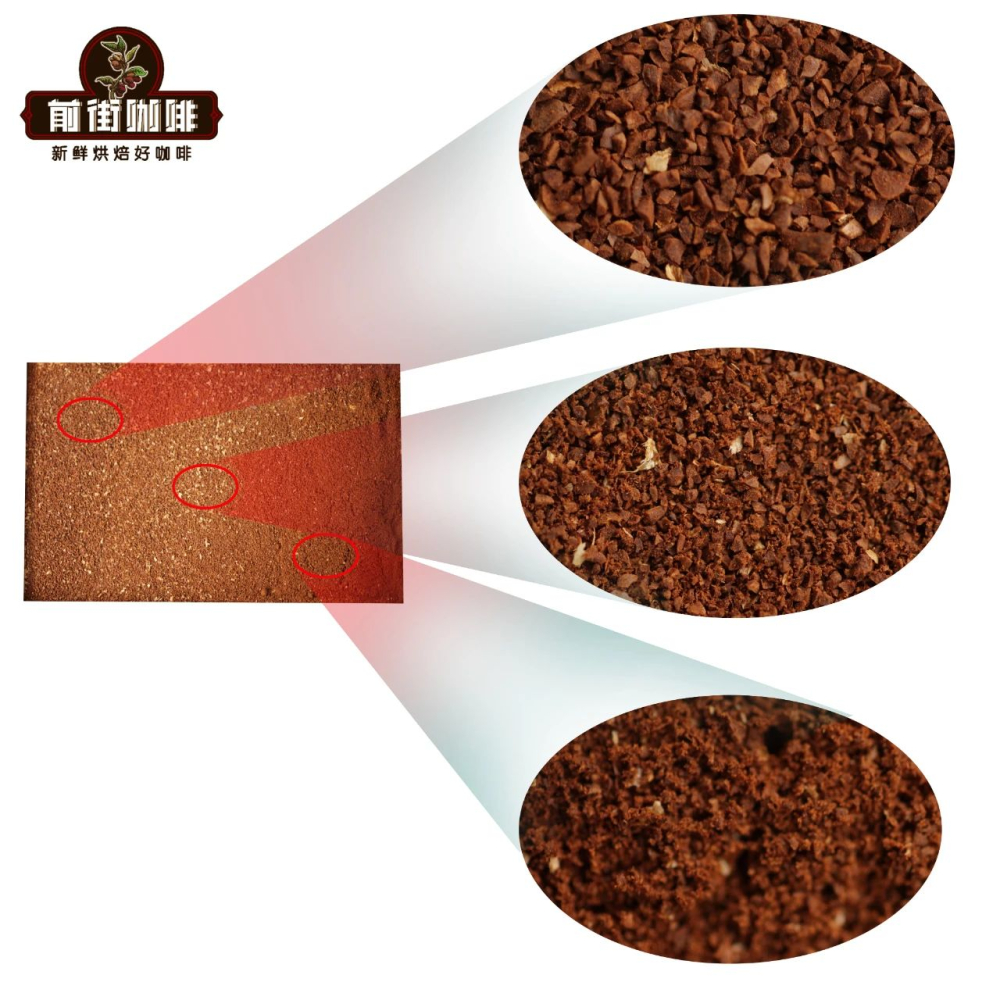
3. Adjust to a finer grind size: A grind that is too coarse can accelerate the release of acidity; moderately fine-tuning it can improve overall extraction efficiency and make the flavor rounder.
4. Increase the coffee-to-water ratio or the amount of water: For example, adjusting the original 1:15 ratio to 1:16 or 1:17 can effectively dilute the acidity.
5. Extend the extraction time: Within a reasonable range (e.g., no more than 2 minutes and 15 seconds for 15 grams of coffee), extending the extraction helps balance the acidity, sweetness, and bitterness.
The influence of channeling and how to improve it
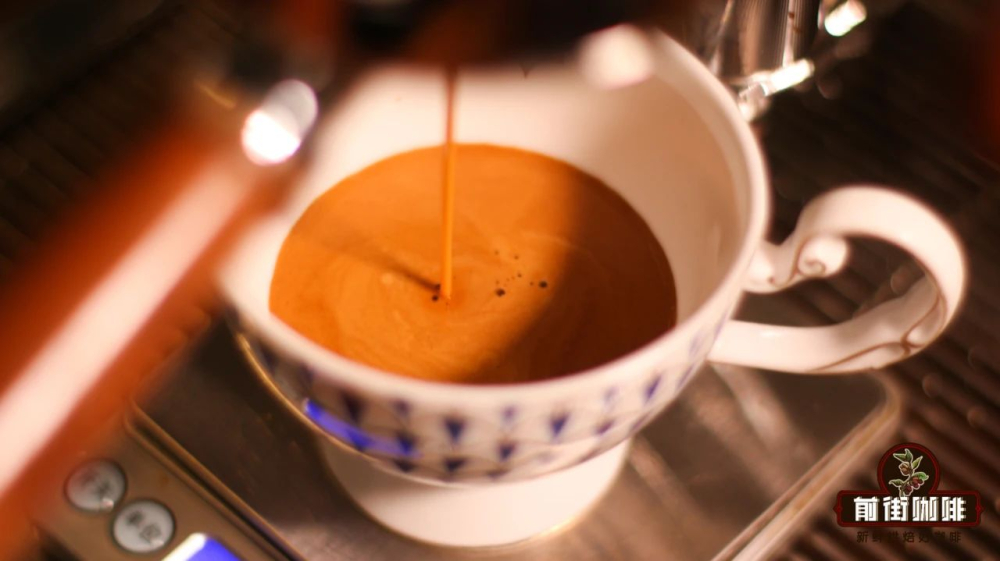
In addition to the above factors, channeling during extraction—where uneven water flow leads to over-extraction in some coffee grounds and under-extraction in others—can also make the coffee taste both sour and bitter. It is recommended to use a distribution tool to evenly spread the coffee grounds, which helps reduce this phenomenon.
Flavor characteristics of SOE Americano
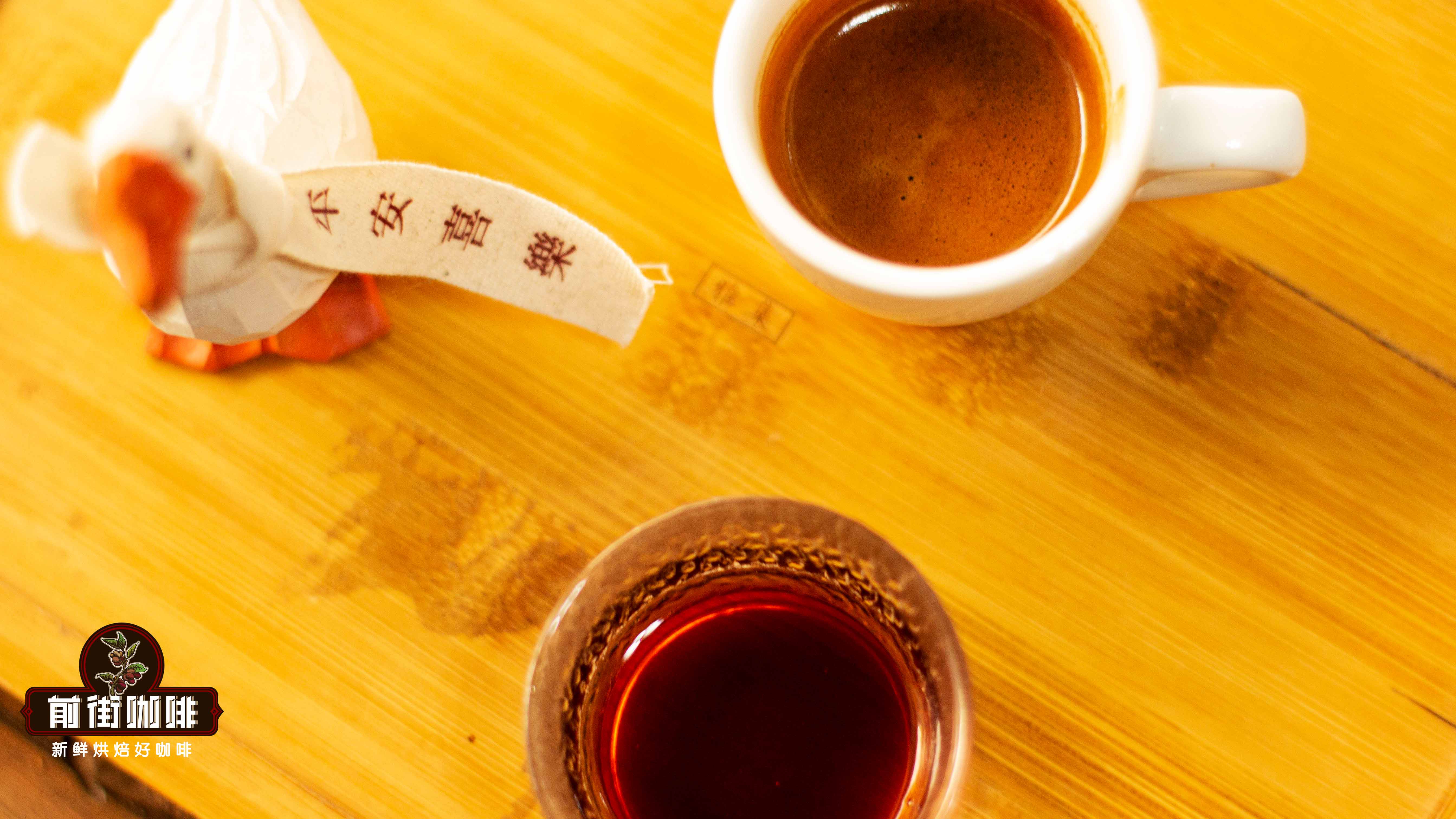
In recent years, more and more people enjoy Americanos made from single-origin espresso beans (SOE). SOE highlights the unique flavor profile of a single origin, such as Ethiopia’s Yirgacheffe, which exhibits distinct fruity acidity and floral notes. When these coffees are processed with light to medium roasts, their acidity becomes more vibrant. Once brewed into an Americano, the acidity and sweetness are transformed into a softer citrus tone due to dilution.
In addition, SOE Americano is best enjoyed hot, as the acidity often becomes more pronounced as the temperature drops. This is one of the reasons many baristas recommend drinking it as soon as possible.
Freshness of coffee beans and grinding recommendations
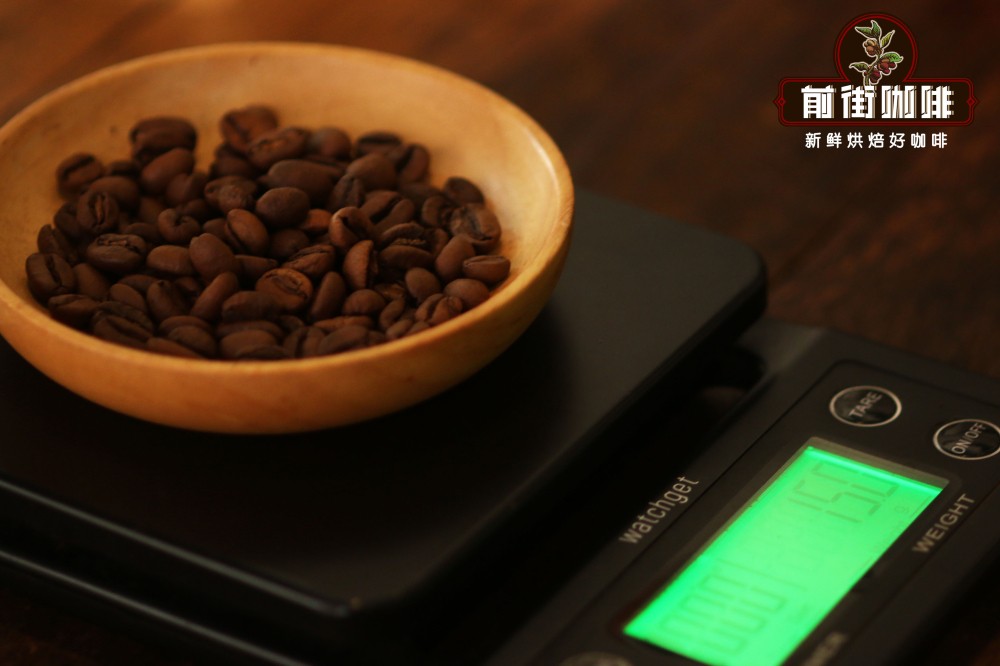
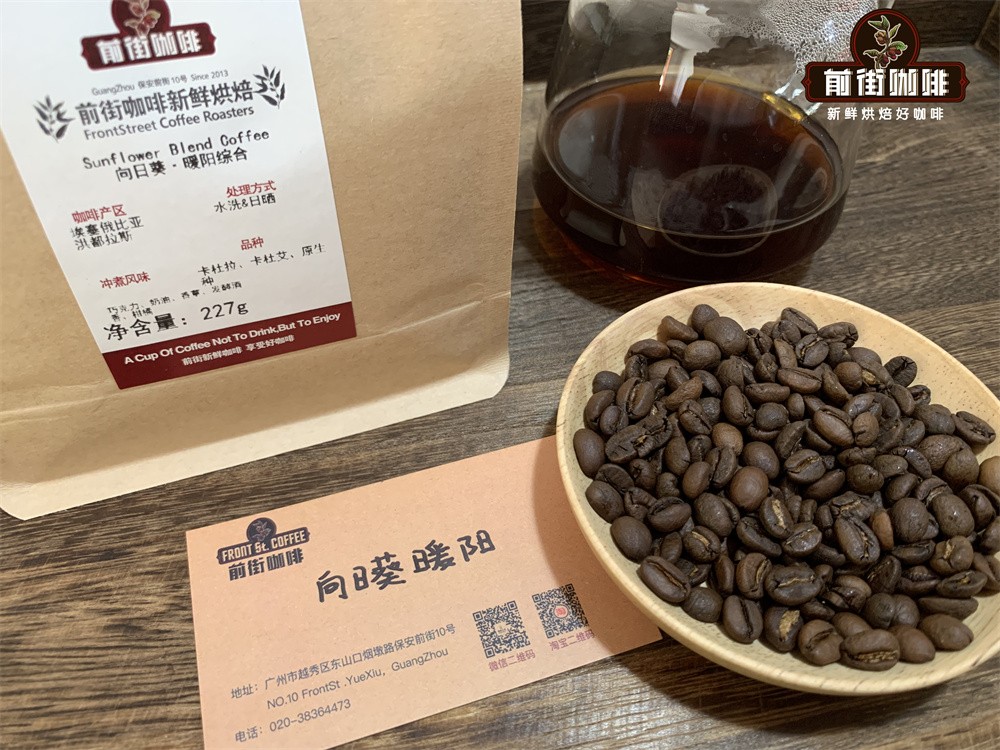
Whether you’re using pour over or brewing an Americano, the freshness of the coffee beans is key to flavor performance. It is generally recommended to choose beans roasted within 5 days and to use them within 4 to 7 days after opening the package to achieve optimal flavor. If you purchase pre-ground coffee, due to the larger surface area exposed to air, oxidation occurs more rapidly, so it’s advisable to brew it as soon as possible to enjoy the full spectrum of flavors.
Finally,keeping the coffee beans in their original form and grinding them fresh just before brewingis the only way to truly appreciate the unique flavor differences brought by different origins and roast levels.
The above content is compiled by CoffeeHunters, a coffee news website.


