








Introduction:Americano is one of the most common types of black coffee, beloved by many whether served hot or iced. But did you know that hot americano and iced americano actually differ greatly in taste and aroma? This article delves into the differences between the two, from brewing methods and flavor profiles to calorie facts, while also providing practical brewing parameters and bean blend suggestions to help you find your perfect americano experience.
Modern life is inseparable from coffee. Whether it’s to boost energy, seek a pick-me-up, or simply out of habit, coffee has become an essential part of many people’s daily routines. Among these, Americano stands out with its simplicity and low calorie count, making it a popular choice for those looking to lose weight or maintain a healthy lifestyle. But can Americano really aid in weight loss? How many calories does it contain? Moreover, how does the taste of iced americano differ from that of hot americano? These questions will all be answered in this article.
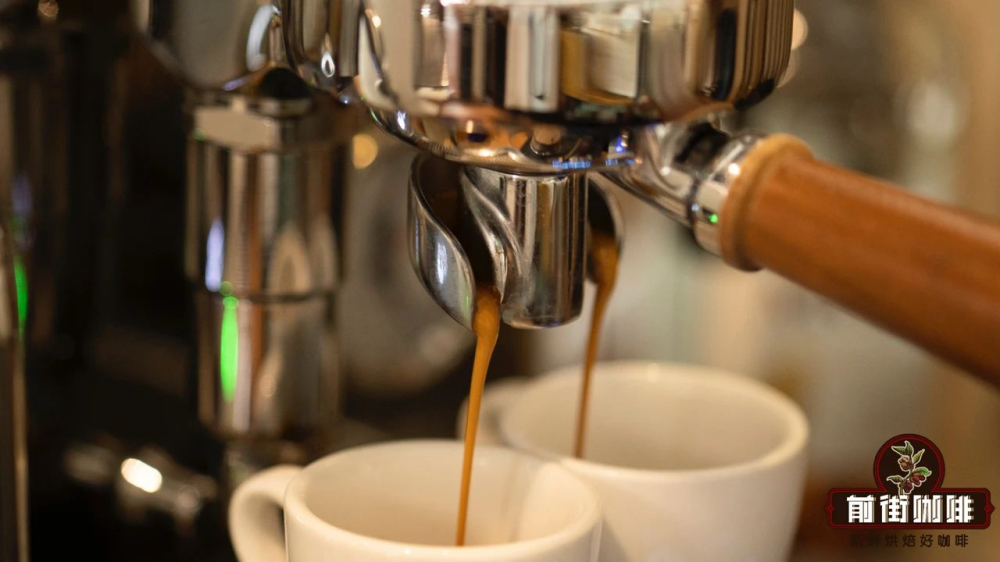
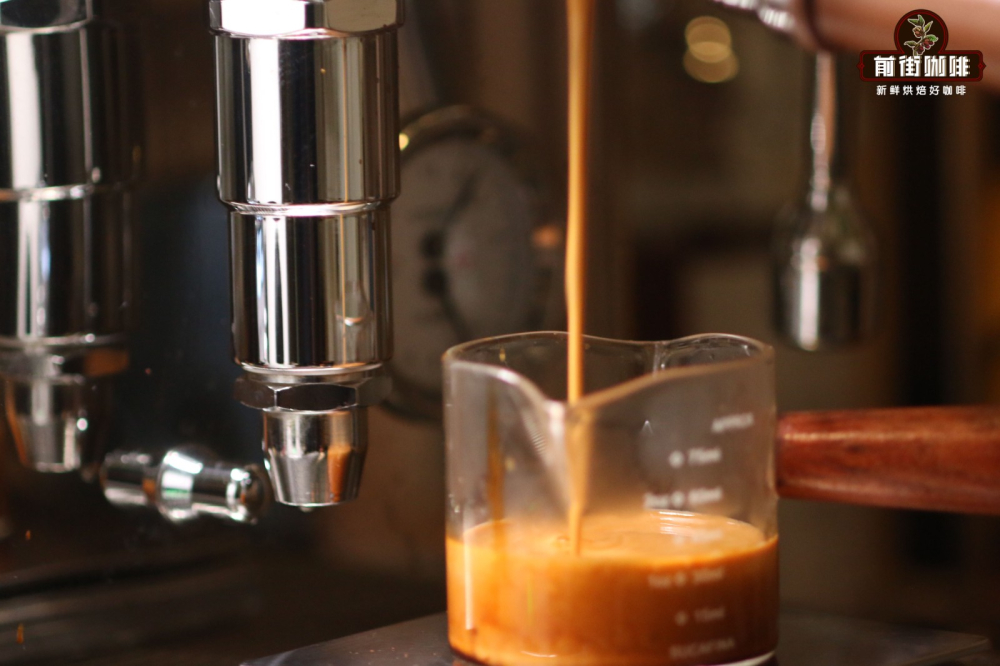
As the name suggests, Americano originated from the practice during World War II when American soldiers diluted concentrated coffee with hot water to increase caffeine intake. Over time, it evolved into the common beverage form we know today. It can be made from black coffee brewed using a drip coffee machine, but more commonly, it is prepared by mixing one or two shots of espresso with a large amount of hot water. This brewing method preserves a rich coffee base without being as intense as pure espresso, making it suitable for everyday enjoyment by most people.

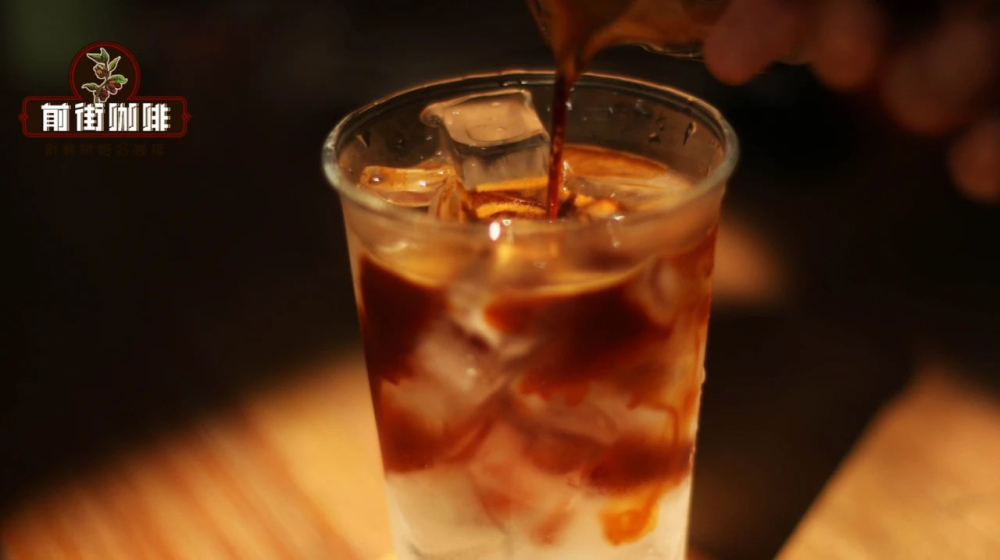
From the perspectives of taste and preparation, hot americano is typically made by directly diluting espresso with hot water. The process is simple and quick, resulting in a flavor profile that leans toward refreshing sweetness, with slight bitterness and a lingering sweetness brought out by the tannic acid and caramelization reactions. Iced americano, on the other hand, is poured over ice cubes and iced water right after extraction. Due to the lower temperature, some volatile aromas are less likely to be released, making the acidity more pronounced. Additionally, the melting ice may dilute the overall concentration, so many people adjust the ratio of ice to water to maintain a balanced taste.

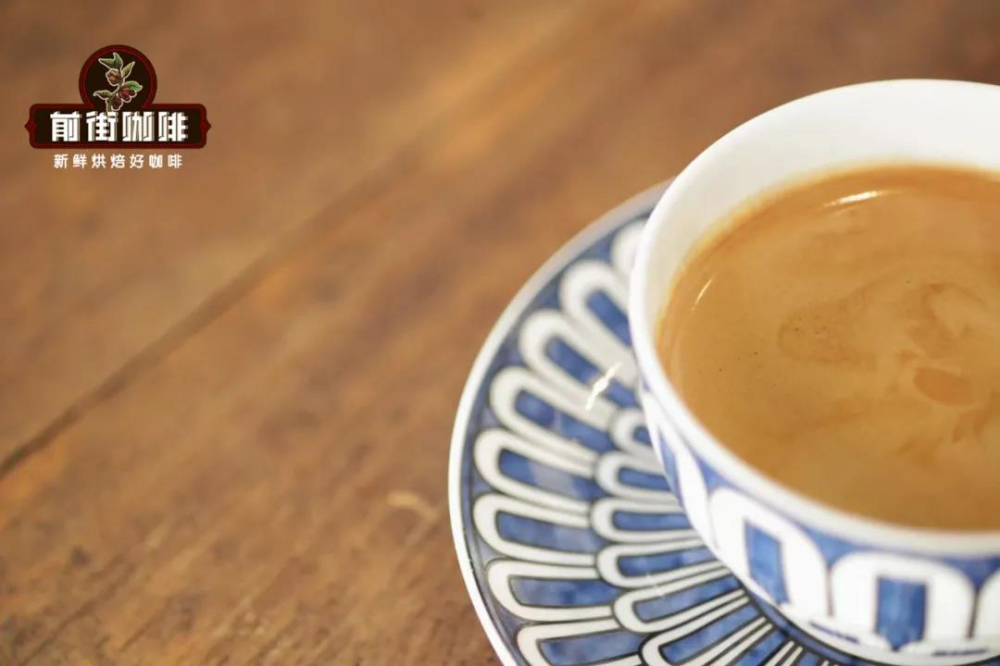
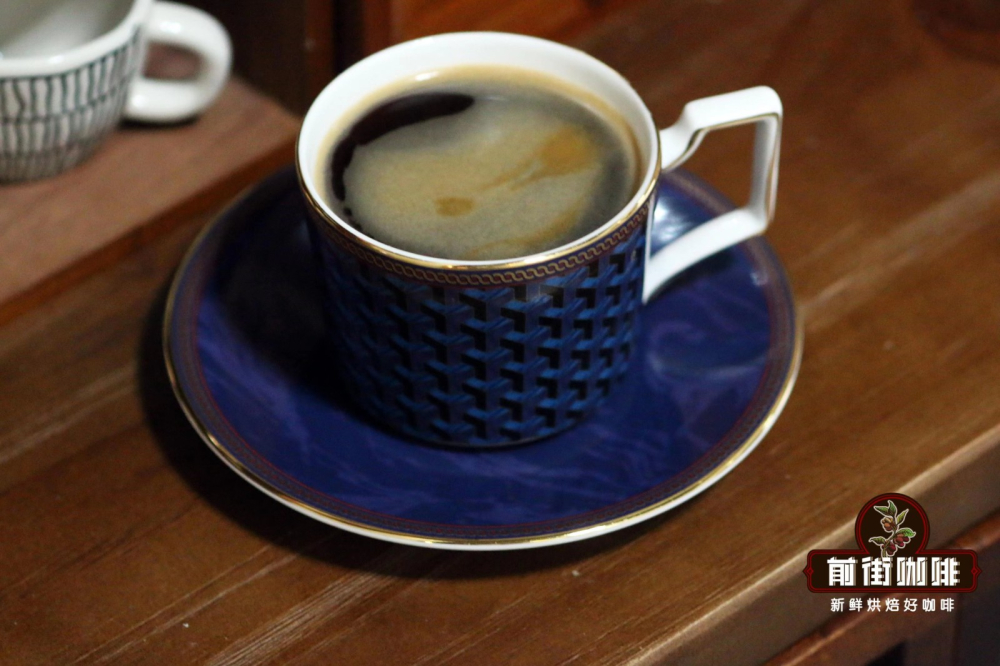
Visually, iced americano appears clearer and lighter in color due to the presence of ice cubes and iced water, sometimes even allowing you to see the coffee liquid at the bottom of the cup. In contrast, hot americano, due to high-temperature extraction and dilution with hot water, takes on a more transparent amber hue, clearly showcasing the flow and layers of the coffee liquid. In terms of taste, the lower temperature of iced americano highlights the smoky aromas brought out by the roast, with a lighter acidity, while hot americano, through the interaction of hot water with tannic acid and caramel in the coffee, often presents a slightly bitter sweetness with a more complex flavor profile, combining bitterness, acidity, sweetness, aroma, and a hint of astringency.
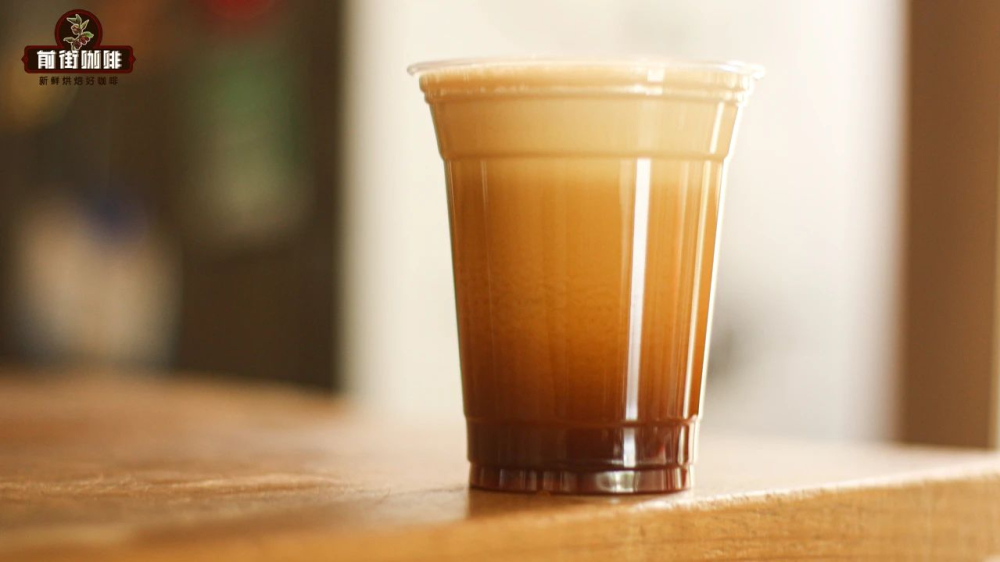
Many people are concerned about the calorie content of Americano. In fact, whether hot or iced, its main components are espresso and water, and the calories in espresso itself are extremely low—almost negligible. Using hot or iced water for dilution only changes the drink's temperature and taste, with almost no impact on total calories. Therefore, Americano can be considered a nearly zero-calorie beverage, making it a suitable option for those on a weight-loss or low-calorie diet. However, adding sugar, creamers, or fresh milk will significantly increase the calorie count, which is something to watch out for.
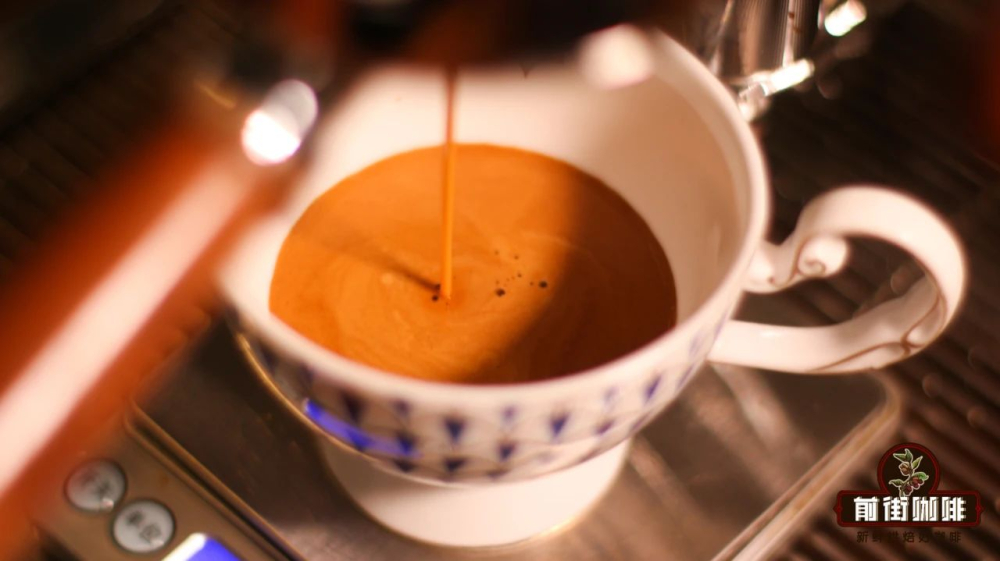
When brewing Americano, the most common method is to first extract one or two shots of espresso and then mix it with hot or iced water in proportion. The generally recommended ratio of espresso to water is 1:6 to 1:8, though the actual ratio can be adjusted according to personal taste or the characteristics of the coffee beans. For example, practical tests have shown that using certain blends, a 1:6 ratio can better showcase wine-like aromas and dark chocolate aftertastes while maintaining an appropriate richness; whereas a 1:8 ratio may make the flavor too diluted, with insufficient aftertaste. Additionally, parameters such as water temperature (approximately 90.5–96°C), pressure (9 bar ±2), and coffee-to-water ratio (1:1.7–1:2) during espresso extraction directly influence the final flavor, so it’s advisable to fine-tune them based on the specific beans used.
If you enjoy brewing Americano at home, choosing freshly roasted coffee beans is crucial. It’s generally recommended to use beans roasted within the last 5 days and to let them degas for 4–7 days after arrival to achieve the best flavor. If you choose pre-ground coffee, be aware that ground coffee oxidizes more quickly upon contact with air, so it’s best to use it as soon as possible. Moreover, coffee beans from different regions offer distinctly different flavor profiles. For instance, Ethiopian beans are often known for their floral and fruity notes, Brazilian beans are prized for their nutty and caramel flavors, and Panamanian Geisha beans are celebrated for their citrus and tea-like characteristics. You can select bean combinations that suit your personal preferences.
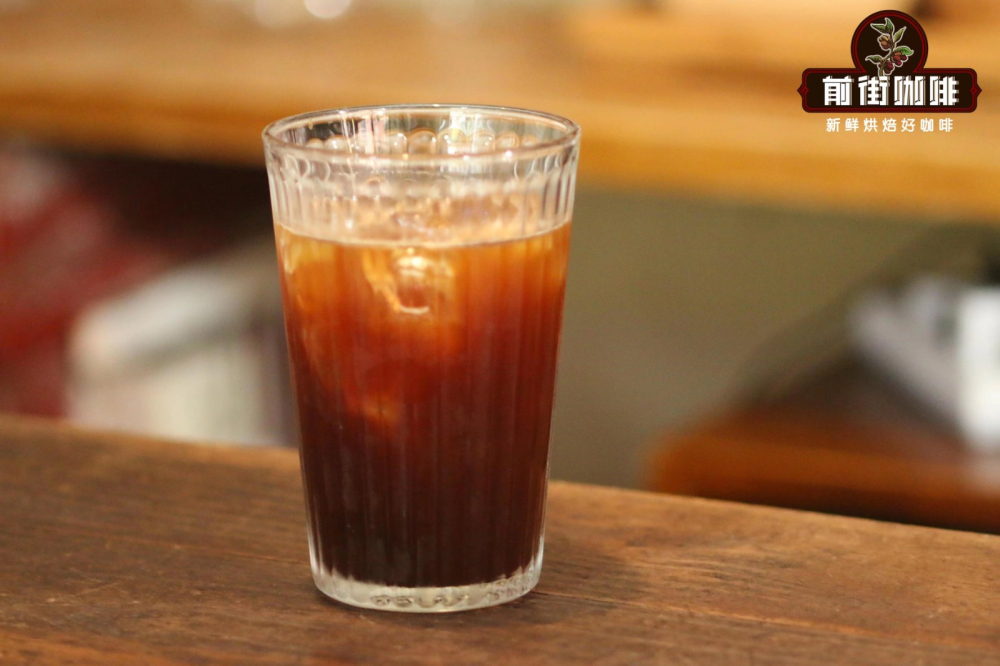
In summary, hot americano and iced americano each have their unique charm. Hot drinks allow you to more fully experience the transformation of aroma and flavor as the coffee cools from high temperature, making it especially suitable for savoring slowly. On the other hand, iced americano excels in refreshing sensation and energy boosting, making it particularly ideal for hot weather or when you need a quick pick-me-up. No matter which you choose, as long as you master the appropriate brewing ratio and parameters, you can enjoy the purity and versatility of Americano.
The above content is compiled by CoffeeHunters, a coffee news website.


