








Introduction:Pour over and espresso are two of the most common coffee brewing methods, but do you know how they differ in extraction principles, flavor profiles, and suitable coffee beans? This article delves into the differences between the two, covering everything from grind size, water temperature control, extraction time to final flavor profiles, helping you find the brewing method that best suits your taste and recommending suitable coffee bean choices.
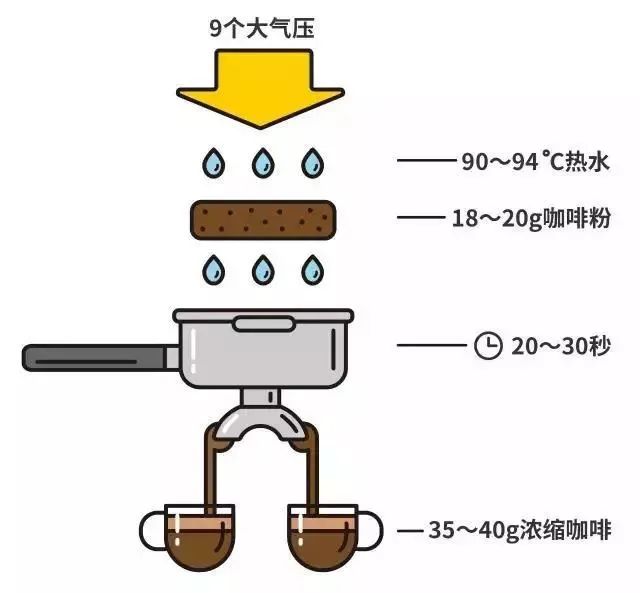
In today’s coffee culture, pour over and espresso are the two most popular brewing methods and also the main applications targeted by commercially available coffee beans. These two methods not only have completely different extraction principles, but the final coffee flavors and textures they produce also show significant differences. Pour over is an atmospheric drip filtration method, similar to brewing tea, where hot water slowly saturates the coffee grounds to gradually extract the flavors, often resulting in a cleaner, brighter taste. Espresso, on the other hand, is extracted under high pressure, where hot water is forced quickly through a compacted coffee puck under around 9 bars of pressure, producing a thick, rich, and layered shot of coffee in just 25 to 30 seconds.

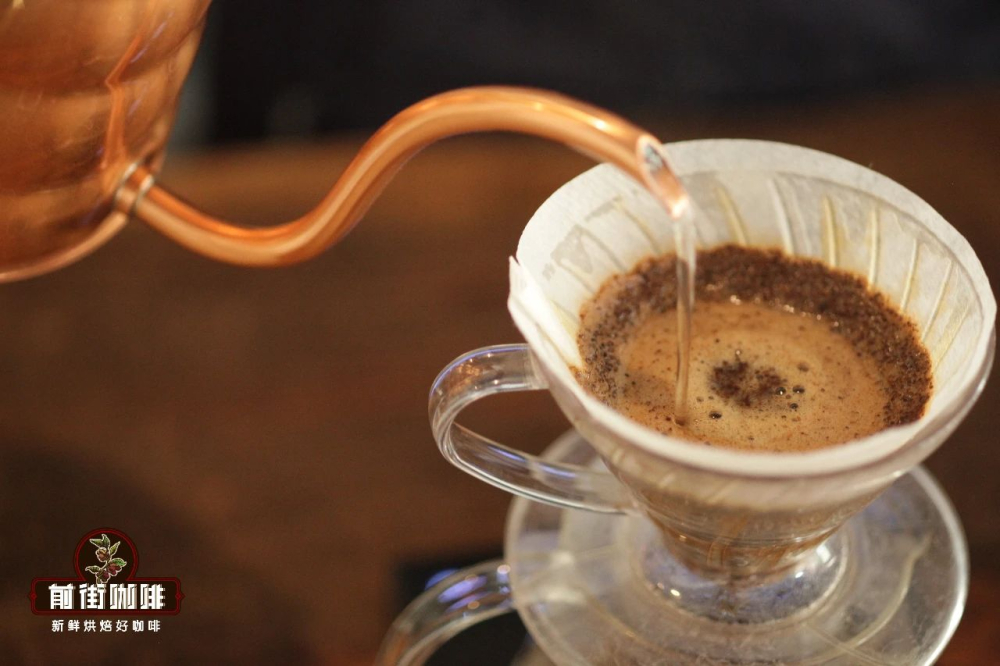
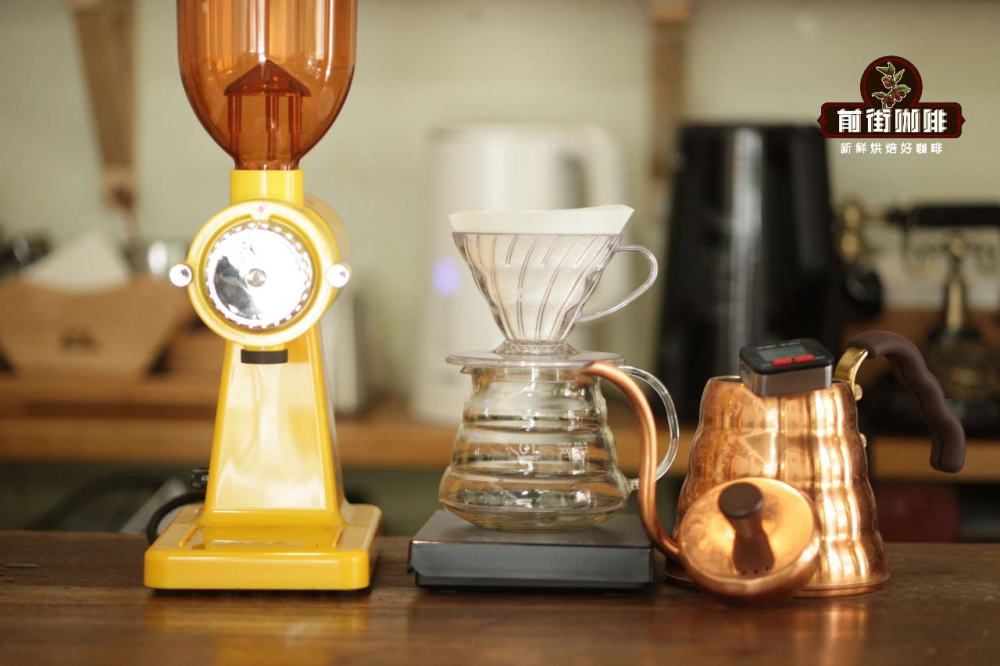
The process of making pour over coffee is relatively straightforward. First, the coffee beans are ground to a medium-fine consistency, then hot water is evenly poured over the coffee bed. Through the filter and filter paper, the coffee liquid drips down into a server. This brewing method emphasizes even extraction and temperature control, and it typically requires basic equipment such as a pour over kettle, filter cone, filter paper, scale, grinder, and thermometer. In practice, stable water temperature and precise pouring technique are key factors influencing the flavor outcome of pour over.
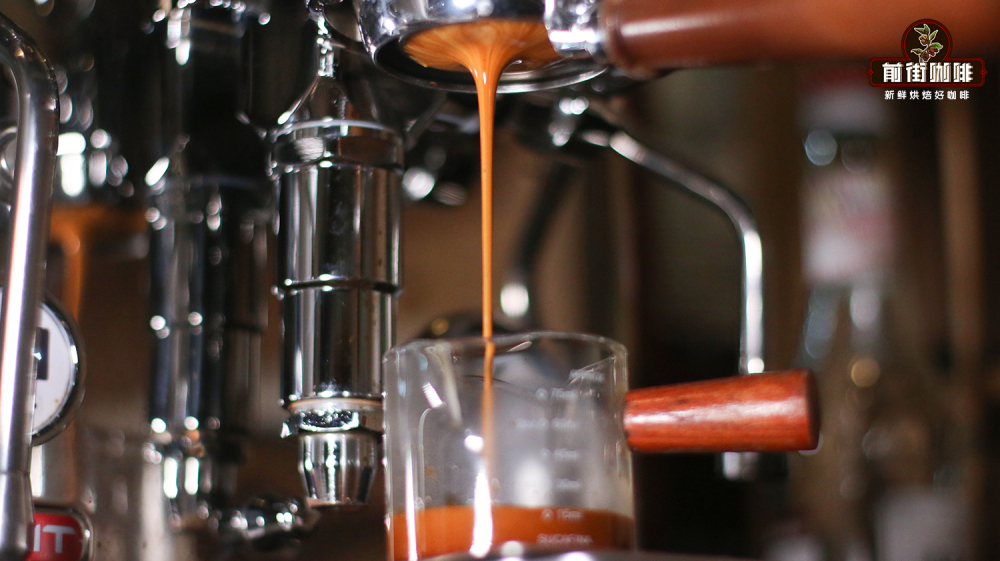
In contrast, espresso is extracted quickly under high-pressure conditions. When using an espresso machine, extremely finely ground coffee is tamped into a compact puck, and then nearly boiling hot water is pushed through the coffee layer at around 9 bars of pressure. In just 25 to 30 seconds, a small shot of concentrated coffee—commonly known as espresso—is produced. Because espresso has an intense and bold flavor, it is often diluted with hot water to make an Americano, or combined with milk to create drinks like lattes and cappuccinos.
However, successfully extracting a balanced and full-flavored espresso shot is not an easy task. From the choice of coffee beans, roast level, and grind size, to the evenness of the tamp, water temperature, pressure, and extraction time, every step affects the final result. Especially under high-pressure extraction, the release of soluble substances in the coffee is extremely fast, and any slight misstep can easily lead to excessive bitterness or a burnt, astringent taste. As a result, operating the espresso machine and the quality of the beans both require relatively high standards.
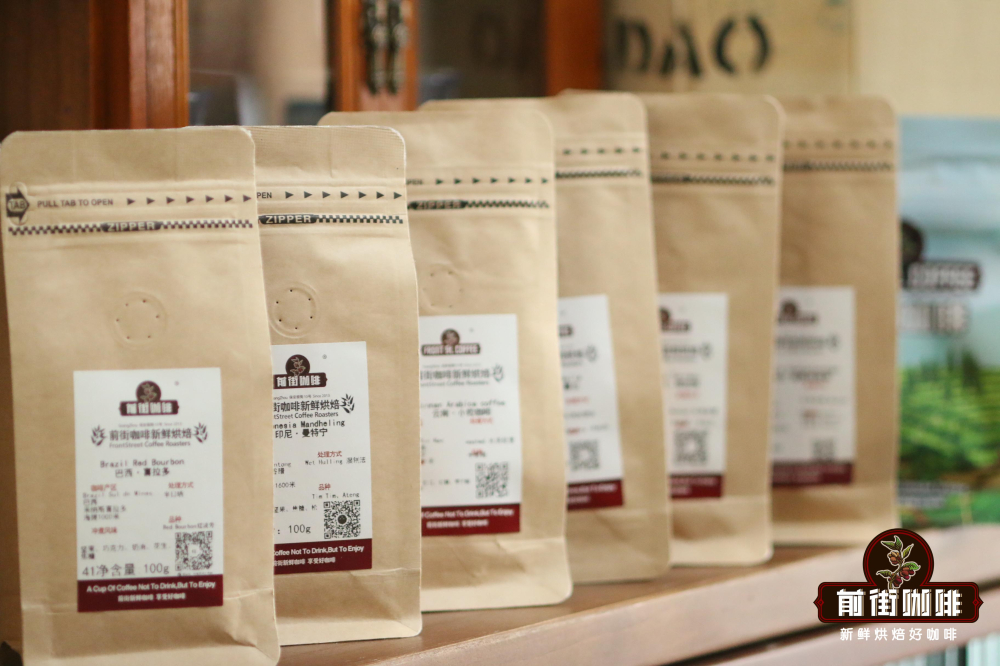
When it comes to selecting coffee beans, pour over and espresso generally call for beans with different characteristics. For example, light or medium roast single-origin beans that are suitable for pour over may produce unpleasant sourness or bitterness due to overly concentrated flavors if used directly for espresso extraction under high pressure. Many coffee shops select beans specifically tailored to the brewing method—for instance, single-origin beans designed for pour over, or blends crafted for espresso. A shop focused on pour over might offer single-origin beans from different regions, allowing customers to experience the subtle flavor nuances from various origins.
For beginner coffee enthusiasts, it is recommended to start with cost-effective daily drinkers. By trying beans from different regions, one can gradually get to know the flavor characteristics of each area—for example, Ethiopia’s Yirgacheffe is known for its citrus and floral notes, while Colombia’s Huila often features nutty and chocolatey tones. These types of beans are usually affordable, suitable for everyday practice of pour over techniques, and can also help develop a sensitivity to coffee flavors. By adjusting water temperature, grind size, and pouring speed, one can further explore the potential of each coffee bean.

As for espresso, the high-pressure and high-temperature extraction environment concentrates the various flavor compounds in the coffee, often delivering a strong aroma and layered profile in just one sip. To maintain a stable and balanced expression, many shops opt for blends—combining beans from different regions or processed by different methods in certain proportions to ensure flavor harmony and consistency. For example, pairing bright fruity beans with low-acid, full-bodied beans can create an espresso that is both layered and well-balanced.
When espresso is combined with varying proportions of water or milk, it can be transformed into a variety of classic coffee beverages. For instance, extracting a 40-gram shot of espresso at a 1:2 ratio and then adding 240 grams of 88°C hot water results in the popular hot Americano. If ice cubes and room-temperature water are used instead of hot water, a refreshing iced Americano can be made, which is more suitable for summer and generally more widely accepted. Regardless of the form, the key lies in the quality and stability of the espresso itself.

The above content is compiled by CoffeeHunters, a coffee news website.


