







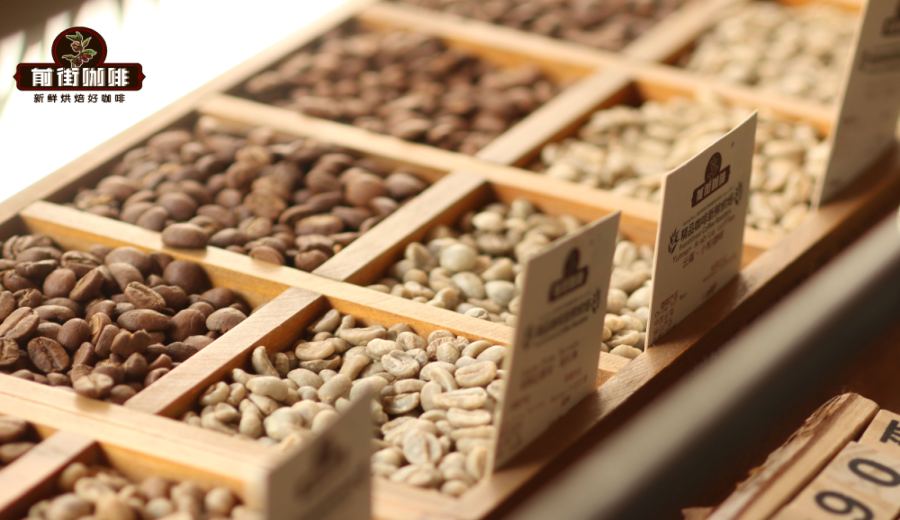
Introduction:Americano is often considered bitter and hard to drink, but by understanding roast levels, extraction principles, and bean variety pairings, you can create a balanced everyday beverage with acidity, sweetness, and bitterness. This article explores why commercial Americanos tend to be bitter, discusses the flavor trends between dark roasts and SOEs (Single Origin Espressos), and recommends several espresso blends suitable for making Americanos. From crema performance to flavor layers, it provides practical guidance to help readers find their own go-to beans.
When ordering at a café, Americano is often the best-selling item—especially in summer, when an iced Americano is refreshingly invigorating. For many office workers, coffee is not just a pick-me-up but also part of their daily routine. However, brewing a smooth, non-bitter Americano actually involves quite a few roasting and extraction techniques.
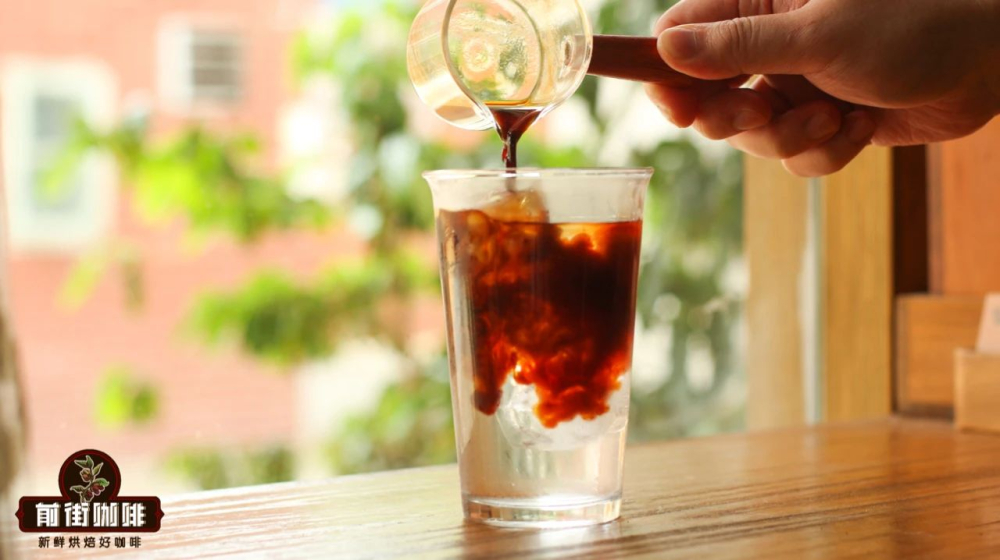
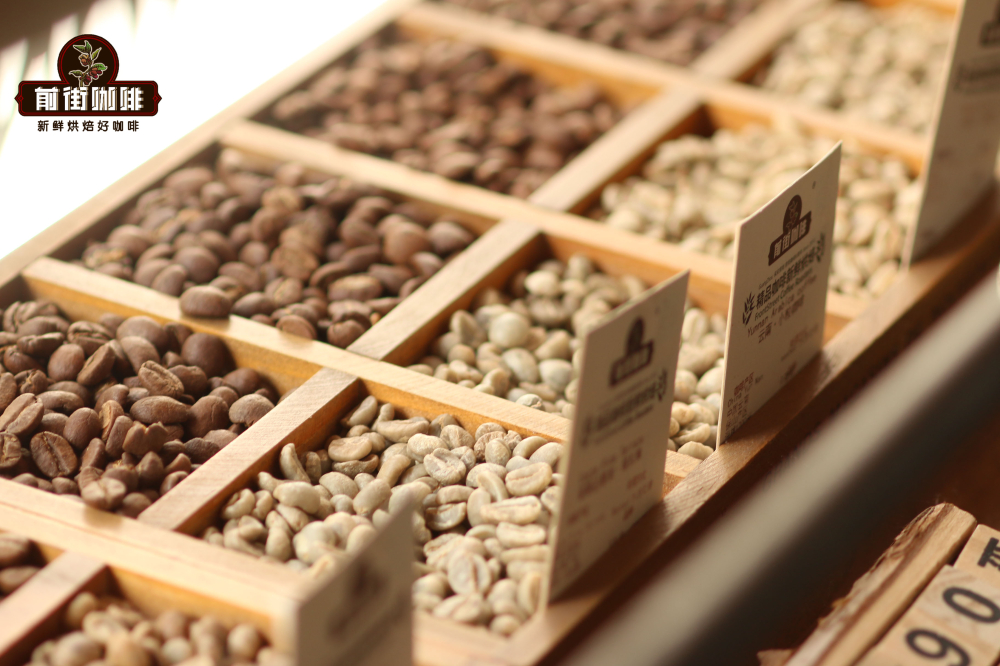
It’s common to hear complaints that Americano is too bitter, with some even questioning if that’s normal. In reality, coffee beans inherently possess three main flavor profiles: acidity, sweetness, and bitterness. However, dark roasting suppresses acidity and amplifies bitterness. Traditional Americanos mostly use dark-roasted beans, but in recent years, consumers have begun favoring light to medium-roast flavors with fruity acidity or floral notes, even turning to Single Origin (SOE) coffee experiences.
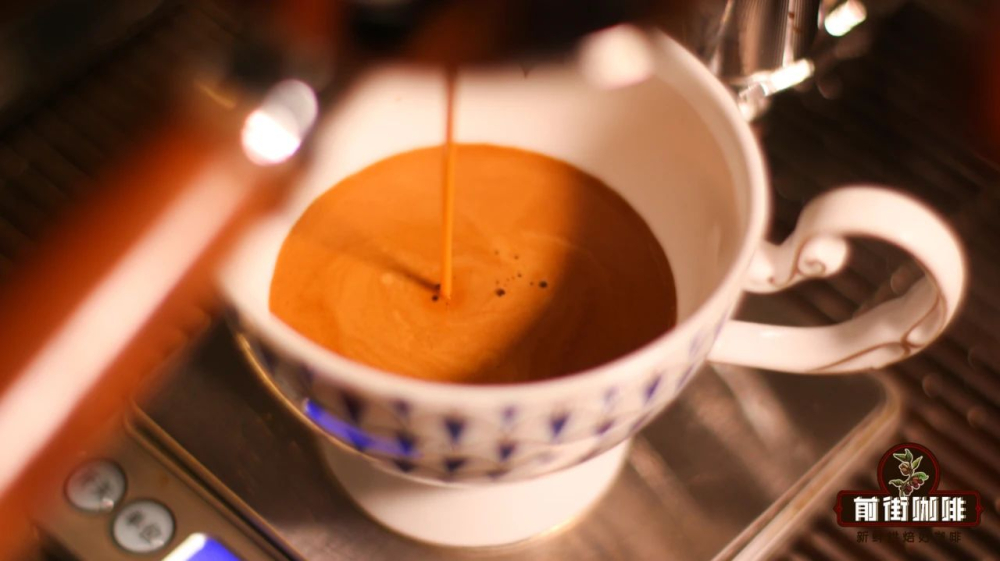
During the extraction process, acidic compounds are released first, followed by sweetness, and finally bitterness. If the coffee tastes overly sour, it may be due to insufficient extraction time; conversely, if the bitterness is too strong, it may result from over-extraction. Understanding these basic principles allows you to adjust brewing parameters according to personal preference.
SOE Americano emphasizes the characteristics of single-origin beans, often highlighting pronounced fruity acidity like citrus or berry notes. For example, an SOE made with East African beans like Yirgacheffe will showcase bright citric acidity, but such beans are less commonly used in traditional espresso blends. If you prefer a low-acidity profile, it’s recommended to choose a medium-dark roasted blend to balance acidity and bitterness while delivering a rich body.
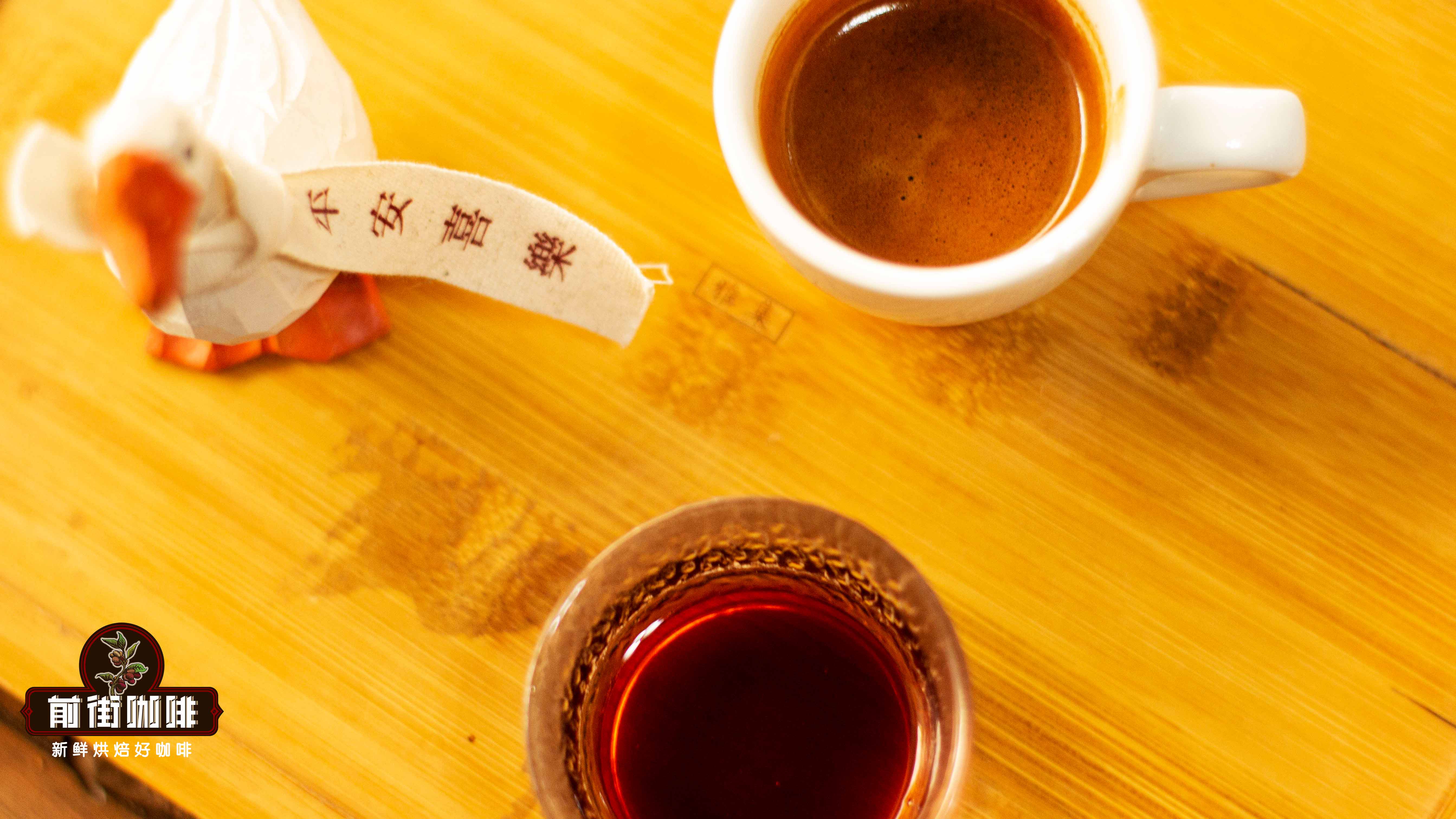
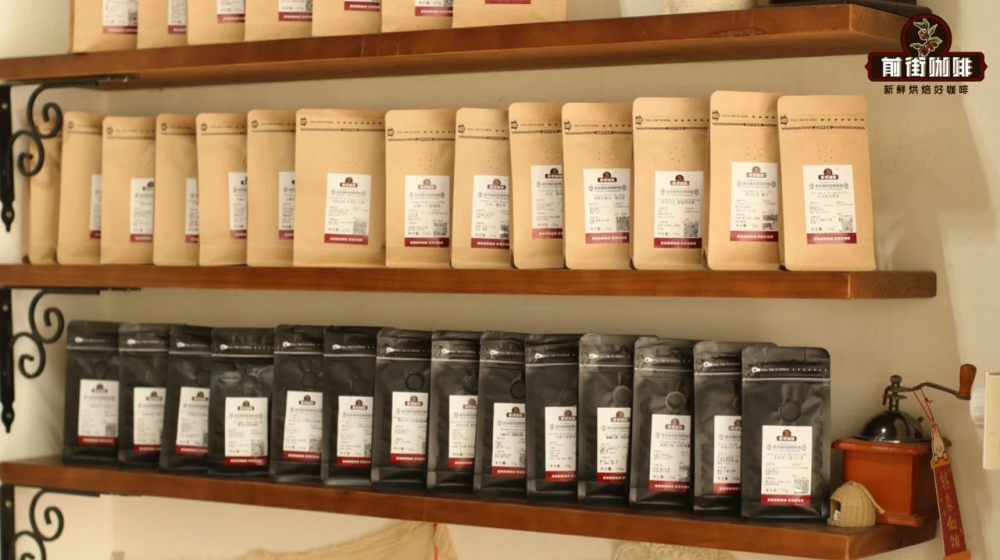
Based on common market formulations, here are four espresso blends suitable for making Americanos that are neither too acidic nor too bitter:
1. Classic Three-in-One Blend(Brazil Red Bourbon + Indonesian Mandheling + Vietnamese Robusta): Delivers caramel, dark chocolate, and malt aromas, with Robusta providing rich crema—an ideal base for latte art.
2. Dark Cocoa Blend(Yunnan Washed + Brazilian Semi-Washed): Offers gentle fruit acidity and caramel sweetness, with great cost-performance for high-volume use.
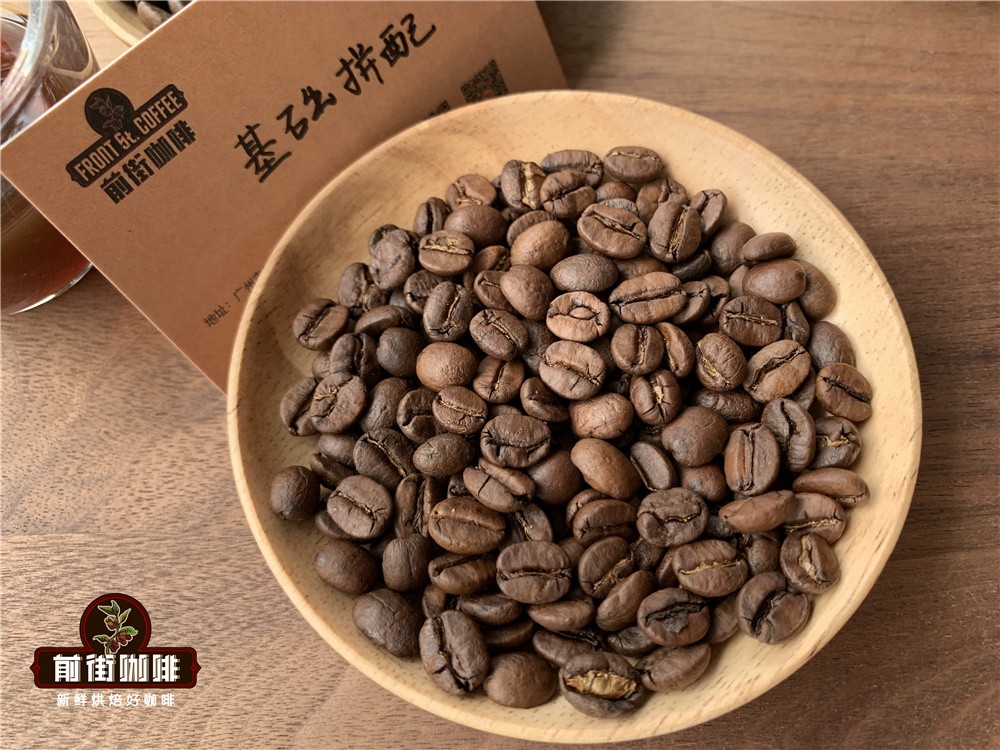
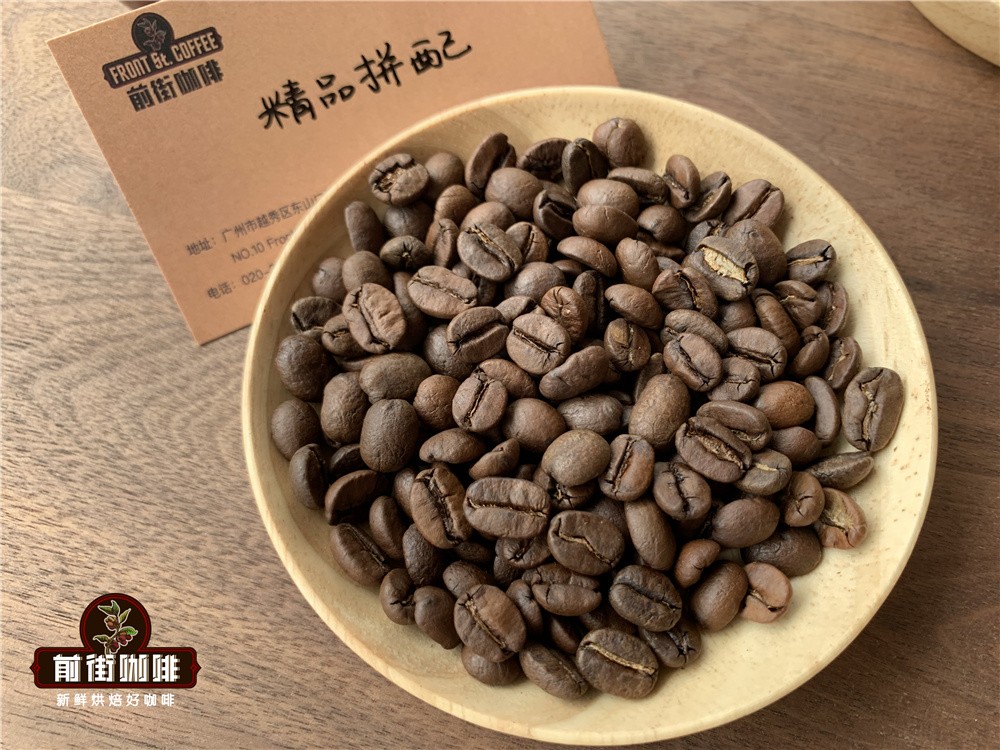
3. Premium Blend(Colombia + Brazilian Semi-Washed): Balances nutty and dark chocolate flavors, suitable for both home and café use.
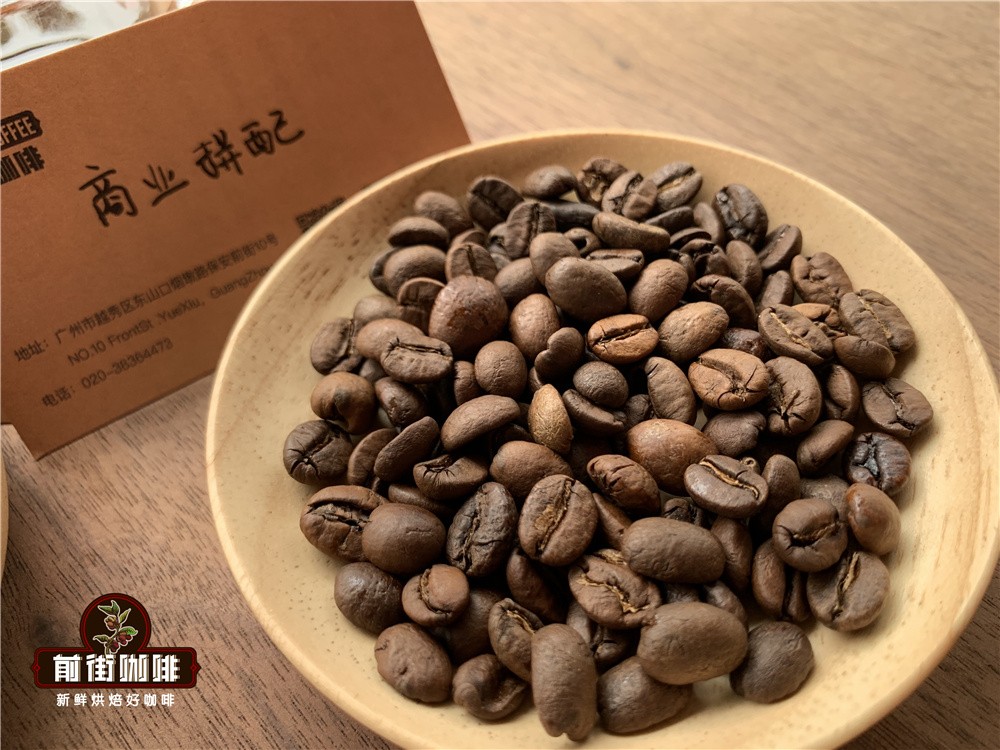
4. Commercial-Grade Blend(Robusta + Colombia + Brazil): Ensures stable flavor and high cost-performance, designed specifically for cafés.
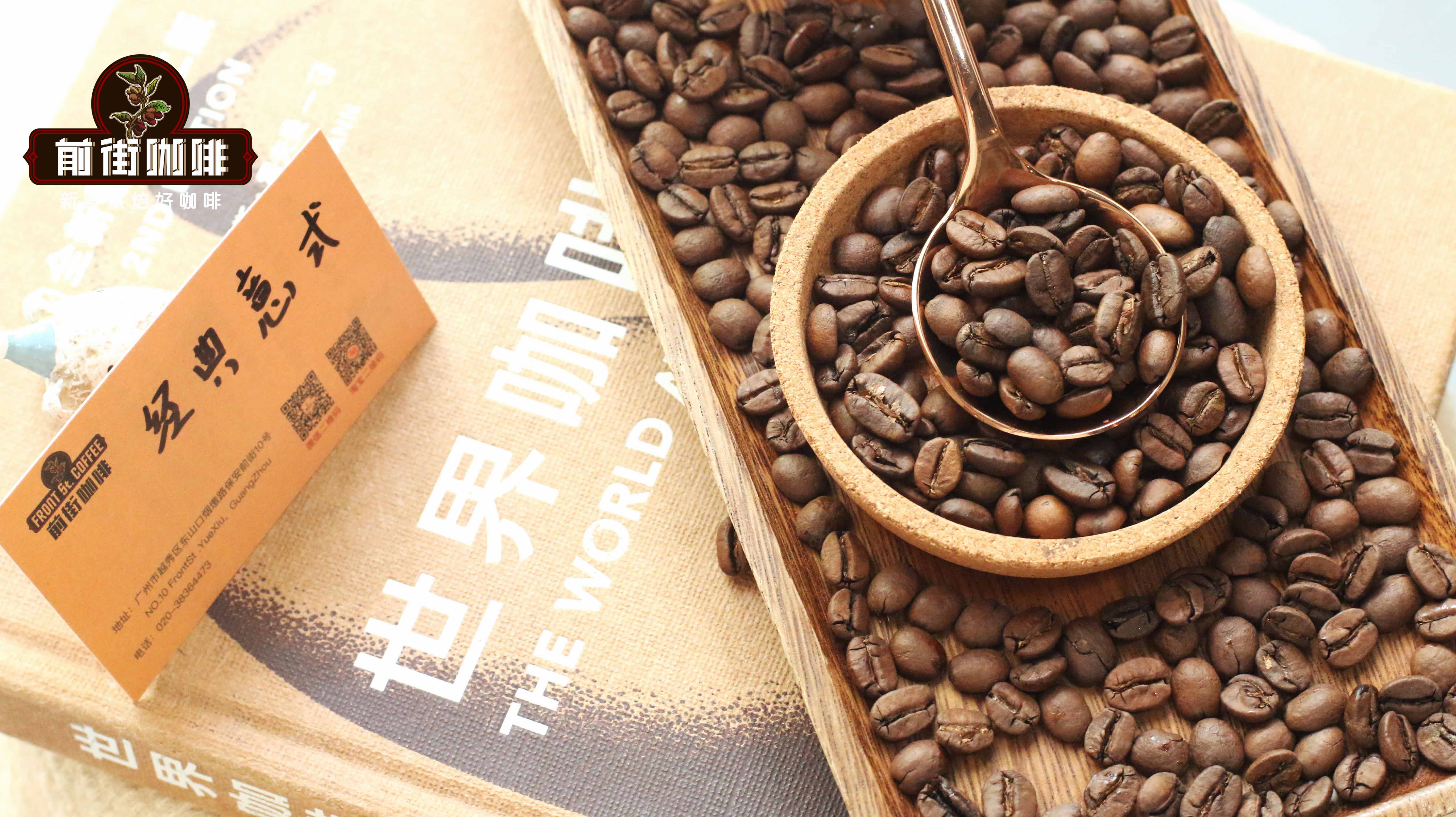
Each blend has its unique flavor profile: Brazilian beans contribute nutty notes, Indonesian Mandheling adds spicy and woody undertones, and Vietnamese Robusta enhances body and crema performance. When choosing, you can adjust grind size based on brewing method (e.g., Moka pot, semi-automatic machine). For medium-dark roasted beans, a medium-fine grind is recommended for optimal extraction.
The above content is compiled by CoffeeHunters, a coffee news website.


