








Introduction:The key to a smooth and enjoyable hot latte lies in the perfect pairing of coffee beans and milk, as well as precise steaming and blending techniques. This article details the golden coffee-to-milk ratio for lattes, suitable types of coffee beans and milk, and provides steaming times, extraction parameters, and blending tips—so you can make café-quality rich and velvety lattes at home.
To brew a memorable hot latte, besides mastering the technique, the more crucial factor is selecting the right ingredients and getting the proportions right. Many people find that the flavor of lattes they enjoy at cafés varies greatly, and the reason often comes down to the different coffee beans and milk used—these details directly impact the overall taste and aroma experience.

First, the flavor profile of the coffee beans significantly affects the final outcome of the latte. For example, lattes made with dark roasted blends often present rich notes of chocolate, nuts, and caramel, with a smooth texture and lingering aroma. If you prefer fruity and acidic profiles, choosing light to medium roasted beans—such as blends with berry or citrus notes—can bring out a fresher, more layered flavor experience.

The choice of milk is equally vital. There are over ten common brands and types of whole fresh milk on the market, some with intense milky aroma and thick texture, while others are lighter in taste with more water content. It’s recommended to select options with fine microfoam, balanced milk aroma, and good compatibility with coffee. Overly strong milk flavors may overpower the delicate nuances of the coffee, while watery milk can make the latte feel thin and weak.

In terms of proportions, there’s no absolutely fixed standard for the coffee-to-milk ratio in a hot latte, but based on practical testing and experience, the recommended golden range falls between 1:5 and 1:8. This ratio balances the intensity of the coffee with the smoothness of the milk, avoiding imbalance from one element being too dominant. Using 40 grams of espresso as the base, paired with about 240 milliliters of steamed milk—with a ratio of approximately 1:6—is the most common and highly praised combination.

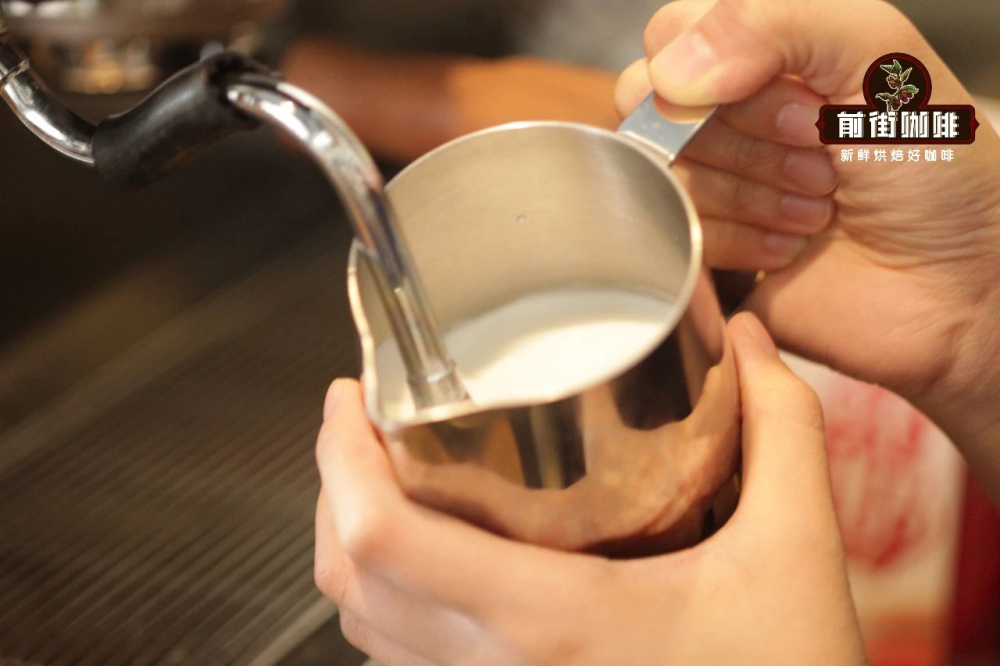
To make a successful hot latte, extracting high-quality espresso and creating fine, velvety microfoam are the foundations. The recommended extraction parameters are 20 grams of coffee grounds yielding 40 grams of coffee liquid, with a time control between 25 to 30 seconds. This ensures the extracted coffee has moderate concentration, balanced flavor, and rich crema. As for the milk foam, it’s suggested to steam the milk to 5 to 6 parts full of its original volume, maintaining a temperature between 55 to 60 degrees Celsius. This temperature range preserves the sweetness and silky texture of the milk.

Blending is a crucial step that determines whether the latte has a consistent mouthfeel. Evenly mixing the steamed milk with the espresso prevents situations where the top is overly milky and the bottom is bitter. You can judge the success of blending by whether the surface shows a uniform “golden crema ring” and if it’s smooth without large bubbles. Good blending not only ensures consistent flavor in every sip but also enhances the overall visual and tactile experience.

Blending techniques can be approached from three aspects: First, the materials themselves—the espresso should have thick and viscous crema, and the milk foam needs to be fine and fluid. Too thick foam tends to float on the surface, affecting blending results. Before formal blending, gently shake the coffee cup and milk pitcher to increase liquid flow. Second, maintain a distance of 5 to 10 centimeters between the spout and the coffee surface—too low may cause foam to concentrate and float, while too high can produce unnecessary large bubbles. Finally, the blending method should involve a single-direction circular

In summary, making an outstanding hot latte involves no single dispensable step—from selecting beans, choosing milk, and controlling proportions, to precise extraction and careful integration. As long as you master the golden ratio of 1:6, use the appropriate steaming temperature and duration, and apply skilled technique, you can easily replicate café-grade creamy lattes and enjoy your own exclusive coffee moments at home.


The above content is compiled by CoffeeHunters, a coffee news website.


