








Introduction:Want to know how to say "latte" in English? Where does it originate from historically? What is the golden ratio of espresso to milk? This article starts with the Italian word "Latte," analyzes the basic composition of a latte, and provides an in-depth introduction to the preparation methods of hot latte, iced latte, and the bold-flavored Dirty coffee—including ratios, temperature control, and step-by-step details—so you can make professional-level coffee at home.
The term "latte" actually comes from the Italian word "Latte," which means milk. So, what we call a latte is essentially a type of coffee beverage made by combining a shot of espresso with a certain proportion of milk. Although lattes have now become one of the most common types of coffee worldwide, they actually did not originate in Italy but rather in the music capital—Vienna.

It is said that in the 17th century, after the Turkish army failed in its attack on Vienna and retreated, they left behind about 500 bags of coffee beans. These beans became the raw material for the first coffeehouse in Vienna (reportedly called the Blue Bottle). To cater to European taste preferences, the shop owners transformed the originally strong and bitter black coffee into a smoother, sweeter drink by filtering out the coffee grounds and adding a large amount of milk—thus creating an early version of milk coffee. This brewing method quickly gained popularity and gradually evolved into what we now know as the latte.
Making a latte is relatively simple, with the main ingredients being espresso and milk. The ratio between the two is somewhat flexible, but a generally recommended range is 1:5 to 1:8. For example, many professional coffee shops use a 1:6 ratio—that is, 40 grams of espresso liquid paired with 240 grams of milk. However, this ratio can be fine-tuned according to personal taste: increase the coffee proportion if you prefer a stronger flavor, or add more milk if you like a smoother taste.

Espresso is the soul base of a latte. It is made by forcing nearly boiling hot water through finely ground coffee powder under high pressure, extracting a small cup of concentrated coffee with a golden crema. Although you may not directly see an "Espresso" option on many coffee shop menus, it is essentially the foundation of all common coffee beverages—including Americano, cappuccino, and latte. When making a hot latte, a preheated cup is usually filled with an appropriate amount of espresso first, then steamed milk with velvety microfoam is added using the steam wand of the espresso machine, with the optimal temperature controlled between 55–65°C. This foam is neither too thin nor too thick, allowing it to blend perfectly with the coffee, and finally, latte art is added for both visual and flavor appeal.
If you prefer a cold drink, the iced latte is also an extremely popular choice. The usual method is to first add some ice cubes—about 80 grams—to the cup, then pour in approximately 170 ml of fresh milk, followed by extracting about 38 ml of espresso and pouring it over the iced milk. This combination often carries a sweet aroma reminiscent of liquor-filled chocolate and has a smooth, creamy mouthfeel. It’s recommended to stir slightly before drinking to allow the coffee and milk to fully integrate, bringing out the overall layers and balance.

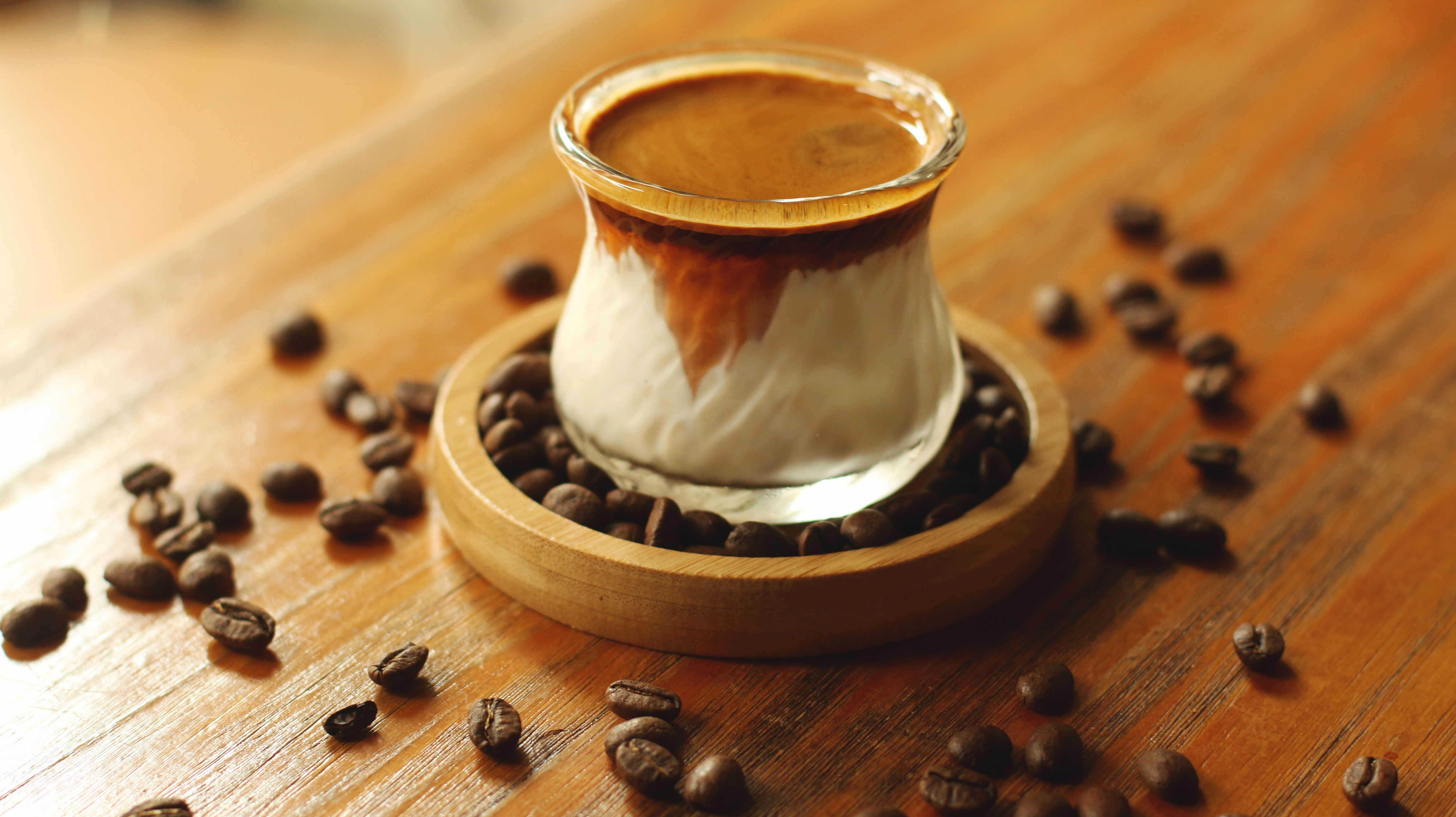
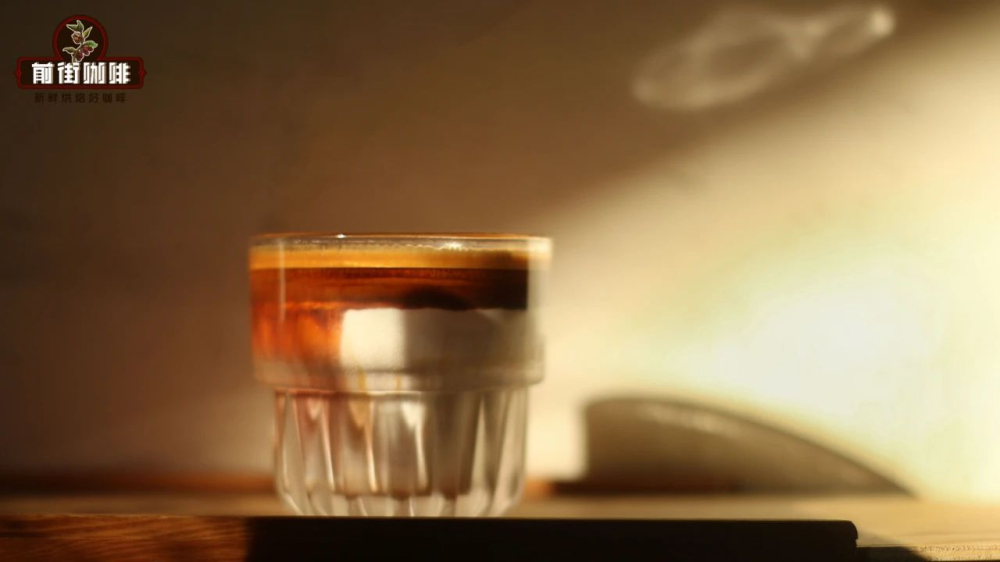
In addition to hot and iced lattes, another standout in recent years is the Dirty coffee, commonly referred to as "dirty coffee." The biggest feature of a Dirty is its highly visual "hot-cold contrast" and distinct layering. The method involves pouring freshly extracted hot espresso directly into a cup filled with cold milk. Due to the large temperature difference, the coffee quickly sinks, creating a striking layered effect. Dirty coffee usually uses a smaller cup than an iced latte and emphasizes "drinking immediately while the hot and cold are still interacting" to fully experience that momentary burst of flavors.
Below are detailed at-home preparation steps for both iced latte and Dirty coffee, complete with visuals for easy reference:
Iced Latte Preparation Process:
Step 1: Prepare a cup with a capacity of about 300 ml.
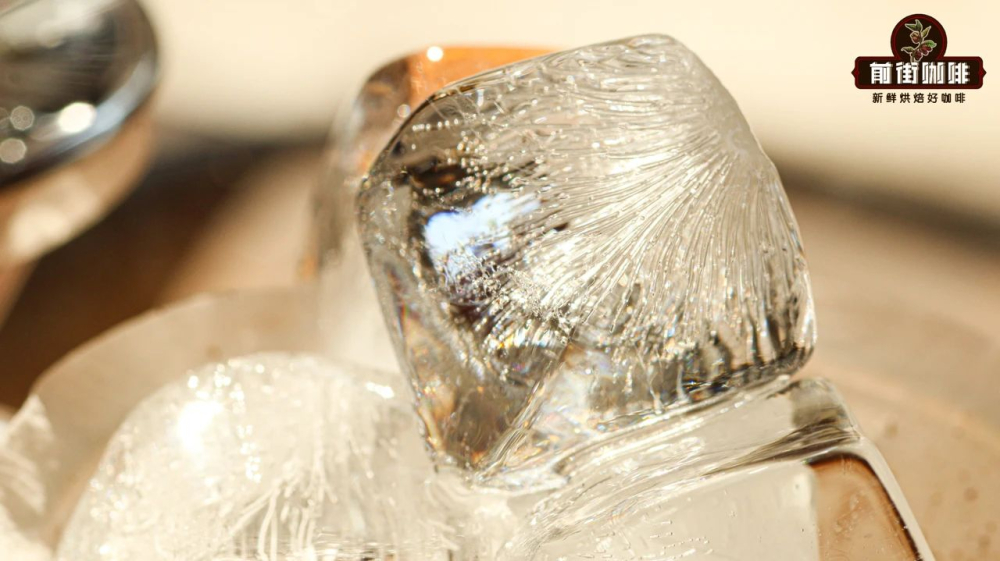
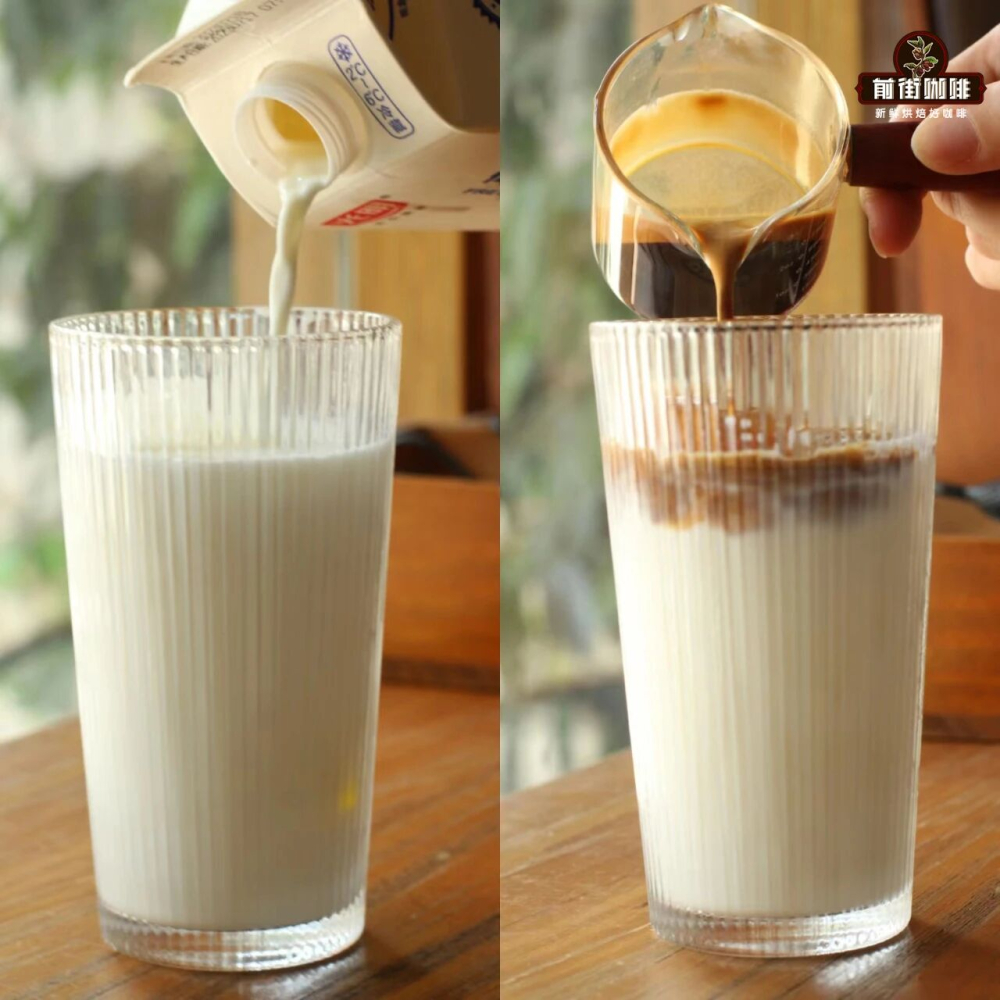
Step 2: Add about 80 grams of ice cubes, then pour in approximately 170 ml of fresh milk.
Step 3: Grind about 20 grams of coffee beans and extract a shot of about 38 ml of espresso (specific values can be adjusted based on equipment and bean condition).

Step 4: Pour the espresso into the cup containing the ice and milk.
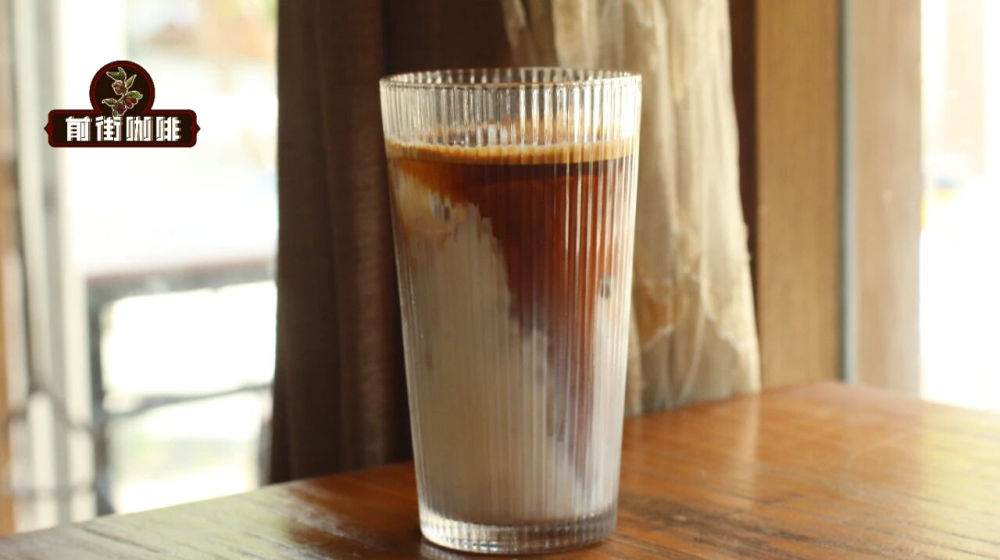
Step 5: Stir gently and enjoy!
Dirty Coffee Preparation Process:
Preparation: It’s recommended to chill the cup you plan to use in the fridge beforehand to ensure it’s cold, which helps maintain the hot-cold layering effect.
Step 1: Take out the chilled cup.
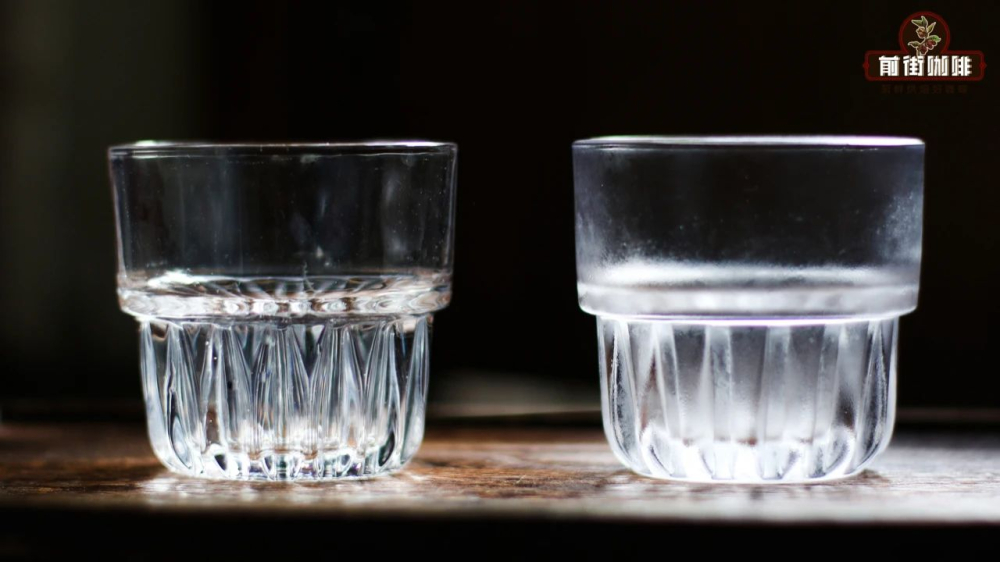
Step 2: Pour in about 180 ml of iced milk.
Step 3: Grind an appropriate amount of coffee beans, fill them into the portafilter of the espresso machine, and tamp them down.
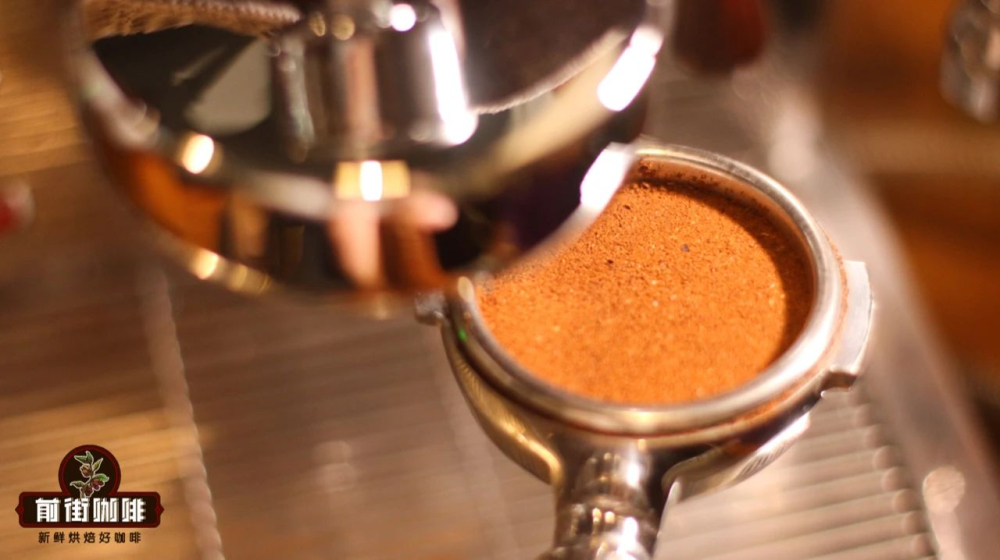
Step 4: Begin extracting the espresso and place the cup under the machine’s group head so that the hot coffee pours directly onto the surface of the iced milk, forming a clear layer.
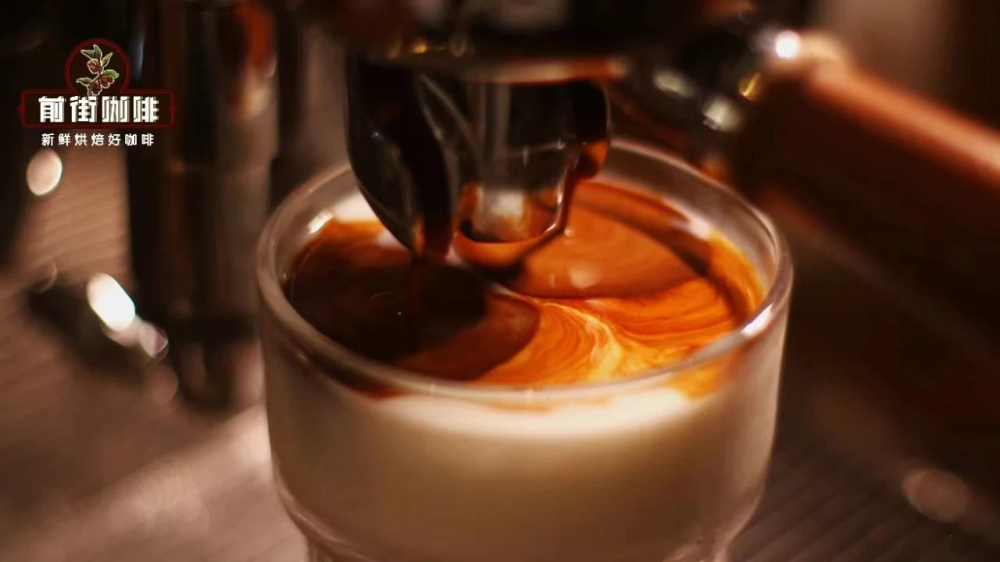
Step 5: After the espresso extraction is complete, it’s recommended to drink it in big gulps to better experience the alternating hot and cold sensations and the distinct layered textures.
The above content is compiled by CoffeeHunters, a coffee news website.


