







Introduction:Latte is not only a classic representative of Italian-style coffee but also the first choice for many people when starting their coffee journey. This article will deeply analyze the basic composition of a latte, the golden ratio between espresso and milk, and provide a detailed introduction on how to choose the right coffee beans and milk, as well as practical brewing and steaming techniques. It also includes latte art and iced latte methods to help you master this popular coffee from scratch.
“I’m either in a café or on my way to one.” This famous quote aptly describes the Italians’ love for coffee, and the latte is one of their most common daily choices. The term Caffè Latte originates from Italian, meaning "coffee and milk," and it is a classic beverage that perfectly blends espresso with steamed milk. Its smooth and mellow characteristics make it hard for even those who are not particularly fond of coffee to resist its charm.
Regarding the history of the latte, some say it can be traced back to 17th-century Vienna. When the Ottoman Empire’s army withdrew, they left behind a large quantity of coffee beans, which local merchants utilized to create a new method of mixing coffee with milk. This successfully balanced the bitterness of black coffee and gradually evolved into the prototype of the latte we are familiar with today. Regardless of its origin, the latte has now become one of the most popular coffees worldwide.
To make a delicious latte, you must start by choosing the right ingredients. The most basic components are espresso and milk, but the ratio and quality of the two greatly affect the final flavor. When it comes to selecting coffee beans, it is recommended to prioritize espresso blends with high stability and good crema performance. These beans usually combine beans from different regions and are primarily medium to dark roasted, capable of producing rich crema (coffee oils) that help create a fuller taste when blended with milk.
For beginners, choosing commercially available pre-blended beans is a more user-friendly option. It is recommended to select products with balanced flavors and rich crema. Not only are they cost-effective, but they also reduce the risk of operational errors. In addition, freshness is crucial. Generally, coffee beans need to rest for about 7–10 days after roasting to allow residual carbon dioxide inside to dissipate. Using them within about 45 days ensures optimal flavor. If the beans are too fresh, excessive coarse bubbles may form during extraction, affecting the taste.
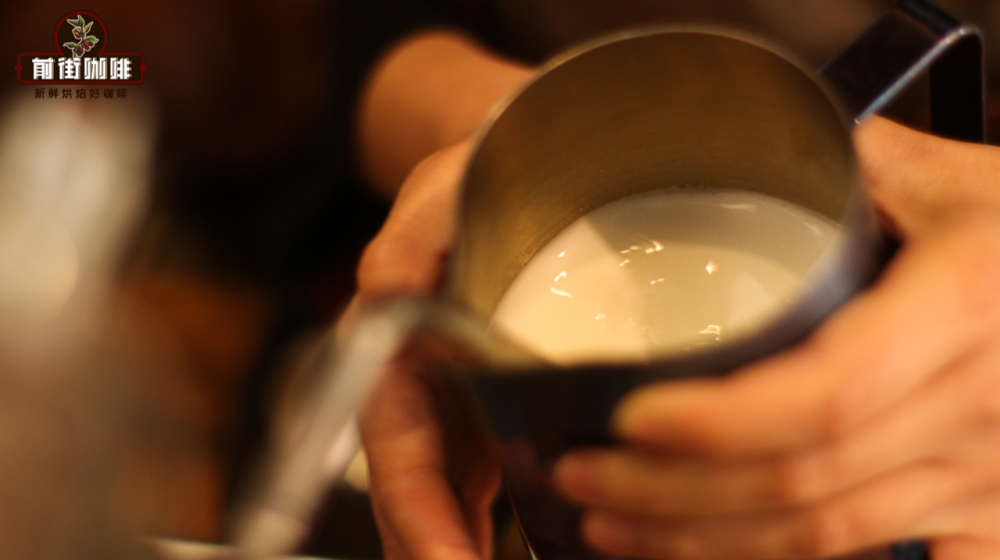
When choosing milk, whole fresh milk is the most recommended option due to its high fat content, which enables the production of fine and stable microfoam during steaming, aiding both latte art and taste. During the steaming process, it is important to master the use of the steam wand, which is generally divided into two stages: first is the stretching phase, where fine bubbles are created in the milk; followed by the rolling phase, where the milk and foam are fully mixed to form a smooth and flowing texture. The ideal microfoam thickness is about 1 cm—too thick or too thin can affect the final presentation of the latte art.
Next is the espresso extraction part. It is generally recommended to use a double shot of espresso (about 18–20 grams of coffee grounds), extracted at a 1:2 coffee-to-water ratio, meaning 20 grams of coffee grounds yield about 40 grams of espresso. The extraction time should be controlled between 20–35 seconds. Too short results in under-extraction and a weak flavor; too long leads to over-extraction and a burnt, bitter taste. In practice, most professional shops set the extraction time between 28–30 seconds to achieve the best balance.
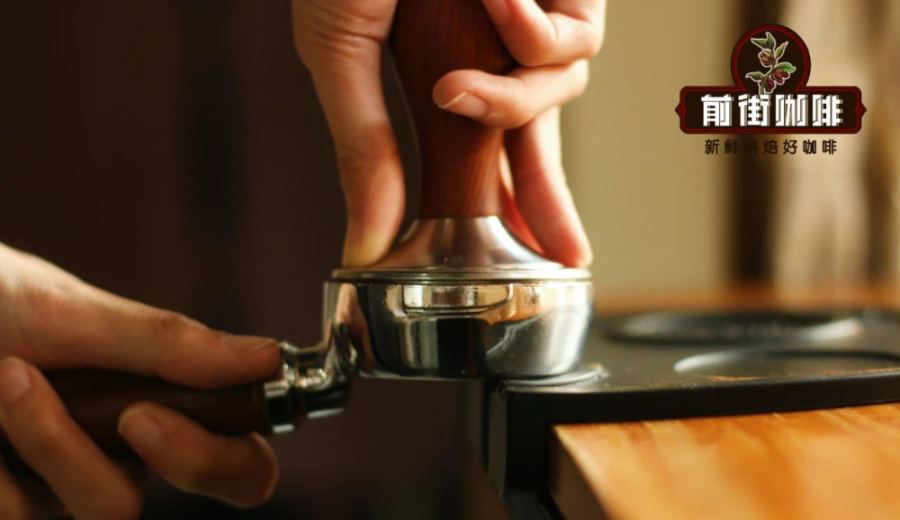
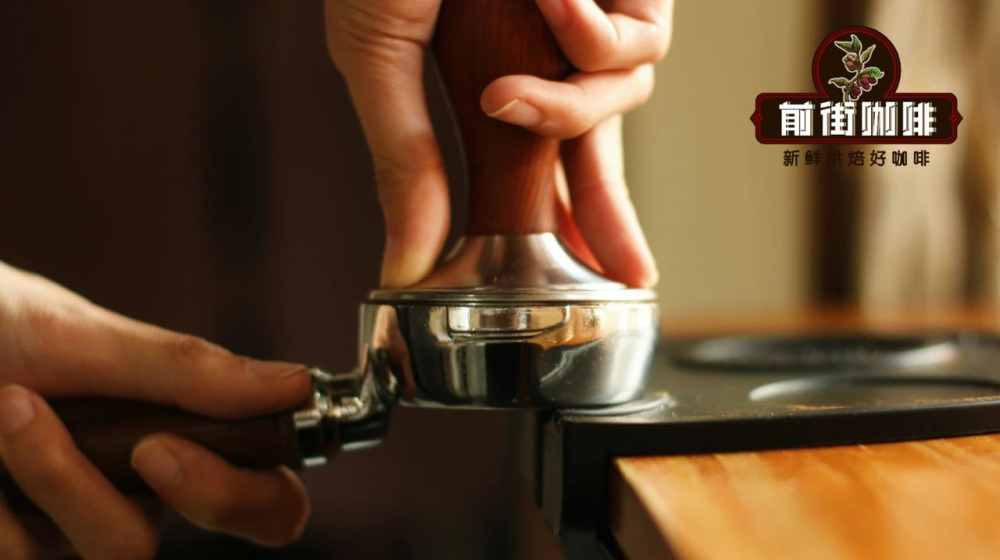
Before the actual extraction, ensure the portafilter is dry, and distribute the coffee grounds evenly and tamp them firmly. This helps stabilize the flow rate and maintain consistent extraction. When steaming milk, it is recommended to use about 240 ml of milk for a 300 ml latte, as the volume of milk slightly increases during steaming. During the steaming process, first purge the steam wand to remove condensation, then submerge the steam tip just below the milk surface to perform the stretching and rolling stages separately, ultimately achieving smooth and glossy microfoam.
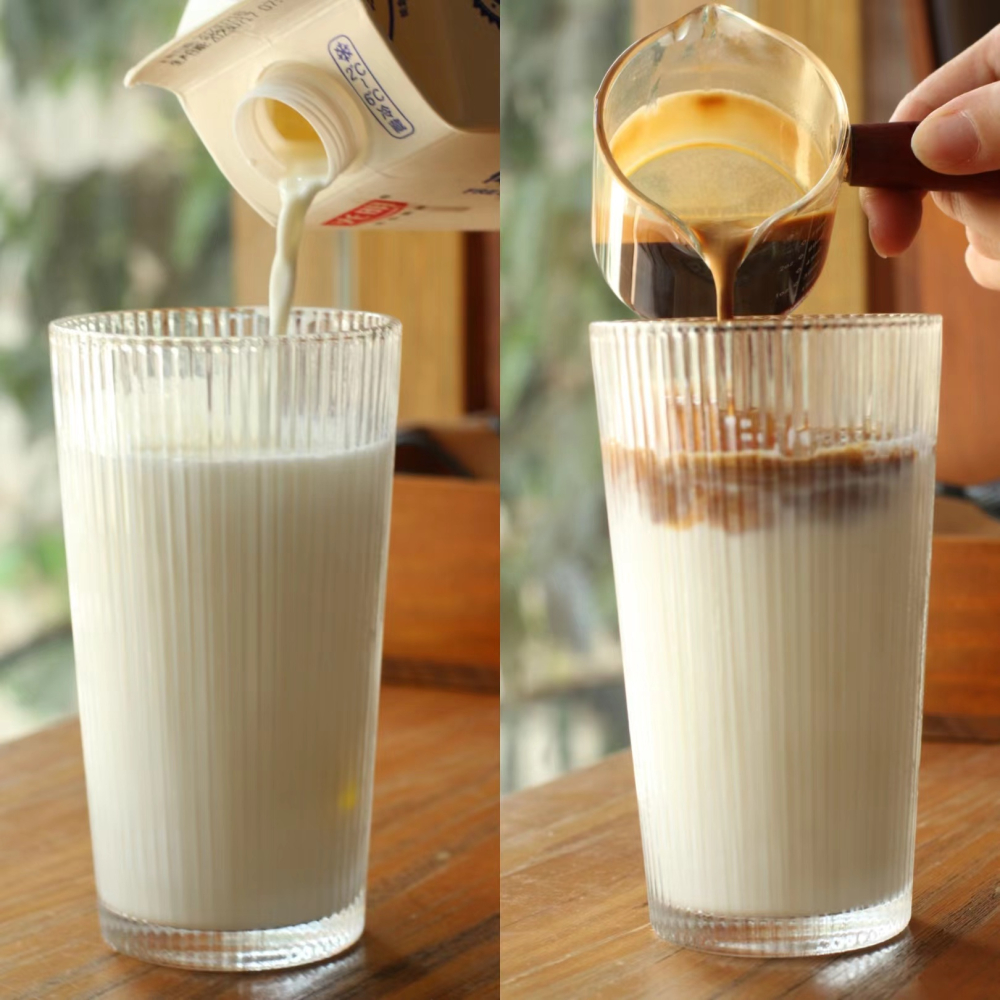
Finally, combine the steamed milk with the espresso and perform the latte art. It is recommended to start by integrating the milk and coffee quickly from a slightly higher position until the cup is about 70% full, then lower the height and use the buoyancy of the microfoam to create latte art. Common beginner patterns such as a heart can be achieved through steady arm movements. Additionally, to make an iced latte, simply pre-chill the cup with ice cubes—about 100 grams of ice and 180 ml of milk—and pour in a shot of espresso. The recommended coffee-to-milk ratio is between 1:4 and 1:8, which can be adjusted according to personal taste or the characteristics of the coffee beans.
In summary, the charm of latte coffee lies in its simple yet layered combination. From bean selection and grind size to brewing parameters, as well as milk steaming and integration, each step influences the final flavor and texture. Whether you are a coffee novice or an enthusiast looking to refine your skills, mastering these basic elements allows you to enjoy a professional-level latte experience at home.



The above content is compiled by CoffeeHunters, a coffee news website.


