







Introduction:Want to enjoy professional-grade coffee flavors at home but not sure which coffee machine to start with? This article provides an in-depth analysis of common home coffee machine types, including models that can brew rich espresso and easy-to-use American drip coffee makers. It also selects a variety of coffee beans suitable for different brewing methods, offering a comprehensive beginner’s guide from equipment selection to bean pairing to elevate your home coffee experience.
The widespread availability of coffee machines has made it possible to brew a great cup of coffee beyond just cafés—whether at home, in the office, or in commercial spaces. Various models and functions continue to evolve and improve. Since the first coffee machine was introduced in 1818, modern home coffee machines have developed diverse designs over more than two hundred years to meet different brewing needs and flavor preferences.
Currently, mainstream home coffee machines are broadly divided into two categories: those focused on concentrated extraction,espresso machines,and those using the drip method,American coffee machines.These two types differ significantly in brewing principles, suitable bean types, and final flavor profiles. Understanding these characteristics can help you choose the model that best fits your needs.
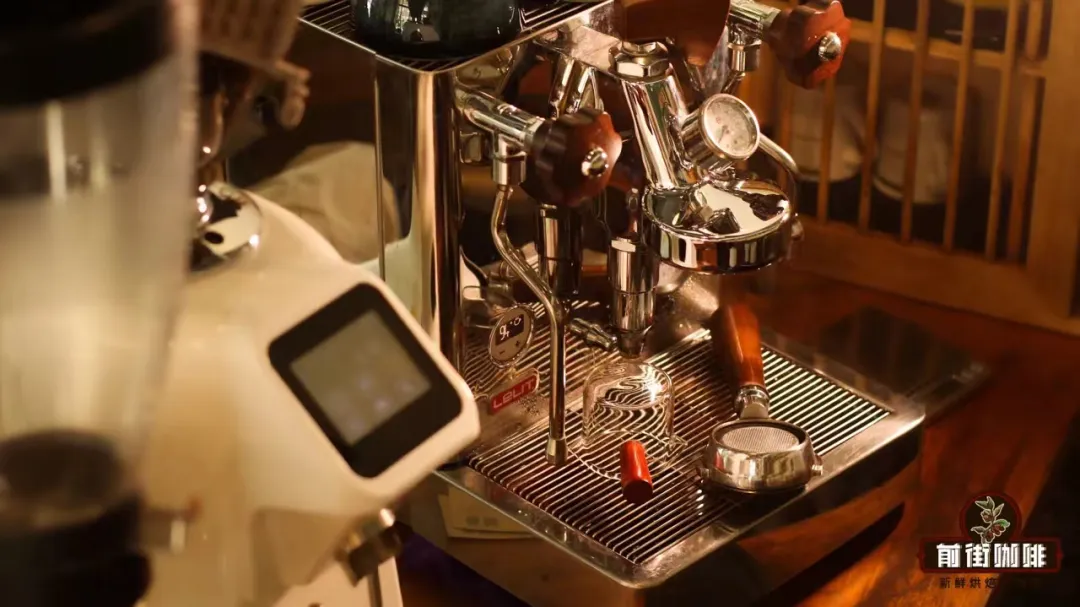
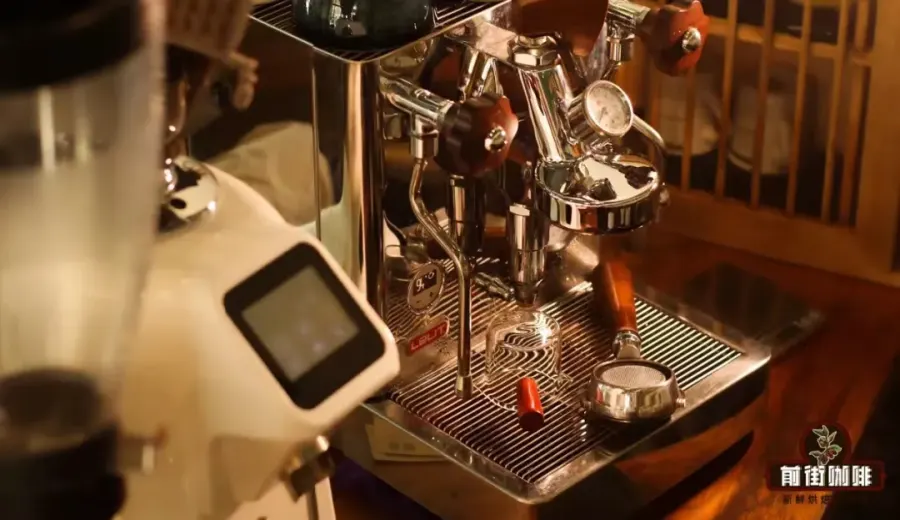
Espresso MachineTypically equipped with a high-pressure boiler system, it uses near-boiling water under high pressure to penetrate finely ground and evenly tamped coffee puck, quickly extracting about 30ml of concentrated coffee liquid. This process forms a layer of golden to brown, fine and creamy coffee crema, adding unique aroma and texture layers to the drink.
These coffee machines can be divided by operation method intosemi-automaticandfully automatictypes. Semi-automatic models usually come with one or more group heads, suitable for scenarios requiring quick, high-volume extraction, such as commercial use. Fully automatic models have built-in grinding and brewing procedures, automating everything from coffee bean grinding to the final extraction, making them ideal for home users seeking convenience.
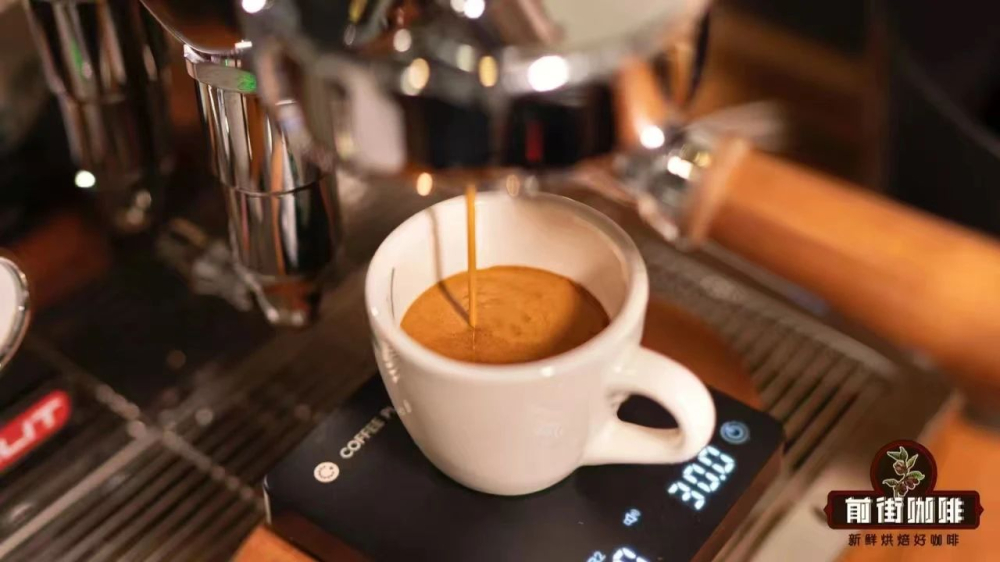
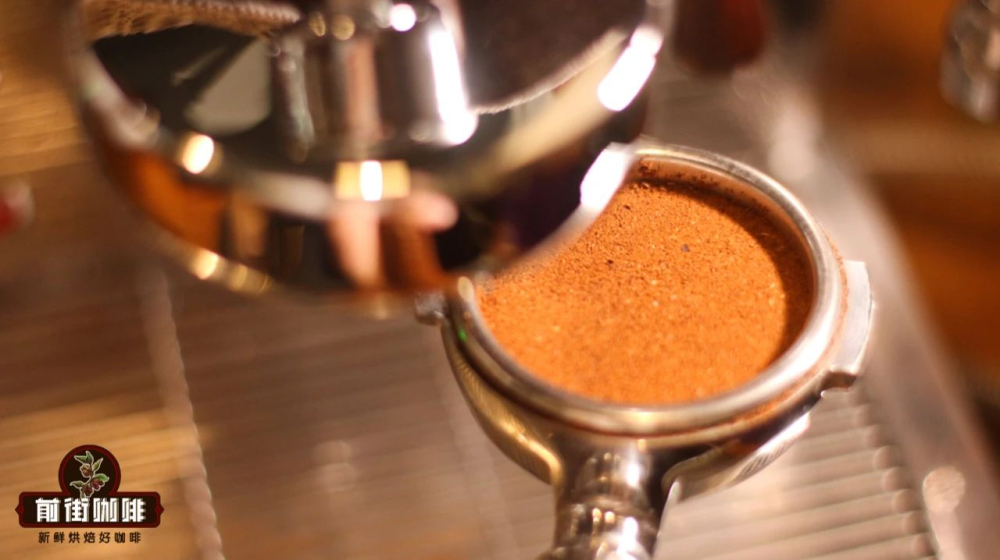
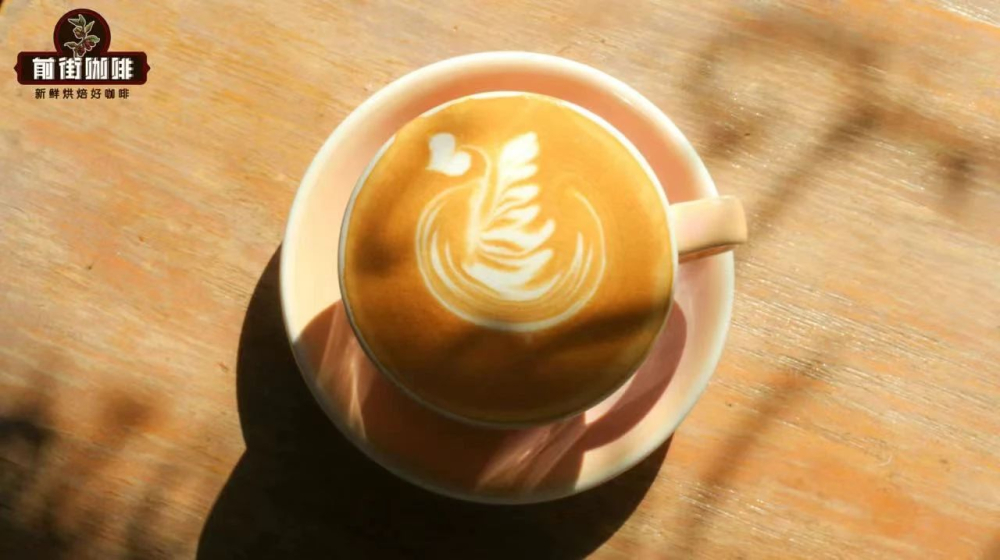
To successfully brew an ideal espresso, it is recommended to choosemedium to dark roastedcoffee beans. These beans, due to their dense structure and bold flavors, can better withstand high-pressure extraction while also more easily producing rich crema. By adjusting the recipe, espresso can also be used to create various classic coffee drinks—for example, adding hot water makes an Americano, or combining with milk creates lattes, cappuccinos, and more.
For varying flavor preferences, there are many coffee beans suitable for espresso extraction available on the market. For instance, blends combining beans from Costa Rica, Colombia, and Ethiopia offer layers of rose, grape, and almond notes, with balanced acidity and sweetness, suitable for summer drinking. Other blends emphasize caramel sweetness and nutty tones, balancing acidity and bitterness with a long aftertaste, perfect for making various milk-based coffees. There are also more neutral options with milder flavors and moderate crema, suitable for everyday use with various drinking habits.
If you prefer a simpler operation without the need for high-pressure extraction,American coffee machines (Electric Drip Coffee)are a good choice. These machines mostly feature a two-tiered structure, using gravity to guide hot water through coffee grounds in a filter to complete extraction. Although they lack pressurization, they have a low learning curve and are suitable for beginners or users who prefer hassle-free brewing.
The advantages of American coffee machines include a wide variety of models, ranging from compact and simple versions to multifunctional options, and flexible capacity that can brew a single cup or multiple cups based on need. Because there is no high-pressure extraction process, there are fewer restrictions on the roast level and processing method of the coffee beans, allowing users to freely choose bean types according to personal taste. However, it should be noted that since extraction time is not always precisely controlled, some models may release slightly higher levels of caffeine.
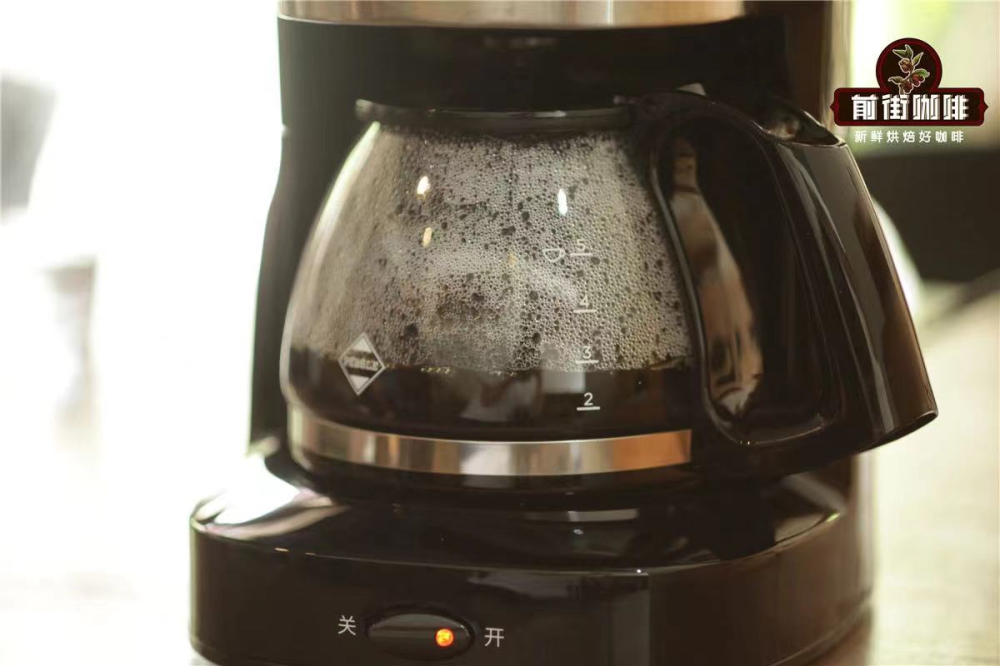
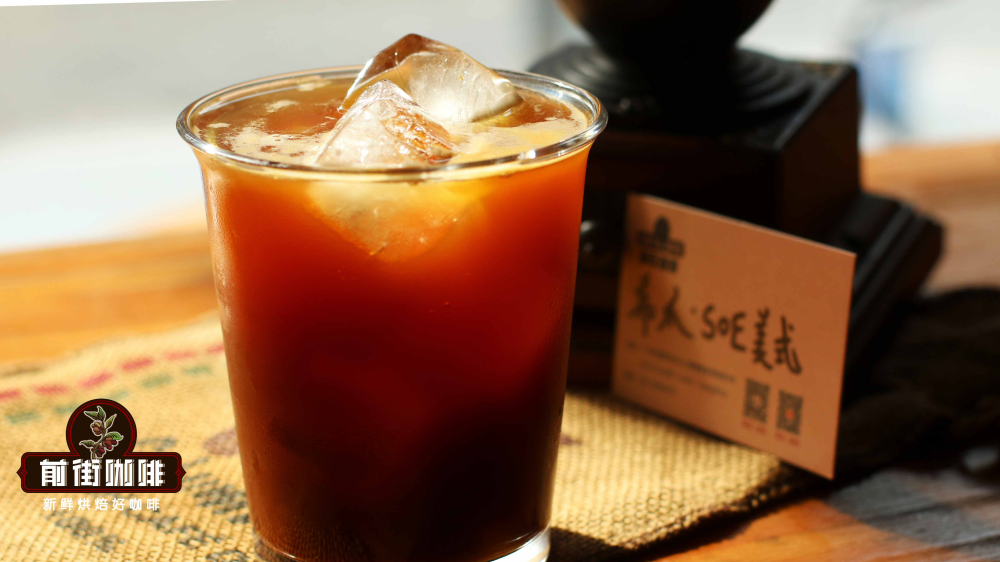
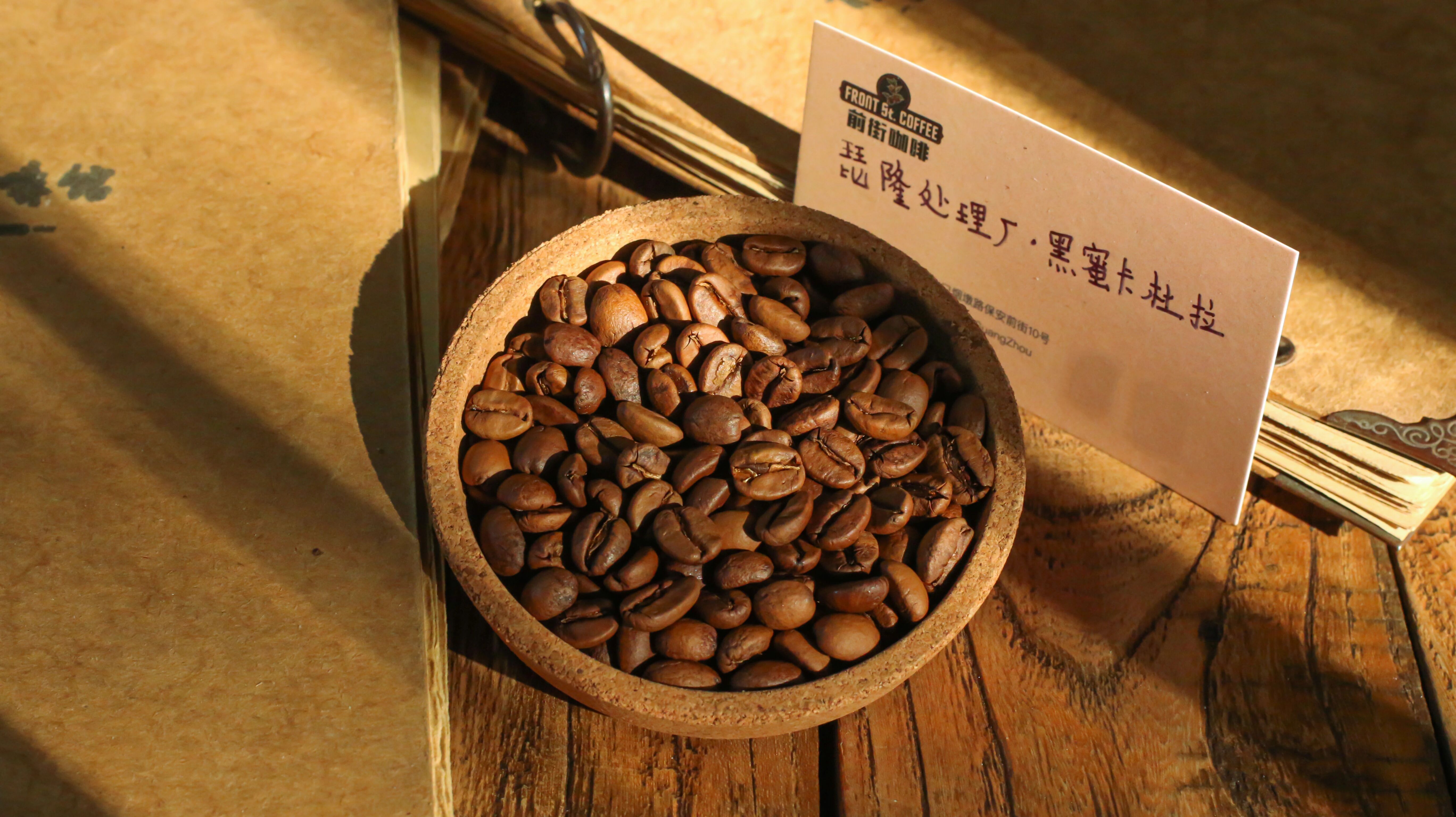
For American drip machines, it is recommended to choose beans with bright flavors or suitable for medium-light roasts, which can better highlight fruity acidity and aroma layers. Here are a few coffee beans recommended for drip brewing: beans from Colombia’s Huila region, processed with double anaerobic sun-drying, offering vibrant fruit aromas like passionfruit, grape, and apricot, suitable for users who enjoy fresh acidity. There are also beans from Costa Rica’s Tarrazú, using the black honey process on the Caturra variety, which retains rich mucilage, delivering intense blueberry, grape juice, and fermented wine flavors, with a bold and sweet profile.
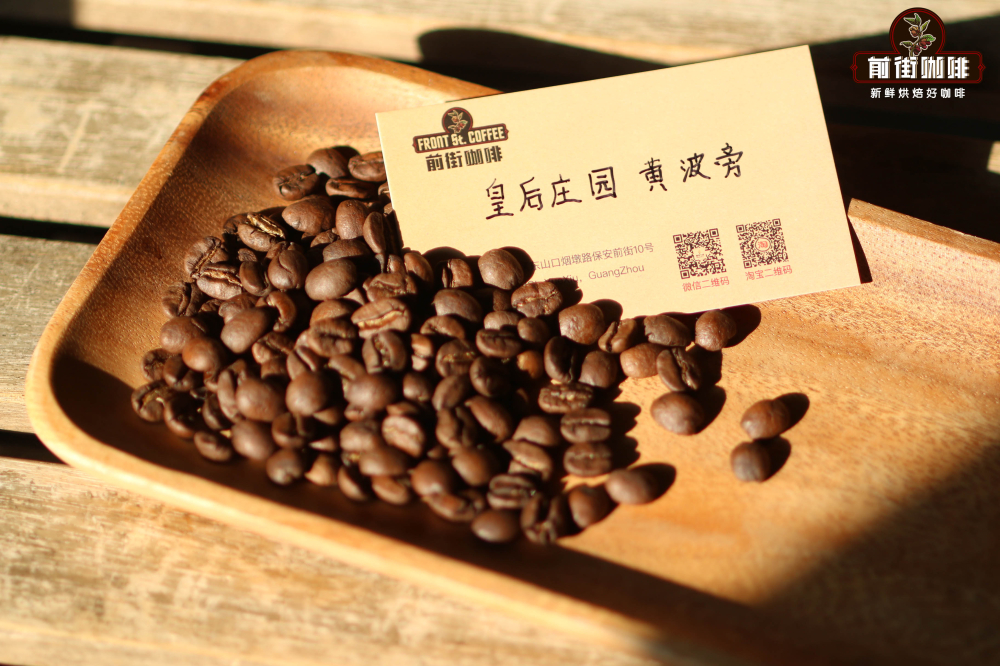
If you prefer a rich and full-bodied coffee experience, consider Brazil’s Yellow Bourbon variety, which, after sun-drying, showcases creamy, peanut, and cane sugar sweetness, with a smooth and full aftertaste—ideal for users who enjoy bold bitter notes and nutty flavors. Different processing methods and roast levels directly affect the final extraction flavor. It is recommended to select the most compatible bean type based on the characteristics of your home coffee machine and personal preference to enhance the overall brewing experience.
The above content is compiled by CoffeeHunters, a coffee news website.


