







Introduction:Want to recreate café-quality lattes at home? This article will delve into the golden ratio for lattes, the ideal choice of espresso beans, and the key techniques for extraction and latte art. From the roast level and resting period of the coffee beans to the perfect balance between milk and espresso, we’ll guide you step-by-step through the secrets of making a rich and smooth latte — even beginners can master it with ease.
Many coffee enthusiasts often wonder: why does the latte I make at home never taste quite like the one from a café, even when using the same coffee beans? In fact, traditionally, a latte refers to a combination of coffee and milk, but thanks to Starbucks’ influence, today most people associate lattes with espresso plus milk. If you want to make café-style lattes at home, mastering your choice of coffee beans, extraction ratios, and latte art techniques is key.

First, to make a great-tasting latte,the pairing of coffee beans and milkis crucial. The quality of the espresso directly impacts the overall flavor, while the temperature and frothing level of the milk determine the latte’s creaminess and texture layers. As long as you get the rightespresso extraction parametersandcoffee-to-milk ratio, you can easily make a flavorful latte at home.

To make a standard latte, you typically need one shot of espresso (about 30 ml) paired with 150 to 240 ml of hot milk, with a ratio roughly between1:4 to 1:8, which can be adjusted to personal taste. For a stronger flavor, go for 1:4; if you prefer a milk-forward taste, adjust it to 1:7 or 1:8. It’s worth noting that the choice of coffee beans significantly affects the overall flavor profile. Below are some recommended espresso blends suitable for making lattes.

Classic Dark Roast BlendIdeal for those who enjoy a bold flavor, this blend usually features notes of chocolate, cocoa, and toasted bread, along with a rich crema — making it perfect for lattes. If you prefer coffee with fruity and floral notes, you might opt for amedium-roast espresso blend, which often exhibits aromas of berries and buttery cookies, with a balanced acidity and sweetness that create distinct layers when mixed with milk. Additionally,balanced blendscombine flavors of nuts and dark chocolate, making them a favorite among many home users; whilecommercial-grade blendsare favored by many coffee lovers for their high cost-performance ratio and consistent performance.


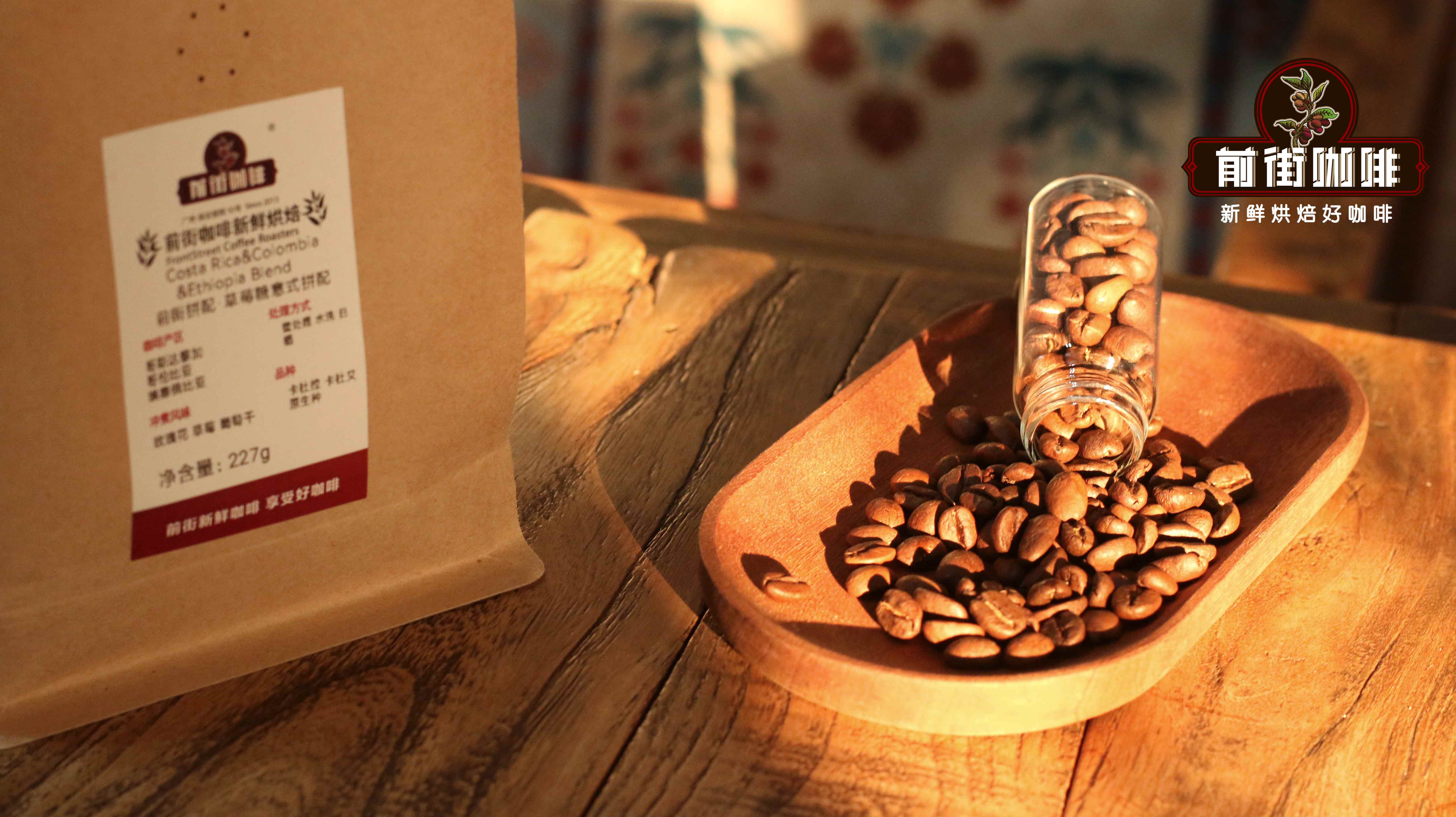


After roasting, coffee beans usually require aresting period of 10 to 14 daysto reach their optimal flavor. Freshly roasted beans contain high levels of carbon dioxide, which can affect extraction stability, so it’s recommended to let them sit for a few days before use. Most espresso beans have a best-before period of about50 days, and it’s advisable to use them within this time frame to ensure the best flavor experience.
Besides the coffee beans,the selection and preparation of milkare also key factors. Whole fresh milk, with its rich milk fat, produces fine and velvety microfoam when steamed — making it the top choice for lattes. It’s recommended to heat the milk to60 to 65°Cand use a milk pitcher to create evenly fine and smooth foam with moderate thickness, which helps with both latte art and texture.

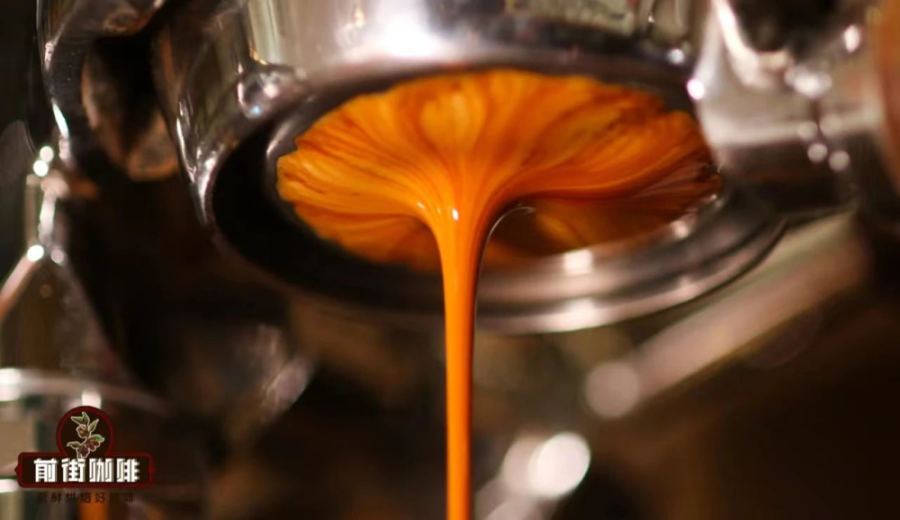
Regarding espresso extraction,the recommended coffee-to-water ratio is 1:2, meaning 18 to 20 grams of coffee grounds should yield 36 to 40 ml of espresso, with an extraction time controlled at25 to 30 seconds. Stable extraction parameters ensure a rich crema and balanced flavor, avoiding issues like over-extraction or under-extraction. When using a home espresso machine, although its performance may not match commercial models, as long as you get the parameters right, you can still produce high-quality espresso.
Finally, why do café lattes always taste better? The secret lies in continuous adjustments and optimization. Every element — from the type of coffee beans and milk temperature, to espresso extraction parameters and the coffee-to-milk ratio — is fine-tuned through repeated testing to find the best combination for the shop’s flavor profile. So if you hit a wall when making lattes at home, try gradually adjusting each variable to find your own perfect latte ratio.


The above content is compiled by CoffeeHunters, a coffee news website.


