







Introduction:Pour over coffee may seem simple, but it hides many details that affect flavor. This article will guide you through the core essentials of pour over brewing, including how to choose single-origin beans suitable for beginners, practical pairings of key extraction parameters (brew ratio, water temperature, grind size, and time), and how pouring techniques influence flavor. Whether you're a beginner just getting into pour over or an enthusiast looking to improve your brewing skills, you'll find useful tips to elevate your coffee quality here.
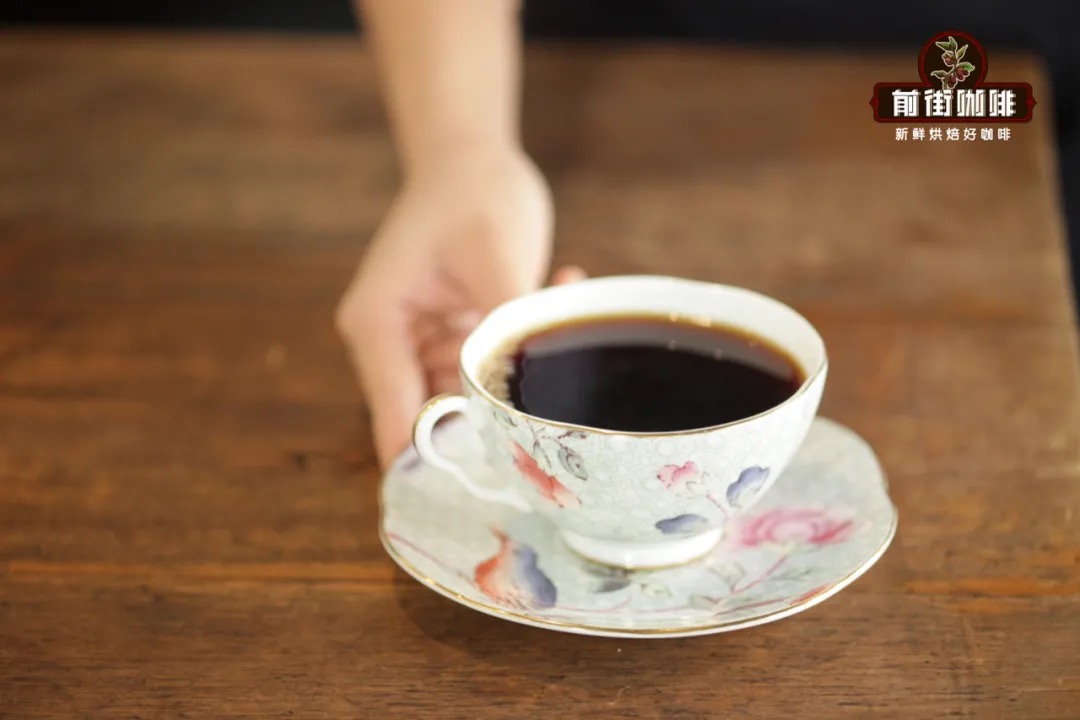
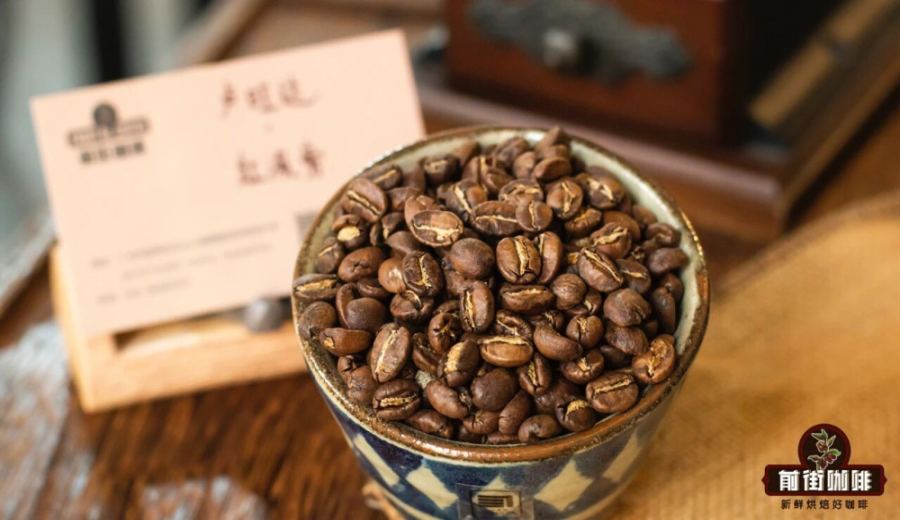
Pour over coffee is a type of drip filtration extraction, where coffee grounds are filtered through a filter cone and paper, resulting in a clean and clear coffee liquid. It typically uses single-origin coffee beans, but with so many options on the market, how do you find the beans that suit you? The key lies in starting with flavor—especially for enthusiasts sensitive to bitterness, it’s recommended to prioritize medium to light roasted beans.
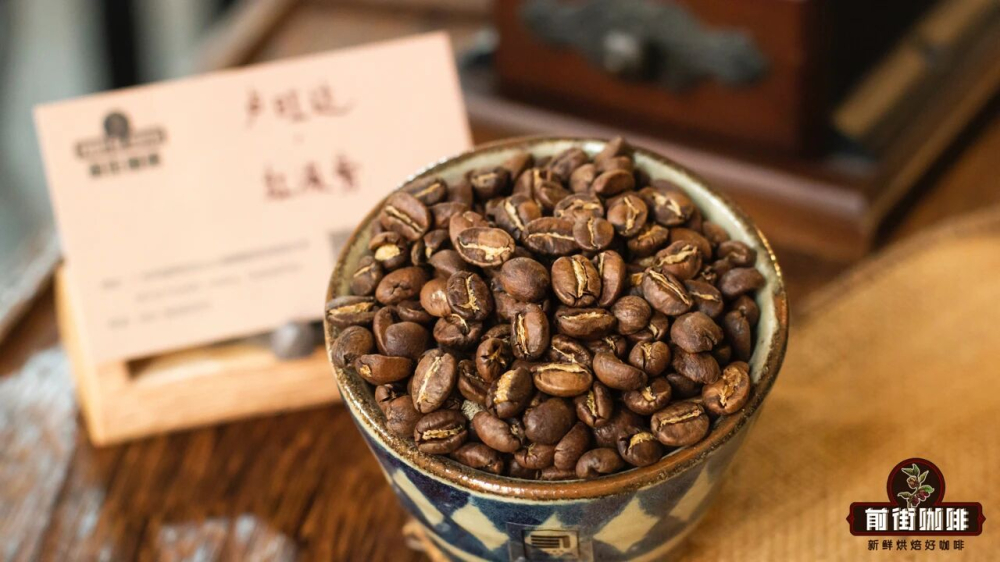
When selecting beans, flavor is the most intuitive reference. Don’t like bitter or astringent tastes? Medium to light roasted beans often bring brighter acidity and richer layers. For example, if you’re seeking fresh floral notes, consider beans with berry or citrus profiles; if you prefer intense fruitiness, tropical fruits and strawberry flavors can be great choices. Beans from different regions, due to variations in processing methods and roast levels, present unique flavor combinations—this is also part of the charm of pour over.
Many people sit in coffee shops, watching baristas smoothly brew a delicious cup of coffee, yet they can’t seem to achieve the same ideal flavor at home, and start to wonder if it’s a technique issue. In reality, besides the pouring method, **the four key parameters—brew ratio, water temperature, grind size, and extraction time—are what truly affect the taste of coffee**. Any slight adjustment in any of these aspects can change the final flavor profile.
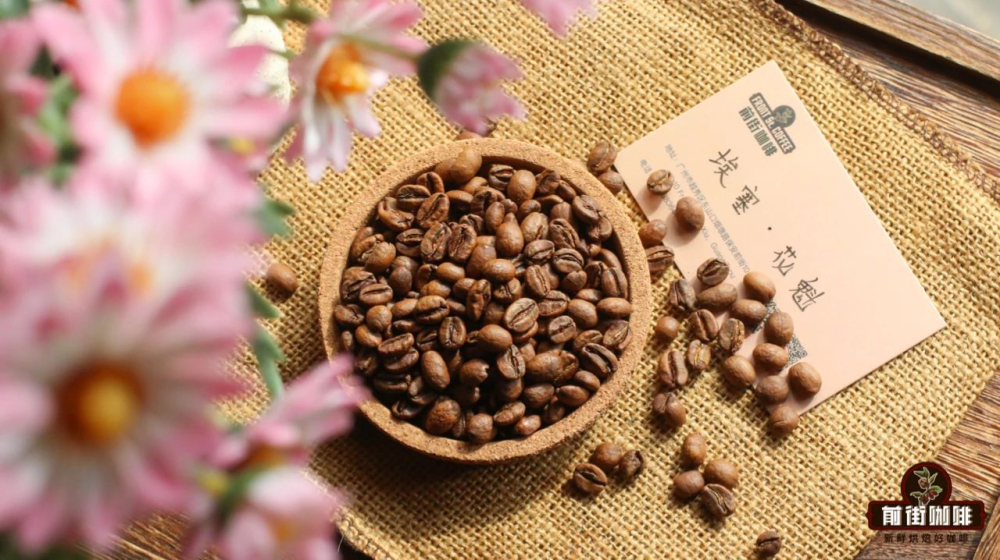
Let’s start withBrew Ratio—that is, the ratio of the amount of coffee grounds to the amount of water poured. The higher the ratio, the lighter the coffee; the lower the ratio, the stronger the flavor. For accuracy, it’s recommended to use an electronic scale. Based on multiple tests, when other parameters are stable, **a 1:15 brew ratio (e.g., 15 grams of coffee to 225 milliliters of water)** can balance concentration and flavor complexity. If the brewed coffee is too strong or too weak, check whether the grind size, water temperature, or extraction time are well-matched.
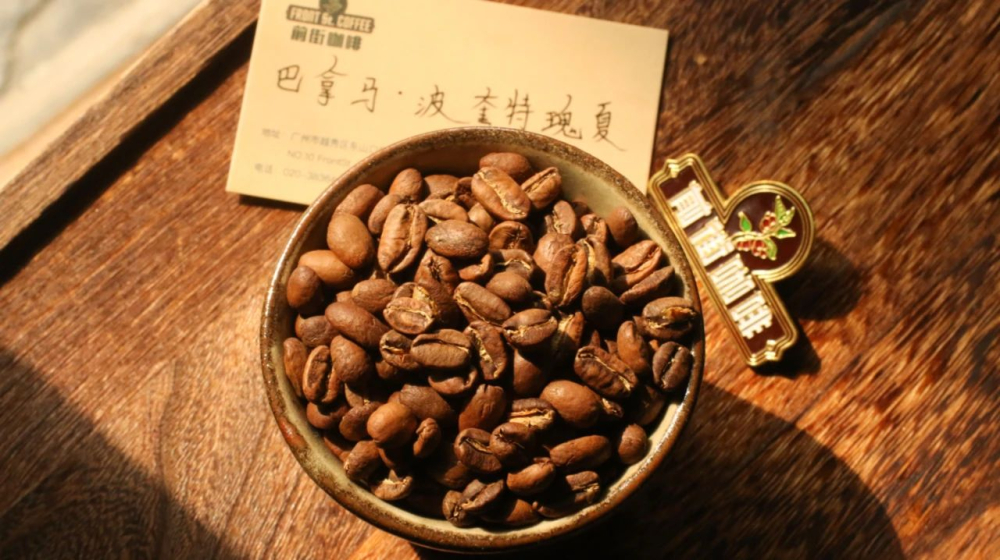
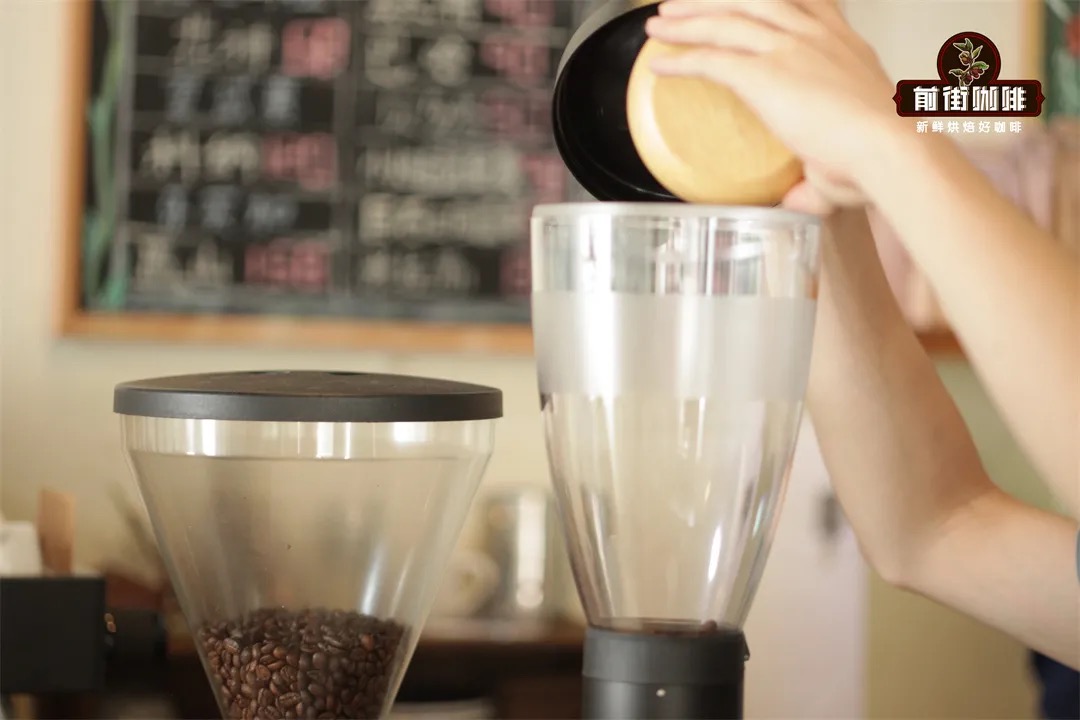
Grind Sizedirectly affects the surface area of the coffee grounds, which in turn determines extraction efficiency. The finer the coffee grounds, the greater the contact area with water, and the stronger the flavor; conversely, the flavor will be lighter. However, it’s important to note that different roast levels require different grind sizes: medium to light roasted beans have a less dense structure and can withstand more extraction, so it’s recommended to use **grounds that pass 75%-80% through a 0.85mm Chinese No. 20 standard sieve (similar to fine sugar)**; medium to dark roasted beans have a denser structure and are not tolerant to over-extraction, so **grounds with a 68%-73% pass rate (similar to coarse sugar)** are more suitable. If your grinder doesn’t have clear markings, you can adjust based on the appearance of the grounds.
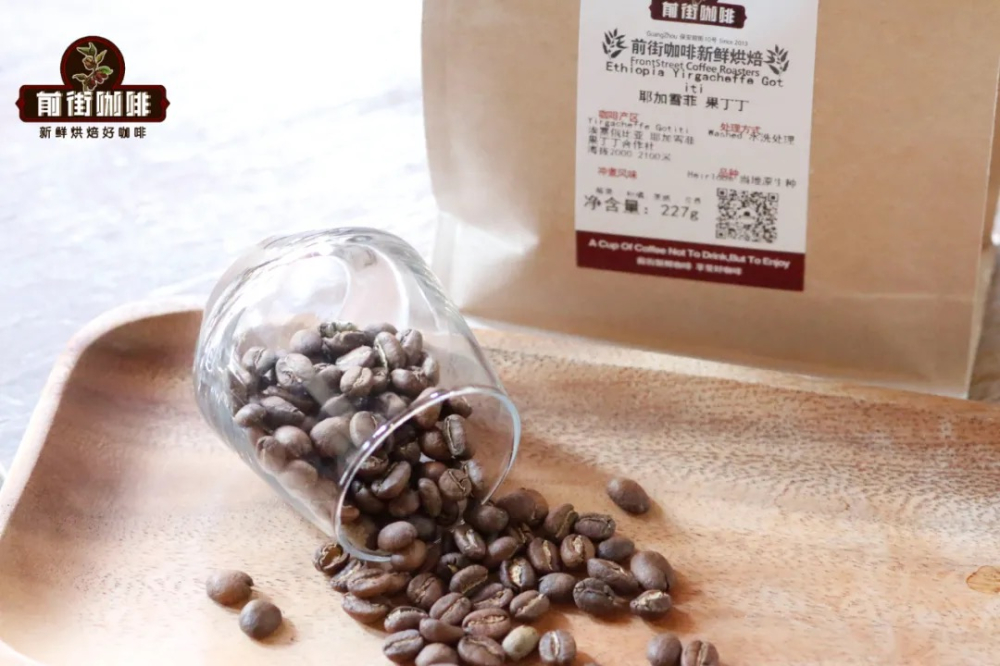
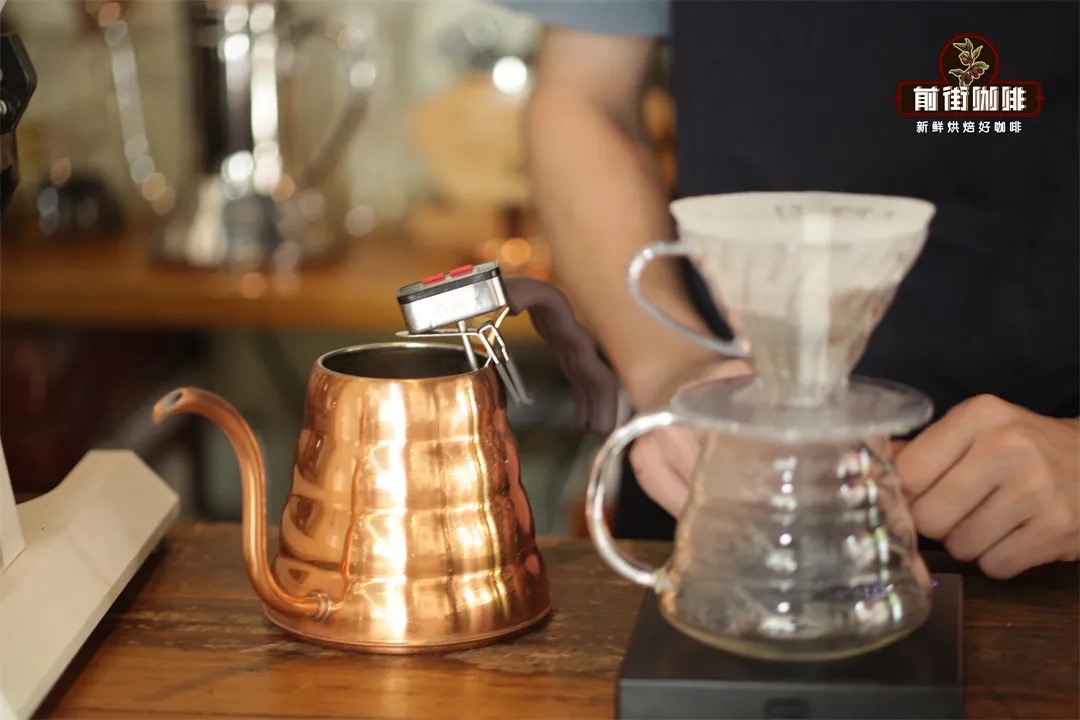
Brewing Water Temperatureis another important variable. The higher the water temperature, the faster coffee compounds dissolve, resulting in a stronger flavor; lower temperatures yield a milder taste. Combining this with the above grind size recommendations, medium to light roasted beans (which can withstand more extraction) can use **water temperatures of 90-93°C** to fully release floral and fruity acidity; medium to dark roasted beans (which are less tolerant to extraction) are better suited to **87-89°C** to avoid bitterness from over-extraction. In practice, you can use a thermometer to measure the temperature, or estimate it based on the material of the kettle (e.g., stainless steel kettles have better heat retention).
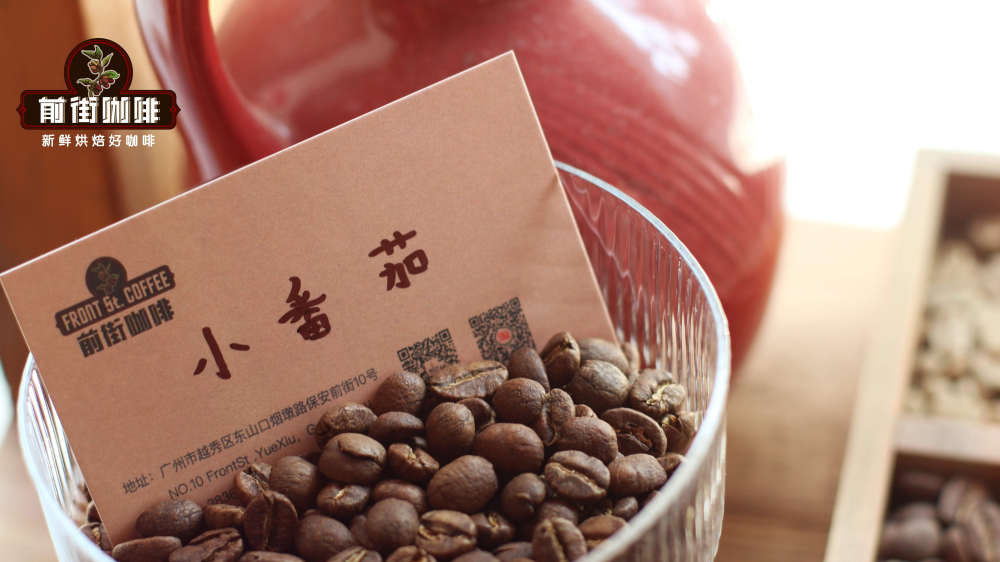
Extraction Timerefers to the total duration from the start of pouring until the filter cone is removed, usually representing the contact time between water and coffee grounds. The longer the time, the more flavor compounds are extracted, and the richer the taste; the shorter the time, the lighter the flavor. Although there’s no absolute standard, experience shows that **the ideal extraction time for 15 grams of coffee is 1 minute 50 seconds to 2 minutes 20 seconds**. If the time is too short, under-extraction may occur (resulting in a thin flavor); if too long, over-extraction may result (with prominent bitterness). This needs to be adjusted comprehensively based on brew ratio, grind size, and water temperature.
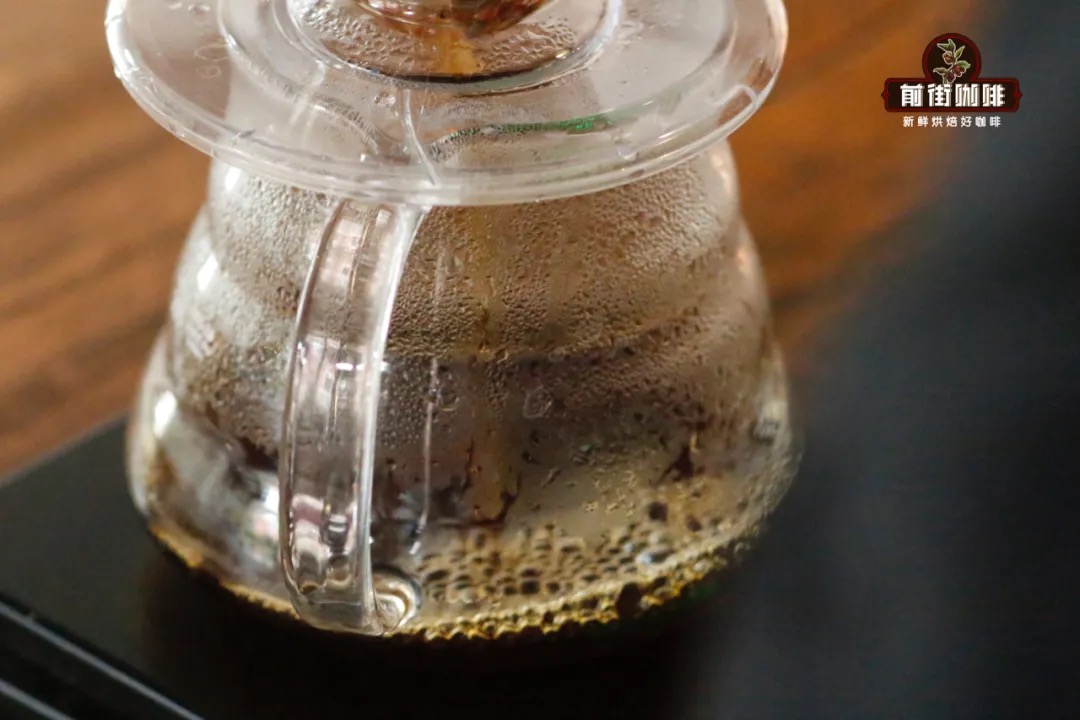
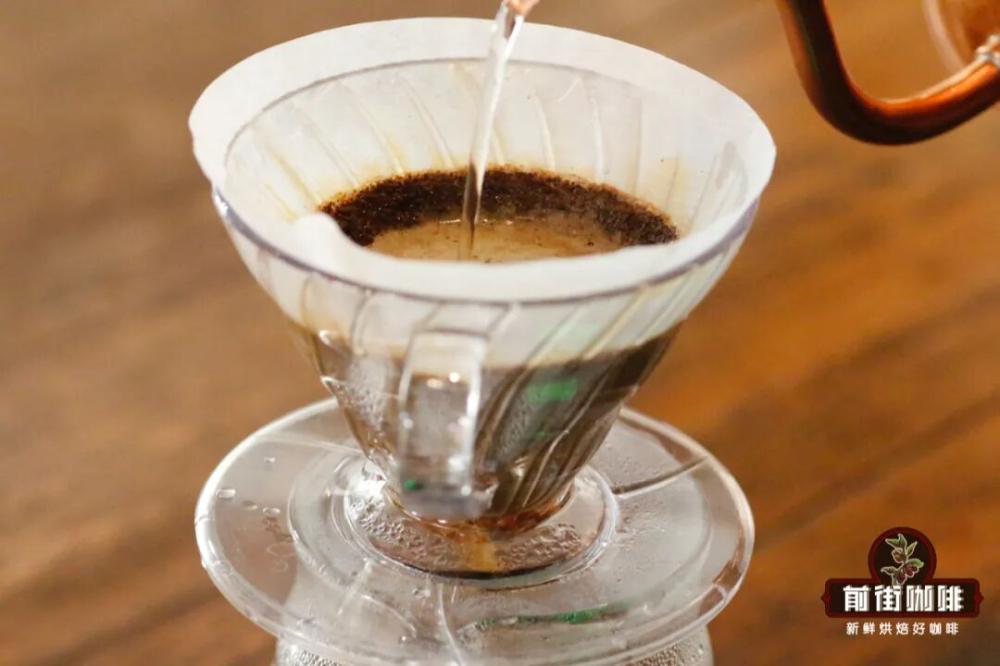
How does pouring technique affect flavor? Essentially, it regulates the extraction rhythm by controlling the flow rate and the number of pours. A common three-pour method (center pour → circular pour → center finish) can, under stable parameters, fully extract the bright acidity of the early stage and the sweetness of the middle stage, while moderately bringing out the body of the later stage. Beginners don’t need to pursue complex techniques—the focus should be on **evenly extracting 15 grams of coffee within 1 minute 50 seconds to 2 minutes 20 seconds**, avoiding localized over-extraction or under-extraction. Keeping the water flow stable and the pouring height moderate (about 5-10 centimeters) can effectively improve extraction uniformity.
In summary, the key to pour over coffee lies in understanding the relationship between parameters and flavor. Start by choosing medium to light roasted single-origin beans, then use a 1:15 brew ratio, appropriate grind size (adjusted according to roast level), water temperature around 90°C, and control the extraction time within 1 minute 50 seconds to 2 minutes 20 seconds, along with a stable pouring technique. Even beginners can gradually brew clean, layered, and high-quality coffee. Remember, pour over is a combination of science and art—experiment more, record each set of parameters, and you’ll find your own optimal flavor.
The above content is compiled by CoffeeHunters, a coffee news website.


