







Introduction:Many coffee enthusiasts often struggle to accurately describe coffee flavors or believe that flavor identification is akin to mysticism. This article systematically analyzes the core logic of professional coffee tasting, breaking down the five key evaluation dimensions: aroma, overall impression, mouthfeel texture, flavor layers, and aftertaste persistence. It provides actionable tasting methodologies. Specifically for single-origin pour over coffee, it supplements techniques for building a flavor memory bank and avoiding common pitfalls, helping readers establish an objective evaluation system.
Many coffee consumers have reported to professionals that, despite having studied flavor description guides, they still find it difficult to match the written descriptions with their actual taste experiences. This difficulty stems from the cognitive bias of equating "flavor description ability" with "tasting ability." True coffee tasting should encompass multi-layered skills such as sensory evaluation, quality judgment, and the balance of personal preferences.
The primary difference between professional tasting and public perception is this: flavor vocabulary is merely a tool to aid communication, not a benchmark for judgment. Just like the "blackcurrant aroma" in wine, it is essentially a metaphor used to establish a common language. The key is to understand that even if you cannot identify a specific flavor, you can still judge coffee quality through other dimensions. Beginners are advised to first establish a systematic observation framework of "aroma, overall, mouthfeel, taste, and aftertaste."

Building a flavor memory bank requires long-term accumulation. The human palate’s ability to recognize unfamiliar aromas relies on existing experience—for example, to capture the "green apple acidity," one must have a clear memory of the balanced sweet-tart sensation of a fresh green apple. In daily life, you can purposefully taste various fruits, nuts, and fermented foods. It is recommended to create a flavor comparison chart to record your personal perceptions. This is an essential process for professional baristas to develop sensory acuity.
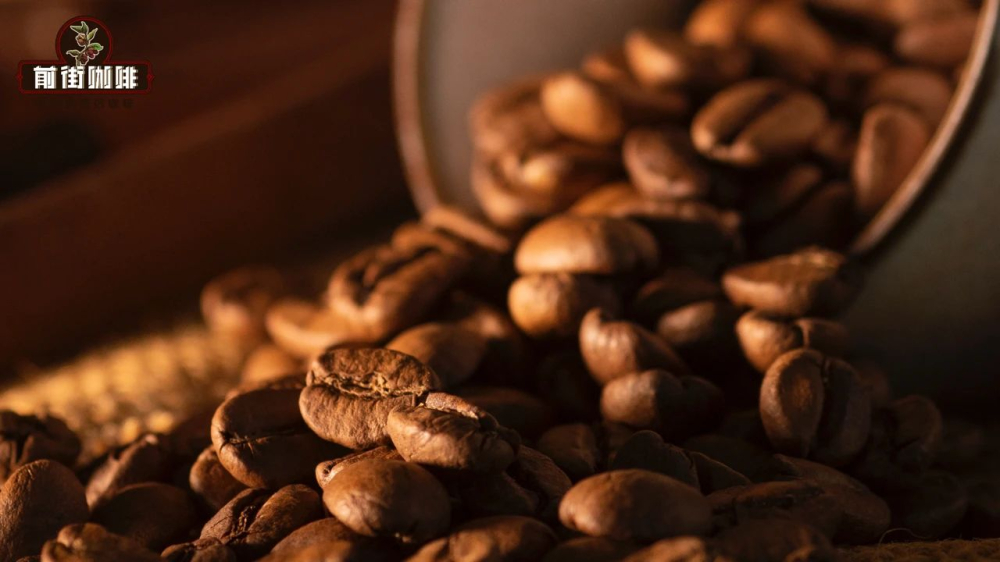
Aroma evaluation is divided into two stages: the dry fragrance before grinding and the wet aroma after pouring water. Light roasts often exhibit bright-type aromas: such as the malty sweetness of toasted bread, citrusy floral notes, and berry jam-like scents; dark roasts showcase products of caramelization reactions—such as the oily aroma of roasted nuts, the bittersweetness of dark chocolate, and the smokiness of pine wood. Pay special attention to identifying off-odors: raw bean smell (similar to peanut skin), herbal notes (an off-putting ginseng-like aroma), rubbery burnt smells, etc., which often indicate issues with roasting or storage.
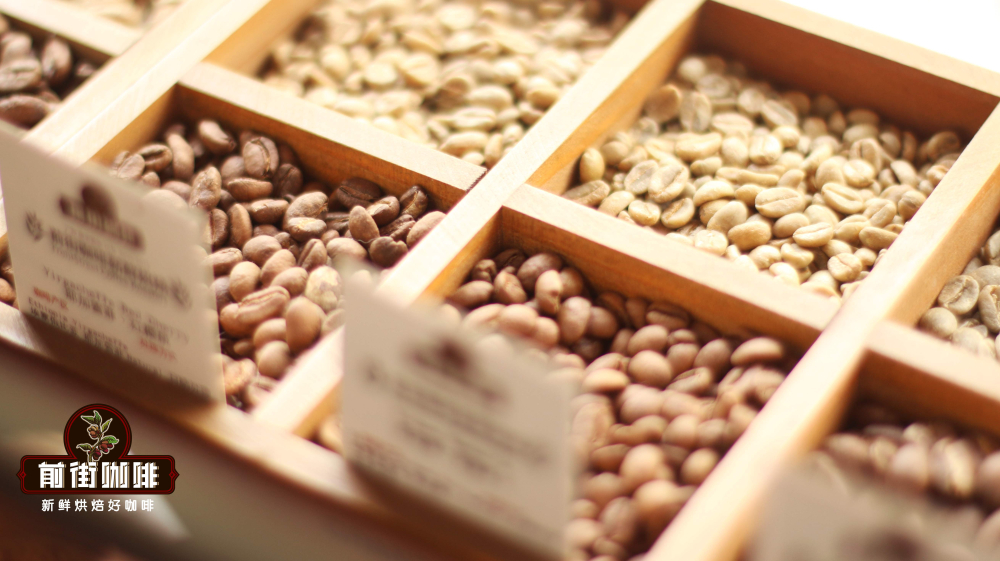
The first sip’s overall impression determines the coffee’s basic drinkability. High-quality coffee should possess "purity" (free from off-flavors), "balance" (harmonious acidity, bitterness, and sweetness), and "appropriate strength" (neither too light nor too heavy). Subjective preference drinkers may choose based on personal taste, but professional evaluation requires actively seeking flaws: such as astringency lingering on the tongue, smoky charred notes in the aftertaste, or unnatural chemical sweetness. It is recommended to use a "defect checklist comparison method," systematically eliminating common issues.

Mouthfeel texture can be described by comparing it to water: a thin sensation similar to water is called "wateriness," often seen in cases of over-extraction or excessive fine particles; a rough, frictional sensation that hinders swallowing is "astringency"; the ideal state should exhibit "body" (like the fullness of whole milk) or "silky smoothness" (the flowing texture of high-grade filter coffee). In professional terminology, Body is categorized into three levels: light, medium, and full, with tactile adjectives for greater precision.
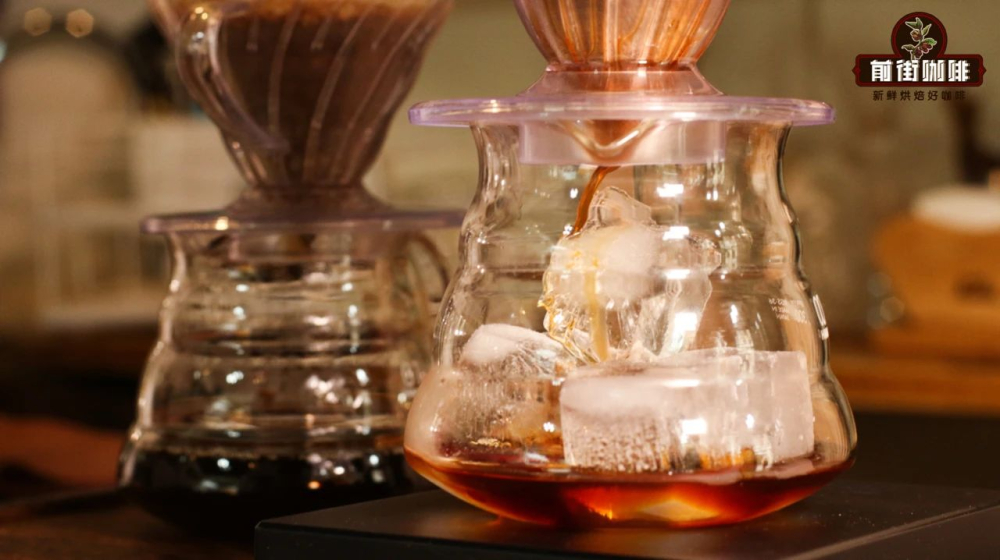
Flavor layer analysis requires establishing a basic taste coordinate system: strong bitterness or sharp acidity that is easily detected at first, which, with growing experience, gradually allows one to distinguish the vibrancy of high-quality acidity (like the bright acidity of berries) and the mellow qualities of bitterness (similar to the roundness of dark chocolate). Focus on training sweet taste recognition—high-quality coffee, even if distinctly acidic or bitter, should still carry a sugary sweetness in the aftertaste. It is recommended to compare different processing method beans side by side to reinforce flavor difference memory.
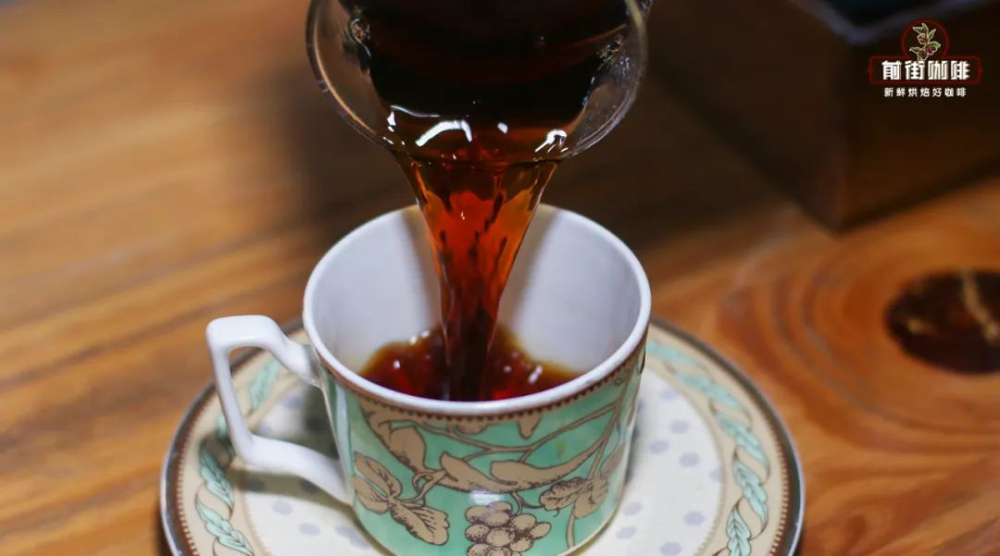
Aftertaste is the hidden scoring item in tasting. Negative aftertastes include: persistent burning bitterness, overly fermented sourness, or metallic oxidation rustiness; neutral performance is characterized by a rapid dissipation of taste; high-quality aftertaste should present a gradually unfolding layered experience: initial mild sweetness, mid-stage emergence of floral-fruit aromas or caramel sweetness, and final retention of a clean, refreshing mouthfeel. Observing the duration of the aftertaste can serve as a reference indicator of quality.
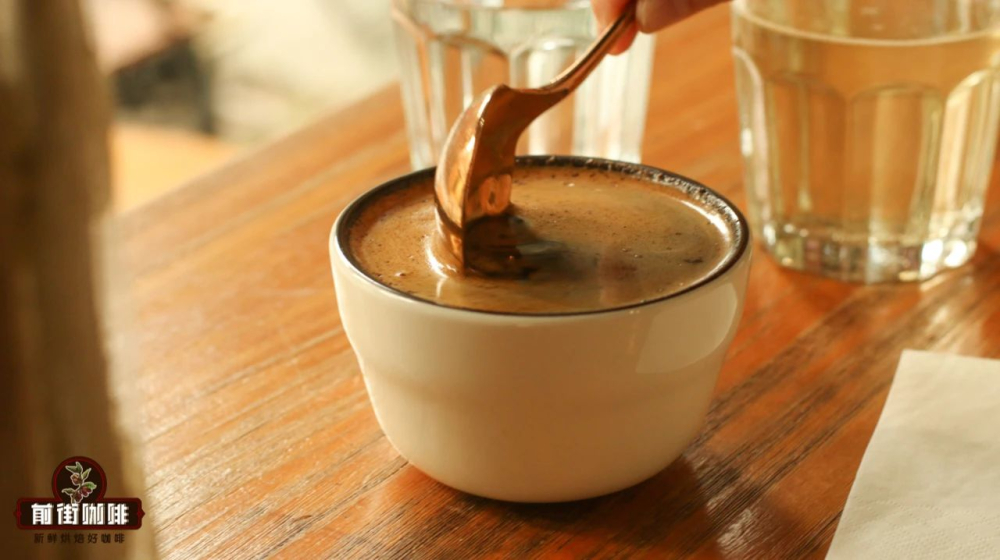
The essence of flavor description is the translation of sensory experience. The inability to recognize tutorial vocabulary usually stems from two reasons: one is insufficient flavor library reserves, and the other is excessive pursuit of standard answers leading to self-doubt. Solutions: in the beginner stage, one can start by associating with basic taste types (citrus, stone fruit, caramel); advanced tasters are advised to abandon the constraints of words and directly record personal taste experiences (such as "a sweet-sour balance similar to plum soup"), building a personal flavor dictionary through multiple brews.


The above content is compiled by CoffeeHunters, a coffee news website.


