







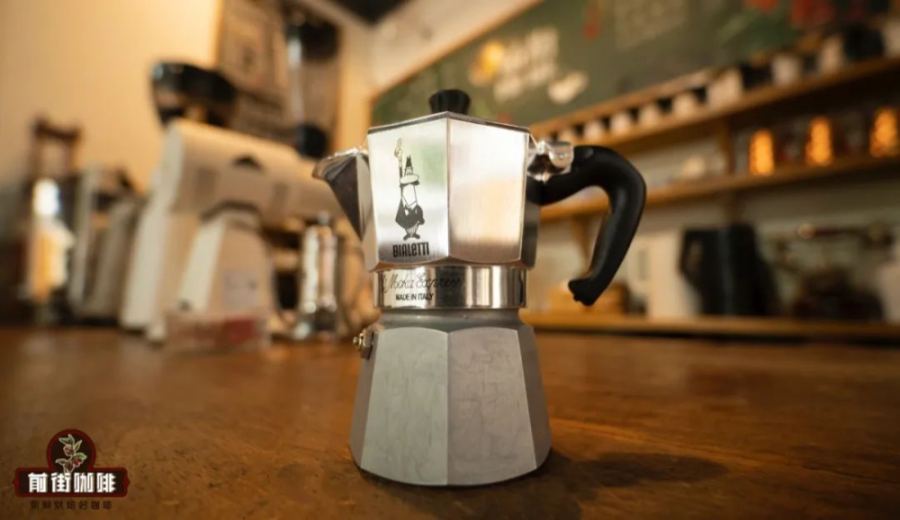
Introduction:Struggling to brew rich black coffee with a moka pot? This article explains the structure and principles of the moka pot, the ideal grind size and water control, and provides a complete step-by-step guide with illustrations. From choosing the right coffee beans to adjusting extraction parameters, learn to avoid common mistakes and easily brew strong, smooth espresso-style coffee at home.
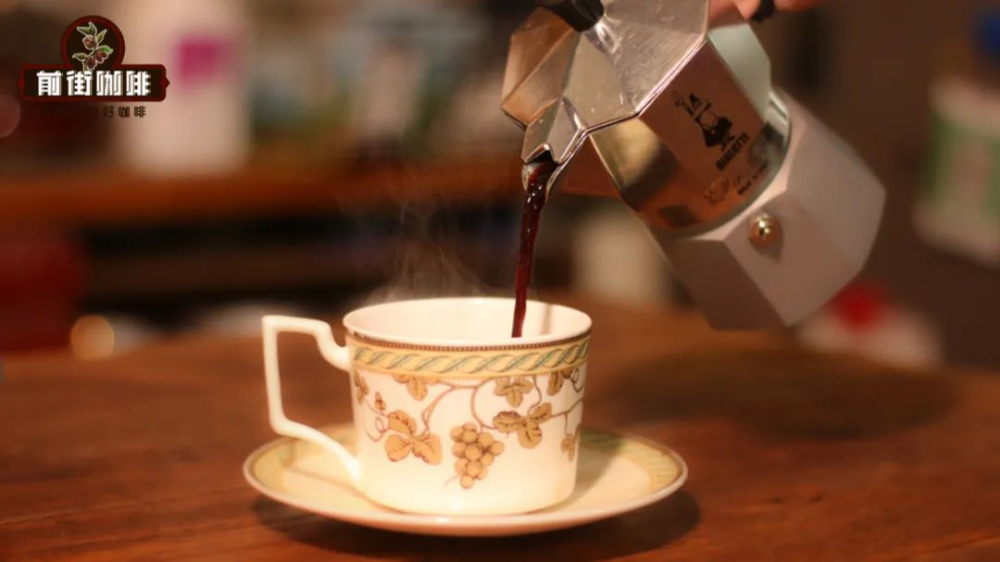
The moka pot is the go-to choice for many coffee enthusiasts. This classic device has a simple structure yet effectively extracts the essence of coffee.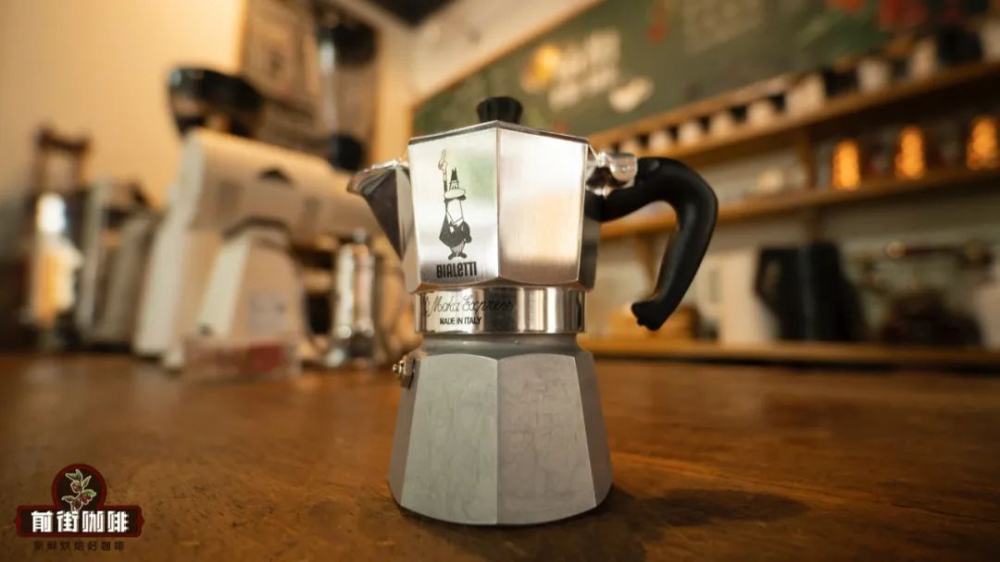 It mainly consists of three parts: the lower chamber, the filter basket, and the upper chamber. Through the steam pressure generated by heating, hot water is pushed up through the coffee grounds and finally drips down into the upper chamber to form espresso.
Understanding how the moka pot works is the first step to success.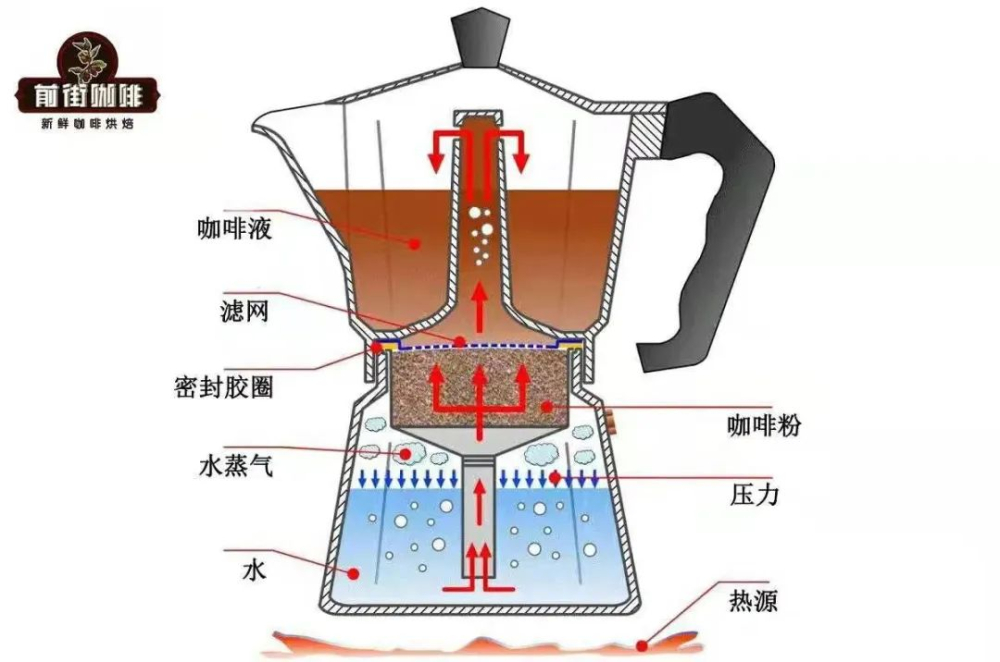 When the lower chamber is heated to boiling point, steam accumulates to create about 1–2 bar of pressure, forcing water through the middle filter basket. This process is similar to that of a professional semi-automatic coffee machine, but with a lower learning curve. The key lies in controlling the grind size—recommended to be between superfine sugar and white sugar. Too coarse will lead to under-extraction, while too fine may cause overpressure hazards.
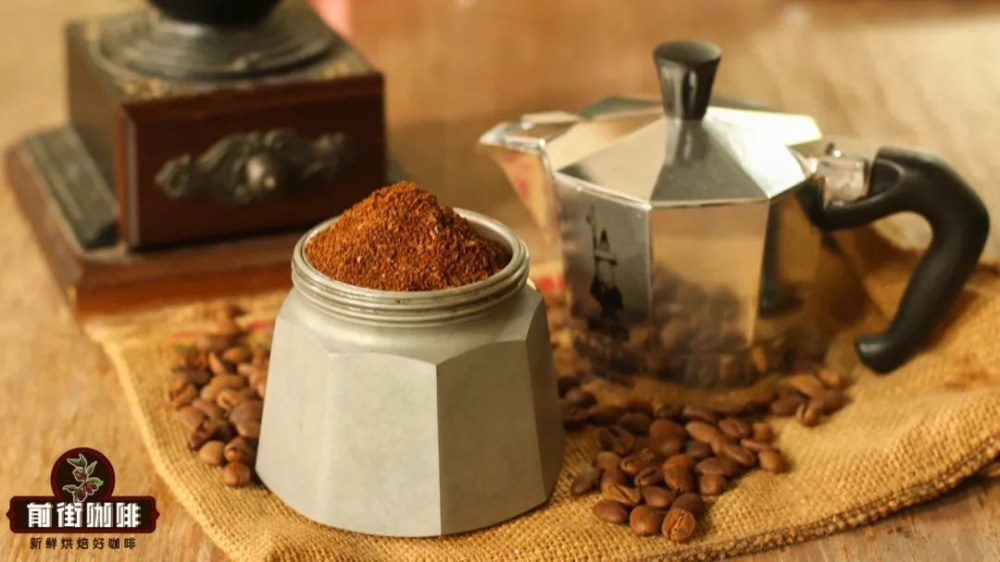 。
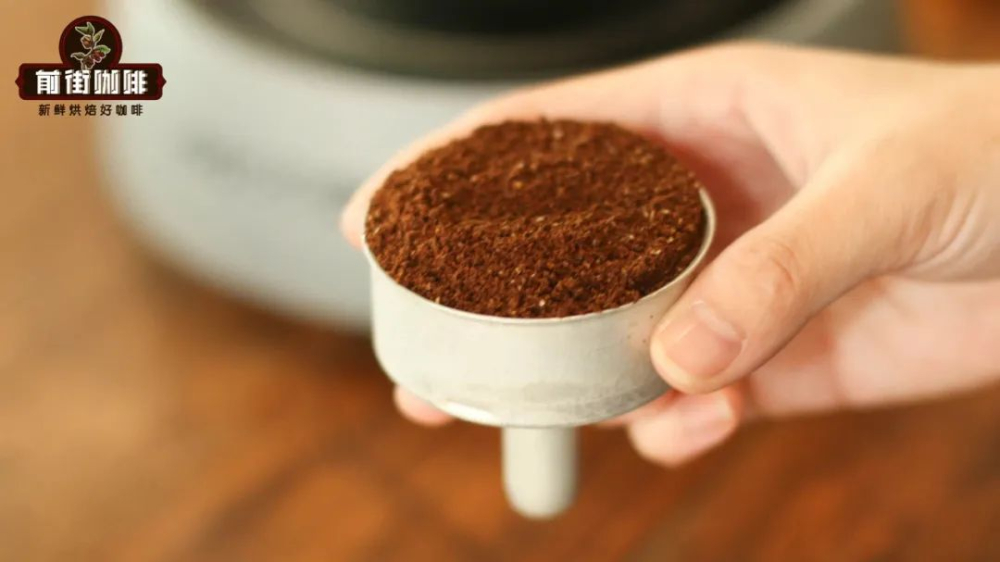
There’s a simple trick to filling the coffee grounds.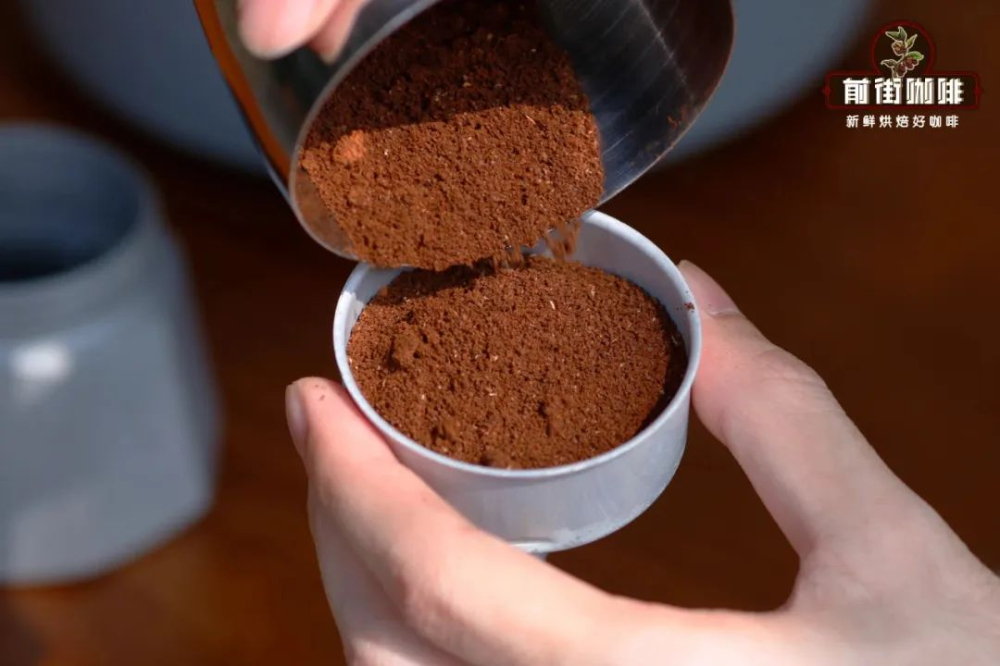 Simply fill the filter basket with coffee grounds to make it level—that’s the safest default setting. The volume of coffee grounds varies greatly depending on grind size, so blindly following weight recommendations might actually affect extraction evenness. It’s best to note the relationship between the amount of coffee used and the flavor during your first try, as a reference for future adjustments.
Water level control is crucial for both safety and flavor.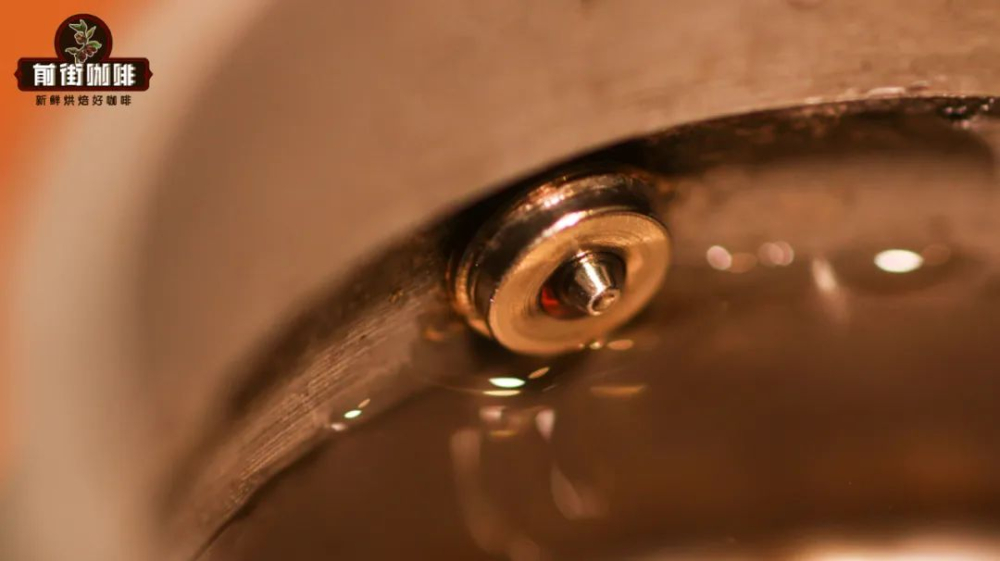 The metal pressure relief valve on the lower chamber is an important indicator—never fill water above the valve level. The ideal water level should be about 0.5 cm below the valve to ensure sufficient extraction time while avoiding the risk of pressure overload. For the heat source, it’s recommended to use a small or medium gas stove or induction cooker, and have a damp cloth on hand.
Coffee bean selection is actually quite flexible.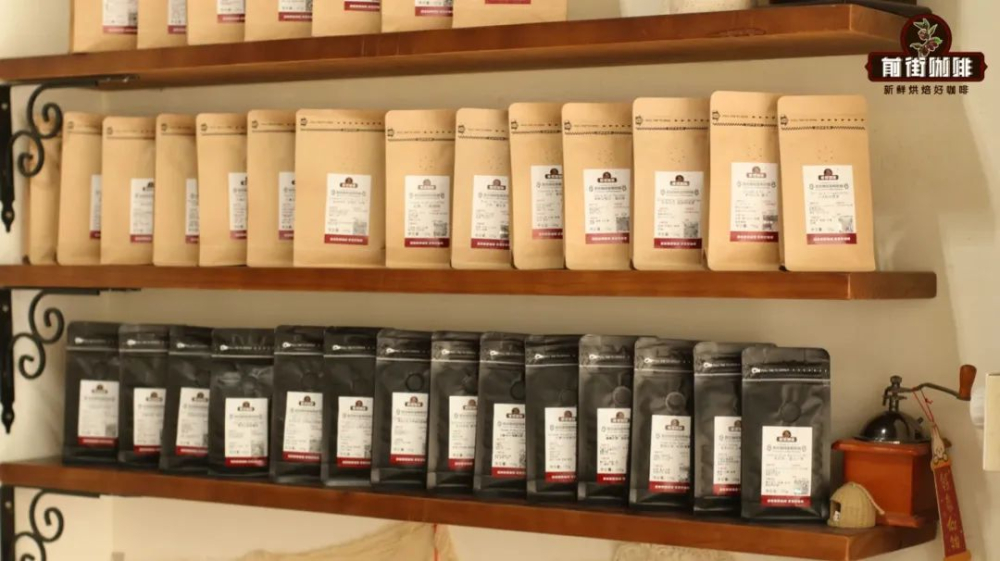 Dark roasts are suitable for making coffee with milk, bringing out a rich chocolatey profile; light roasts highlight citrus and floral notes, making them great for drinking black. It’s recommended to try blends from different regions and observe changes in acidity and body. Notably, the high-pressure environment of the moka pot can fully extract the coffee’s crema layer—a key feature that sets it apart from pour over.
The actual brewing process requires mastering the rhythm of heat.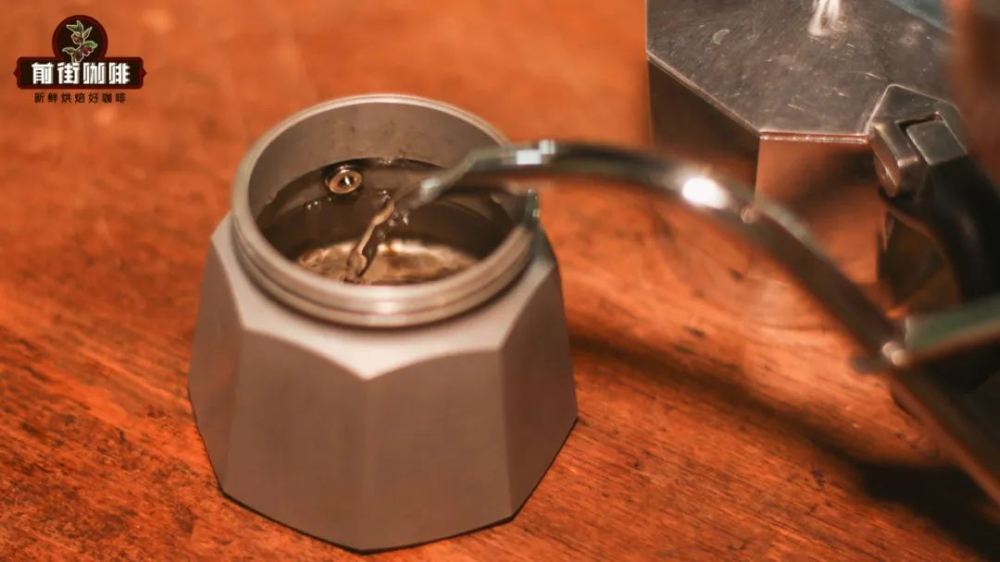 Starting with room temperature or slightly warm water can shorten heating time. After filling the coffee grounds, gently tap the filter basket to eliminate air pockets, but don’t press down too hard on the fine grounds. When screwing the upper and lower chambers together, it’s recommended to use heat-resistant gloves. In the early stages of heating, maintain a medium-high flame until you hear a distinct hissing sound.
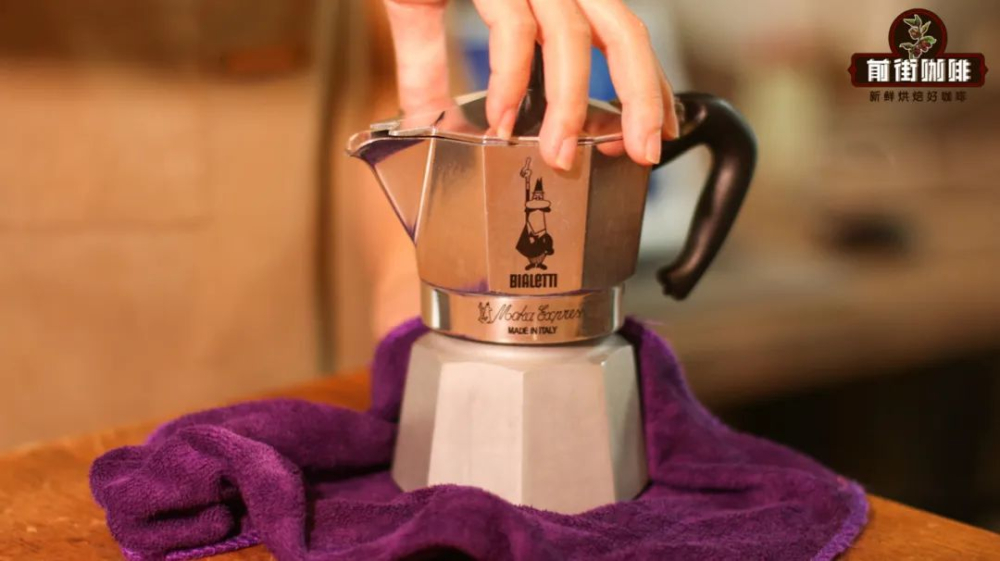
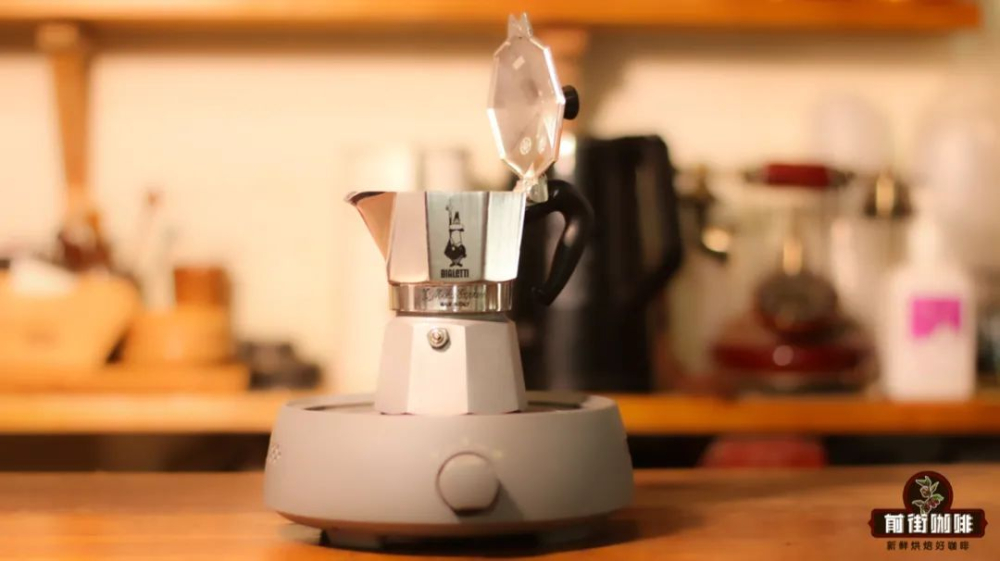 。
Pay attention during the crucial extraction phase.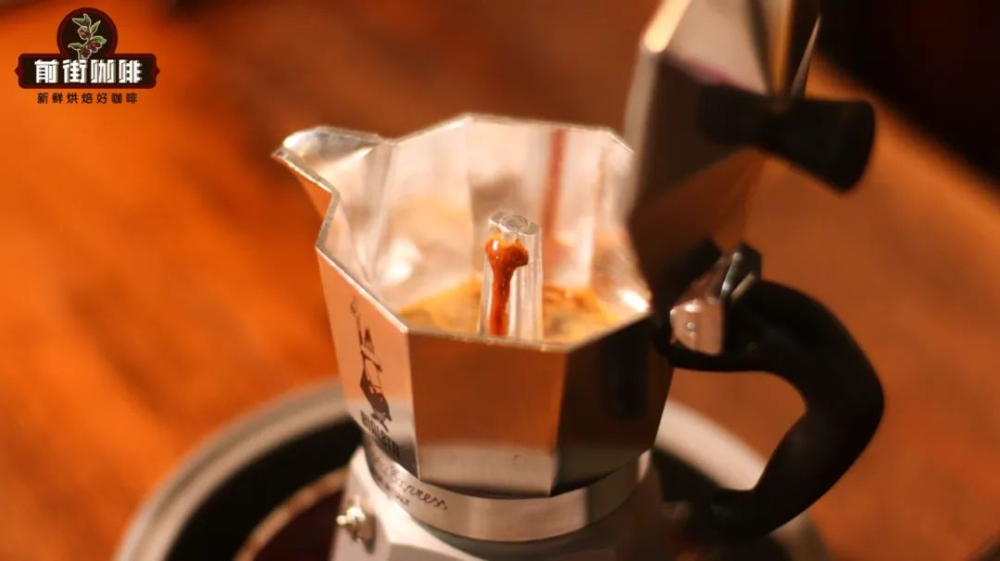 As soon as coffee starts dripping, reduce the flame to low to maintain stable pressure and avoid over-extraction. You can turn off the heat when half of the total liquid capacity has flowed out, using residual heat to complete the final extraction. Common issues include a bitter bottom layer (from prolonged extraction), a sharp acidic top layer (from too coarse a grind), or overly fast output (from grounds being too coarse or flame too high)—all can be improved by fine-tuning the parameters.
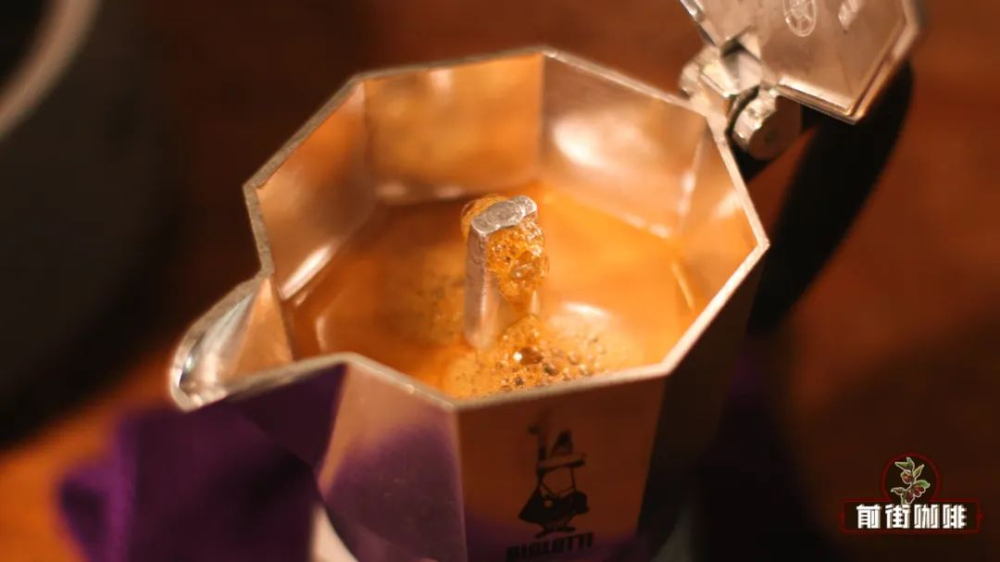
 。
The above content is compiled by CoffeeHunters, a coffee news website.


