







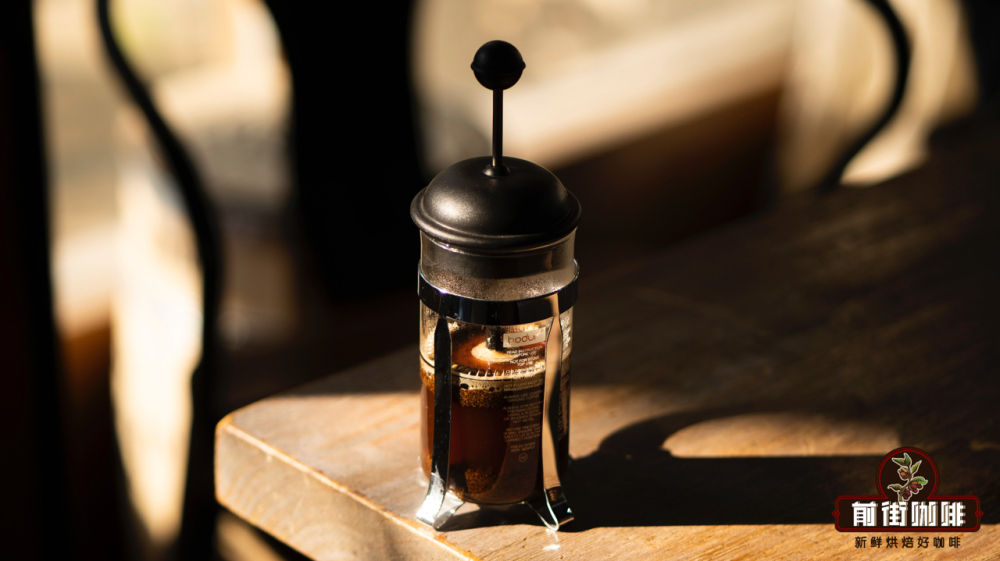
Introduction:The French press is the go-to brewing device for many coffee beginners due to its simple operation and ability to authentically highlight the inherent flavors of coffee. This article delves into the historical background, brewing principles, and key parameters of the French press, while also offering practical selection tips and bean pairing suggestions to help you brew rich, balanced black coffee the right way.
Basic Structure and Principle of the French Press
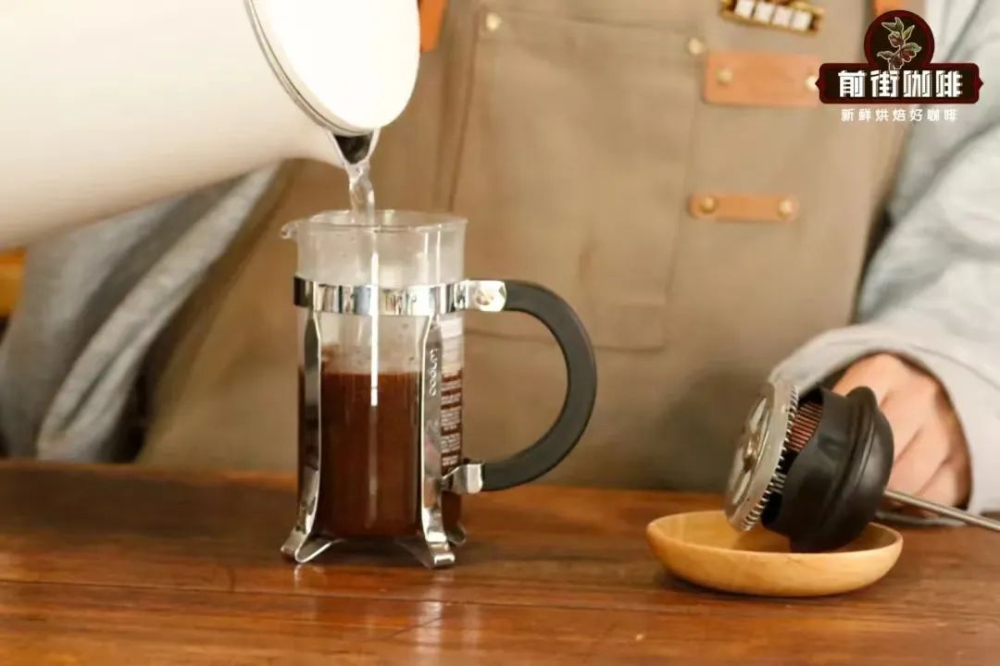
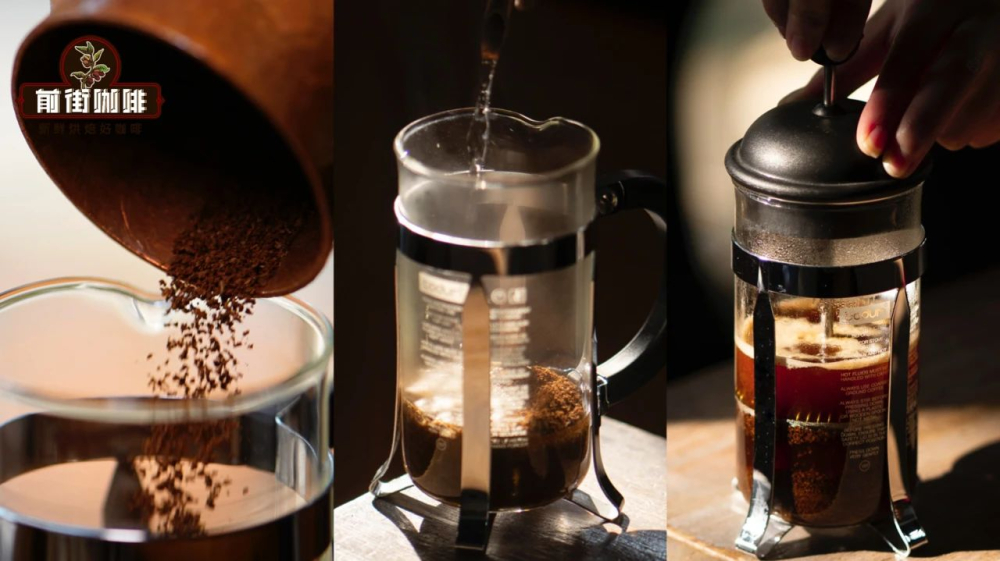
The French press, also known as a French filter press, has a fairly intuitive design, primarily consisting of a cylindrical carafe and a movable metal filter plunger. To use it, coarse-ground coffee powder and hot water are steeped together in the carafe. Once the desired extraction time is reached, the plunger is gently pressed down to separate the coffee grounds from the liquid. This brewing method is similar to steeping tea—through full immersion and physical filtration, it preserves the oils and sediments in the coffee, resulting in a fuller-bodied mouthfeel.
Brewing Parameters and Key Points for the French Press
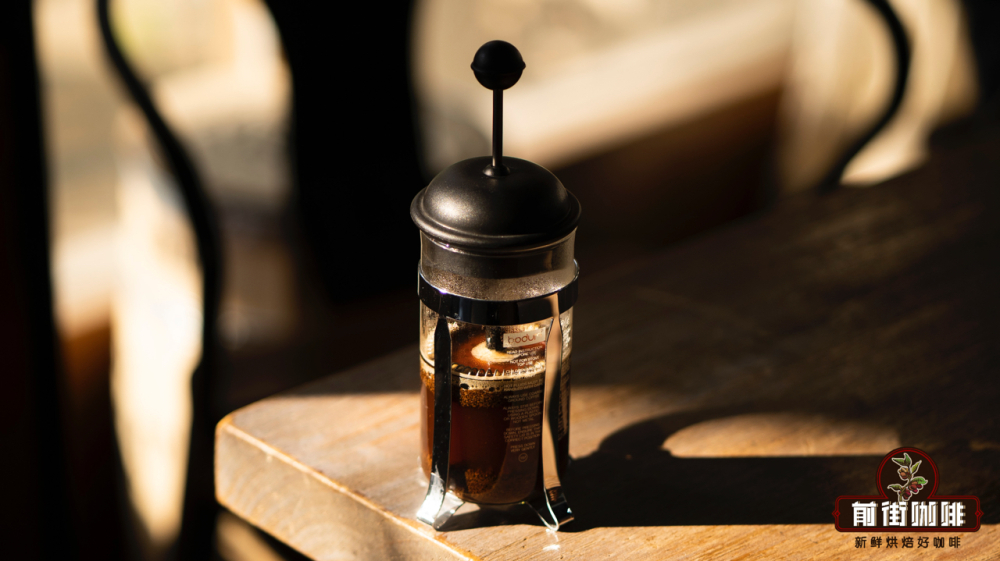
The French press has a low barrier to entry, with only four main variables affecting flavor: coffee-to-water ratio, grind size, water temperature, and steeping time. Since it uses a single pour, there’s no need for complex pouring techniques, making it especially suitable for users who want simplicity without sacrificing the original flavors of coffee. It’s recommended to use coffee grounds with a coarseness similar to sea salt to ensure the filter effectively blocks sediment while allowing water to flow through evenly.
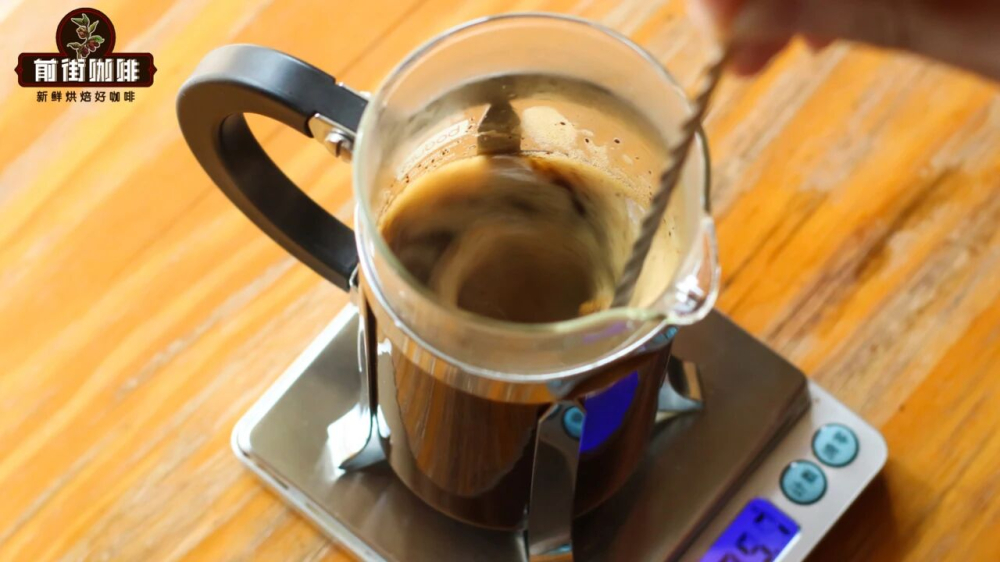
InWater Temperature Controlterms of water temperature, medium to light roasted coffee is best brewed with water at 92–94°C to bring out fruity acidity and floral notes, while medium to dark roasts are better brewed at 89–90°C to avoid over-extraction and bitter, astringent flavors. In colder autumn and winter conditions, pre-warming the press with hot water can help minimize heat loss. The typical steeping time ranges from 3 minutes 30 seconds to 4 minutes; going too long can lead to over-extraction, resulting in woody or astringent tastes.
History of the French Press
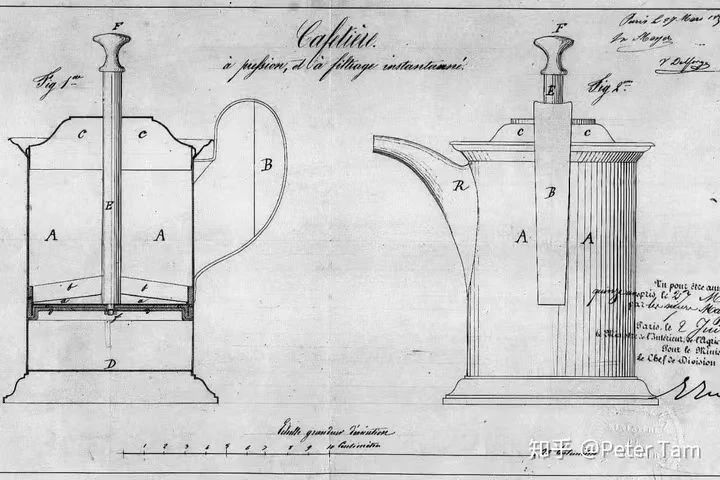
The prototype of the French press dates back to 1852, when it was invented by the Frenchmen Mayer and Delforge. They covered a metal filter with cloth to create an early immersion-style coffee filter and applied for a patent. Later, in 1935 and 1958, Italian designers Bruno Cassol and Faliero Bondanin respectively improved the design, making it more practical and helping it regain popularity in the European market. By the 1990s, the Danish brand Bodum commercialized it on a large scale. With its ease of use and consistent performance, it quickly became one of the most representative home coffee brewing devices worldwide.
Coffee Beans Suited for the French Press and Flavor Profile
The French press is suitable for most pour over coffee beans, especially those that are medium to dark roasted. Thanks to its full immersion characteristic, it can fully extract the rich compounds in coffee, delivering deep notes such as chocolate, nuts, caramel, wine, and cocoa. For those who prefer a bold, balanced taste, the French press reliably highlights these flavor characteristics, making it an ideal choice for enjoying the pure essence of black coffee.
Pros, Cons, and Usage Notes for the French Press
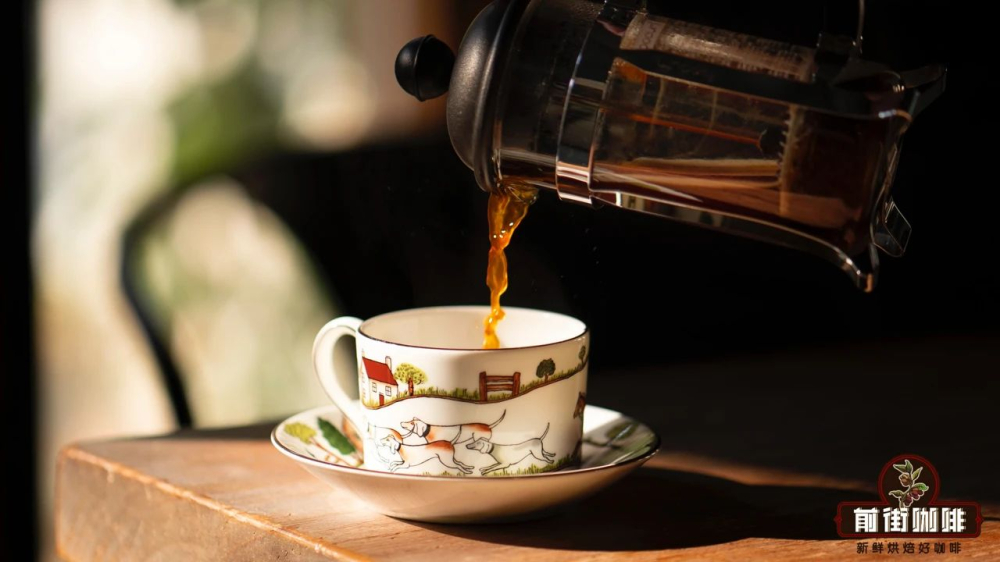
Compared to pour over coffee, the French press doesn’t require precise control over pouring speed or technique, making it ideal for busy individuals or those new to coffee. Its stable extraction results reduce flavor variations caused by operational differences, ensuring a consistent cup every time. However, because the metal filter can’t completely block fine coffee particles, a small amount of sediment may remain in the final brew. It’s recommended to let the coffee sit briefly after pouring before drinking.
Post-use cleaning is especially important. The filter and plunger should be disassembled and thoroughly cleaned with a neutral detergent, then dried completely to prevent residual oils from oxidizing and affecting future use. Regularly check whether the filter is deformed or clogged to ensure optimal extraction performance and hygiene.
How to Choose the Right French Press
When selecting a French press, prioritize material and seal quality. Stainless steel and glass are the mainstream options—the former offers good heat retention, while the latter allows you to observe the brewing process. The filter is typically made of stainless steel mesh, and you’ll want to ensure its density is sufficient to block coffee grounds without impeding water flow. The spout design also affects pouring smoothness, with wider designs being easier to clean and better for observing coffee sediment.
Conclusion: The French Press Is a Practical Choice for Beginners and Daily Use
Thanks to its simplicity and reliable performance, the French press has become a daily tool for many coffee enthusiasts. Without the need for complex techniques, just mastering the four basic parameters—coffee-to-water ratio, grind size, water temperature, and time—you can easily brew a well-balanced cup of black coffee. Whether you’re a busy professional or a coffee newcomer, the French press is a practical device worth incorporating into your daily routine.
The above content is compiled by CoffeeHunters, a coffee news website.


