








Introduction:The French press is a go-to brewing tool for many home coffee enthusiasts due to its simplicity and ability to produce multiple cups of rich coffee in one go. This article details the historical background and working principle of the French press, and provides professional-grade recommendations on grind size, water temperature, brewing time, and coffee-to-water ratio, helping you extract a full-bodied and balanced cup using the correct method. It also recommends types of coffee beans and roast levels that work best with the French press.
The French press, also known as a coffee plunger, is a classic coffee brewing device originating from France but widely used in households across Europe and America. Its design is simple, consisting mainly of a cylindrical glass or metal container, a lid with a metal filter, and a plunger rod. By steeping coarsely ground coffee with hot water and then pressing down the metal filter, you can separate the coffee grounds from the liquid.

This immersion-style extraction method is similar to brewing tea. It not only preserves the original flavors of the coffee but also brings out a richer body and mouthfeel. However, many users report that their brewed coffee is either too bitter or has a murky taste, issues that often stem from improper grind size, water temperature control, or steeping time.
When it comes to grind size,it is recommended to use a coarse grind with a 70% passing rate through a Chinese Standard No. 20 sieve,approximately the size of coarse sugar crystals.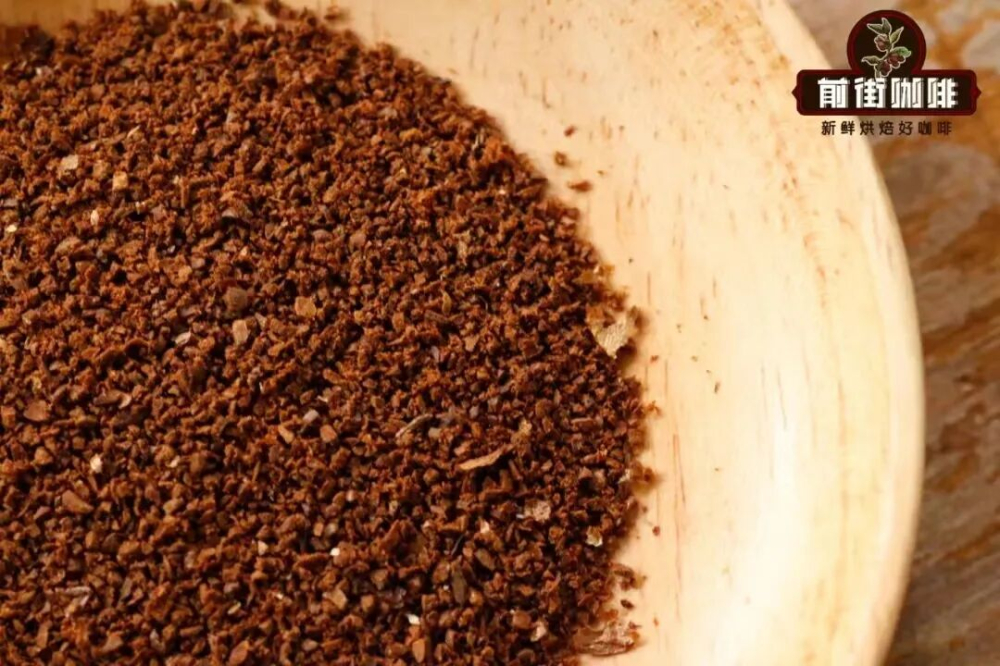 This level of coarseness effectively reduces the production of ultra-fine particles, preventing excessive fine grounds from passing through the metal filter and causing cloudiness in the brew. If you prefer a bolder flavor and more layered taste, you may opt for a slightly finer grind, but be sure to shorten the steeping time accordingly to avoid over-extraction.
Steeping time is one of the key parameters that affect the flavor performance of French press coffee.For a coarse grind, it is suggested to steep medium-light roasted coffee for about 4 minutes, and medium-dark roasted coffee for around 3 minutes and 30 seconds,which allows for the optimal release of desirable flavor compounds while avoiding unwanted woody, astringent, or overly bitter notes.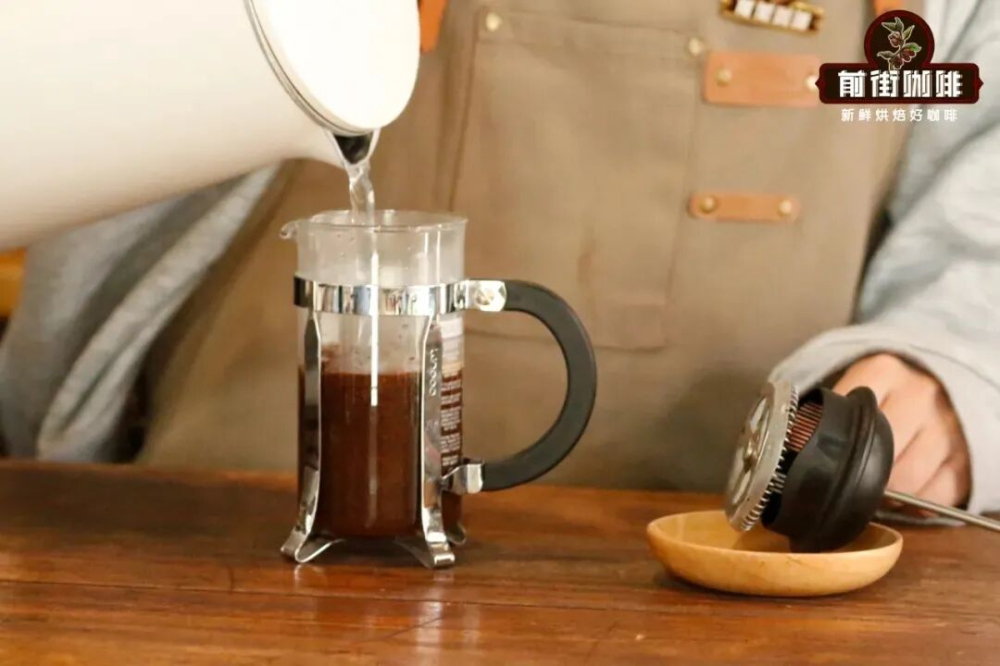
Water temperature is another crucial factor that should not be overlooked. It is recommended to adjust based on roast level:Medium-light roasts are best brewed with water at 92–94°C, while medium-dark roasts should use water reduced to 89–90°C,to minimize the extraction of bitter compounds. During autumn and winter, you may preheat the French press with hot water beforehand to reduce heat loss and maintain a stable brewing temperature.
The coffee-to-water ratio is also an important factor influencing strength and flavor balance.A general recommendation is a 1:16 ratio, such as 15 grams of coffee to 240 milliliters of water,yielding a coffee concentration of approximately 1.1–1.2%, resulting in a clean and layered cup. If you prefer a stronger profile, you may adjust to a 1:15 ratio, tailoring it flexibly to personal taste.

As for coffee bean selection suitable for the French press, medium-dark and darker roasts are recommended. These beans typically exhibit profiles of dark chocolate, nuts, and caramel, which complement the immersion brewing method of the French press, highlighting a rich and balanced flavor profile. For those who dislike pronounced acidity, classic medium-dark roasts such as Indonesian Golden Mandheling or Central/South American Huila are good options. If you enjoy fruity and sweet acidity, you might also choose medium-roasted beans with prominent fruit notes, such as Strawberry Candy or Sidamo varieties.
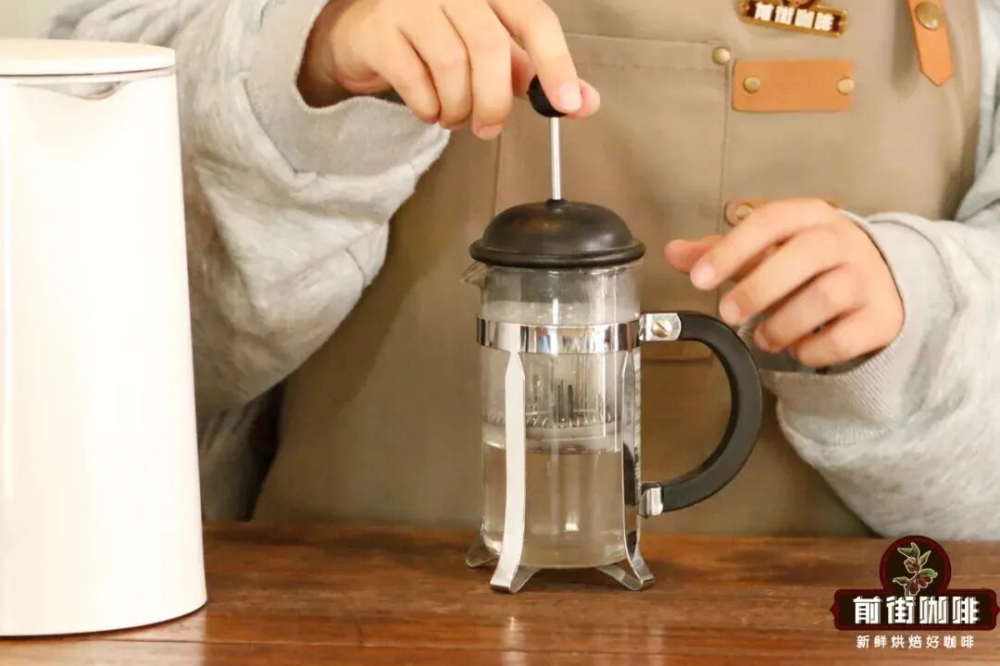
Finally, bear in mind that the metal filter of the French press can easily accumulate coffee oils over time. Without regular and thorough cleaning, these oils may oxidize, affecting the flavor of subsequent brews. After each use, it is recommended to disassemble the filter, plunger, and container completely, wash them with a neutral detergent, and allow them to dry fully to ensure hygiene and preserve the purity of your coffee’s flavor.
The above content is compiled by CoffeeHunters, a coffee news website.


