







Introduction:Want to drink coffee but find pour over too difficult to master? The French press might be your best bet. This article delves into the brewing principles of the French press, key parameter settings, and compares the differences in grind size and flavor profiles between the French press and pour over. From a beginner’s perspective, it provides easy-to-follow steps, teaching you how to use the right ratio, water temperature, and time to effortlessly brew a balanced and smooth French press coffee.
Many coffee beginners often report, “Pour over is too hard to control” or “I can never get the flavors I want.” If you have similar concerns, why not try brewing with a French press? Compared to pour over, the French press has simpler steps, reducing many actions that require precise control and significantly lowering the failure rate. Just master a few key brewing parameters, and no matter the roast level of the beans, you can consistently extract delicious coffee.
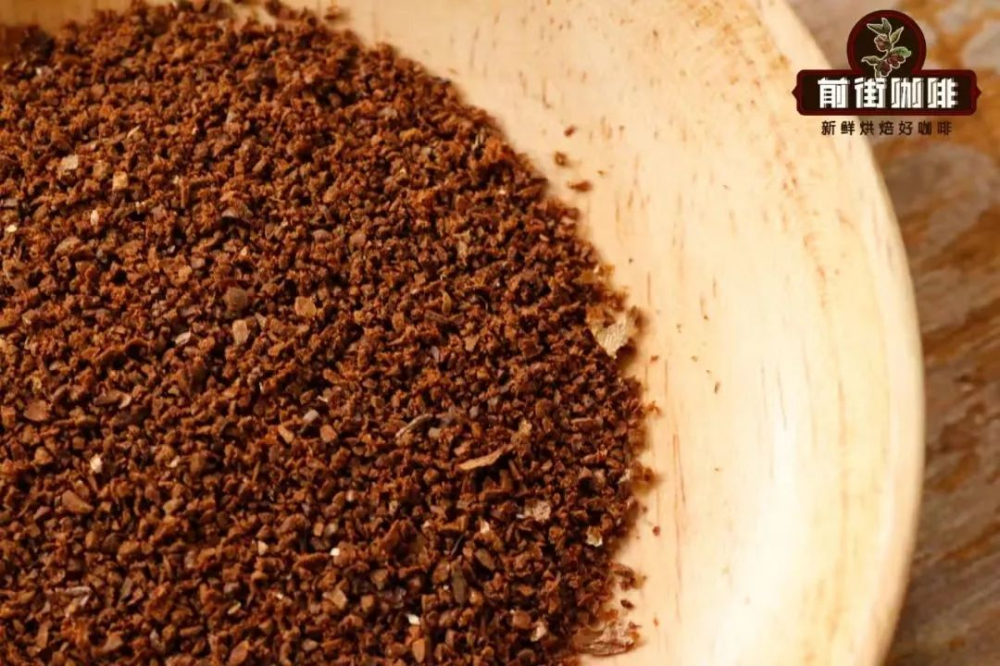
Let’s start with grind size — the first step that affects coffee flavor. The grind for a French press should be slightly coarser than that for pour over. Using a No. 20 sieve for testing, an ideal filtration rate is about 70%, which feels similar to coarse sugar. Many beginners often wonder, “Should I grind lighter roasts a bit finer? Should darker roasts be coarser?” Actually, when using a French press, you can ignore these details. The French press uses immersion brewing, allowing you to control flavor extraction by adjusting steeping time. Whether it’s medium-light or medium-dark roast, you can use the same grind size mentioned above. That’s also where it’s more forgiving than pour over.
Next is setting the coffee-to-water ratio. It’s generally recommended to use a 1:16 ratio — for example, 15 grams of coffee grounds to 240 milliliters of hot water. This ratio yields a coffee strength of around 1.1% to 1.2%, offering a clean and layered taste. If you prefer a stronger flavor, you can adjust to a 1:15 ratio, fine-tuning according to personal taste.
Water temperature is also crucial. Since the French press involves pouring hot water all at once and then letting it steep as the temperature gradually drops, it’s recommended to use a slightly higher temperature than pour over. For medium-light roasted beans with pronounced acidity, such as those with common fruity acid profiles, aim for 93°C to 94°C. For medium-dark roasted beans with a rich, low-acid profile, such as those with chocolate or nutty notes, use 89°C to 90°C to fully bring out the body.
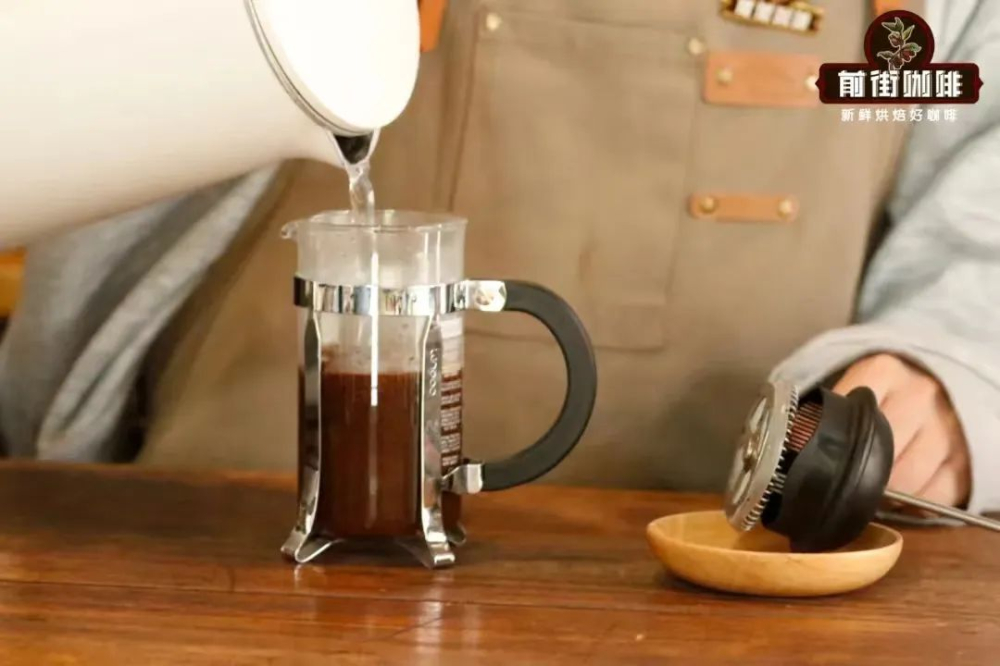
Time control is another advantage of the French press. Since there’s no need to manually stir to speed up extraction, the recommended steeping time is between 3 minutes 30 seconds and 4 minutes. Generally, medium-light roasted beans can go up to 4 minutes to allow flavors to fully develop, while medium-dark roasted beans are better at 3 minutes 30 seconds to avoid over-extraction and unwanted bitterness. This duration allows the flavor compounds in the coffee grounds to fully dissolve, creating a balanced cup.

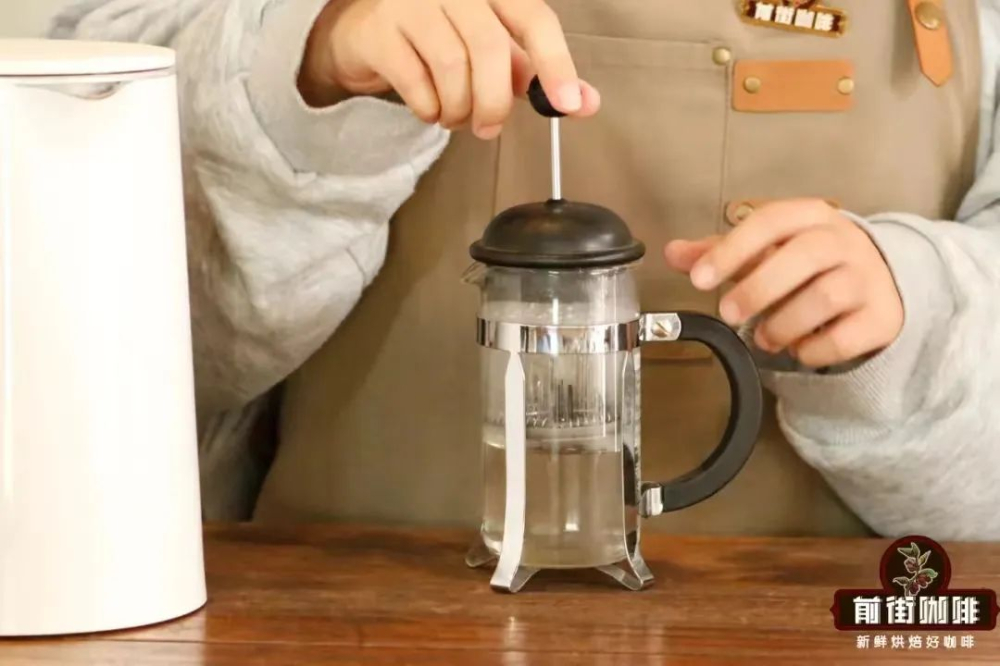
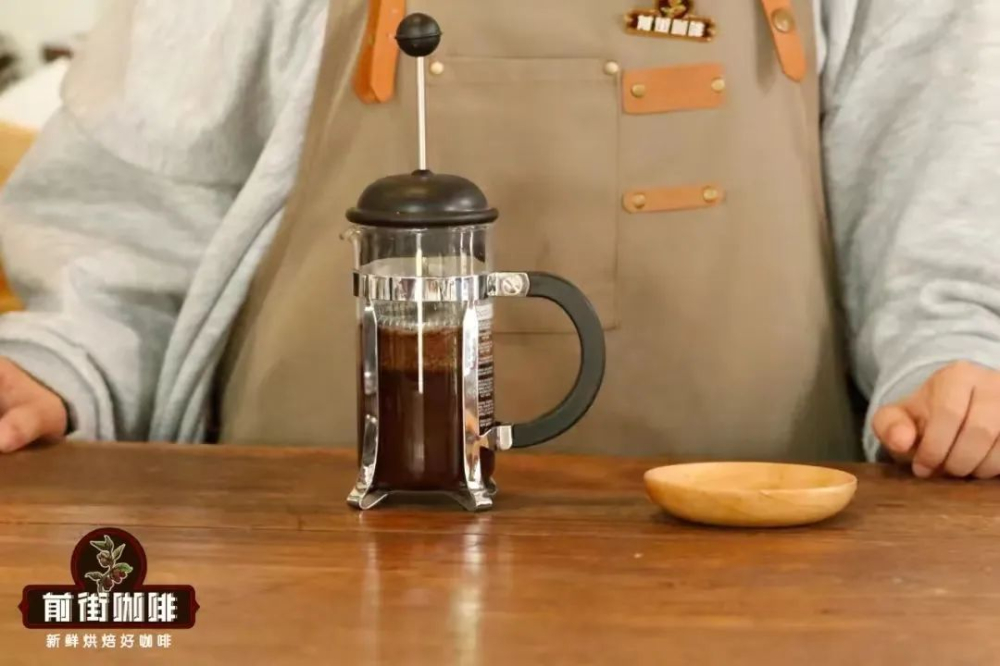
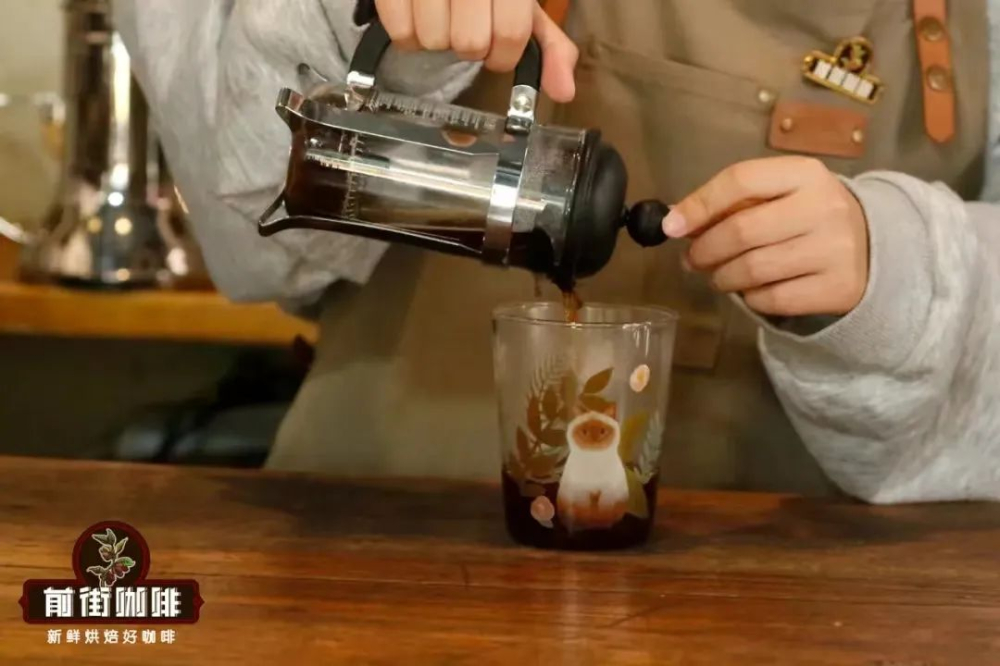
For actual brewing steps, let’s take a medium-dark roasted Brazilian Queen Estate Yellow Bourbon as an example. Prepare 15 grams of coffee beans, grind them with an EK43s grinder set to 11, achieving a coarseness where about 70% passes through a No. 20 sieve. Pour the coffee grounds into the French press, add 240 milliliters of water at around 90°C, stir gently to mix, then place the plunger on top (but don’t press down yet). Let it steep for 3 minutes 30 seconds, then slowly press down the plunger to push the grounds to the bottom. Finally, it’s recommended to pour out all the coffee at once to avoid residual grounds continuing to release bitter compounds that could affect the overall flavor.
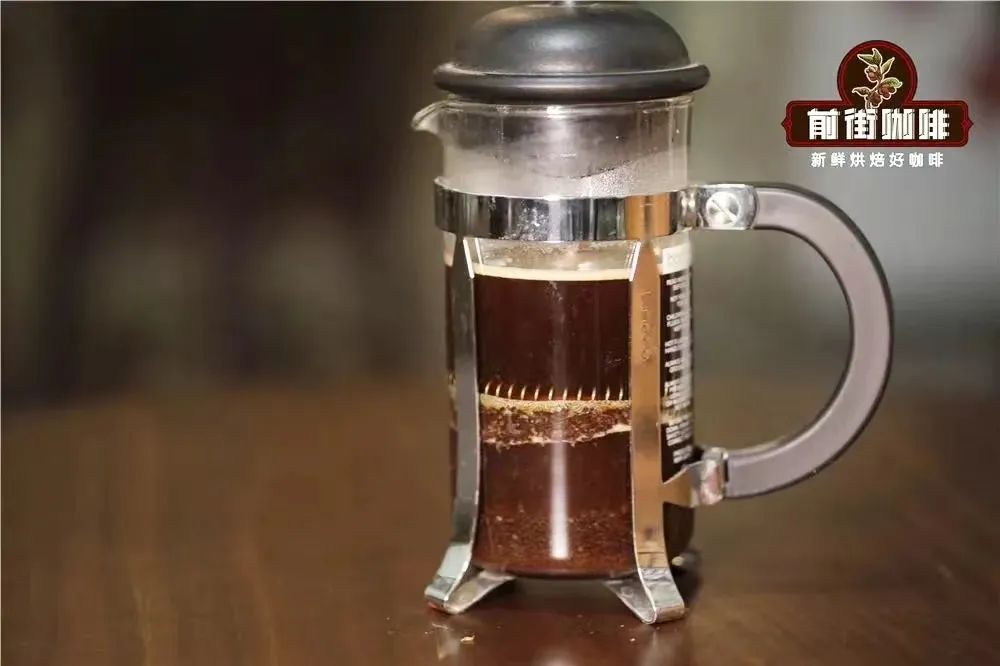
After brewing, you may notice some fine oils and tiny coffee particles floating on the surface of the French press coffee — this is normal. Due to the larger gaps in the metal filter, some fine particles and oils can pass through, adding richness to the mouthfeel. If you don’t like the gritty feel, you can let the fine particles settle for a moment before drinking. The oils can contribute to a rounder and smoother flavor profile.

In summary, the French press brewing process is extremely simple, involving just “preparing coffee grounds and hot water, controlling grind size and ratio, setting appropriate water temperature and time, pressing the filter, and pouring out the coffee.” For coffee beginners, the French press is not only easy to use but also consistently highlights the original flavors of coffee, making it an excellent choice for both starting out and daily enjoyment.
The above content is compiled by CoffeeHunters, a coffee news website.


