







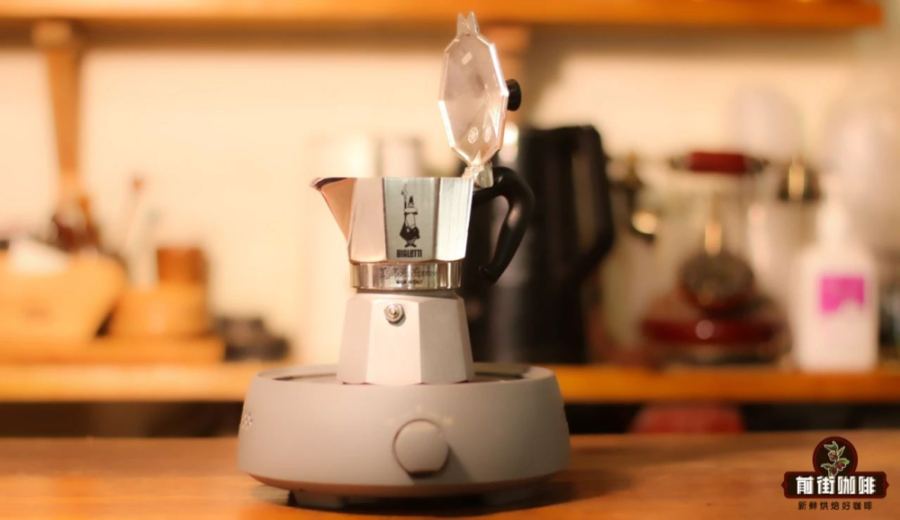
Introduction:When brewing coffee at home, the pour over dripper, siphon pot, and moka pot are among the most common choices. Each brewing device not only has a unique appearance but also operates on a distinctly different extraction principle, resulting in notable variations in coffee flavor. This article will delve into the working mechanisms, optimal brew ratios, and typical flavor profiles of these three home coffee brewers, helping you find the most suitable brewing tool based on your taste preferences and master the key operational details.
Many people who are new to making coffee often start with a moka pot. This simple-structured, intuitive-to-use device that delivers an espresso-style brew not only has a classic look but can also provide a rich and bold coffee experience in a short time, making it highly suitable for beginners to explore the profound charm of coffee.
However, besides the moka pot, other brewing devices also have their loyal fans. These include the siphon pot, which offers a scientific-experiment-like atmosphere, and the American pour over dripper, widely loved in homes and offices. What exactly are the differences in their extraction methods? How do they affect the aroma, acidity, sweetness, and body of the coffee? Let’s take a comprehensive look at these three classic home coffee brewers—from principles to actual flavor profiles.
[Moka Pot: A Home Version of Espresso Style]
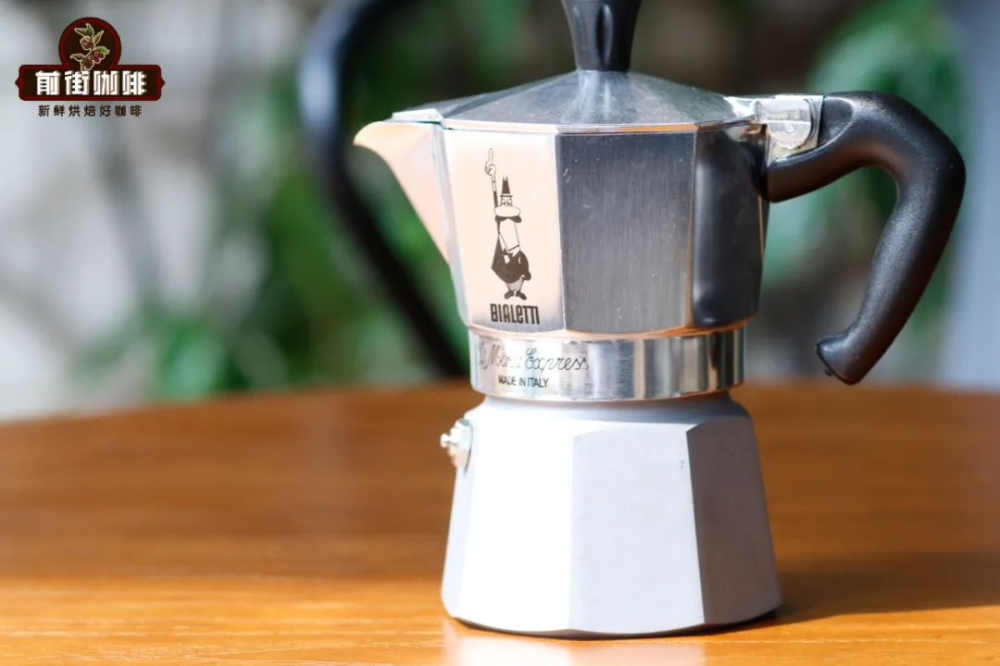
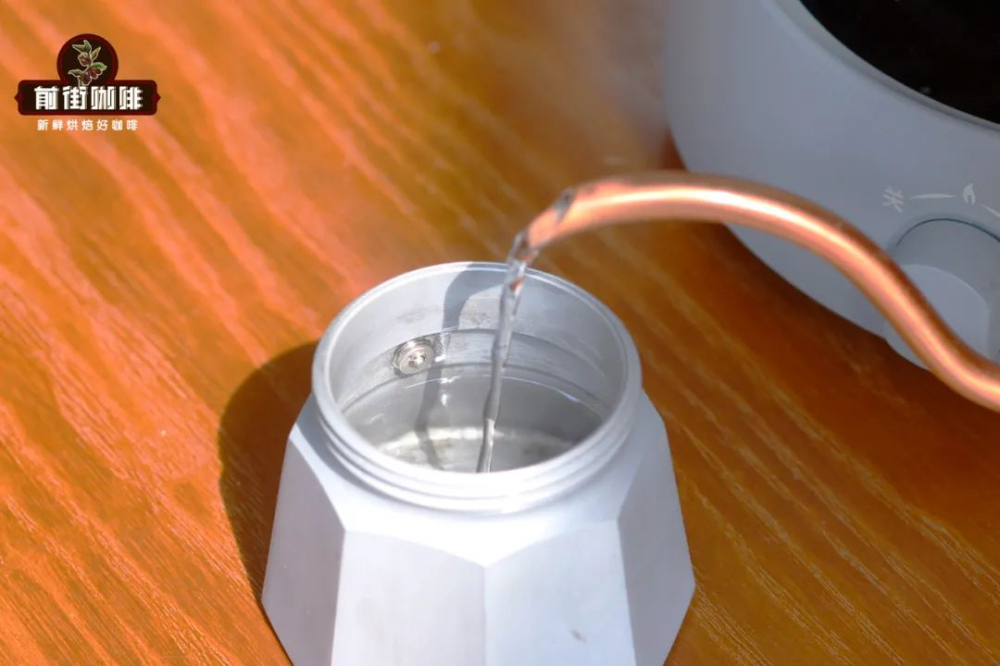
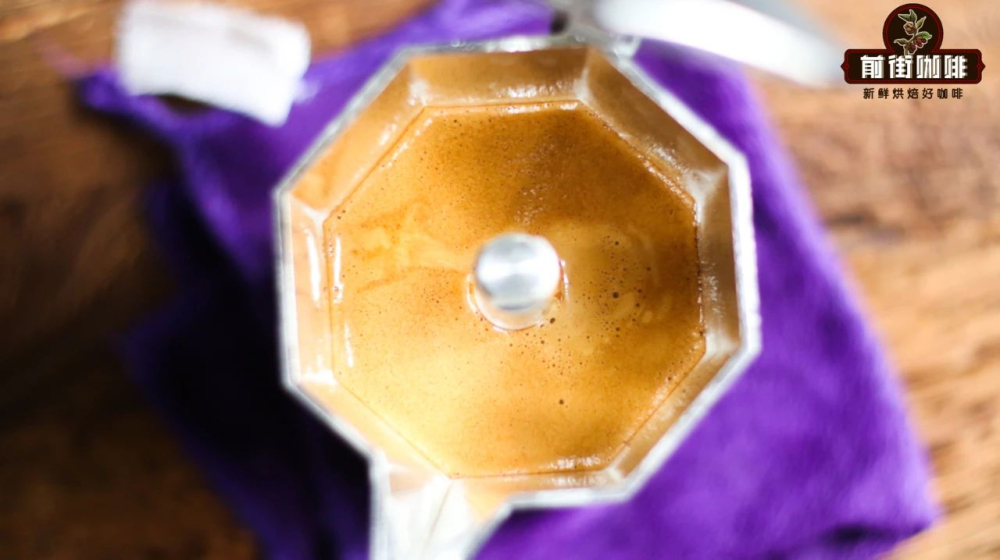
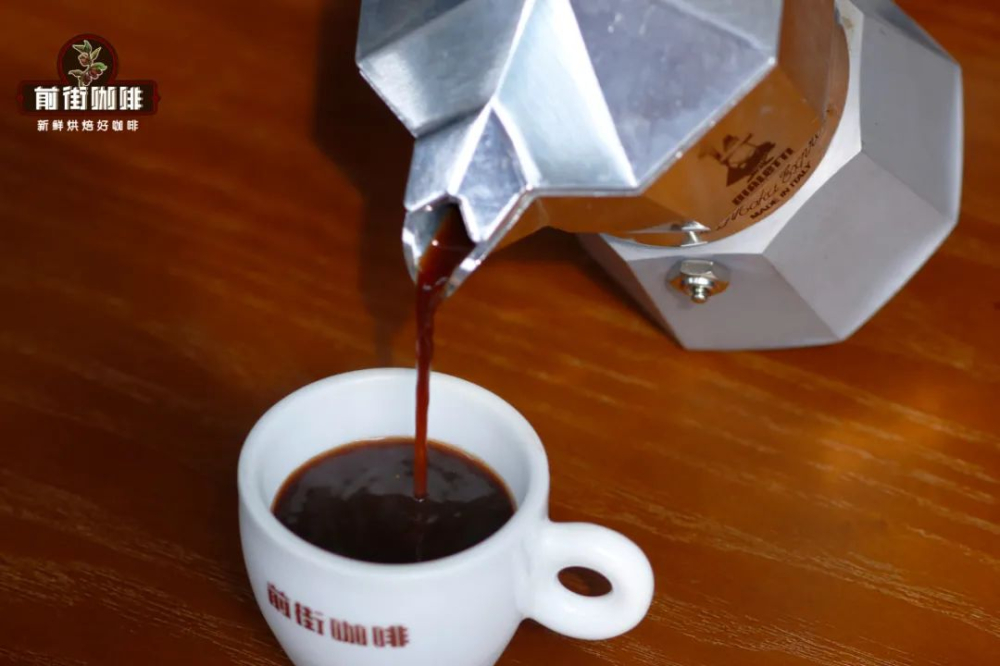
The moka pot can be considered many coffee enthusiasts’ first “espresso machine.” It uses the steam pressure generated by heating water in the lower chamber to push the hot water through the coffee grounds in the middle filter basket, then delivers the extracted coffee into the upper chamber. This pressure-based extraction method is similar in principle to that of commercial espresso machines, although the pressure is only about 1.2 to 3 atmospheres—though not as high as the professional-grade 9+ atmospheres, it is still sufficient to bring out the rich layers and enticing crema of the coffee.
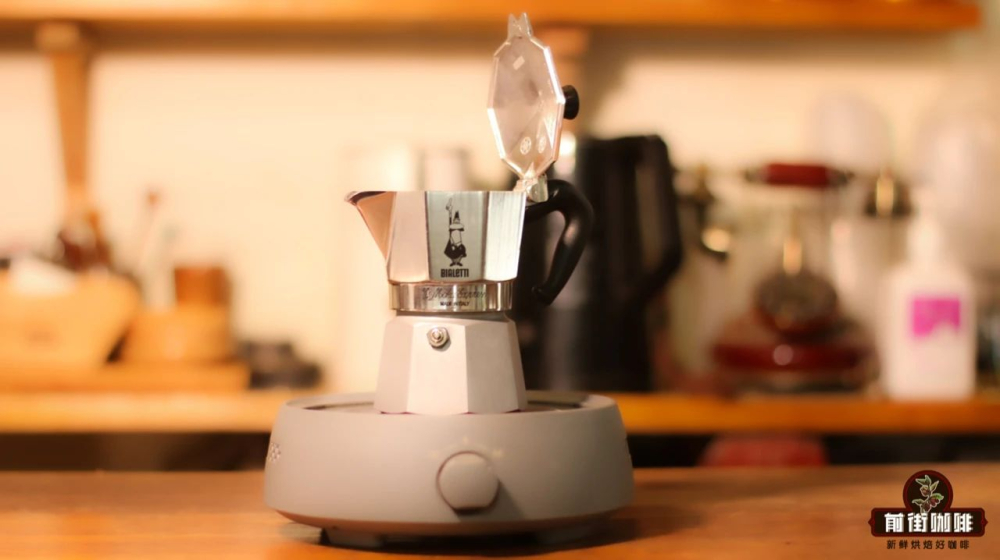
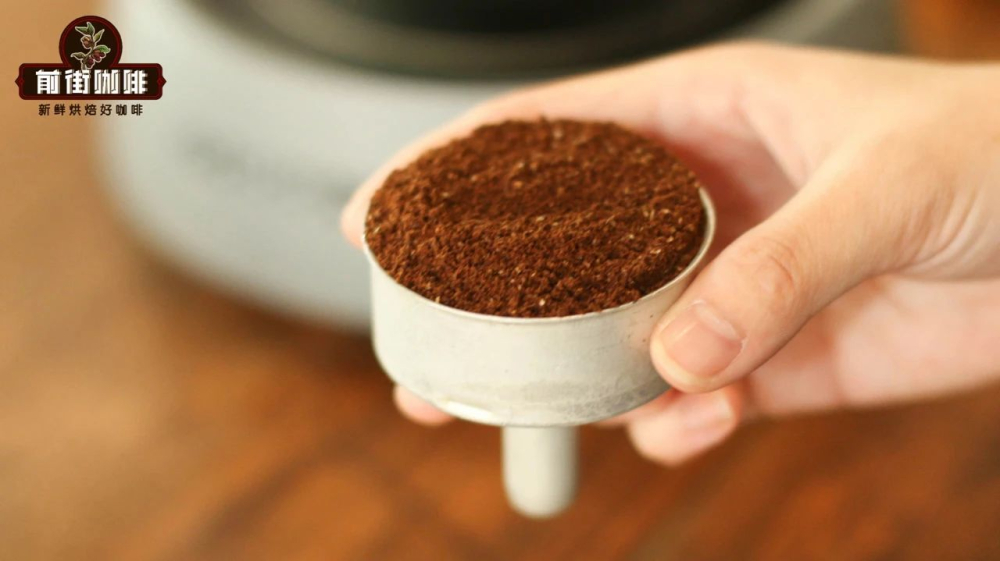
A typical moka pot consists of three parts: the lower chamber holds the water and is heated, the middle filter basket holds the coffee grounds, and the upper chamber collects the brewed coffee. It is recommended to use a medium-fine grind, slightly finer than a pour over grind but more compact. The common coffee-to-water ratio ranges from 1:2 to 1:3, adjustable according to personal taste. Grinding too fine or tamping too hard can easily cause channeling, affecting extraction evenness.
[Siphon Pot: An Immersive Extraction Full of Scientific Charm]
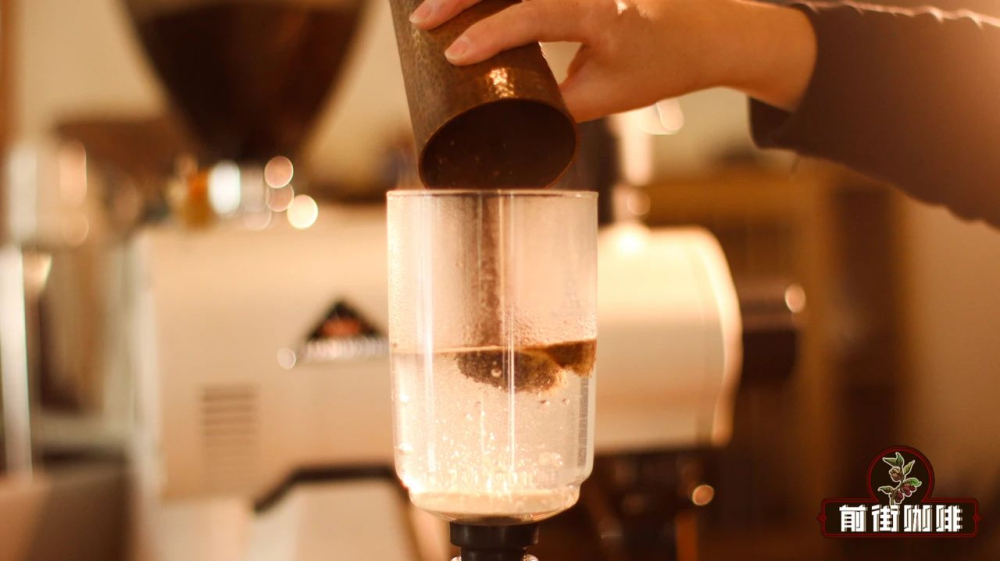
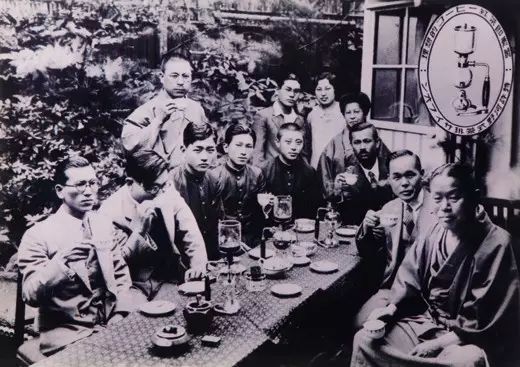
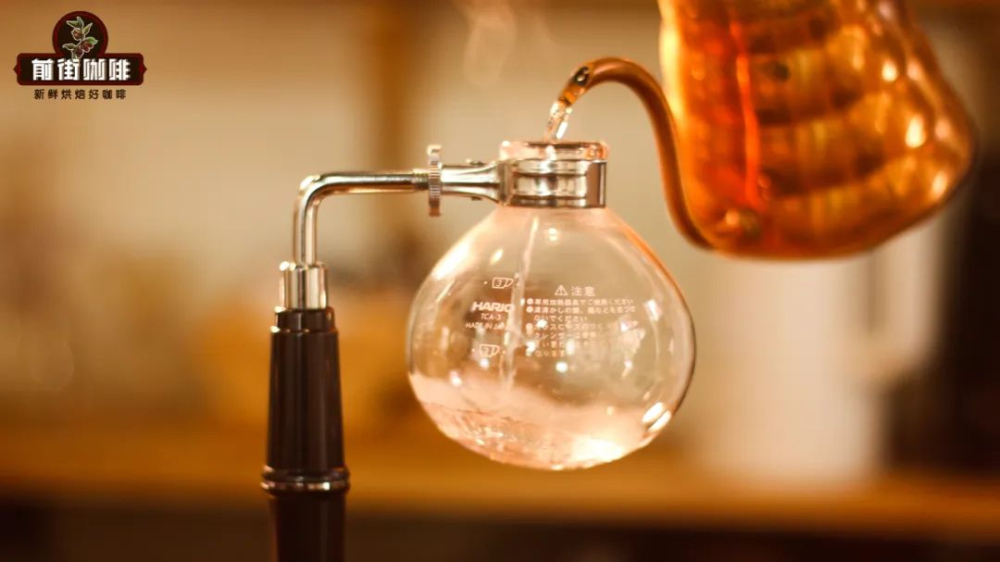
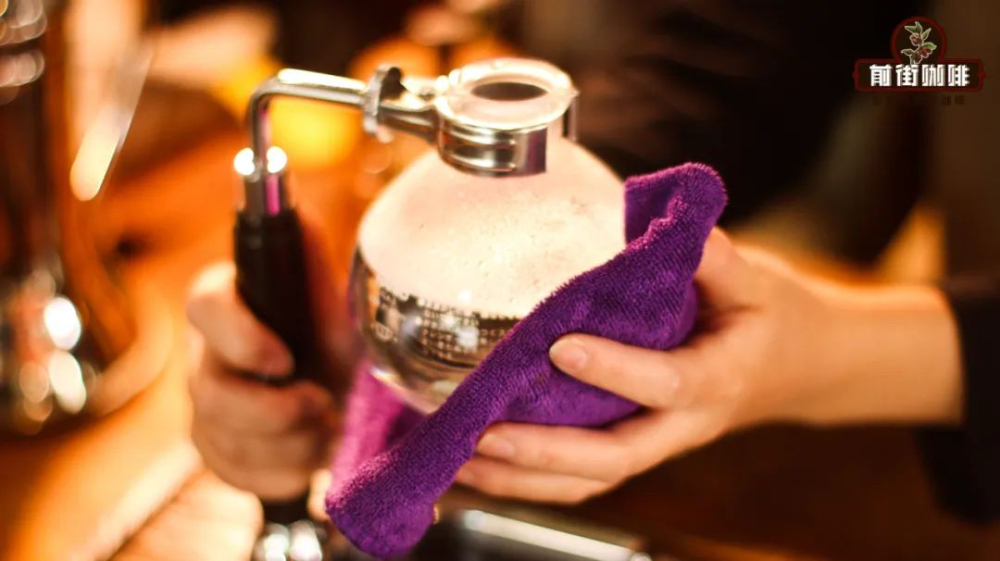
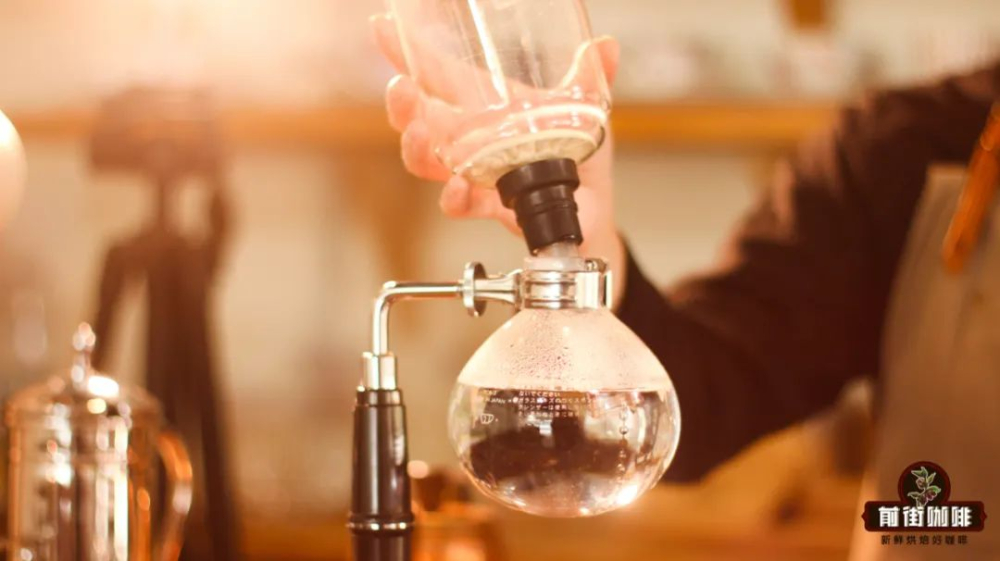
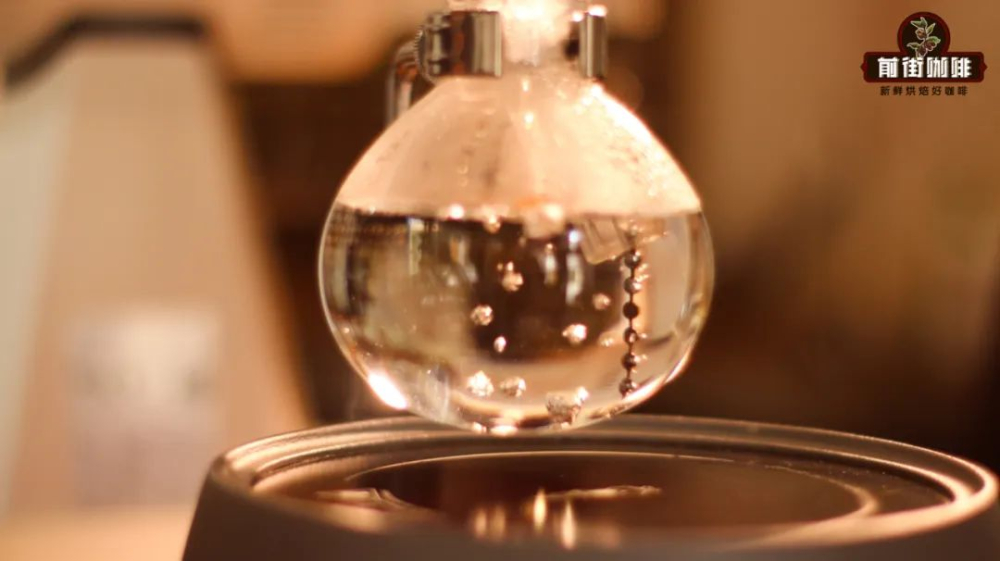
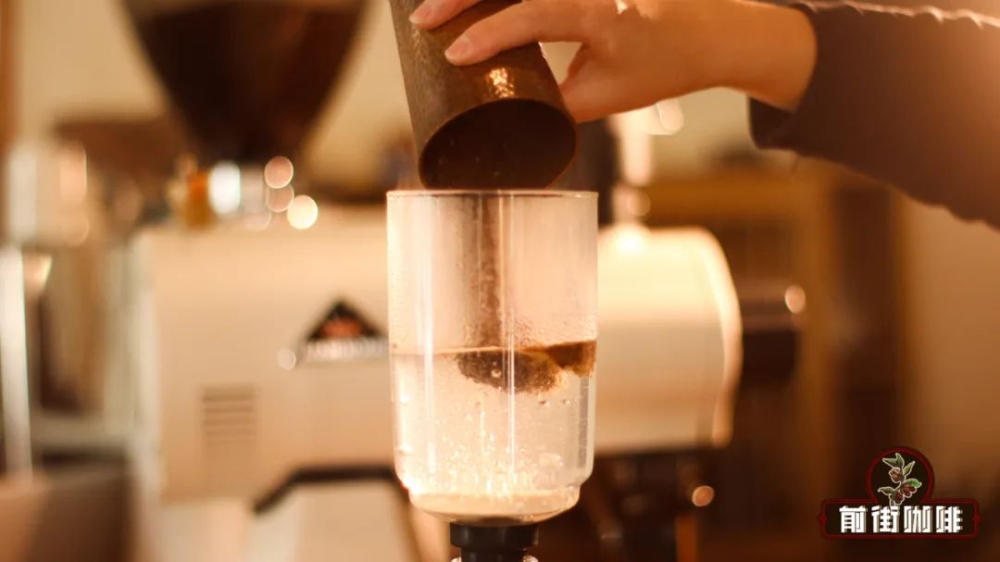
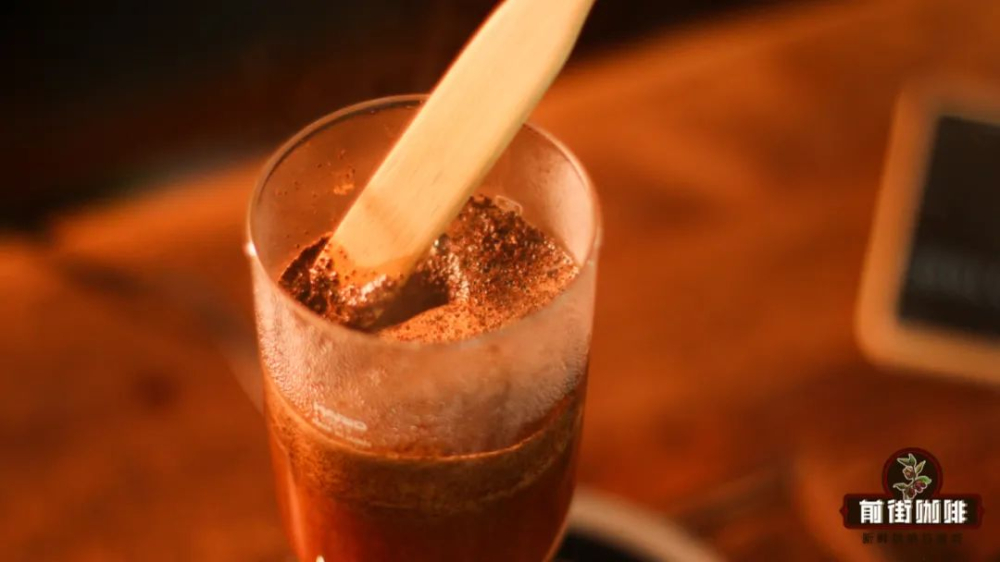
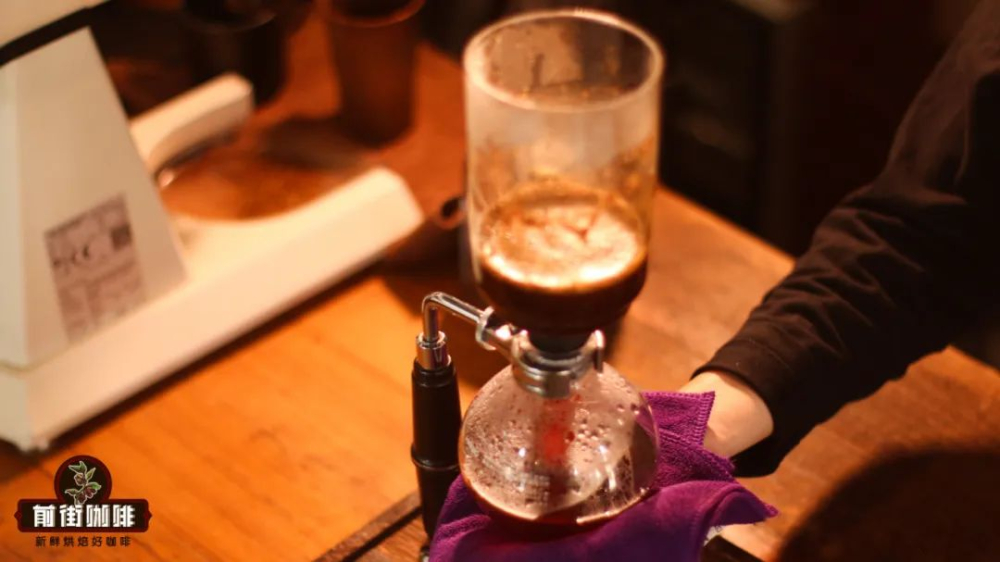
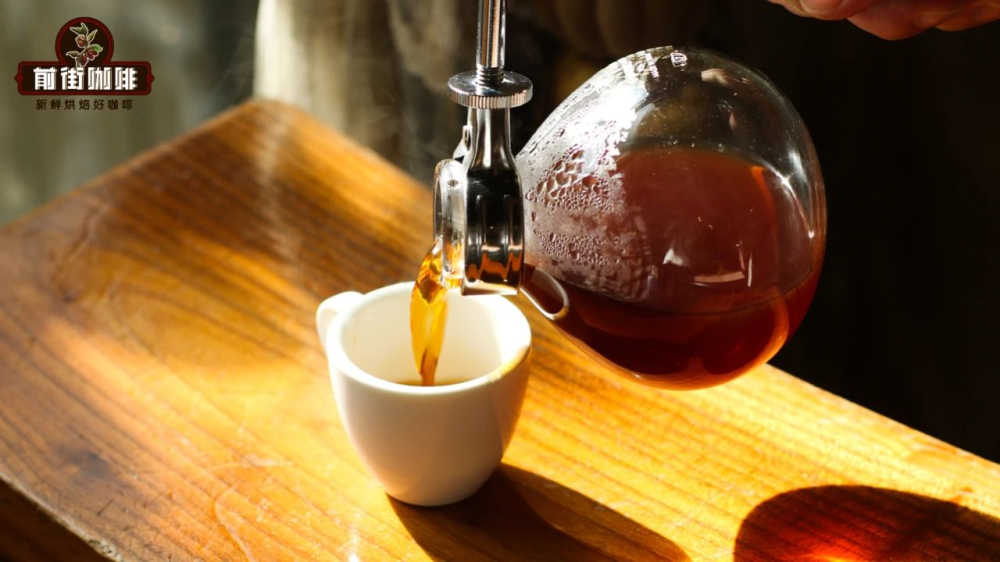
The siphon pot (Siphon) is a brewing method that combines the principles of thermal expansion and vacuum. Its appearance often reminds people of a laboratory setup. Heating the lower chamber causes the water to warm up and generate steam, pushing the water upward into the upper glass chamber where it mixes with the coffee grounds. After turning off the heat, the resulting drop in temperature creates negative pressure, causing the coffee liquid to flow back down into the lower chamber, completing the extraction.
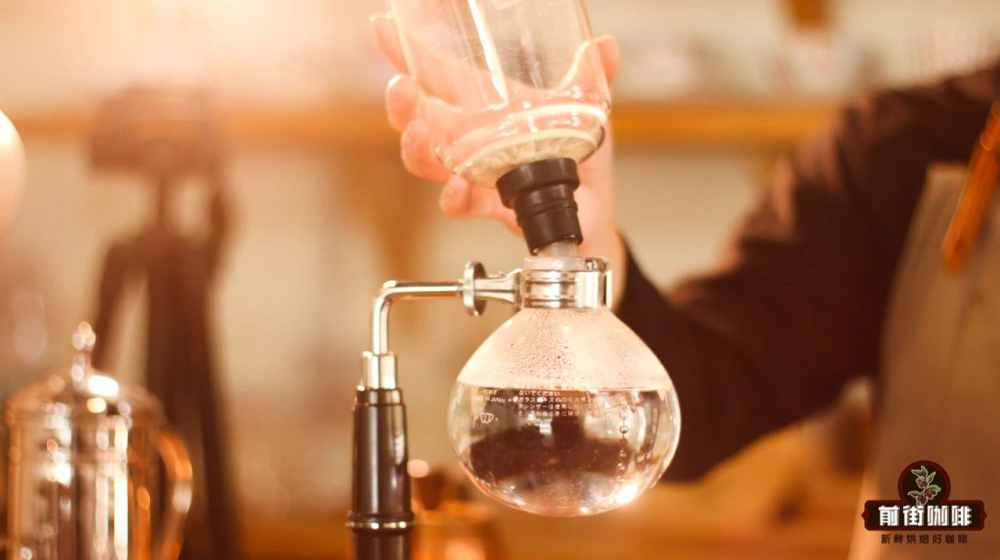
The brewing process with a siphon pot is generally controlled to around 60 seconds, with a recommended water temperature of about 90–92°C. It uses a finer grind than pour over (approximately 90% or finer through a #20 mesh sieve), and the common coffee-to-water ratio is 1:14 to 1:16. This brewing method fully highlights the layered flavors and delicate aromas of the coffee, particularly suitable for light to medium roasted beans, showcasing bright fruit acids and complex aromatic profiles.
[American Pour Over Dripper: The Most User-Friendly Home Coffee Solution]
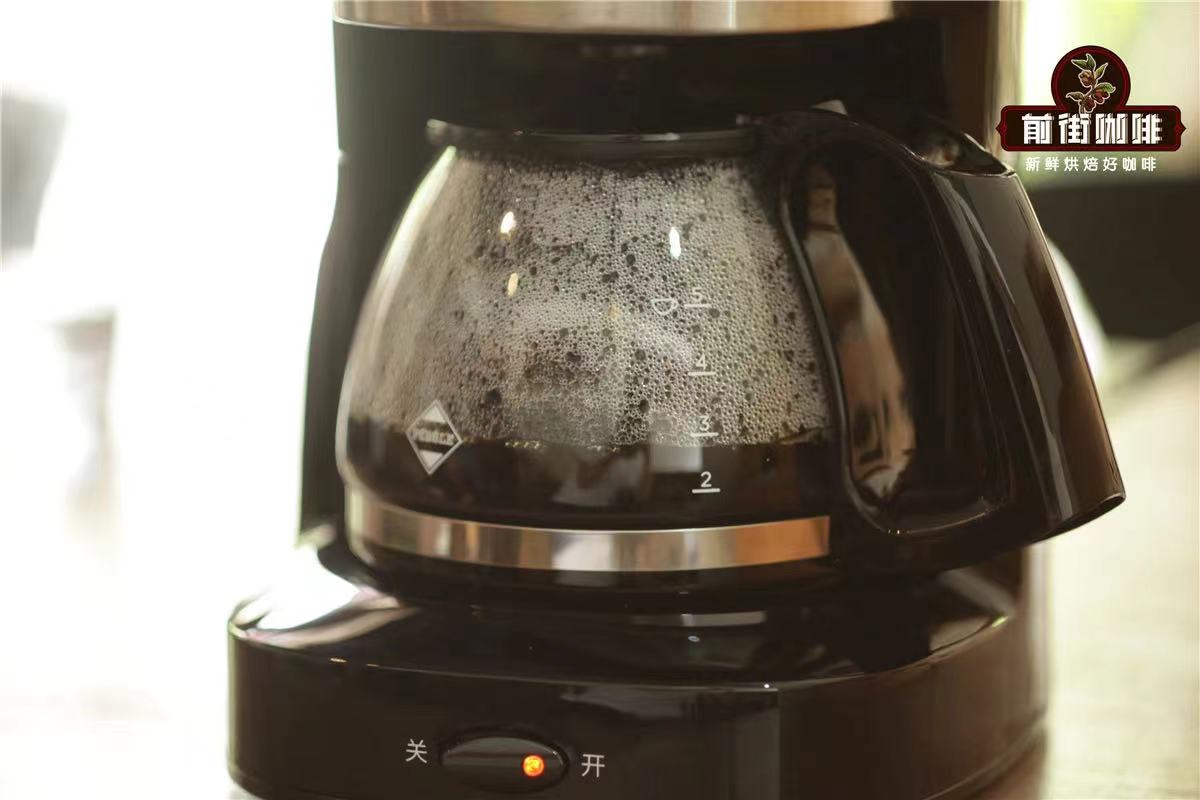
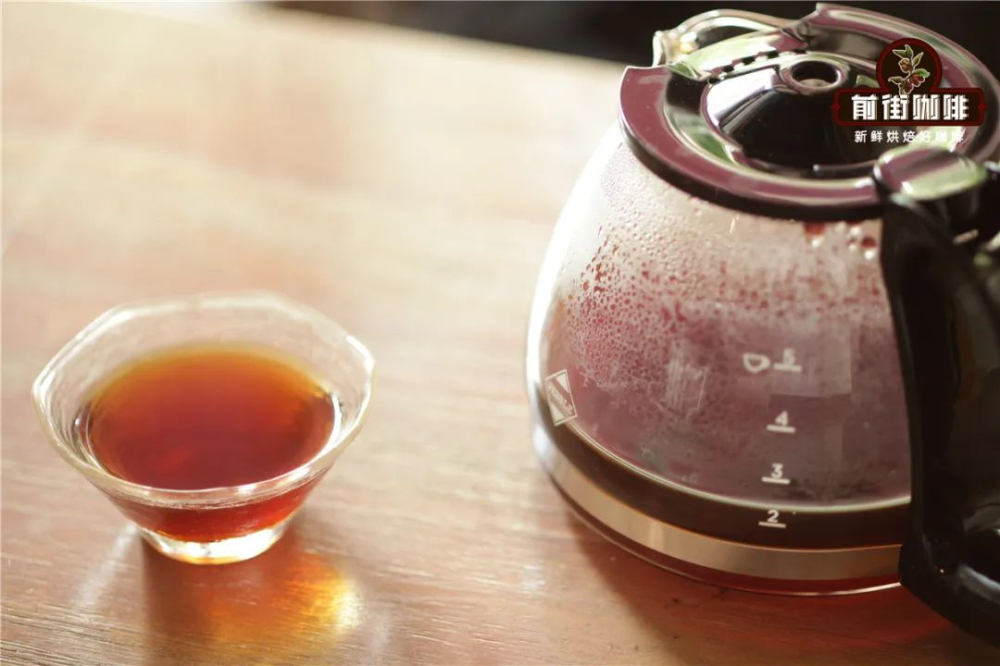
The American pour over dripper (also known as the drip coffee maker) is the top choice for many homes and offices due to its simplicity and ease of cleaning, making it ideal for daily consumption. Simply place the appropriate amount of coffee grounds in the filter, add water, and start the machine. The hot water automatically drips evenly through the coffee grounds, extracting the flavors into the lower chamber.
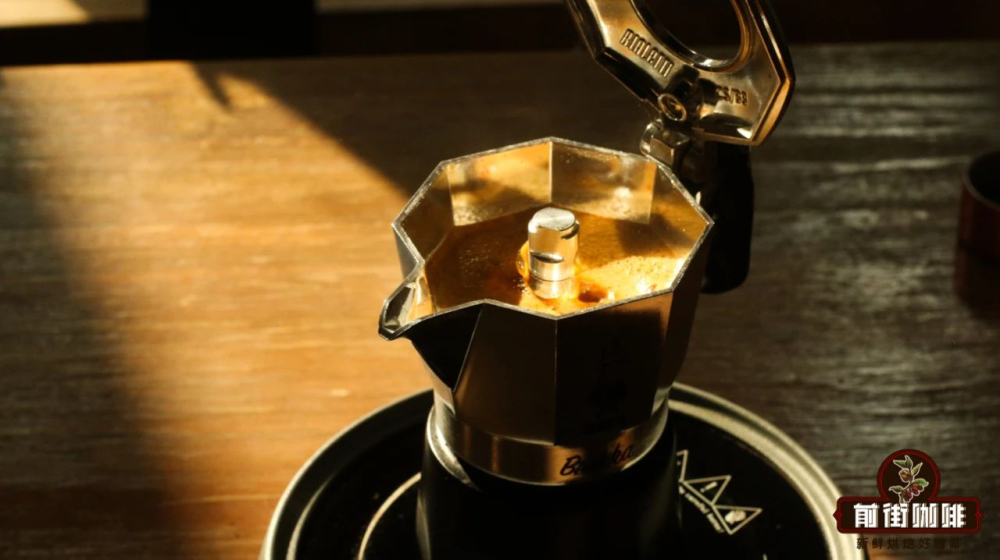
It is generally recommended to use a medium-coarse grind, similar in texture to sea salt, with a coffee-to-water ratio of about 1:15 to 1:18—around 5–7 grams of coffee per 100–120 milliliters of water. This brewing method produces a coffee flavor that is relatively clean and balanced, with noticeable acidity and sweetness, though not as intense in complexity. It pairs well with a variety of coffee beans, from the fruity notes of light roasts to the chocolatey finish of dark roasts.
[Practical Comparison and Brewing Recommendations]
In summary, if you prefer a rich, bold flavor similar to espresso, the moka pot is an excellent choice; if you enjoy a layered extraction experience with a touch of experimental fun and visual appeal, the siphon pot can deliver surprises; and for those seeking a convenient, fast, and stable everyday coffee solution, the American pour over dripper is an irreplaceable, practical tool.
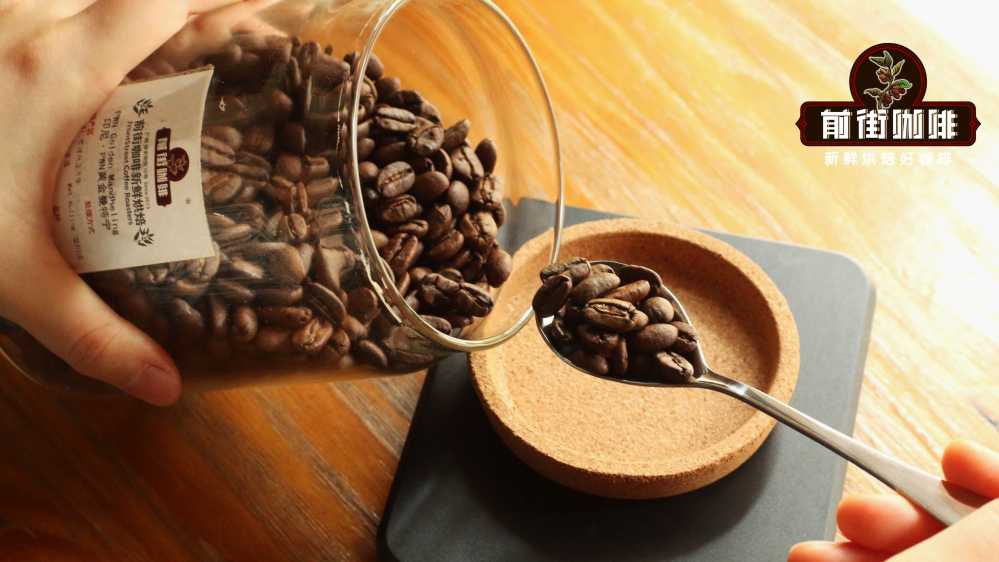
No matter which brewing device you choose, freshly ground coffee beans, appropriate water quality, precise control of water temperature, and accurate coffee-to-water ratios are all key factors that influence the final flavor outcome. It is recommended to gradually adjust grind size and ratios based on your personal taste to discover your ideal brewing style.

The above content is compiled by CoffeeHunters, a coffee news website.


