







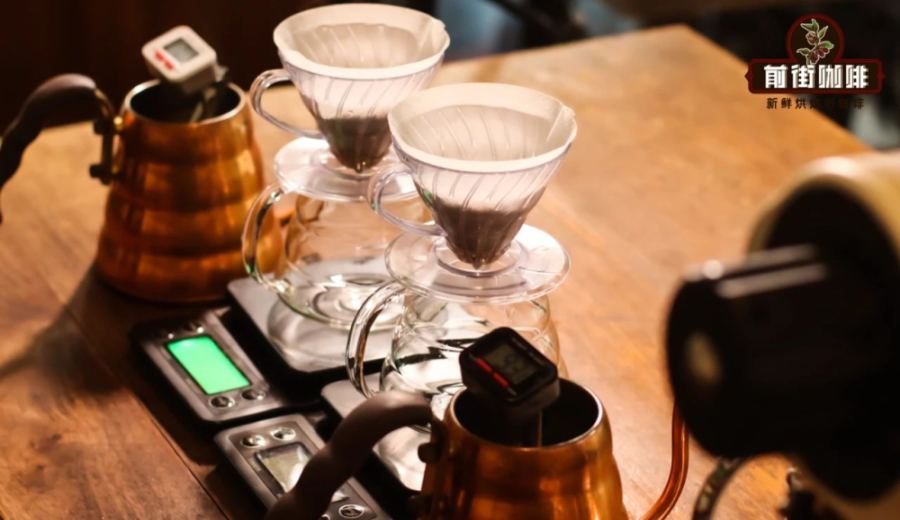
Introduction:One of the charms of pour over coffee lies in its ability to showcase the unique characteristics of coffee beans through different pouring techniques. Among these, the "single pour" and "three-pour" methods are two of the most discussed and mainstream techniques. This article provides an in-depth analysis of their procedures, parameter settings, and flavor differences, helping you understand the core logic behind each method and find the brewing style that best suits your taste.
The joy of pour over coffee is not only in selecting beans and matching roast levels, but also in the control of details during the brewing process. Among them, the "single pour" and the "three-stage pouring technique" are two of the first methods many coffee enthusiasts encounter and frequently compare after getting started. While both aim for a clean and bright extraction, they differ in pouring rhythm, flavor presentation, and operational difficulty.
What is the "single pour" brewing method?
The single pour is one of the most common beginner-friendly techniques. As the name suggests, it emphasizes the concept of "pouring the target water volume in one go." However, in practice, the process is still divided into two stages: first, a bloom pour of about 30 grams of water, followed by the second stage, where the remaining target water is poured in one go (or roughly divided into a few pours with a steady flow rate) in a circular motion. For example, using 15 grams of coffee grounds and a 1:15 coffee-to-water ratio, the target total water volume is 225 grams. After the first 30-gram bloom, the remaining 225−30=222 grams of water will be poured in the second stage.
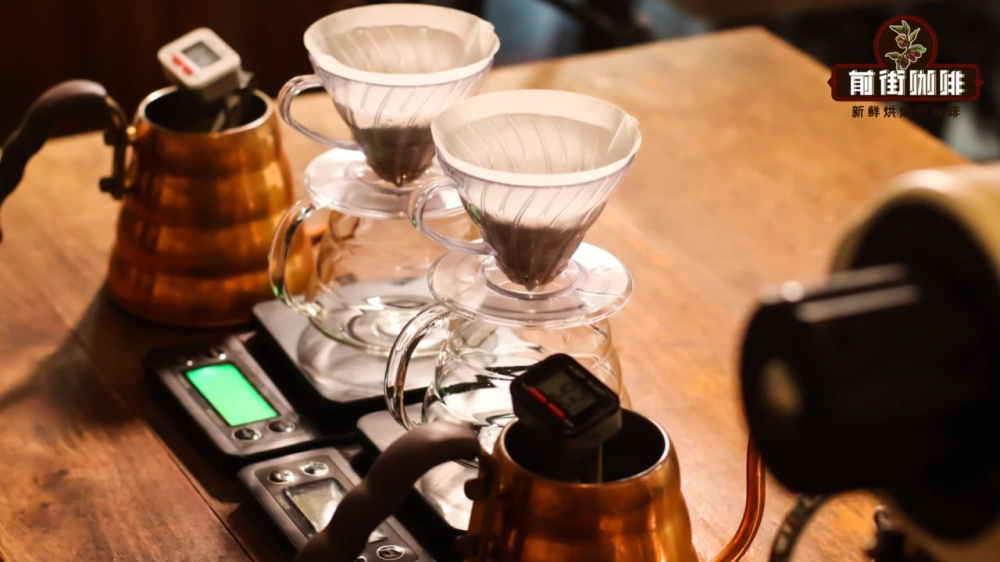
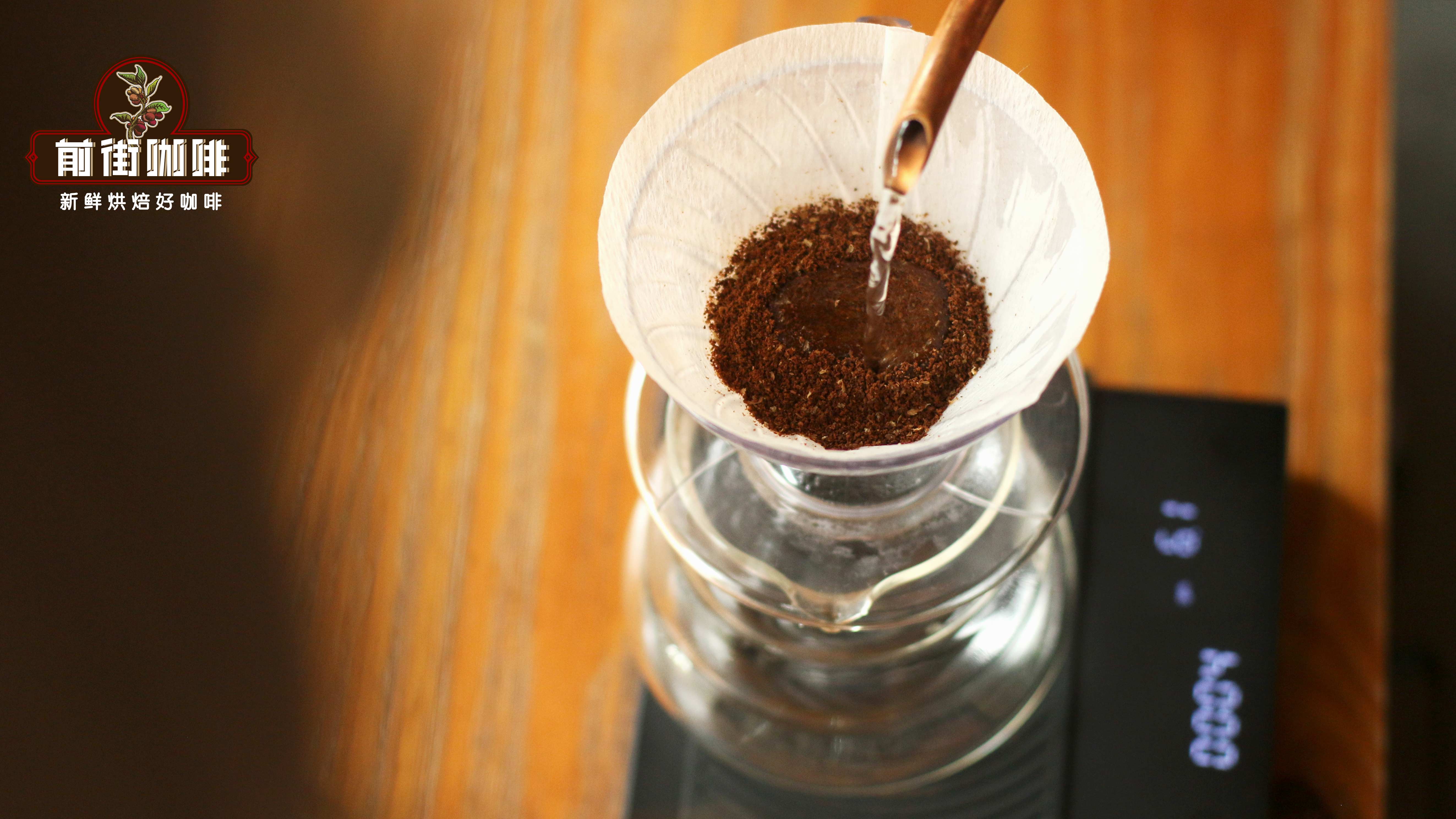
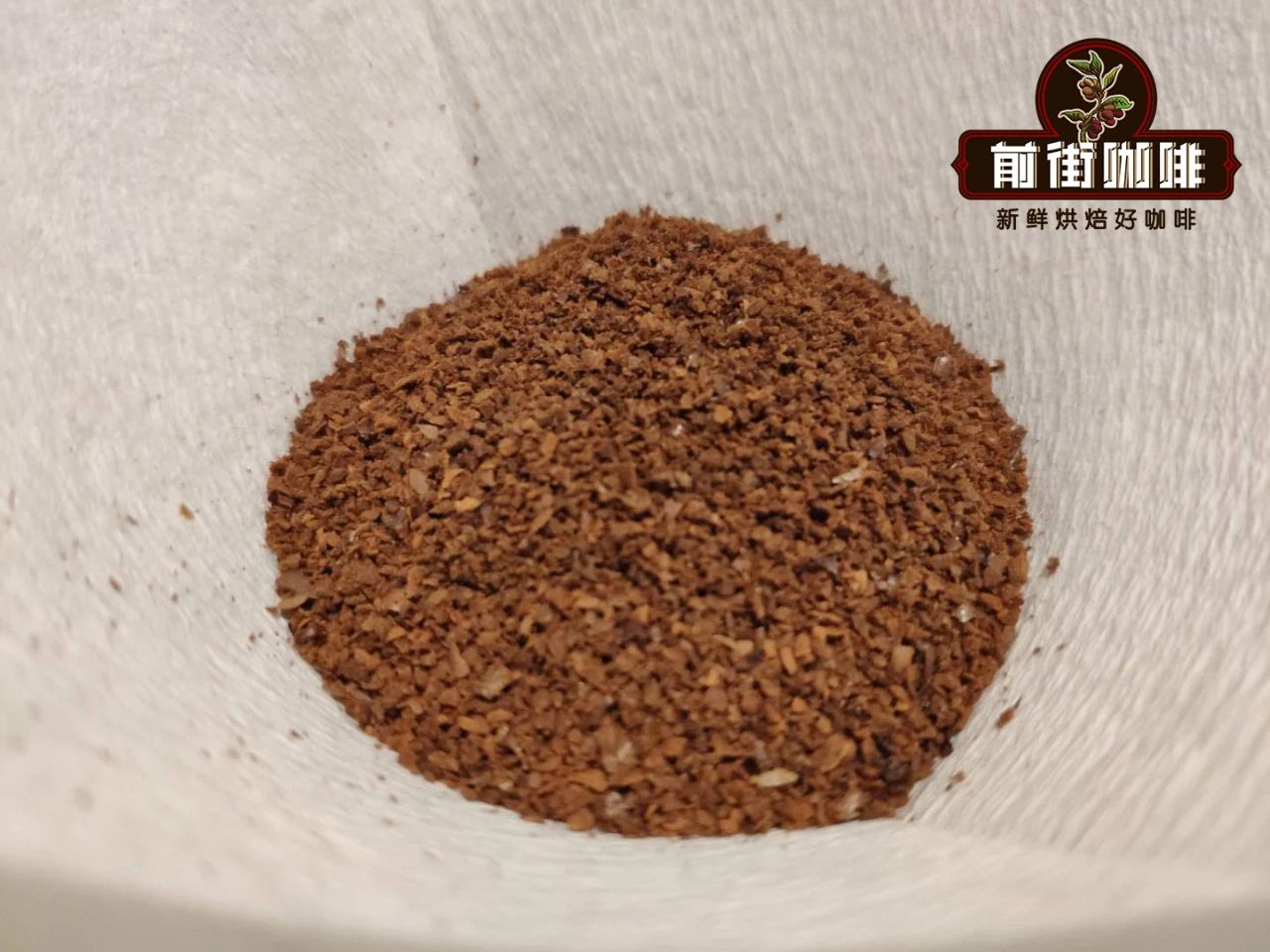
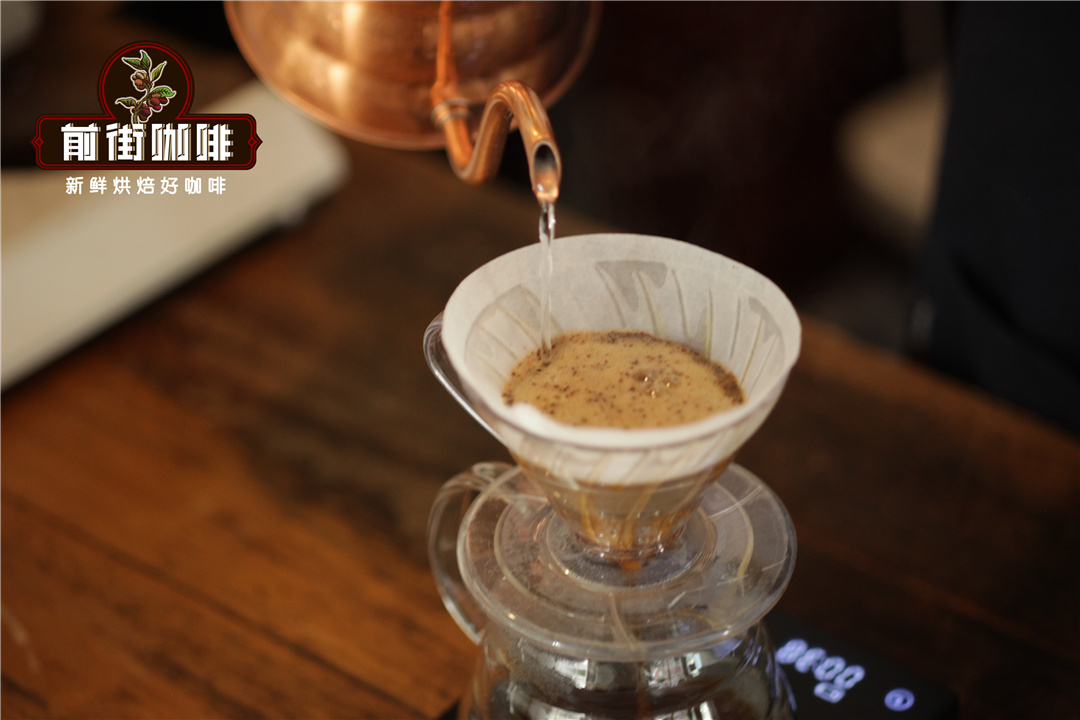
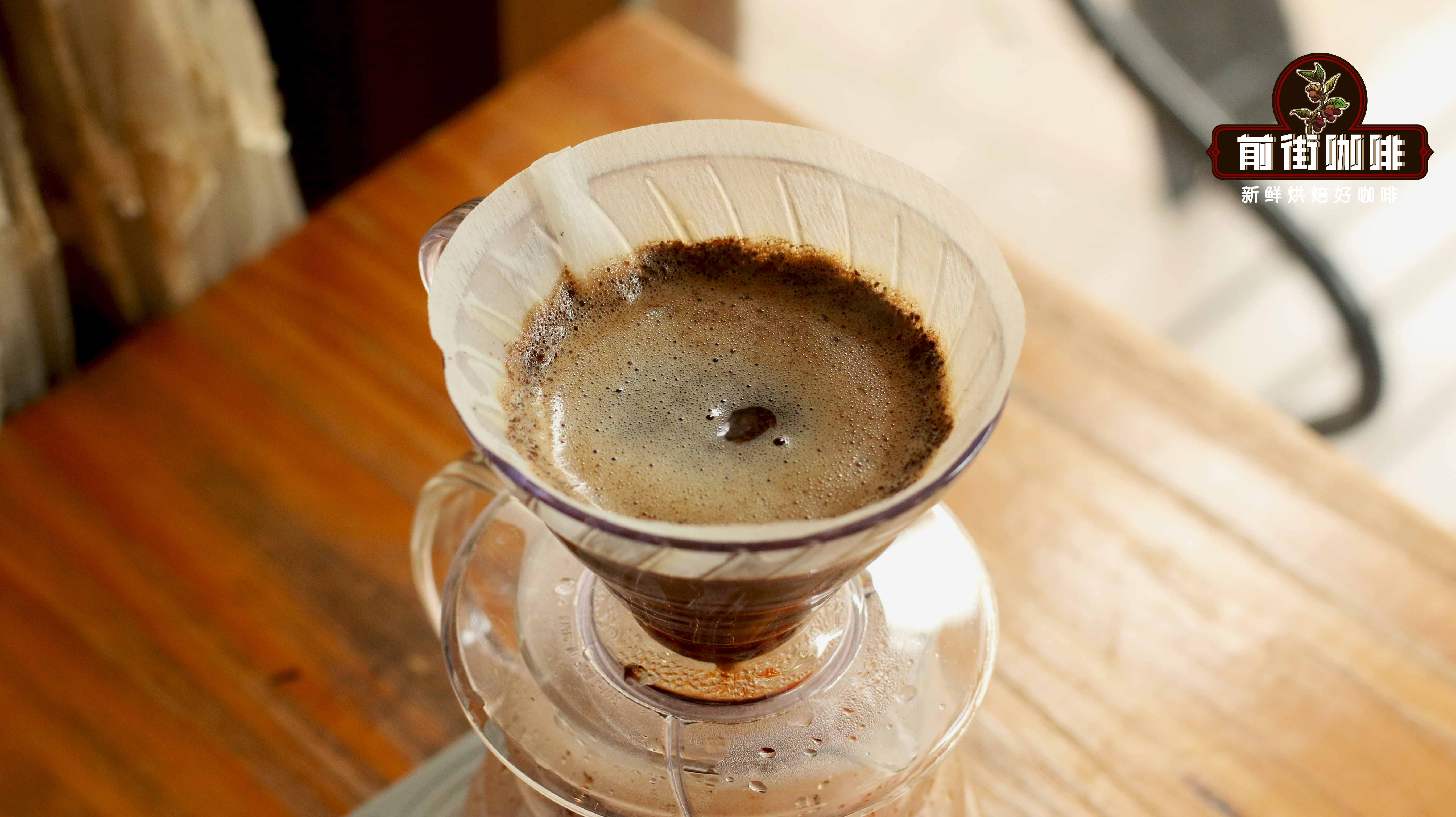
During the operation, start by preheating the filter cone and server, prepare the ground coffee (e.g., 15 grams), and ensure the water temperature is appropriate. Once timing begins, pour 30 grams of hot water in a circular motion from the center outward. At this point, the coffee grounds absorb water and expand, forming what is commonly known as a “coffee hamburger” fluffy state—this is the bloom phase, which lasts about 30 seconds. Then, starting at the 31st second, begin the second stage of pouring. It’s recommended to use a small stream (about 4 grams per second), starting from the center and moving outward in a spiral pattern resembling a “mosquito coil,” keeping the water column vertical and stable so the water can evenly penetrate the coffee bed until the total water volume reaches 225 grams. Finally, wait until all the coffee liquid has dripped through, then remove the filter cone to complete the extraction.
What are the characteristics of the single pour?
The most notable advantage of the single pour is its relative simplicity and ease of understanding, making it especially suitable for beginners new to pour over. Since there is only one main pouring stage, it can more directly reflect the inherent flavor characteristics of the coffee beans, often resulting in a cleaner, clearer, and more stable taste. However, precisely because there is no intervention from multiple pours, it demands greater stability in grind size, water temperature, and water flow control—any slight mistake can easily highlight negative flavors. In addition, getting the grind size just right is particularly crucial; too coarse may lead to under-extraction, while too fine can result in over-extraction, so parameter settings need to be more precise.
What is the "three-stage pouring technique"?
The three-stage method is a technique that clearly divides the pouring process into three stages, consisting of one bloom pour and two subsequent main pours. Taking an example of 15 grams of coffee grounds, a 1:15 coffee-to-water ratio, 88°C water temperature, and medium-coarse grind (approximately 65% extraction through a No. 20 sieve), the entire brewing process becomes more layered and is also easier to adjust to suit beans from different origins or with varying roast levels.
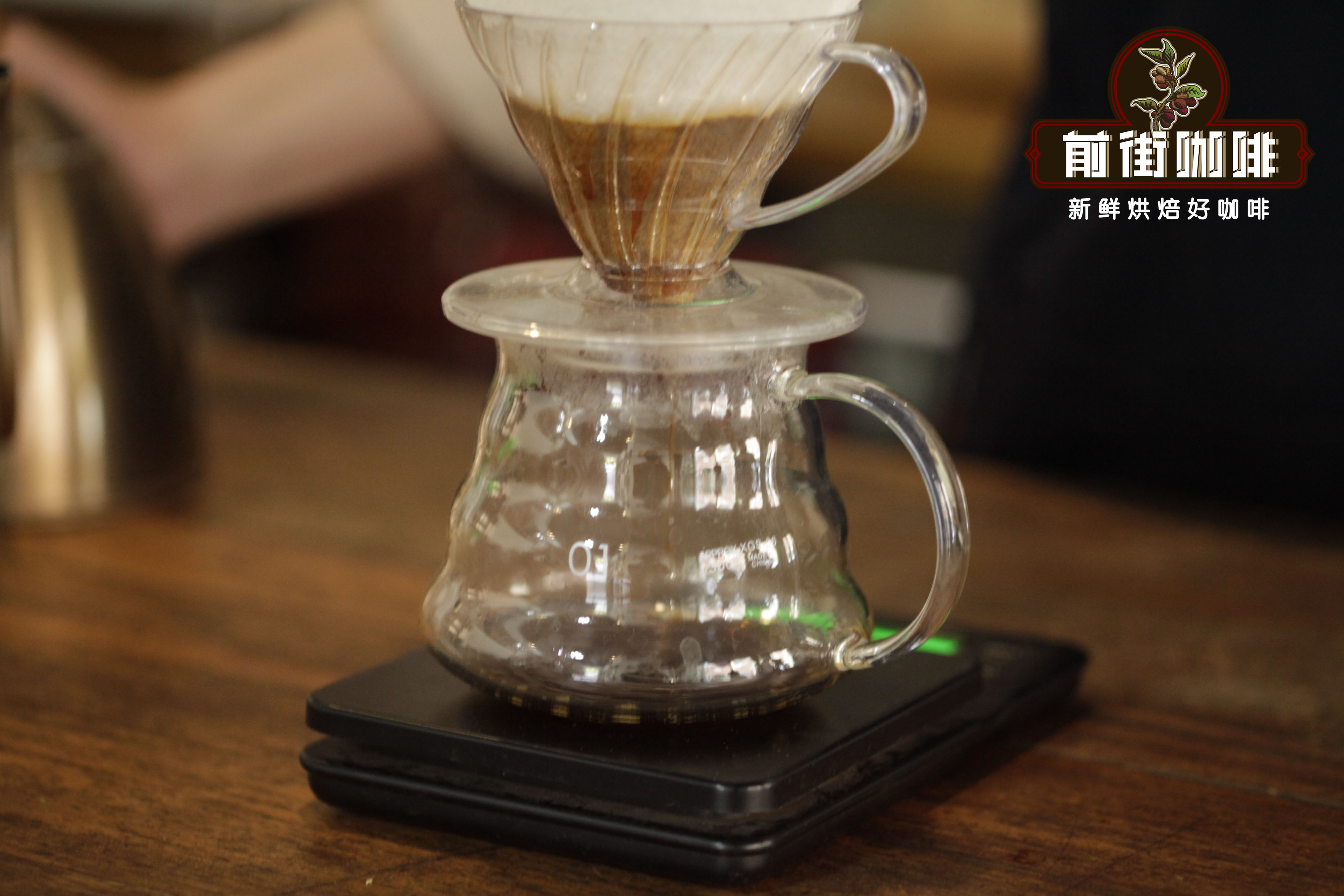
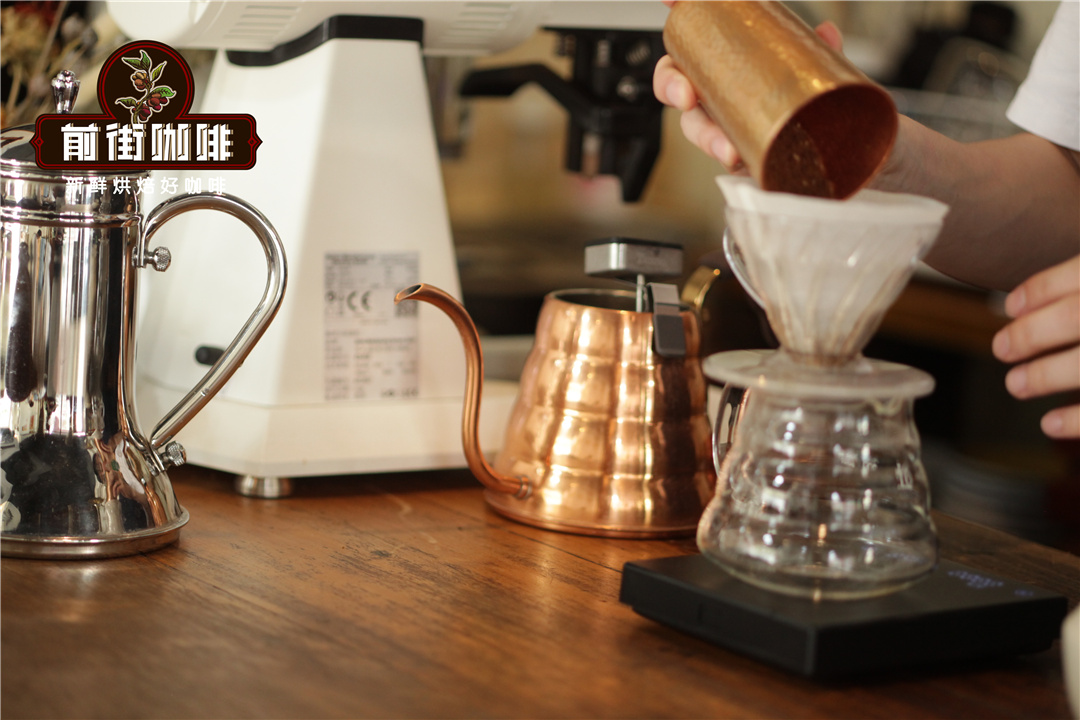
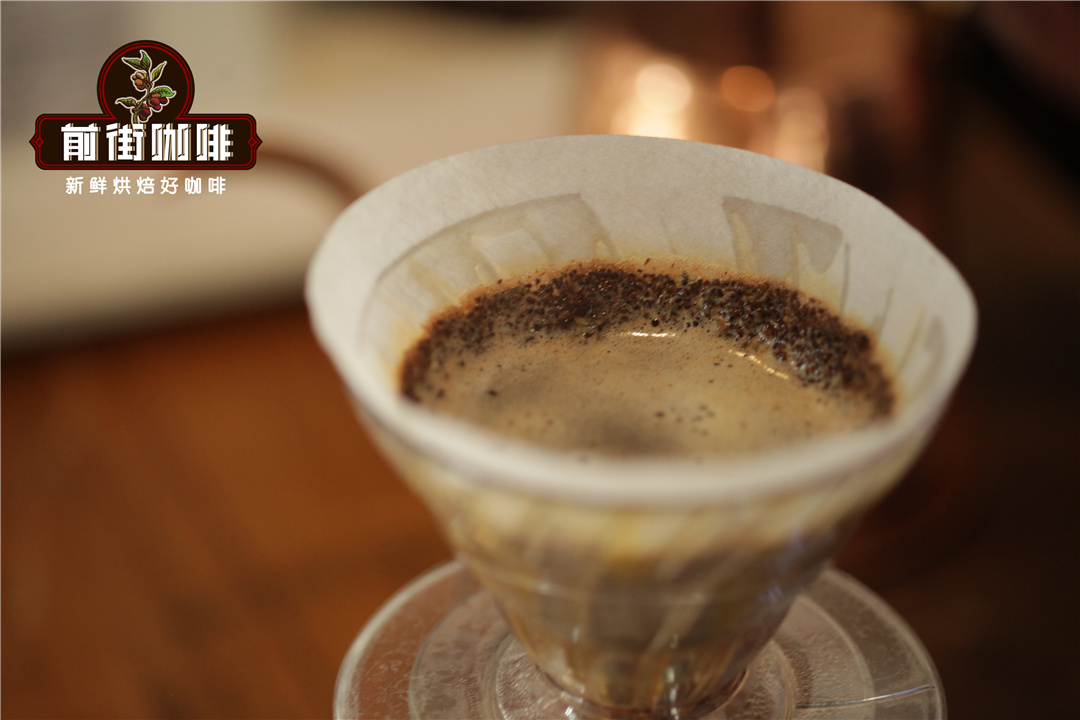
In terms of operation, the first step is again a 30-gram bloom pour with hot water. Start timing and pour in a circular motion from the center outward to allow the coffee grounds to fully absorb water and expand. After about 30 seconds, move on to the second stage, pouring 100 grams of water. The water flow should remain stable and vertical, continuing to circle from the center outward evenly. This stage of pouring releases foam from the surface of the coffee bed, causing the liquid level to gradually rise to the shorter ribs of the filter cone. When the liquid level drops to about half or two-thirds, begin the third stage pour, adding approximately 95 grams of water. At this point, you can use a gentler “aroma-sniffing” circular motion, allowing the water to softly penetrate the coffee bed. Eventually, the liquid level will return to a height similar to the second stage. Once all the coffee liquid has dripped through, remove the filter cone to end the extraction.
How do you determine the timing for pouring in the three-stage method?
The three-stage method has two key moments for re-pouring: the second stage usually takes place 30 seconds after the bloom, while the third stage depends on observing the descent of the liquid level. It’s generally recommended to start when the water level has dropped to about half or two-thirds. This timing helps avoid exposing the coffee bed or accumulating too much water, ensuring even extraction from both the upper and lower layers of coffee grounds. If the water level is too high, the water stream lacks impact force, which can lead to over-extraction of the upper layer and under-extraction of the lower layer. Meanwhile, an appropriately lowered water level helps the water flow evenly through the coffee bed, improving overall extraction balance.
What are the advantages of the three-stage method?
The biggest characteristic of the three-stage method is its flexibility and layered flavor development. By pouring in stages, it can more fully extract aromatic compounds from the coffee, often resulting in a richer and more nuanced flavor profile. For example, using the same Huakui coffee beans, the single pour might bring out bright and lively notes of citrus and cranberry, while the three-stage method can highlight rounder flavors of creamed strawberry and lemon, accompanied by a black tea-like finish, delivering a more three-dimensional and full-bodied mouthfeel. In addition, the three-stage method is highly adaptable; whether dealing with beans from different origins, processing methods, or roast levels, it allows for adjustments in water volume and timing at each stage to find the optimal flavor balance.

Whether you prefer the straightforward simplicity of the single pour or the intricate layers of the three-stage method, both techniques have their own charm. Understanding their operational details and suitable scenarios enables you to more accurately interpret the unique flavors of each coffee bean during your pour over experience.
The above content is compiled by CoffeeHunters, a coffee news website.


