







Introduction:To make an ideal shot of espresso, the key lies in accurately mastering the ratio of coffee grounds to water and finely adjusting the grind size. This article will take you deep into the principles behind the 1:2 coffee-to-water ratio, how to determine whether your grind is appropriate, practical tips for adjusting flow rate and flavor, and the correct way to taste espresso—helping you go from beginner to advanced and easily extract a balanced, crema-rich shot.
When extracting espresso,the ratio of coffee grounds to waterandthe fineness of the grindare two major factors that determine the final flavor. Compared to pour over or cold brew, espresso uses high pressure and short extraction time, which demands higher precision in parameters—small deviations can easily lead to over-extraction or under-extraction.
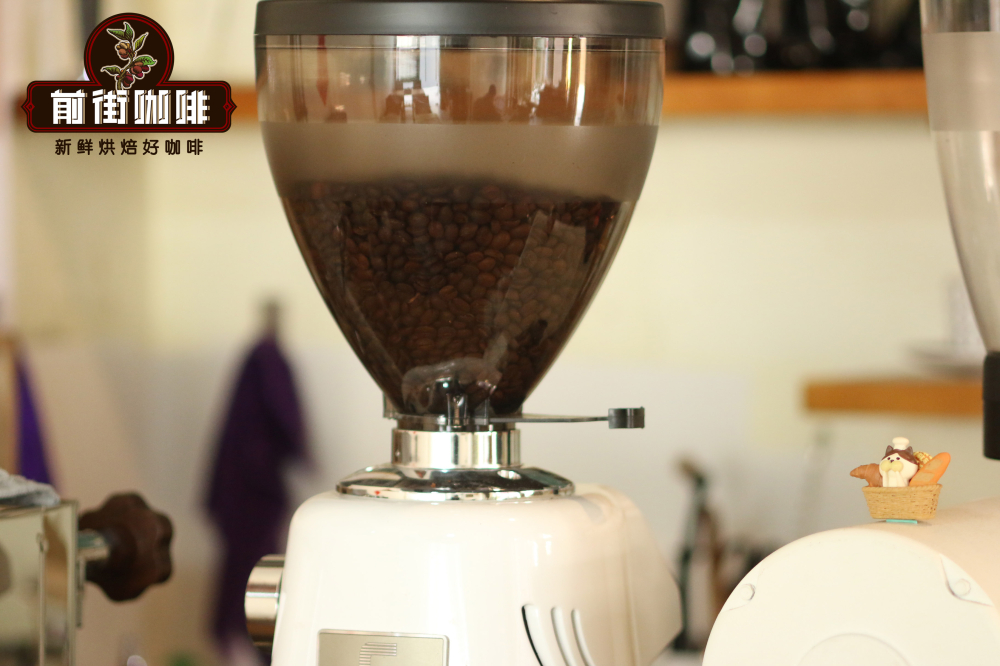
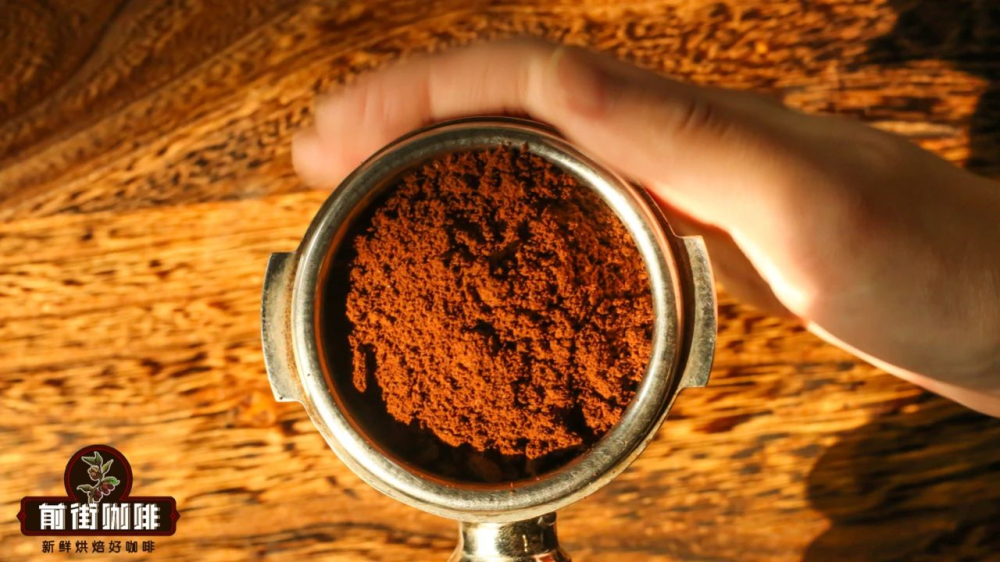
Espresso coffee grounds must be ground extremely fine, almost to the consistency of flour, much finer than what is needed for pour over. As such, it’s difficult to judge their uniformity with the naked eye, and using a sieve is almost impractical. This ultra-fine grind ensures that, under high pressure, water can fully extract the flavor compounds from the coffee—but it also means stricter requirements for equipment and technique.
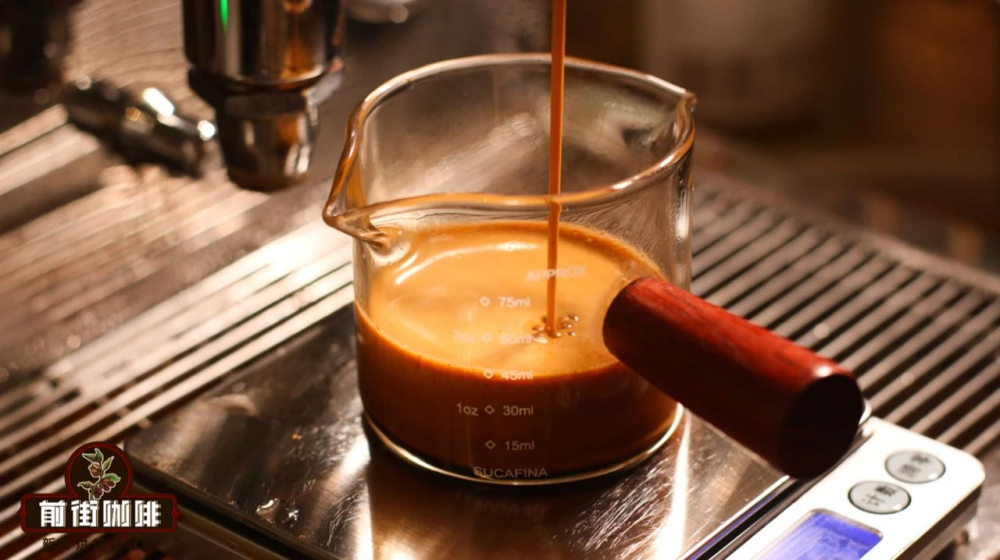
When the grind is too fine, water flows through the coffee bed more slowly, which can easily cause over-extraction, resulting in a bitter, tannic taste; conversely, if the grind is too coarse, water flows through too quickly, leading to under-extraction, often yielding a thin, overly acidic cup. Sometimes, even justa 0.1 difference in grind settingcan significantly affect overall extraction performance, so observing flow rate and flavor expression becomes key to adjustment.
When facing a new bag of coffee beans, first determine the suitable grind range. If your grinder hasn’t been calibrated yet, it’s recommended to start by test-grinding a small amount of beans and judging coarseness by feel—the ideal starting point should be close to fine salt or even finer, feeling smooth without any grittiness. Then, you can refer to the commonly used coffee-to-water ratio1:2of about 2 grams of extracted coffee per 1 gram of coffee grounds, with an extraction time ideally controlled between20 to 30 seconds. For example, if using a 20-gram portafilter basket and dosing 20 grams of coffee, the goal is to extract 40 grams of coffee. If the extraction time is less than 20 seconds, it indicates the flow is too fast and the grind needs to be adjusted finer; if it exceeds 30 seconds, the flow is too slow and the grind should be adjusted coarser.
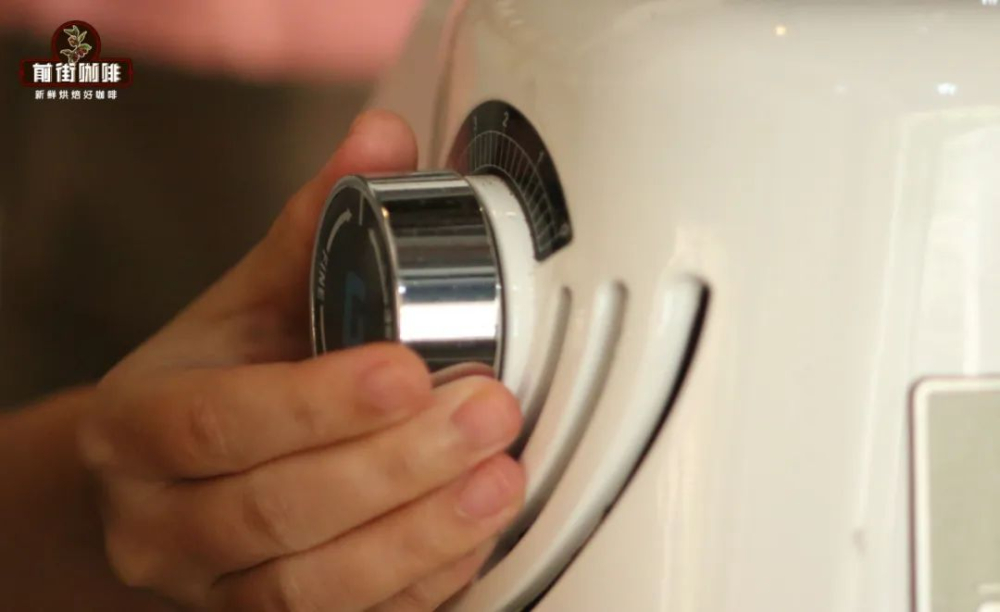
When adjusting the grind setting, if the difference from the ideal time is small (e.g., no more than 5 seconds), it’s advised to adjustby 0.2 incrementseach time; if the difference is larger, you can adjustby 0.5–1 increment(s)at a time, gradually approaching the desired flow rate. Even when adjusting from too slow to too fast, you should note the range and then narrow down the adjustments. If the flow is too slow, it usually means the coffee is too fine and water flow is restricted, often causing bitterness—this is when you need to coarsen the grind.
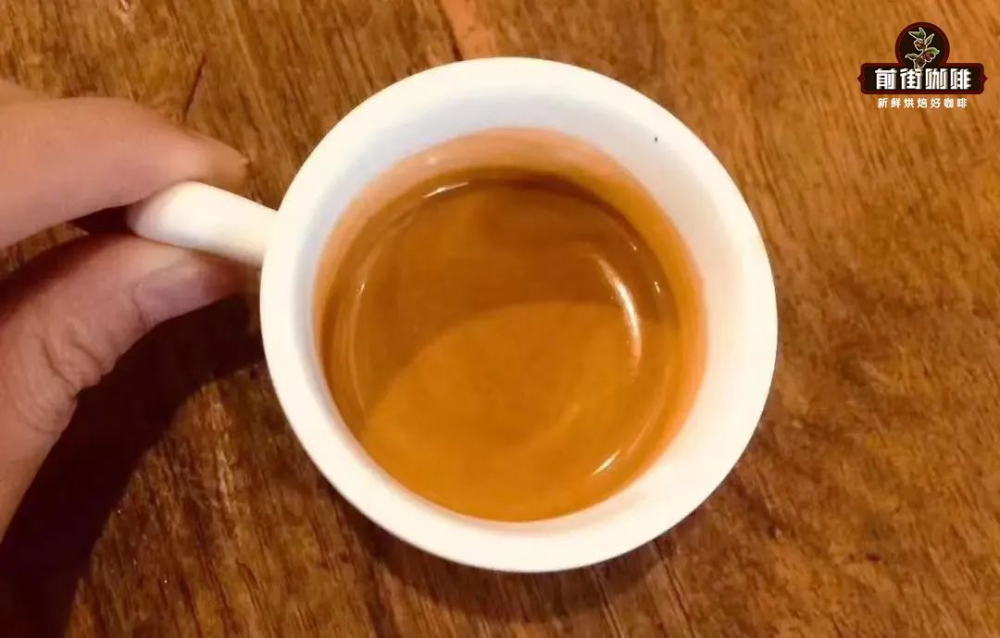
Although using the coffee-to-water ratio and time can quickly give you a general range, to extract an espresso with truly balanced flavor, you still need to fine-tune based on actual flavor expression. If the coffee tastes noticeably burnt or bitter but has moderate strength, it might be due to too long an extraction time, releasing excessive bitter compounds—here you can slightly coarsen the grind. If thecrema (coffee foam)on top is pale and thin, it may indicate over-extraction in the tail end, and it’s recommended to increase the coffee-to-water ratio to1:1.5–1:1.7to reduce extraction volume. On the other hand, if the coffee flavor is rich but the aftertaste is short, you can try extending the extraction time and adjusting the ratio to1:2.5, extracting more liquid.
It’s important to note thatthe 1:2 ratio is not an absolute golden standard for all coffee beans; in some cases, ratios like 1:1.7 or 1:2.5 may better highlight a coffee’s unique character. Similarly, extraction time isn’t fixed at 25–30 seconds either—some beans perform better at 36 or 24 seconds. It’s recommended that when brewing at home, you record flavor profiles under different parameter combinations and gradually identify the settings that best suit your taste and bean variety.

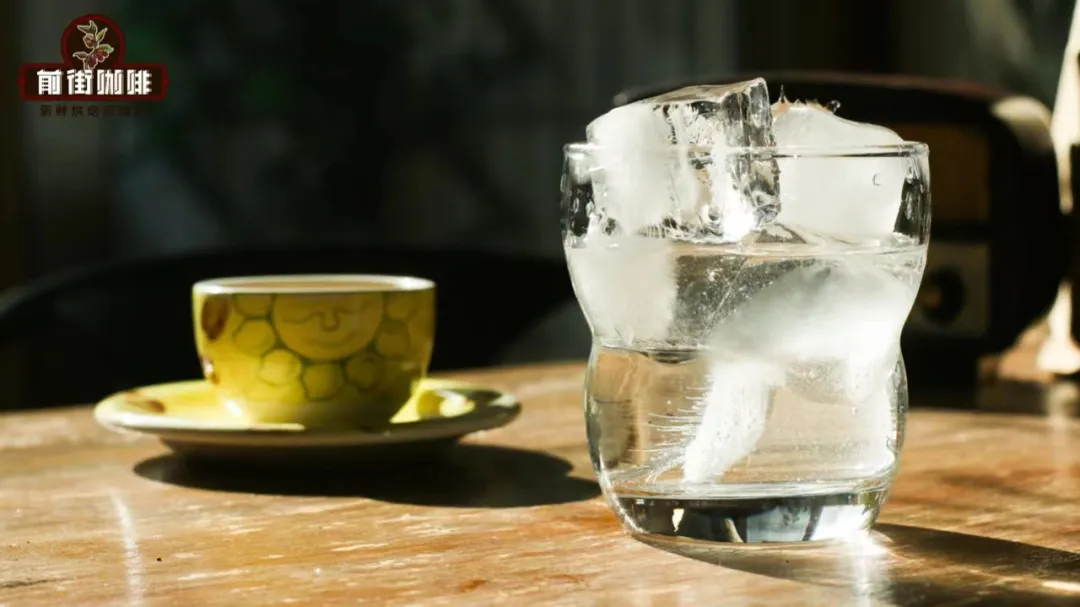
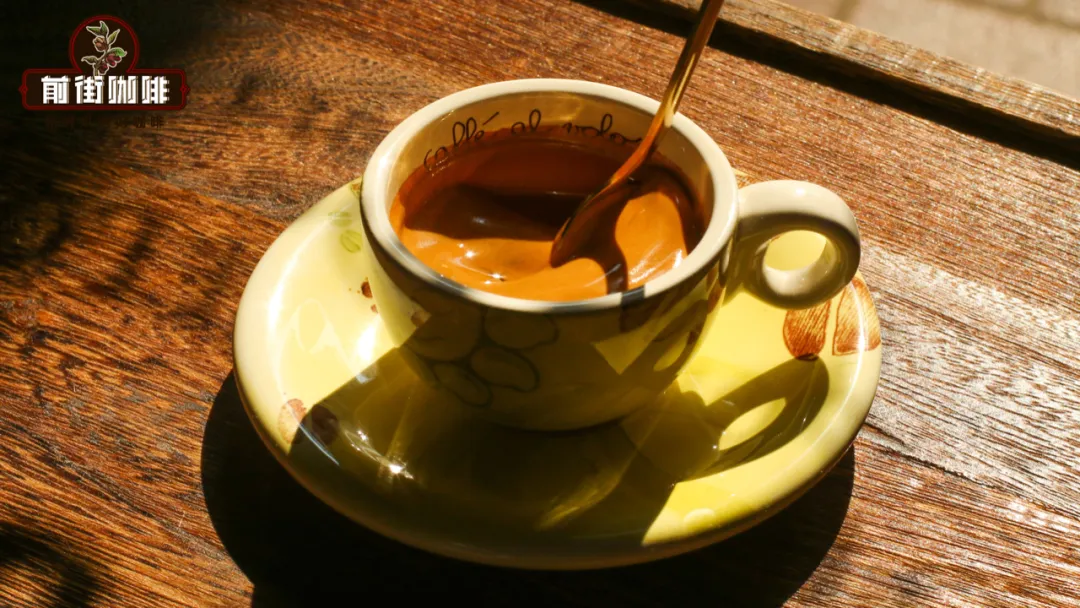
When tasting espresso, it’s recommended to first take a sip of cold water to cleanse your palate and enhance taste sensitivity. Next, gently stir the coffee with a spoon—this not only helps distribute concentration evenly, avoiding a top layer that’s too light or a bottom that’s too strong, but also aids in fully integrating the oils in the crema with the coffee liquid. The bitterness that many beginners perceive is partly due to tiny coffee particles in the crema; stirring effectively disperses these particles, softening the bitterness while enhancing body.
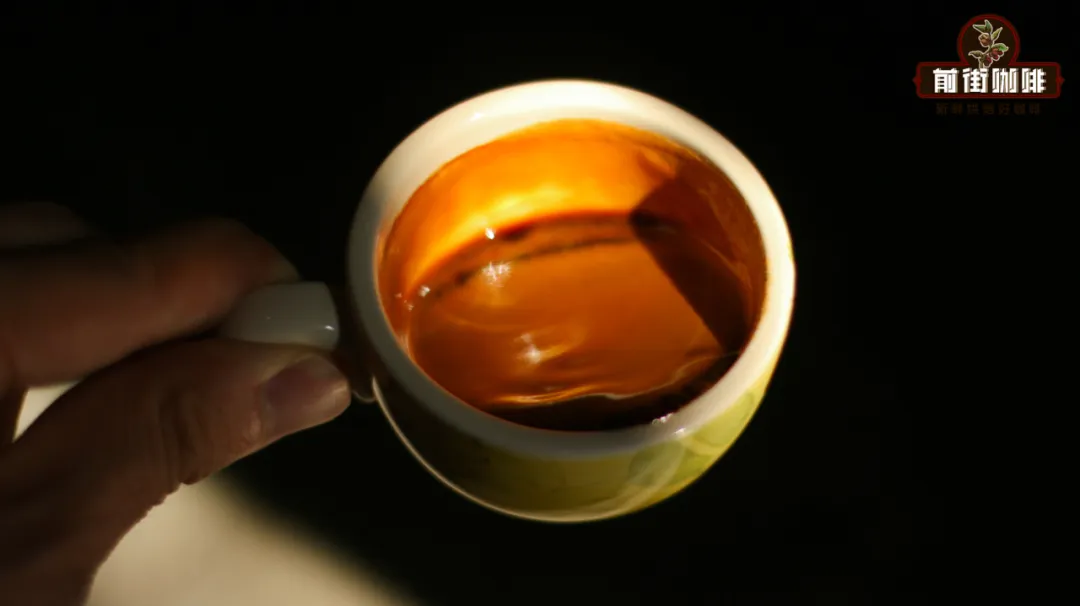
After stirring, it’s recommended to take a big sip, letting the coffee fill your mouth to experience the silky texture brought by the crema. If using a light-roasted SOE (single-origin espresso), which is roasted lighter and typically has less crema and body, the flavor may come across as crisper and more delicate. Finally, pay attention to the aftertaste once swallowed—breathe inward with your mouth closed to appreciate the layered aromas lingering in the throat, then finish with a sip of water for a complete sensory experience.
Whether adjusting grind size or optimizing the coffee-to-water ratio, the process of espresso extraction is full of exploration and discovery. By observing flow rate, tasting flavor, and adjusting parameters, every coffee enthusiast can gradually find their own perfect extraction combination.

Once you’ve mastered these techniques, you’ll not only be able to consistently pull balanced shots of espresso, but also further experiment with different ratios and grind settings according to personal preference, uncovering the hidden flavor potential of each coffee bean.
The above content is compiled by CoffeeHunters, a coffee news website.


