







Introduction:Understanding the standard coffee-to-water ratio for espresso and the correct brewing methods is fundamental to further exploring the world of coffee. This article delves into the logic behind the 1:2 standard ratio, the actual liquid yield of single and double shots, as well as key extraction parameters such as grind size, brew time, and pressure. It not only explains how to adjust for ideal flavor but also introduces the proper way to taste espresso and pairing tips, helping you evolve from a beginner into a more informed coffee drinker.
Basic Coffee-to-Water Ratio for Espresso
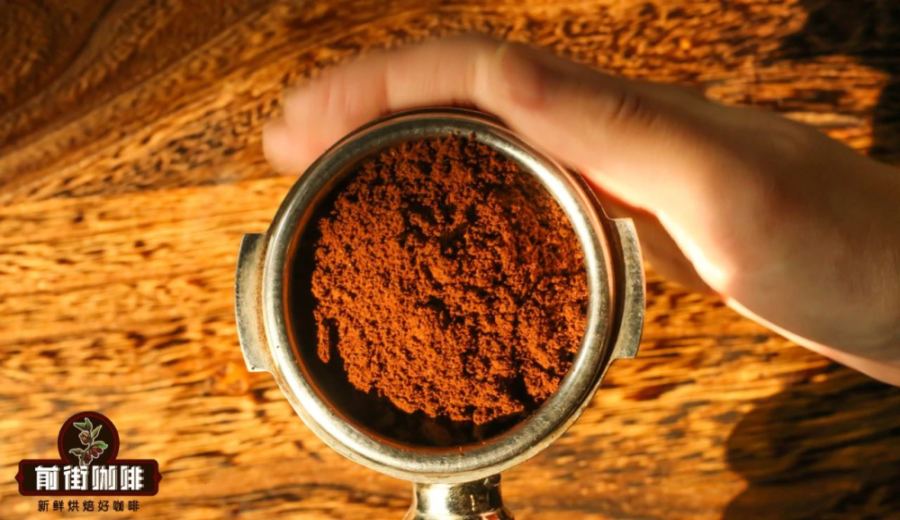
When making espresso, the most common and standard coffee-to-water ratio is 1:2. This means that using 9 grams of coffee grounds will yield approximately 18 grams of espresso; for a double shot, using 18 grams of coffee, the ideal output is 36 grams of liquid. In practice, baristas may fine-tune this base ratio based on the characteristics of the coffee beans and daily extraction performance to achieve the best flavor.
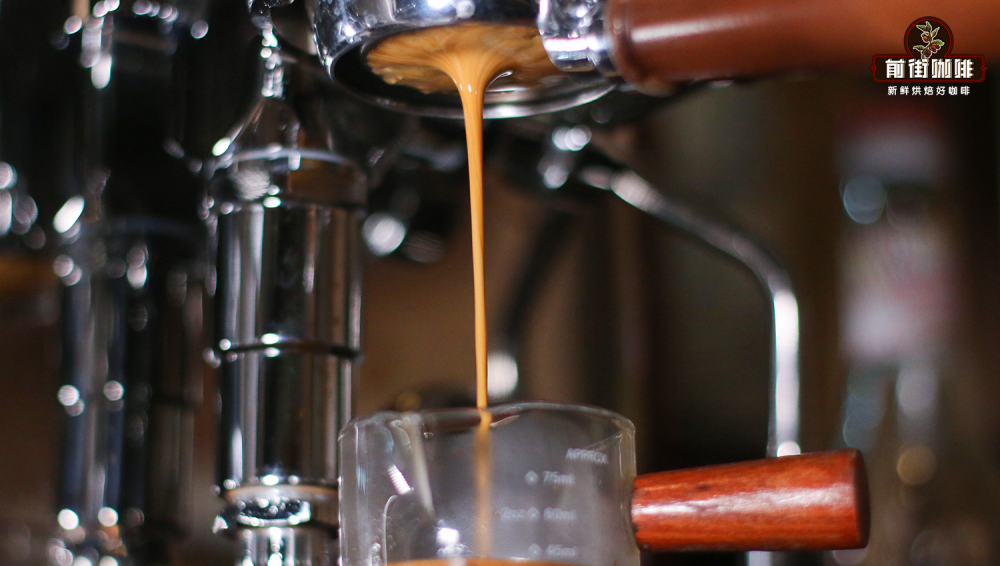
Brew time is also an important indicator. The standard brew time is typically 25 to 30 seconds. When the coffee is ground finer, the water flow slows down; if the extraction is too fast, you may need to adjust the grind to be finer. Conversely, if the flow is too slow, you can make the grind coarser to bring the brew time within the ideal range.
What Is Espresso?
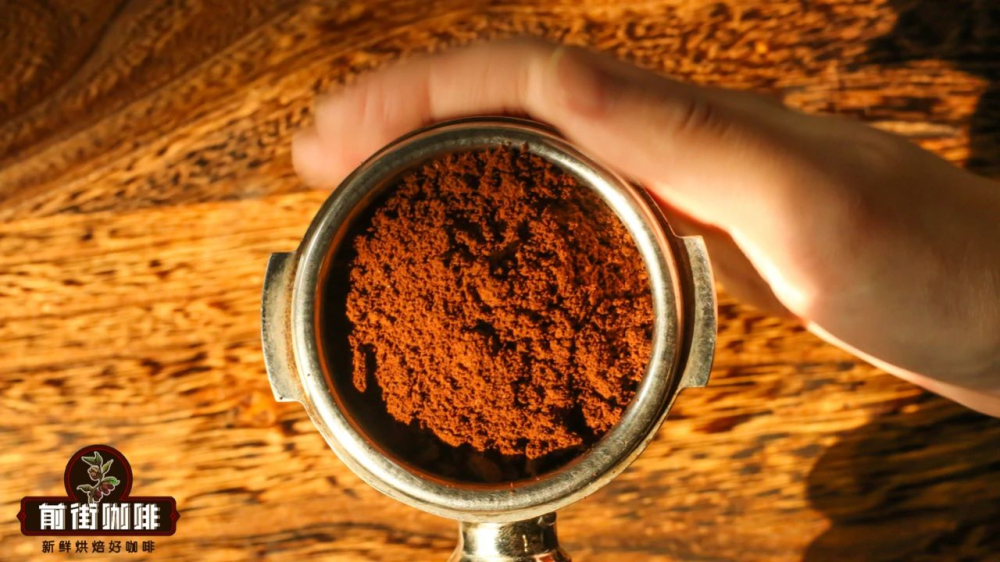
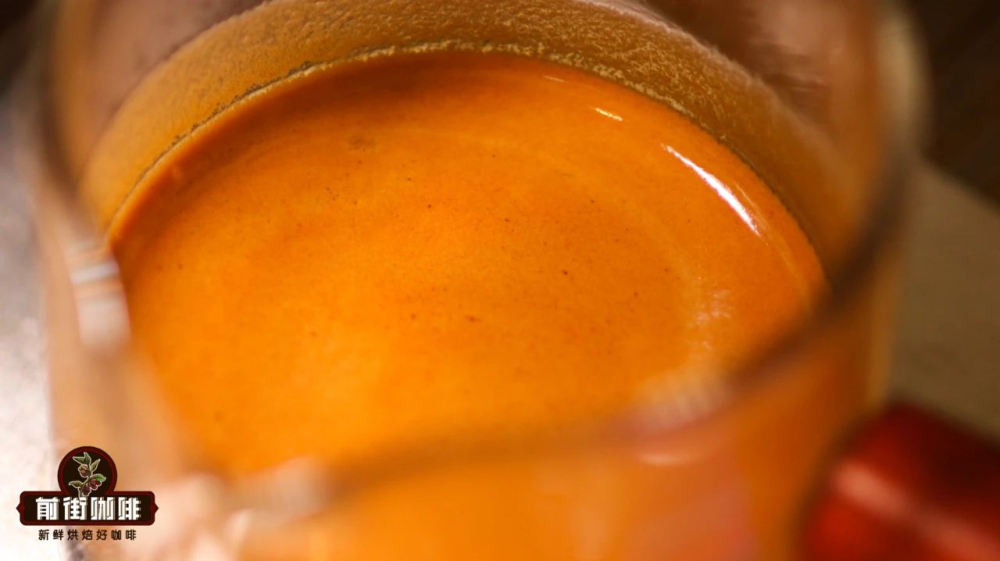
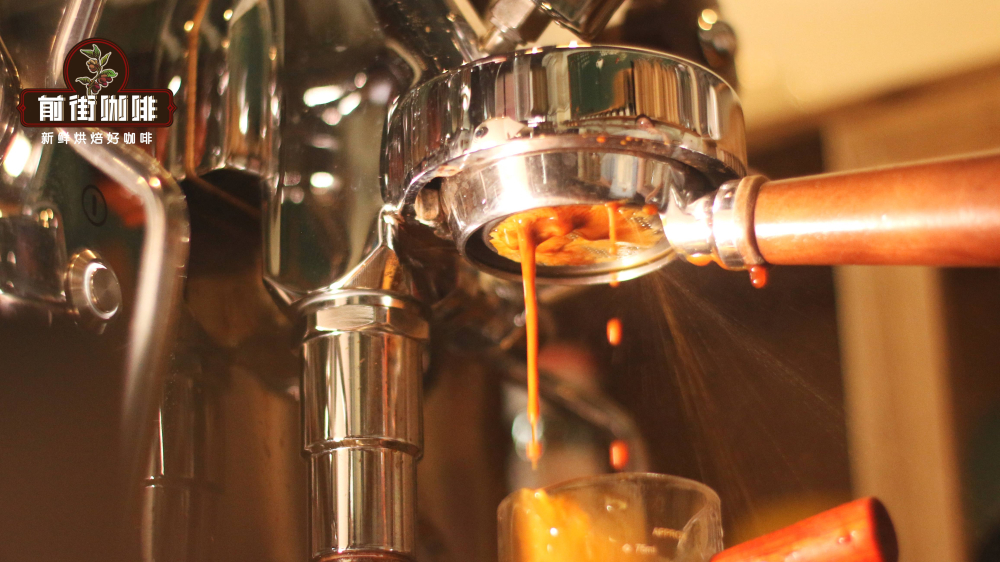
Espresso is a concentrated coffee brewed by forcing high-pressure, hot water through finely-ground coffee. This process requires a professional semi-automatic or fully automatic espresso machine to achieve the necessary pressure and water temperature conditions, resulting in its distinctive thick texture and rich crema.
Espresso has a highly concentrated flavor, with sweet, sour, bitter, and salty notes rapidly presenting on the palate, which is why it is often seen as a challenging beverage for the taste buds. However, it is also the base for many classic coffee drinks such as lattes, cappuccinos, and flat whites—its importance cannot be overlooked.
How to Properly Taste Espresso?
Although espresso is not commonly listed on the menus of many cafés, it remains a hidden favorite among many coffee enthusiasts. Some cafés, even if they don’t officially list it as a menu item, still have regular customers who come specifically to enjoy this “mini coffee.”
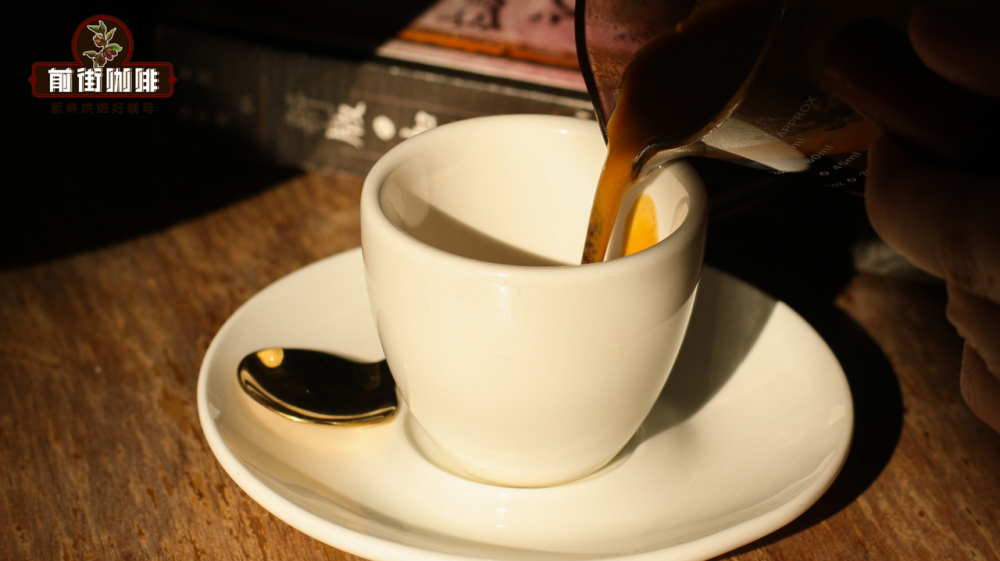
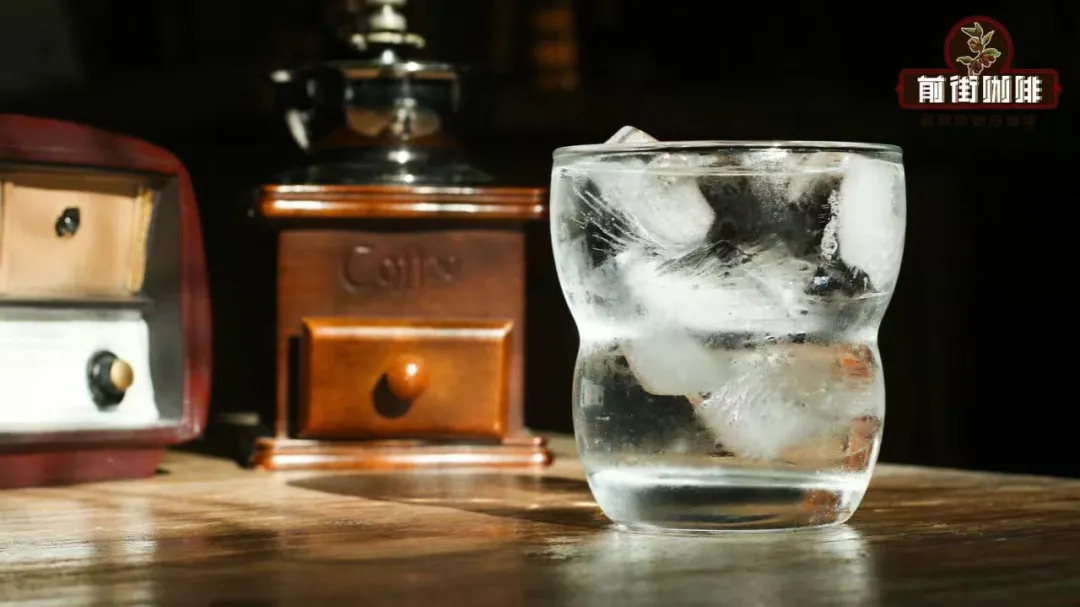
When you order an espresso, it usually comes with a glass of water. It’s recommended to take a small sip of the water first to cleanse your palate. Then, observe the crema and fine bubbles on the surface of the coffee, and gently stir with the provided teaspoon to even out the flavors. It’s advised to sip slowly, letting the espresso linger on your tongue to appreciate the complex texture where crema and liquid blend. You can follow up with another sip of water to enhance the aftertaste and lingering finish.
Espresso Beans and Brewing Characteristics
The “Sunflower Warm Sun Blend” used here is a mix of Yirgacheffe and Honduran beans, featuring prominent fermented fruity and berry acidity. As the temperature changes, you can also detect layers of vanilla, cream, and dark chocolate. The overall profile is round and smooth, making it very suitable as a base for espresso.
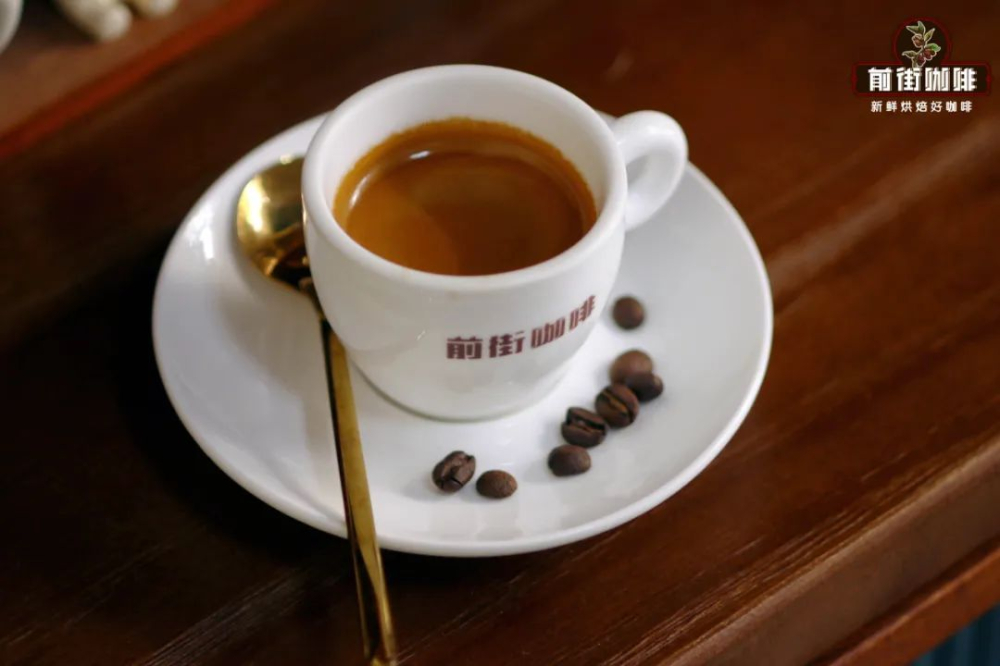
It’s important to note that each coffee bean has different characteristics. Therefore, even when using the same coffee-to-water ratio, adjustments to grind size and extraction parameters may be needed depending on the bean variety, roast level, and freshness to achieve the best flavor.
Key Elements of Extraction Parameters
When discussing extraction, it’s essential to consider the dosage, liquid yield, brew time, pressure, and grind size comprehensively. Common dosage settings are determined by the capacity of the portafilter basket—for example, a double basket with a 20-gram capacity typically uses 20 grams of coffee, aiming to extract 40 grams of liquid, maintaining a 1:2 ratio.
If you want a brighter and more layered flavor, you can consider using a larger ratio, such as 1:2.5; conversely, if the coffee tastes too thin or lacks a long finish, you can set the ratio to be stronger, such as 1:1.5. At the same time, if over-extraction occurs—such as obvious burnt bitterness or astringency—the liquid yield should be reduced to avoid affecting the overall flavor balance.
Techniques for Adjusting Grind Size and Flow Rate
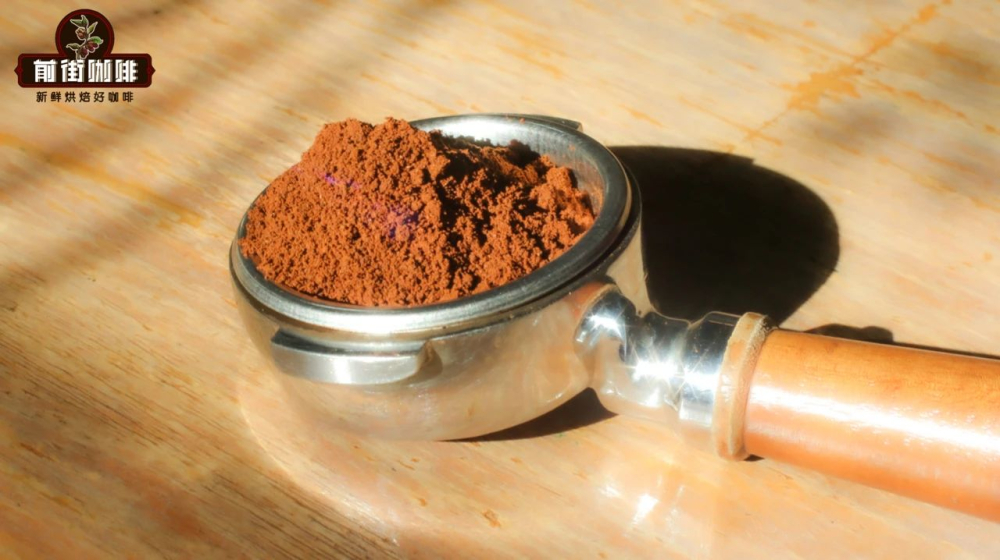
Grind size directly affects the speed at which water flows through, thus determining brew time and flavor expression. A fast flow rate usually indicates a grind that is too coarse, leading to under-extraction and a coffee flavor that is thin and overly acidic. A slow flow rate, on the other hand, may suggest the grind is too fine, which can lead to over-extraction, causing bitterness and astringency.
Since espresso grinding is much finer than pour over, adjustments should be made in small increments to prevent large variables that could destabilize the extraction. It’s recommended to adjust the grind setting slightly each time and observe changes in flow rate and brew time, gradually finding the most suitable setup.
Practical Extraction Recommendations
Taking a common 20-gram coffee dosage as an example, using a 1:2 ratio to aim for 40 grams of extracted liquid with a pressure setting of 9 bar, the ideal brew time should fall between 25 and 30 seconds. This parameter combination can steadily produce balanced and layered espresso, suitable for most coffee varieties and everyday drinking needs.
Whether you are a beginner or an experienced barista, you can find the optimal extraction setup for your personal taste or café style through continuous experimentation and record-keeping. Remember, the charm of coffee lies in the accumulation and refinement of these details.
The above content is compiled by CoffeeHunters, a coffee news website.


