







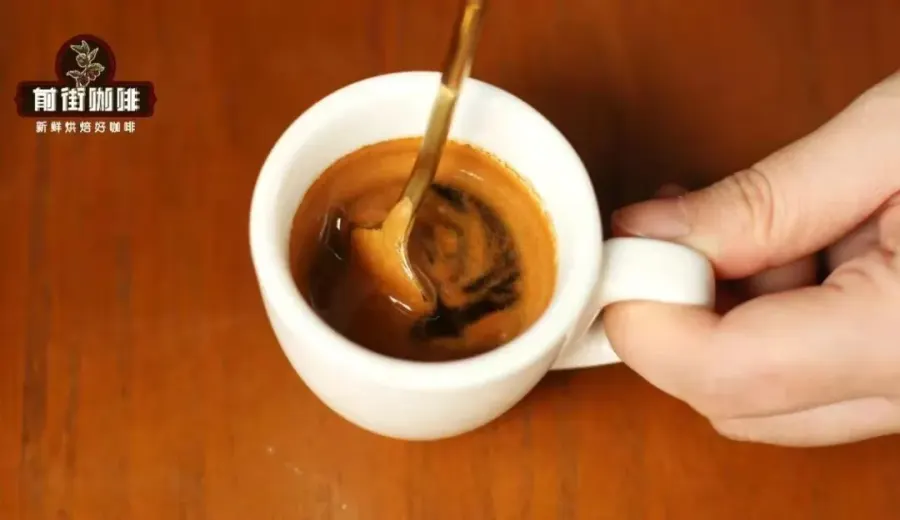
Introduction:Many coffee beginners, after purchasing an espresso machine, often find themselves puzzled about how to extract the ideal shot of espresso—how much coffee grounds should be used? What’s the appropriate yield? How should extraction time be controlled? This article will delve into the core logic behind espresso parameters, focusing on why the classic 1:2 coffee-to-water ratio can produce consistently stable results. It will also guide you on how to precisely manage flavor balance by adjusting grind size and extraction time, enabling even beginners to quickly master the art of fine-tuning.
Many who are new to espresso report that after buying a machine, they don’t know how to set the parameters to pull a standard shot—how many grams of coffee grounds to use? What target yield should they aim for? How long should extraction take? Even if they follow the common recipe of “18 grams of coffee for 36 milliliters of espresso,” if the extraction time is too short, the resulting shot may taste overly sour or sharp. In such cases, should one adjust the water temperature, pressure, or grind size first?
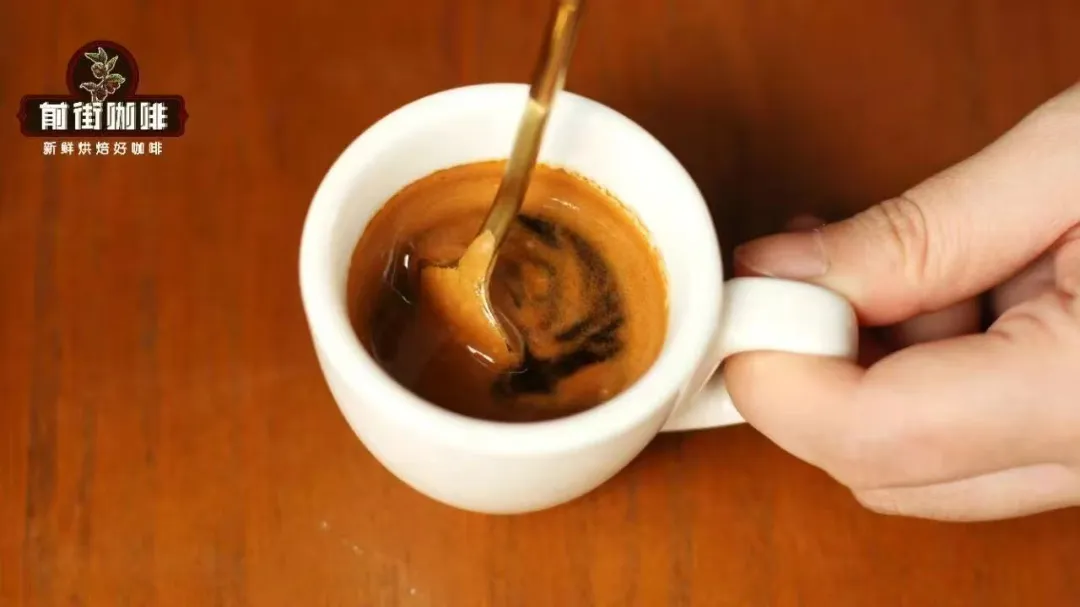
This is a common challenge faced by many novices: tutorials online are scattered, and parameter recommendations vary widely, leaving people unsure where to start. This article simplifies the complexity and focuses on the three most critical parameters for adjusting espresso—dose, coffee-to-water ratio (the foundation of concentration), and grind size (which determines extraction time). Other factors such as water pressure, water temperature, and portafilter basket type are recommended to be left untouched for beginners (it’s safer to stick with the manufacturer’s default settings). Once you’re familiar with the basic extraction logic, you can then explore these more advanced variables.
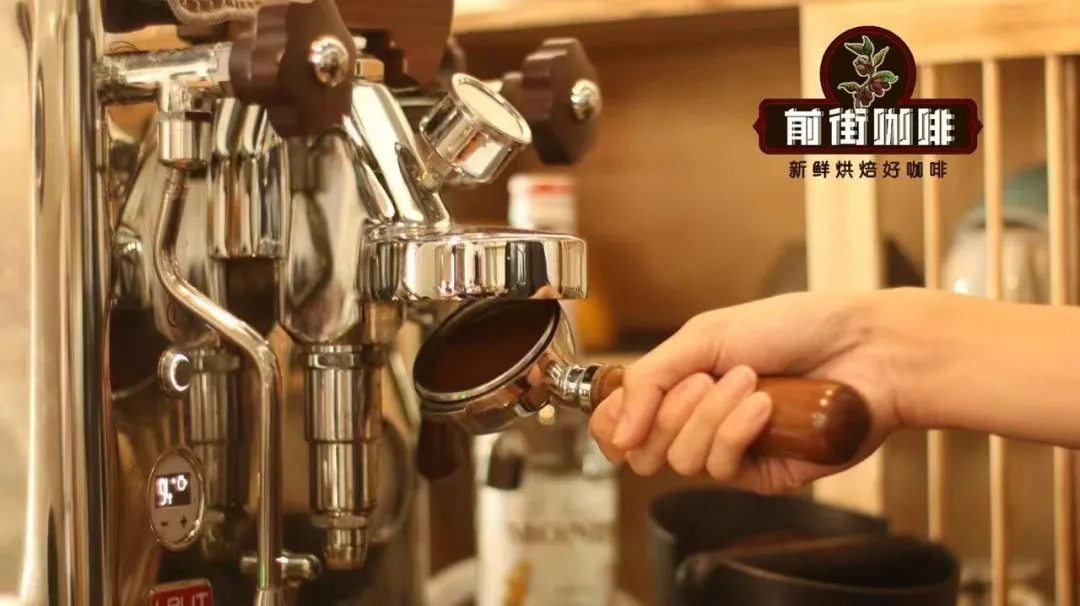
Among these, dose and coffee-to-water ratio usually change less frequently, while grind size is the main variable that needs flexible adjustment. Since espresso extraction requires maintaining proper space between the coffee puck and the group head, portafilters all come with recommended dose ranges—just follow the manufacturer’s suggestions.
If you only drink straight espresso or dilute it into Americano/long black coffee, the coffee-to-water ratio can be adjusted according to personal preference; but if you plan to use that espresso to make milk-based drinks like lattes, flat whites, or cappuccinos, thenit’s recommended to strictly control the liquid yield around a 1:2 ratio (e.g., 20 grams of coffee for 40 milliliters of espresso), as this ratio directly impacts the final concentration of the espresso.
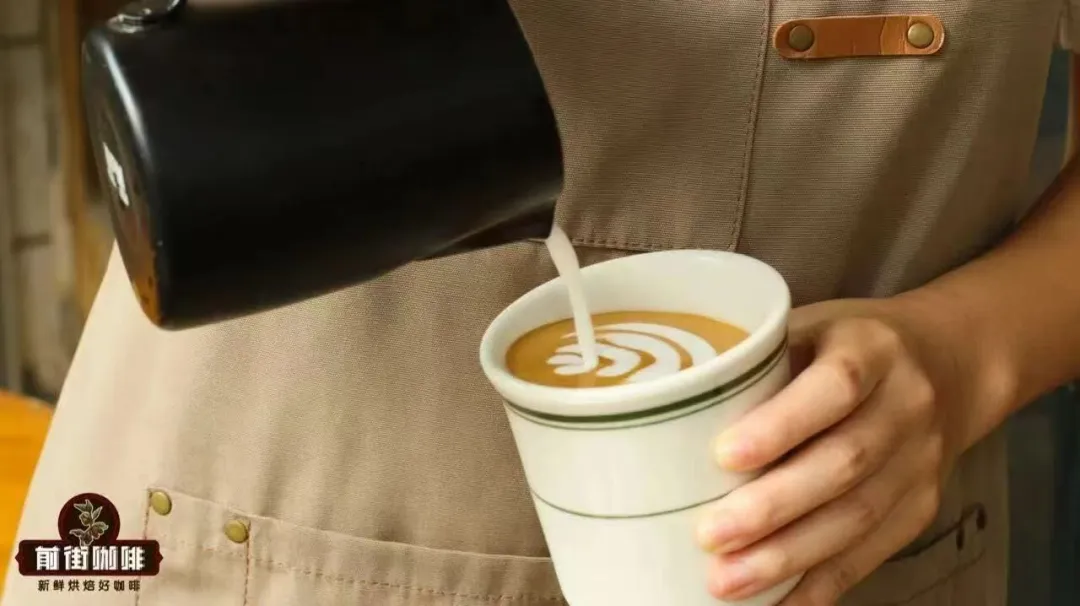
Whether it’s an article from a certain coffee brand in the past titled “Why 1:2 Is the Golden Coffee-to-Water Ratio for Espresso,” or another piece like “What’s the Difference Between Raw, Refined, and Full Extractions?”, both emphasize that the coffee-to-water ratio directly determines coffee concentration—assuming a constant extraction yield, the higher the ratio number (i.e., the lower the liquid yield), the higher the concentration; conversely, the concentration decreases. When espresso serves as the base for milk drinks, a higher concentration helps avoid issues like “wateriness and dull flavors” after dilution, ensuring a balanced flavor between milk and coffee.
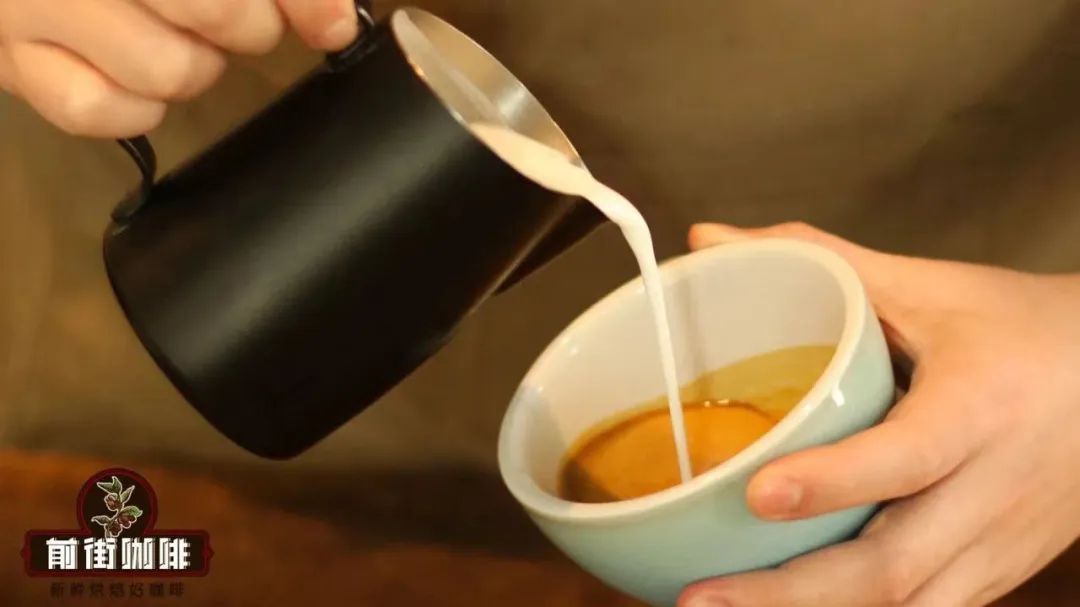
The 1:2 ratio is precisely the golden standard commonly used by most professional espresso professionals. It ensures the espresso has enough intensity to support the layers in milk drinks without being overly heavy. Of course, this ratio isn’t absolutely fixed and can be slightly tweaked based on actual flavor feedback.
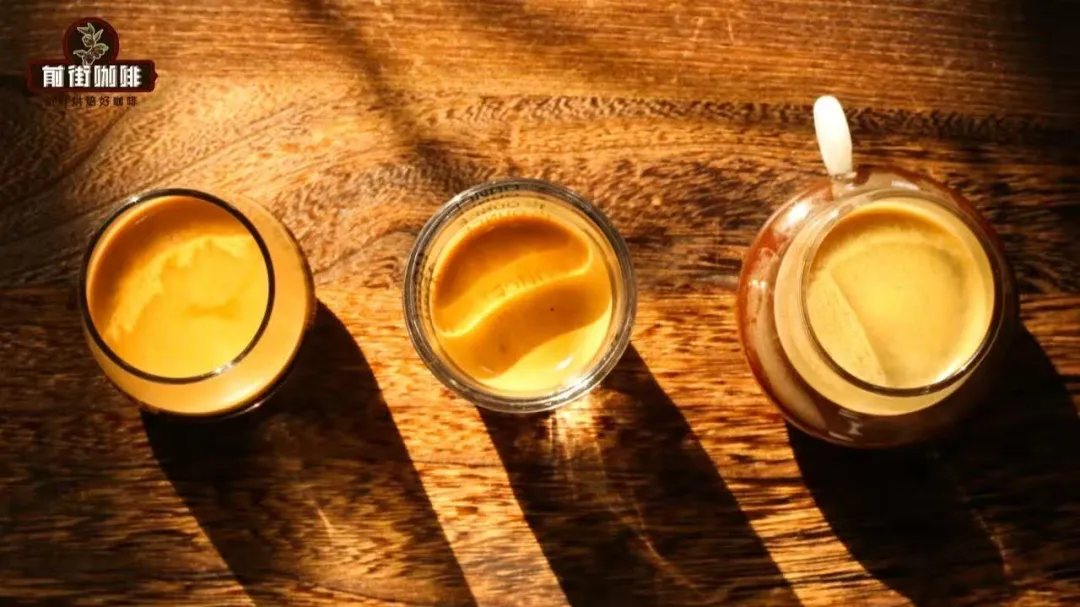
Once the dose and coffee-to-water ratio are determined, the next step is togrind sizeto precisely control extraction time. The fineness of the grind directly affects the gaps between coffee particles—the finer the grind, the greater the resistance to water flow, thus extending extraction time; the coarser the grind, the less resistance, shortening the time. Therefore, it’s recommended to adjust the grind setting inversely based on extraction time (ideally within a range of 26–34 seconds).
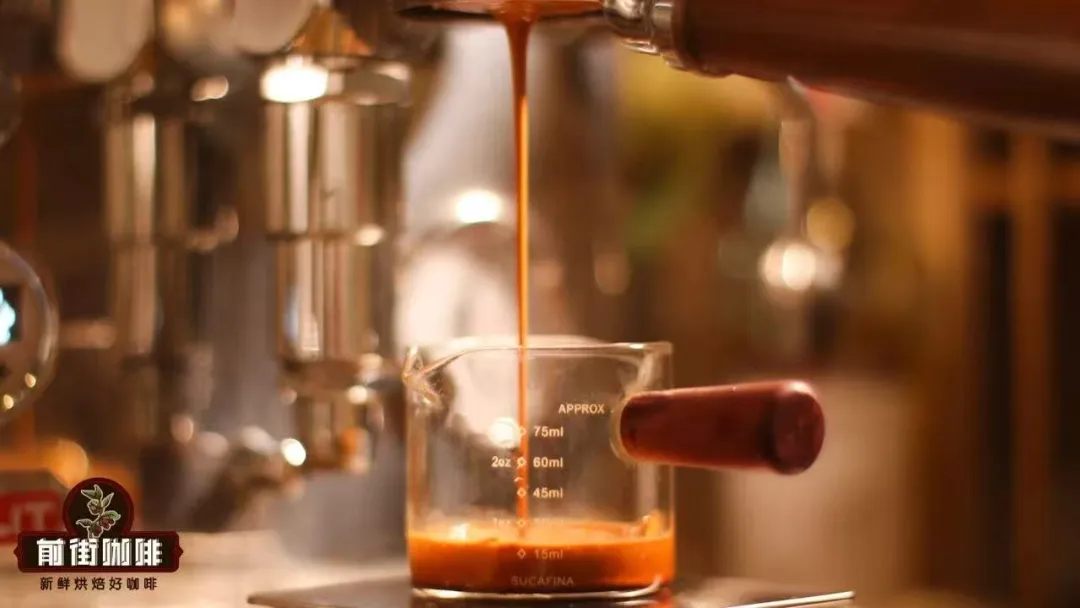
A certain coffee brand’s practical tests found thatan extraction duration of 26–34 seconds (paired with a 1:2 coffee-to-water ratio) usually achieves the best extraction yield, avoiding the bitter and off-flavors caused by over-extraction, as well as the sour and thin results of under-extraction. Taking a common 20-gram dose portafilter as an example: set the dose at 20 grams, aim for a 40-milliliter yield, and target an extraction time of around 30 seconds.
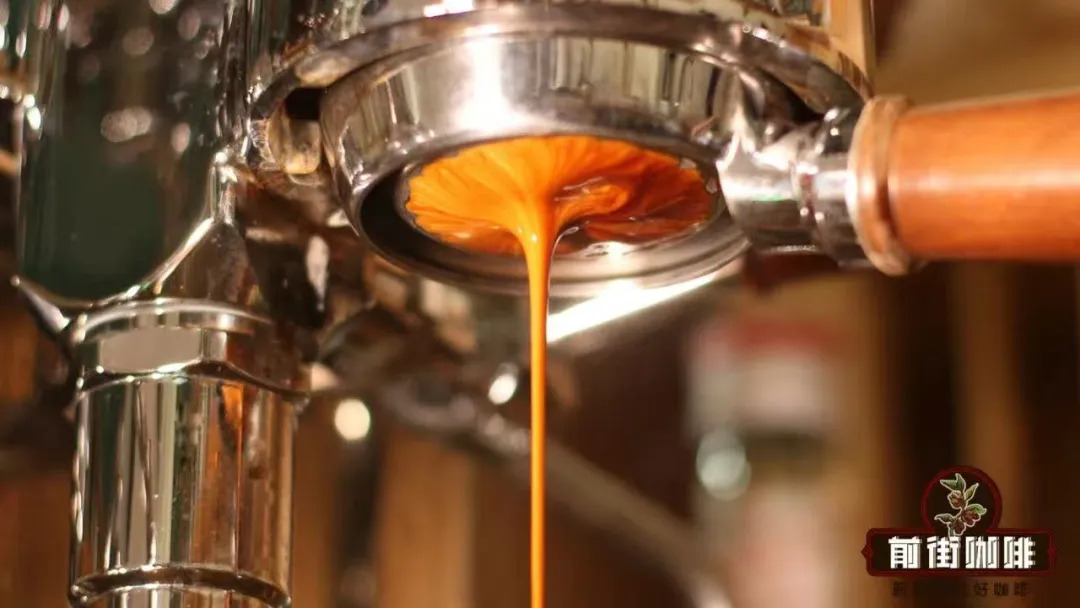
If the actual extraction completes the 40-milliliter yield in just 10 seconds, the speed is clearly too fast (indicating the grind is too coarse), in which case you should adjust the grinder scale toward the “finer” direction (some machines adjust extraction time by about 3–5 seconds per click, so you might need to go finer by 4–6 clicks). After adjusting, re-extract; if the time falls within the ideal range (26–34 seconds) and the flavor is balanced (no sourness or bitterness), then the parameters are good. If the time is within range but the flavor is still off (e.g., too bitter could indicate over-extraction, too sour could mean under-extraction), further fine-tuning of dose or yield may be needed:
- Is the coffee too bitter? Reduce the yield (e.g., from 40 milliliters to 38 milliliters) to lower the overall extraction yield;
- Is the coffee too sour? Increase the dose (e.g., 20 grams → 21 grams) or the yield (e.g., 40 milliliters → 42 milliliters) to improve extraction adequacy.
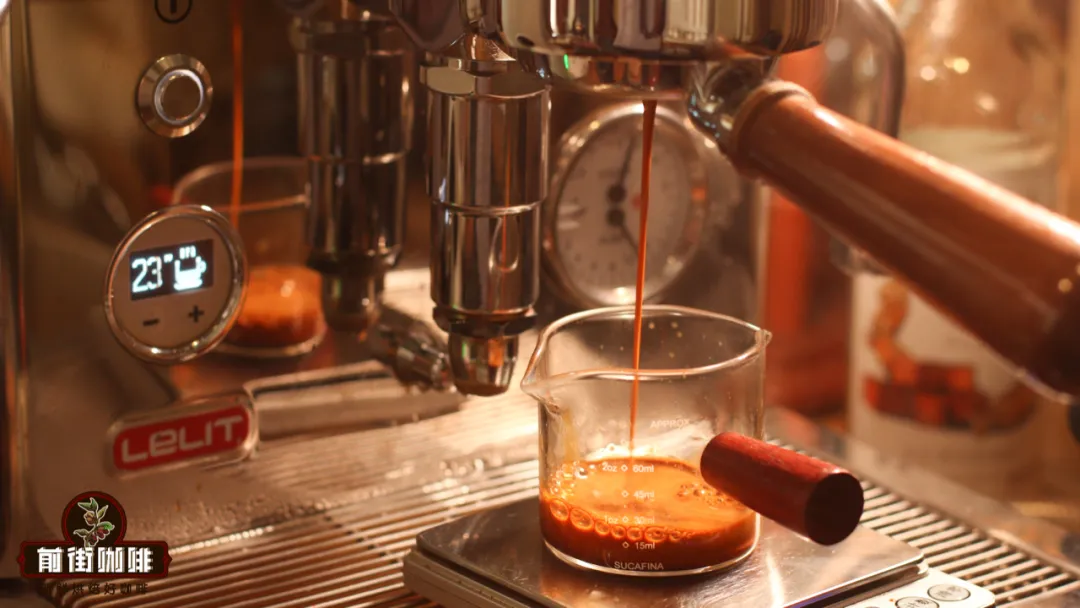
Conversely, if the extraction time exceeds 34 seconds (indicating the grind is too fine), you’ll also need to adjust the grind coarser and observe flavor changes. Note that parameter adjustments don’t need to be overly fixated on exact numbers—what matters most is the actual flavor in the cup—the essence of espresso extraction is achieving the most enjoyable flavor profile through balanced parameter adjustments.
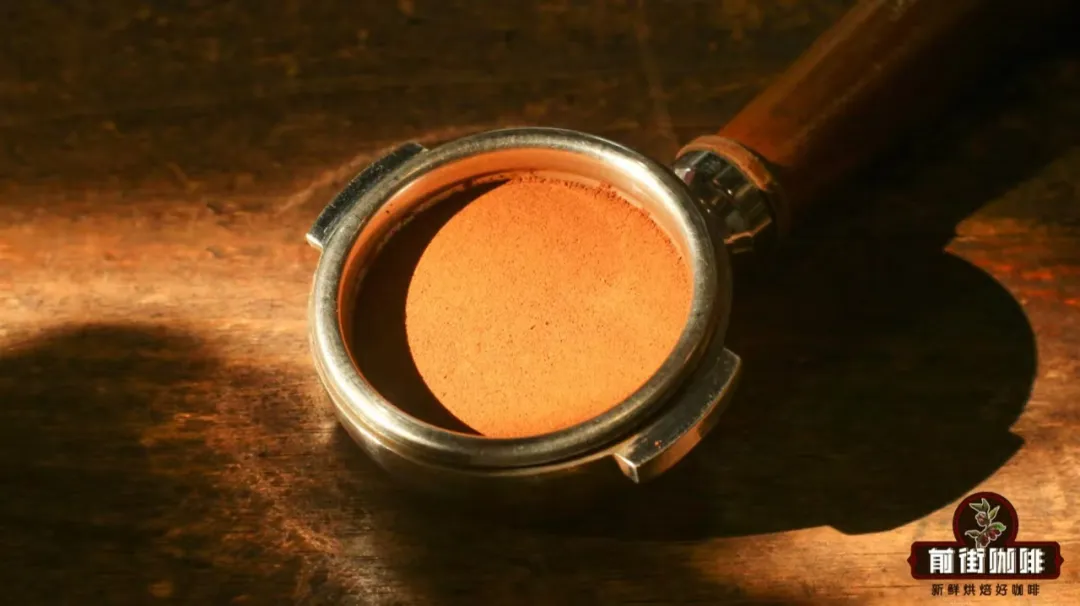
That’s the basic logic and hands-on guide for adjusting espresso parameters. Once you’ve mastered the interplay between dose, the 1:2 coffee-to-water ratio, and grind size, you’ll be more confident in tackling extraction challenges from different beans and roast levels. If you have further questions, feel free to join the discussion in the comments section.
The above content is compiled by CoffeeHunters, a coffee news website.


