







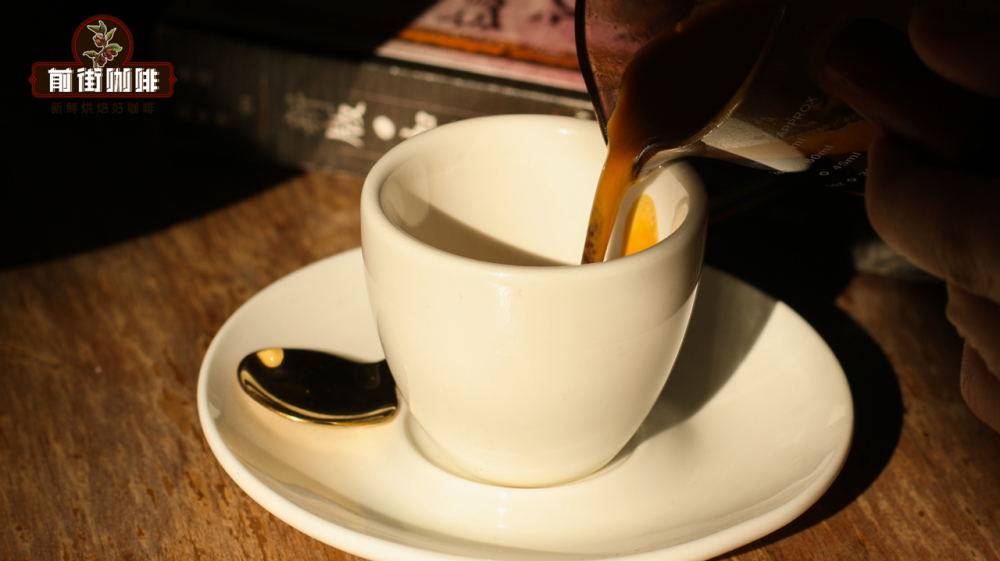
Introduction:Have you noticed your extraction parameters mysteriously going off, with the coffee flow rate fluctuating wildly? Beyond the condition of the beans and ambient humidity, built-up residue inside your espresso machine is the hidden culprit. This article delves into how residue in the group head affects extraction stability, guiding you through the correct methods for daily backflushing and periodic cleaning with descaling powder. Along with step-by-step visual demonstrations on using a blind basket, we’ll help you fundamentally improve coffee flavor and machine performance.
Many coffee enthusiasts have experienced this: the carefully dialed-in espresso extraction parameters you set in the morning start to go haywire by the afternoon—not only does the flow rate noticeably slow down, but the flavor also takes a hit. Aside from common factors like changes in ambient humidity (for example, beans getting damp in the hopper on rainy days, causing clumping), or having to re-dial in when blending beans from different batches or old and new stocks, there’s one often-overlooked key factor—your espresso machine might already be dirty!
When an espresso machine is running, tiny coffee particles can be sucked into the group head along with the high-pressure water flow. Over time, this buildup not only clogs the water outlets, leading to unstable flow, but can also contaminate the brewing water, directly affecting the final flavor of the coffee.
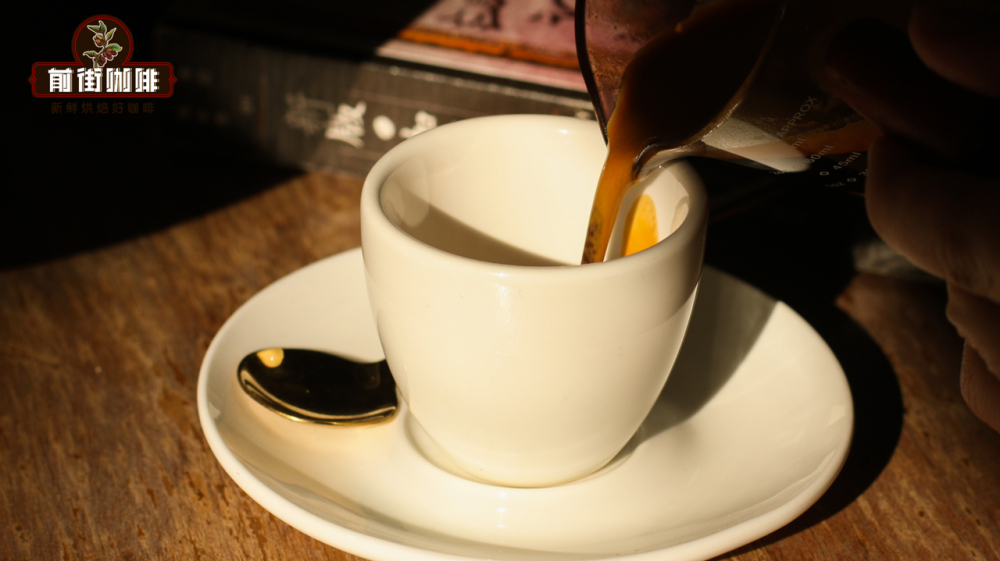
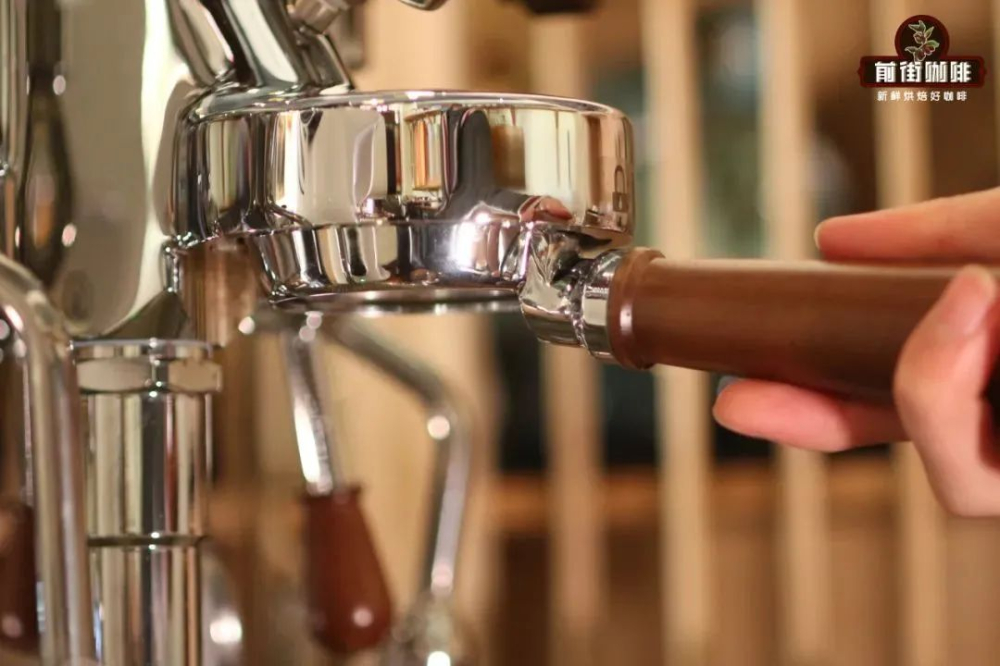
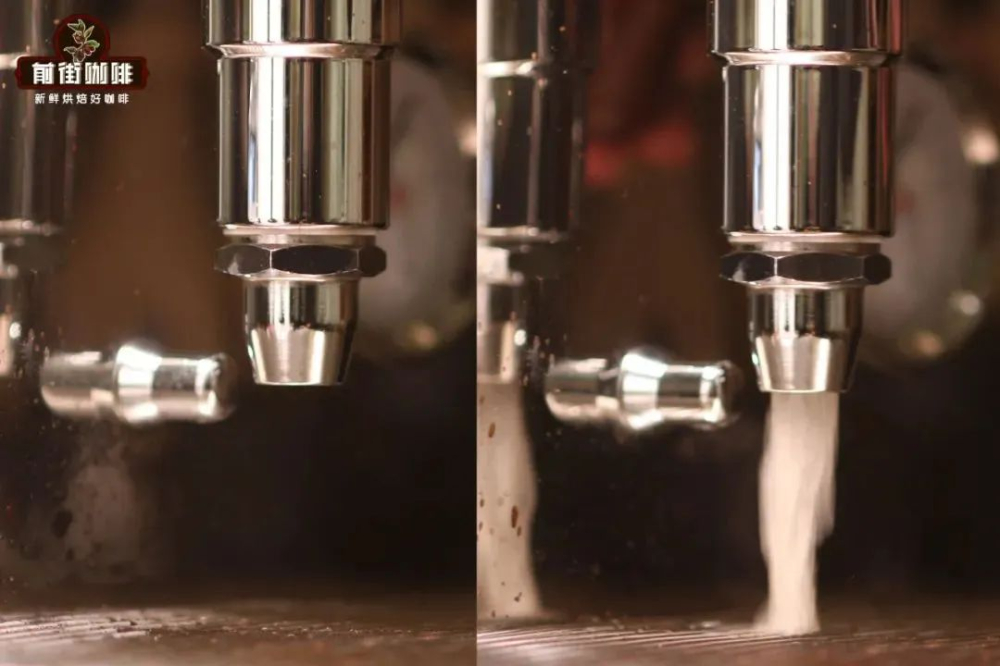
To maintain the machine’s optimal condition, basic cleaning before or after each use is essential. It’s recommended to use the “backflushing” technique: prepare a “blind basket” without any filter holes, attach it to the portafilter, and lock it into the group head as usual. Start the extraction process for about 10 seconds. Since the water can’t pass through the filter basket, it will instead flush the internal pathways, dislodging accumulated coffee residue. While doing this, observe the drainage from the pressure release valve—the initial output will be cloudy. Repeat this process about five times until the expelled water becomes clear and transparent.
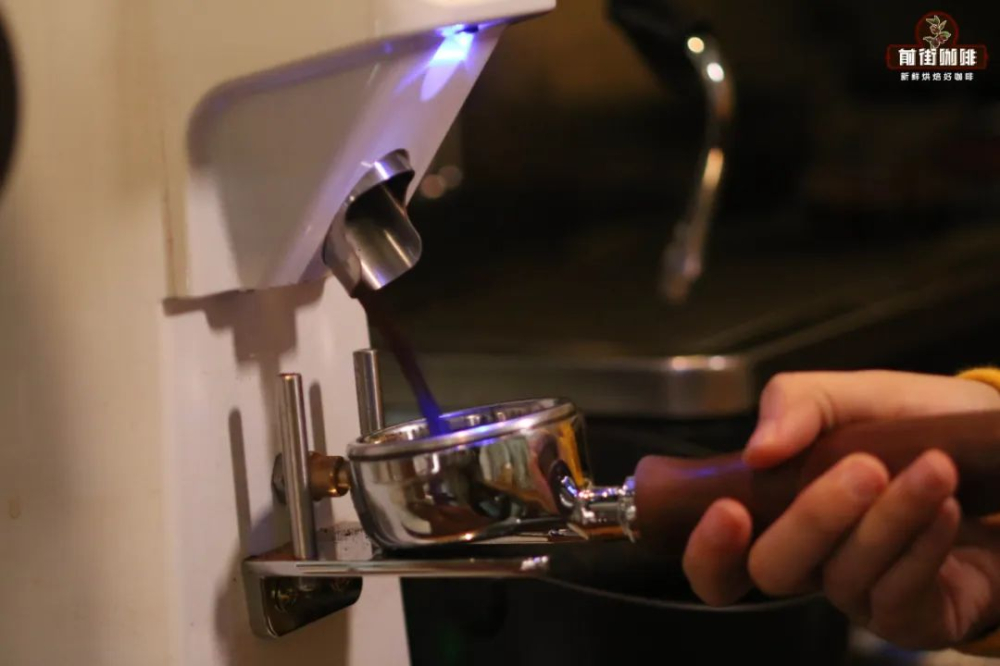
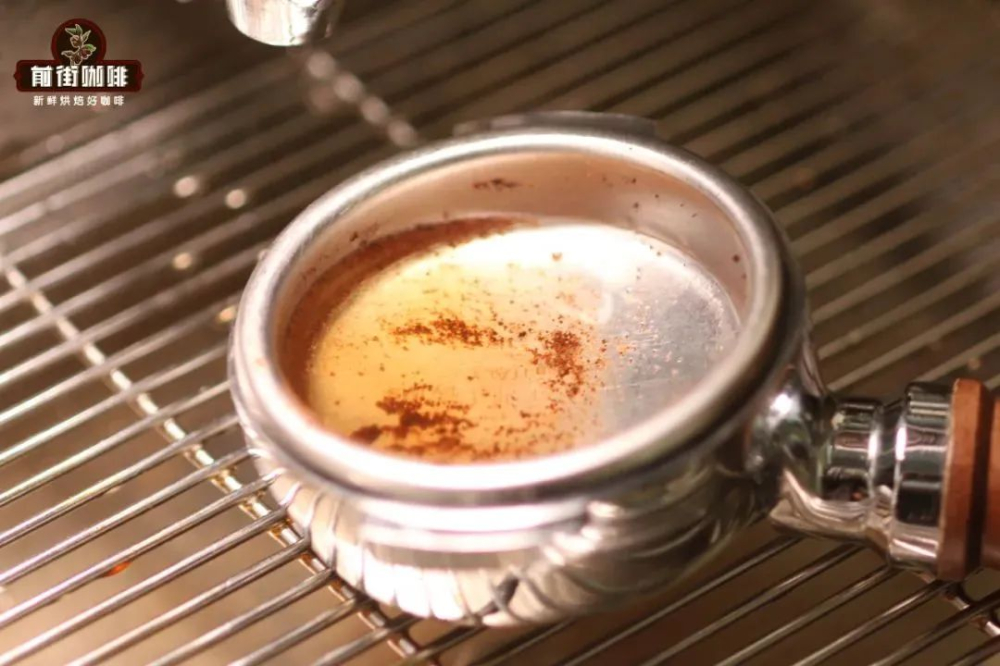
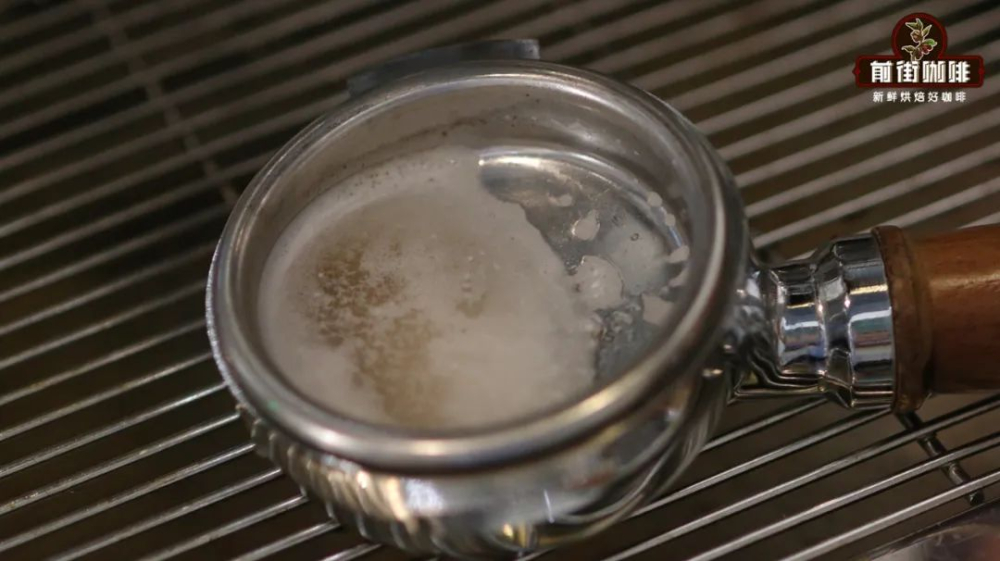
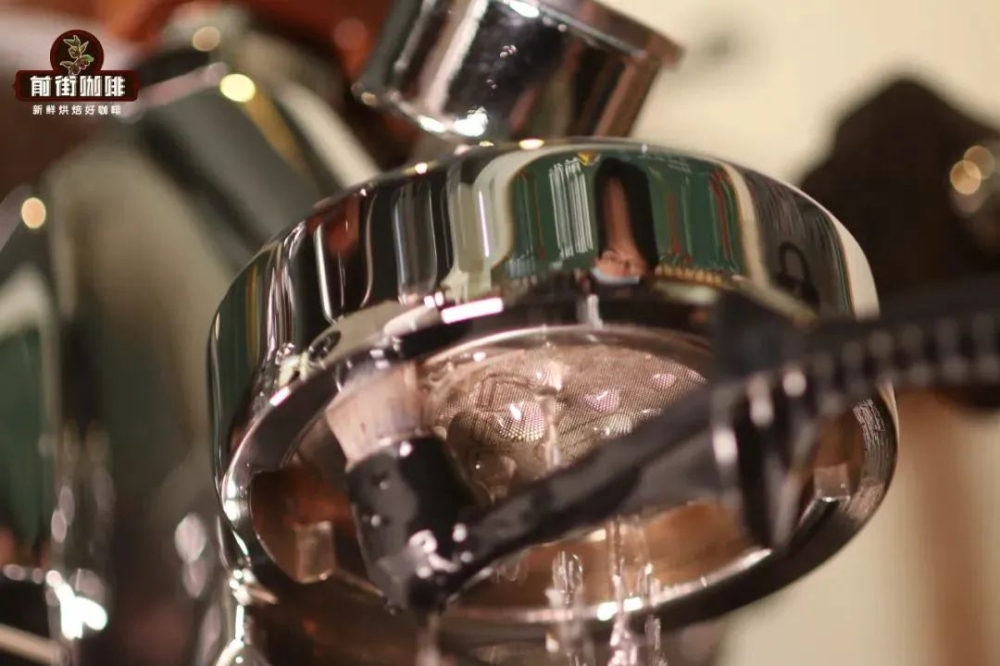
As shown in the actual demonstration: align the blind basket correctly with the portafilter, lock it in place, and start the machine’s extraction function. Stop after 10 seconds and check the liquid coming out of the pressure release valve. When removing the portafilter, there may still be some residual dirty water in the blind basket—discard it and repeat the above steps.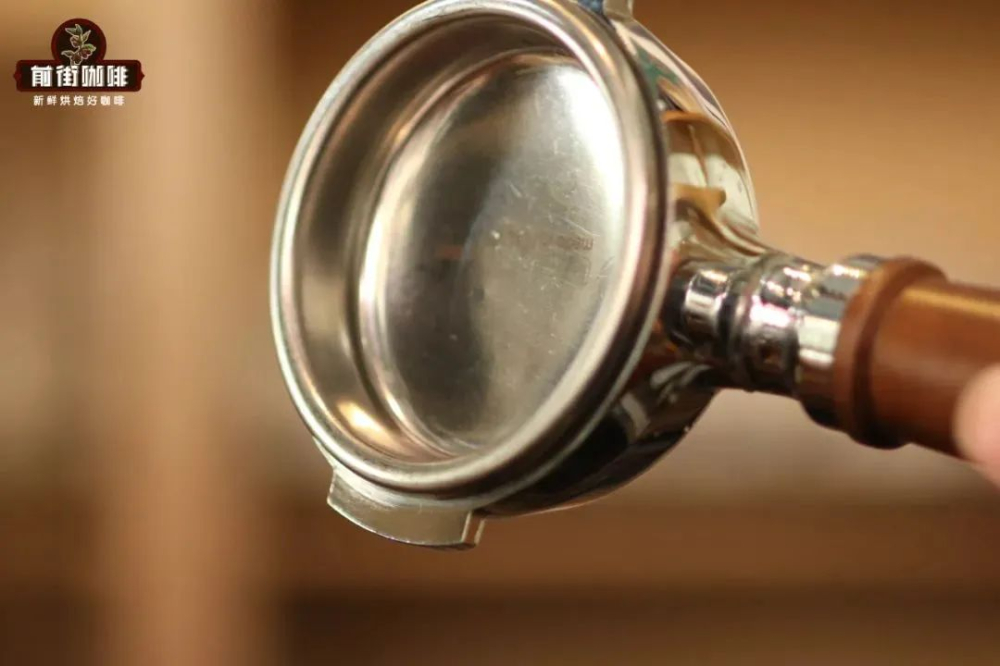
Some users report that even though they perform backflushing daily, they still face unstable extraction issues? This is likely because stubborn coffee grounds are deeply lodged in the fine crevices of the machine, and plain water alone can’t thoroughly remove them. In this case, you’ll need to use specialized “espresso machine cleaning powder” to enhance the cleaning effect.
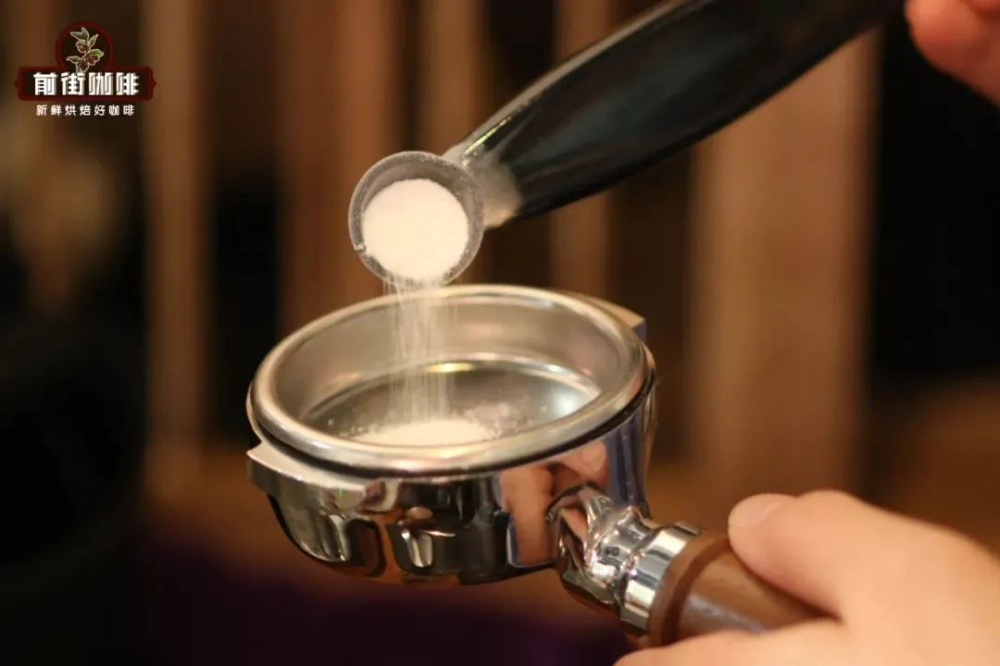
When using the cleaning powder, first add 2–3 grams of the powder into the blind basket, attach the group head, and start the extraction for about 5–7 seconds. At this point, the pressure release valve will expel wastewater with white foam, which contains dissolved residue mixed with the cleaning agent. After removing the portafilter, gently tilt the blind basket to pour out the wastewater, but leave the moist cleaning powder in the basket. Reattach the group head and repeat the short extraction cycle, continuing this process about 4–5 times until no visible cleaning powder remains in the blind basket.
After completing the cleaning powder treatment, don’t forget the final rinse step: first let the residual water drain from the group head, then gently scrub the shower screen and rubber gasket with a soft brush to ensure no powder residue is left. Next, perform another backflush with clean water—this time the goal is to completely remove all cleaning agent residues. It’s recommended to repeat this 7–10 times until the expelled water is completely bubble-free and clear.
Daily maintenance tips: perform a basic backflush with clean water once at the end of each day, and conduct a full cleaning cycle with powder once a week. This frequency effectively prevents residue buildup, maintains extraction stability, and preserves the purity of coffee flavor. Remember to carefully check the fit of all parts each time to avoid leaks or incomplete cleaning.
In summary, regular and proper cleaning procedures are the foundation for ensuring the long-term stable operation of your espresso machine. From simple daily backflushing to periodic maintenance with cleaning powder, each step extends the machine’s lifespan and enhances extraction quality. Coupled with the blind basket techniques shown in the illustrations, even home-use semi-automatic machines can easily maintain a professional-grade performance.
The above content is compiled by CoffeeHunters, a coffee news website.


