







Introduction:Want to easily brew Americano-style coffee at home with quality close to that of pour over, but not sure where to start? Actually, just by choosing the right coffee beans and mastering the basic parameters, an automatic drip coffee maker can also showcase delicate flavors. This article delves into selecting suitable coffee beans for home drip machines, ideal coffee-to-water ratios and grind sizes, and provides a practical brewing process to help you make balanced and rich black coffee with common equipment.
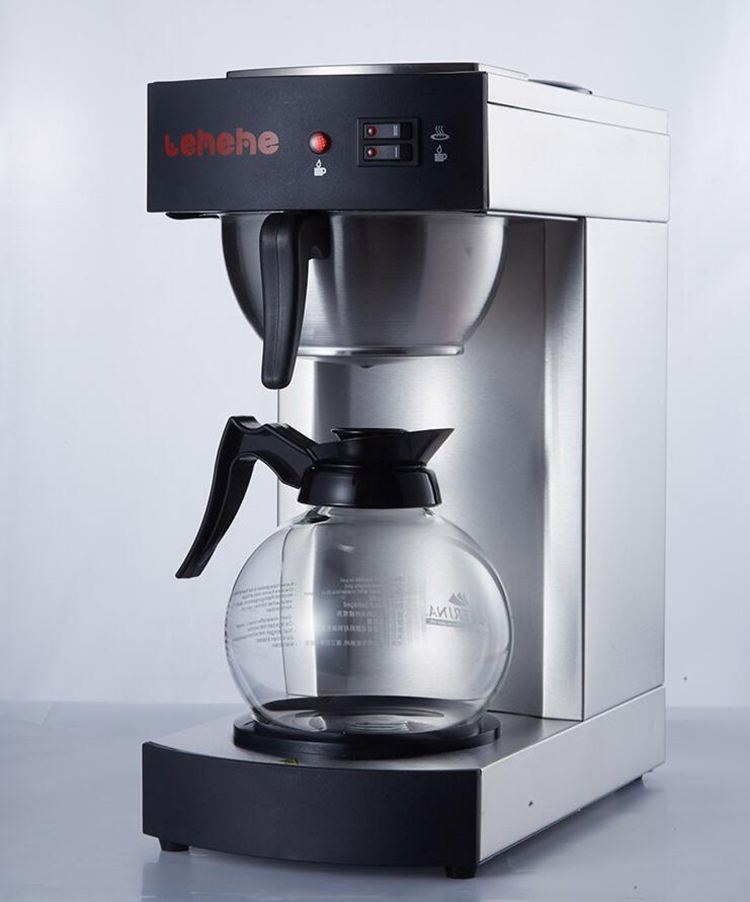
Find the steps of pour over too tedious? Consider using an automatic drip coffee maker instead. This classic home coffee appliance, originating in 1965, was once one of the most popular small household appliances. Simply insert a filter paper, add coffee grounds, pour in water, and start the machine. It will automatically heat the water and evenly drip-filter the coffee liquid, with some models even featuring a keep-warm function.
The often-experienced light and bitter taste in the past mostly stemmed from dark roasted beans and coffee beans that had been stored for too long, compounded by the habit of multiple re-brews among multiple users, giving automatic drip coffee a poor reputation. However, by mastering the correct method, an automatic drip coffee maker can also extract good coffee with distinct layers and clear flavors.
First,the selection of coffee beans is crucial. It is recommended to choose freshly roasted coffee beans, typically within 4 to 7 days after roasting for peak flavor, and best consumed within two months. Coffee beans suitable for pour over are mostly also suitable for automatic drip machines, with the main difference lying in individual taste preferences.
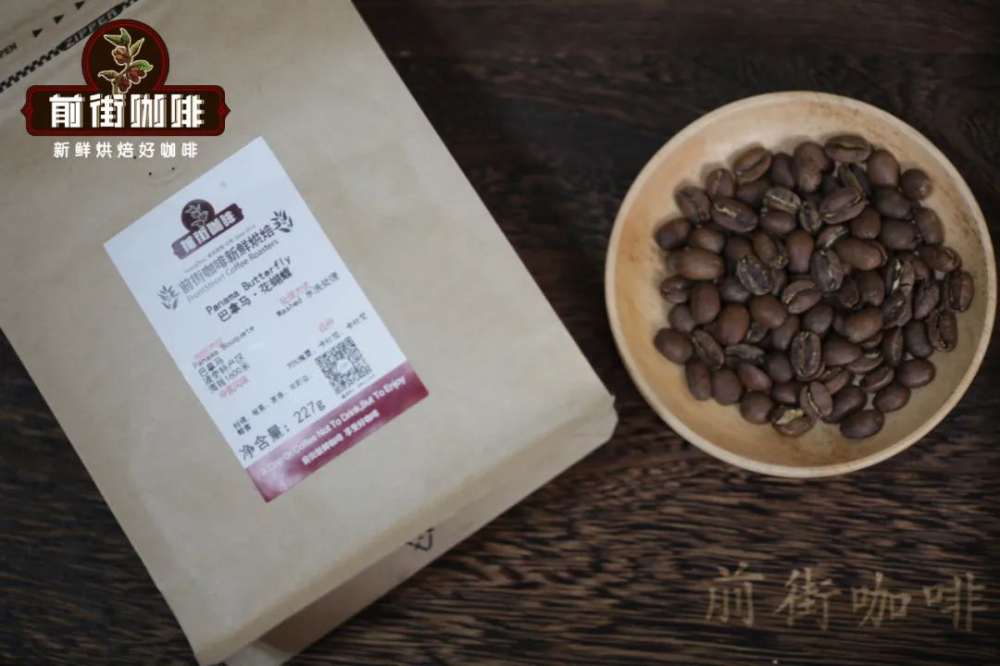
Here are a few outstanding bean options to recommend: First is Panama Geisha Huángbǎnhúdié (Butterfly), a washed-processed bean containing 70% Geisha, known for its high cost-performance ratio, suitable for making cold brew, showcasing refreshing floral, citrus, and oolong tea aromas.Ideal for users who enjoy bright acidity and a tea-like mouthfeel.
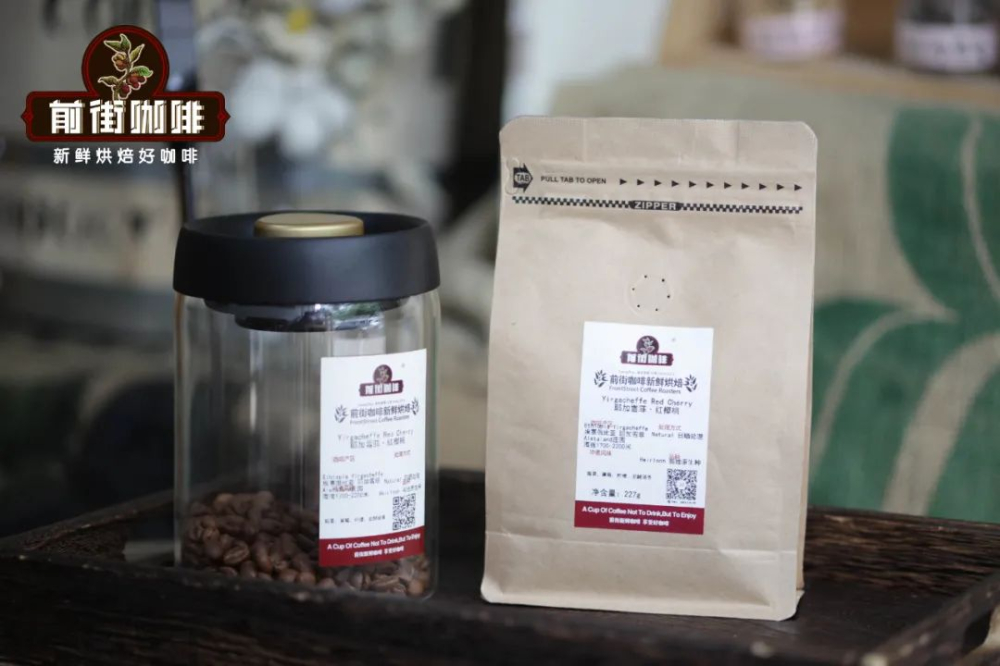
Another option is Ethiopia Yirgacheffe Red Cherry Project, an African representative bean processed via natural drying, featuring rich berry tones and honey sweetness, with distinct layers, especially excelling in cold brew, perfect for coffee lovers who love fruity flavors.
There’s also Costa Rica Musicians Series Mozart, using anaerobic honey processing, with aromas of osmanthus, grapes, and fermented wine. It delivers both flavor and texture when made into iced coffee, making it an excellent choice for those seeking unique profiles.
Regardingcoffee-to-water ratio, it is recommended to use a range of 1:15 to 1:17—for example, 25 grams of coffee grounds with 375 to 425 milliliters of hot water—achieving a moderately concentrated and balanced taste, avoiding excessive bitterness or overly watery results.
As forgrind size, similar to pour over, a medium-fine grind is suggested, around 80% passing through a standard #20 sieve, ensuring stable water flow and sufficient extraction.
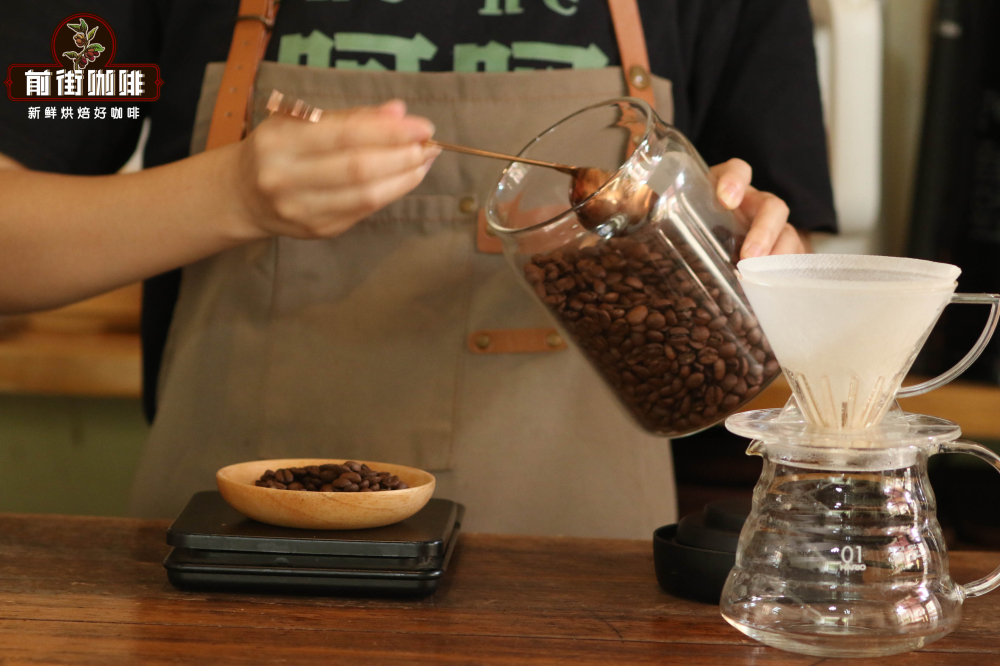
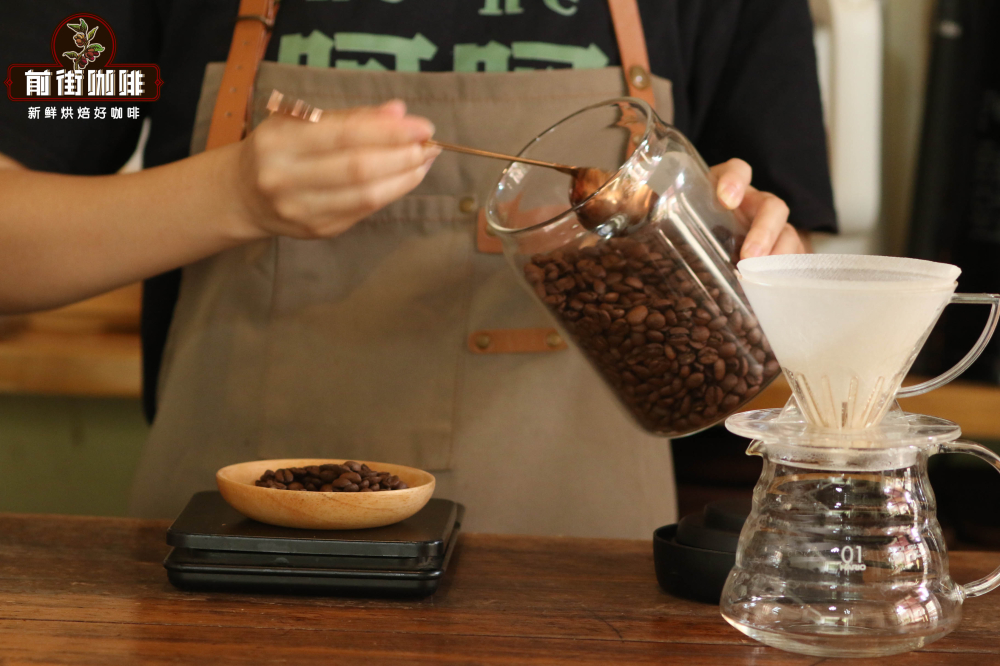
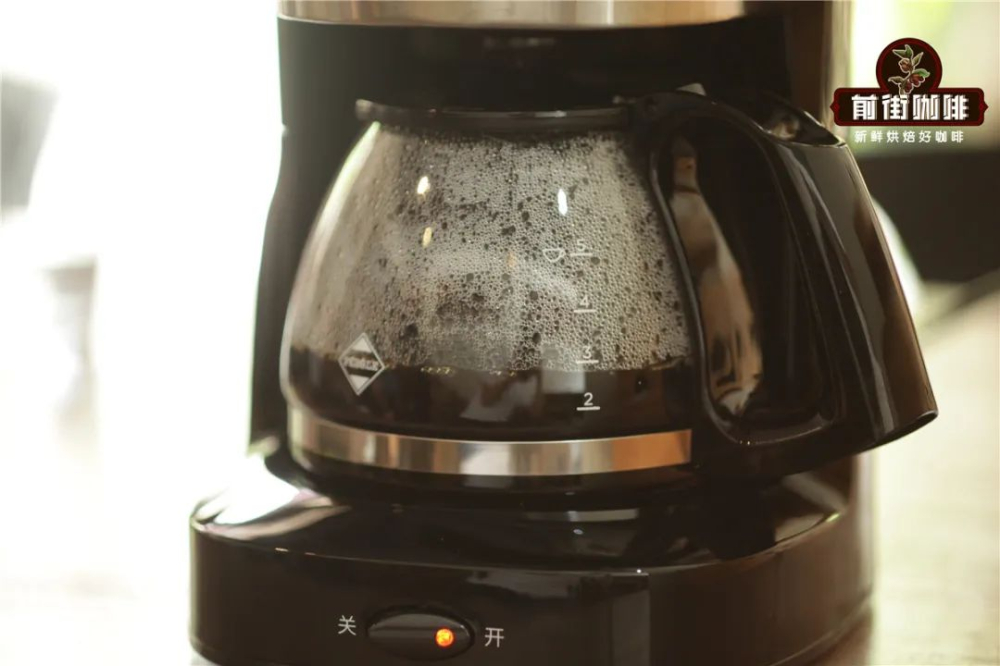
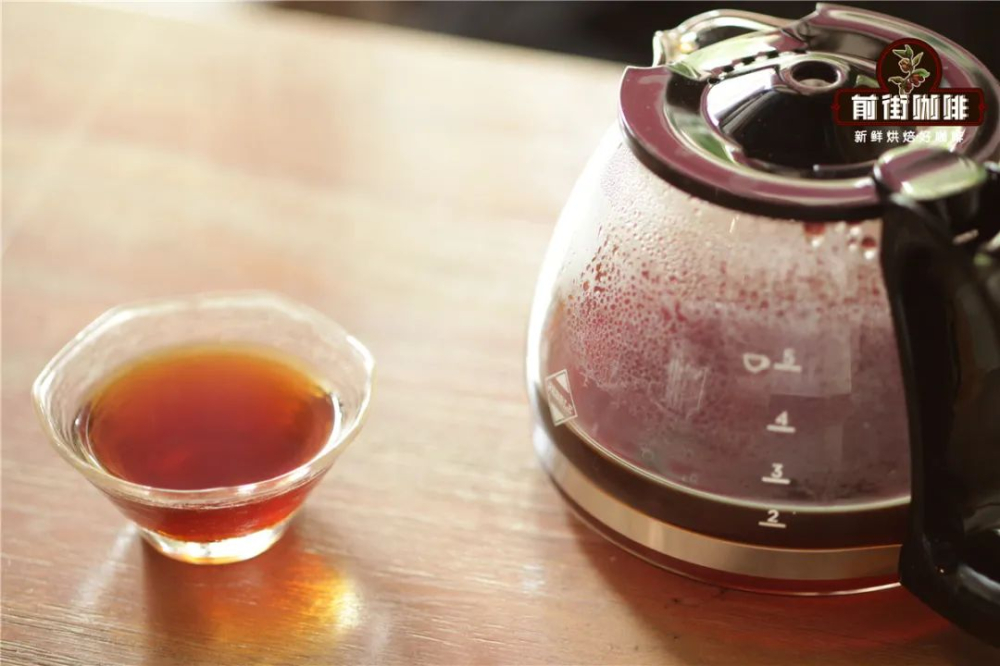
The actual operation steps are as follows: first place the carafe into the machine, open the top lid, add 25 grams of coffee grounds, fill the water tank with about 400 milliliters of hot water, cover the lid, and then start the machine. The hot water flows from the water tank into the U-shaped heating tube, is heated to approximately 100°C, and then via water pressure and temperature control, is dispersed and sprayed onto the coffee grounds in the filter. After about 5 to 8 minutes of dripping, a pot of aromatic Americano coffee is completed.
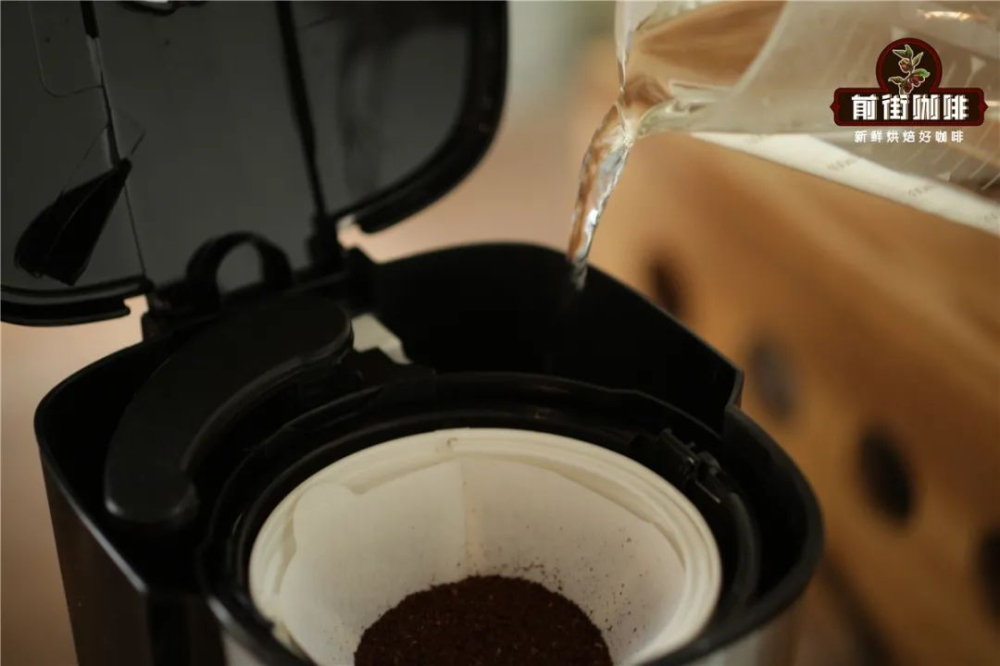
Throughout the process, the hot water is heated via the heating tube, uniformly penetrates the coffee grounds layer under pressure, fully extracting the flavor compounds. Compared to casual brewing, it more stably presents the layers and details of the coffee. As long as you pay attention to bean freshness, grind coarseness, and ratio, even beginners can easily enjoy black coffee at home with quality close to professional pour over.
The above content is compiled by CoffeeHunters, a coffee news website.


