







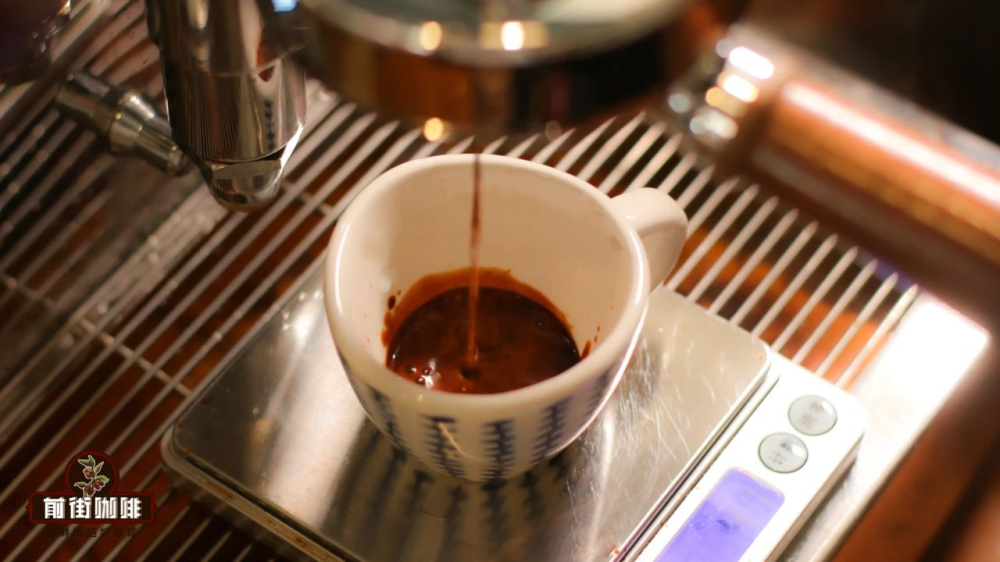
Introduction:Struggling to make rich, café-quality espresso at home? This guide breaks down the fundamentals of espresso machines, key extraction parameters, and how to visually and taste-wise judge a successful shot. From grind size and coffee-to-water ratio to tamping techniques, we’ll walk you through the essentials of extraction and troubleshoot common issues—so you can easily brew the perfect espresso at home.
When it comes to Italian coffee, espresso is undoubtedly the most iconic brew. And to extract this bold and intense coffee, a professional espresso machine is absolutely essential. However, for most beginners, operating an espresso machine isn’t easy, and without the right technique, it’s often hard to produce a satisfying shot. This article will take an in-depth look at how to use an espresso machine and explain the core elements behind extracting espresso.
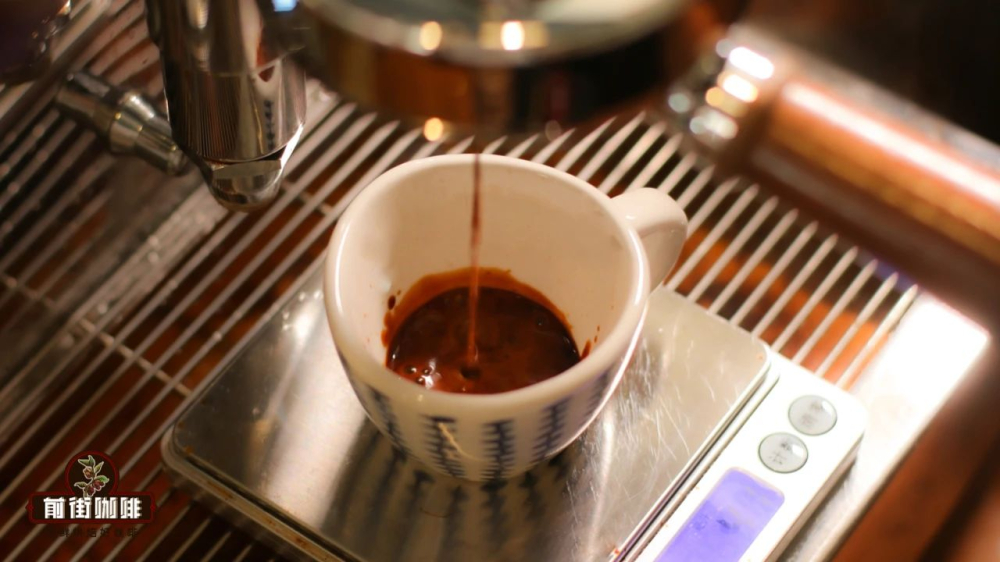
The reason espresso is famous worldwide is precisely because of its intense, rich, and highly concentrated characteristics. Yet many people, when trying to make it at home, find that no matter how they adjust, they can’t achieve the same texture as in coffee shops—and sometimes even end up with over-extracted, bitter shots. So how can you improve? The key lies in understanding the extraction principles and correct parameters.
Making authentic espresso isn’t just about boiling coffee grounds with water or reducing regular coffee liquid. True espresso is produced using a specialized machine, where hot water at 94°C and high pressure of 9–10 bars force water through finely ground coffee, extracting a syrupy, honey-like coffee liquid. Only this process creates its unique mouthfeel and aroma.
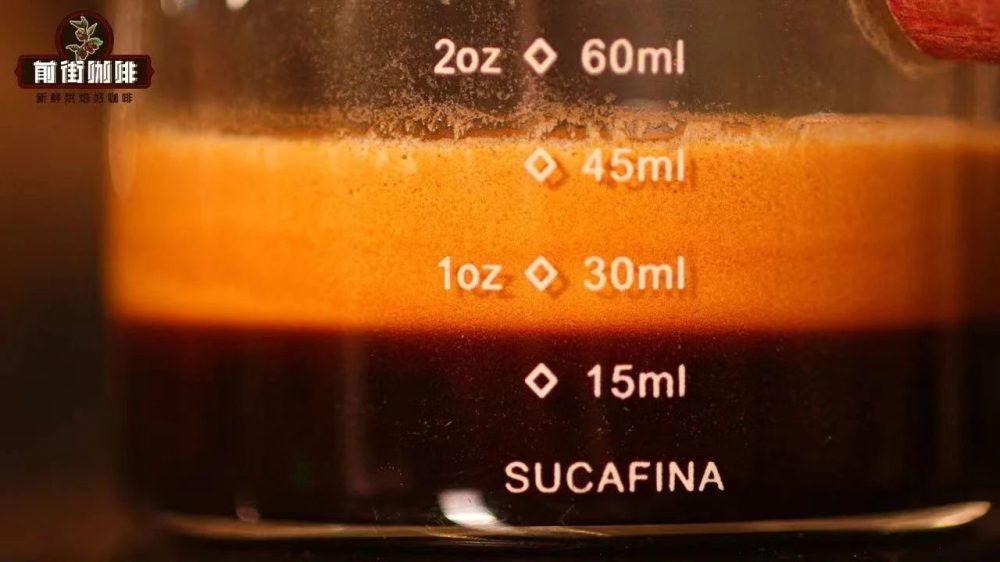
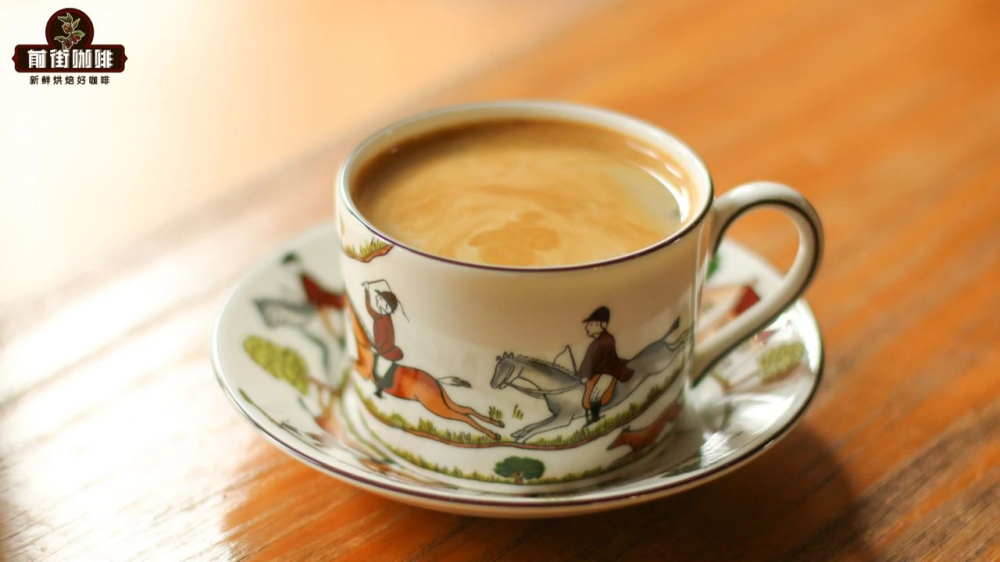
During extraction, the coffee liquid initially appears deep brown-red, smooth and intense. As extraction time lengthens, the color gradually shifts to golden, and may eventually become light gold. These color changes are often one of the key indicators of whether the extraction is even.
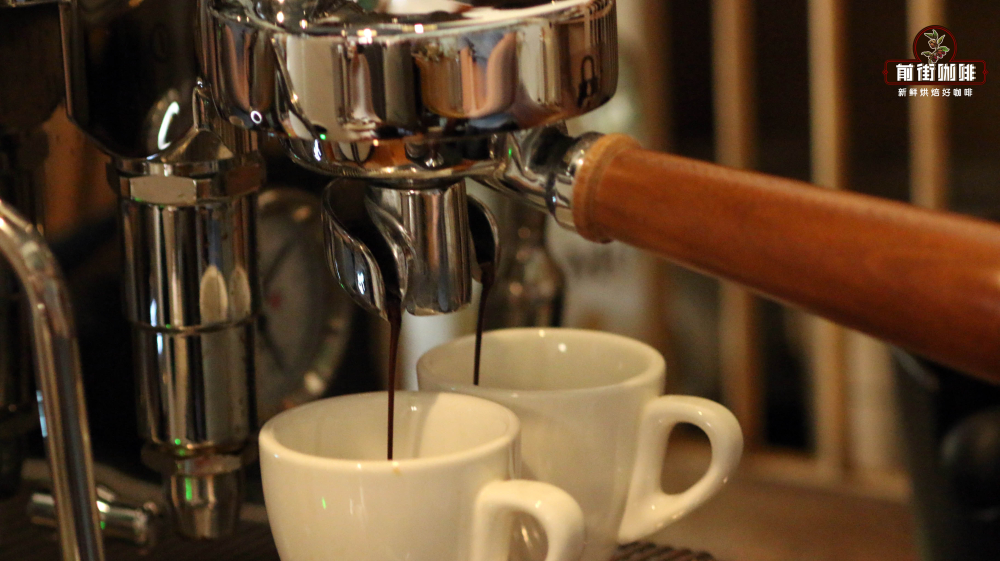
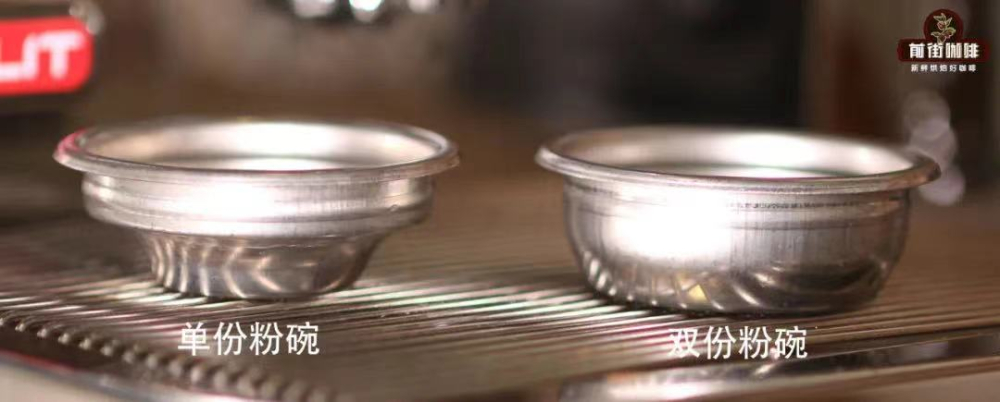
To judge whether an espresso is extracted properly, the first things to observe are extraction time and flow rate. Generally, a double shot (using a double basket) should be extracted in around 25–30 seconds, using an ideal dose of 20 grams of coffee to yield 40 grams of liquid—a 1:2 coffee-to-water ratio. For a single basket, it’s recommended to use 10 grams of coffee to produce 20 grams of liquid, also maintaining a 1:2 ratio. These values serve as entry-level references; actual brewing may require fine-tuning based on machine performance and personal taste.
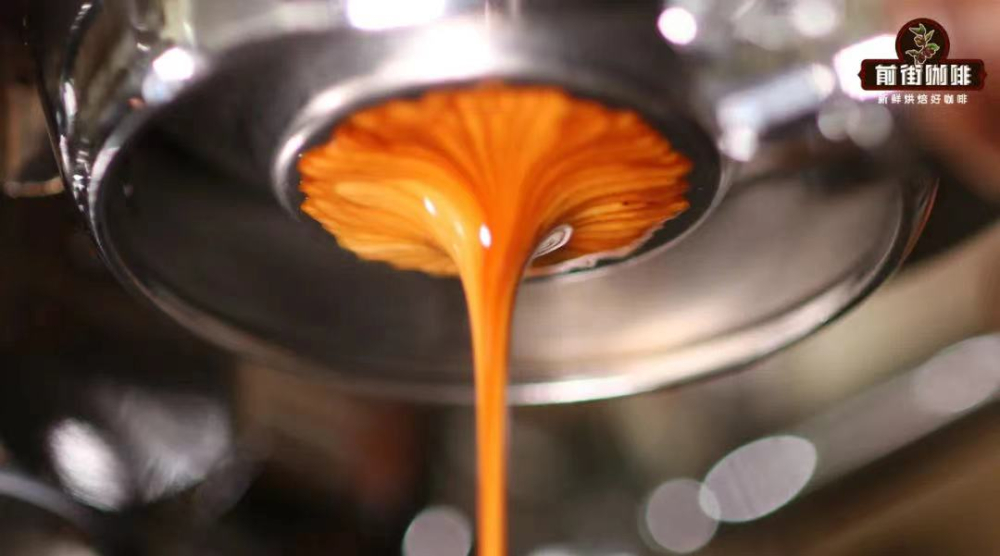
If you notice the flow is too fast, resulting in thin-bodied coffee, try adjusting the grind to be finer or slightly increasing the coffee dose. Conversely, if the flow is too slow and the coffee tastes burnt or bitter, coarsen the grind or reduce the coffee dose. Through such adjustments, you can gradually find the optimal extraction balance that suits your taste.
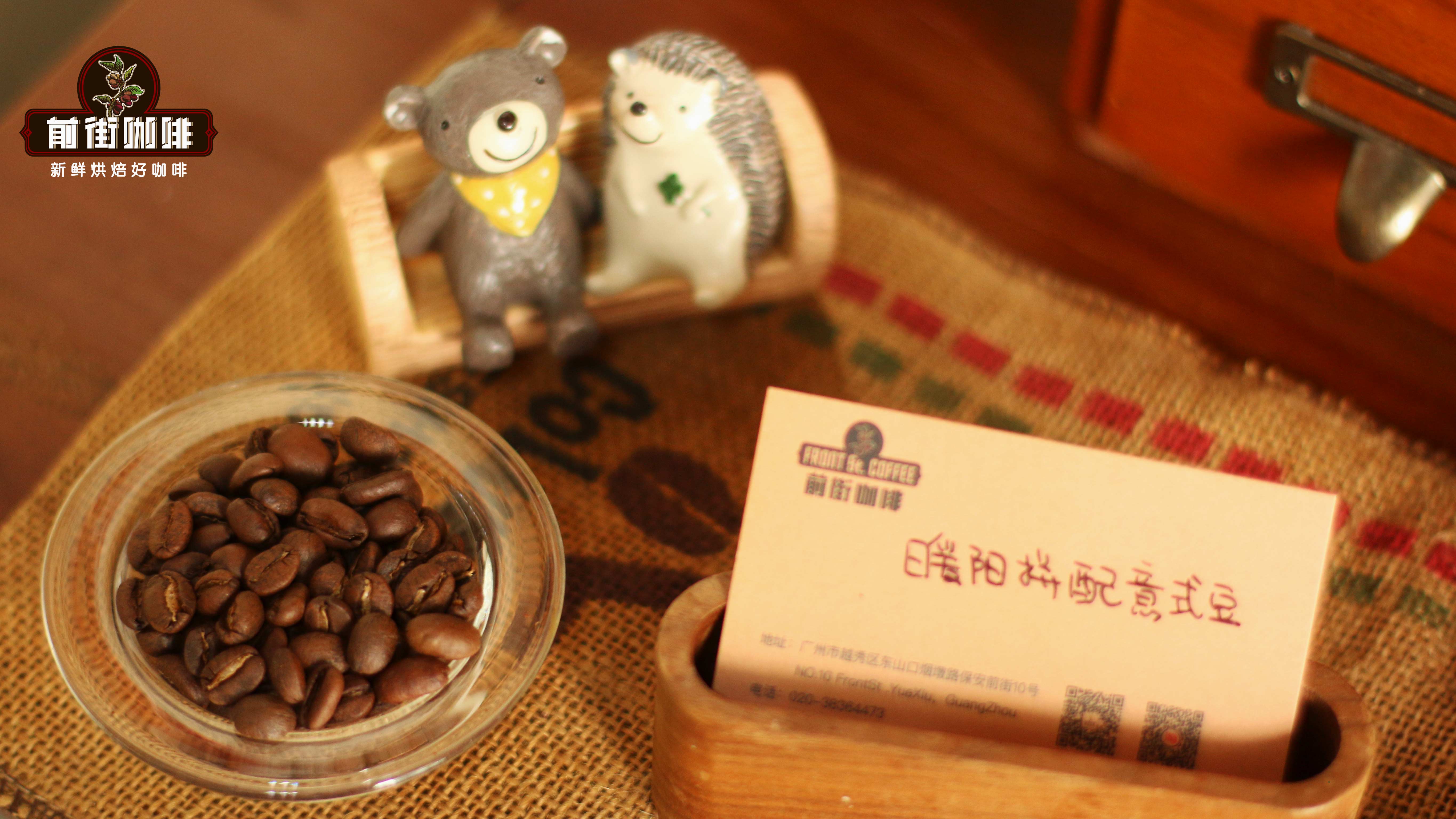
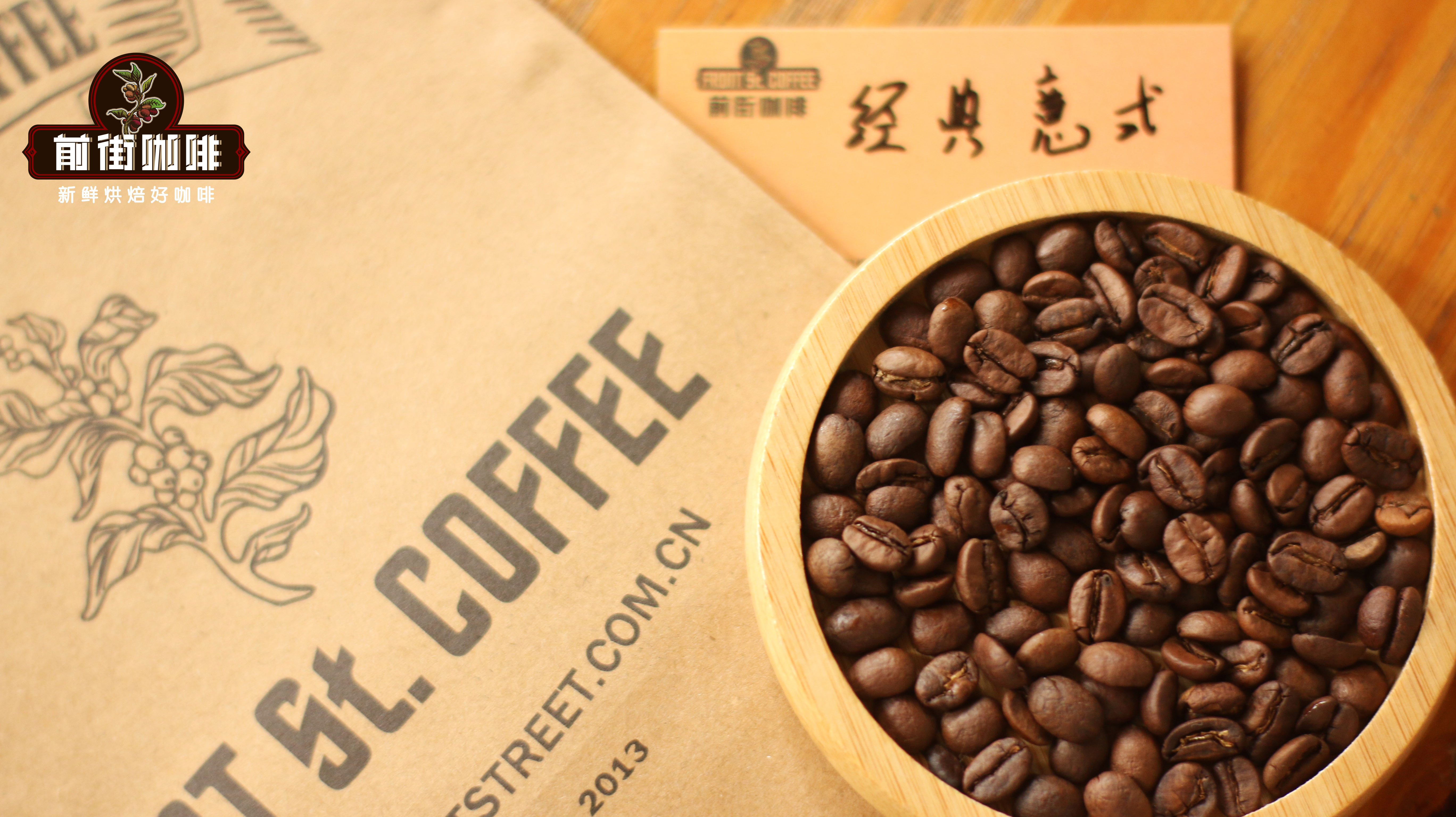
When choosing coffee beans, beginners new to espresso are advised to start with blends specifically designed for espresso. Blends typically mix beans from different regions in set proportions, not only offering stable flavor but also minimizing potential flaws that single-origin beans might show under high-concentration extraction—offering relatively better value.
If you want your espresso to showcase rich and unique aromas and layers, try blends containing Ethiopian Yirgacheffe natural and Honduran Mocha Farm Sherry. Such beans often feature whiskey-like fermented notes, smooth vanilla creaminess, and complex flavors of berries and hazelnut caramel. If you prefer a bold, low-acid shot with rich crema and strong aroma, opt for blends based on Brazilian and Indonesian Arabica beans with a small amount of Robusta—these recipes deliver intense roasted nut notes, deep black cocoa richness, bright caramel aftertaste, and form a beautiful golden crema layer.
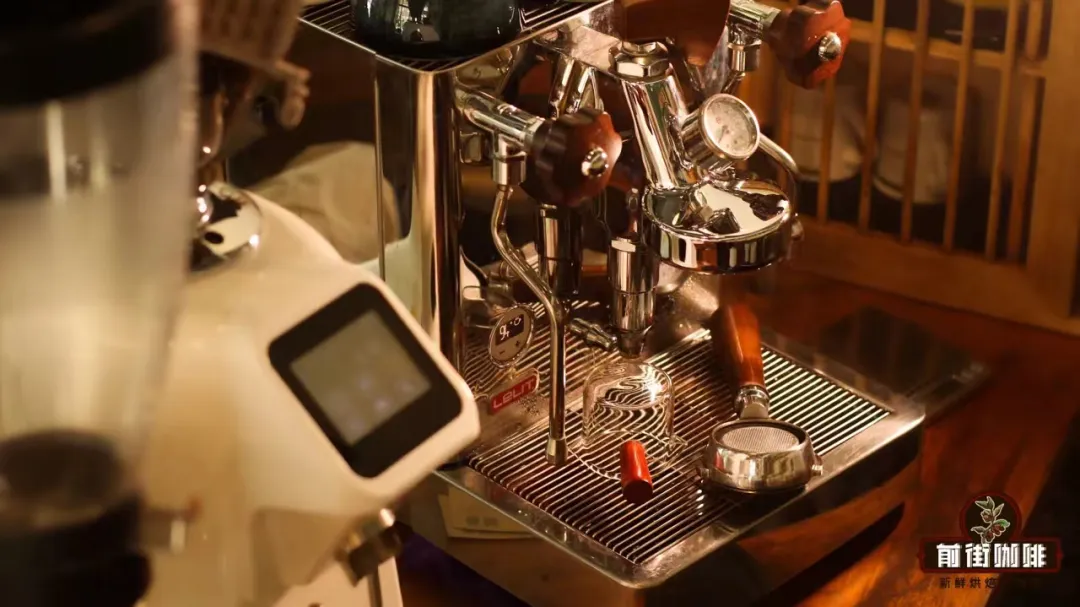
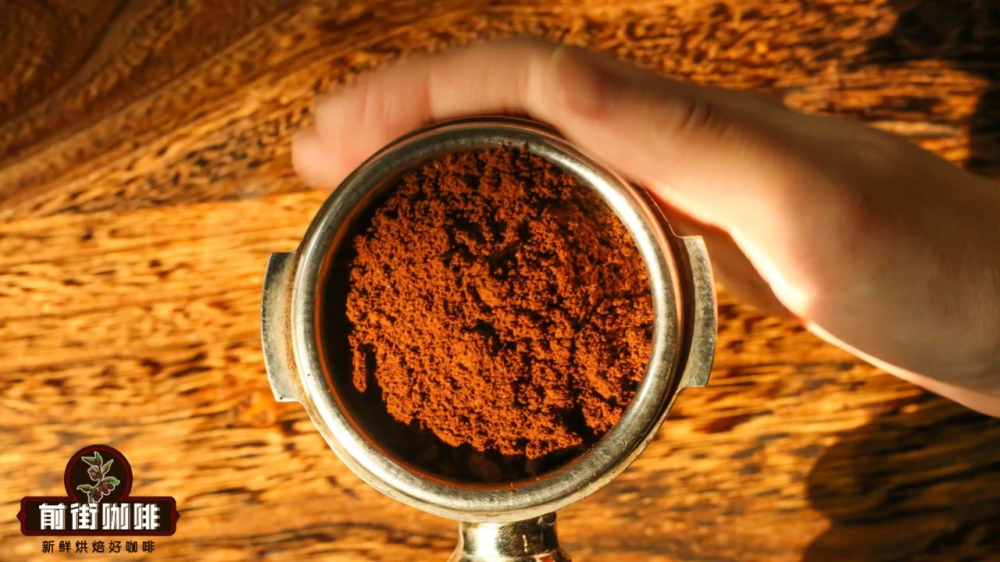
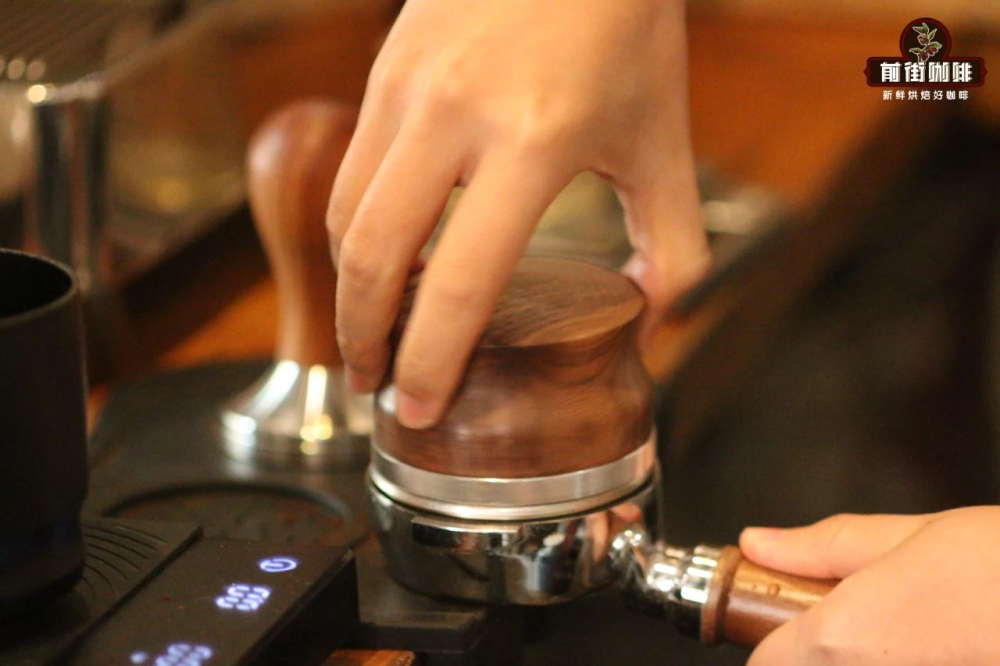
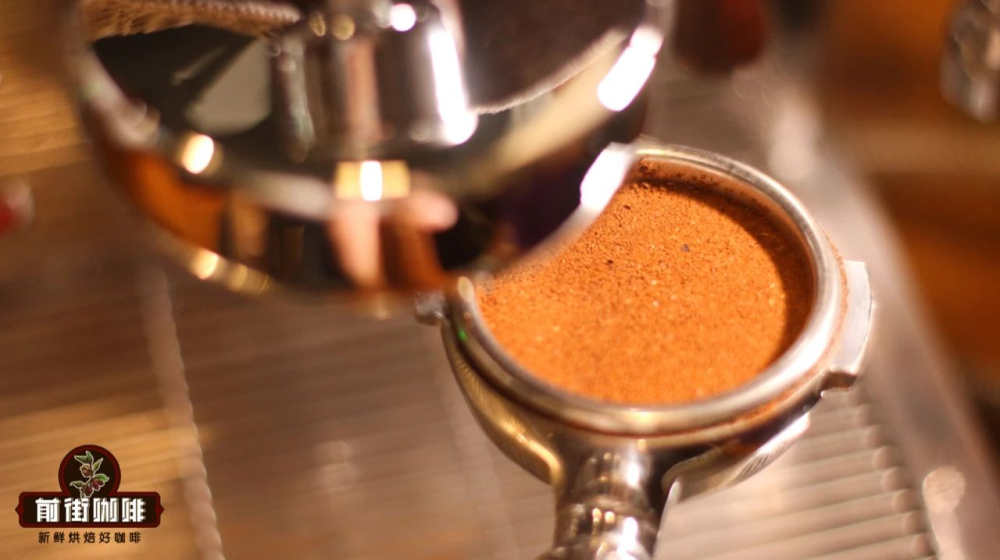
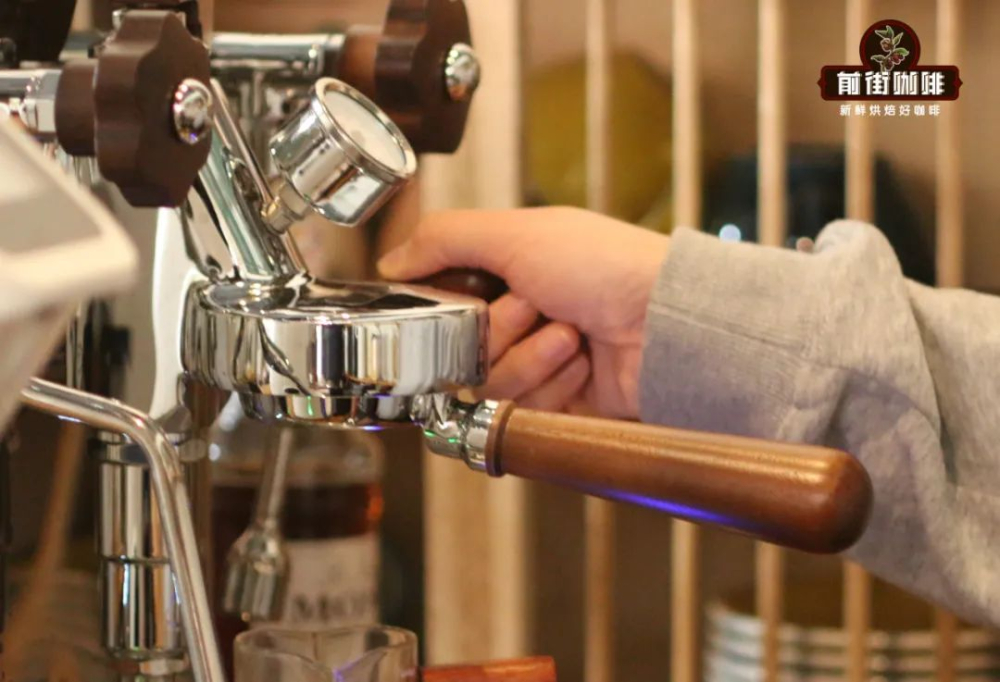
Here’s how to actually brew espresso: First, turn on the machine and wait until it heats up to around 94°C before starting. Before extraction, make sure to dry the portafilter basket, then grind approximately 20 grams of coffee (for a double basket), weigh it precisely, and use a distributor to evenly spread the grounds. Next, tamp the coffee using a tamper with even, vertical pressure to ensure a compact puck—this is key to stable extraction.
Then, turn on the extraction switch and let water run for 1–2 seconds to wet the group head and flush out any old coffee grounds. Place your cup under the spout and set an electronic scale underneath to zero, ready to measure the yield. Lock the portafilter gently into the group head, start the extraction, and observe the flow of coffee. When the scale shows 40 grams and the time falls within the 25–30 second range, press the switch to stop the extraction.
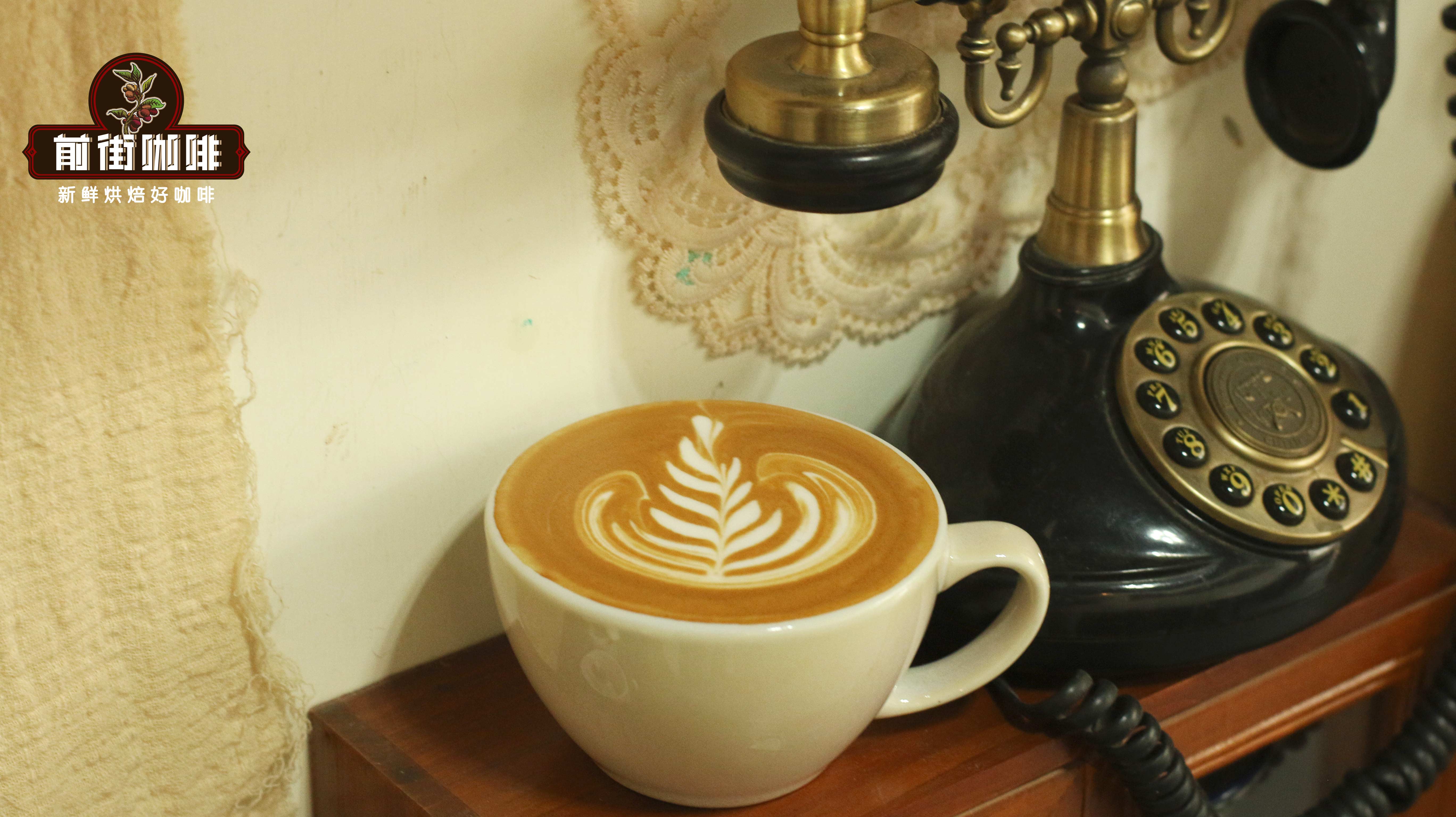
To make an Americano, simply prepare a 200–250ml cup, pour in 160–200g of hot water, and add the brewed espresso—your simple Americano is complete. To make a latte, use a 300ml cup: pour the espresso first, then steam 220ml of fresh milk to 55–60°C with fine microfoam, and blend it evenly with the espresso to create beautiful latte art.
It’s important to note that due to daily variations in humidity, bean freshness, and grinder condition, extraction parameters may change slightly. It’s recommended to adjust the coffee dose, grind size, and yield each time based on actual flow rate, flavor, and crema performance—ensuring each cup of espresso is at its best.
The above content is compiled by CoffeeHunters, a coffee news website.


