







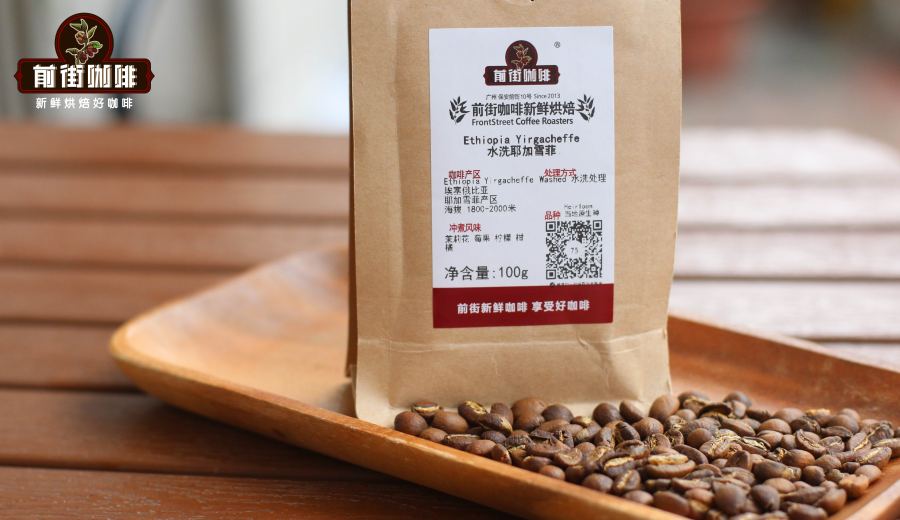
Introduction:Yirgacheffe is renowned for its distinctive floral and fruity aromas. While most people are accustomed to brewing it using pour over methods, it can actually also be used for espresso. This article delves into the viability of Yirgacheffe SOE, analyzing the characteristic differences between medium-light and medium-dark roasted beans, and provides practical extraction parameter suggestions to help you brew a coffee with rich layers and a balanced acidity and sweetness.
When Yirgacheffe is mentioned, many people immediately think of its refreshing lemon aroma, delicate floral notes, and a honey-like sweetness in the aftertaste. This classic bean from Ethiopia’s renowned coffee-growing region is widely loved by pour over enthusiasts for its bright acidity and citrusy profile. However, with the evolution of specialty coffee trends, more and more baristas are beginning to experiment with using Yirgacheffe for espresso. What kind of flavor profile might this combination produce?
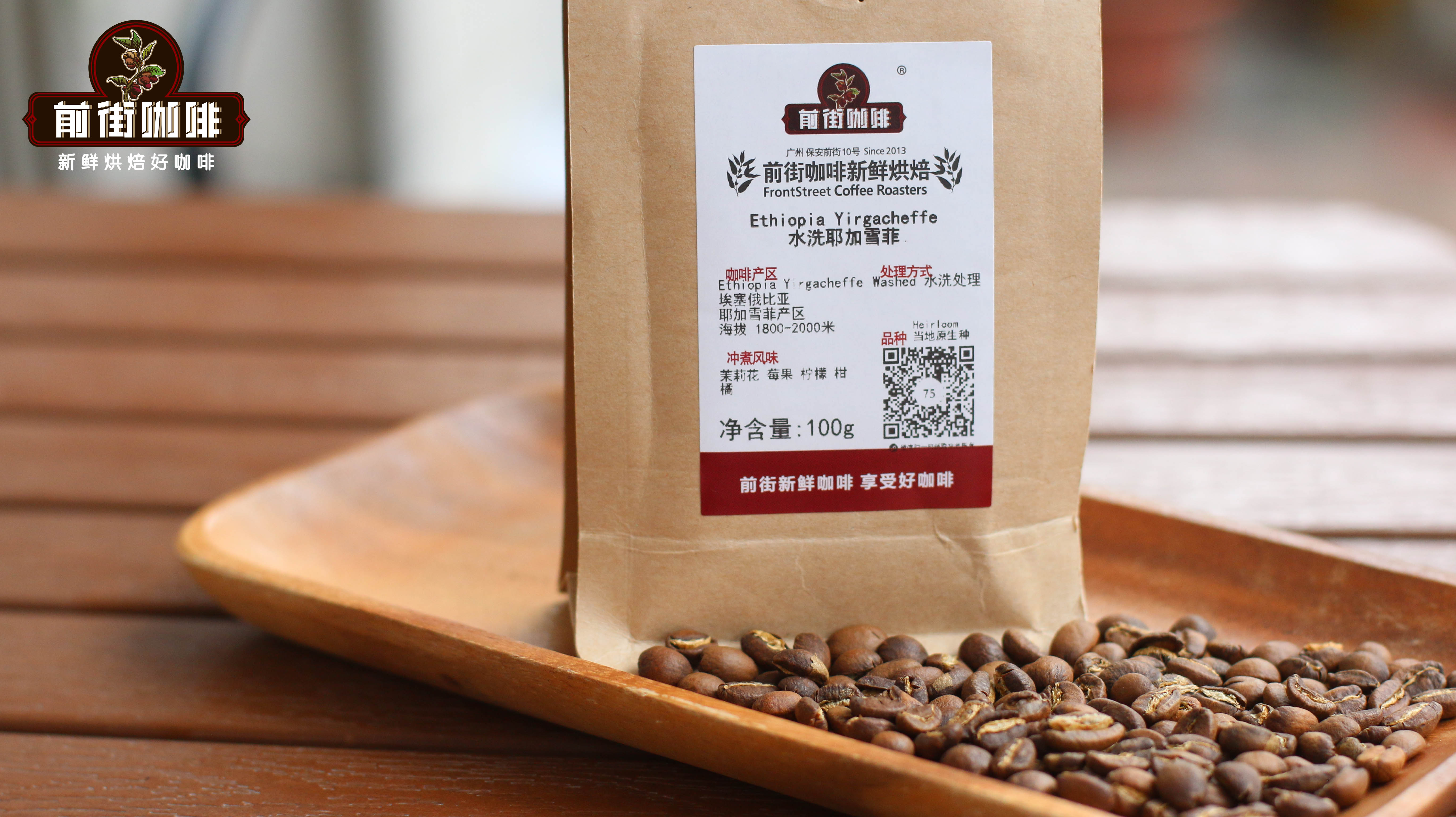
Yirgacheffe beans available on the market can generally be divided into two main roasting styles. The first is medium-light roasted Yirgacheffe. Due to the shorter roasting time, these beans usually maintain a relatively firm texture and a lighter color. Such beans are highly suitable for pour over, cold brew, or French press, as they can fully showcase their delicate floral notes and layered fruit acidity. For example, the classic washed process style often exhibits white floral notes and honey-like sweetness, while the natural process highlights the acidic-sweet profile of tropical fruits.
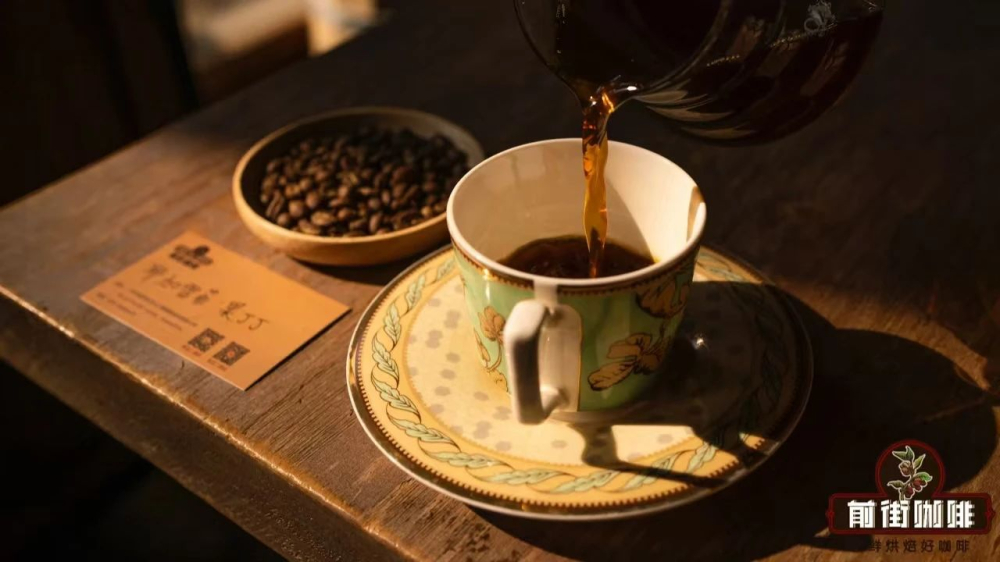
The other category is medium to medium-dark roasted Yirgacheffe. These beans are exposed to heat for a longer duration during roasting, resulting in a darker bean surface and a comparatively looser texture, which makes it easier to release rich oils during extraction. As a result, they are particularly well-suited for making espresso or coffee using a moka pot. This roasting approach retains some of the bean’s original flavors while enhancing richness and body, delivering a rounder and fuller mouthfeel.
Using Yirgacheffe to make espresso — known as Yirgacheffe SOE — is an intriguing option worth trying. Compared to traditional blends, SOE (Single Origin Espresso) can more clearly highlight the unique characteristics of a single origin. Yirgacheffe-based SOE espresso not only lacks the intense bitterness typical of traditional espresso but also boasts captivating floral and fruity aromas along with a soft acidity, resulting in a more complex and layered flavor profile. For those who are not accustomed to bitter-tasting coffee, this combination may come as a pleasant surprise.
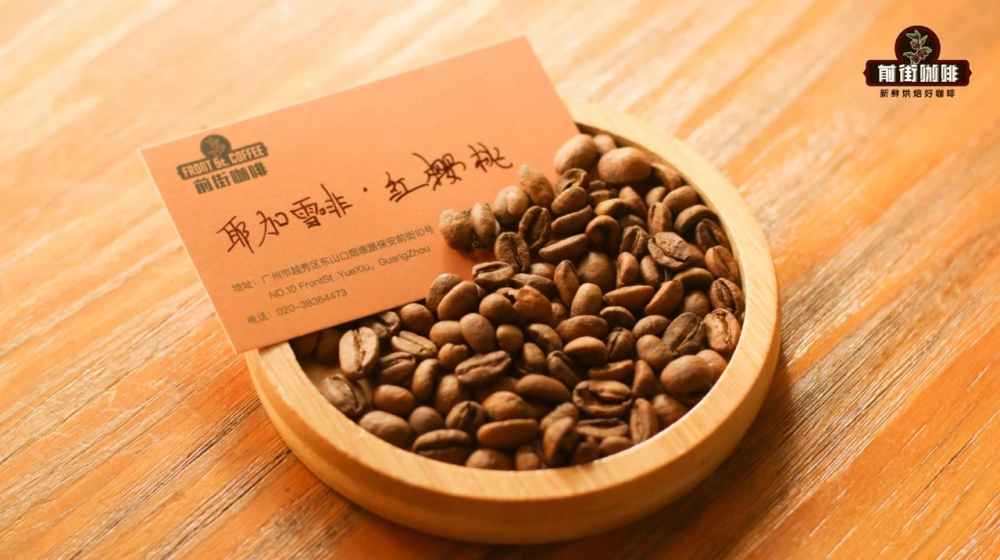
If you want to try extracting a flavor-forward Yirgacheffe SOE at home or in your café, it is recommended to choose beans that have undergone natural sun-dried processing, such as the classic red cherry natural style. These beans are typically dried naturally under the sun for about three to four weeks, during which the fruit flesh and skin are retained, allowing the green beans to absorb more fruity aromas and subtle fermentation notes. This processing method enhances the fruitiness of the coffee, resulting in an espresso with more pronounced berry, citrus, and even a hint of wine-like aromas.
In terms of extraction parameters, it is recommended to use a medium-fine grind, roughly similar in coarseness to superfine sugar, to suit the high-pressure extraction environment of an espresso machine. The coffee-to-water ratio can be set between 1:2 and 1:2.5, with an extraction time controlled within 25 to 30 seconds. This approach effectively extracts the floral and fruity aromas of the beans along with a moderate level of sweetness, while avoiding overly sharp acidity or off-flavors caused by over-extraction. The coffee dosage can be adjusted according to your portafilter capacity, generally ranging between 18 to 20 grams.
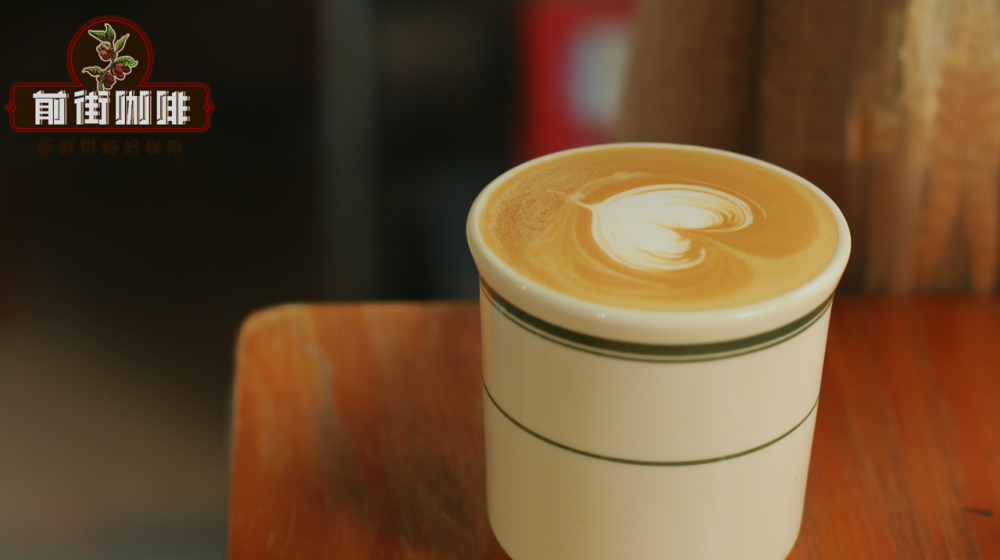
Additionally, it is worth noting that due to Yirgacheffe’s inherently bright acidity, it is advisable to be cautious when blending or adjusting flavors with other beans that have extreme acidity or overly intense profiles, in order to prevent flavor clashes. If you wish to further enhance the complexity, you can also try using Yirgacheffe SOE to make lattes or Americanos. Dilution with milk or water often helps to better highlight its delicate fruity aromas and balanced sweetness.
The above content is compiled by CoffeeHunters, a coffee news website.


