








Introduction:The moka pot is a common brewing tool found in the homes of many coffee enthusiasts, capable of producing richly flavored coffee with simple operation. This article delves into the structure and working principles of the moka pot, explores its usage methods, analyzes its advantages and disadvantages, and recommends suitable types of coffee beans and roast levels. It also provides detailed at-home operation steps and timing suggestions to help you brew coffee with a moka pot that closely resembles the flavor of an espresso machine.
The moka pot, also known as a Moka Pot, is a coffee brewing device originating from Italy and widely favored by home users. This tool utilizes the steam pressure generated by heating the lower chamber to push hot water through medium-fine ground coffee, thereby extracting a strong, oily coffee liquid. Although its pressure is not as high as that of a professional espresso machine, it can still deliver a rich taste, making it a daily choice for many novice and seasoned coffee drinkers.
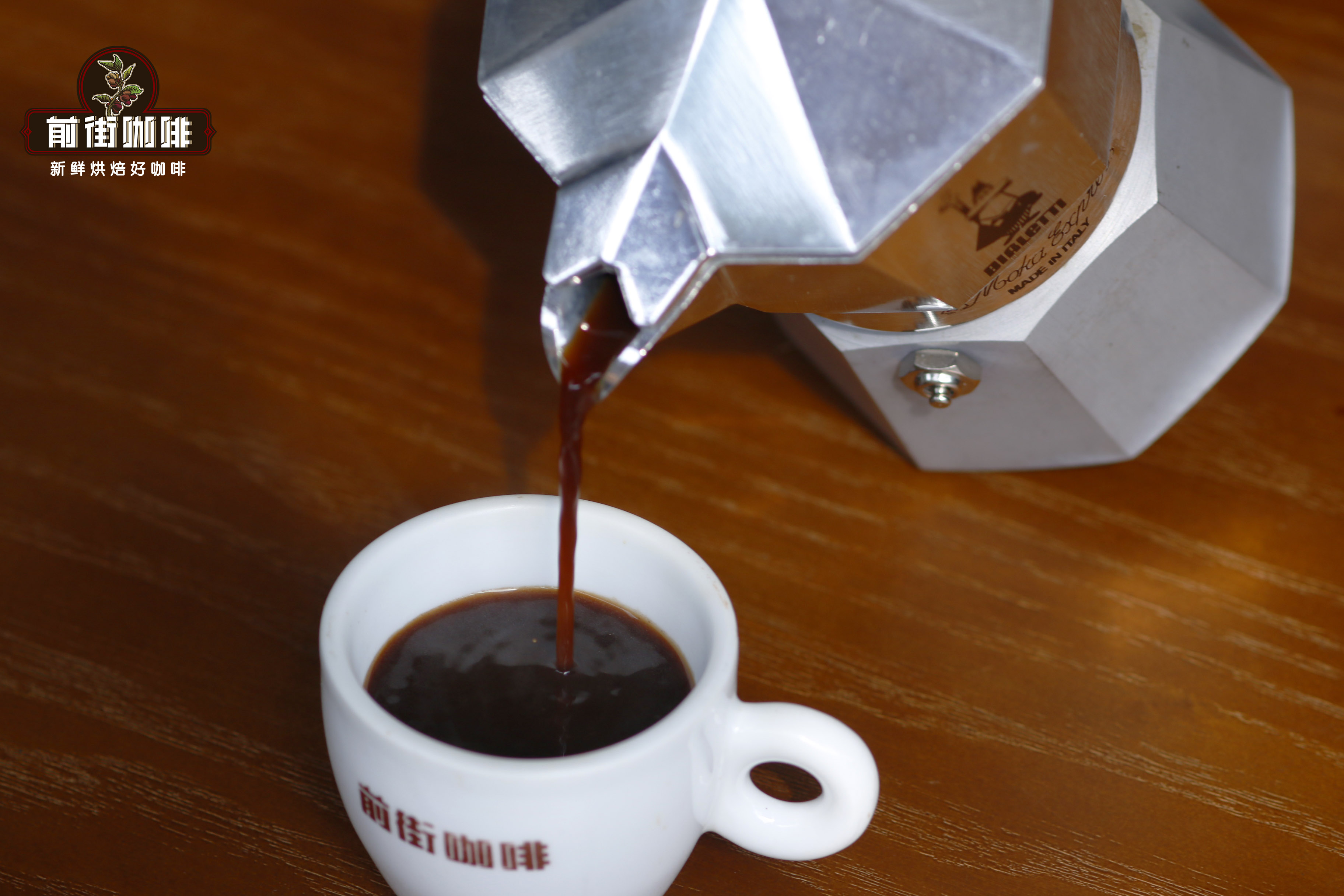
The moka pot was invented in 1933 by the Italian Alfonso Bialetti. To this day, its basic structure has remained largely unchanged, but its appearance and materials have continuously evolved with the times. Early models were mostly made of aluminum, could only be heated over an open flame, and were prone to reacting with the acidity of coffee, affecting the flavor. Nowadays, in addition to aluminum models, moka pots are also available in stainless steel and heat-resistant glass materials. Some models are even compatible with induction cooktops, offering more convenient use and more refined designs, becoming both practical and decorative tools for many households.
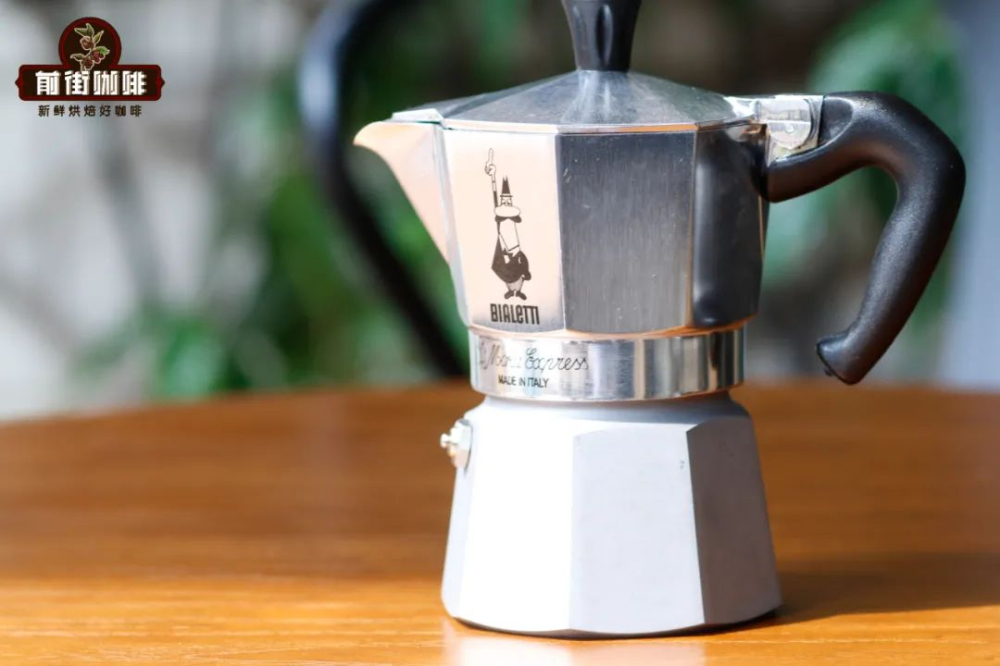
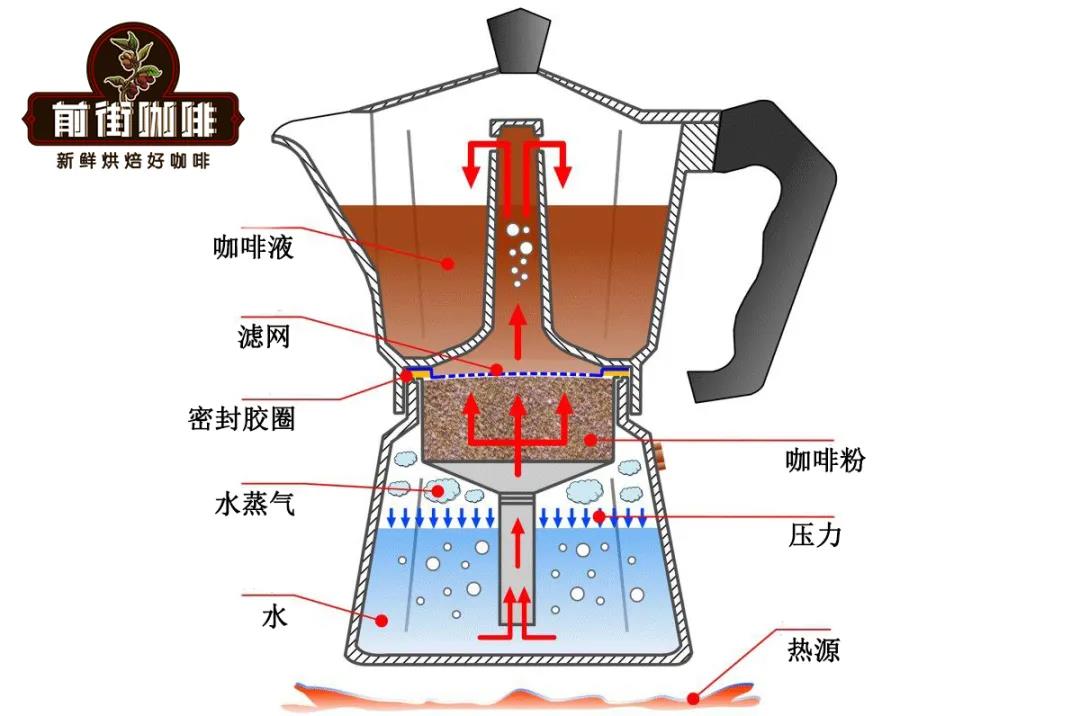
The moka pot mainly consists of three parts: the lower chamber holds the water, the filter basket contains the ground coffee, and the upper chamber collects the brewed coffee. Its operating principle is to use the pressure (approximately 1.5 - 2 bar) generated by heating the lower chamber to push the water upward through the coffee grounds and into the upper chamber to form coffee. Although the pressure is lower compared to the 9 bar of a professional espresso machine, it is still sufficient to extract coffee crema, creating a rich taste.
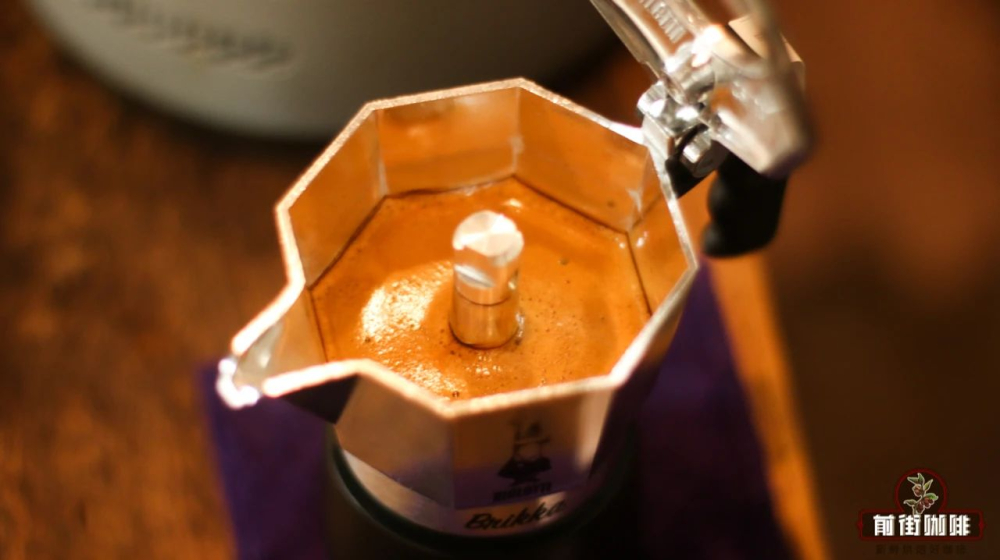
Common moka pots on the market come in single-valve and double-valve designs. The double-valve design can release pressure through an additional pressure-release valve when the pressure reaches a certain level, further enhancing the amount of extracted oils and the overall richness of the coffee. Compared to the single-valve version, it offers a richer taste and more complex flavor expression.
Using a moka pot has many advantages, including simple operation, portability, and the ability to be used with either an open flame or electric ceramic stove, making it suitable for outdoor or travel use. In addition, its price is generally more affordable than that of an espresso machine, yet it can produce coffee with a strength similar to espresso, making it a very practical choice for users who want to enjoy espresso-style coffee at home.
However, the brewing principle of the moka pot is actually closer to pressurized filtration rather than true espresso extraction, so its flavor profile is relatively simpler and not as bright and clear as that of pour over or professional machines. Its flavor ceiling is limited, making it suitable for those who prefer strong, oily coffee, but it is less commonly used in the specialty coffee field.

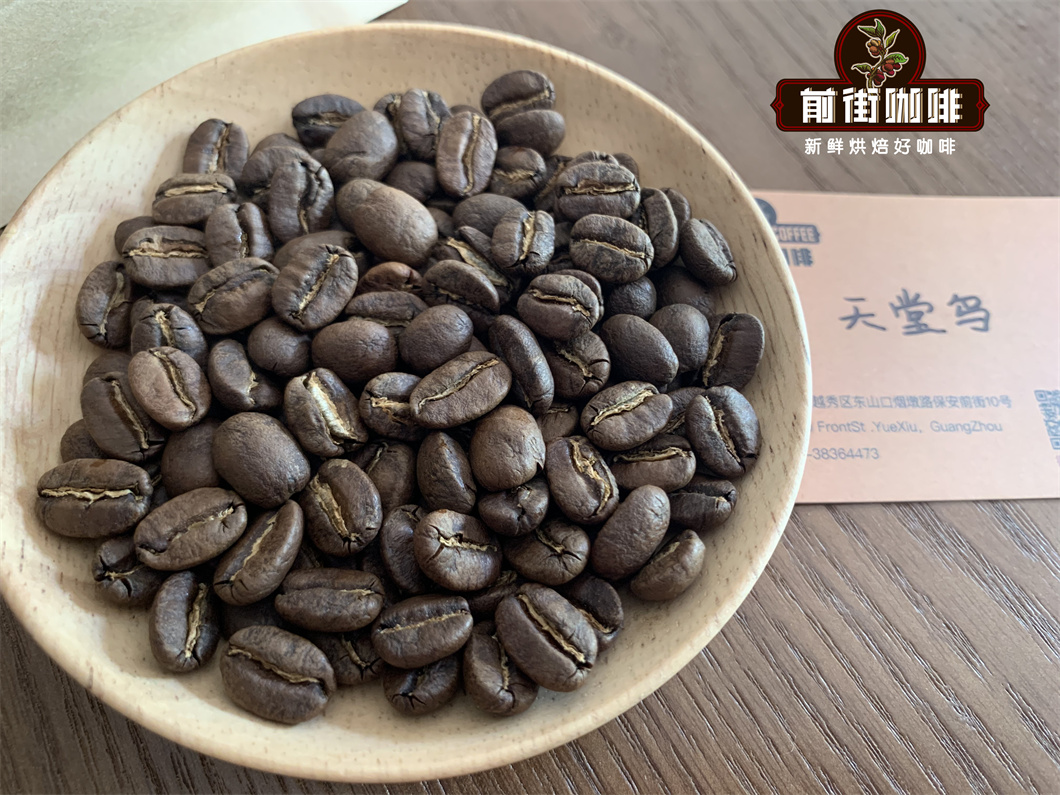
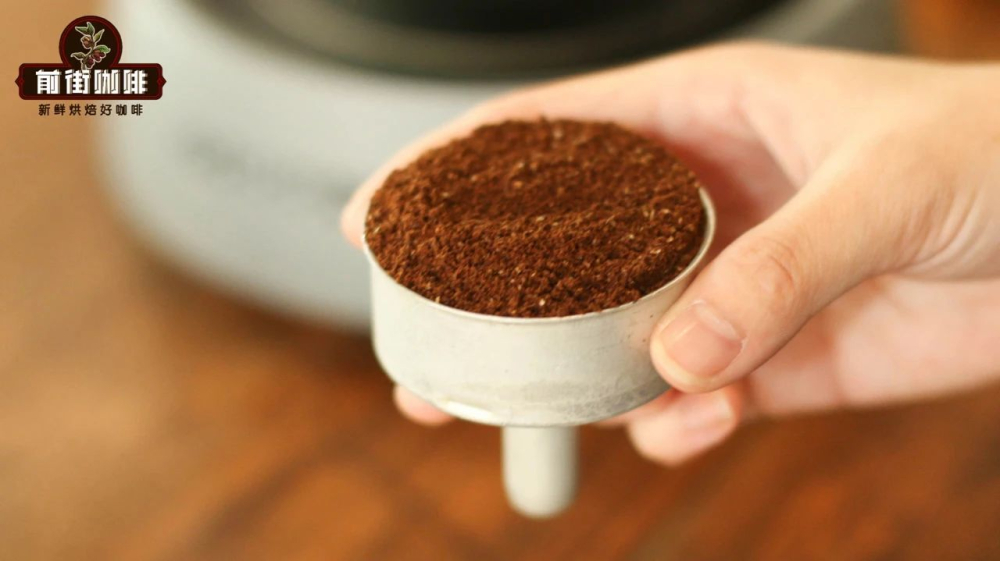
The coffee beans suitable for moka pot use are typically medium to dark roasts, which can highlight its rich and full-bodied characteristics. It is recommended to choose beans with prominent nutty, chocolatey, or caramel notes, which complement the intense taste extracted by the moka pot. Additionally, the grind size of the coffee should be slightly finer than pour over but slightly coarser than that for espresso machines, roughly similar to the texture of fine sugar, to ensure appropriate extraction pressure and flow rate.
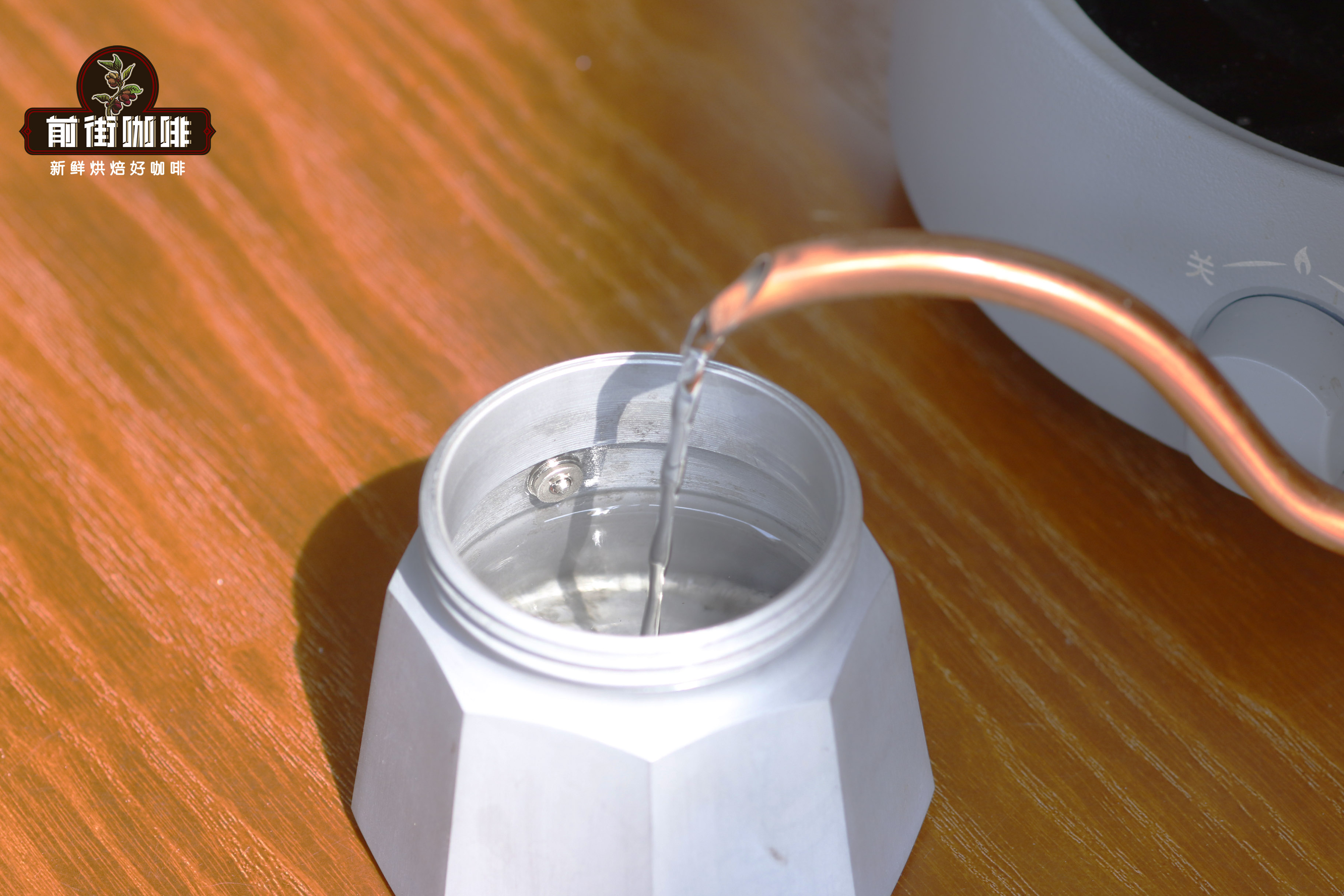
The steps to make coffee at home using a moka pot are actually not complicated, but every detail can affect the final flavor. First, pour cold water into the lower chamber up to just below the safety valve. Then, assemble the filter and filter basket, fill the basket with an appropriate amount of ground coffee, gently level the surface without tamping it down. After placing the filter basket into the lower chamber, assemble the upper chamber and tighten it securely.
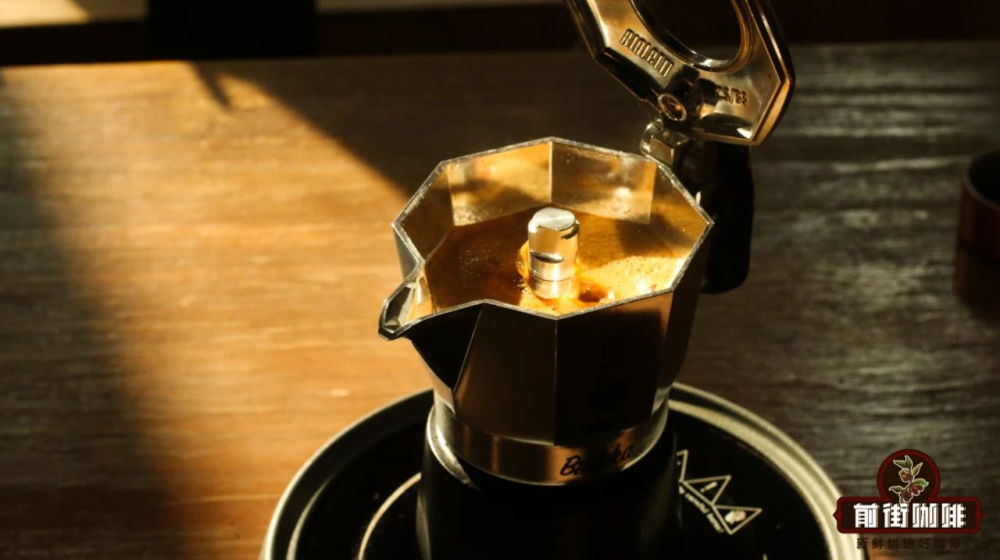
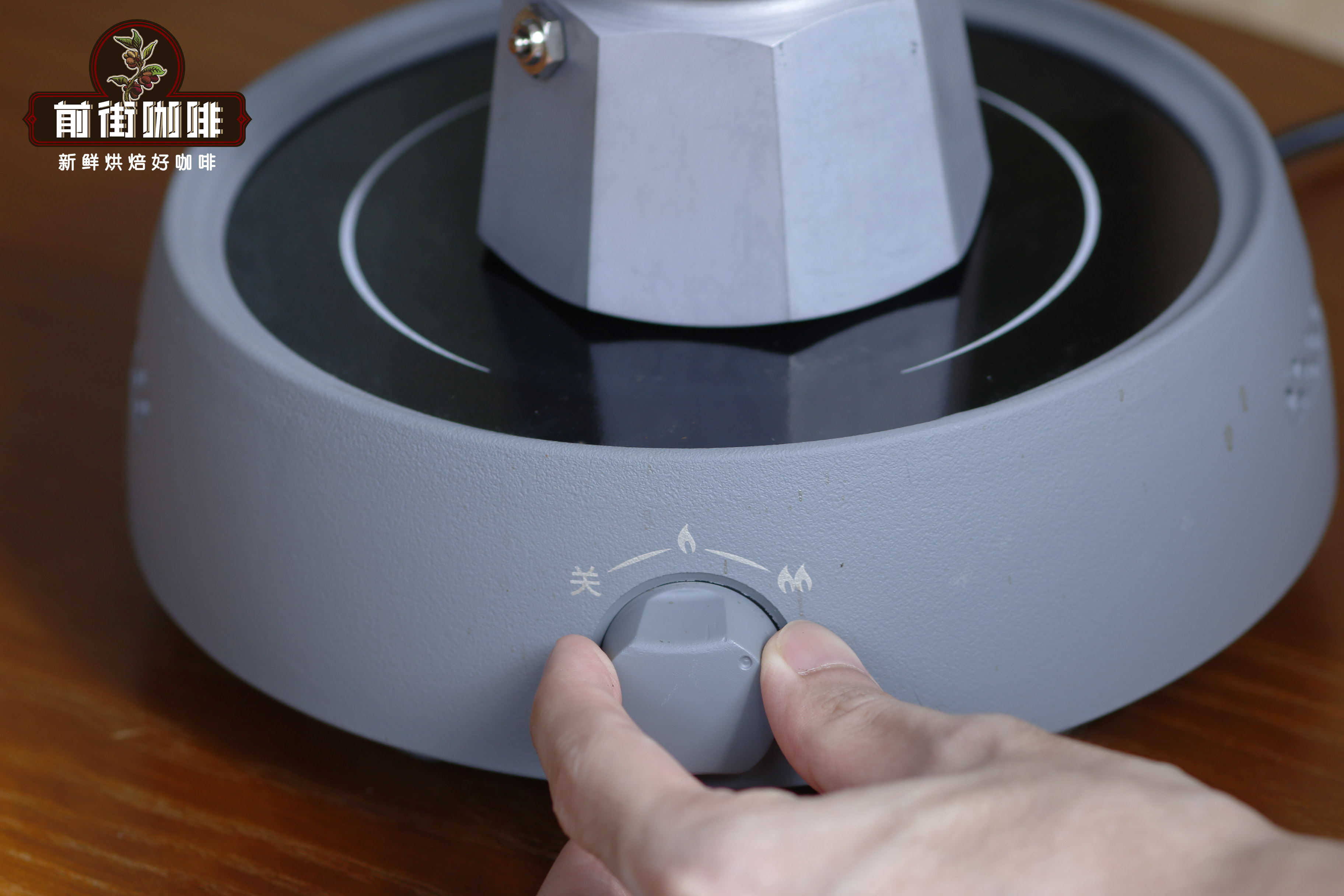
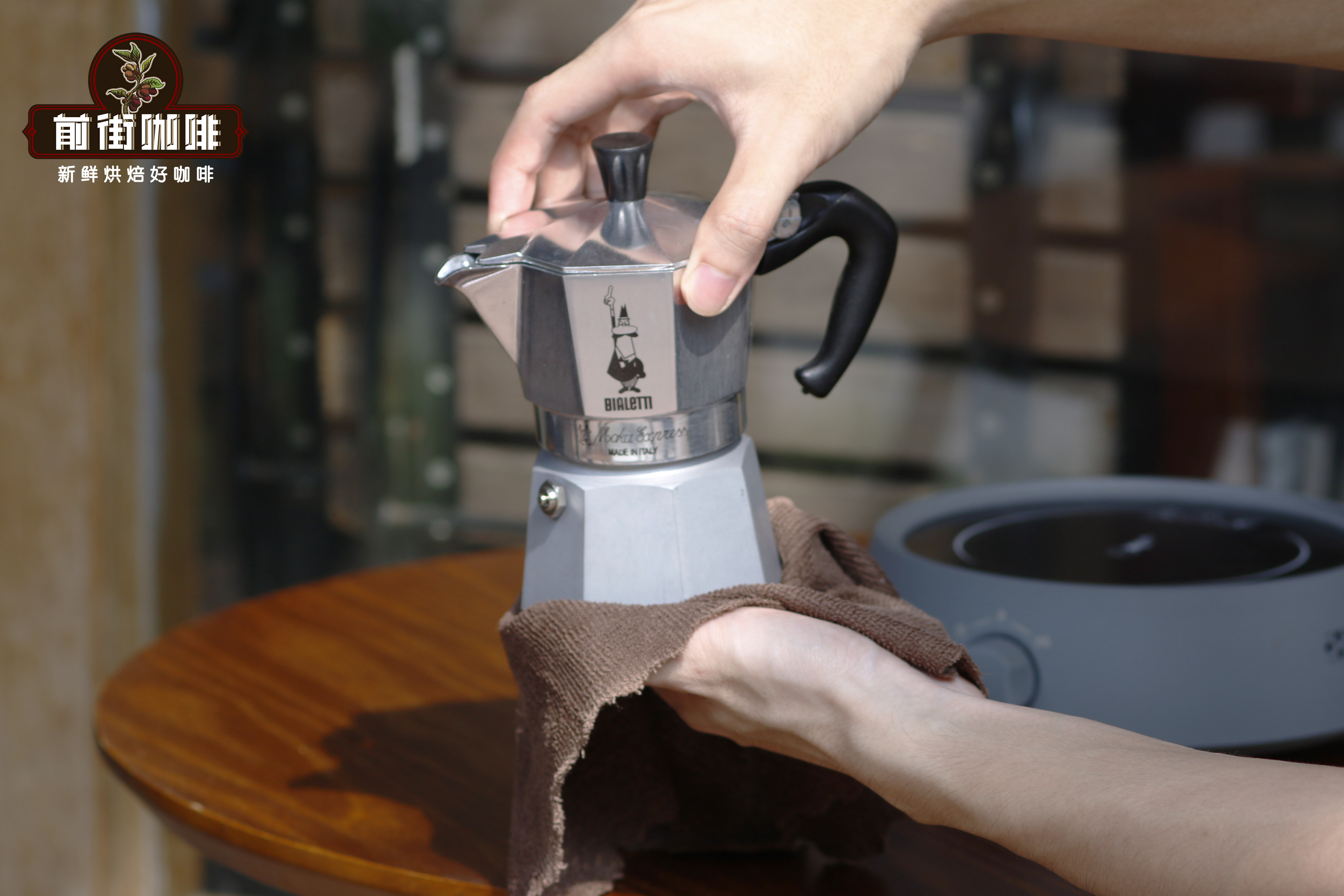
It is recommended to use an electric ceramic stove or open flame for heating. Initially, use medium to high heat. When you hear a distinct “wuu wuu” or “popping” sound, it indicates that the pressure is gradually building up. At this point, switch to low heat and observe the flow of coffee from the upper chamber. Once about half of the coffee has flowed out, you can turn off the heat and let the residual heat complete the remaining extraction to avoid over-extraction and bitterness.
 ,
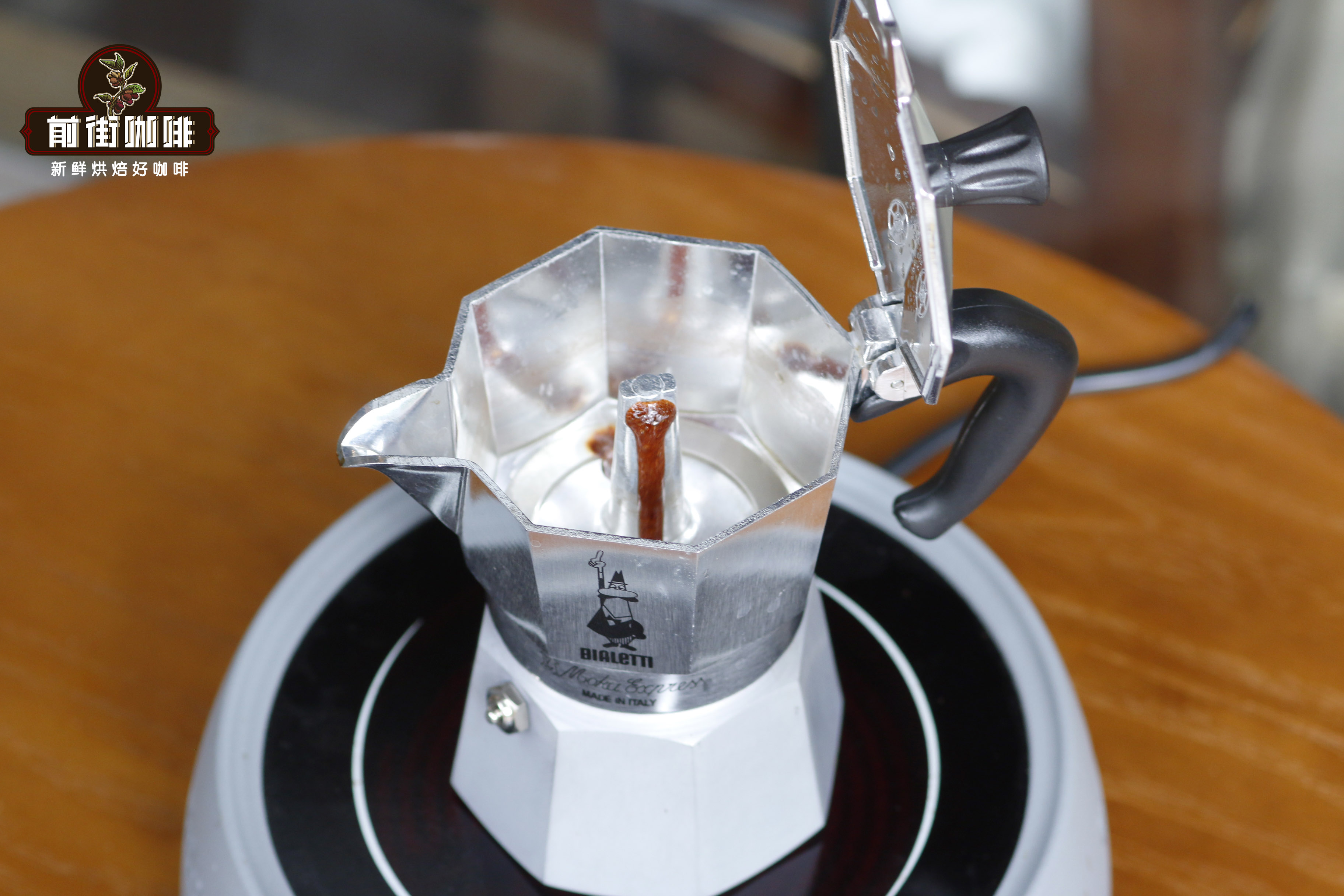 ,
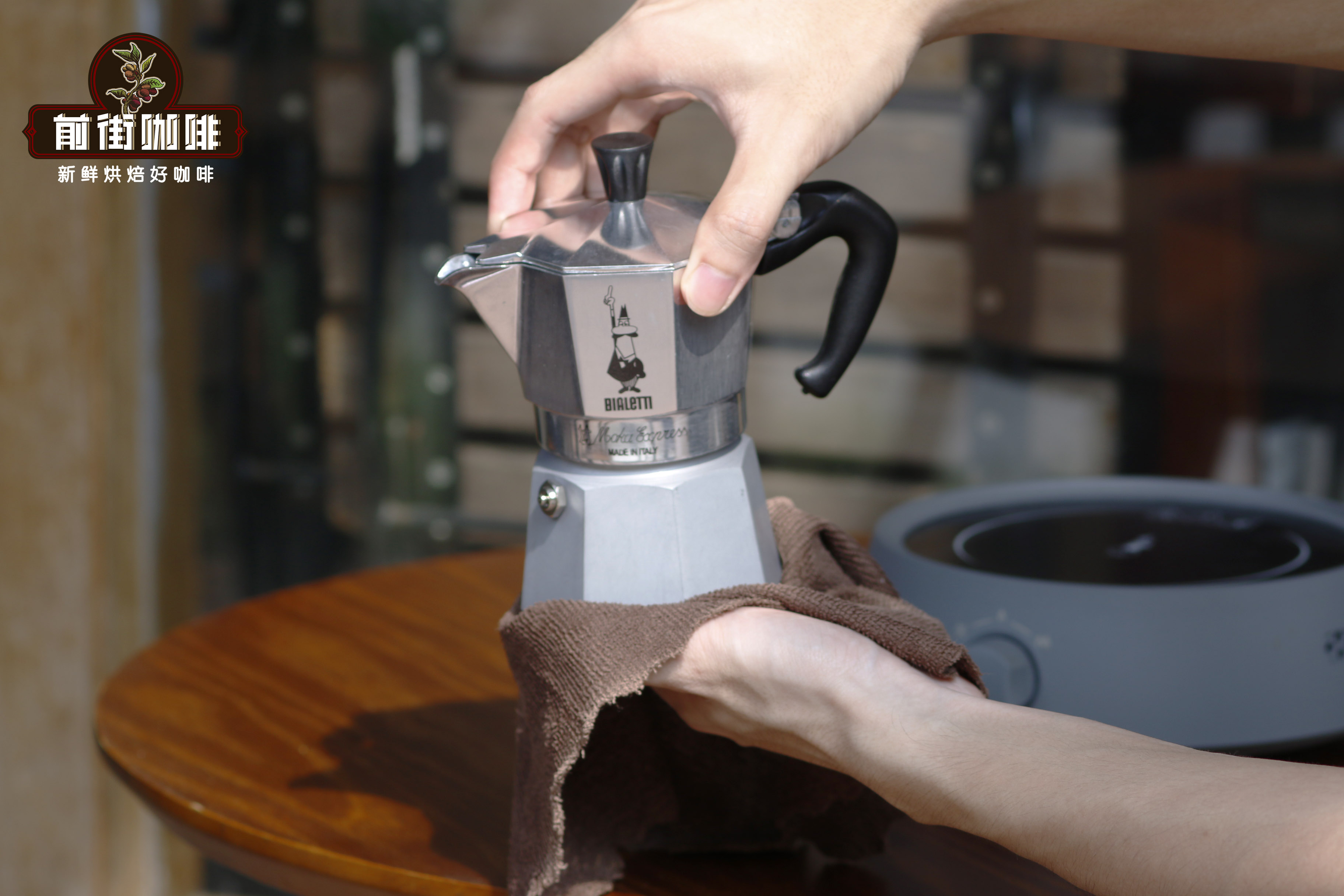
The entire extraction process usually takes about 3 to 4 minutes, varying slightly depending on the heat intensity and grind size. The brewed coffee should appear dark with a layer of golden crema and is best enjoyed in small cups. You can also adjust the flavor to your preference by adding hot water or milk.
In summary, the moka pot is an easy-to-use, powerful home coffee brewing tool. Although it cannot fully replicate the espresso flavor of a professional machine, by mastering the right bean selection, grind size, and operational details, you can still enjoy a rich and satisfying cup of coffee at home.
The above content is compiled by CoffeeHunters, a coffee news website.


