







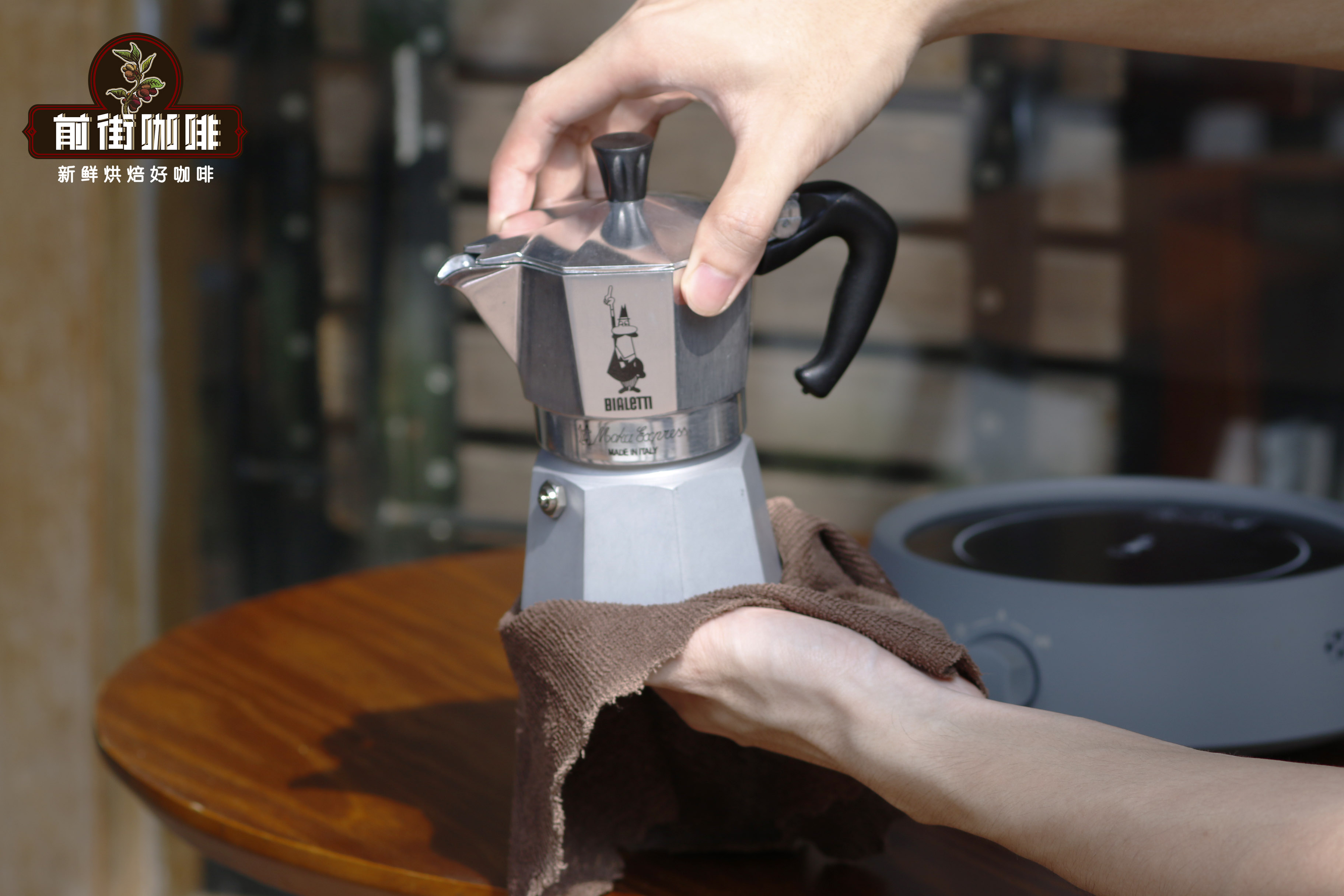
Introduction:Want to understand how to use a moka pot and why it can brew such rich coffee? This article delves into the structure and working principles of the moka pot, and provides key techniques such as suitable coffee bean selection, grind size, coffee-to-water ratio, and the timing to turn off the heat. Whether you're a beginner or already have some experience, you can master the secrets to getting the best flavor out of your moka pot.
The moka pot is a common appliance in the homes of many coffee enthusiasts. It not only quickly brews espresso-style coffee with crema, but is also relatively simple to operate. However, if you want to truly brew a great cup of moka pot coffee, you still need to grasp some basic principles and details. This article will start with the basic structure of the moka pot and guide you step-by-step on how to brew your ideal coffee with it, including suitable types of coffee beans, grind settings, coffee-to-water ratios, and even common questions like when to turn off the heat and whether to leave the lid open.
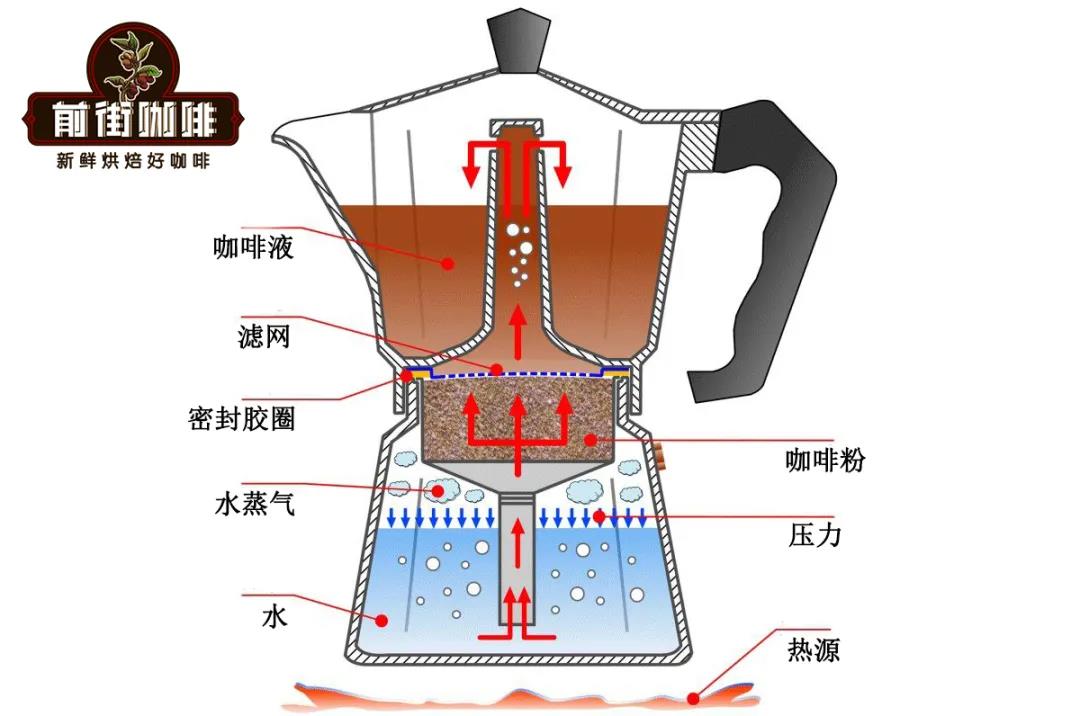
The moka pot mainly consists of three parts: the bottom chamber, the filter basket, and the top chamber. The bottom chamber holds the water, the filter basket contains finely ground coffee, and the top chamber collects the brewed coffee. Its working principle utilizes the steam pressure generated by heating the water in the bottom chamber. As the pressure gradually increases and pushes through the coffee grounds, it forces the hot water upward through the coffee, eventually collecting as coffee in the top chamber. This pressure typically ranges between 1.5 to 2 bar, which, although far less than the 9 bar of a professional espresso machine, is still enough to extract rich crema and a strong flavor.
Based on structural differences, moka pots can be divided into single-valve and double-valve types. In a single-valve moka pot, the coffee flows naturally out of a small hole at the top of the central tube, while in a double-valve moka pot, an additional pressure valve is added to the tube, which only opens when a certain pressure is reached, allowing the coffee to spray out. Generally speaking, the double-valve design can build up more pressure, so the brewed coffee not only has richer crema, but also a more intense and concentrated flavor. In contrast, coffee made with a single-valve moka pot tends to have a lighter taste and a thinner layer of crema.
The capacity of a moka pot is usually indicated in "servings," with common sizes ranging from 1 to 18 servings. Generally, 1 to 2 servings are suitable for one person or a couple, 3 servings are good for small gatherings with friends, and for family or larger groups, you might choose a model with 6 servings or more. Choosing the right capacity depends not only on the number of users, but also affects overall brewing performance and ease of use.
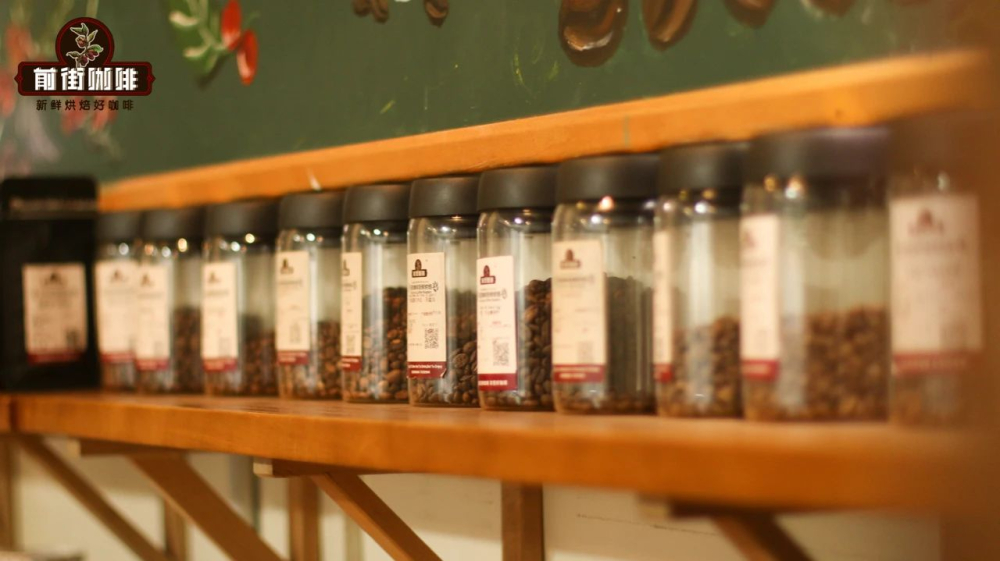
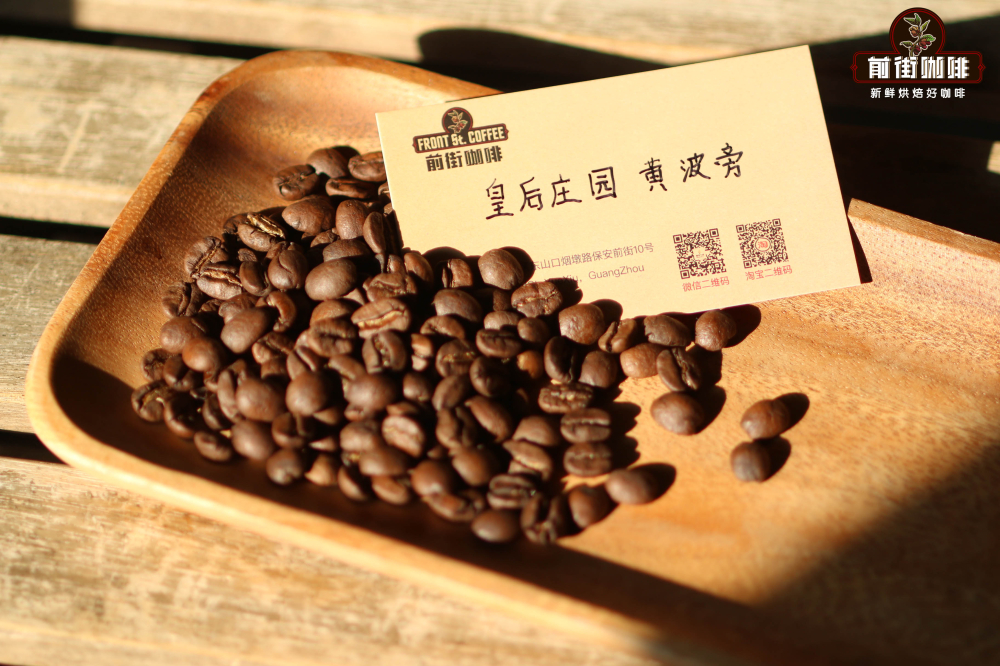
When it comes to coffee bean selection, it is recommended to use beans with a medium to dark roast or darker, as lightly roasted beans can easily bring out excessive acidity, affecting the overall balance of flavors. Common recommendations include Italian-style blends made from Brazilian and Colombian beans, which offer notes of nuts, caramel, and cream; or medium-roasted Brazilian Yellow Bourbon, known for its sweet cane sugar profile, suitable for making black coffee or adding milk; additionally, Indonesia's Golden Mandheling is praised for its full-bodied, clean, and robust taste, favored by those who prefer strong and bitter flavors.


Regarding grind size, the coffee grounds for a moka pot should be between 0.3 to 0.55 mm in size, similar to those used in traditional espresso machines, but actually slightly coarser. If the grind is too fine, it may restrict water flow, not only prolonging the brewing time but also easily leading to over-extraction and a burnt, bitter taste; conversely, if it’s too coarse, the water flows too quickly, resulting in a thin and watery flavor. It is recommended to fill the filter basket with coffee grounds without applying too much pressure, maintaining an even and moderate level of tamping.
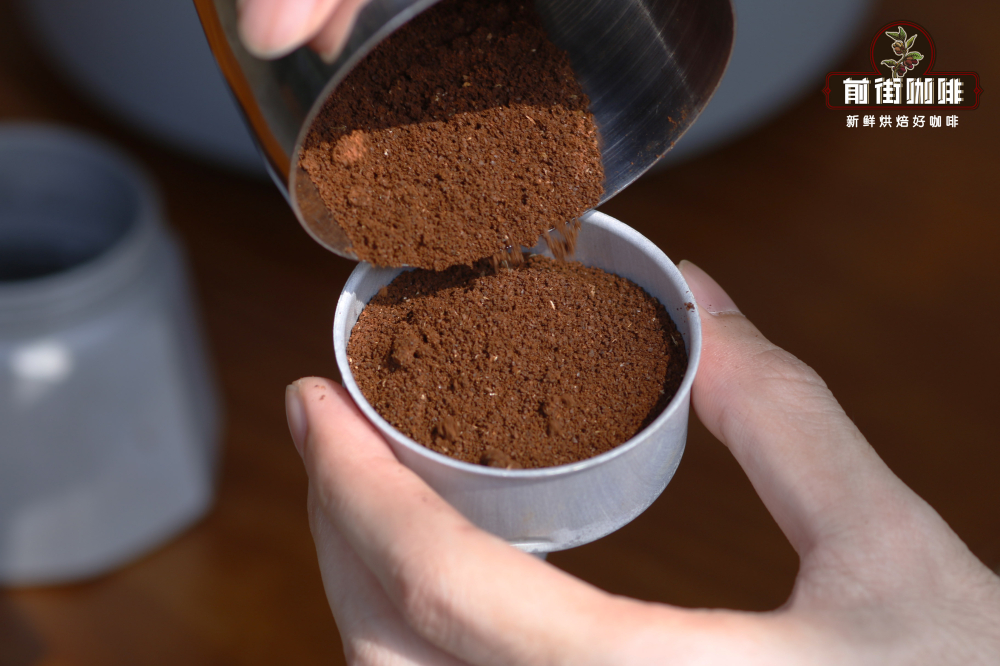
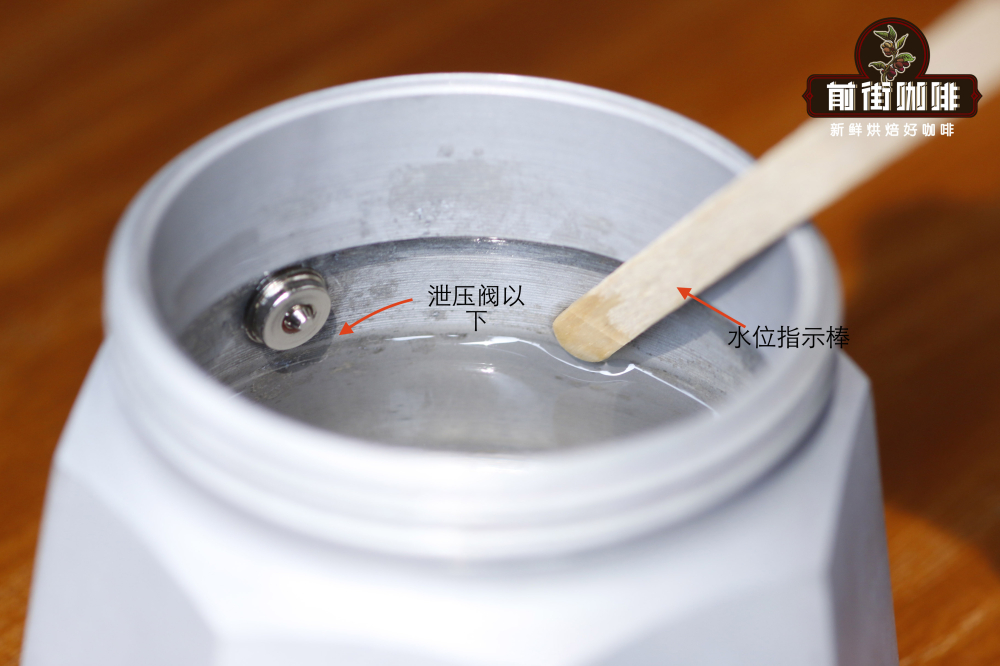
As for the coffee-to-water ratio, there is no absolute standard, and it should be adjusted according to personal taste and the moka pot's capacity. A general suggestion is to observe the position of the pressure relief valve on the bottom chamber and not to fill the water above this valve—typically keeping the water level just below the valve is ideal. The amount of coffee should generally fill the filter basket without leaving gaps, but also without over-tamping. This step is crucial for the stability of extraction and the expression of flavor.
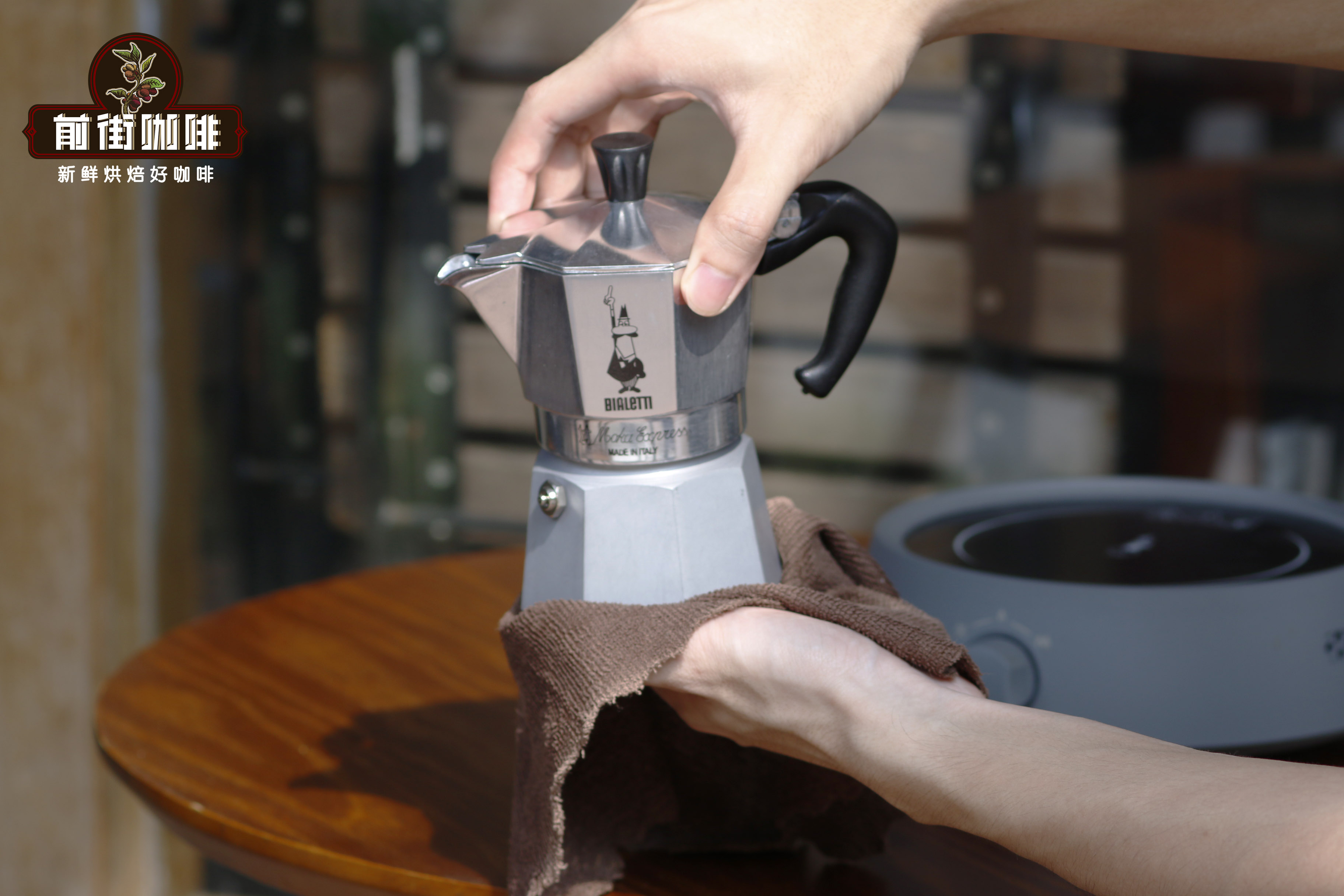
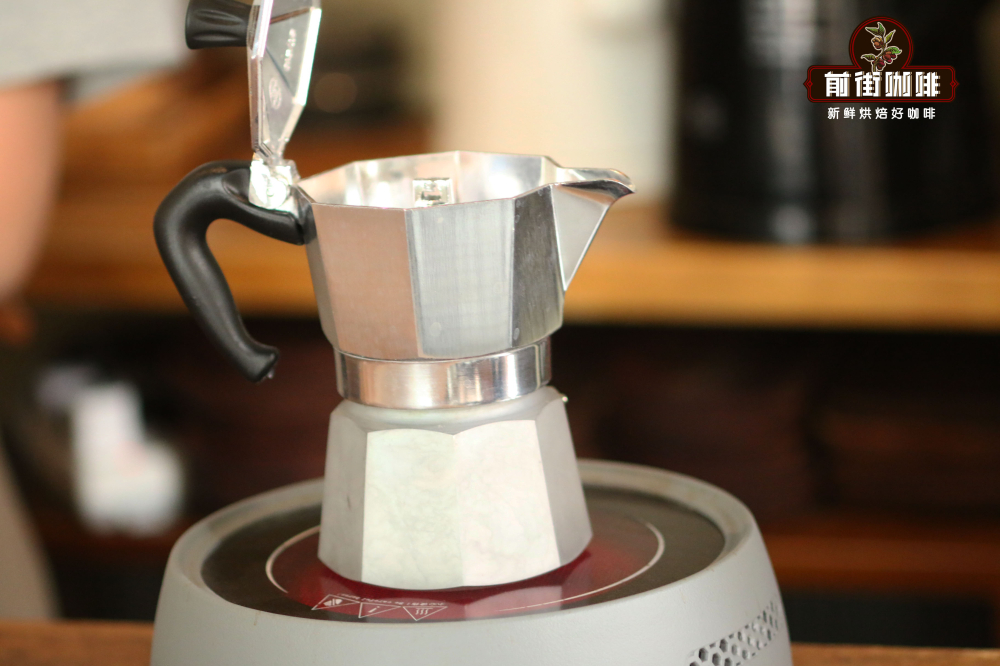
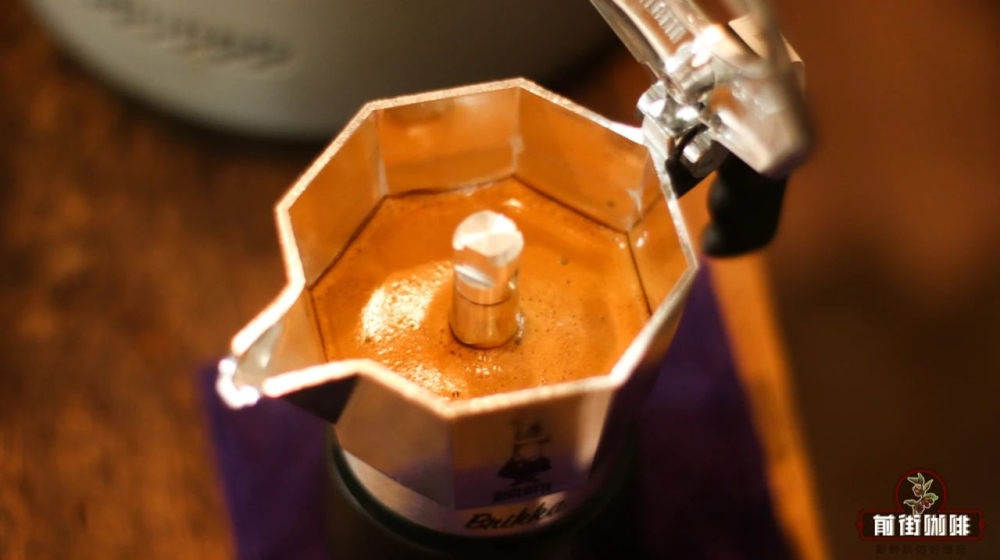
When heating, you can use a ceramic stove, induction cooker, or small gas flame, but it's essential to control the heat. It's recommended to use medium heat, and once you hear a “hissing” steam sound from inside the pot and see the first drops or sprays of coffee beginning to fall or eject, you can turn off the heat. Overheating or waiting until the coffee starts boiling before turning off the heat can easily result in burnt flavors that negatively affect the overall taste.
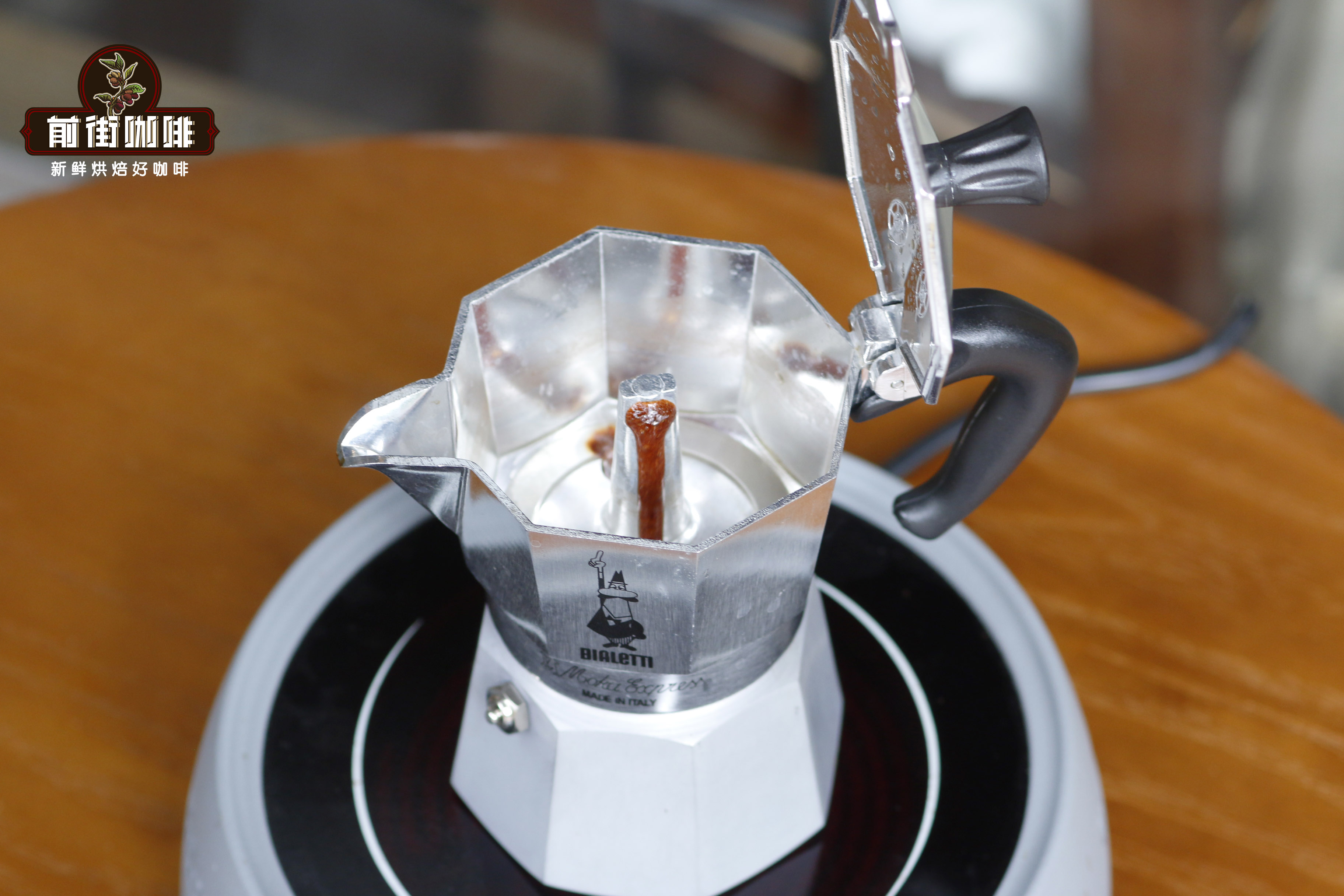
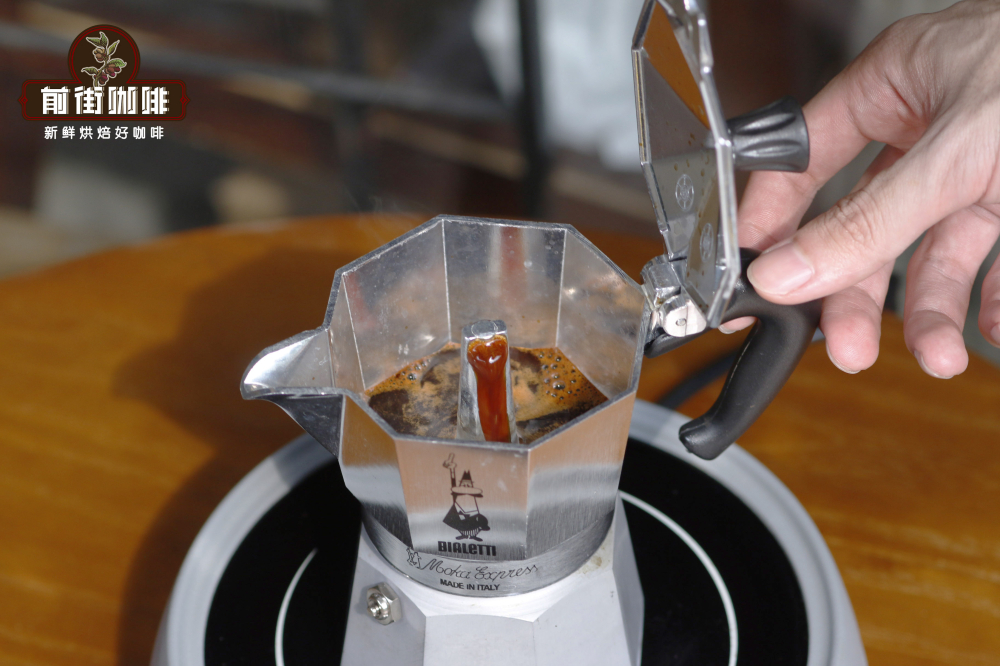
As for whether to open the lid during the brewing process, it mainly depends on personal preference. Opening the lid allows you to observe the flow of the coffee and helps determine the right time to turn off the heat, but unless necessary, it’s recommended to keep the lid closed to avoid accidental splashes of hot steam or coffee causing burns. If you want to watch the coffee spray out, it’s suggested to briefly open the lid just before turning off the heat.

In summary, the moka pot is a great tool for easily making espresso-like coffee at home. By mastering the grind size, coffee-to-water ratio, heat control, and timing to turn off the heat, even beginners can brew satisfying coffee. Whether you prefer the bold flavors of dark roast beans or the balanced taste of medium roasts, the moka pot can help you explore more possibilities in coffee.
The above content is compiled by CoffeeHunters, a coffee news website.


