







Introduction:When brewing coffee with a moka pot, selecting the right coffee beans, mastering the correct grind size, and controlling the extraction time are key to flavor performance. This article details the operating principles of the moka pot, suitable types of coffee beans, powder and water volume control, and offers specific adjustment suggestions for common issues such as overly bitter coffee or insufficient crema, helping you easily brew rich and balanced Italian-style coffee.
As a classic tool for making espresso at home, the moka pot can stably extract layered coffee by mastering just a few key elements. The primary conditions include using an appropriate amount of coffee powder and water, choosing a safe heating method, pairing it with a suitable coffee grind size, precisely controlling the extraction time, and moderately adjusting the concentration—all of which are essential factors influencing the final flavor.
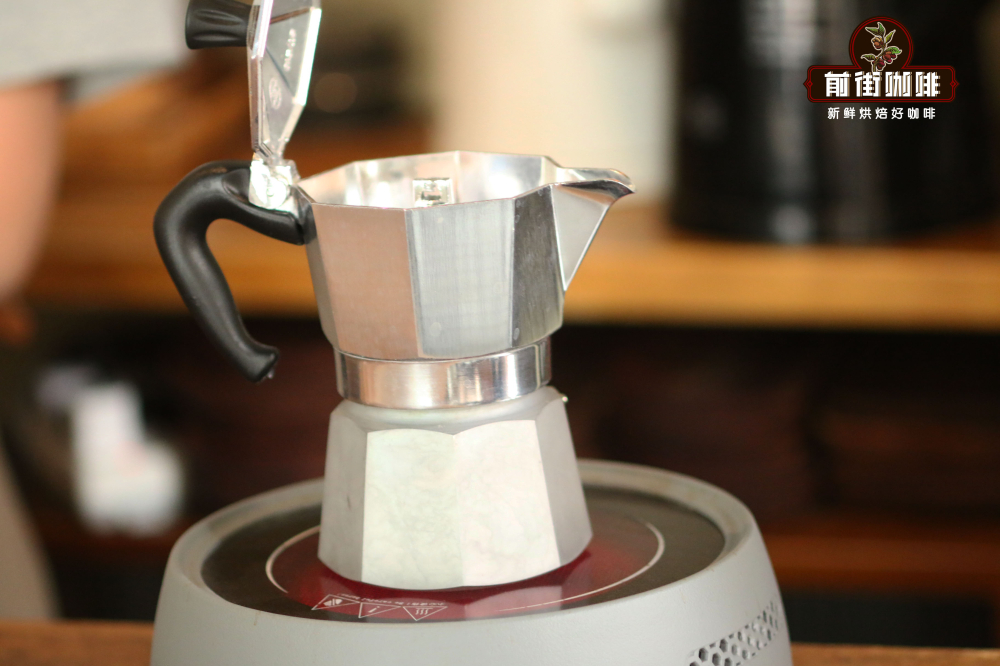
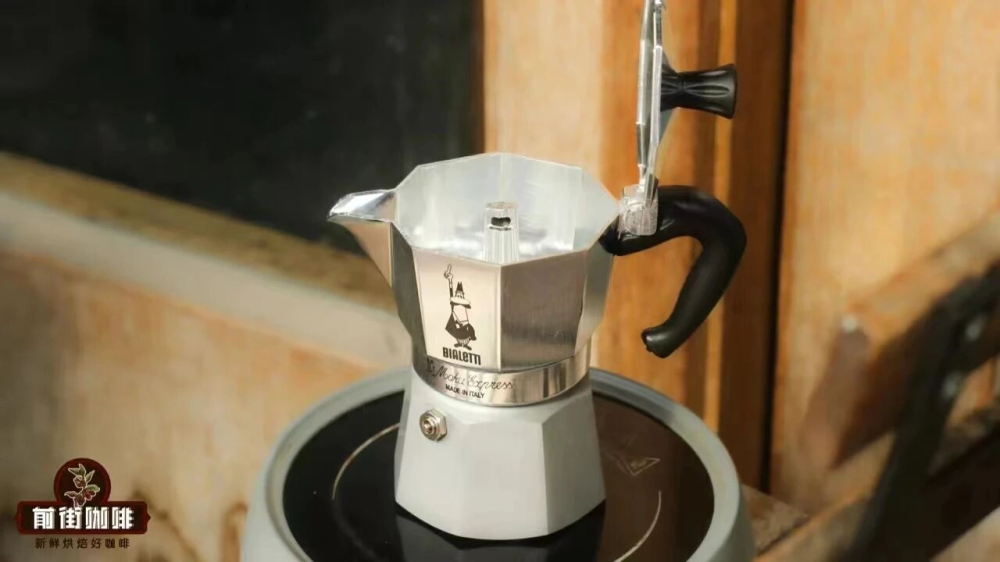
Currently, most moka pots on the market are made of stainless steel. Compared to traditional aluminum models that can only be heated with an open flame, stainless steel moka pots can be directly used on induction cooktops, making daily operation more convenient. It is recommended to choose a capacity based on the number of users, with compact 2–3 person models being the most popular—they save coffee powder and avoid waste.
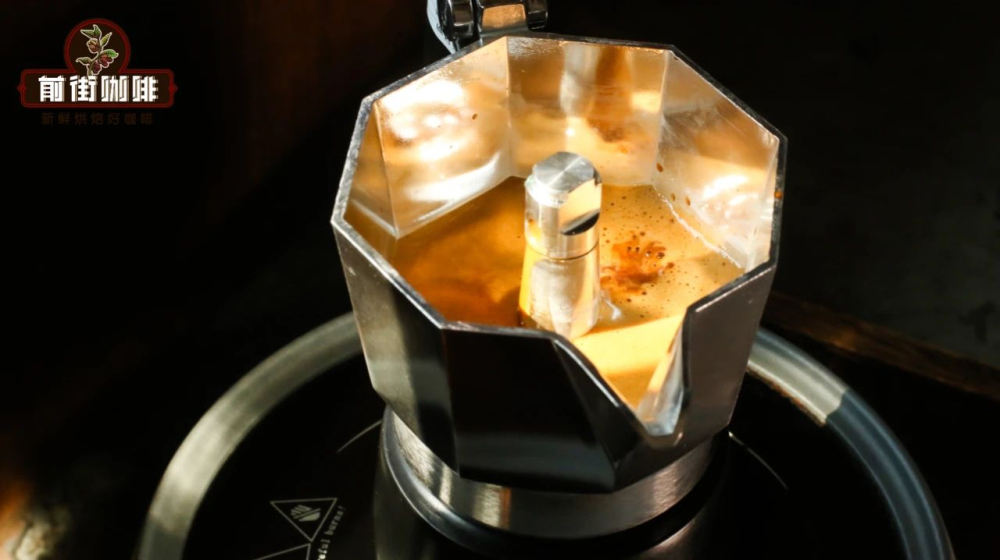
The basic structure of a moka pot consists of three parts: the upper chamber, the funnel, and the lower chamber. When heated, the water in the lower chamber generates steam pressure, pushing the hot water up through the coffee grounds in the middle funnel, extracting aroma and flavor compounds, which ultimately form a rich coffee liquid in the upper chamber. After brewing, you can adjust the flavor by adding water or milk according to personal preference.
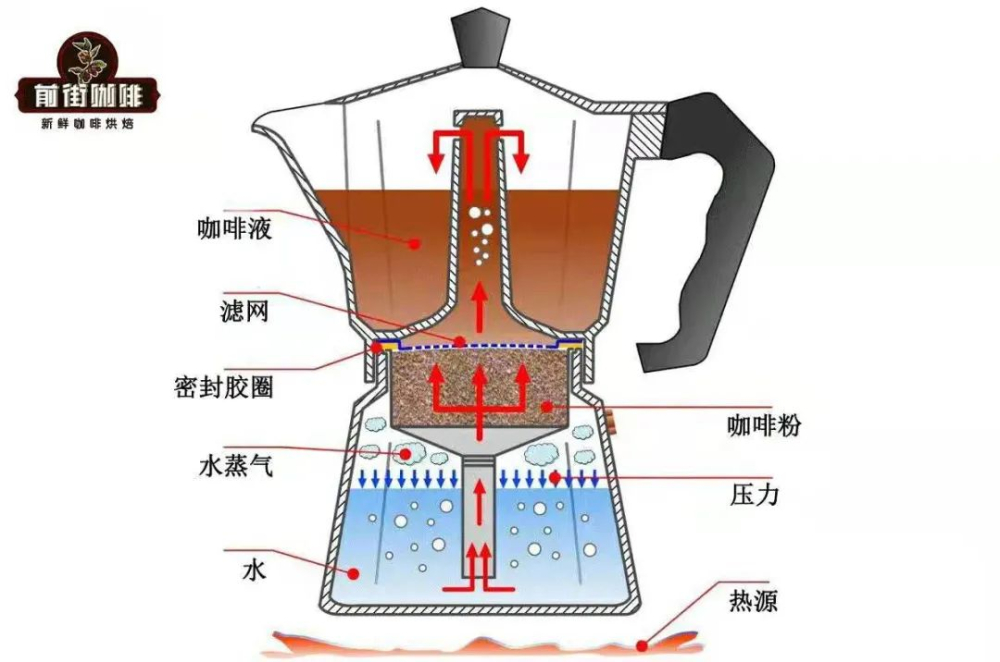
Before starting to brew, prepare freshly roasted coffee beans, a stable heat source (such as a gas stove or induction cooker), a grinder, and clean water. It’s also recommended to have a heat-resistant towel on hand for safety. While you can use an open flame for heating, always maintain a small flame throughout and be mindful of burns.
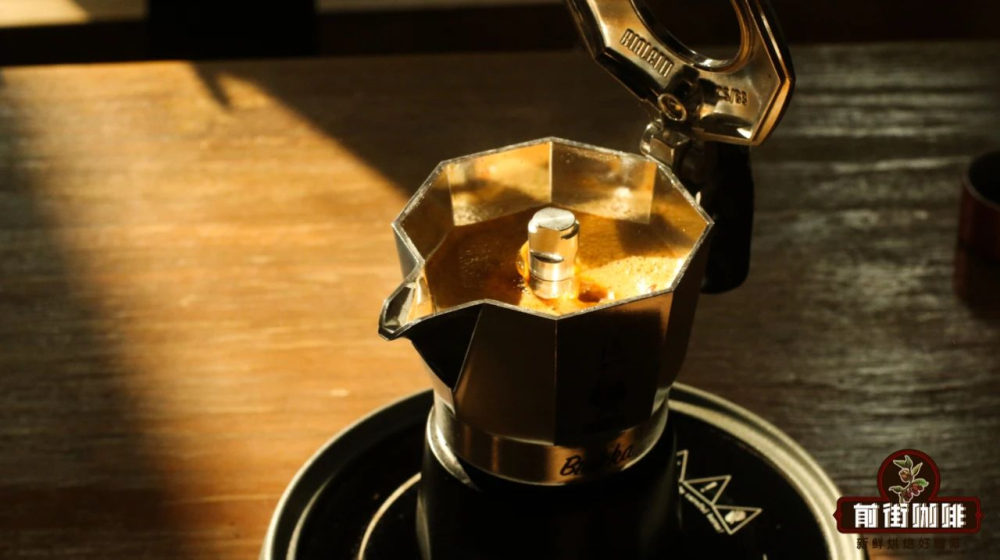
For coffee bean selection, it’s recommended to choose medium to dark roasted blends. These beans can deliver rich crema and a full-bodied taste, making them suitable for milk-based drinks like lattes. Ensure the beans are within their optimal freshness period to achieve the best extraction results.

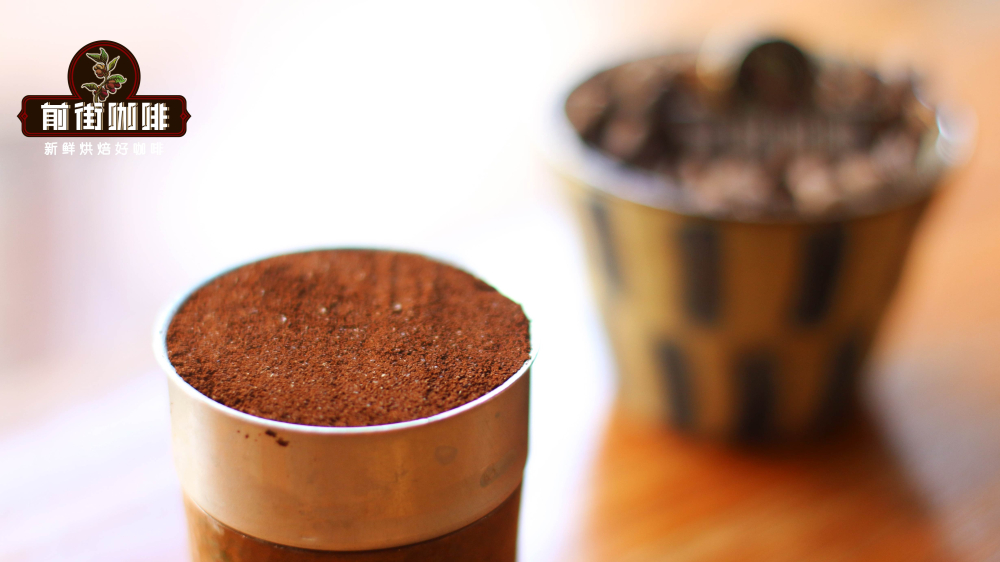
When filling the coffee grounds, it’s advised to fill the funnel completely and level the surface with your finger. If there’s insufficient coffee, the water flow resistance decreases, which can lead to under-extraction and overly light flavors. Note that if you’re using overly fine coffee grounds, do not intentionally tamp them down, as this may increase resistance and cause poor water flow.
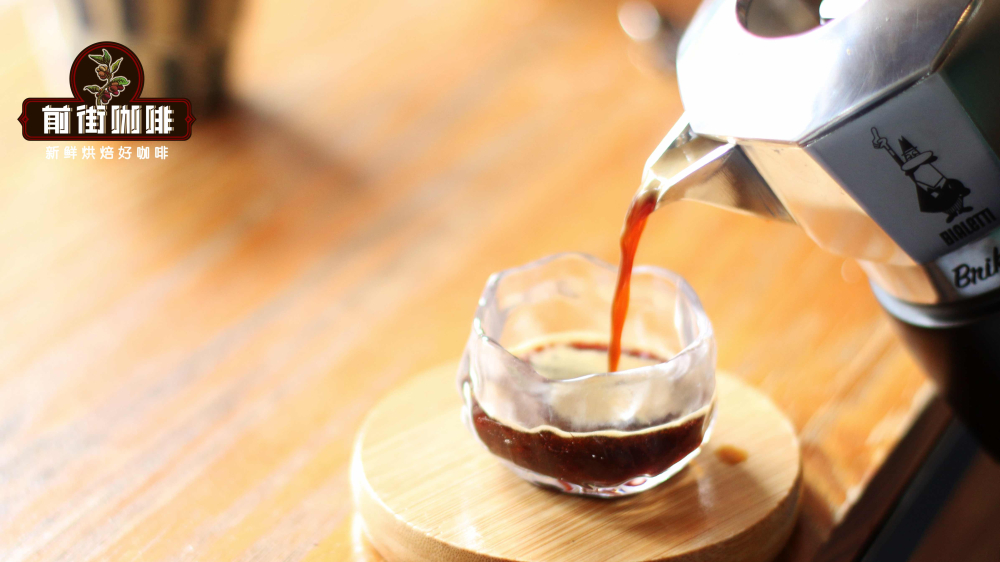
The extraction time generally ranges between 3 to 5 minutes, with actual time adjusted based on grind size and coffee amount. A coarser grind allows water to pass through faster, shortening the extraction time; conversely, more coffee or a finer grind requires a longer time to complete extraction.
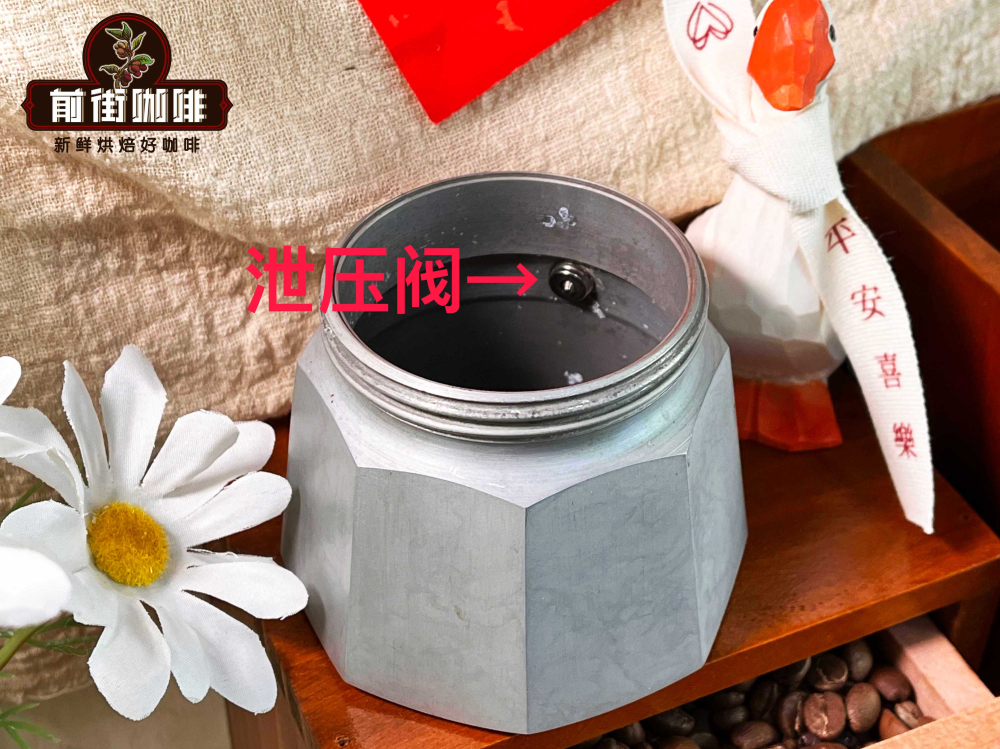
When adding water, it’s recommended to use room temperature or slightly warm water to shorten the boiling time and enjoy your coffee sooner. The water level should not exceed the pressure relief valve. Taking the common double single-valve moka pot as an example, about 130ml of water is typically sufficient.
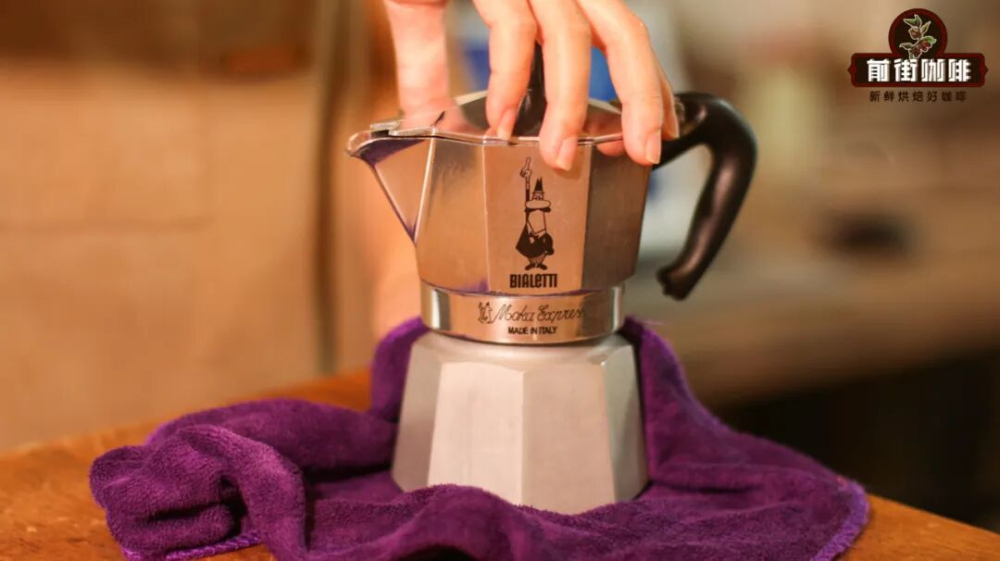
Tightly assembling the upper and lower chambers is a crucial step. If using hot water, it’s recommended to use a damp towel for insulation to avoid burns. Once assembled, place the moka pot on the heat source to begin heating.
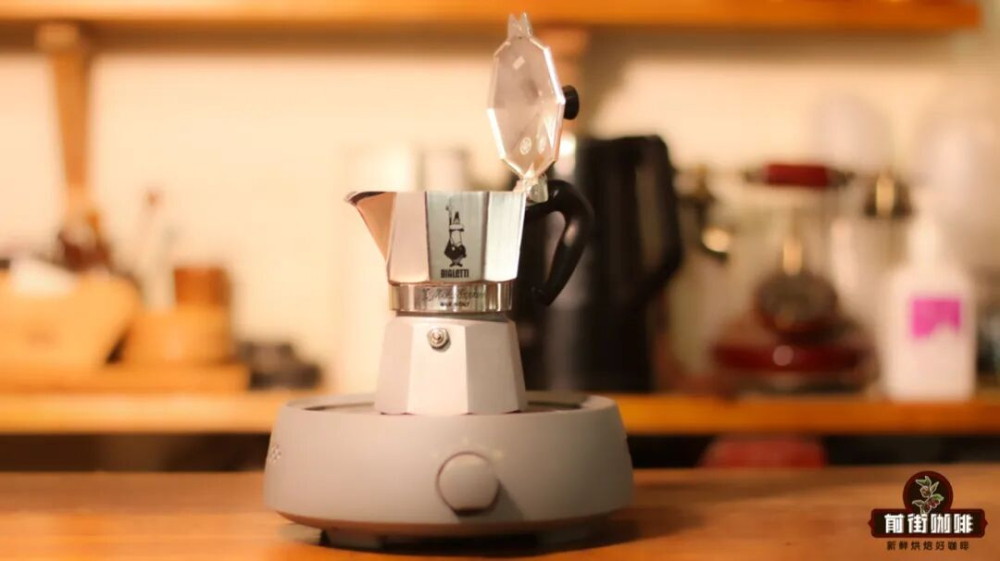
When you hear a distinct hissing sound, it means the water has started turning into steam and is pushing the coffee liquid upward. At this point, immediately reduce the flame. Sustained high heat can create excessive pressure, causing the coffee to flow out too quickly, leading to under-extraction and affecting the final flavor’s richness and balance.
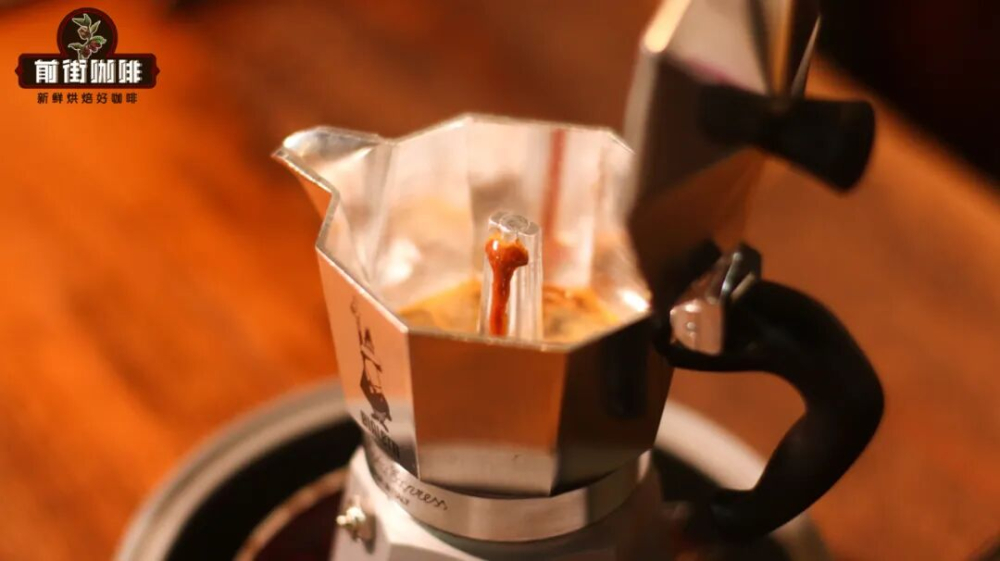
When about half of the coffee liquid has flowed out, it’s recommended to turn off the heat source. The remaining coffee can be fully pushed out using the residual heat inside the pot, avoiding over-extraction that could result in bitter or thin flavors.
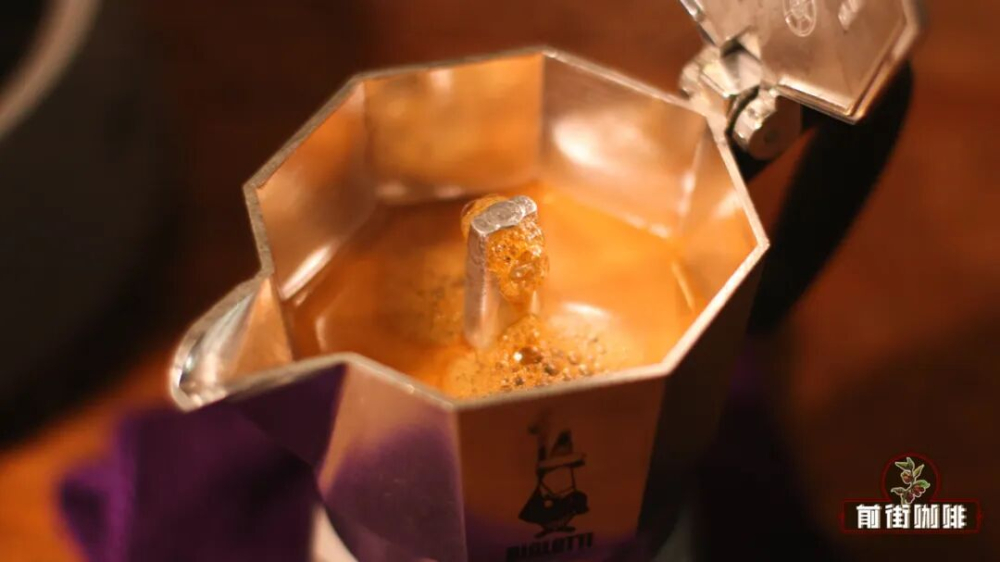
Once extraction is complete, you can pour out the coffee liquid and start tasting. Observe its color, smell the aroma, and adjust the amount of added water or pair it with milk according to personal taste.

Daily cleaning and maintenance after use are equally important. After each use, promptly remove the coffee grounds, disassemble the parts, rinse them thoroughly with clean water, and let them dry completely before reassembling. This can effectively extend the moka pot’s lifespan and maintain stable extraction performance.
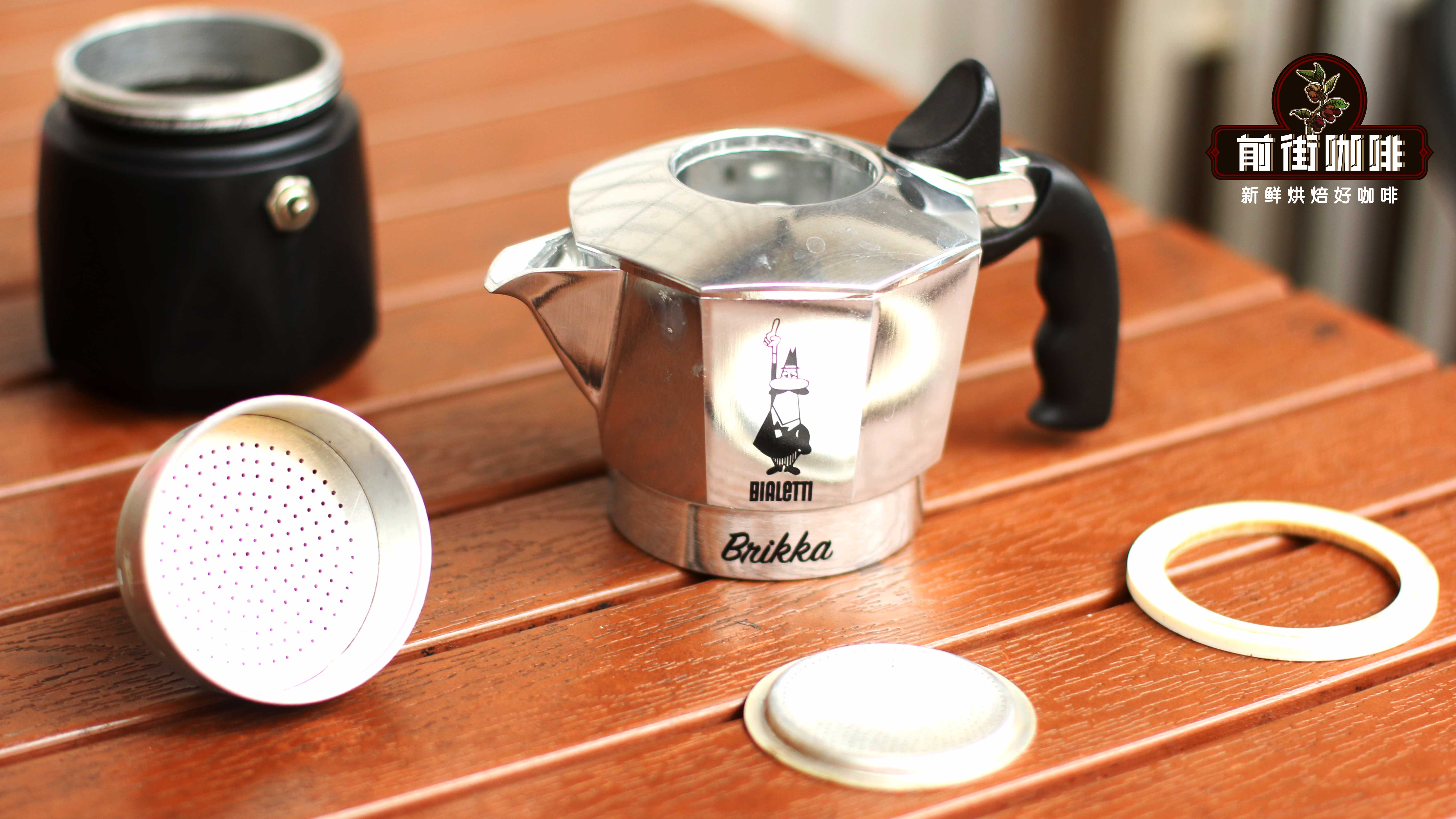
If the brewed coffee tastes overly bitter, it may be due to a grind that’s too fine or extraction time that’s too long. It’s recommended to adjust to a coarser grind or reduce the coffee amount to shorten the extraction time. Conversely, if the coffee tastes too acidic, consider using a finer grind or slightly increasing the coffee amount to enhance extraction completeness.
If the coffee liquid fails to rise smoothly, first check whether the water level is too high and poses a risk—it’s recommended to stop the extraction immediately. Common causes also include a grind that’s too fine, too much coffee, or over-tamping, all of which significantly increase the resistance of the coffee puck and hinder water flow.
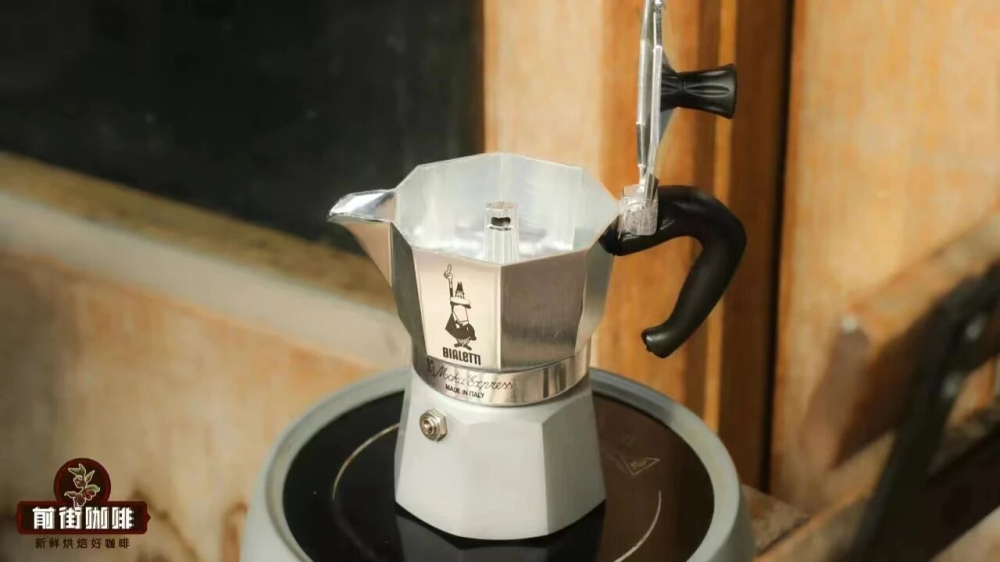
If the brewed coffee shows almost no crema, it may be because the coffee beans are roasted too lightly, or stale beans or pre-ground coffee were used. It’s recommended to choose freshly roasted medium to dark roasted beans, and ensure the grind size and tamping level are moderate, to effectively bring out rich coffee crema and aroma.
The above content is compiled by CoffeeHunters, a coffee news website.


