







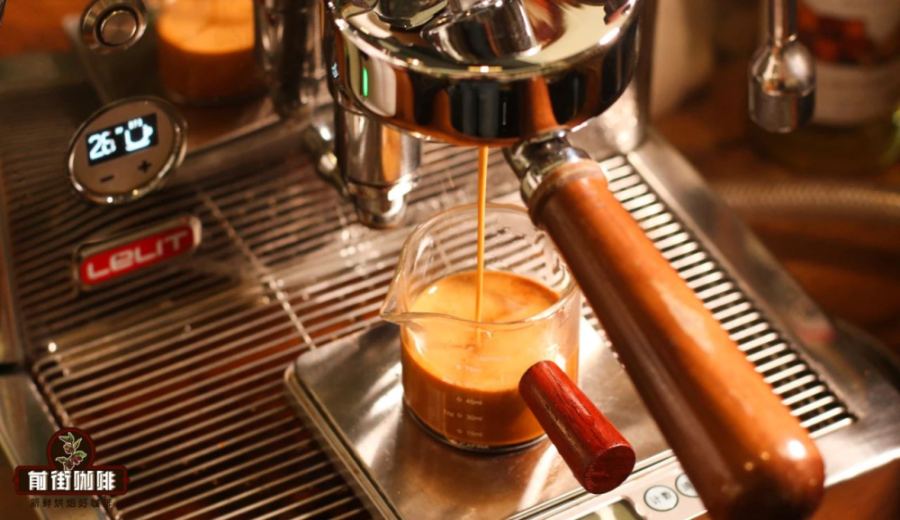
Introduction:Although the moka pot is often seen as a simple alternative to espresso, its operating principle and flavor characteristics are actually quite close to those of a traditional espresso machine. This article will detail the core differences between single-valve and double-valve moka pots, and recommend several SOEs and blends that offer great value and flavor performance for those who prefer dark roasted coffee, helping you brew rich, layered, espresso-style coffee at home.
In today’s increasingly globalized espresso culture, the moka pot, as a classic extraction tool for concentrated coffee, may not be as precise as professional machines, yet it still boasts a large and loyal following. However, many people still question whether the coffee made with a moka pot can be considered “true espresso.” In fact, in European regions, this tool is commonly referred to as an Espresso Pot, and the name alone indicates that the coffee it brews is essentially no different from espresso—only the appearance and design of the tool are more traditional.
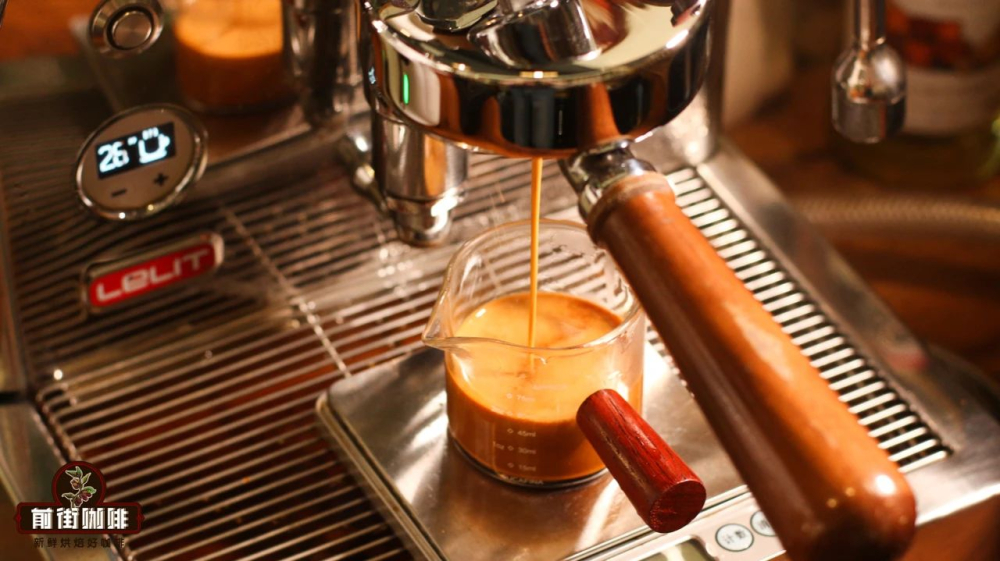
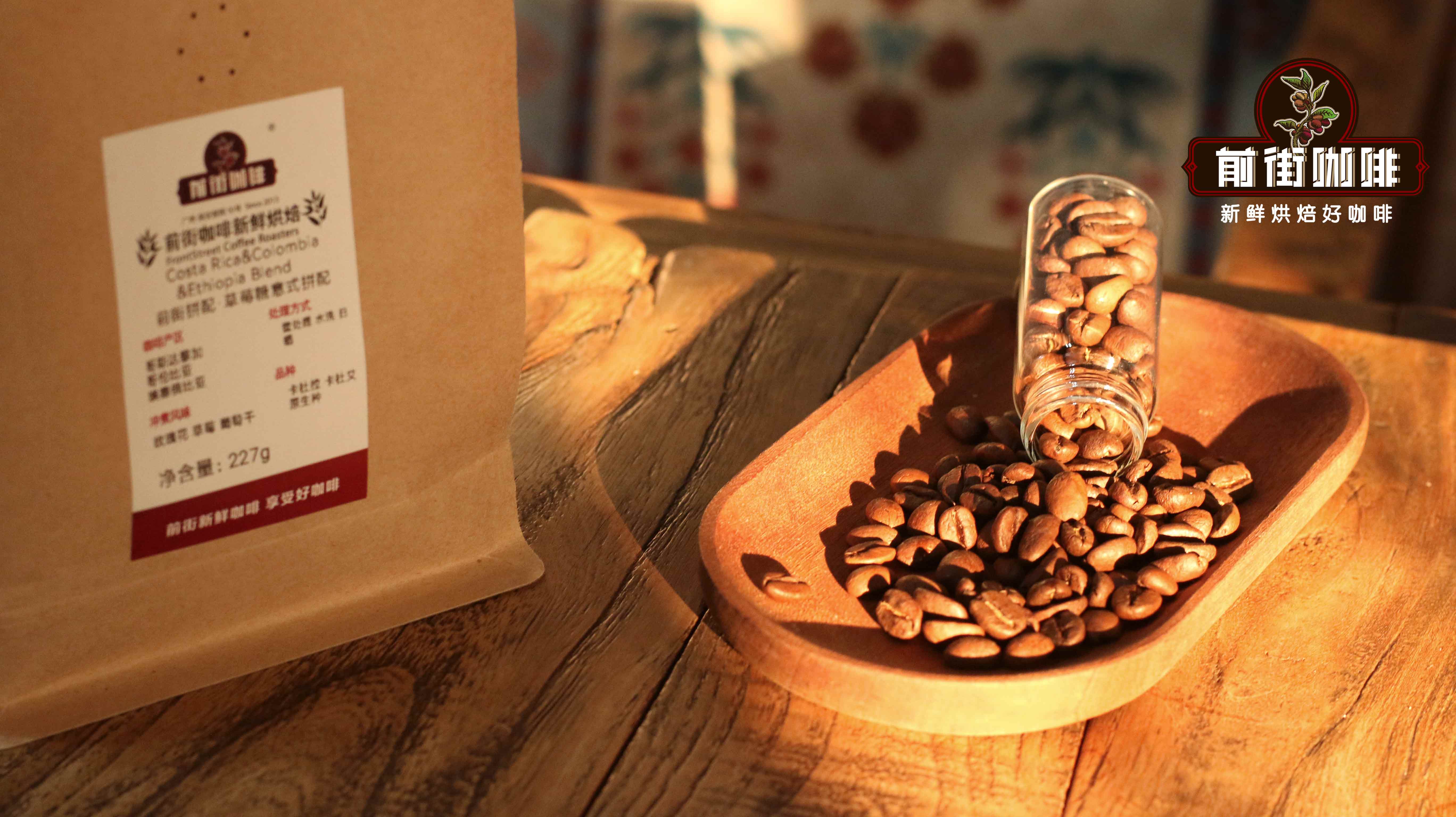
Like an espresso machine, the moka pot also uses steam pressure generated by heating to perform high-pressure extraction, making it particularly suitable for coffee beans with dark roast profiles, which can showcase a rich, bold, and full-bodied flavor with abundant crema. If you’re looking for coffee beans that balance flavor and cost-performance, it’s recommended to prioritize professionally roasted espresso blends.
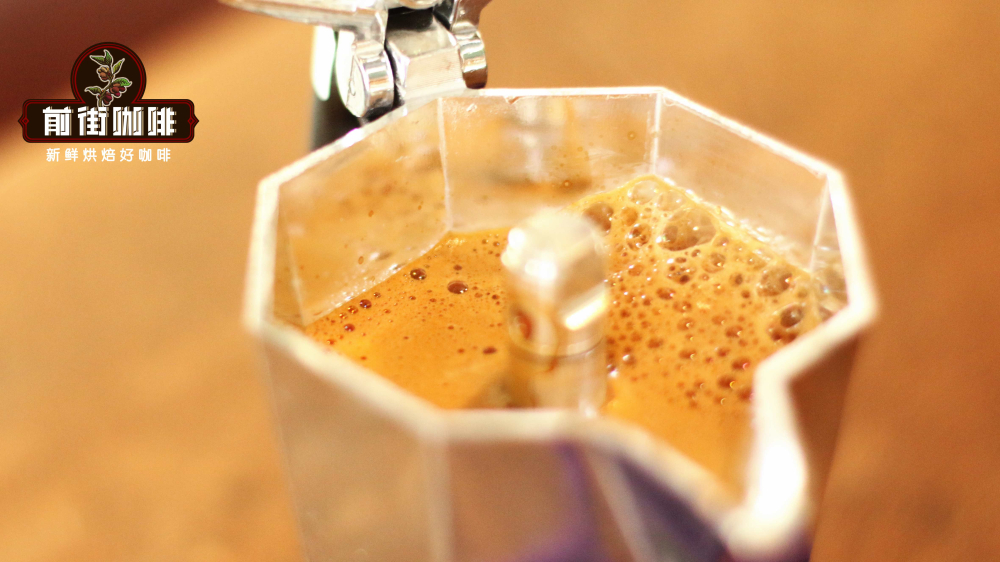
Among the many blend options, recipes dominated by nutty and dark chocolate notes often pair perfectly with the high-pressure extraction of a moka pot. These types of beans usually have distinct caramel sweetness and a dense body, making them not only beginner-friendly but also suitable for everyday drinking. For those looking to add more complexity to the flavor, medium-roast blends with floral and fruity aromas can also be tried to bring a unique twist to the traditional espresso style.
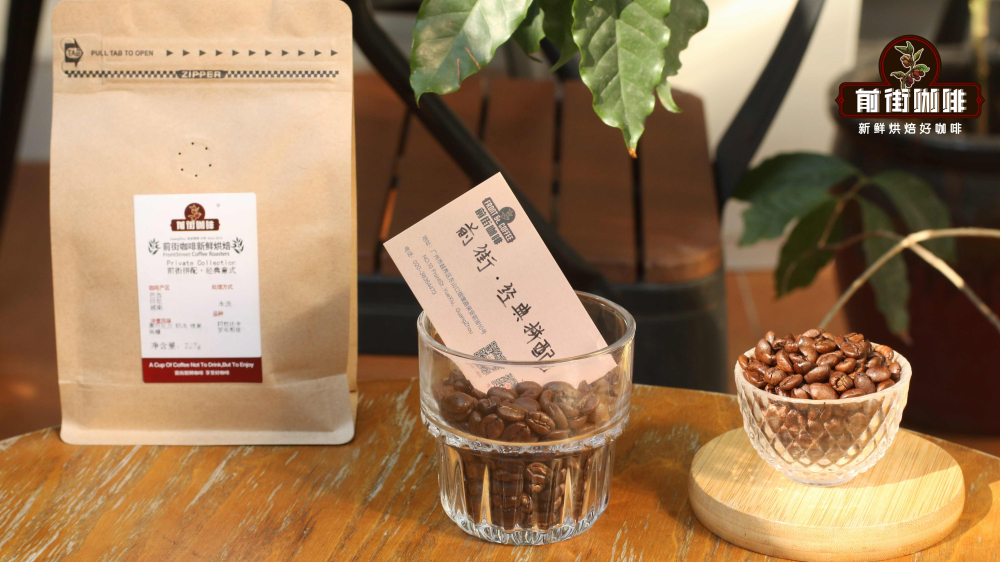
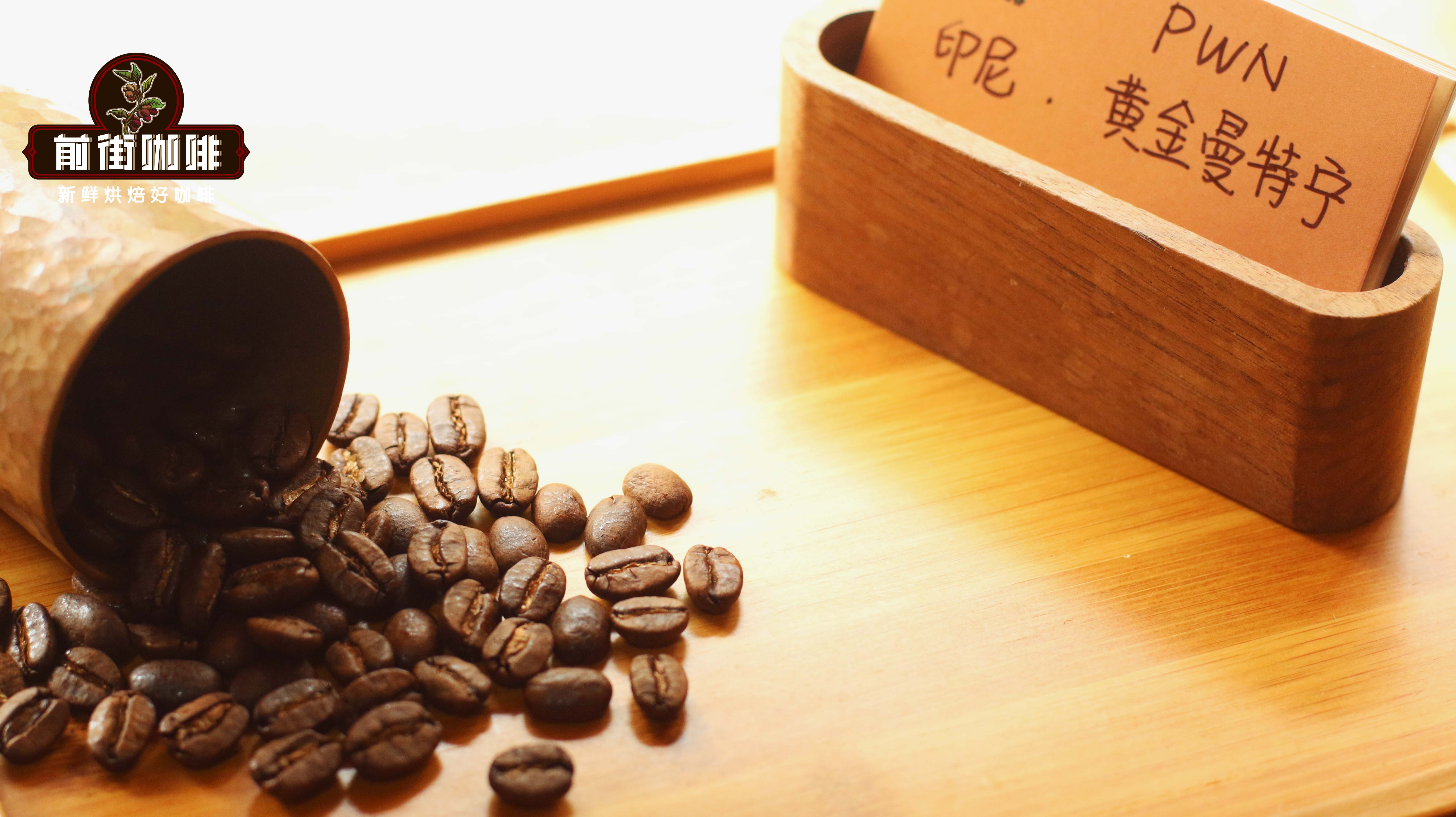
For coffee enthusiasts who prefer unique flavor profiles, single-origin espresso (SOE), a rising trend in recent years, has also gradually become a new favorite among moka pot users. For example, Golden Mandheling from the Sumatra region of Indonesia is renowned for its distinctive herbal spices and thick mouthfeel. The coffee beans from this region are mostly grown at high-altitude plateaus between 750 and 1,500 meters and are premium representatives of the Arabica variety. After strict selection, they can present a clearer and cleaner flavor profile.
Another recommended SOE option is a sun-dried bean based on the Brazilian Yellow Bourbon variety. These beans typically carry warm notes of cream, peanuts, and nuts, and reveal a distinct cane sugar sweetness in the aftertaste. Through high-pressure extraction by the moka pot, their rich base tone and long-lasting finish can be further highlighted, making them suitable for users who enjoy a balanced acidity and bitterness along with deep flavor.
If you are a first-time moka pot user, it is recommended to start with a single-valve model, as it has a lower learning curve and higher tolerance for grind size. The double-valve design, on the other hand, can further increase extraction pressure, making it ideal for advanced users seeking higher concentration and richer crema. Regardless of which type you choose, it’s important to adjust the coffee-to-water ratio, grind size, and heat level to ensure each brew achieves the desired result.
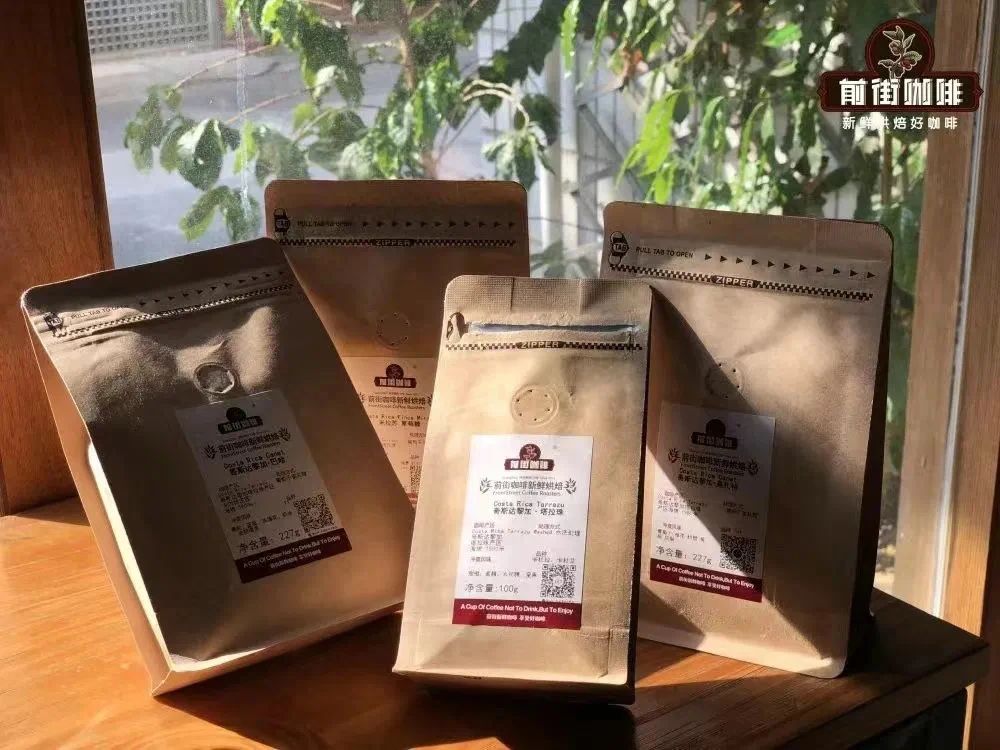
When selecting coffee beans, in addition to paying attention to flavor descriptions, it is advisable to prioritize brands with good roasting craftsmanship and stable quality. Freshly roasted beans not only retain the fullest range of aromatic compounds but also ensure consistent flavor during extraction. It is recommended to choose products roasted and shipped within five days, and to use them shortly after arrival to enjoy the best drinking experience.
The above content is compiled by CoffeeHunters, a coffee news website.


