







Introduction:Although the siphon pot may appear old-fashioned, it can brew coffee with unique flavors. This article will provide a detailed breakdown of the siphon pot’s structure, operation process, coffee grind size, coffee-to-water ratio, and suitable heating methods, guiding you step-by-step through the brewing process. Whether you’re a beginner or looking to refine your technique, you’ll gain key insights and practical tips.
The siphon pot is a coffee brewing device with retro charm. Although many coffee shops no longer prominently feature it, it remains beloved by many coffee enthusiasts. If there are no local cafés offering siphon coffee, why not try making it yourself? This article will explain how to use the siphon pot in an easy-to-understand way, covering everything from the device’s structure and filter selection to heating options, grind size, coffee-to-water ratio, and the full brewing steps—helping you get started with ease.
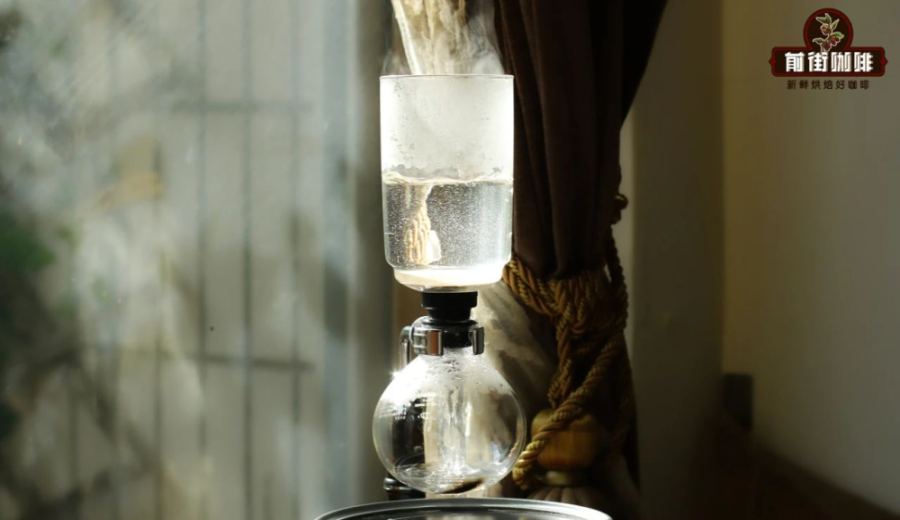
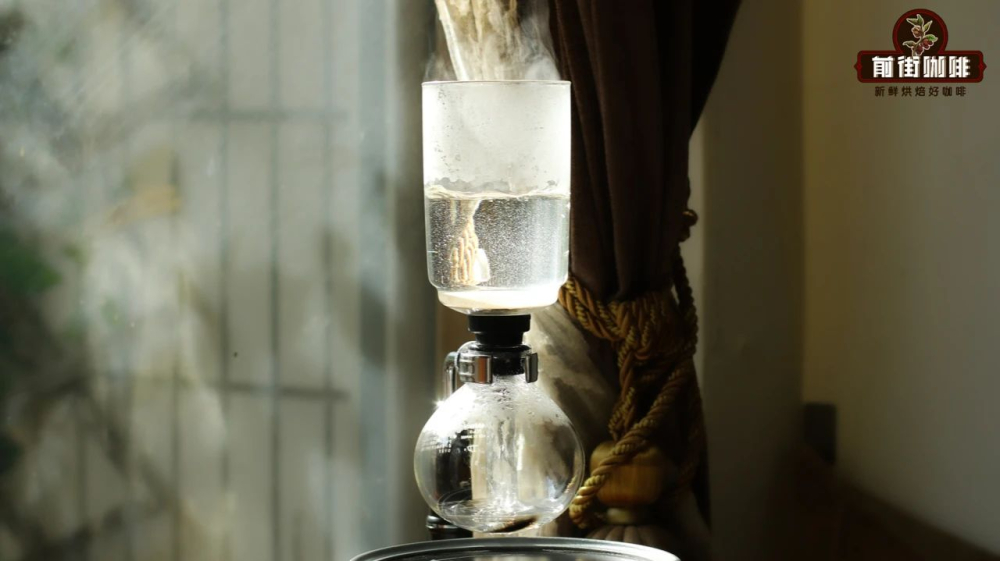
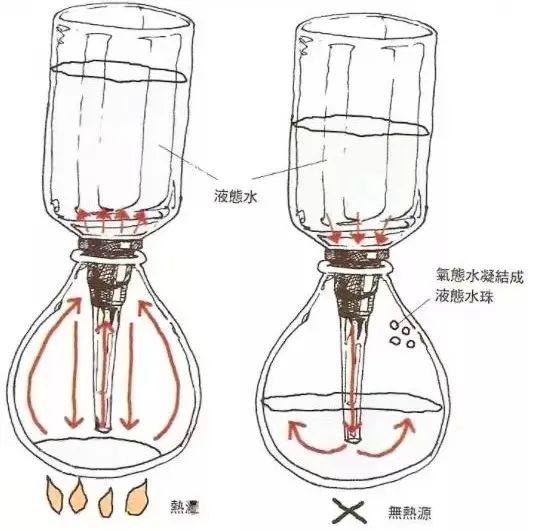
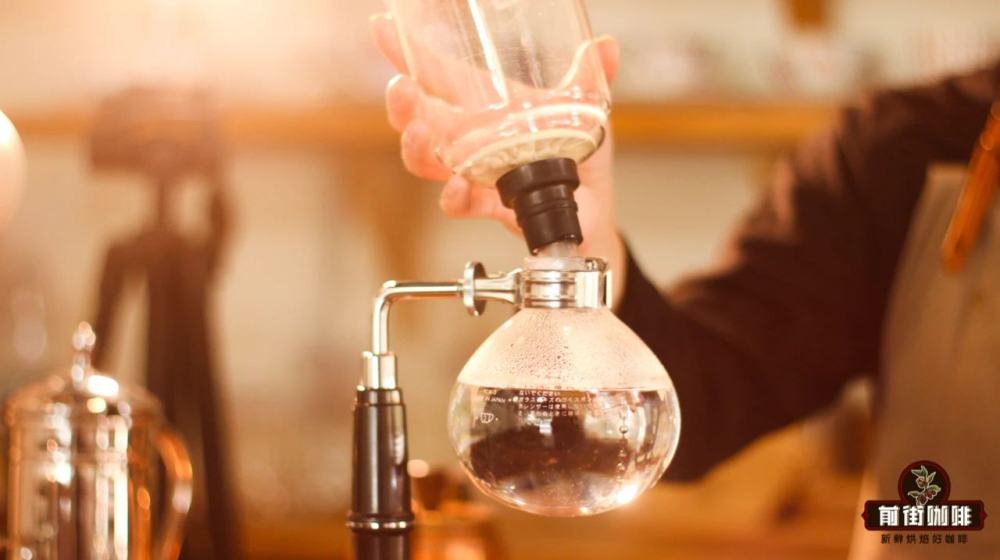
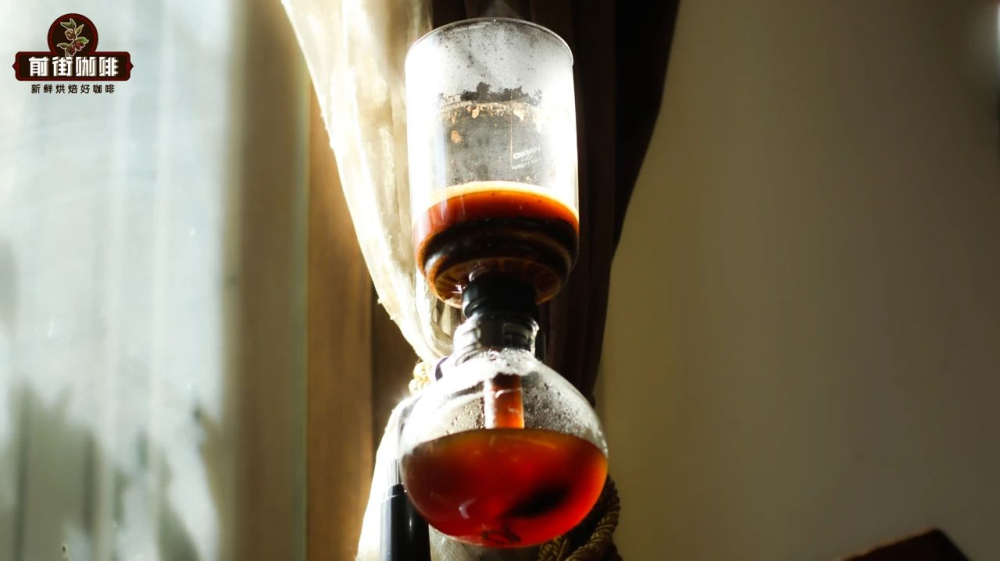
First, let’s take a look at the basic structure of the siphon pot. It mainly consists of three parts: the upper chamber, the lower chamber, and the stand. The lower chamber is usually spherical, which helps distribute heat evenly during heating; the upper chamber is cylindrical with a narrowed opening at the bottom and is connected to a slender tube, often fitted with a rubber gasket. When the upper chamber is placed onto the lower chamber, the gasket ensures an airtight seal. By heating the lower chamber, steam pressure pushes the water up into the upper chamber, where the coffee grounds and hot water mix for extraction. Once the heat is turned off, the coffee liquid flows back down into the lower chamber due to the change in pressure, completing the entire brewing process.
For filtration, siphon pots typically use either a cloth filter or a paper filter. Cloth filters, such as flannel, are a more traditional option that retains more coffee oils, resulting in a richer mouthfeel, but they are more cumbersome to clean and maintain. Paper filters, on the other hand, more effectively remove fine particles and impurities, yielding a cleaner cup that’s ideal for those who prefer a lighter-bodied flavor. If you don’t brew frequently, a flannel filter is recommended to fully experience the layers and aromas of siphon coffee.
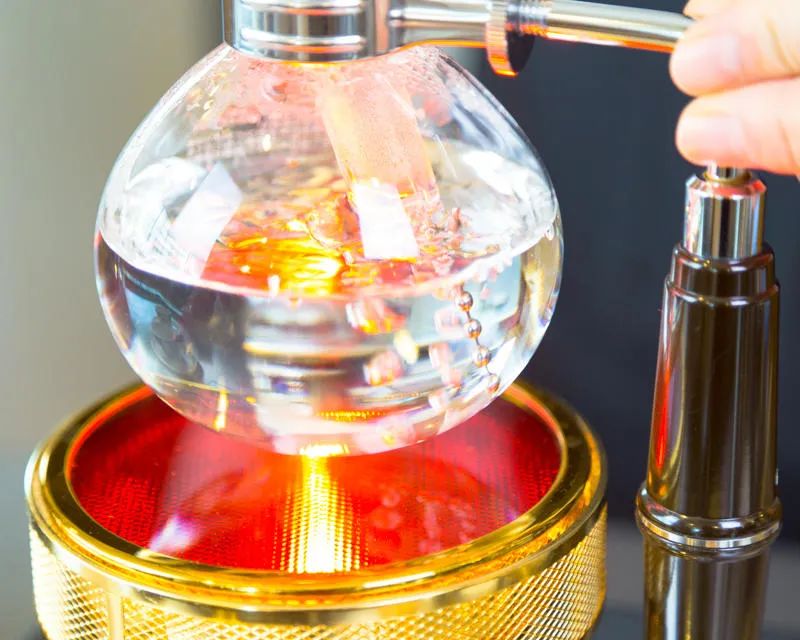
For heating, common options include alcohol burners, gas stoves, and microwave-style heat lamps. Alcohol burners are affordable but have less controllable flames and longer heating times. Gas stoves and heat lamps allow for precise flame adjustment, with quick and stable heating that better controls brewing conditions—but they tend to be more expensive. Whichever you choose, the key is to adjust your brewing rhythm according to the heating characteristics. With familiarity, you can produce satisfying siphon coffee with any method.
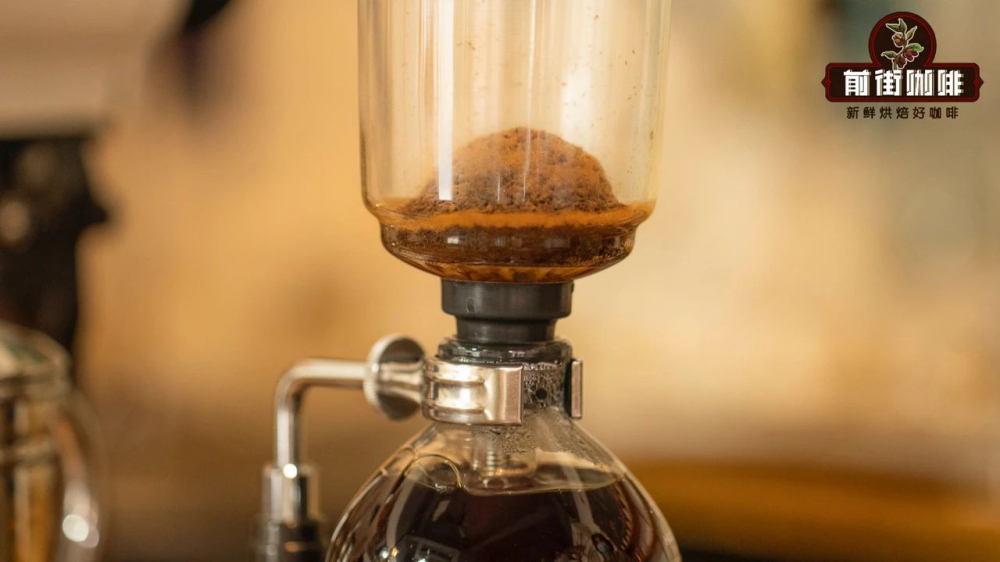
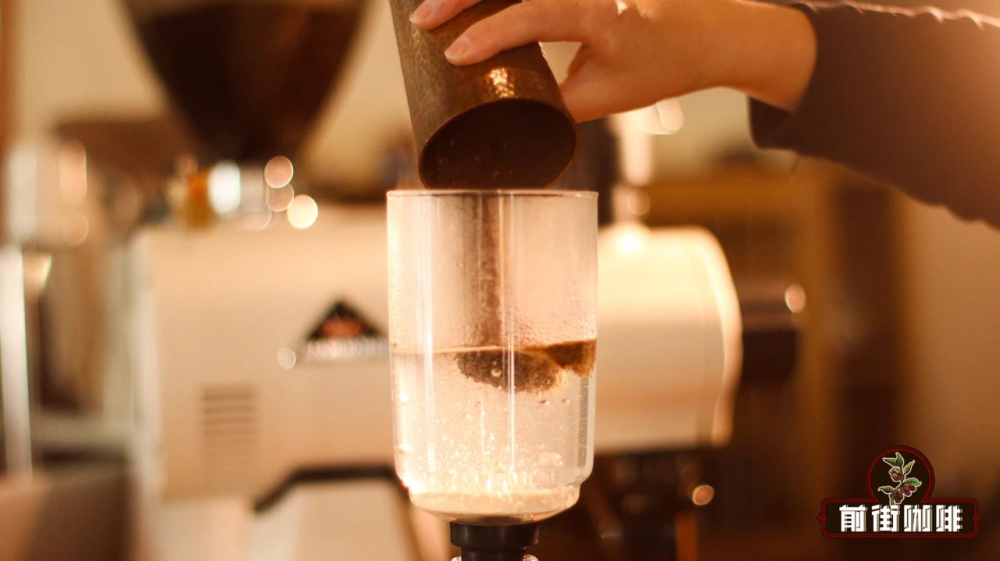
Regarding the timing of adding coffee grounds, there are two main approaches: “pre-add” and “post-add.” The traditional method is to place the coffee grounds in the upper chamber first, allowing the rising hot water to come into early contact with the grounds. However, experienced users suggest this may lead to uneven extraction for some coffee. As a result, many prefer to add the coffee only after the water has completely risen into the upper chamber, ensuring a more stable extraction process. For beginners, the post-add method is recommended to reduce variables and make the process easier to manage.
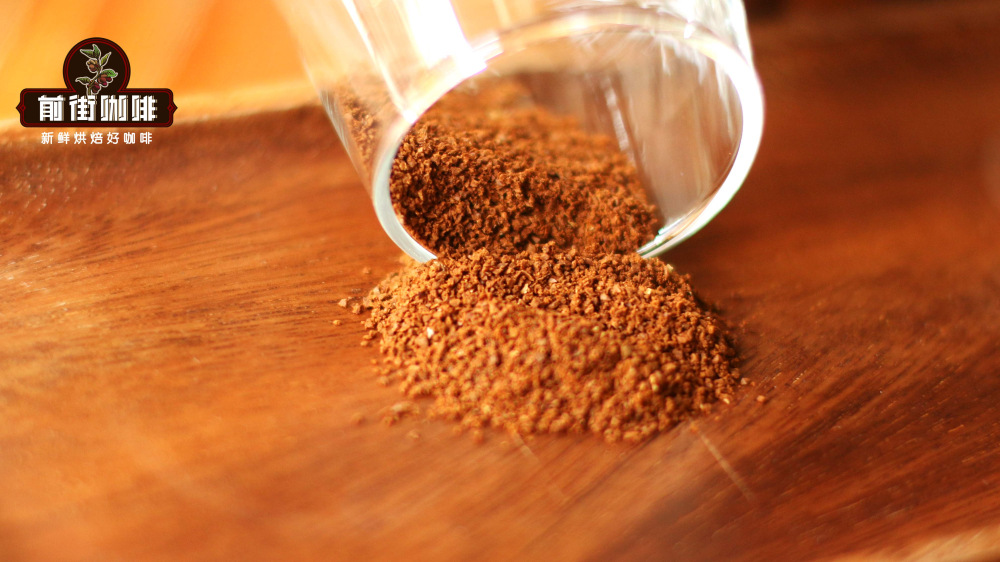
The grind size for siphon coffee is slightly finer than that for pour over, roughly equivalent to 90% through a #20 sieve. If you're using an EK43s electric grinder, set it to the 9th position; for hand grinders like the C40, aim for around the 20th setting. The right grind size ensures sufficient contact between water and coffee grounds without being so fine that it leads to over-extraction or channeling.
In terms of coffee-to-water ratio, common ranges are 1:10 to 1:12, with 1:12 being the most widely used. For a single serving at home, you can use 18 grams of coffee grounds with 200 milliliters of water. This ratio highlights the coffee’s aroma and flavor without being overly intense. Feel free to fine-tune according to your personal taste to find your ideal balance.
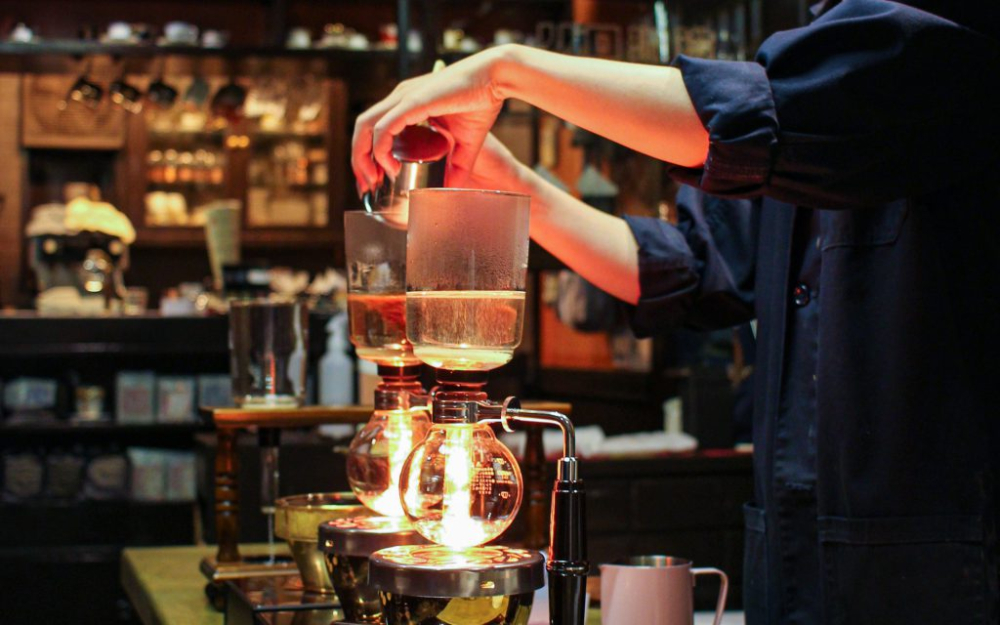
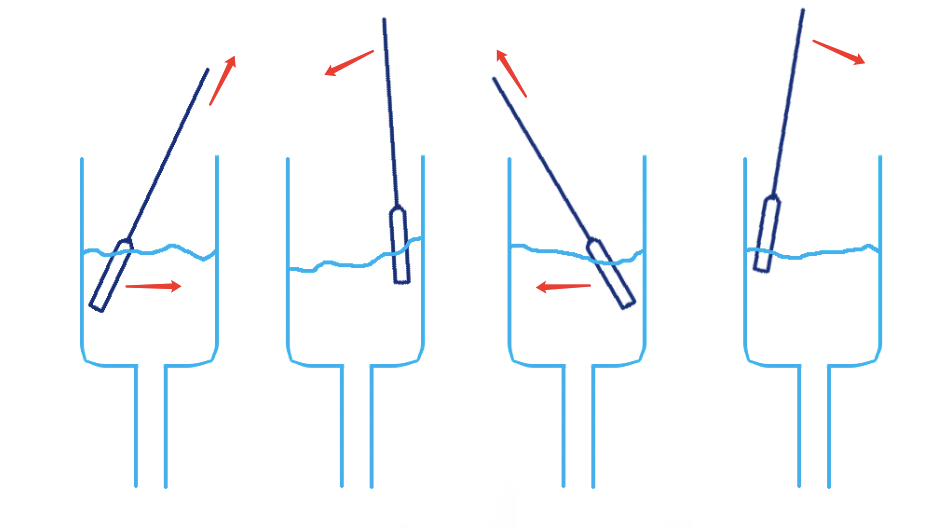
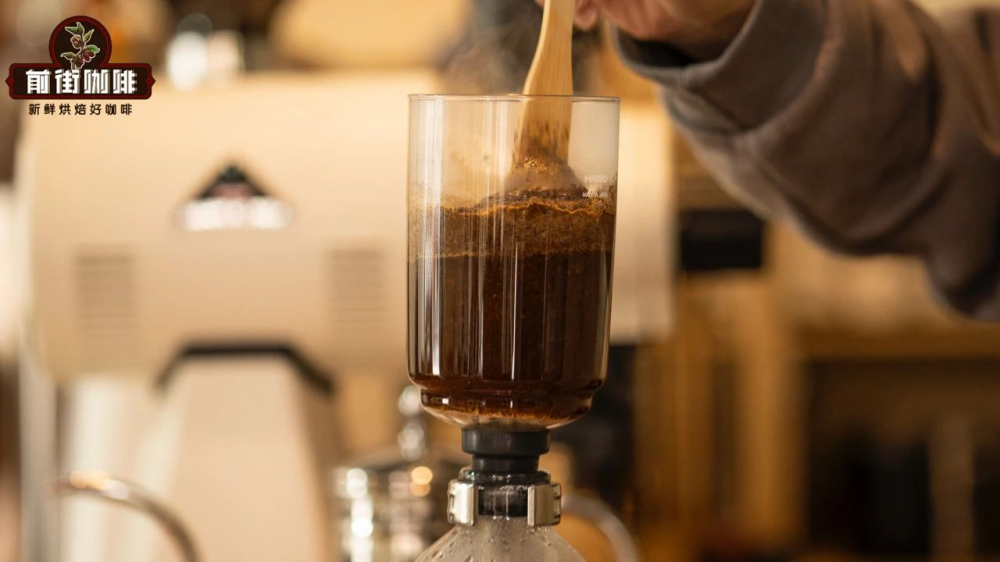
Stirring is also an important factor in extraction. Common techniques include rotational, cross, Z-shaped, infinity (∞), and even tapping. For beginners, it’s recommended to start with tapping: using the stirring rod’s center as an axis, gently tap the coffee grounds layer at both ends alternately to help the grounds absorb water evenly. This method is simple to learn and effectively prevents over-extraction caused by excessive stirring.
As for when to turn off the heat, many beginners wonder. Judging by smell is intuitive but requires experience. Therefore, beginners are advised to use the timer method: if using the post-add method, start timing when the coffee is added; if using the pre-add method, start timing when stirring begins. Generally, it’s recommended to turn off the heat between 50 and 70 seconds. This duration is usually enough for sufficient extraction while avoiding bitterness from over-extraction.
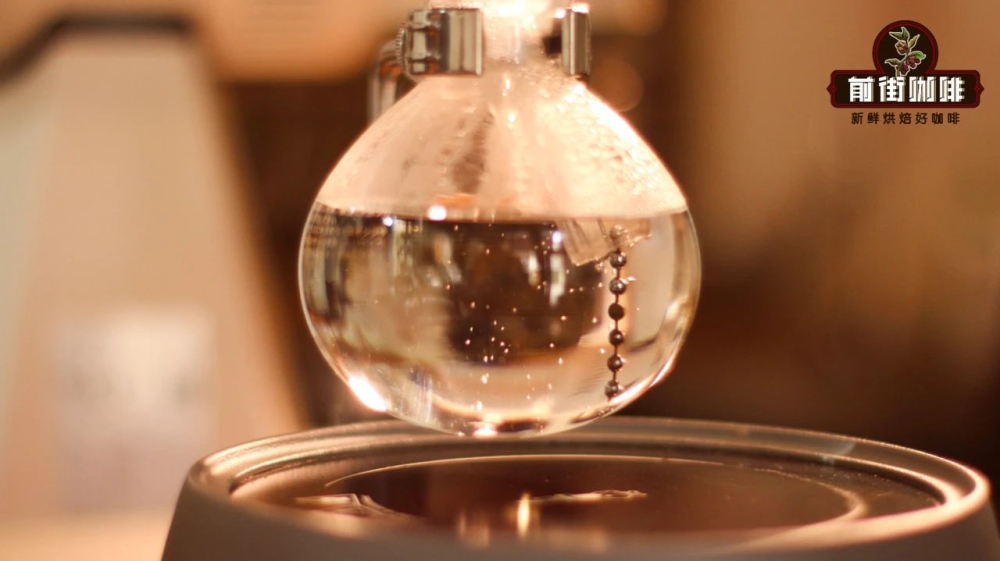
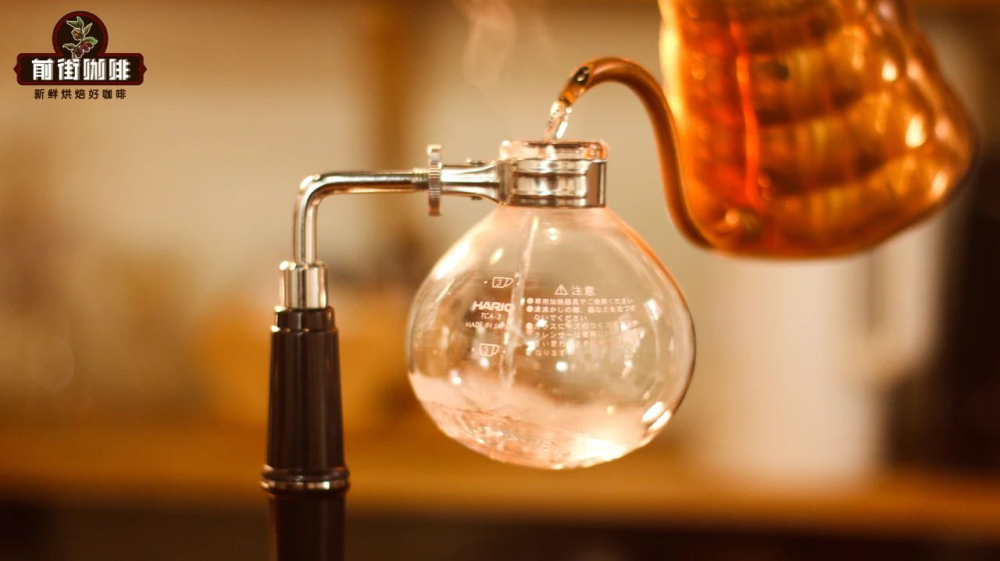
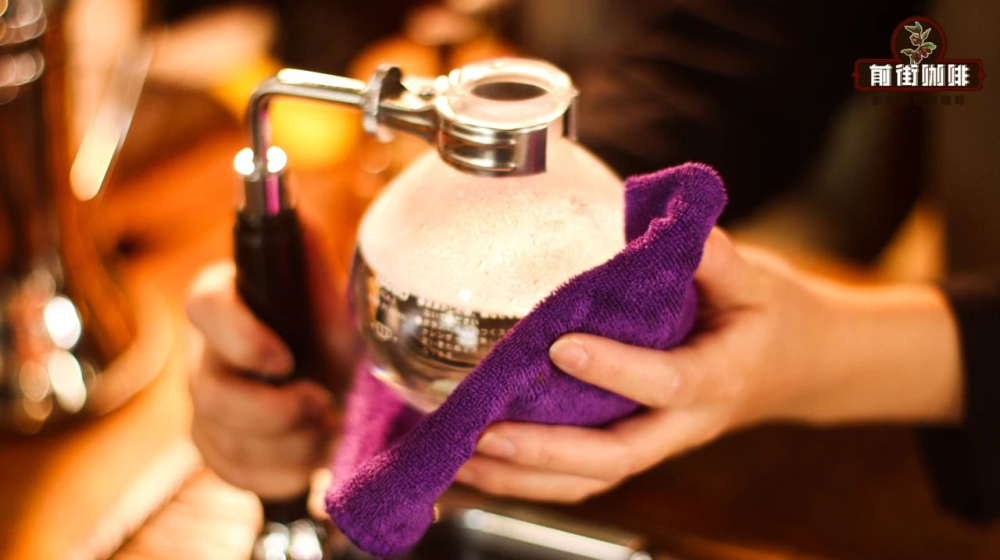
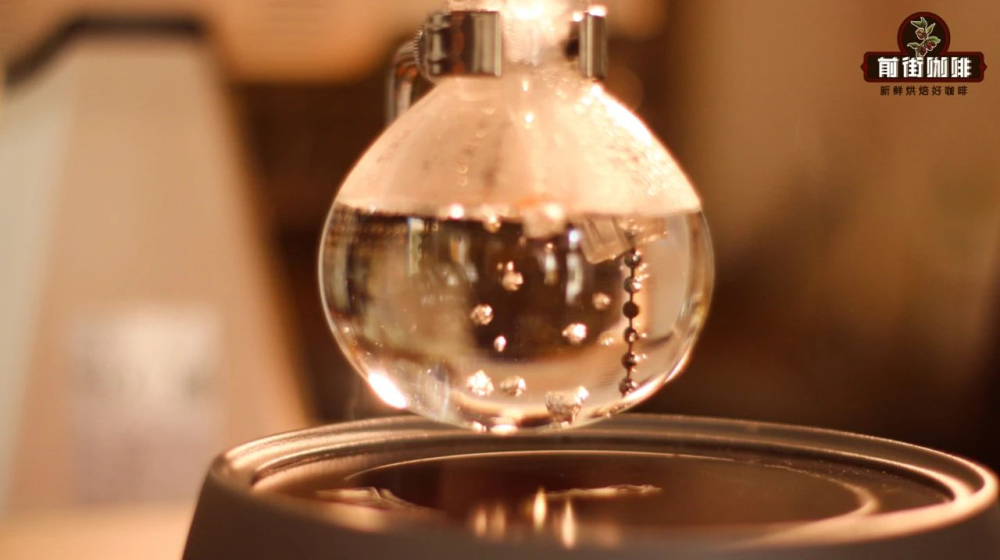
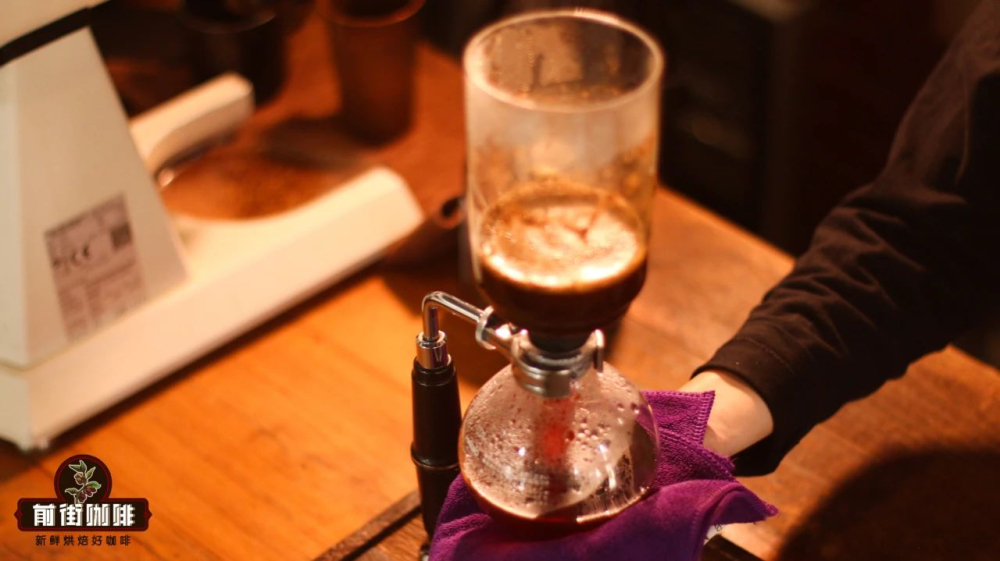
Combining all the above, here’s a reference for the actual brewing process: First, add about 200 milliliters of hot water to the lower chamber, dry the exterior, and begin heating. Place the upper chamber diagonally on the lower one, ensuring the anti-explosion bead touches the bottom. When small water droplets appear in the lower chamber, straighten the upper chamber and press it down firmly, waiting for the water to rise completely. Then add the coffee grounds and start timing. In the first stage, use tapping to allow the coffee grounds to absorb water evenly. At around 25 seconds, perform the second stir to create a distinct three-layer structure. Finally, at 50 seconds, stir again in the same direction, and at 60 seconds, remove the heat source. Wait quietly as the coffee liquid slowly flows back down—brewing complete.

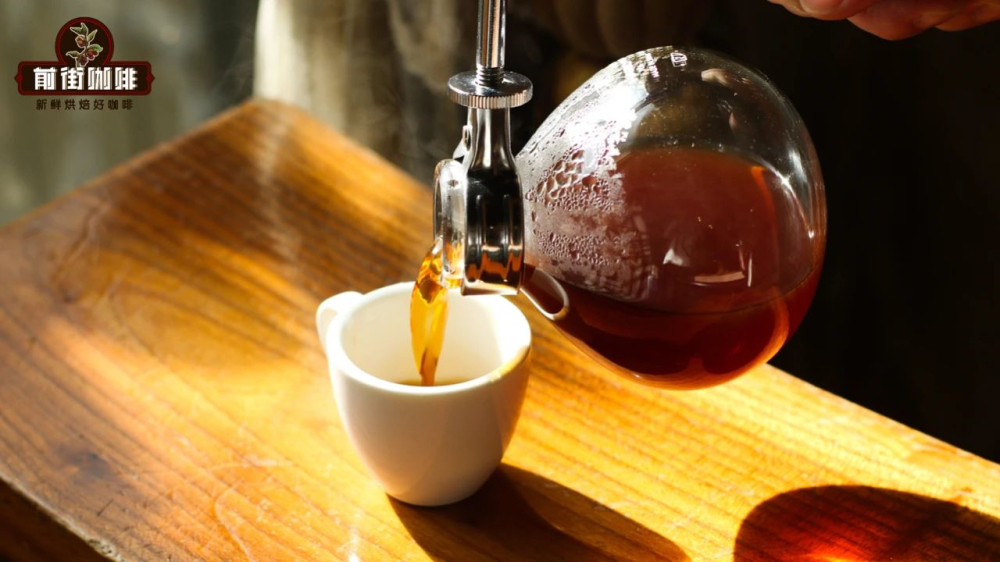
Coffee brewed with a siphon pot typically has a rich, creamy aroma and a full-bodied mouthfeel. Though not as clear as pour over coffee, it offers a uniquely enjoyable flavor. However, using a siphon pot requires a heating device, the whole process demands focus with multiple steps, and cleaning the filter afterward—whether cloth or paper—can be time-consuming. For coffee shops, it’s less practical for high-volume service. But for coffee lovers who enjoy experimentation and the brewing process, the siphon pot is definitely worth a try.

The above content is compiled by CoffeeHunters, a coffee news website.


