








Introduction:When brewing coffee at home, the moka pot and siphon (vacuum) pot are two of the most popular choices. These two devices each have unique extraction principles and flavor profiles—one emphasizes intensity and pressure brewing, while the other focuses on layering and vacuum retraction. This article will explain in detail how both work, how to operate them, and help you find your ideal coffee brewer based on real flavor differences.
The market offers a wide variety of coffee brewing tools, but there’s no universal answer to which one brews the coffee that suits your taste best. Everyone’s taste preferences differ—even with the same coffee beans and device, slight adjustments in parameters can lead to vastly different results. Compared to common espresso machines or pour over setups, many people getting started with home brewing often begin with a moka pot. This is not only because it is affordable and easy to use, but also because it quickly delivers a rich and intense coffee experience.

However, many coffee enthusiasts are drawn to more ceremonial brewing methods, such as using the visually distinctive and more complex siphon pot. The process, which resembles a science experiment, along with the visual and olfactory pleasures during the coffee’s reflux, captivates many from their very first try. But what are the fundamental differences between these two devices? And how do the flavors of the coffee they produce differ noticeably? Below, we’ll take an in-depth look at their working principles and actual performance.
What is a Moka Pot? A Classic Example of Simple Pressure Brewing
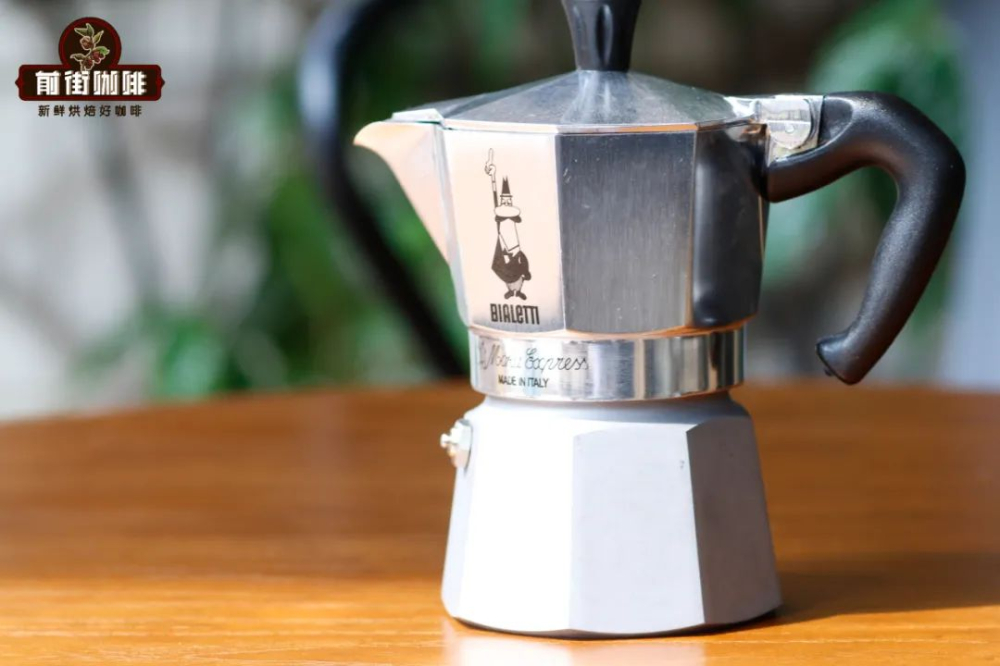
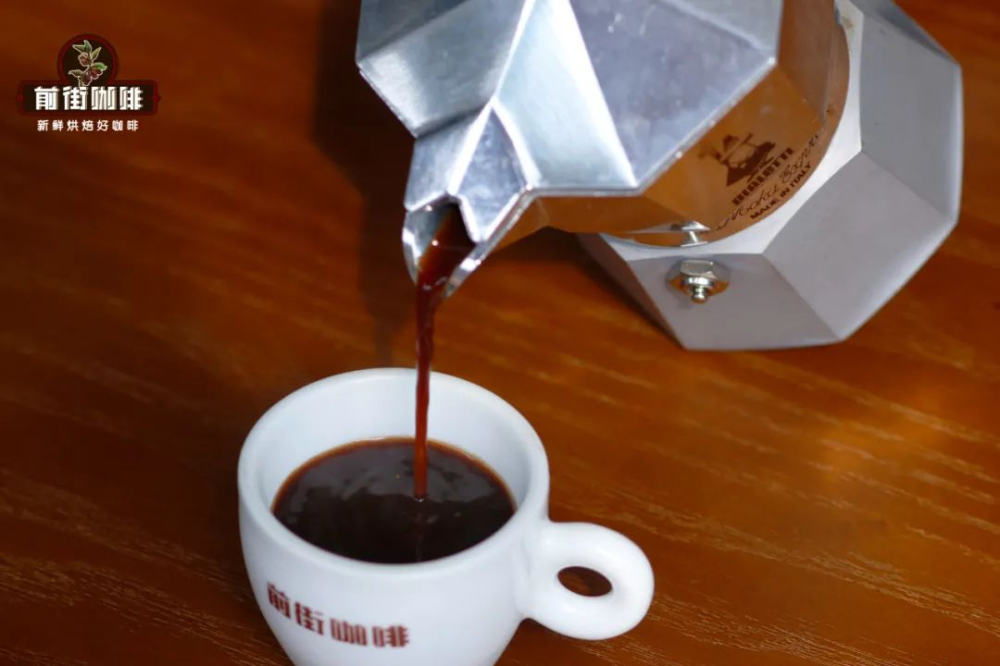
A moka pot is a device that uses steam pressure generated by heating to push water through a bed of coffee grounds to extract flavor. Its basic structure consists of three main parts: the upper chamber holds the brewed coffee, the middle filter basket contains the ground coffee, and the lower chamber is used to hold water and is heated. When the water in the lower chamber is heated to boiling, the resulting steam creates pressure that forces the hot water upward through the coffee grounds in the middle, eventually flowing into and collecting in the upper chamber, producing a strong cup of coffee that often includes crema.
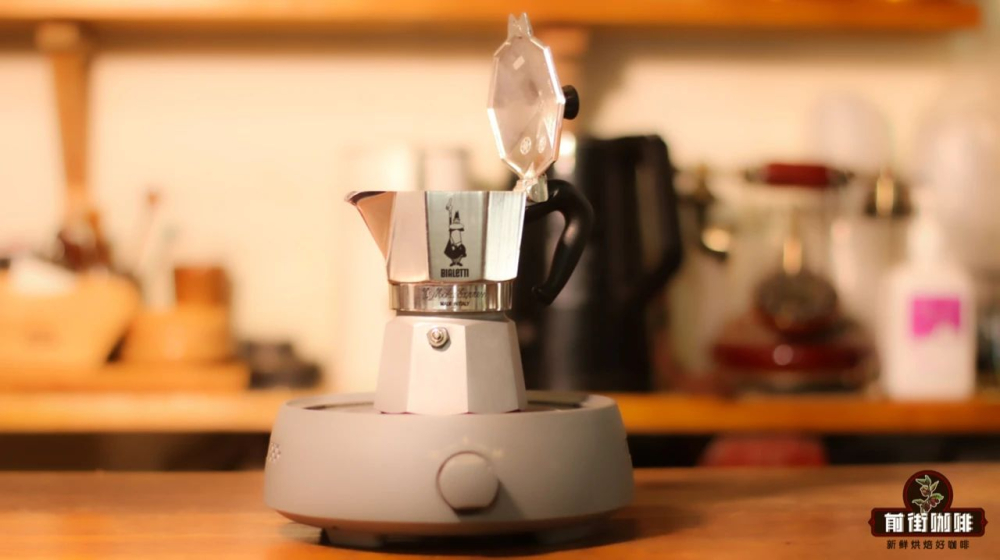
The pressure in a moka pot generally ranges between 1.2 to 3 atmospheres. Although this is far less than the 9 atmospheres of a professional espresso machine, it still achieves a noticeable “pressure brewing” effect among home brewers, resulting in more concentrated flavors and a richer mouthfeel. Moka pots on the market mainly come in single-valve and double-valve designs. The double-valve version includes an additional pressure valve, which further increases pressure and extraction concentration, helping to bring out more crema and delicate aromas.
What is a Siphon (Vacuum) Pot? A Science Experiment-like Vacuum Brewing

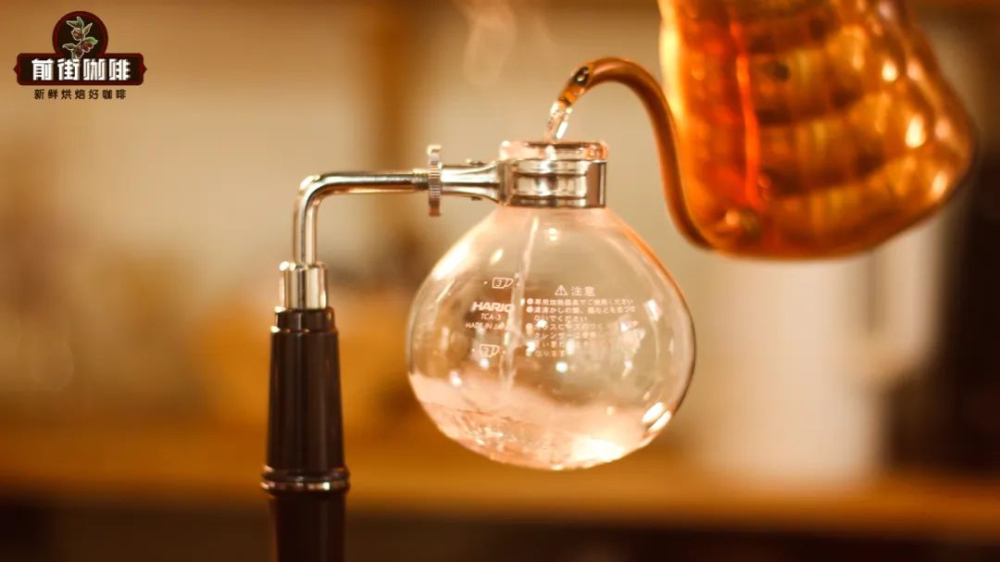
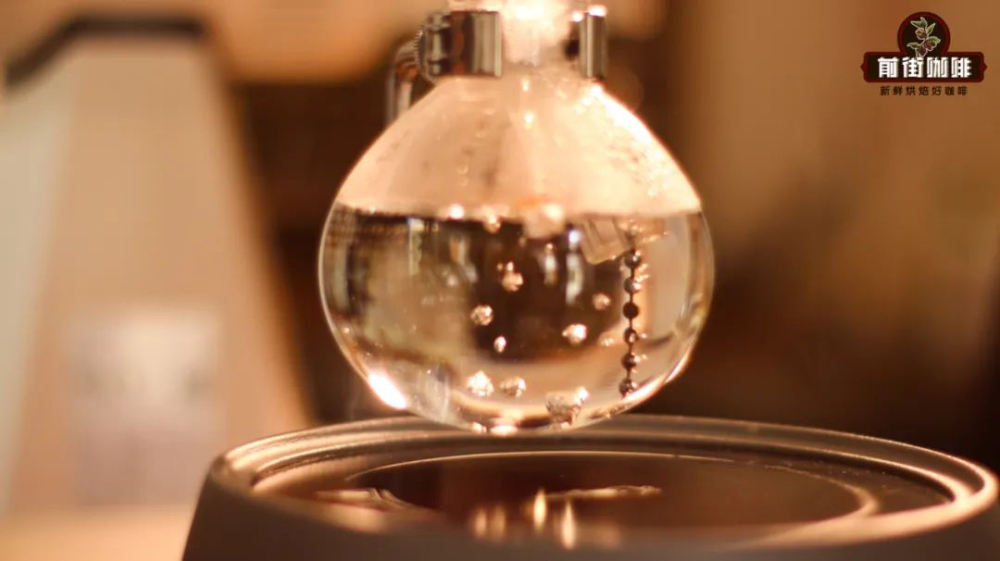
The siphon pot, also known as a siphon or vacuum pot, is a device that uses the principles of thermal expansion and contraction along with vacuum to brew coffee. Its appearance resembles a miniature laboratory setup. It is heated using an alcohol lamp or halogen lamp. As the water in the lower chamber is heated, steam expansion pushes the water upward into the upper chamber where it mixes with the coffee grounds. When the heat is stopped, the temperature in the upper chamber drops, creating negative pressure, and the extracted coffee liquid flows back down through the central vacuum tube into the lower chamber, completing the brewing process. This brewing method originated in the early 19th century, first proposed by German physicist Johann Norremberg, but it wasn’t until the mid-19th century that inventors in France and Scotland improved and patented it, gradually making it more widespread.
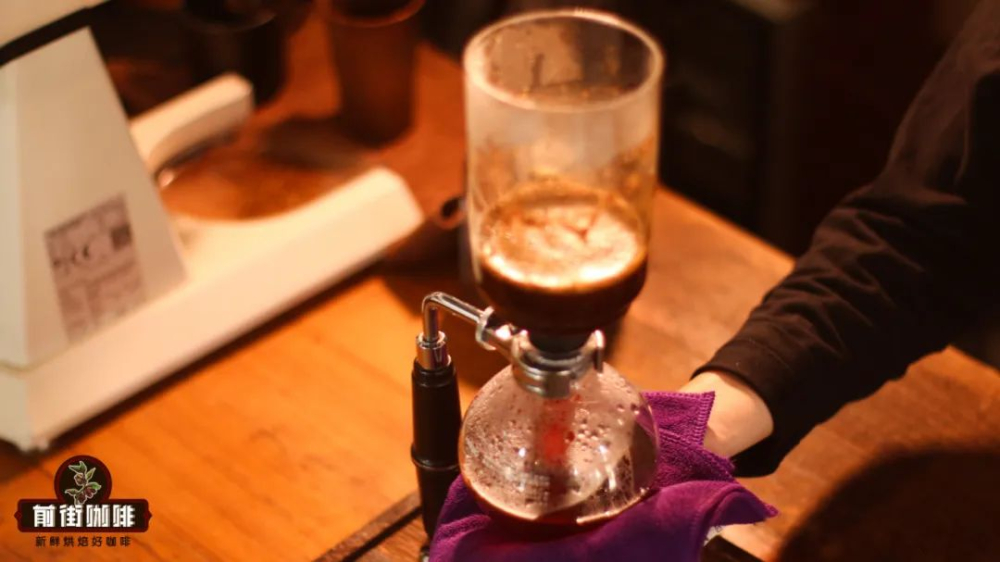
Although operating a siphon pot is somewhat more complicated, the process is full of ceremony. Especially when the coffee liquid churns and flows back in the transparent pot, eventually settling into a stable, deep-colored liquid, it is not only highly visually appealing but also offers a unique flavor experience—typically characterized by distinct layers, a round and balanced mouthfeel.
Moka Pot Usage Guide and Flavor Characteristics
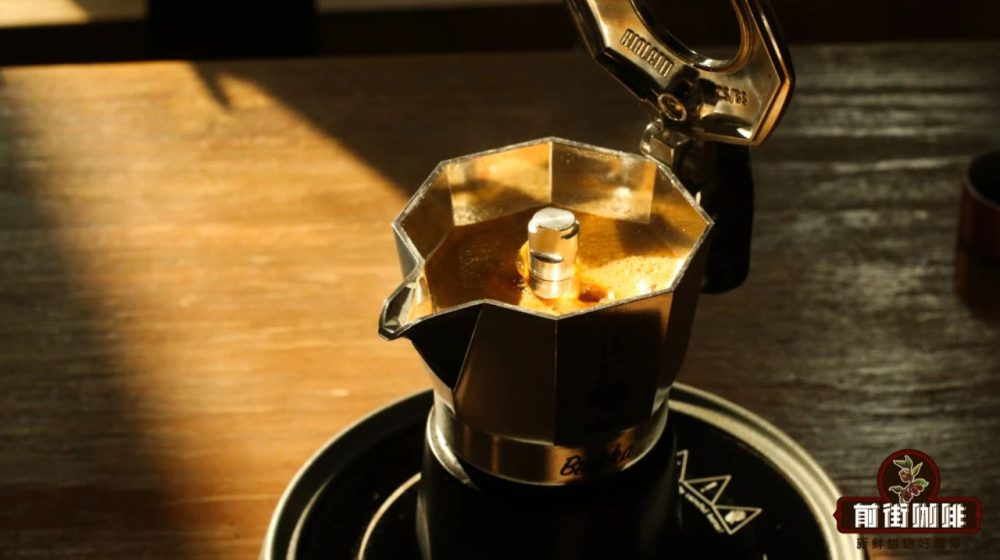
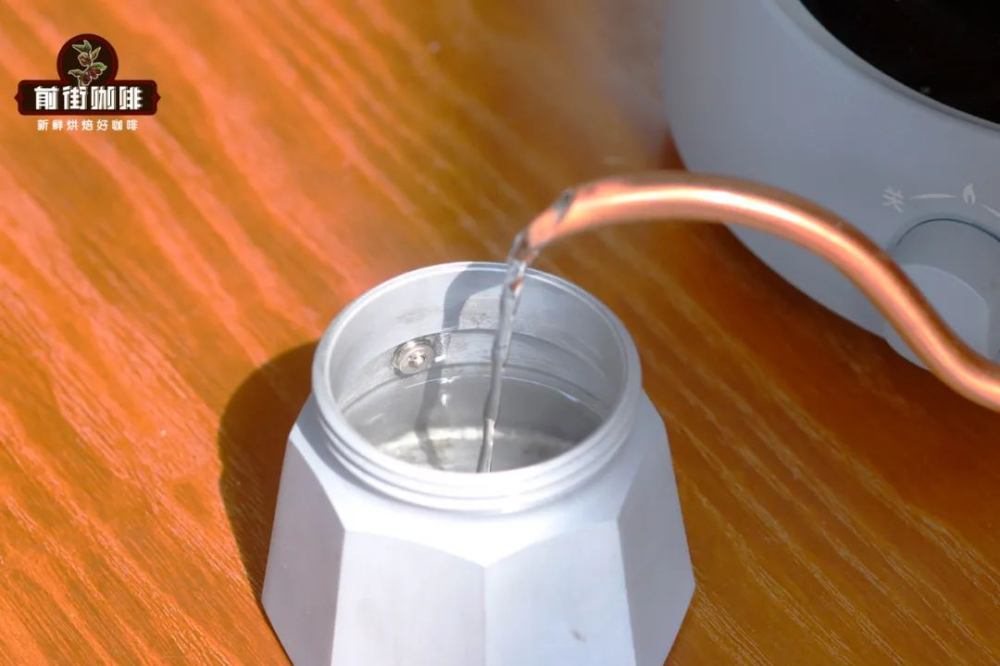
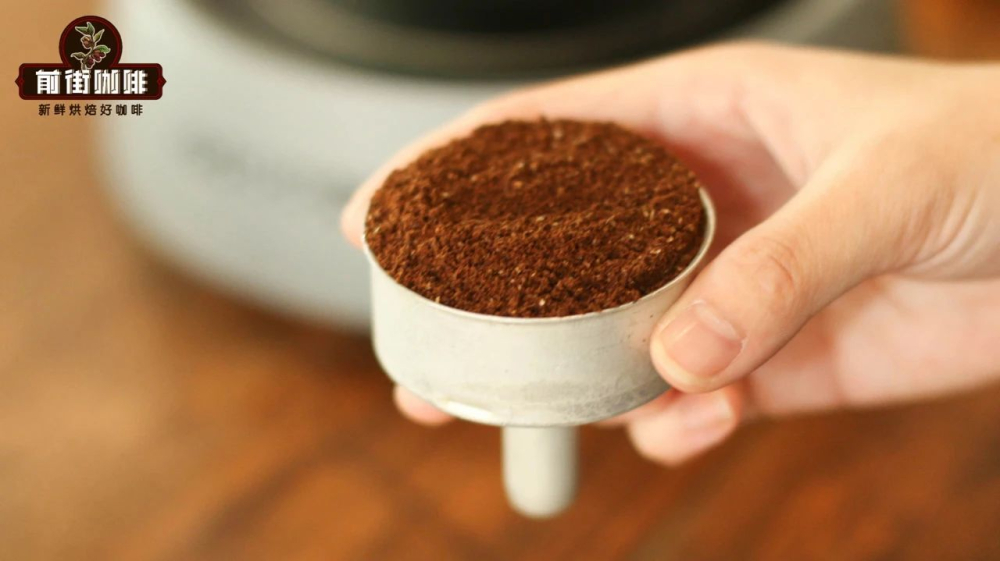
When using a moka pot, it is recommended to use medium-fine coffee grounds, similar in coarseness to granulated sugar, and control the amount of hot water (generally no more than 0.5 cm below the pressure relief valve) to avoid excessive pressure or clogging. When filling the coffee grounds into the filter basket, do not tamp them too firmly to prevent hindering water flow. During the heating process, it is advisable to use low to medium heat, and reduce the flame once the coffee starts to flow. You can turn off the heat when the liquid in the upper chamber reaches about halfway, allowing the residual heat to complete the extraction.
The finished moka pot coffee typically has a rich mouthfeel. In terms of flavor, you can often detect notes of dark chocolate, vanilla, caramel, and the sweet-tart layers of berries, along with subtle roasted nut aromas. If you prefer a lighter taste, you can add water to adjust the strength; if you enjoy milk coffee, you can also pair it with milk to make a latte or cappuccino, showcasing different flavor dimensions.
Siphon Pot Operation Tips and Flavor Presentation
The brewing process of a siphon pot requires more precise parameter control. For example, the water temperature is usually set between 90–92°C, and the grind size needs to be finer, almost powdery but still with some fluidity, to facilitate sufficient extraction within a short time. The recommended coffee-to-water ratio is about 1:14, and after adding the coffee grounds, a moderate amount of stirring is advised. This stirring is done in three stages to promote flavor release: the first for blooming, the second to accelerate dissolution, and the third a gentle finish.
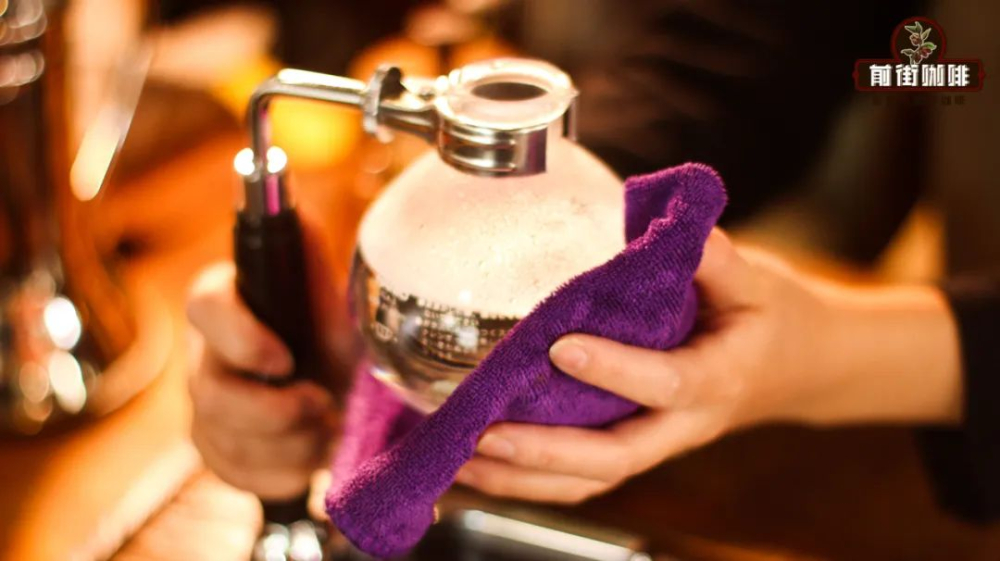
Once the extraction time reaches about 60 seconds, remove the heat source and use a damp cloth to cool the device, prompting the coffee liquid to flow back. The finished siphon pot coffee usually has a rather thick, balanced mouthfeel, with bright yet non-aggressive acidity, often featuring fruit notes such as cherry tomatoes and black plums, as well as distinctly sweet profiles of brown sugar and apricot. It is suitable for coffee lovers who enjoy clear layers and delicate flavors.
Overall, the moka pot and siphon pot each have their strengths. The former excels in rich, pressure-brewed coffee, making it ideal for those who prefer bold flavors and simple operation. The latter offers unique flavors and a sense of ceremony through precise temperature control and vacuum retraction, making it the top choice for those who pursue detail and visual experience. No matter which one you choose, both can add a different kind of enjoyment and depth to your home coffee moments.








The above content is compiled by CoffeeHunters, a coffee news website.


