







Introduction:For beginner coffee enthusiasts, choosing an easy-to-use brewing tool that can still showcase the flavors of coffee is essential. The French press and moka pot are two classic home brewing devices, each with unique extraction characteristics and suitable use cases. This article will take an in-depth look at how to use these two tools, the optimal grind size and coffee bean pairings, and provide detailed steps and precautions to help you find the brewing method that suits you best—enjoying a professional-level coffee experience at home.
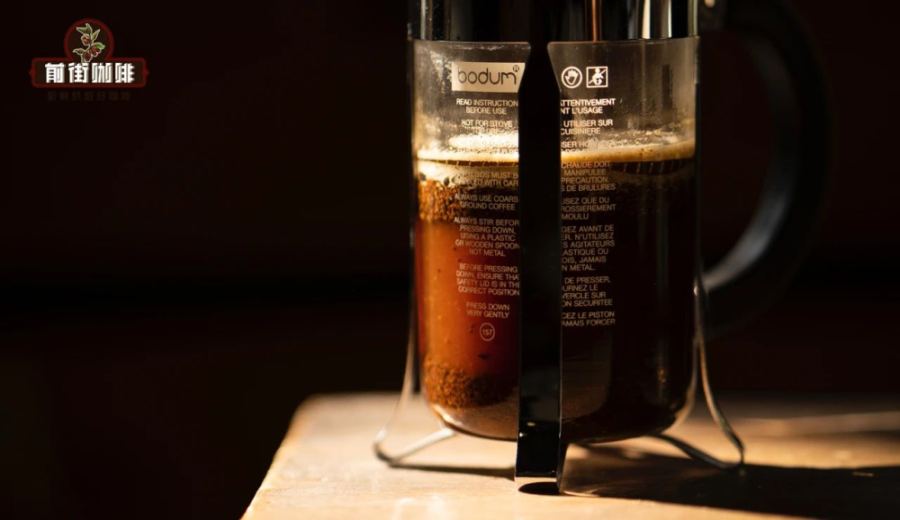
French Press, also known as a French press filter (French Press), dates back to around 1850 in France. It is a simple yet powerful brewing device, mainly consisting of a heat-resistant glass carafe and a metal mesh plunger. Its operation is intuitive—just control the water temperature, grind size, and steeping time to fully extract the coffee’s oils, aromas, and rich body. It is considered one of the most professional cupping-like brewing methods for home use.

The French press is hailed as the “lazy person’s coffee tool” precisely because it has a low barrier to entry but can produce a rich and smooth coffee flavor, especially suitable for coffee lovers who prefer pronounced fruit acidity or medium-to-dark roast profiles. Its brewing process preserves the natural oils and aromatic molecules in the coffee, delivering a bold and sweet taste, making it a top choice for many home users.
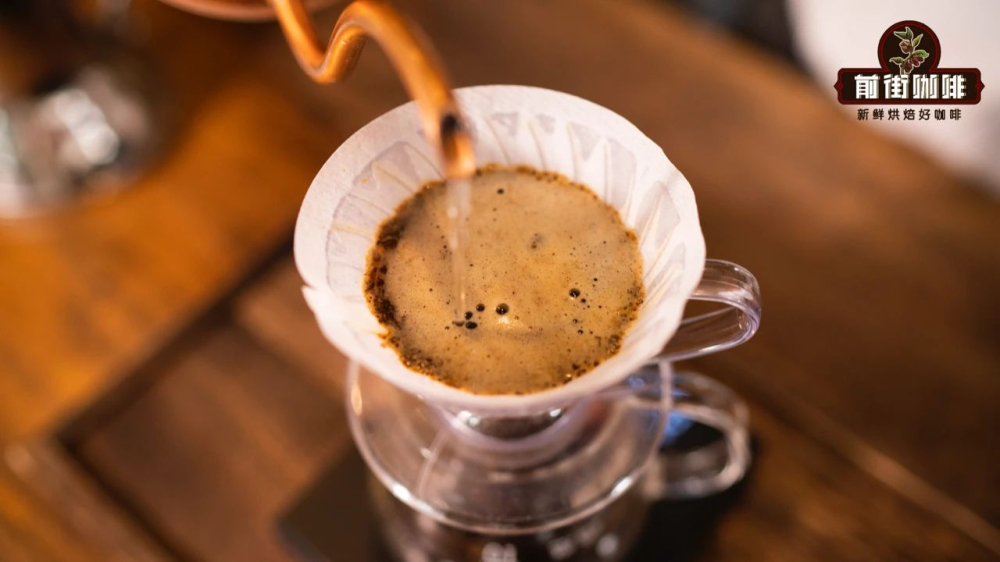
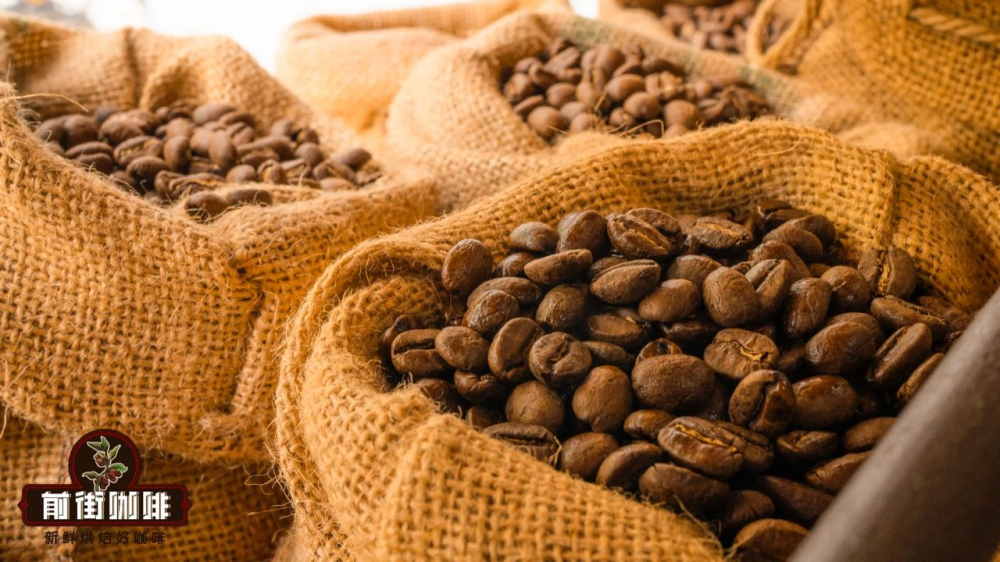
When using a French press, it is recommended to choosesingle-origin coffee beans, preferably with a medium-to-dark roast, to better highlight their full-bodied qualities. In terms of grind size, amedium grind, about level 5–6 in coarseness, equivalent to approximately 65–70% sieve passing rate, is suggested—slightly coarser than pour over but avoiding too fine a grind which may lead to over-extraction. A general recommendation is around 20 grams of coffee grounds with about 200 grams (a 1:10 ratio) of 93°C hot water, with a steeping time controlled between 3–4 minutes, adjustable according to personal taste.

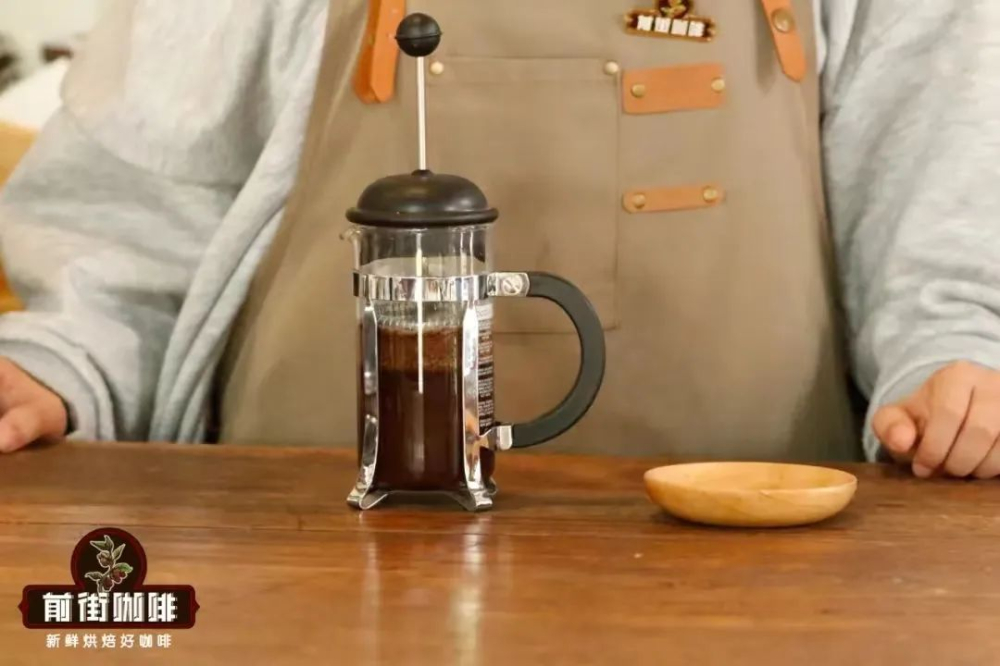
In specific steps, first grind the coffee beans to a moderate coarseness, pour them into the French press, then add hot water. It’s recommended to use an electronic scale to accurately measure the ratio, and gently stir with a spoon to help the coffee grounds evenly saturate. Next, keep the plunger at the highest position and let the coffee grounds and water interact fully to release flavors. Once the time is up, skim off any foam and fine particles with a spoon first, then slowly press the plunger down to the bottom. Finally, immediately pour the coffee liquid into a thermos cup to avoid over-steeping, which can lead to bitterness.
When using a French press, it is recommended to usesoft or filtered waterfor the best extraction results, and to use freshly roasted coffee beans whenever possible. If you’d like to upgrade to a milk coffee, you can clean the French press and fill it with warm milk, then gently push and pull the plunger to froth the milk until it doubles in volume, creating a silky microfoam to enhance the drinking experience. Additionally, it’s advisable to record each brew’s parameters such as grind size, water temperature, and ratio, which helps in reproducing ideal flavors or adjusting underwhelming results.
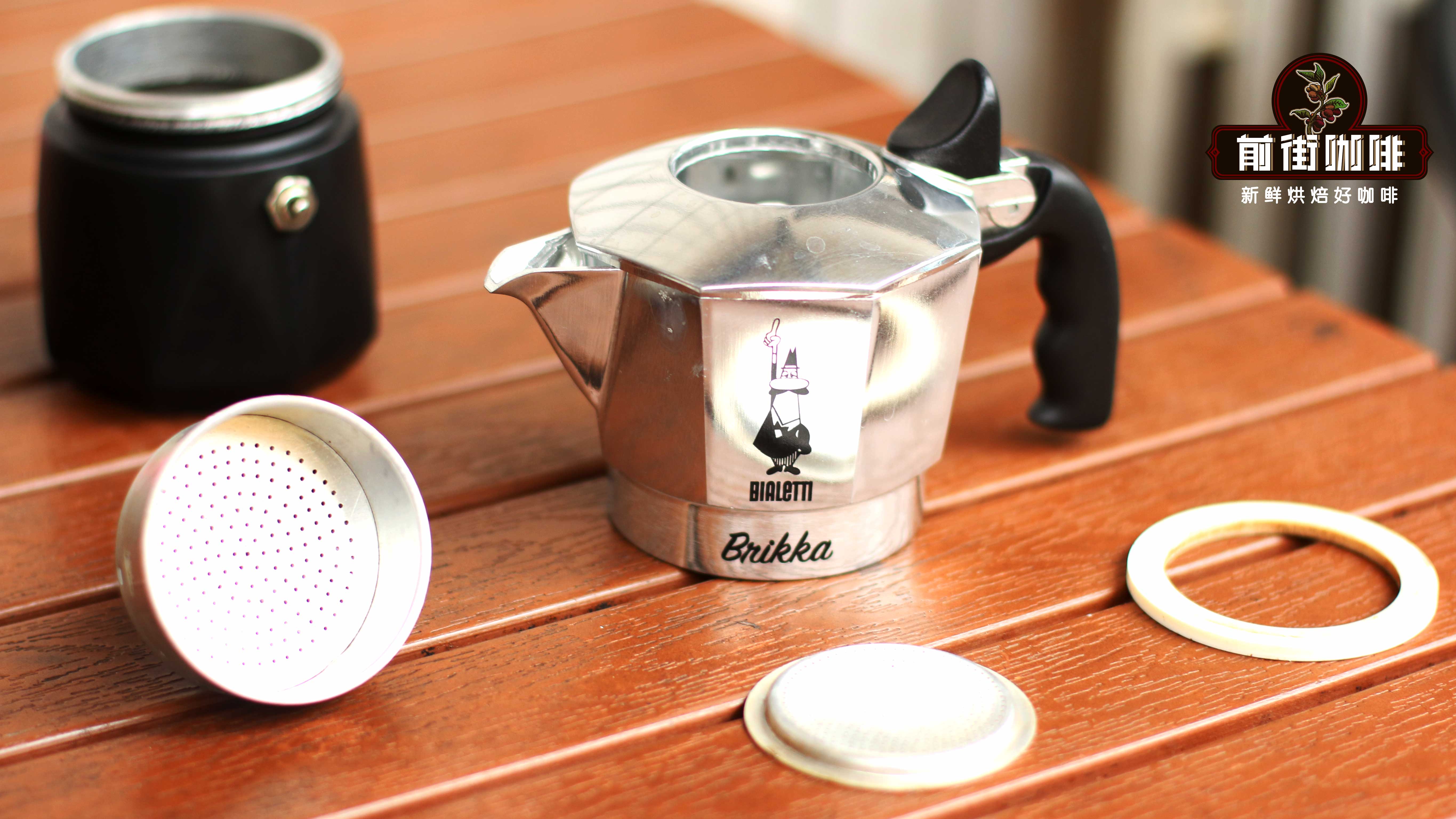
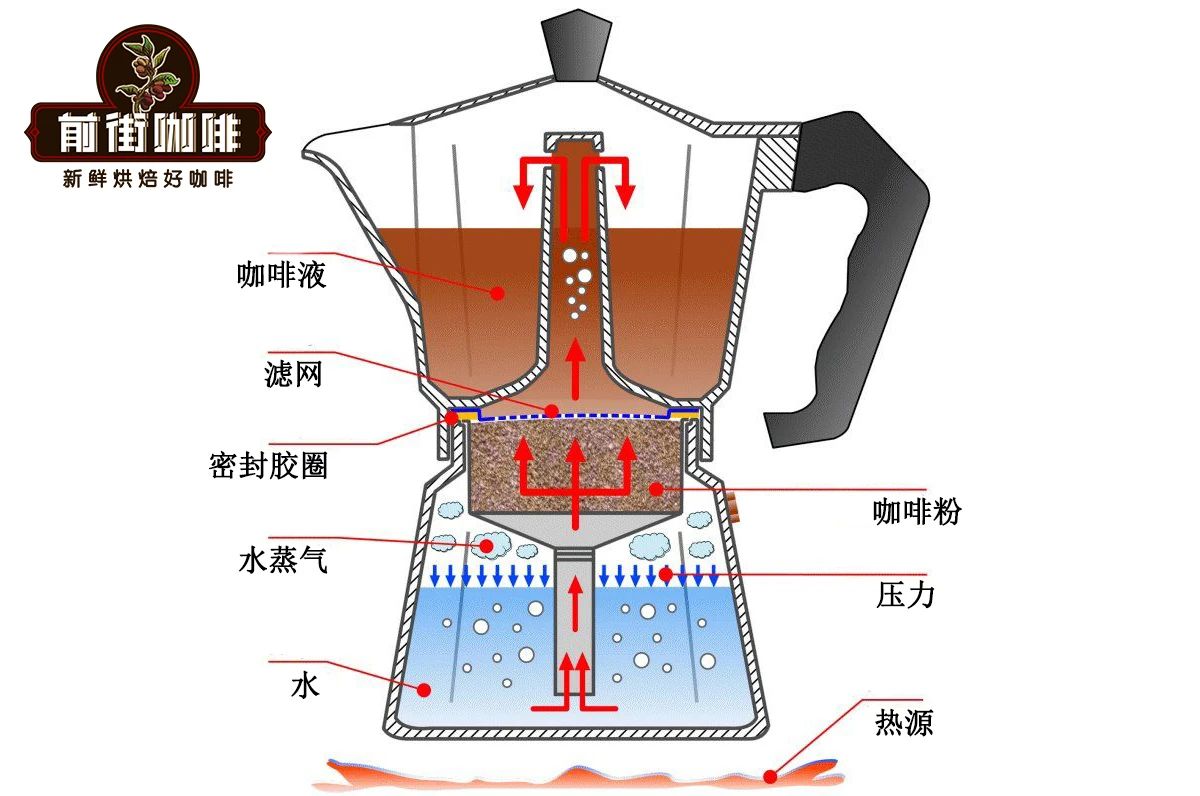
Moka Pot(Moka Pot) is a classic Italian-style home espresso brewing device, mainly consisting of three parts: the lower chamber, the funnel basket, and the upper chamber. It uses steam pressure generated by heating to push water upward through the coffee grounds, ultimately extracting a strong coffee liquid in the upper chamber. Its operation is simple, taking just a few minutes to complete, making it ideal for those who enjoy the flavors of espresso or want to quickly enjoy a strong cup of coffee.
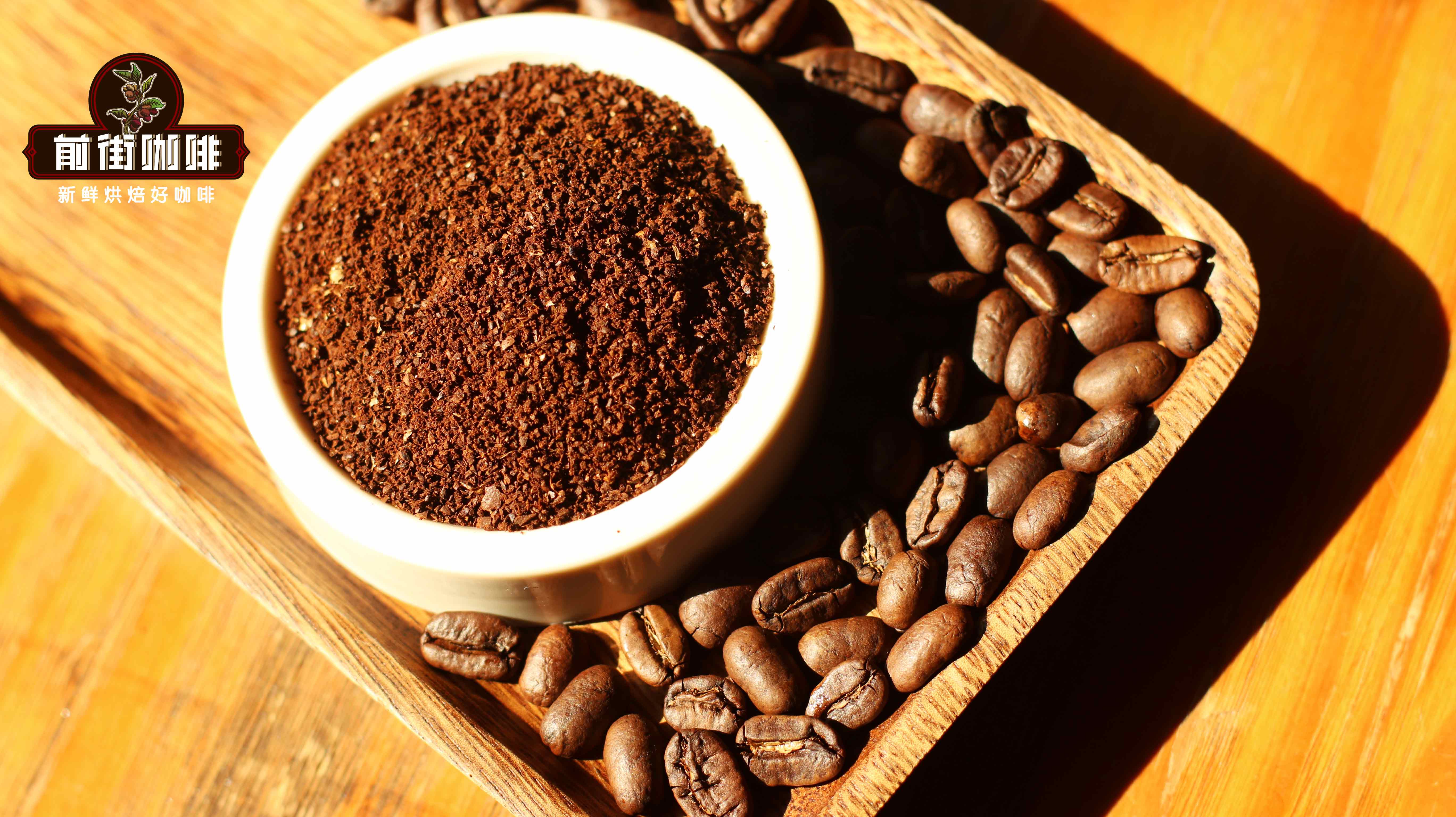
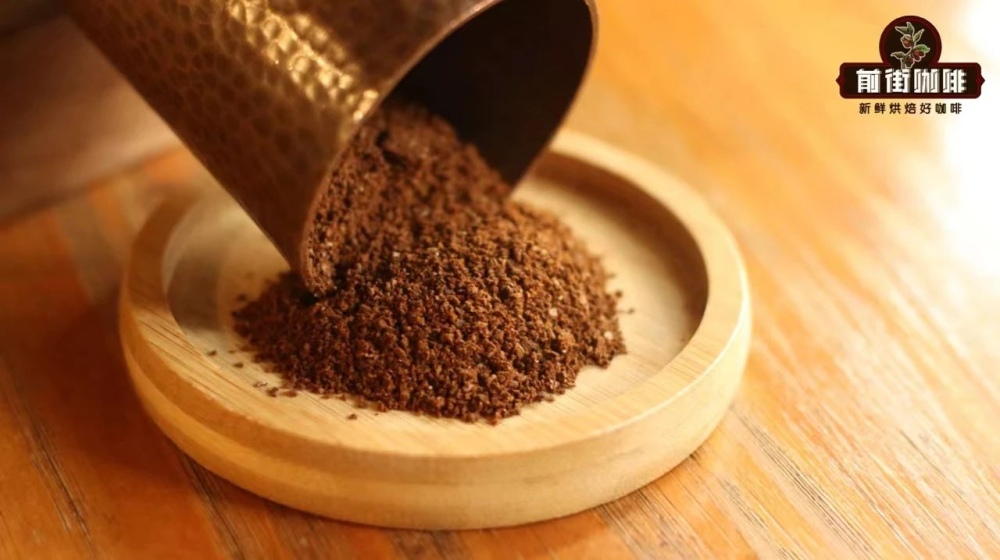
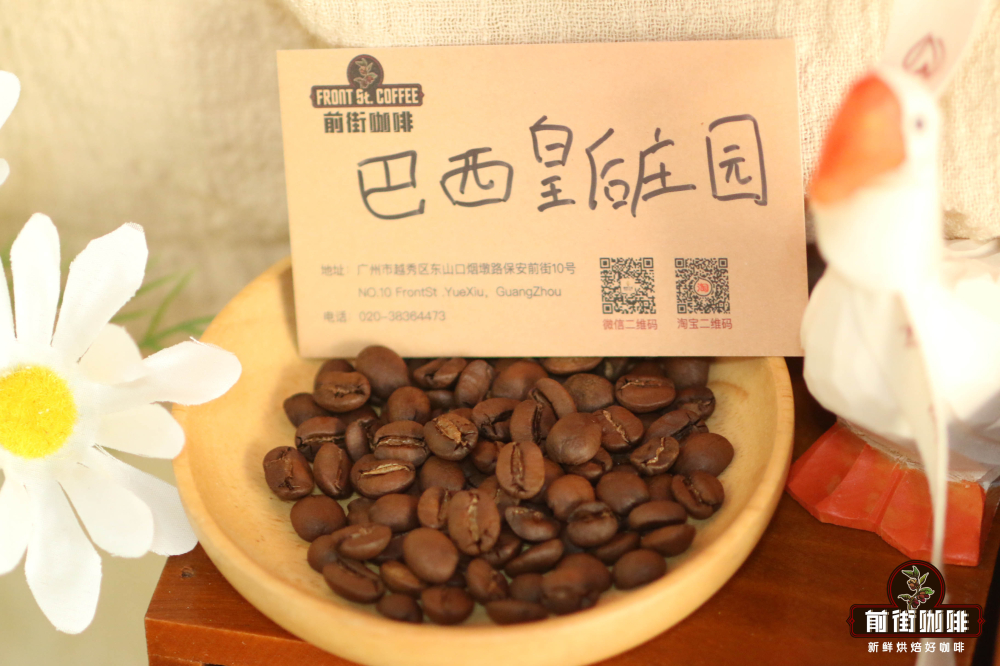
When selecting coffee beans, the moka pot is recommended to usemedium-to-dark or dark roasted coffee beans, which better bring out bold and caramelized aromas. The grind size needs to be finer than pour over but slightly coarser than the extremely fine grounds used in traditional espresso machines—roughly close to the gap of the basket filter. It is advised to aim for a fine and even texture by feel, avoiding overly fine grinds that may clog the filter or lead to over-extraction.
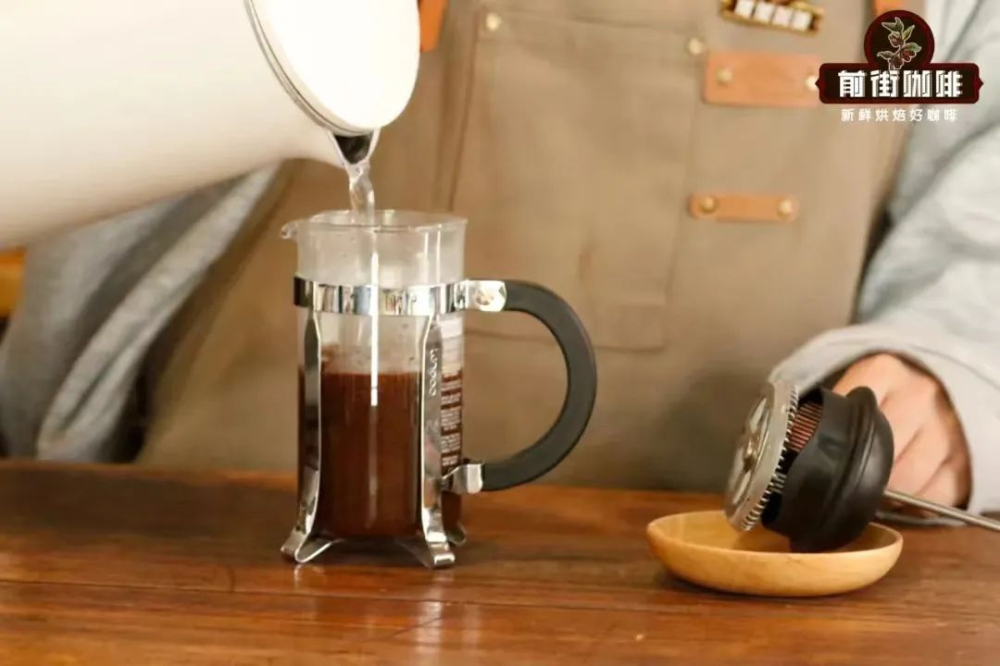
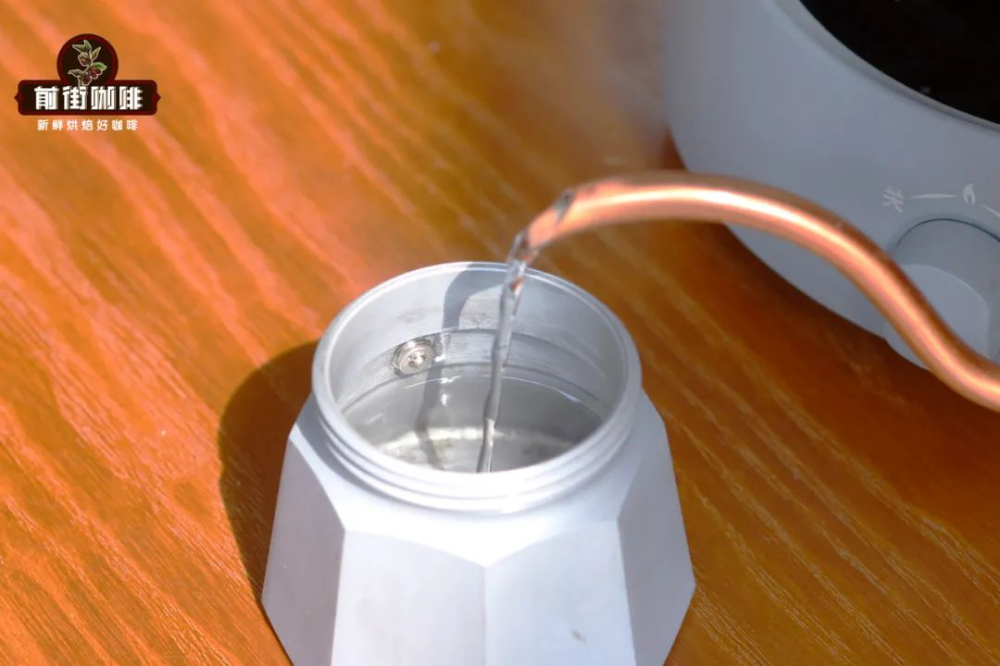
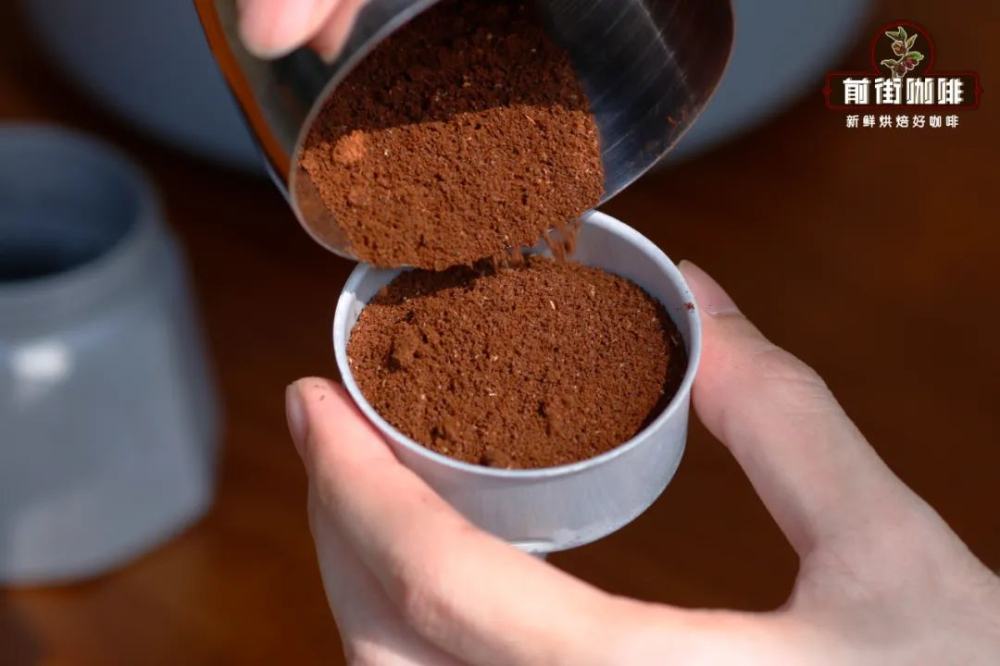
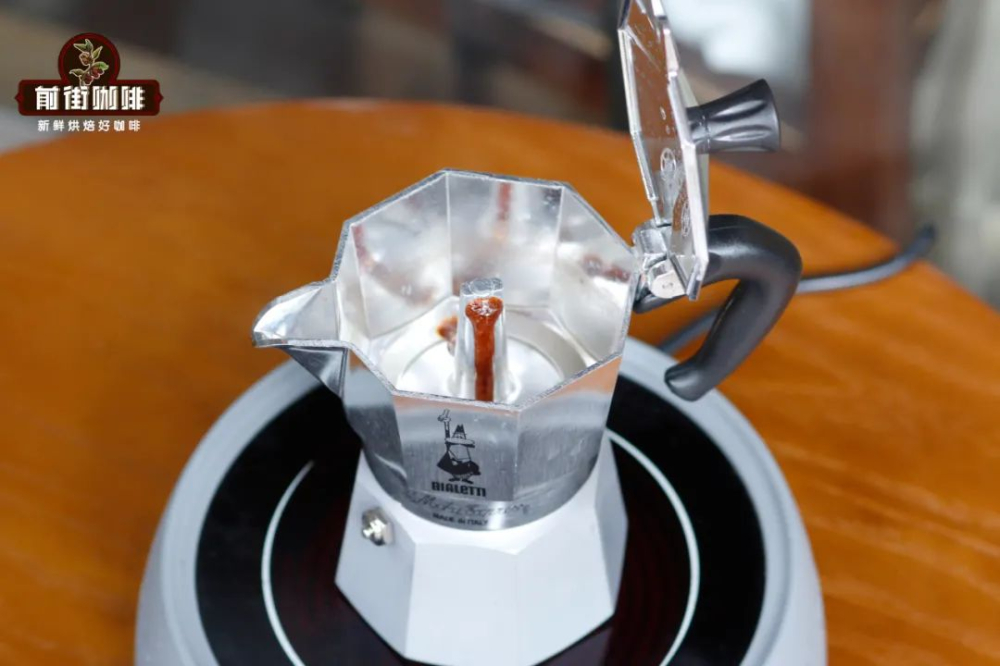
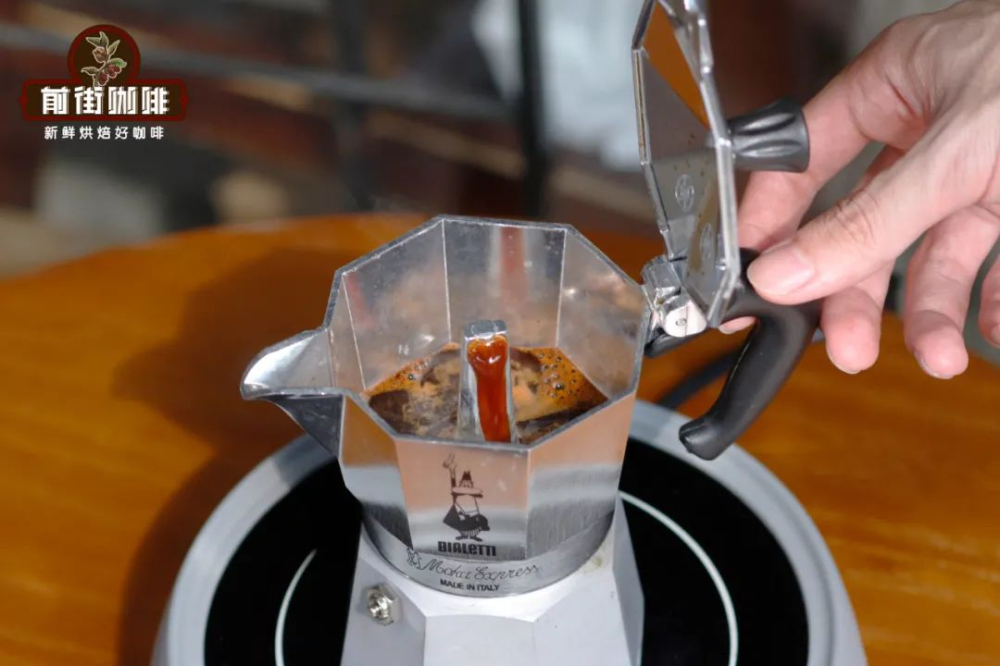
In actual operation, first pour purified water into the lower chamber to about 0.5 cm below the safety valve. Then, fill the funnel basket with finely ground coffee, gently leveling it into a small mound shape without compacting it. Place the basket into the lower chamber, ensure the upper and lower chambers are tightly sealed, and place the moka pot on a stove (preferably a stove-top heater) over high heat. When you hear a distinct “wuu wuu” sound, switch to low heat and open the upper chamber lid to observe the flow of coffee. Once about half of the coffee has flowed out, you can turn off the heat and let the residual heat finish the final extraction.
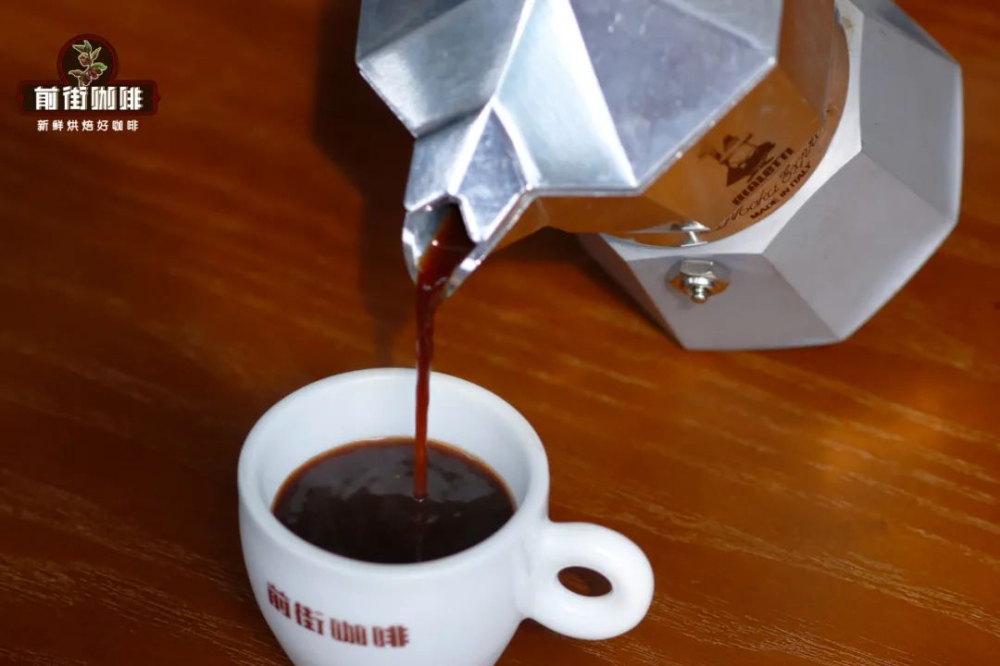
The coffee extracted from a moka pot is usually quite strong, sometimes even producing a crema-like foam layer on top. It’s suitable for direct drinking or, depending on personal preference, mixed with hot water to make an Americano. It can also be combined with milk to create variations like lattes. When using, pay attention to water quality and the freshness of the coffee grounds, and avoid over-tamping the basket to maintain stable extraction pressure and flow rate, ensuring balanced flavors.

In summary, the French press and moka pot each have their own distinctive features—the former excels in ease of use and full flavor expression, making it ideal for users who enjoy fruit acidity and a rich body; the latter shines in quick, strong extraction and intense flavor, serving as the perfect choice for households seeking an espresso-like experience. No matter which one you choose, mastering the correct grind size, water temperature, coffee bean type, and operational details will allow you to enjoy a professional-grade coffee experience easily at home.
The above content is compiled by CoffeeHunters, a coffee news website.


