








Introduction:Among Italian milk coffees, both Mocha and Latte are classic choices, but they each have unique characteristics in terms of flavor, ingredient ratios, and brewing methods. This article delves into the core differences between the two—from the espresso base and milk ratio to techniques for adding chocolate—offering detailed brewing parameters and practical advice to help you better understand the features of these two popular coffees and choose based on your taste preferences.
Many people often confuse Mocha with Latte, but in fact, they both belong to Italian coffee culture. Though both are based on espresso and milk, they differ significantly in texture, flavor, and preparation proportions. This article will take you in-depth into the key differences between Mocha and Latte, and provide professional ratio suggestions and brewing procedures.
Latte Coffee, derived from the Italian word "Latte" meaning "milk," is a type of flavored coffee that blends espresso and milk in a specific proportion. The commonly used ratio of espresso to milk is around 1:5 to 1:8, and in practice, many baristas adopt the golden ratio of 1:6—for example, using 40 grams of espresso liquid paired with 240 grams of milk. This combination balances the aroma of the coffee with the smooth texture of the milk.

Espresso, also known as concentrated coffee, is made by rapidly pushing hot water through finely ground coffee beans under high pressure, extracting a pure black coffee liquid that is rich and topped with a golden crema (coffee oil). This extraction method is not only the soul of Italian-style coffee, but also the foundation of Latte, Cappuccino, and Americano. Though it’s rarely listed alone on menus, almost all Italian-style coffees rely on it.
To brew an espresso with outstanding flavor, selecting the right coffee beans is crucial. If you prefer roasted nut or peanut notes, you might choose medium to dark roasted beans like Brazilian Red Bourbon; if you enjoy floral and fruity aromas, a strawberry sugar-flavored blend could be a good choice; and for those seeking cost-performance, an unsweetened chocolate-flavored blend offers balanced performance.

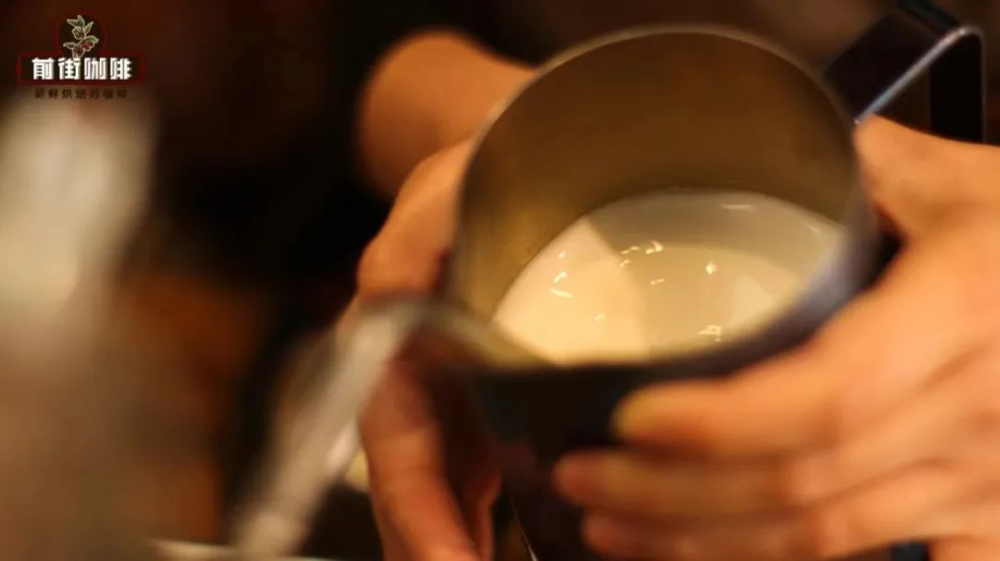
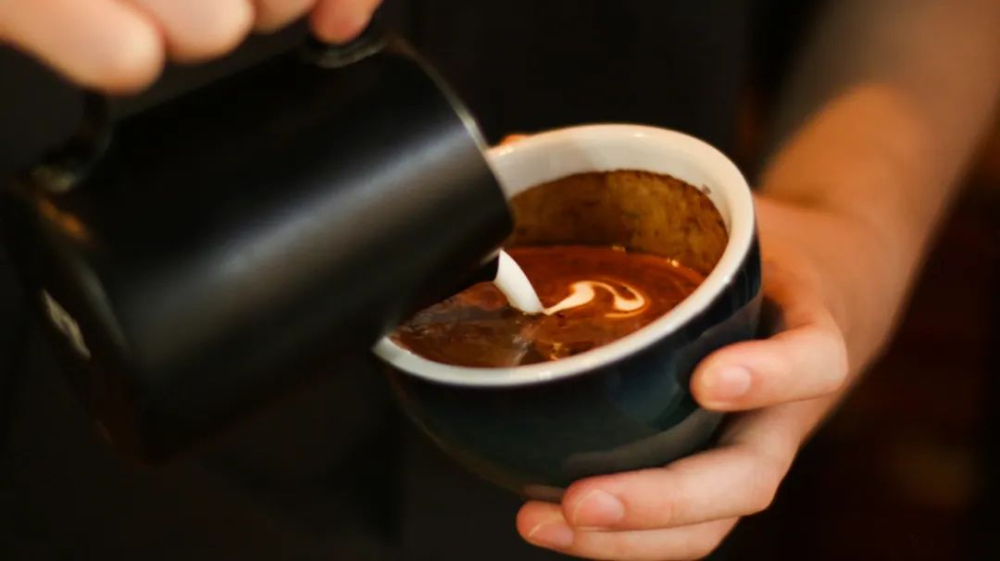
When making a hot latte, espresso is typically poured into a preheated coffee cup first, then the milk is steamed using a professional steam wand to around 55-65°C to form a fine and moderately thick layer of microfoam. Finally, the milk is evenly combined with the espresso. While latte art is not mandatory, it can add visual appeal to the cup. This brewing method perfectly combines the sweetness of the milk with the richness of the coffee, delivering a silky texture akin to liquor-filled chocolate, along with complex flavors such as vanilla, nuts, and berries.

Mocha Coffeeis built upon the foundation of espresso and milk, with the addition of chocolate elements, making it a sweet, chocolate-flavored Italian milk coffee. Most mochas on the market use chocolate syrup for convenience and quick preparation, as it doesn’t require any melting steps—but this is also where many baristas tend to make mistakes during preparation.
Chocolate itself has a strong bitter taste, so commercial chocolate syrups usually contain large amounts of sugar to neutralize the flavor. However, the sugar and chocolate are often already well-blended, making it difficult to adjust their proportions individually. If the chocolate flavor is insufficient and more syrup is continually added, although it can enhance the bitter-sweet profile, it may also easily make the entire drink overly sweet and unbalanced.

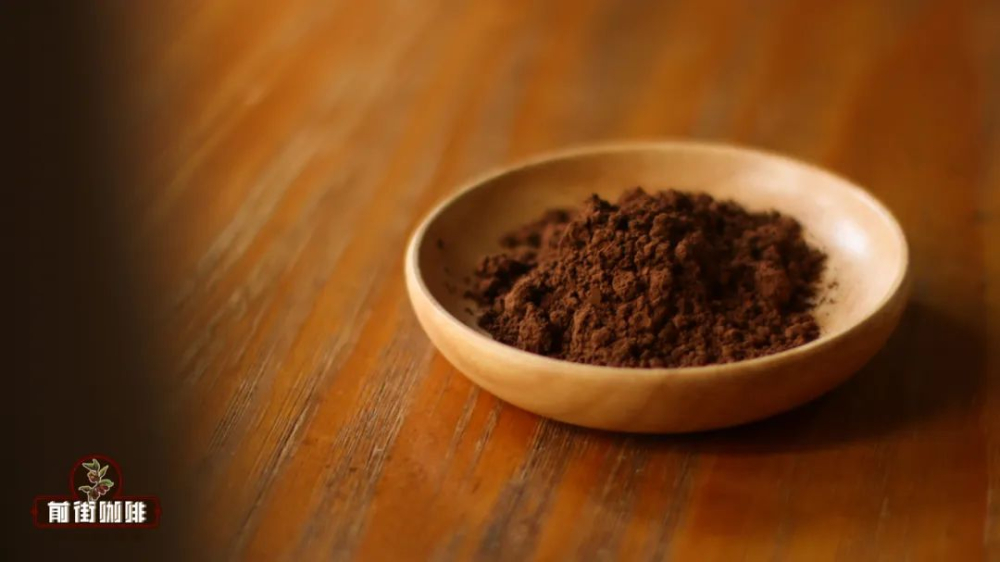
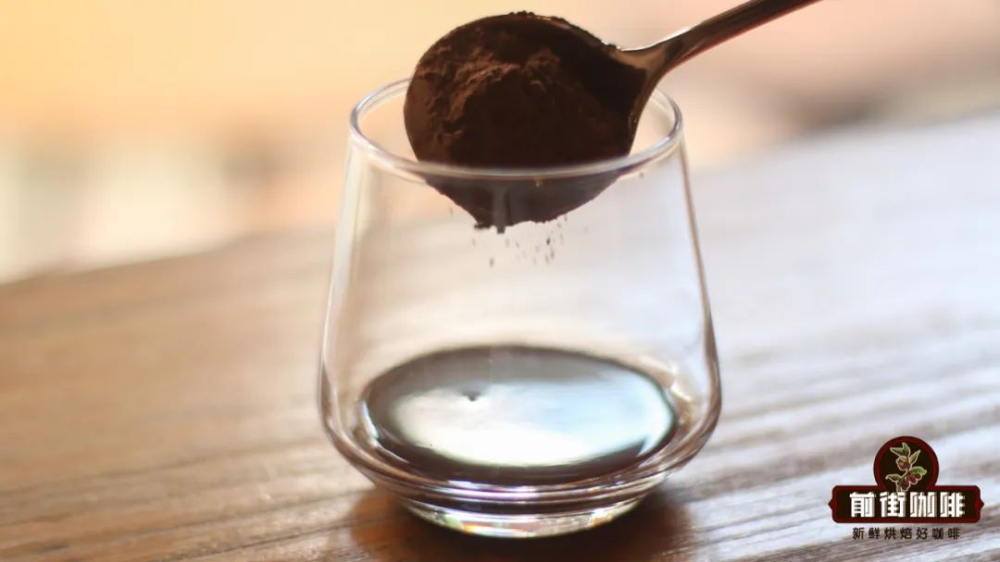
To brew a mocha with balanced flavor and just the right intensity of chocolate richness, it’s recommended to additionally include unsweetened cocoa powder alongside the chocolate syrup. This not only enhances the authentic chocolate flavor but also boosts the body of the drink without adding extra sweetness, making it an ideal choice for elevating the overall complexity.
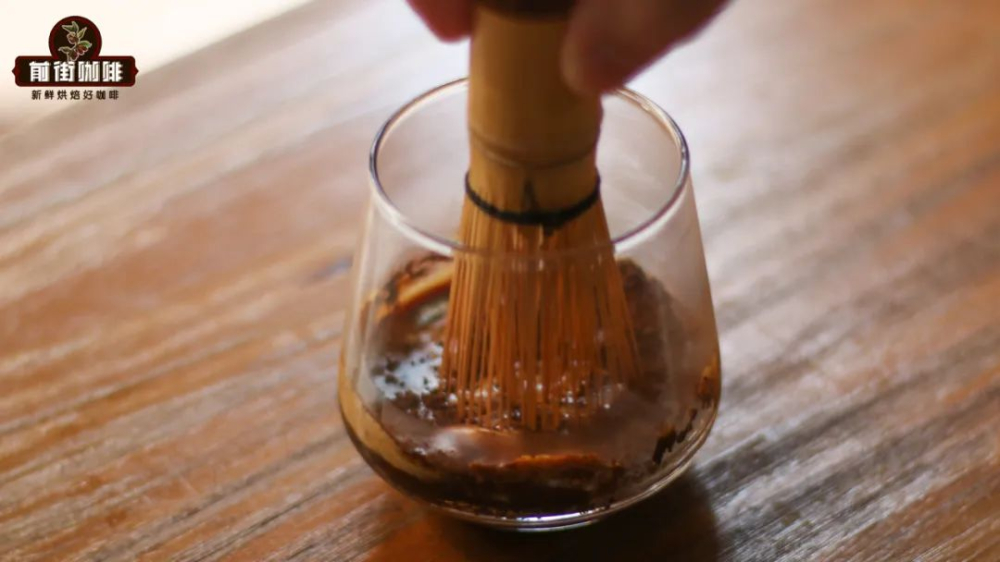
To prepare a hot mocha, you’ll need a coffee cup, stirring tools,

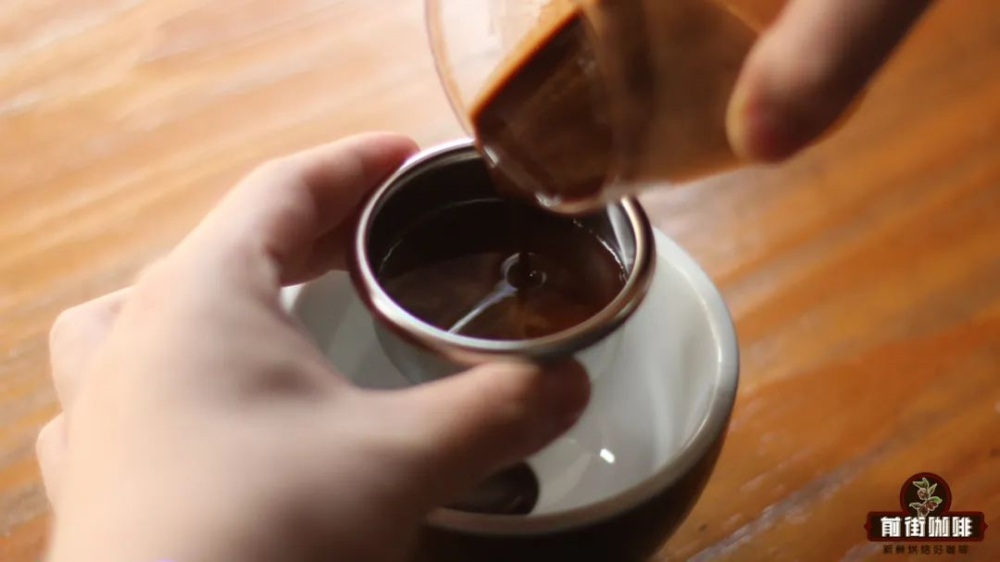
After completing the blend, it is recommended to use a filter to strain any undissolved cocoa powder particles to ensure a smooth texture. Additionally, a small amount of cocoa powder can be lightly sprinkled on the surface of the coffee to enhance aroma and visual appeal. The milk portion should be steamed to 60-68°C to create fine microfoam, in a ratio of 1:4 — that is, 50ml of base mixed with 200ml of milk. During the blending process, note that the base is relatively thick; it is advisable to add more milk to improve fluidity for easier latte art.

For iced mocha preparation, the dilution effect of ice cubes must be considered. Therefore, it is recommended to increase the chocolate syrup to 20ml and the unsweetened cocoa powder to 8g to compensate for the overall richness. The production process is similar to that of a hot mocha, but when assembling, start by adding the ice cubes (about 90g) and milk (160ml), then pour the chocolate coffee base on top. It is recommended to stir well before drinking, and you may optionally add whipped cream or a milk cap to enhance the overall layers and flavor profile.



The above content is compiled by CoffeeHunters, a coffee news website.


