







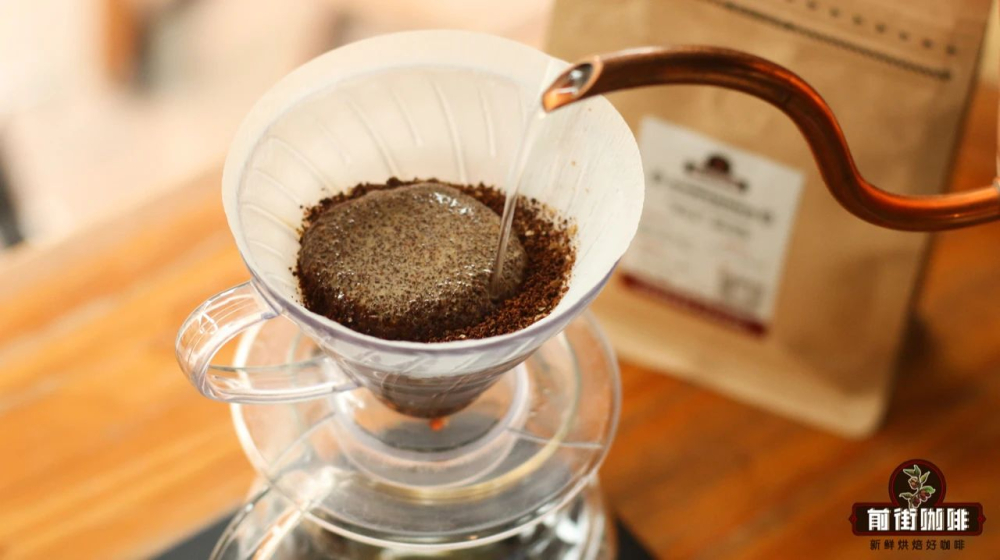
Introduction:Want to brew an elegant pour over coffee at home but not sure where to start? This article provides a detailed breakdown of the seven key factors that influence the flavor of pour over coffee, including coffee bean freshness, grind size, water temperature control, water quality selection, filter type, coffee-to-water ratio, and brewing time. It also delves into the three core extraction principles of pour over—wetting (blooming), dissolution, and diffusion—to help beginners establish the right concepts and brew specialty coffee with clear layers and balanced flavors.
As specialty coffee culture becomes increasingly popular, pour over coffee has become a top choice for many coffee enthusiasts due to its flexibility and flavor expression. However, for beginners, every step from bean selection to brewing can be confusing. How do you choose the right coffee beans? What grind size and water temperature will bring out the best flavors? This article will take you deep into the seven key elements of pour over coffee, helping you master brewing techniques and enjoy a professional-level coffee experience.
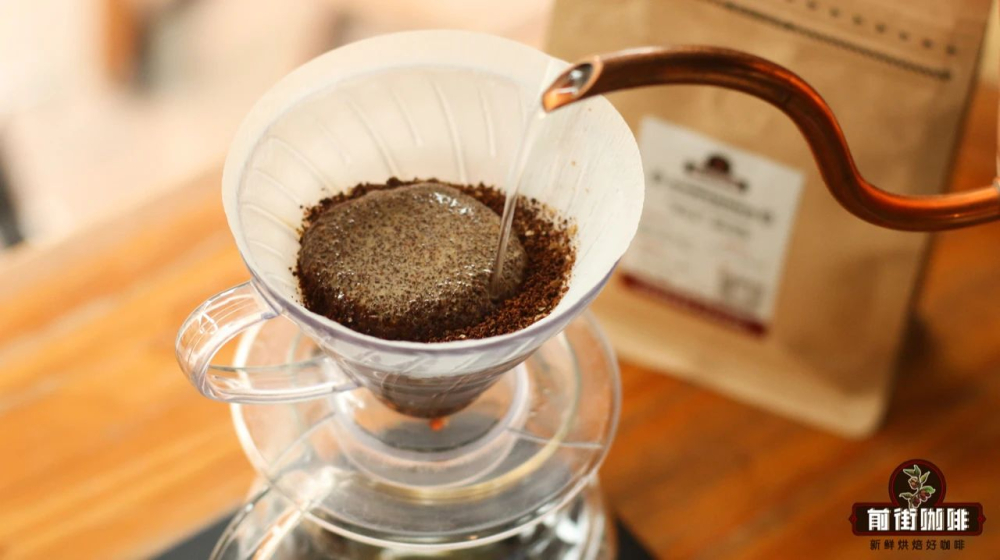
In the world of pour over coffee, there are seven elements that directly affect the final extraction results and flavor profile. These include: selecting fresh coffee beans, choosing the right grind size, controlling water temperature, considering water quality differences, selecting the appropriate filter type, determining the coffee-to-water ratio, and managing brewing time. Mastering these basics allows even beginners to consistently brew coffee with clear flavors and distinct layers.
1. Fresh Coffee Beans Are the Key to Great Flavor
The optimal flavor window for coffee beans is typically within 30 days of roasting. During this period, the aromatic compounds in the beans are most active, fully showcasing their flavor characteristics. Once this period is exceeded, as carbon dioxide continues to release, the aroma gradually dissipates, resulting in flat-tasting coffee. Therefore, choosing freshly roasted coffee beans is the first step to brewing great coffee.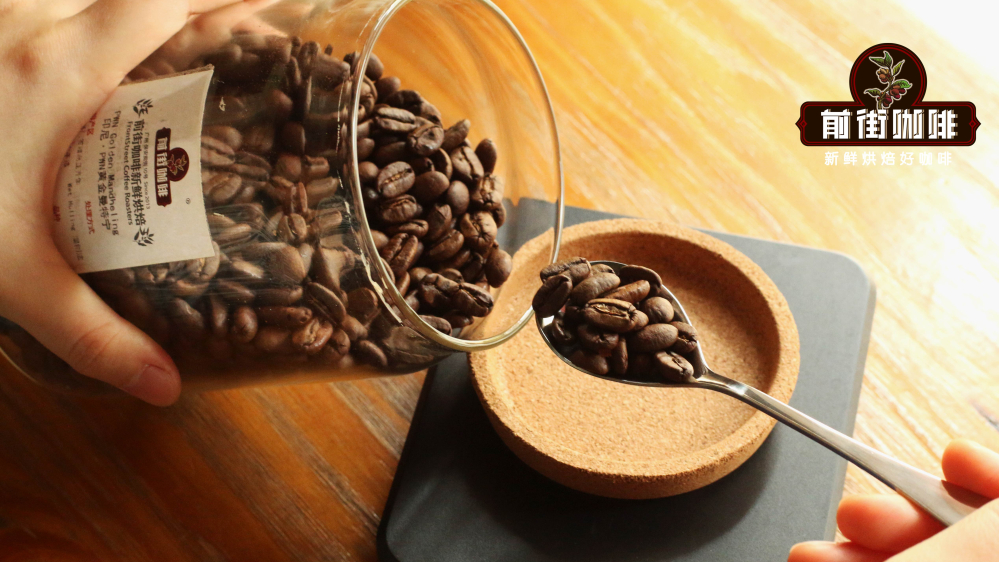
2. Adjusting Grind Size Affects Extraction Efficiency
The grind size of coffee beans influences water flow rate and brewing time. Grinding too fine restricts water flow, prolongs extraction time, and can easily produce woody or off-flavors; grinding too coarse allows water to pass through too quickly, leading to under-extraction and weak flavors. To find the right grind size, it’s recommended to use a #20 cupping sieve (with a 0.85mm aperture). Grind 10 grams of coffee beans and sift them—if 80% pass through, it’s suitable for medium-light roasts; 70%-75% is ideal for medium-dark roasts. Adjusting grind size based on the pass-through rate allows for more precise control over extraction flavors.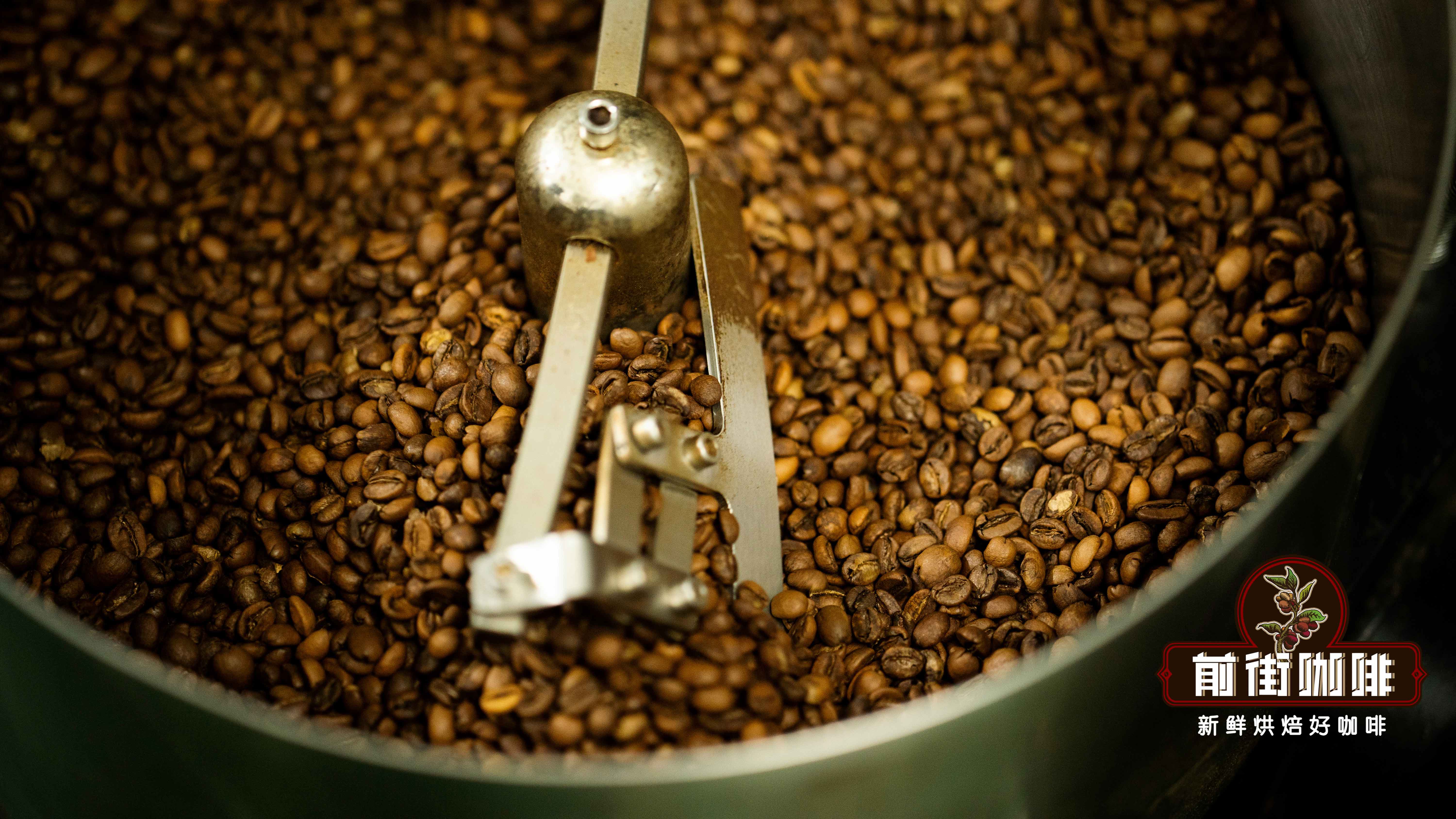
3. Water Temperature Is a Key Variable in Flavor Extraction
Different roast levels of coffee beans suit slightly different water temperatures. For medium-light roasts, a water temperature of 90-91°C is recommended to fully extract acidity and aroma; for medium-dark roasts, 87-89°C is advised to avoid over-extracting unwanted bitterness and harshness. The correct water temperature balances the release of various flavor elements, resulting in a smoother coffee taste.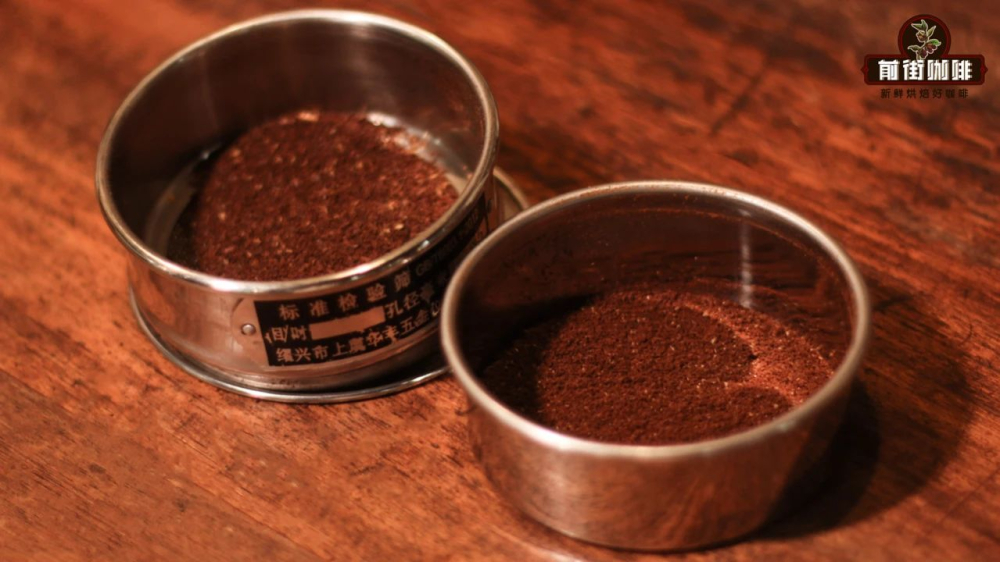
4. Water Quality’s Potential Impact on Coffee Flavor
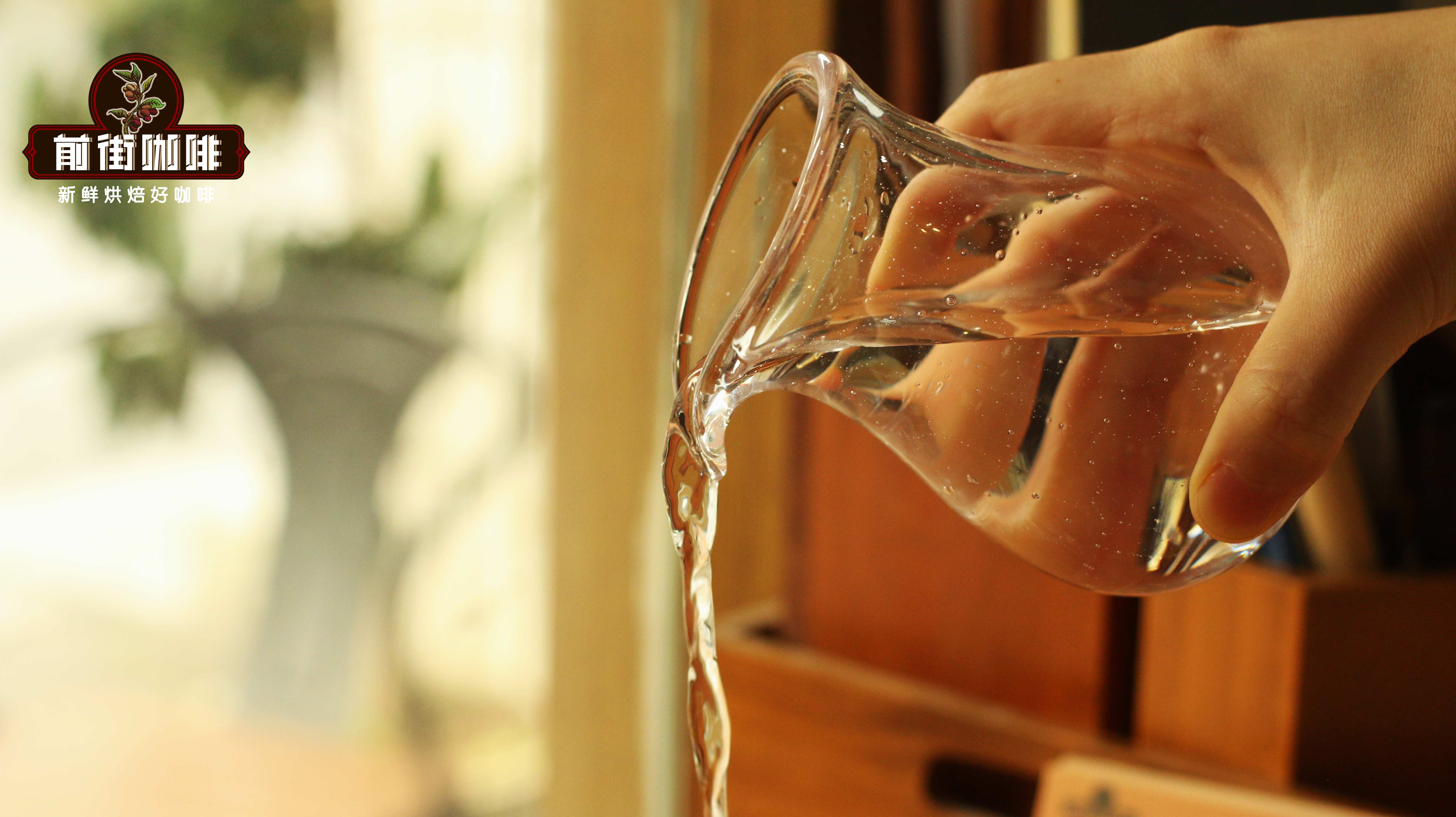
Minerals in water, such as ions of calcium, magnesium, sodium, and potassium, affect both extraction efficiency and flavor expression. It’s best to avoid using tap water directly for brewing, as impurities may introduce unpleasant tastes. Opting for filtered water or water specifically suited for coffee brewing can more consistently highlight the coffee’s original flavors.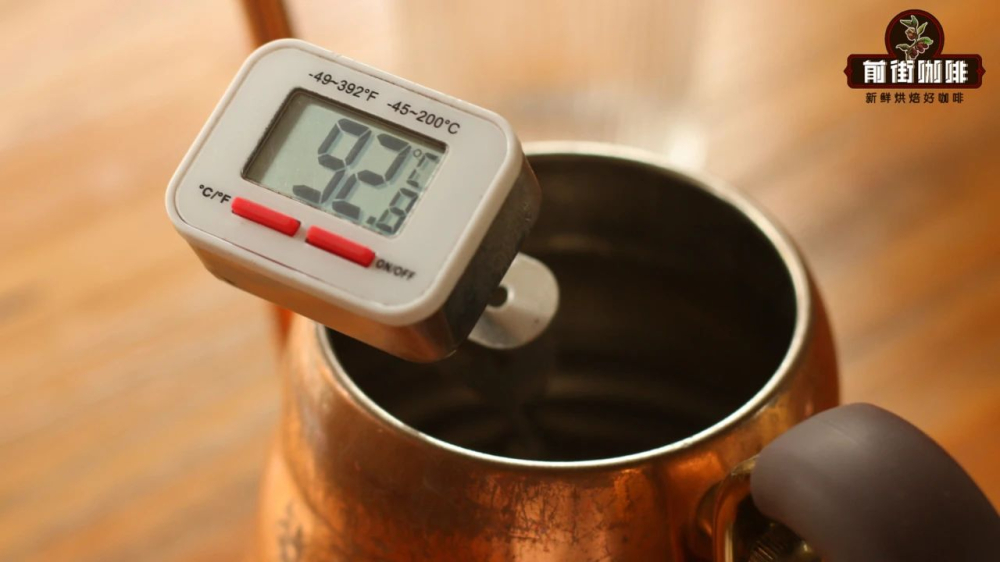
5. Choosing the Right Filter Enhances Extraction Quality
For pour over beginners, the V60 Size 01 filter is an excellent starting point. Its wide opening and spiral ribs promote air circulation, improving extraction uniformity. While the mouthfeel may not be as full-bodied as thicker filters, the high concentration it delivers—along with its pronounced acidity, sweetness, and aroma—is beloved by many coffee enthusiasts.
6. Coffee-to-Water Ratio Determines Concentration and Flavor Balance
According to the SCA Golden Cup extraction theory, the coffee-to-water ratio in pour over affects both concentration and extraction yield. Commonly recommended ranges include: bold flavors at 1:10~1:11, balanced flavors at 1:12~1:13, and light/refreshing profiles at 1:14~1:16. Among these, the 1:14.5~1:15.5 ratio most easily achieves the Golden Cup standard extraction yield (18%-22%) and ideal concentration (1.15%-1.35%), making it the go-to “golden ratio” recommended by many specialty shops.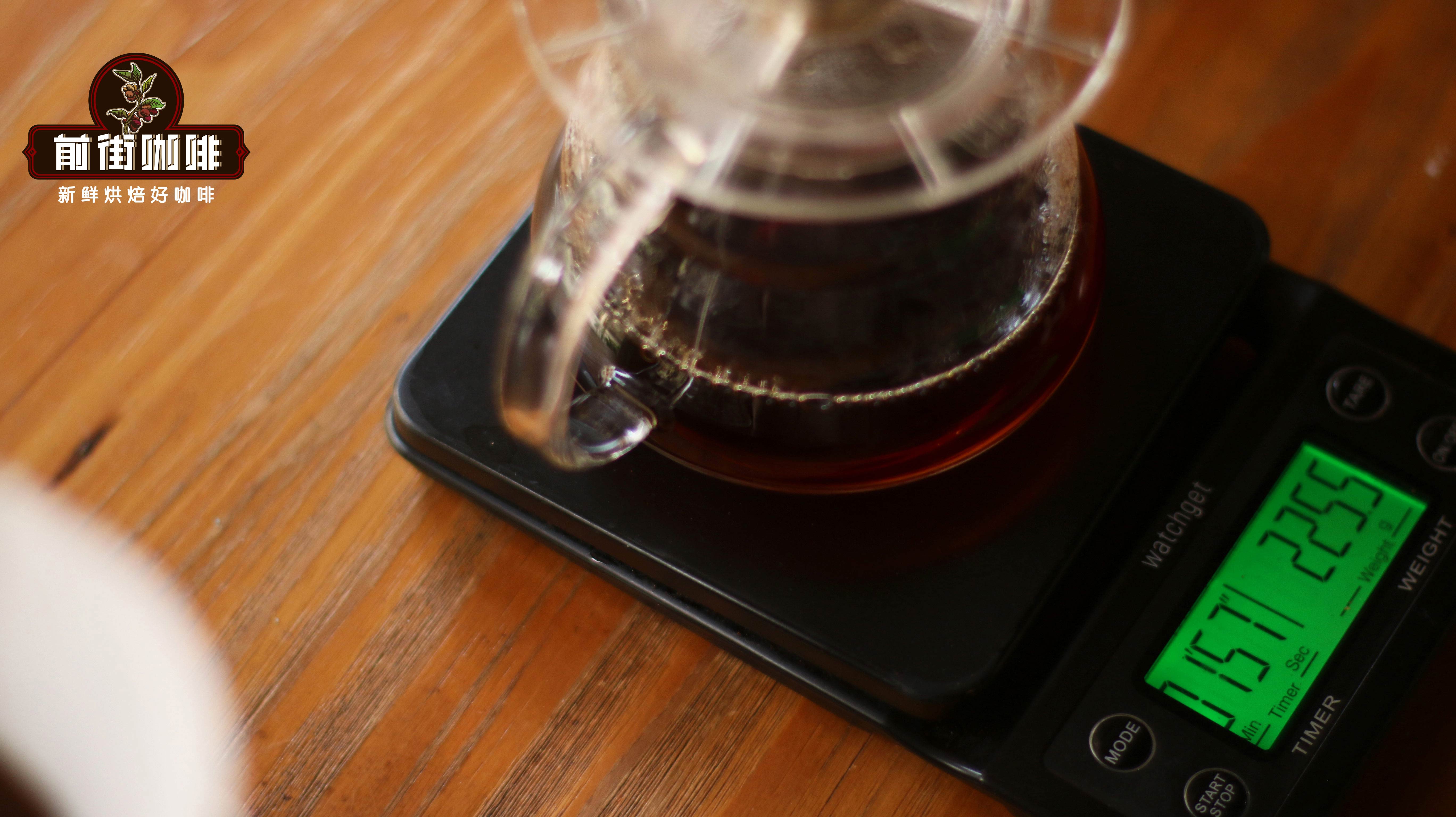
7. Brewing Time Influences Flavor Layers
During coffee extraction, the early stages emphasize aroma and acidity, while sweetness and bitterness gradually emerge over time. For general guidelines, when using 15 grams of coffee grounds at a 1:15 coffee-to-water ratio, the total brewing time should be controlled between 2 to 2 minutes 30 seconds to avoid over-extraction or under-extraction, ensuring balanced flavors.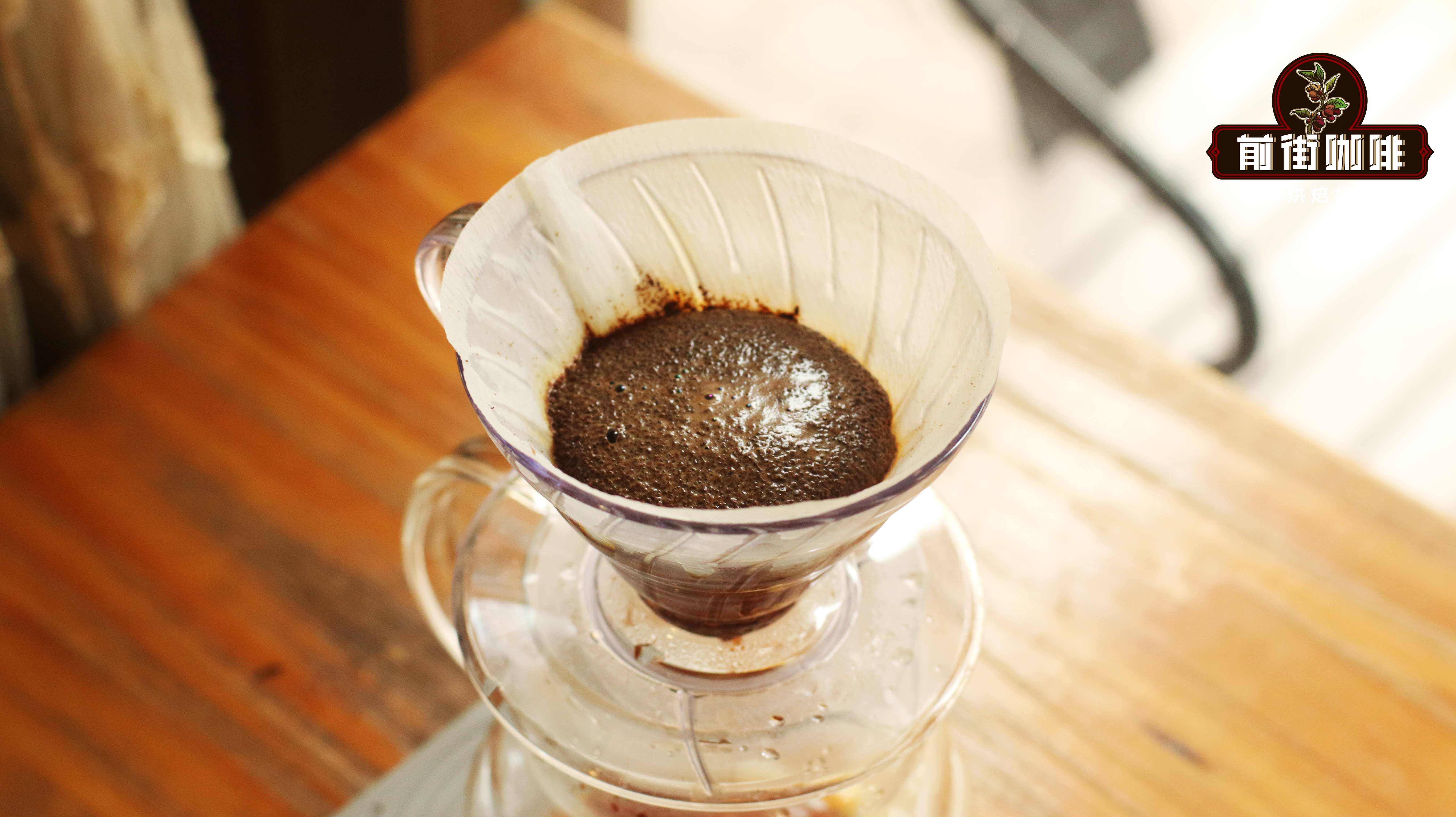
With these seven elements understood, let’s delve deeper into the three core extraction principles of pour over coffee: wetting (blooming), dissolution, and diffusion. These three steps are interconnected, collectively shaping the unique flavors of coffee.
Wetting (Blooming): The First Step in Extraction
When hot water first contacts the coffee grounds, the wetting process—or blooming—begins. This step allows the coffee grounds to fully expand and release carbon dioxide, laying the foundation for subsequent dissolution. It’s recommended to use about twice the weight of the coffee grounds in water (e.g., 30 grams of water for 15 grams of grounds) for a 30-second bloom, effectively “waking up” the coffee cells.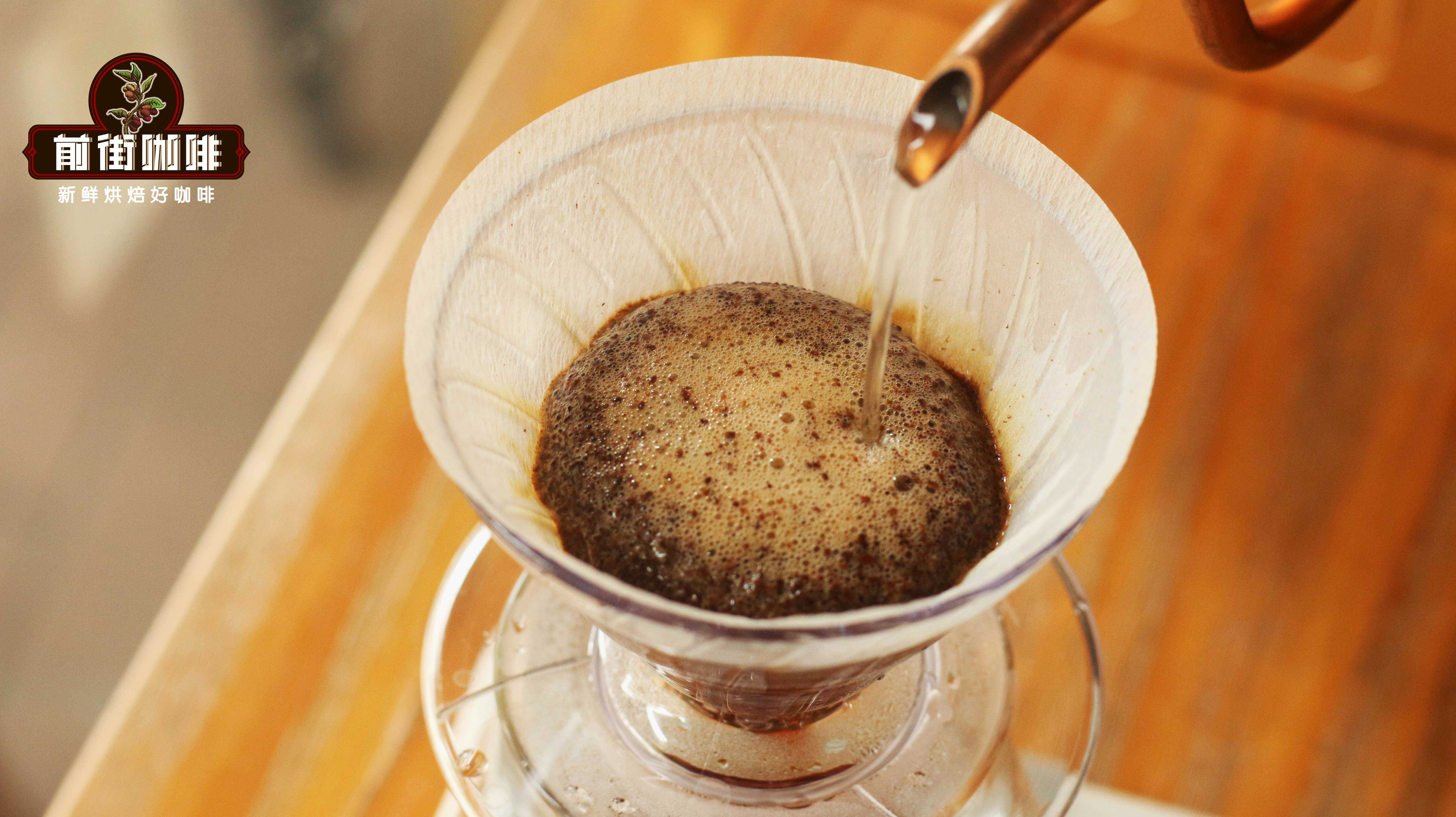
Dissolution: The Release of Flavor Molecules
During the dissolution phase, soluble substances within the coffee cells—such as acids, aromas, and sweetness molecules—are released into the water in order of molecular size. Small molecules like floral notes and citrus acidity are released first, followed by medium-sized molecules contributing to sweetness, and finally larger molecules responsible for bitter, roasted flavors. Controlling brewing time adjusts the proportion of these flavors, crafting the desired mouthfeel.
Diffusion: Even Distribution of Flavor Molecules
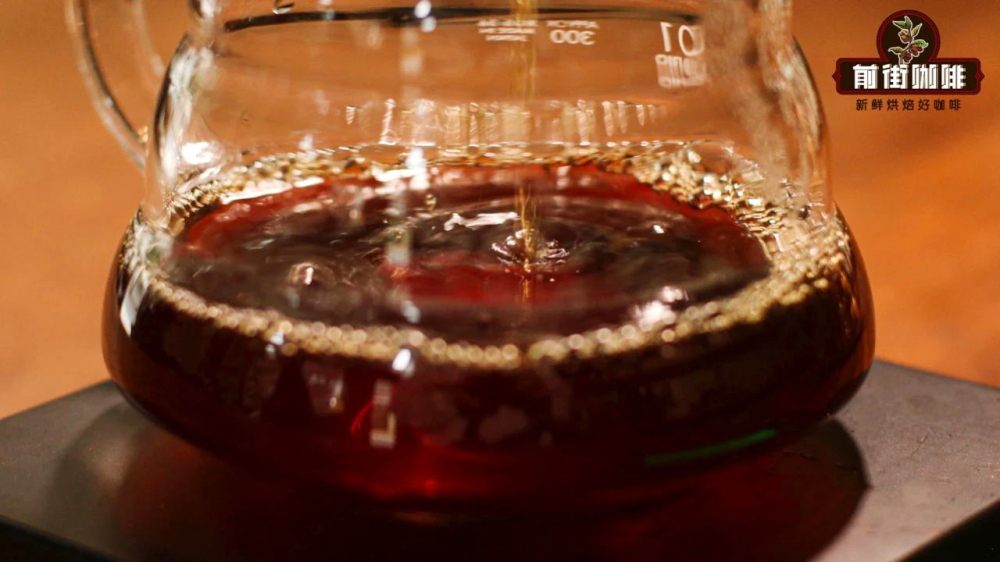
After dissolution, flavor molecules spread evenly into the water through diffusion, forming the complete coffee extraction. To ensure uniform flavor distribution, gently stirring during brewing or altering the pouring path is recommended, allowing the coffee liquor to mix thoroughly and deliver a more balanced tasting experience.
The above content is compiled by CoffeeHunters, a coffee news website.


