








Introduction:Single Origin Espresso (SOE) has garnered significant attention in recent years, but many coffee beginners still have only a vague understanding of it. This article delves into the definition of SOE, its key differences from regular single-origin beans, and provides practical extraction parameters and flavor descriptions to help readers understand how to experience the unique flavors of different regions through SOE, while also mastering extraction techniques and addressing common issues.
What is SOE Espresso?
SOE stands for "Single Origin Espresso," which refers to espresso made using coffee beans from a single origin. Unlike traditional blends, SOE can more clearly highlight the flavor characteristics of a specific region—for example, Yirgacheffe beans often exhibit pronounced citrus notes, while Mandheling is known for its rich woody aroma. This type of coffee is not unattainable, but its price and flavor stability do differ from those of regular espresso beans.
Key Advantages and Challenges of SOE
The main advantage is the ability to highlight regional flavor profiles, such as the bright acidity of African beans or the chocolatey finish of beans from Central and South America. However, there are two notable limitations: one isseasonal variation,where flavors may fluctuate between different harvest batches; and the other islimited availability of micro-lots,with some premium SOEs available only in small quantities.
Key Differences Between SOE and Single-Origin Beans
Although SOE is based on single-origin beans, there are clear differences between the two:Roast level adjustment is needed—espresso beans are typically roasted darker than pour-over beans to maintain sufficient crema to support the flavor;extraction parameters are more stringent, as machine stability and grind size directly affect crema performance. Light-roast SOEs, if not handled properly, can easily result in sour spikes or channeling.
Practical Extraction Parameters Reference
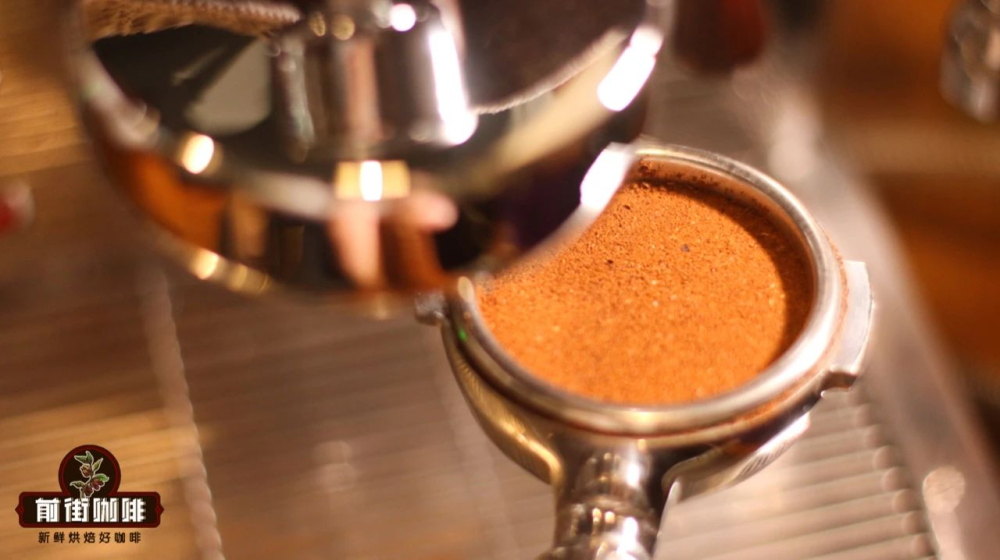
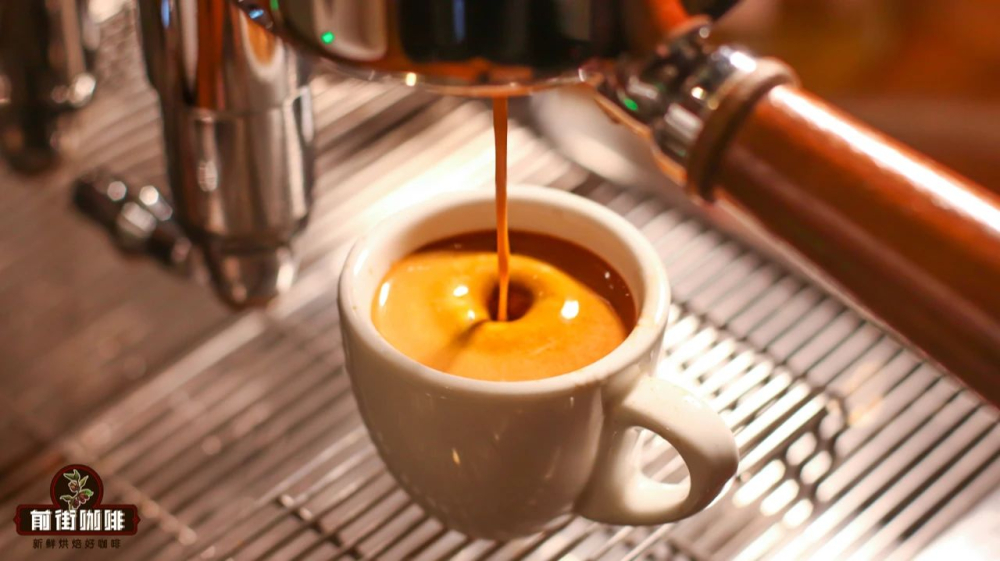
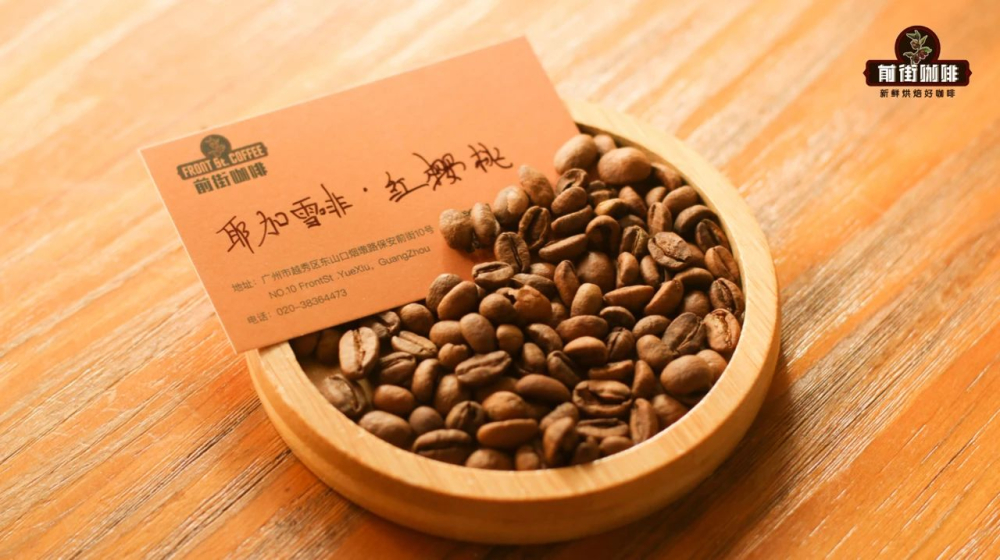
Taking Ethiopian Red Cherry Natural beans as an example (grown at 2000m altitude, native variety/natural process): it is recommended to use20g of coffee grounds to extract 40g of liquid, with a grind setting of Q18 (approximately 1.8 on the grinder scale),and an extraction time of 30–33 seconds. This parameter balances berry-like sweetness and acidity with a tea-like aftertaste, but note that crema stability may be relatively poor.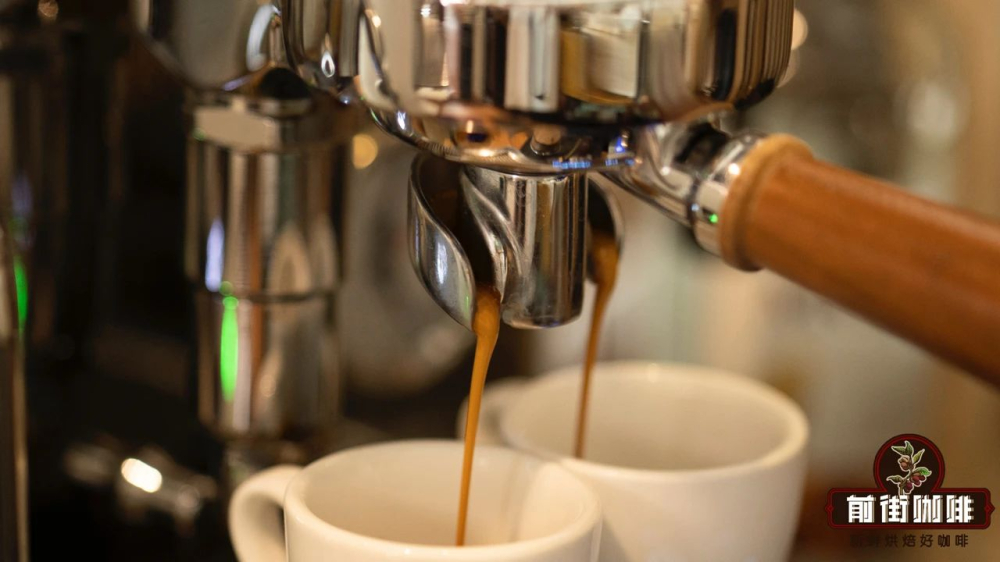
Flavor Comparison: Pour Over vs Espresso
The same bean variety, under pour-over conditions (91°C water temperature / 1:15 coffee-to-water ratio / V60 filter), presents a fresher tropical fruit profile, whereas SOE amplifies body and richness due to high-pressure extraction. Pour-over brewing suggestion: 30g bloom for 30 seconds, followed by two pours to reach a total of 225g, with a total brew time of about 2 minutes.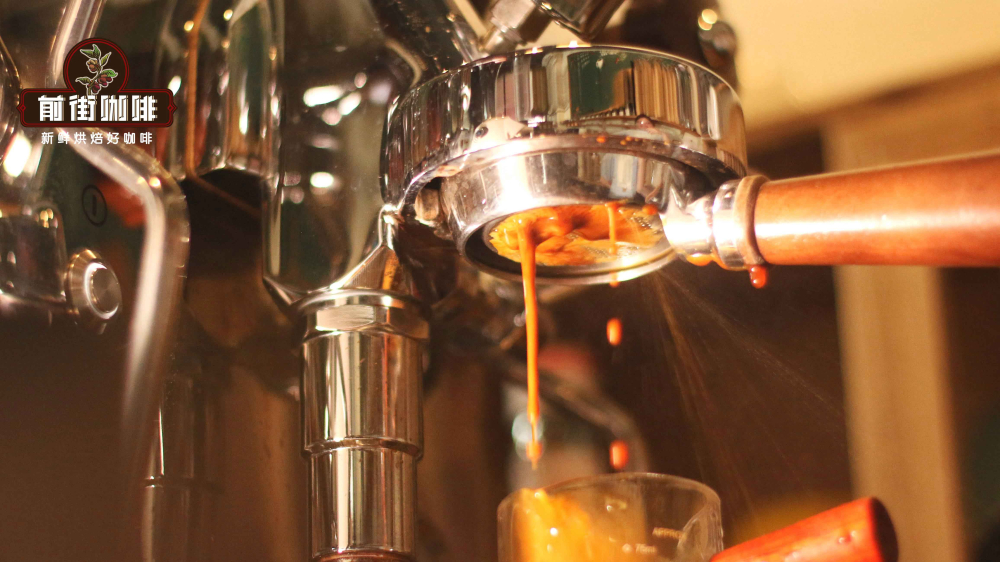
Common Misconceptions and Considerations
Many beginners mistakenly assume all single-origin beans are suitable for SOE. In reality,bean suitabilitymust be considered—beans with overly bright acidity (such as certain Ethiopian light roasts) may require roast adjustments. Additionally, if your home machine lacks stable 9-bar pressure, it’s advisable to practice basic extraction first before attempting SOE.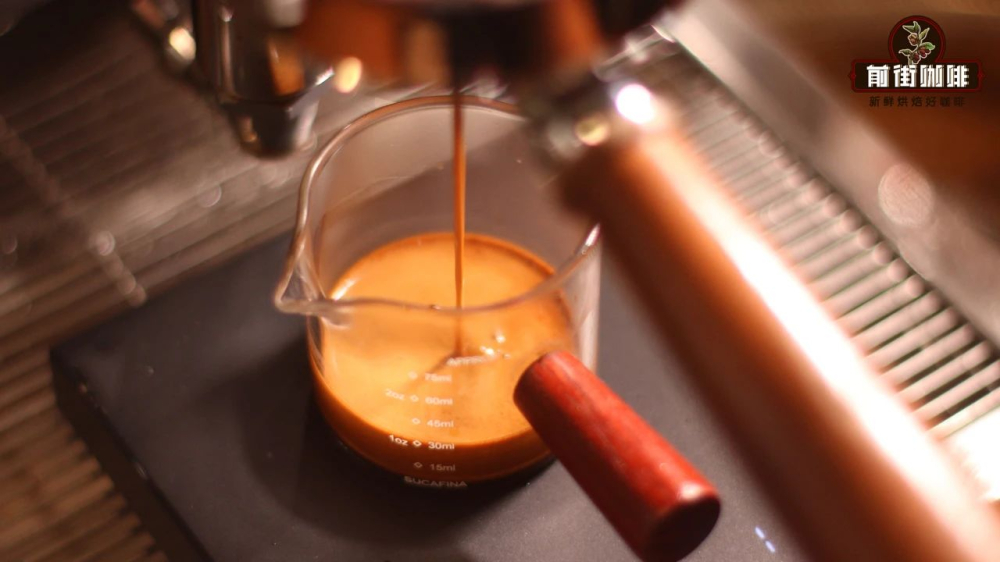
Advanced Application Suggestions
Advanced users can experiment with blending SOEs from different regions, such as 70% Brazil + 30% Guatemala, to create a balanced flavor profile. Regardless of the method used, recording eachwater temperature / grind size / timeparameter will help stabilize flavor expression.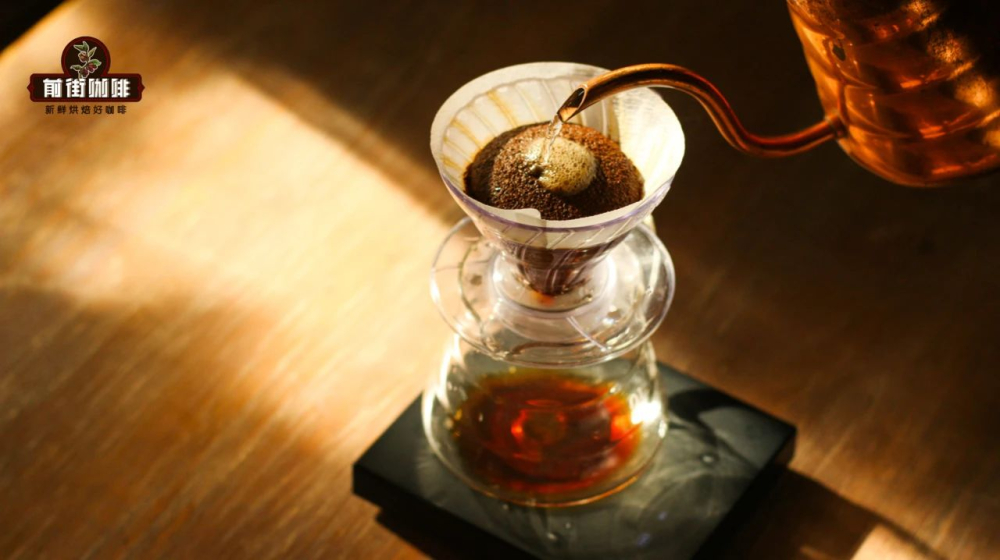
The above content is compiled by CoffeeHunters, a coffee news website.


