







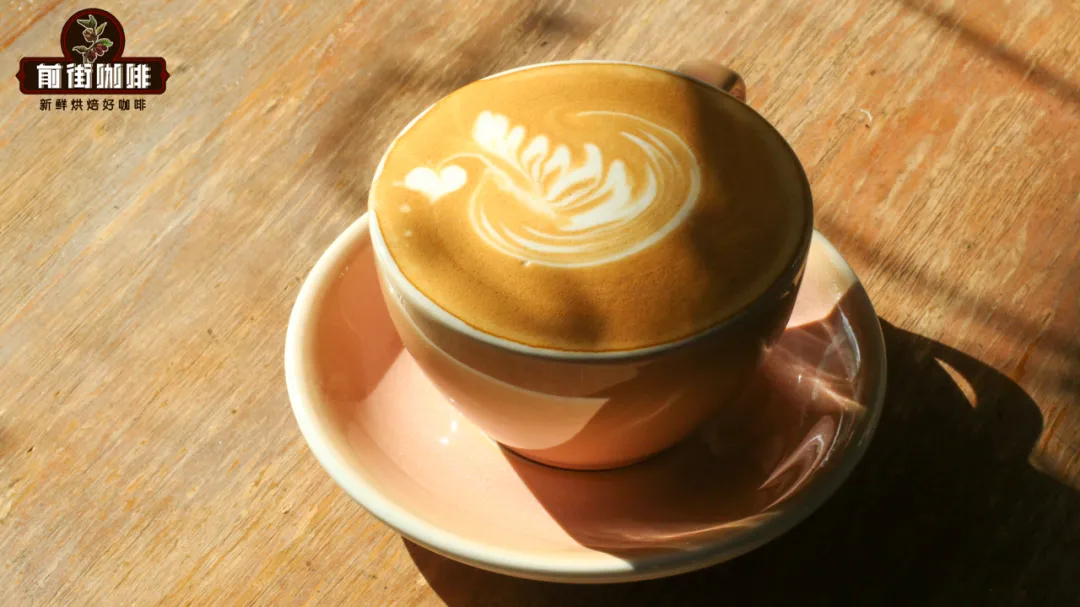
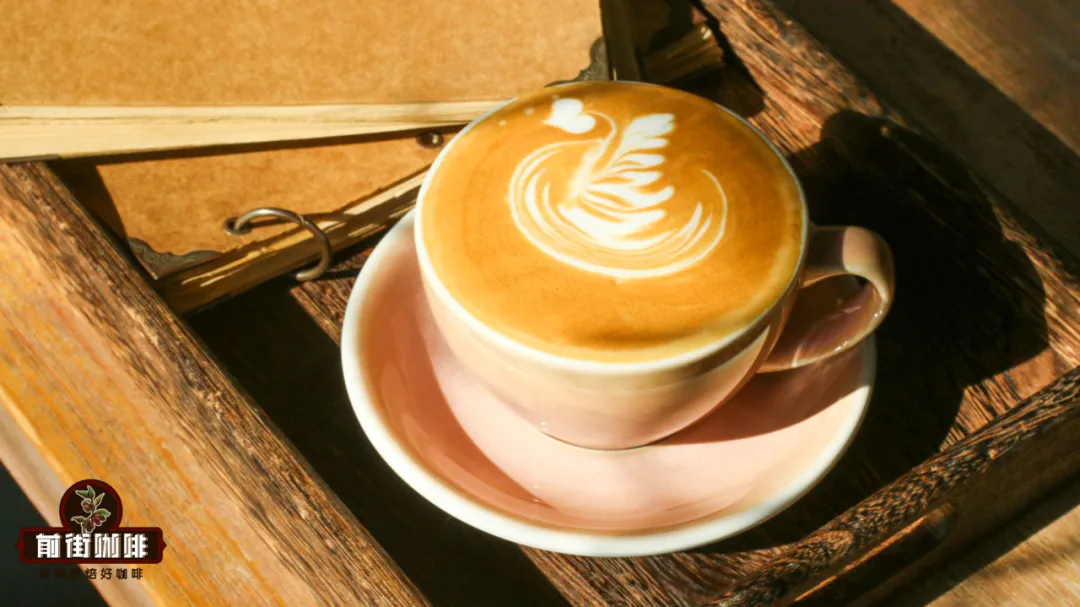
Introduction:As one of the most popular specialty coffee drinks in the world, the latte (Caffè Latte) is actually a classic combination of espresso and milk. But what you might not know is that in Italian, "latte" literally just means "milk," and the proper term for the drink is "Caffè Latte." This article will delve into the historical origins of the latte, its correct proportions, flavor characteristics, and the reasons behind the phenomenon of coffee-free lattes such as matcha lattes. We’ll also provide practical brewing references to help you better understand this globally beloved coffee beverage.
The word "latte" originates from the Italian "Latte," which means "milk." When we refer to a "latte coffee," the correct Italian term should be "Caffè Latte," representing a specialty coffee that combines espresso with steamed milk. This drink is commonly consumed during breakfast in Italy, where many Italians enjoy it in the morning alongside sunlight and the warmth of their stoves, savoring both coffee and fresh milk. However, what they often truly appreciate is the layered texture created by the blend of milk and espresso, rather than the coffee itself.
In the minds of most people, a latte is simply an espresso with a lot of milk added. Interestingly, however, many drinks labeled as "lattes"—such as matcha lattes, hojicha lattes, or Ovaltine lattes—actually contain no coffee at all. This naming convention can be quite confusing and even leads to questions like, "If it doesn’t contain coffee, why is it still called a latte?"
In fact, the word "Latte" in Italian refers solely to milk. If you were to walk into an Italian café and simply order a "Latte," the barista would most likely just hand you a glass of milk. The true name for "latte coffee" is "Caffè Latte," and this compound term only gradually took shape toward the end of the 19th century. As early as 1867, American writer William Dean Howells first described this mixed drink as "Caffe e latte" in his book Italian Journeys, but it was not yet widely known at the time.
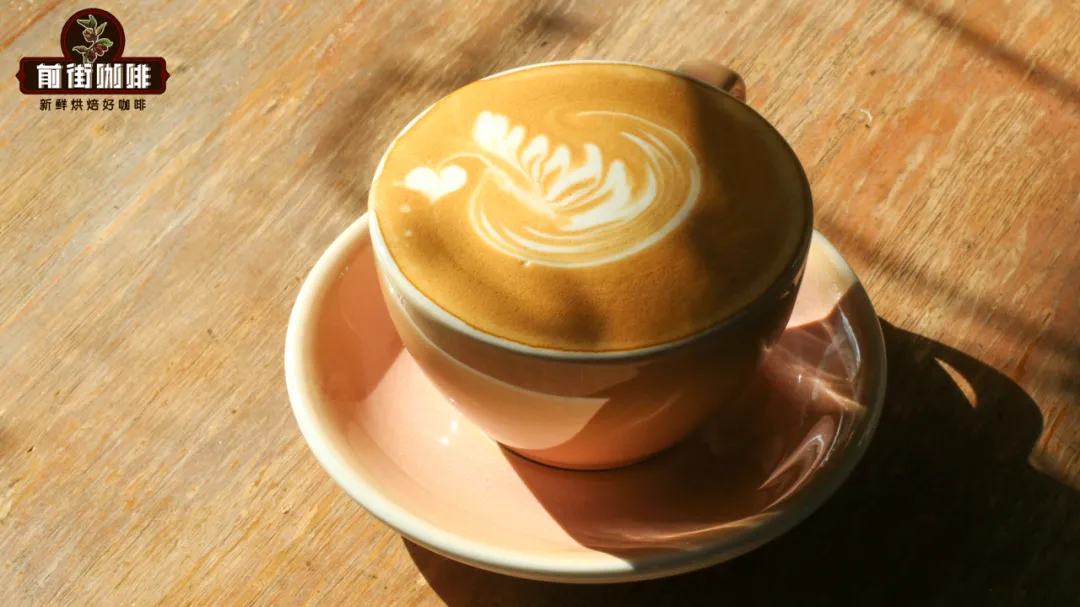
The invention of the espresso machine was a pivotal turning point in the widespread development of the latte. In the mid-20th century, a large number of Italian immigrants brought their coffee culture to the United States. However, because American consumers were not accustomed to the strong flavor of traditional espresso, baristas began adjusting the recipe by adding more milk to soften the taste. It is said that in a Mediterranean-style café in California, a barista created a smoother and more popular coffee by increasing the proportion of milk—this became the precursor to the modern latte.
This variation of cappuccino with more milk was referred to as "Caffè e latte," meaning "coffee with milk." Over time, this flavor gained popularity in the market and, through the promotion of chain coffee shops and the rise of latte art, spread from the United States to the rest of the world. Today, the term "Latte" is widely regarded in most non-Italian regions as synonymous with an espresso drink made with a large amount of milk.
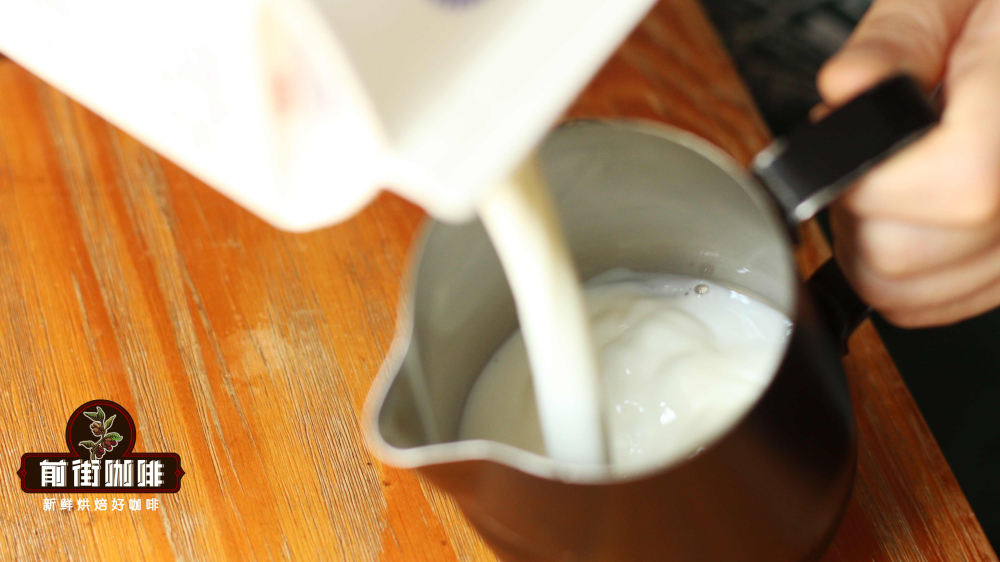
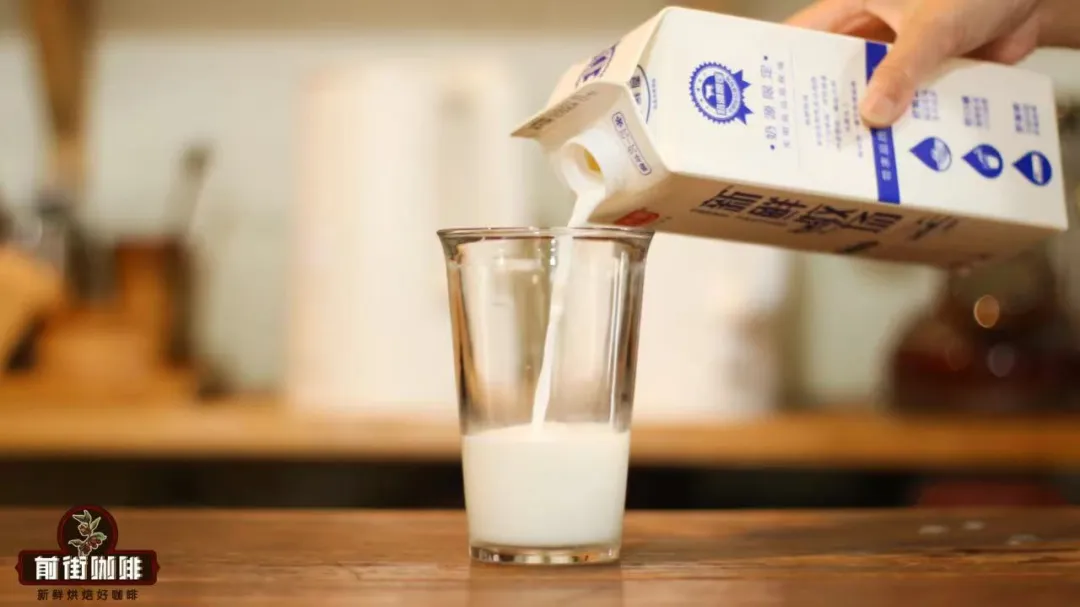
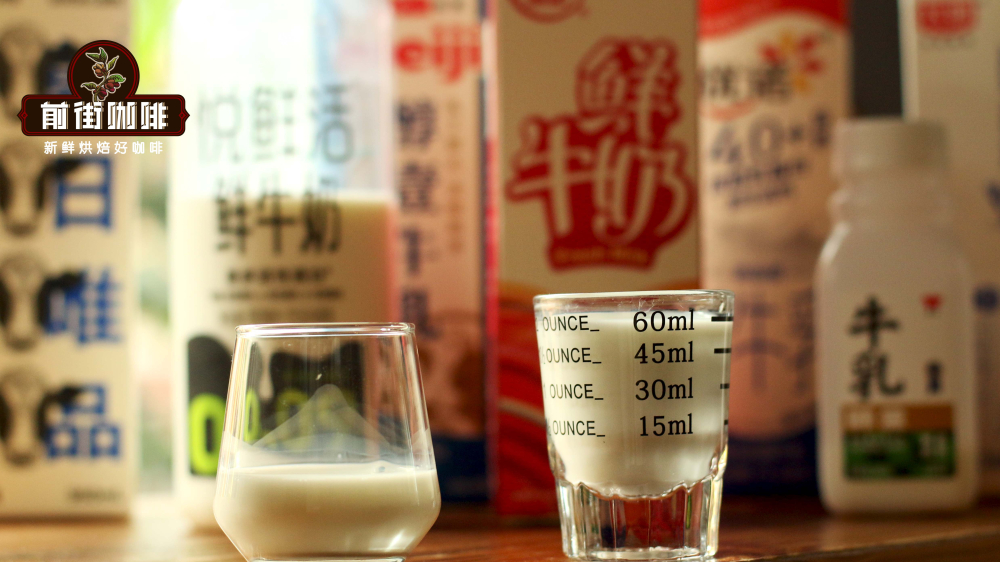
To make a latte with balanced flavor and outstanding taste, choosing the right type of milk is crucial. There are more than ten common brands and varieties of whole fresh milk available on the market, each with different levels of milk aroma and texture thickness. An overly strong milk aroma may mask the original flavor of the coffee, while milk that’s too light can make the overall taste seem thin. Therefore, selecting milk that harmonizes well with the coffee is the first step in crafting an ideal latte.
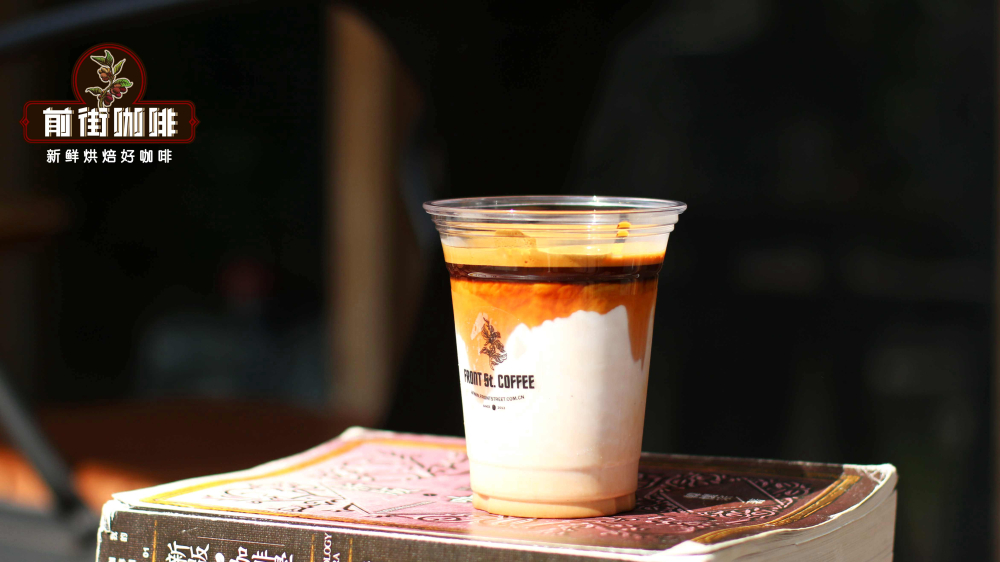
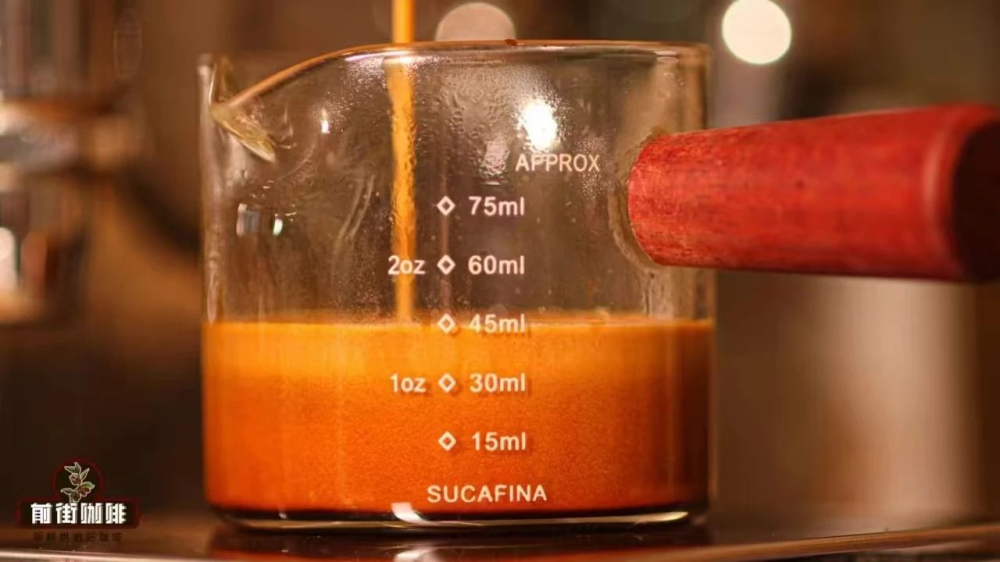
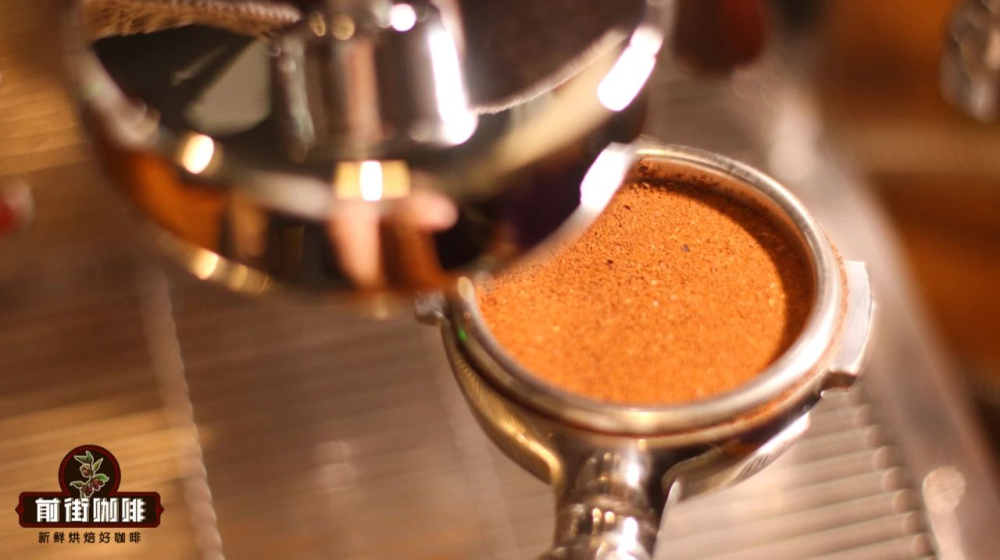
When making an iced latte, it is recommended to use about 35 grams of espresso liquid,250 milliliters of fresh milk, and add 75 grams of ice cubes as the base ratio. This reference proportion can be slightly adjusted according to personal taste, with the goal of achieving a balance between coffee and milk while retaining a refreshing sensation and layering. Additionally, if you want the coffee to exhibit a rich crema, a high-performance espresso machine with fresh, high-quality roasted beans is essential.
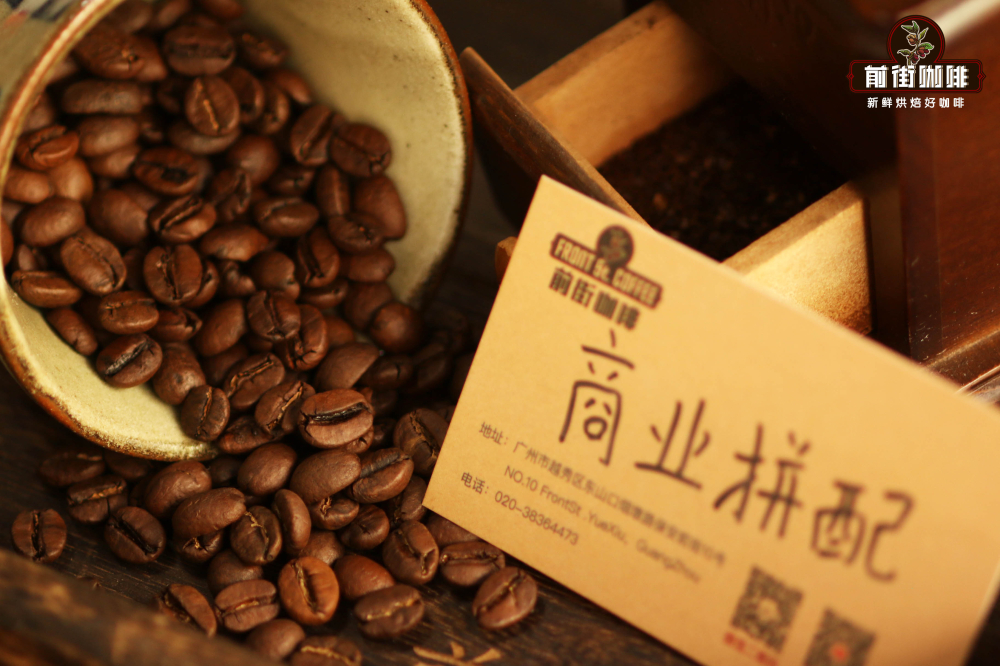
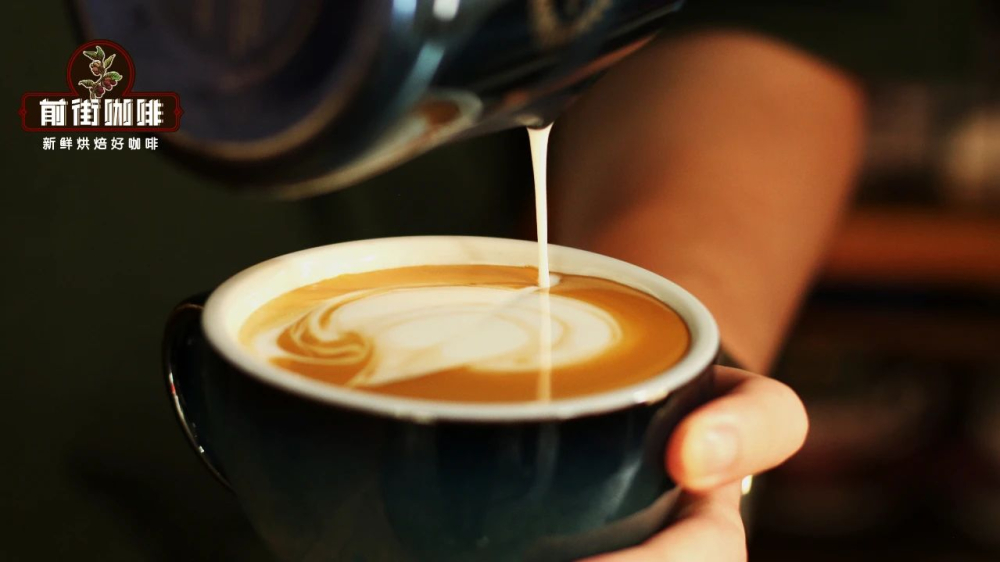
To achieve the desired crema and texture, many coffee enthusiasts opt for medium-dark roasted blends—for example, a mix of Brazilian and Colombian Arabica beans, with a small addition of Robusta beans (around 10%). These blends not only offer a rich caramel sweetness but also feature complex flavors of nuts, cocoa, and dark chocolate, while also helping to enhance the richness and stability of the coffee crema. This is particularly important for latte art, as sufficient and fine crema allows the milk and coffee to integrate more smoothly, resulting in clearer and longer-lasting patterns.
It’s worth noting that the roast date of the coffee beans directly affects crema production and latte art performance. Beans that are too fresh (within 5 days post-roast) contain a high level of carbon dioxide, which can result in overly thick crema that is not ideal for latte art. On the other hand, beans that are too old may have lost their carbon dioxide, leading to thin crema that cannot support detailed foam designs. It is recommended to use beans roasted between 7 and 45 days prior for making espresso to achieve the best crema performance and flavor balance.
In summary, the latte is not just a simple mixture of milk and coffee—it encompasses a rich cultural background, precise proportion knowledge, and technical details. From the breakfast tables of Italy to the latte art of cafés around the world, the latte has evolved into a coffee representative that transcends regions and cultures. Whether you’re a beginner or a seasoned coffee enthusiast, understanding the history, correct proportions, and key techniques of the latte will allow you to better appreciate the multifaceted charm of this classic beverage.


The above content is compiled by CoffeeHunters, a coffee news website.


