








Introduction:Want to make a professional-level latte at home? This article delves into the fundamentals of making a latte, covering everything from espresso powder-to-water ratio selection and extraction time to milk pairing techniques. It guides you through the practical performance of three classic ratios—1:1, 1:1.5, and 1:2. We also explore the historical origins and core characteristics of lattes, supplemented with useful extraction details and common mistakes to help beginners quickly elevate their coffee flavor profiles.
Many coffee beginners often encounter this question: when using the same coffee beans, the same grind size, and the same dose, is it necessary to adjust the powder-to-water ratio for the espresso portion when making different types of coffee (such as Americano, espresso, or milk coffee)? The answer is yes—different powder-to-water ratios will directly affect the final flavor presentation. This experiment used a standard 300ml latte cup as the vessel, with the Feima 900N grinder set to a 1.9 grind size, using a single spout portafilter with a fixed dose of 20 grams. Detailed tests were conducted on three powder-to-water ratios: 1:1, 1:1.5, and 1:2, observing their impact on espresso, latte, and Americano.
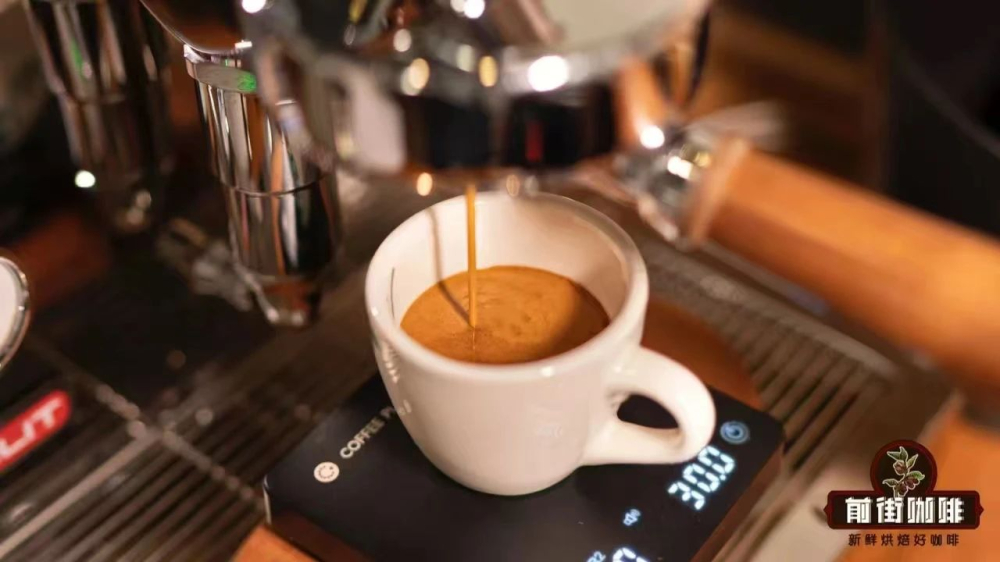
First, let’s look at the 1:1 powder-to-water ratio group: 20 grams of coffee grounds yielded only 20 grams of espresso, with an extraction time of about 19 seconds. The espresso at this ratio is smooth on the palate but has a more pronounced acidity, featuring flavors of cream, nuts, and a lingering sweet note of cane sugar. When this espresso is combined with milk to make a latte, the overall profile exhibits rich notes of nuts, chocolate, and cream, even subtly reminiscent of the softness of butter cookies, with the inherent sweetness of the milk also standing out. As for the Americano at the same ratio, it offers caramel aromas, a soft and smooth mouthfeel, and a hint of tart-sweet red berry character.
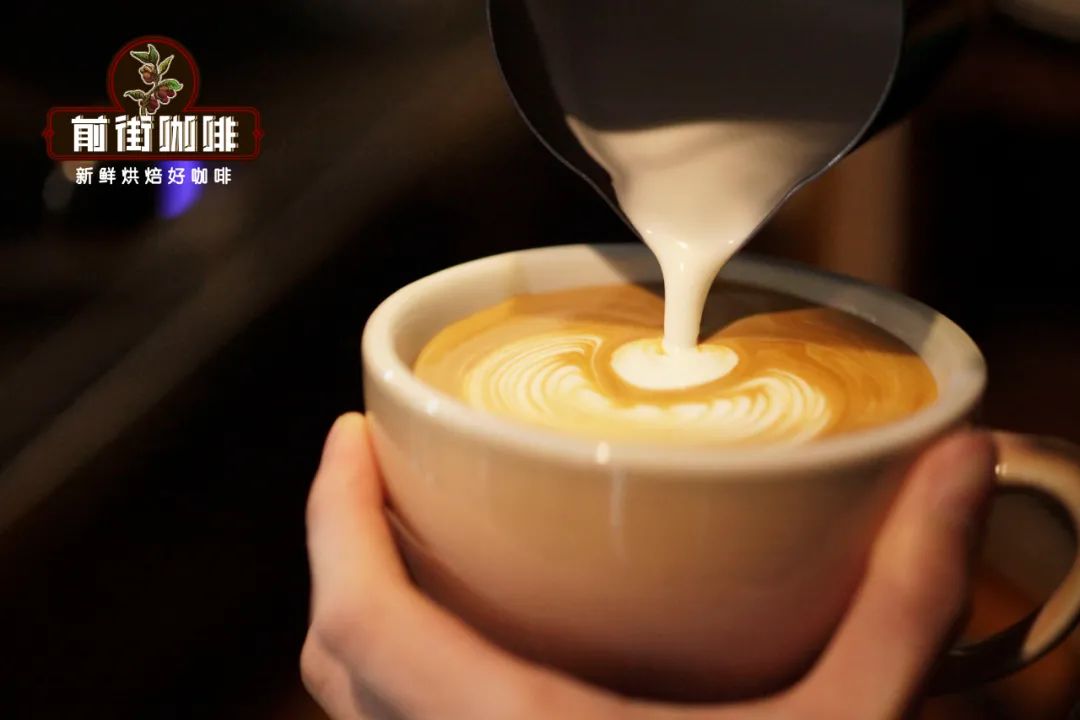
Next is the 1:1.5 setting: 20 grams of coffee yielded 30 grams of espresso, with the extraction time extended to 27 seconds. The flavor profile of this espresso shifts toward a berry acidity as the main axis, with a mid-palate showcasing layers of chocolate and hazelnut, and a sweet, long-lasting aftertaste. When made into a latte, the overall flavor becomes more balanced, with prominent caramel notes, and the expressions of cream, milk chocolate, and nut flavors complementing each other—neither the coffee nor the milk overwhelms the other. The Americano version carries a slight berry acidity, with the aftertaste ending on a clear note of cane sugar sweetness, resulting in an overall smooth and dynamic drinking experience.
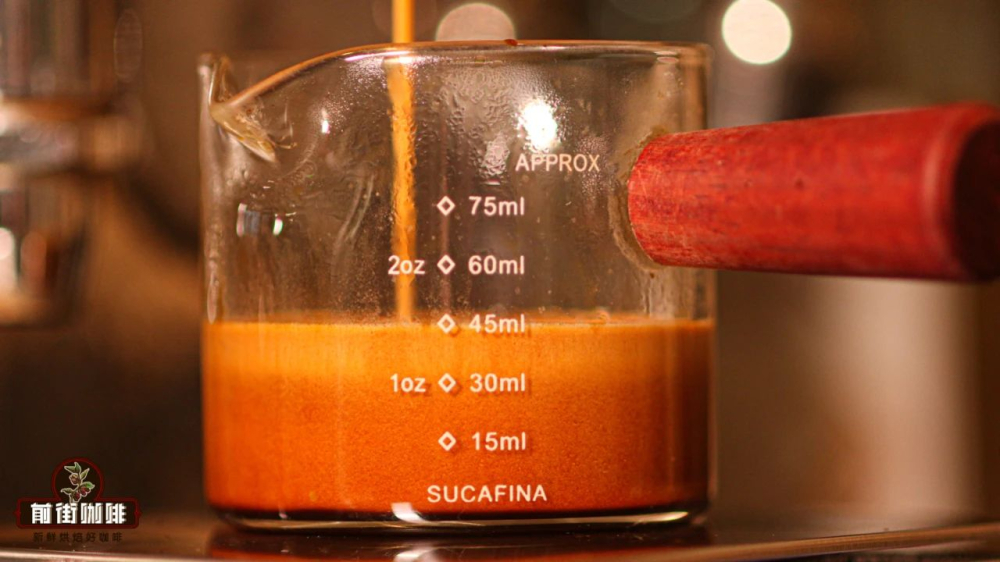
Finally, the 1:2 ratio group: 20 grams of coffee yielded 40 grams of espresso, with the extraction time extended to 34 seconds. At this ratio, the espresso immediately presents a creamy, sweet sensation on the palate, with a clean sweetness and a hint of rock sugar flavor, though the aftertaste gradually reveals a distinct smoky note. The latte version, while milder in initial flavor, offers a gentle toffee-like sweetness, with the aftertaste transitioning into cinnamon and woody tones. As for the Americano, it gives off a slight woody aroma, with cocoa and wood flavors becoming more prominent upon tasting, resulting in an overall bold and deep-bodied profile.
Summarizing the experimental results, we find that the lower the powder-to-water ratio of the espresso, the more pronounced the acidity—but due to the shorter extraction time and focus on extracting earlier-stage compounds, it is less prone to over-extraction. When paired with milk, the acidity is greatly softened and the sweetness is accentuated, making it suitable for those who prefer a milk-forward, sweet-tasting drink. On the other hand, the higher the powder-to-water ratio, although the espresso initially shows good sweetness, it can quickly shift toward later-stage flavors such as woodiness and smokiness. If not well controlled, it can easily lead to over-extraction, affecting the overall flavor balance.
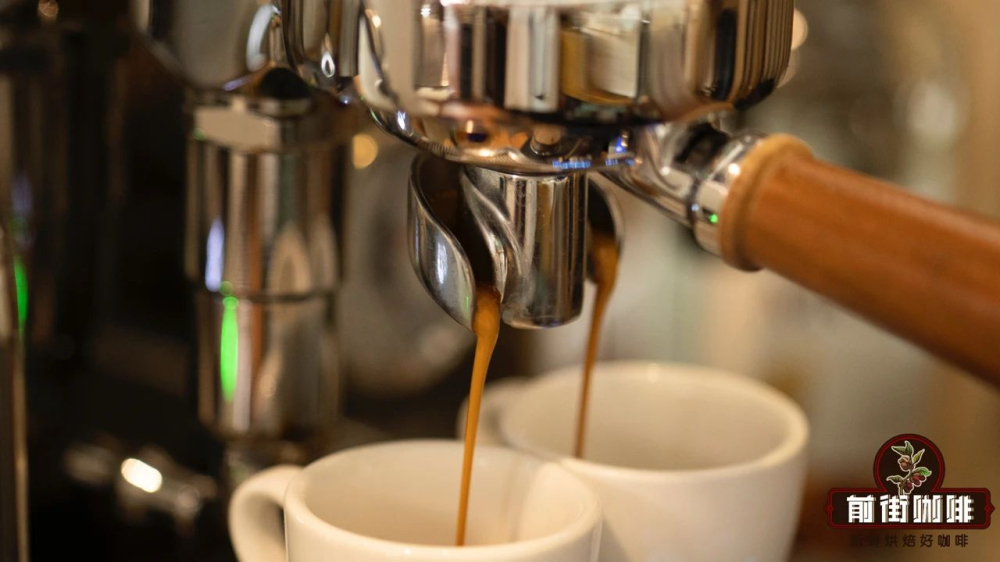
Taking the Colombian and Brazilian blend beans used in this experiment as an example, without altering the grind size, if you want a latte with outstanding sweetness and a smooth overall profile, the 1:1 espresso is recommended. If you prefer a latte with more layered complexity and a better balance between coffee and milk flavors, then the 1:1.5 powder-to-water ratio would be more suitable. Additionally, the performance of the Americano also varies with different powder-to-water ratios—from smooth and easy-drinking to noticeably over-extracted woody notes—can all be further refined by adjusting the ratio.
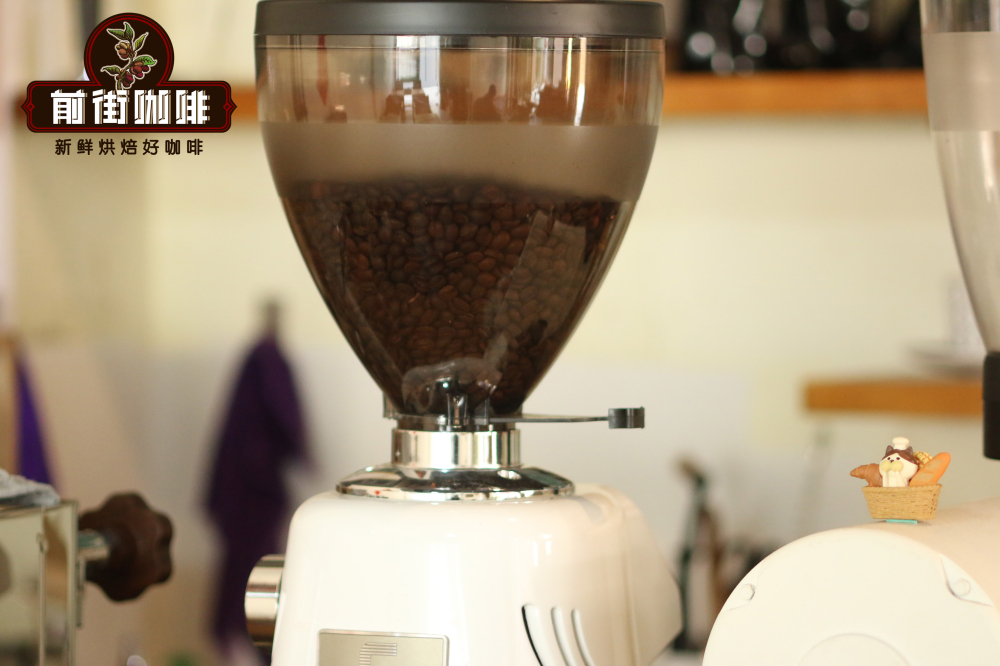
When it comes to selecting beans for espresso, it is recommended to use professionally blended espresso beans. Generally speaking, blends composed of beans from regions such as Brazil, Indonesia, and Vietnam, and roasted to a dark level, can fully express rich aromas and thick crema, delivering stable performance whether making Americano or latte. These blends not only maintain flavor consistency across different seasons, but also effectively mitigate flavor fluctuations caused by climate changes in single-origin beans, making them suitable for both beginners and advanced enthusiasts.

In conclusion, making a satisfying latte involves not only mastering basic extraction techniques, but also the crucial choice of powder-to-water ratio. Whether you're a coffee novice just starting out or a home brewing enthusiast looking to refine your skills, understanding how different ratios influence flavor can bring you a richer and more surprising experience with every brew.
The above content is compiled by CoffeeHunters, a coffee news website.


